Nate Herk | AI Automation · Youtube · 07:24

The Skill That 10x'd My Claude Code Projects

A 7-minute case for front-loading knowledge extraction before you write a single line of your AI operating system.

Posted
June 4th 2026
today
Duration
07:24
Format
Tutorial
educational
Channel
NH
Nate Herk | AI Automation
§ 01 · The Hook

The bait, then the rug-pull.

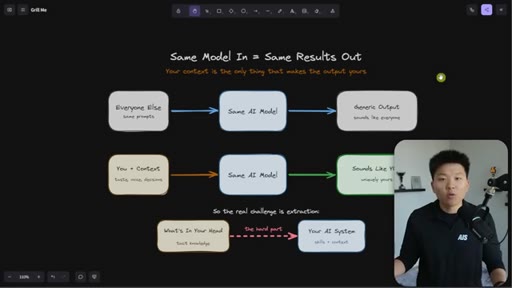
Every Claude Code builder eventually hits the same wall: the model is the same for everyone, so the outputs are the same — until you load it with everything that lives in your head. The hard part is not writing skills. The hard part is extraction.

§ · Chapters

Where the time goes.

00:00 – 01:03

01 · The Extraction Problem

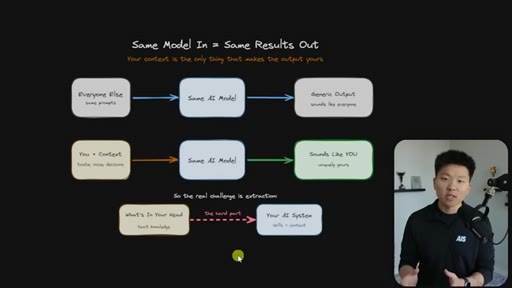
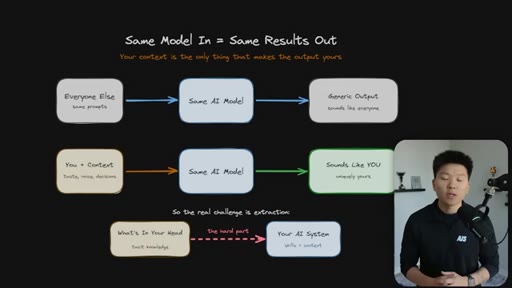
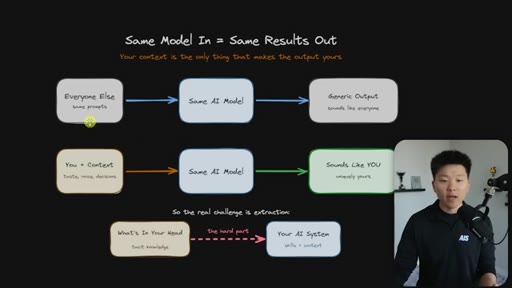
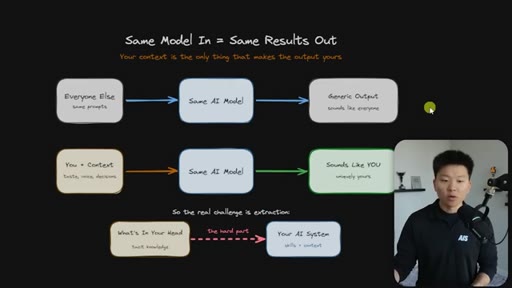
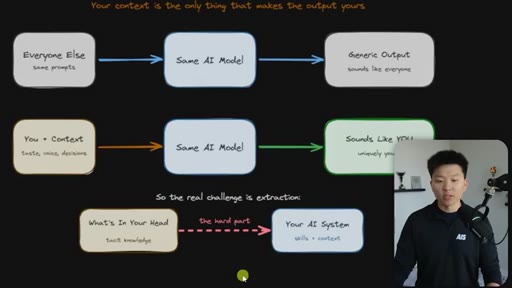
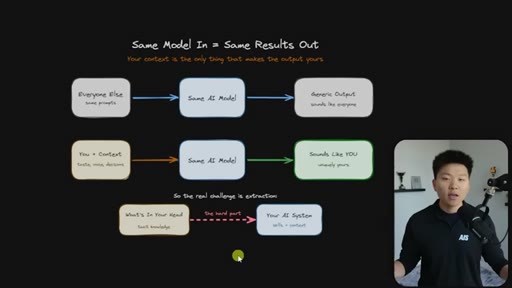
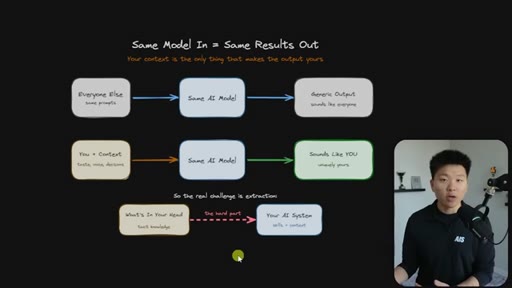
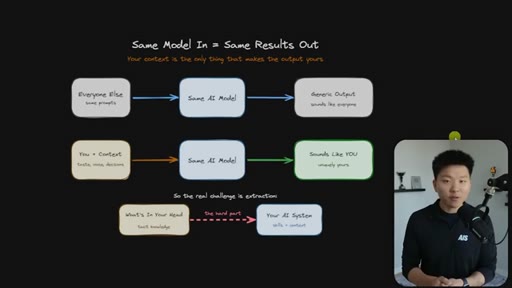
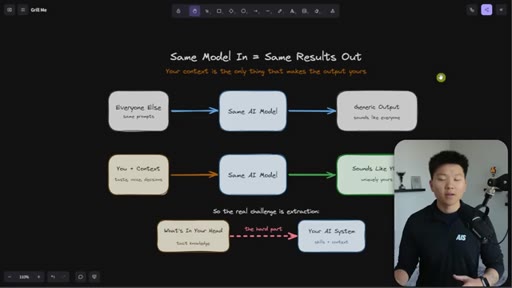
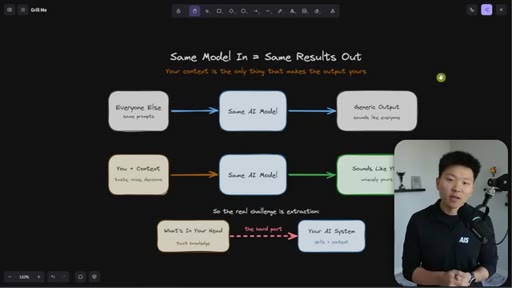
Everyone uses the same model with the same prompts and gets generic output. The only differentiator is context — and the real challenge is getting tacit knowledge from your head into the system.
01:03 – 02:11

02 · What the Grill Me Skill Does

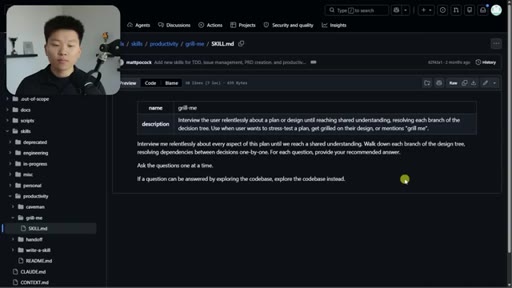
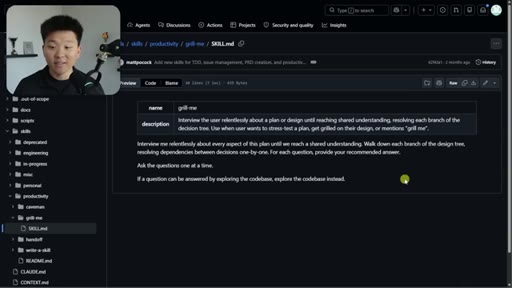
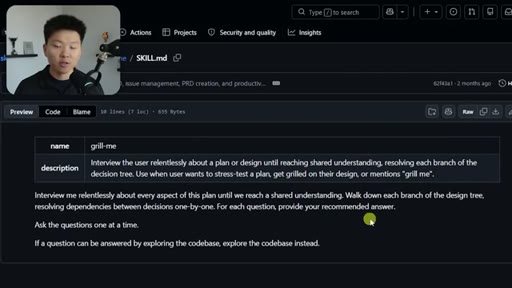
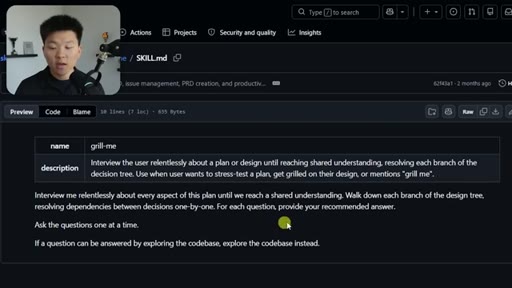
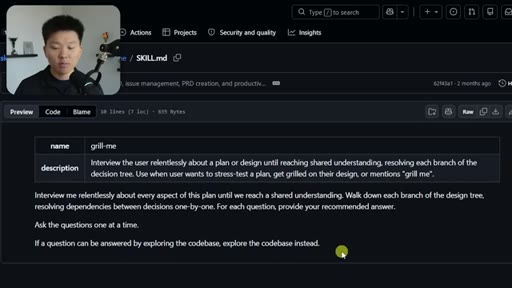
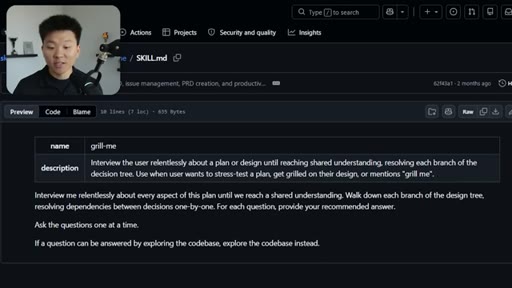
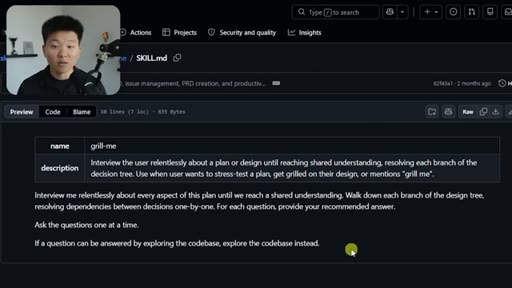
Relentless Q&A loop that grills you until no knowledge gaps remain. Original four-sentence prompt by Matt Pocock: interview me about every aspect of this plan until we reach shared understanding.
02:11 – 03:00

03 · Checkpointing

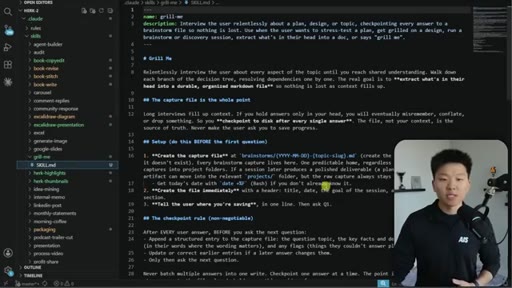
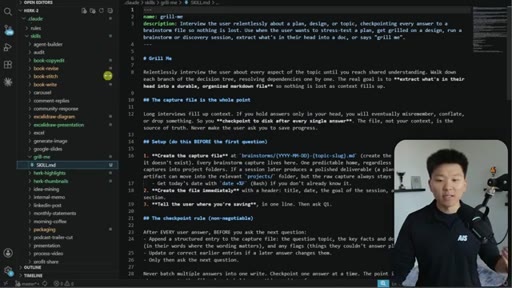
Why the original skill is insufficient for long sessions. Nate's enhancement: auto-checkpoint after every answer so context-window decay can't erase earlier responses.
03:00 – 04:00

04 · Brainstorm Files in Action

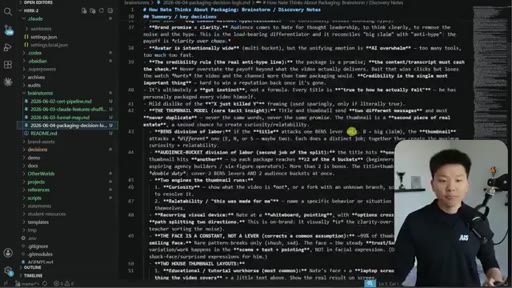
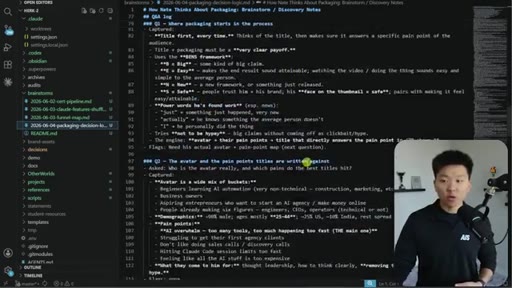
The brainstorms/ folder at project root. Live demo of a packaging session doc with Q&A log, key decisions, and the AI's auto-offer to update existing skills and guides.
04:00 – 05:22

05 · Why It's Worth It

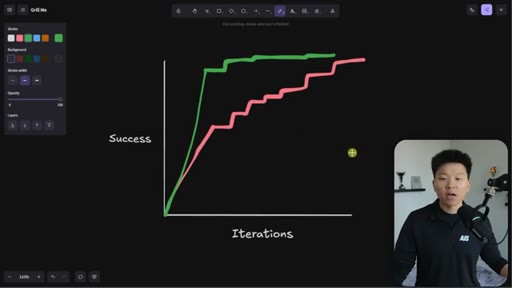
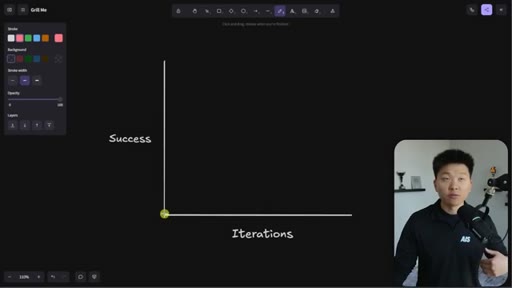
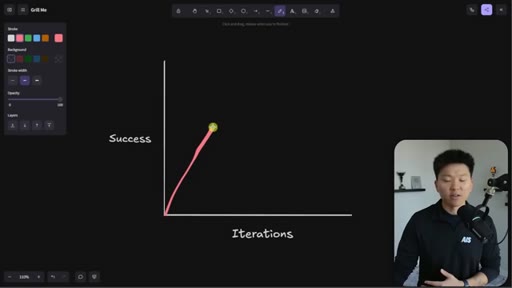
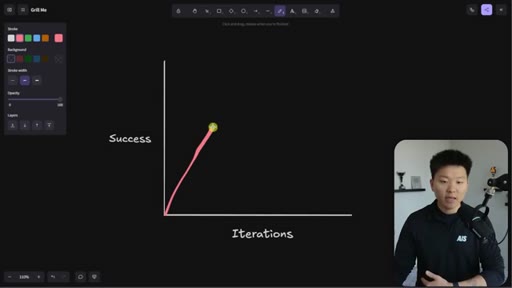
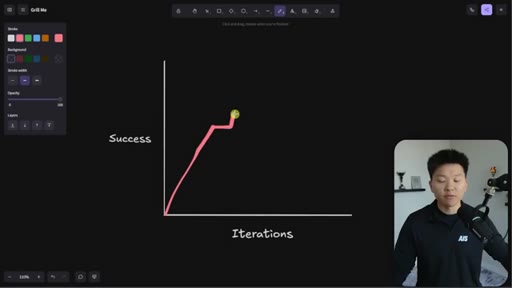
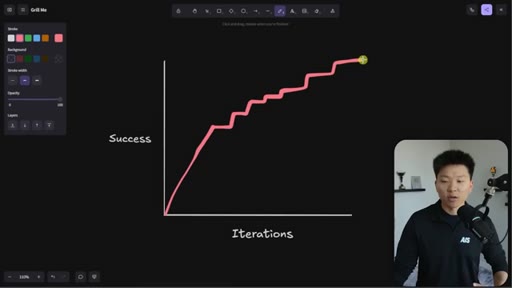
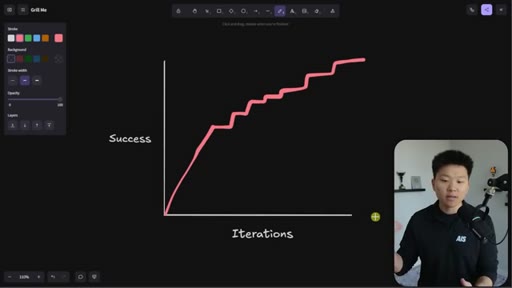
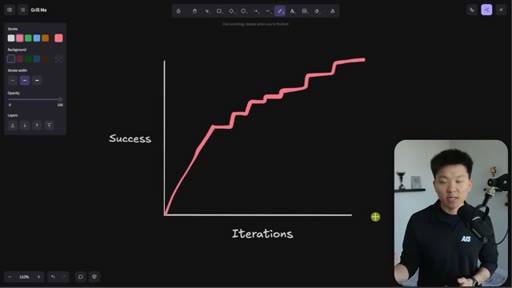
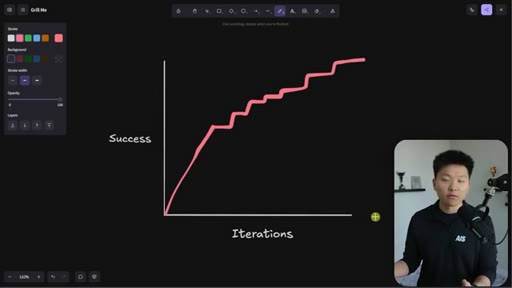
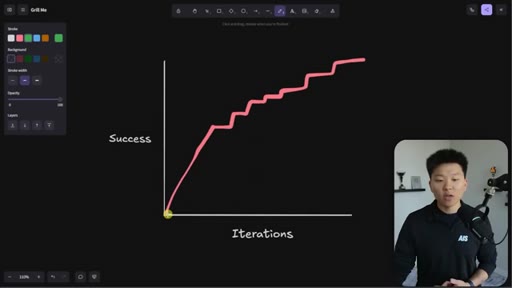
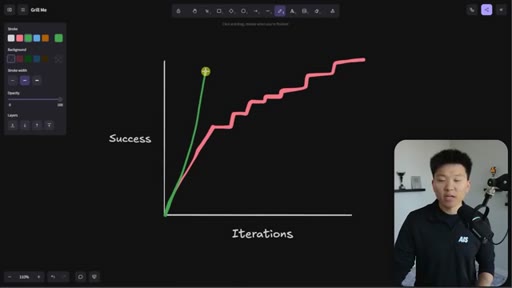
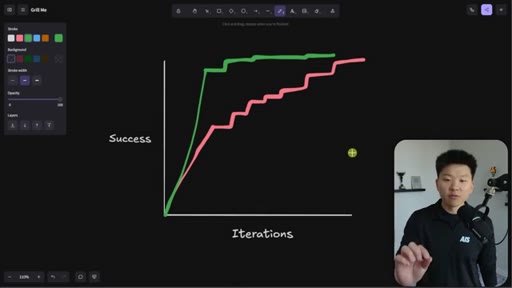
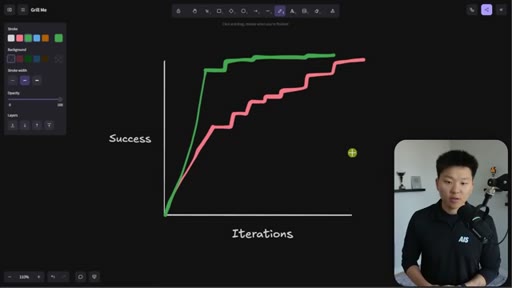
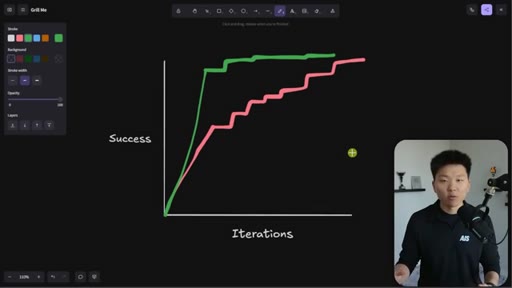
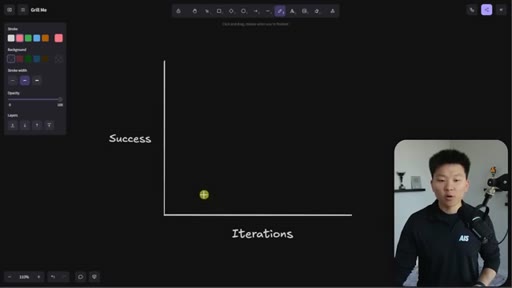
Whiteboard visualization: old path (70% on iteration 1, 30 iterations to reach 95%) vs. grill-me path (90% on iteration 1). The sharpen-the-axe argument for front-loading extraction.
05:22 – 07:05

06 · Get It Free + Live Demo

Where to find Matt Pocock's original and Nate's enhanced version. Live demo of invoking /grill me and watching the discovery doc scaffold in real time with open flags.
07:05 – 07:24

07 · Final Thoughts

Quick close and subscribe CTA.

§ · Storyboard

Visual structure at a glance.

AIOS graph-view knowledge map
Same Model In = Same Results Out slide
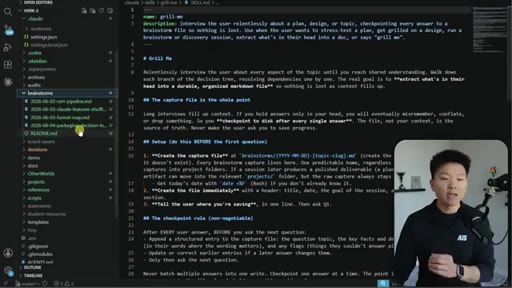
grill-me skill.md in VS Code
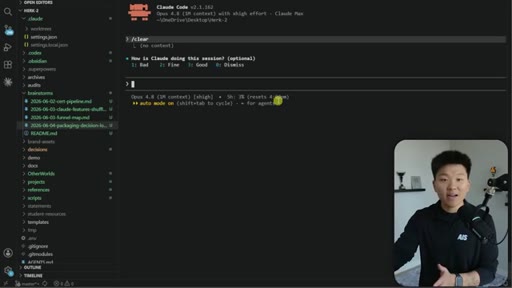
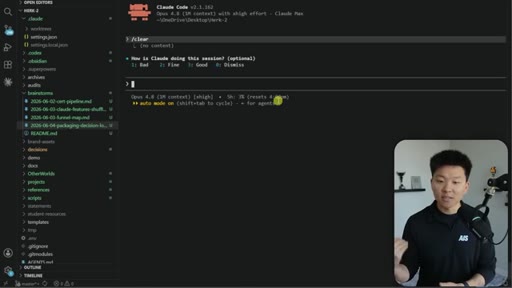
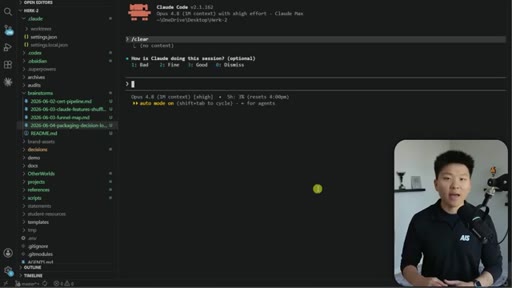
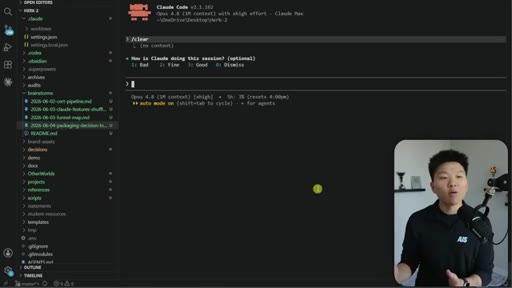
Claude Code session — checkpointing demo
iteration curve whiteboard sketch
Skool community classroom
Claude responding to /grill me command
§ · Frameworks

Named ideas worth stealing.

01:03 model

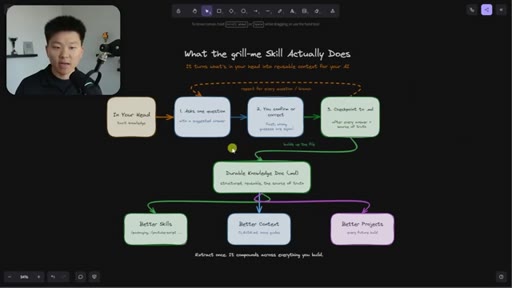
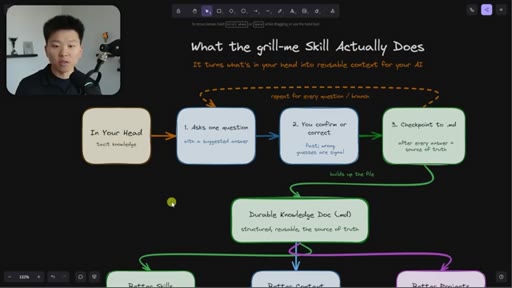
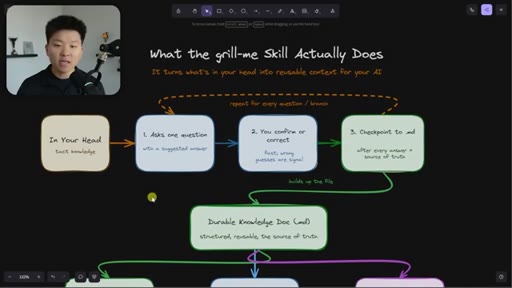
The Extraction Loop

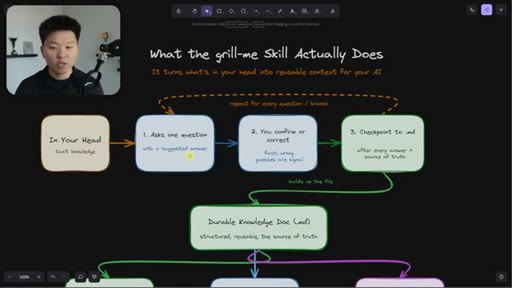
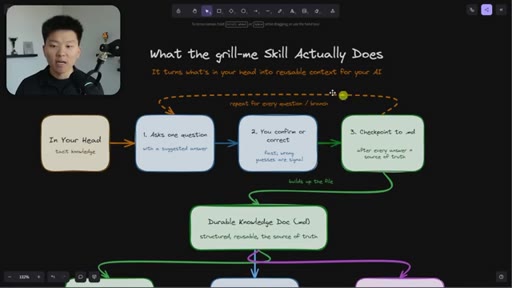
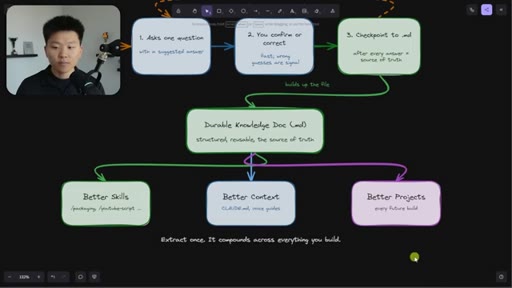
  1. Ask one question
  2. Receive one answer
  3. Checkpoint to markdown doc
  4. Repeat until no gaps remain

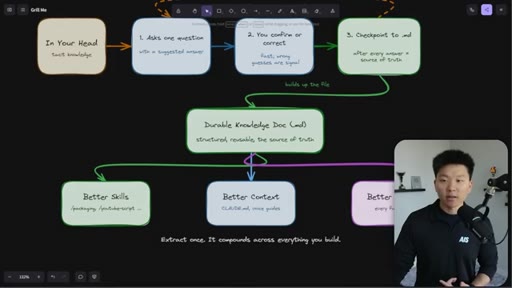
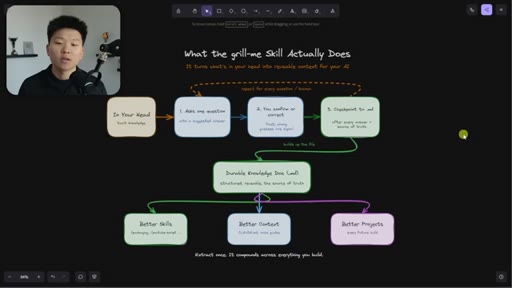
The grill-me skill's core mechanism: a structured Q&A loop that writes to brainstorms/<topic>.md with sections for summary, key decisions, Q&A log, and open flags. Continues until both you and the AI agree the knowledge is complete.

Steal for Any process that requires extracting implicit decision-making from a subject matter expert — client scoping, onboarding interviews, SOP creation
04:00 model

The Iteration Curve

Whiteboard framework: without extraction, a new skill starts at ~70% quality and reaches 95% after 10-30 iterations. With grill-me front-loading, iteration one starts at ~90% quality and reaches 95% in a handful of runs. The compounding benefit is earlier feedback and faster refinement.

Steal for Justifying upfront investment in any context-setting or discovery phase before building
§ · Quotables

Lines you could clip.

01:00
"It's the difference between a system that is successful 95% of the time and one that's only successful 80% of the time."
Concrete performance delta — the kind of hard number people screenshot and share → IG reel cold open
02:10
"A skill can just be a prompt that you don't wanna have to say every single time."
Reframes the entire concept of a Claude skill in one sentence — useful counter to overcomplicated skill advice → TikTok hook
05:15
"If I had six hours to chop down a tree, I would spend the first four sharpening the axe."
Citable Lincoln maxim applied cleanly to AI system building — zero setup needed → newsletter pull-quote
§ · Resources Mentioned

Things they pointed at.

01:52linkMatt Pocock's original grill-me skill
06:20productNate Herk's enhanced grill-me version (via Skool classroom > All YouTube Resources)
§ · CTA Breakdown

How they asked for the click.

05:22 link
"If you want my version, you can come to my free school community. The link for that is down in the description. Just join the community. Go to the classroom. Click on all YouTube resources."

Soft sell — positioned as giving away value for free. Comes at 73% through the video after the full proof-of-concept demo, which is good placement. No urgency or scarcity used.

§ 04 · The Script

Word for word.

HOOK opening / re-engagementCTA the pitch metaphor analogy story
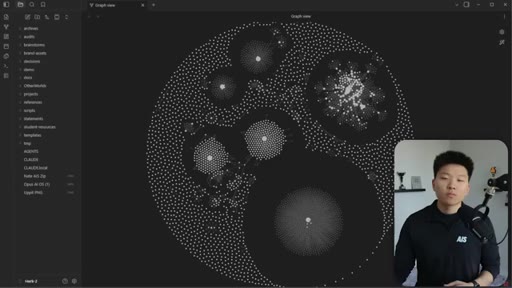
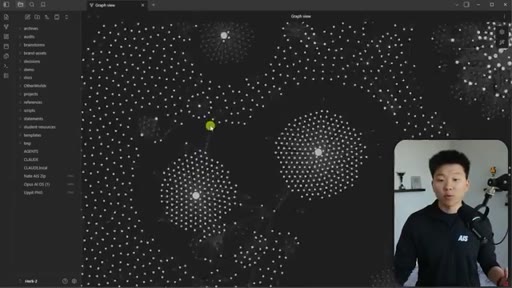
00:00HOOKThe toughest part about building good skills and building a good operating system is trying to get everything from your brain into your system. So for example, what you're looking at here is after months and months of me building up all of the knowledge that lives inside of my AIOS. It's basically just the idea that if everyone's using the same model, so if everyone's using Cloud Opus 4.8,
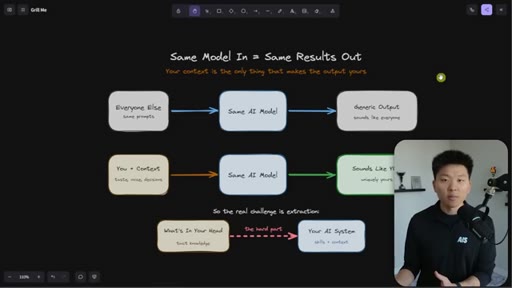
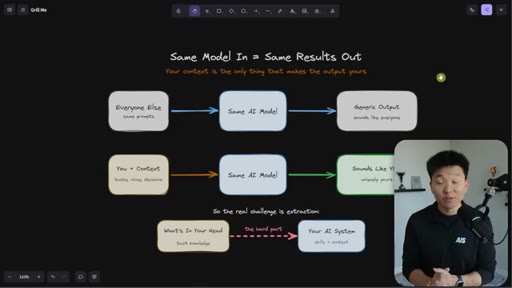
00:19then everyone's gonna be using the same prompts and getting the same output because the model is fundamentally the same for everybody. So what really makes the difference is when you add context into that model and you give it your taste, your voice, your decisions, and that's how you get outputs that actually sound like you.
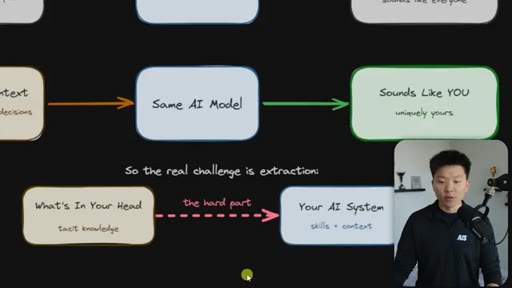
00:32But once again, the real challenge is still the extraction, getting everything from your head into the AI system so that your skills can use it and that your context is better. And if you guys have been following me for a while and you've seen videos I've made about, like, discovery calls and and scoping out projects, that's the toughest part is especially if you're working with a client, asking them so many questions about this process to the point where they might even get annoyed because you're asking so many questions, but that's just what you have to do.
00:57It's the difference between a system that is successful 95% of the time and one that's only successful 80% of the time. So this one skill we're gonna look at today is called grill me. It basically takes what's in your head into reusable context for your AI.
01:09So what happens is all of that knowledge that's in your head that you might think, okay. I'm just gonna brain dump into clawed code for five minutes, it will be good enough. It's not ever good enough.
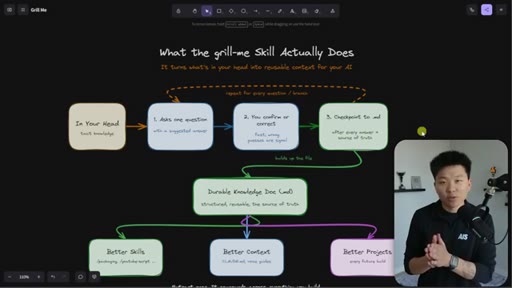
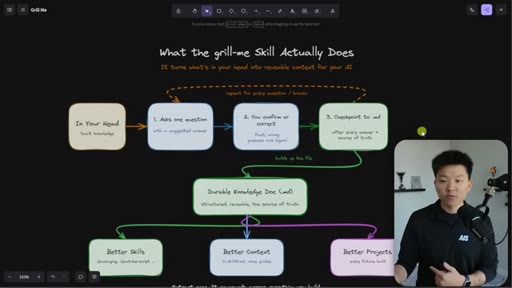
01:18So what this does is it basically relentlessly asks you questions. It grills you until it knows pretty much everything about the process. It'll ask you a question.
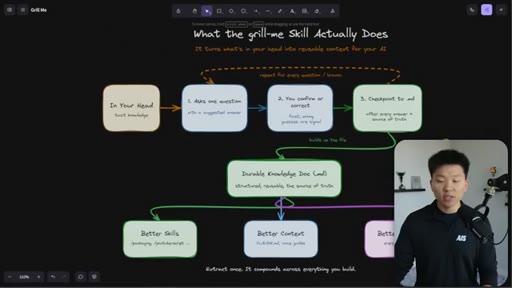
01:26You answer it, and then it basically will checkpoint, and it will write everything back to a knowledge doc, and it will just keep going over this loop endlessly until the knowledge doc is good enough and there's no gaps or holes in that knowledge. And so like I said, this results to better skills, better context, and better projects.
01:42And originally, this skill was built by Matt Pocock, and what's cool is if you look at it, it is a super simple prompt. It's like four to five sentences. Interview me relentlessly about every aspect of this plan until we reach a shared understanding.
01:54HOOKWalk down each branch of the design tree, resolving dependencies between decisions one by one. For each question, provide your recommended answer. Ask questions one at a time.
02:02HOOKIf a question can be answered by exploring the codebase, explore the codebase instead. And I like to look at that because it makes you realize that a skill doesn't have to be super complicated automation. A skill can just be a prompt that you don't wanna have to say every single time.
02:14And, of course, naturally, what did I do? I destroyed that. I ruined the skill.
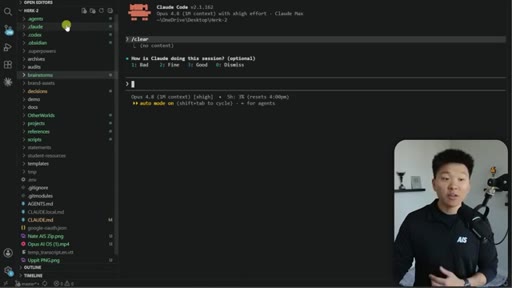
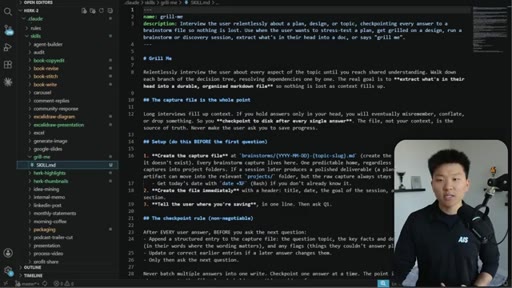
02:18I made it a little bit more complex, but I added something that I think makes it much better. So if I go into my dot Claude, I go down to my skills, and we look for the grill me right here, and I open up the skill.md, you can see it's a little bit longer now.
02:29But, basically, what I did is I worked in that whole element of checkpointing after every single question. Because, originally, the skill doesn't do that. And what happens is if you are talking you know, if it's grilling you for an hour plus, which sometimes it will, and that's a good thing, then as the context window starts to fill up, I started to get worried that it was gonna misremember some of my answers from earlier.
02:48So I just found myself telling it manually, hey. Write this to a doc. Write this to a doc.
02:52Checkpoint every time. And so I figured, okay. Why not just work that into the skill?
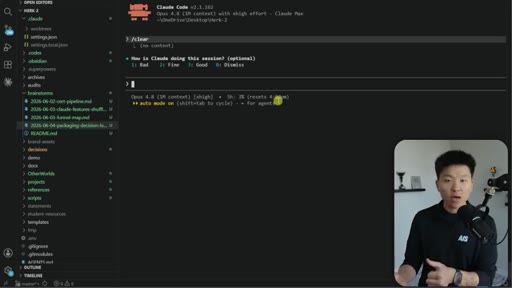
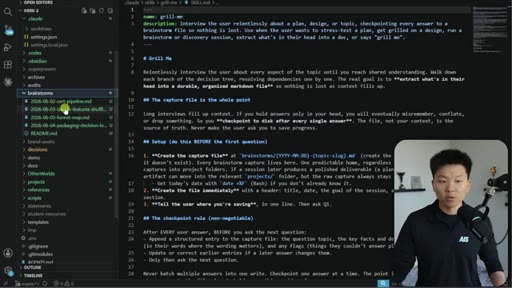
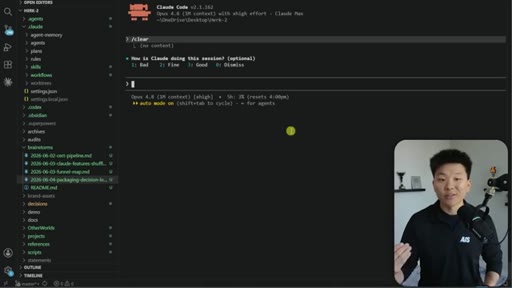
02:55So now what the skill does is it creates a folder called brainstorms, and it does this at the root of your project. So if I go down here, you can see I've got a brainstorm file or sorry, a brainstorm folder right here with these four brainstorms.
03:07And so it will create that for you if you don't have it, but if you do have it, it will just chuck a doc in there, a markdown file right away. And so then if I open up, like, for example, this packaging one, which I was doing, it will find, like, the algorithm, the key decisions, but then it will also show you the step by step q and a log of the questions that it asked and what I answered with and the key highlights.
03:26And then as soon as we finally got to the end of that packaging grill me session, it said, hey. I noticed you have this packaging guide and you have a packaging skill, and there's a lot of nuance here that we talked about that's not in there.
03:37So do want me to update both of those? And then I said yes, and now those skills and docs are so much better. I also did one where I said, hey.
03:43I want you to understand everything about the business, and we walked through from beginning to end all the decisions, all the processes, and now my OS just feels like it knows even more about the way the business works. And so if you think about it like this, right, like, nothing is going to be perfect on the first try.
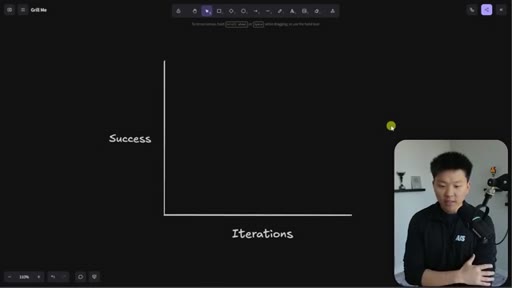
03:58And so let me just do a quick visualization. This is kind of the old way when you're building a skill. Right?
04:02So we've got iterations down here. Let's say by iteration one, after you've knowledge dumped in your brain and you wanna build a skill, you maybe get somewhere, let's just say around here, where you're about, like, 70% successful on iteration one.
04:16And then what happens is you run the skill and you make a small improvement, and now you're up about, I don't know, right here. Like, you go up from 70% to 75. And then every time you iterate, you get a little bit better with each iteration until maybe you cap at the point where you're about, like,
04:3095% good. And this could be 10 iterations.
04:33It could be 30 iterations. It however many it takes for your skill to feel a bit more battle tested. And, honestly, I don't think you ever get to a 100% because as your business evolves and as you evolve,
04:43the skill keeps evolving. So, like, all my skills that I've been using for months and months, I'm pretty much still changing a lot.
04:49But the whole idea is what if on iteration one, because you do this grill me and you spend extra time upfront, you're able to jump right up here to, like, 90 at the beginning? And, yes, it's not perfect. You're still gonna iterate a little bit, but you're just there a lot quicker, which gives you more opportunity to find better ways to iterate on it.
05:07CTASo that's my horrible visual of why I think this is valuable. It just goes back to that whole idea of if I had six hours to chop down a tree, I would spend the first four sharpening the axe, where up front, yes, maybe it feels boring or repetitive, but that's what you need to do is get all that context in there because it helps downstream
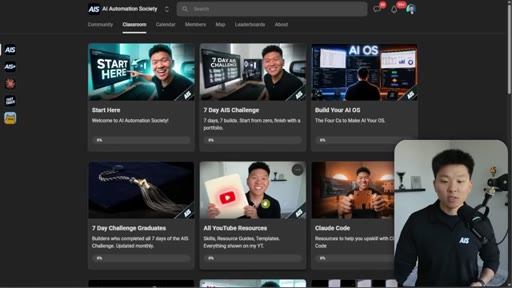
05:23CTAso much more. So, anyways, if you guys wanna grab the grill me skill, you can look it up here from Matt Pocock. Or if you want my version, you can come to my free school community.
05:30CTAThe link for that is down in the description. Just join the community. Go to the classroom.
05:34CTAClick on all YouTube resources, and it will be right in there for you to find along with all my other free resources. And then it's as simple as saying, hey. Grill me about this.
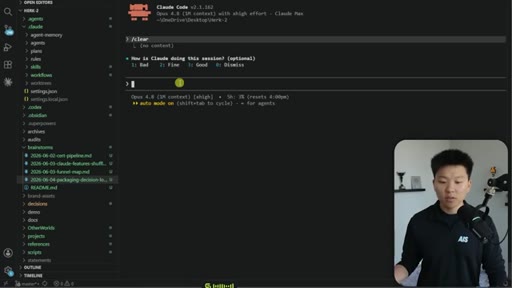
05:41CTAOr, of course, you can invoke it with a slash command right there. You can see grill me. But I could just say something as simple as, hey.
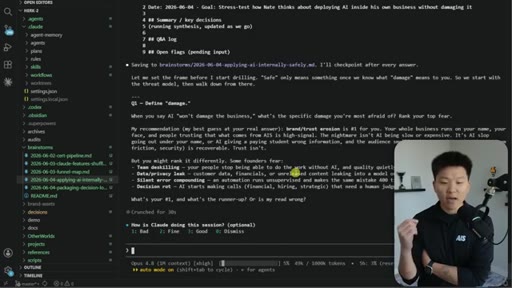
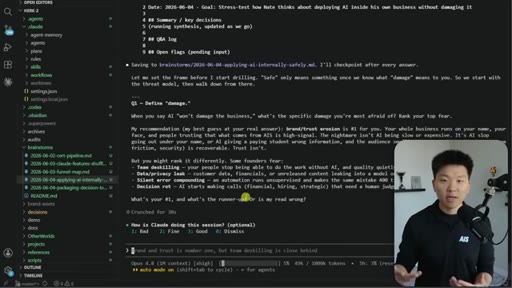
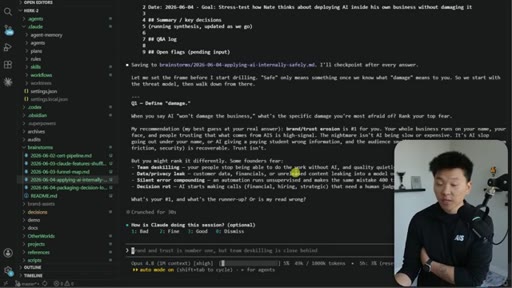
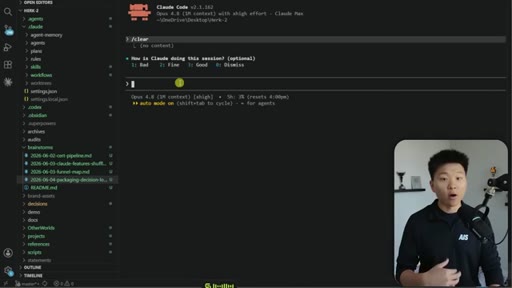
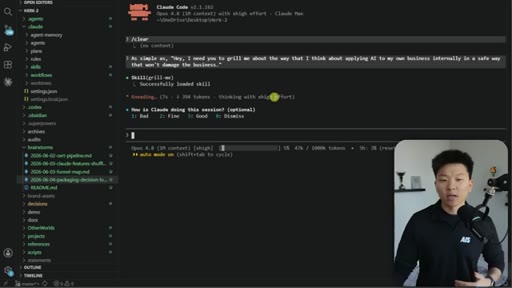
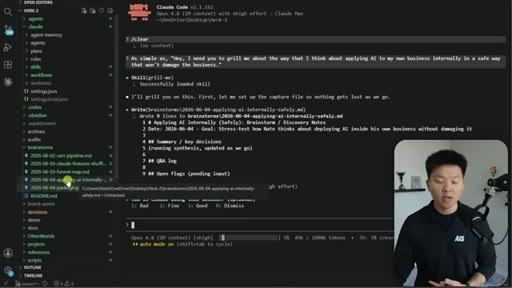
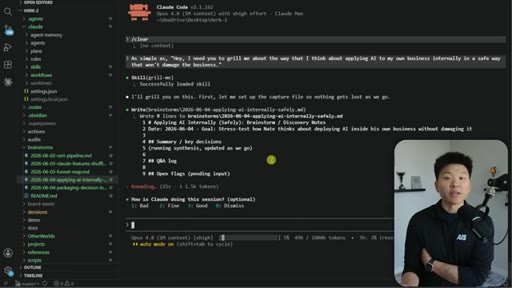
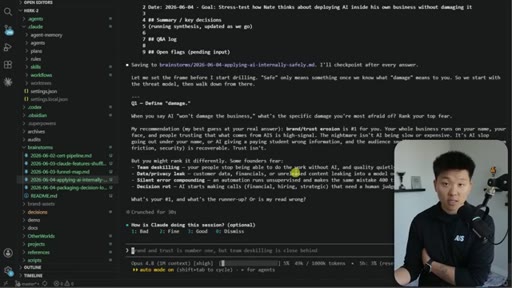
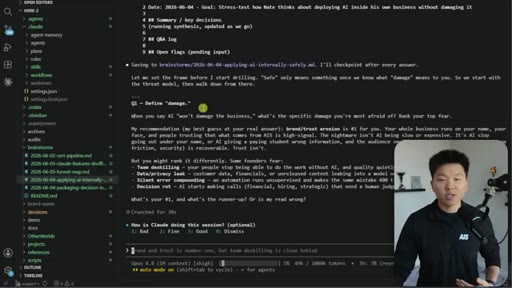
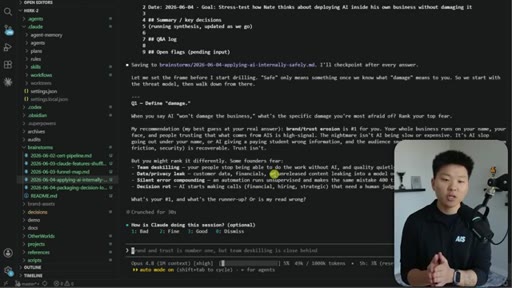
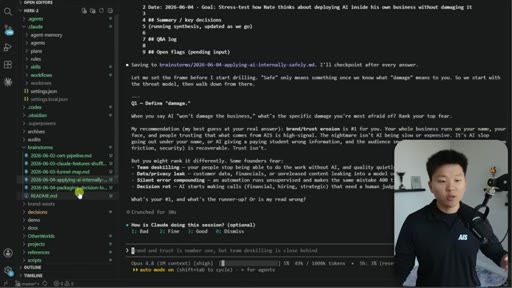
05:47CTAI need you to grill me about the way that I think about applying AI to my own business internally in a safe way that won't damage the business. You can see it'll obviously load up that grill me skill. We're gonna see in a second that it's going to create the capture file so nothing gets lost right there.
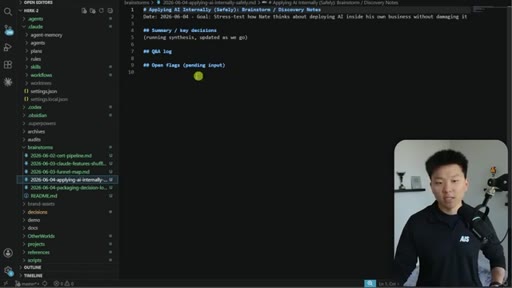
06:03CTAWe have applying AI internally, and this is what it looks like. It's gonna set up the discovery notes, the summary key decisions, um, q and a log, and any open flags.
06:12CTAAnd what's cool about this is it'll flag things that you need to go find. So when I was running through this funnel map, you know, there were some things going on in the business that I don't actually know super well. Like, I can't explain the same way as the actual stakeholder or operator that does that process can explain it.
06:26So it said, hey. Here's some things to flag. Go reach out to this person and have them send you an information, and then come back and drop that into me, and then we'll update this brainstorm.
06:35So that's basically how it works. It might ask you five questions. It might ask you 30.
06:38It's just gonna go until you guys feel like you have the same shared knowledge and that it is a good stopping point. And the cool thing is because these are saved as docs, you can reference them later, but you could also come back to, like, for example, packaging. Let's say I I find a major breakthrough in the way that I package my content.
06:54I would just come back to this doc and say, hey. Grill me again. Here's some new things I found.
06:58Let's update all this information. So, anyways, I do know that this one was super quick, but I thought that, you know, there's no need to really make this video that much longer. So go grab the skill.
07:08Go start grilling yourself about different skills and processes that live in your business, and just start making your OS and your skills better. So that's gonna do it for this one. If you guys enjoyed or learned something new, please give it a like.
07:17Helps me out a ton. And as always, I appreciate you guys made it to the end of the video, and I will see you all in the next one. Thanks, guys.
— full transcript
§ 05 · For Joe

Front-load extraction or grind through 30 iterations

WHAT TO LEARN

The quality gap between a skill that starts at 70% and one that starts at 90% is almost entirely explained by how much tacit knowledge made it from your head into the system before iteration one.

  • Giving Claude a five-minute brain dump is not enough — the gaps you overlook are exactly what causes failures in the edge cases that actually matter.
  • A Claude Code skill can be as simple as four sentences you'd otherwise retype every session; complexity is not a prerequisite for value.
  • Adding a checkpoint after every Q&A cycle prevents context-window decay from silently erasing your earliest and often most important answers in a long session.
  • The brainstorms/ pattern turns a one-time extraction session into a reusable doc you can revisit and update incrementally when the process changes.
  • When the AI surfaces a gap between what you discussed and what your existing docs say, having it auto-update those docs closes the loop immediately rather than letting the divergence accumulate.
  • Tacit knowledge extraction is the same bottleneck whether you're building your own AI OS or scoping a client project — the tool transfers directly.
§ 06 · Frame Gallery

Visual moments.