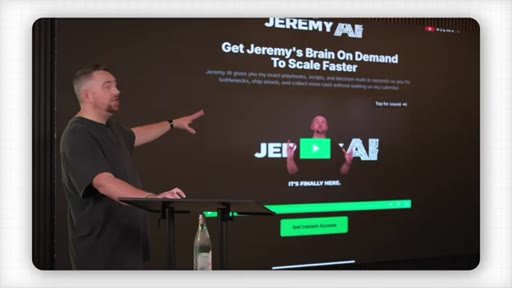
The bait, then the rug-pull.
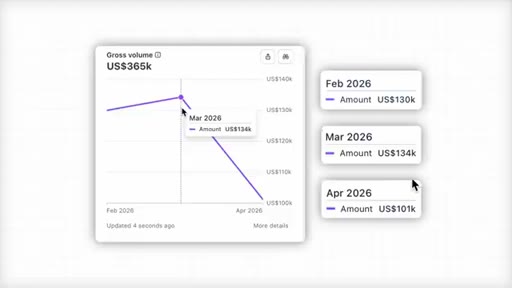
He quit his own business, had never written a line of code, and three months later his AI product was clearing $100,000 every month. The opening frame is not a claim -- it is a Stripe dashboard.
Where the time goes.

01 · What I built and proof it works
Revenue proof ($130k-$134k/month), overview of StoryOS, and examples of other creators building AI tools.
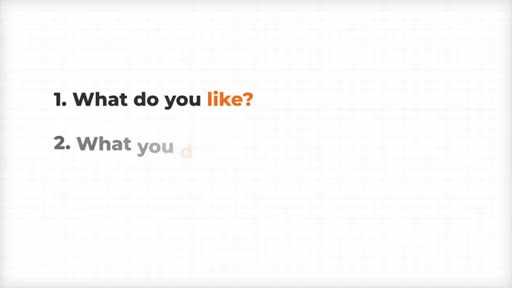
02 · Steps 1-3: Find, build ugly, get feedback
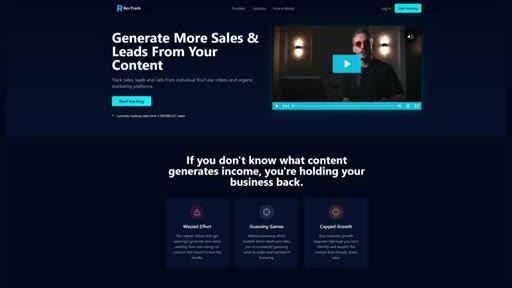
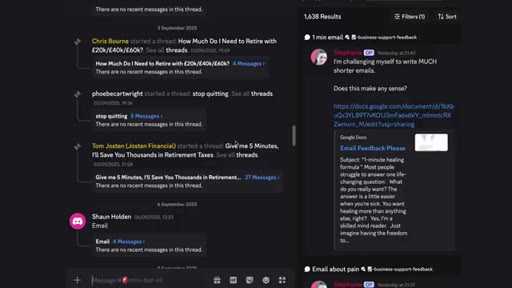
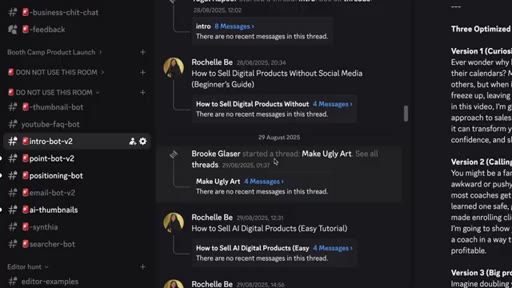
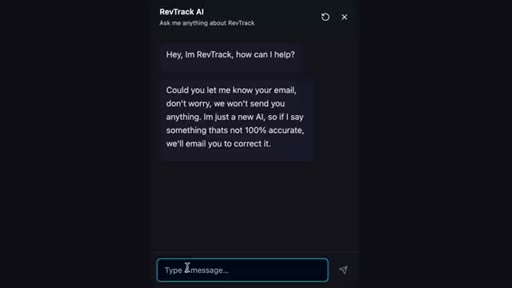
The first three steps of the system with real examples: the Discord intro-bot origin, RevTrack feature that got killed, and how to gather feedback with no audience.
03 · How to build with Lovable (live demo)
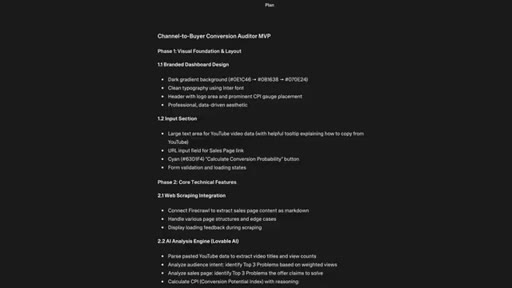
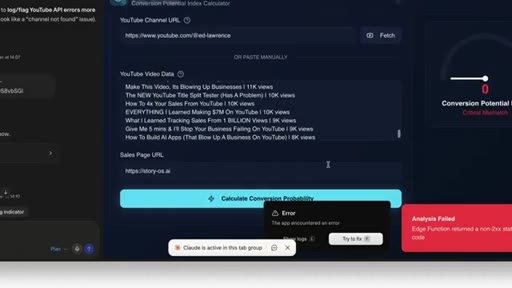
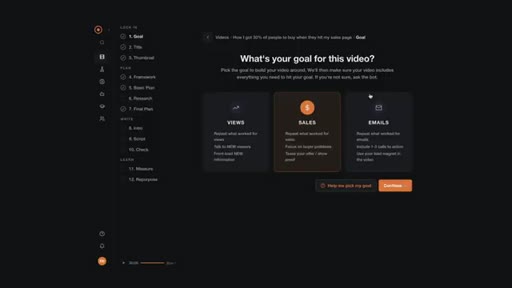
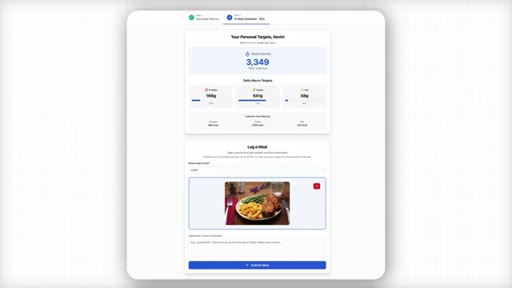
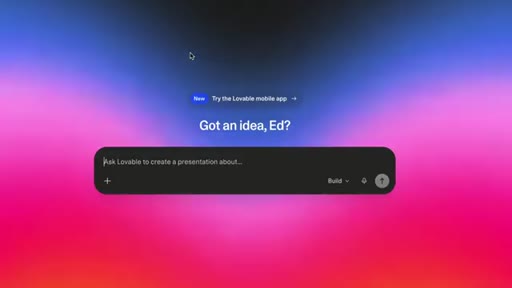
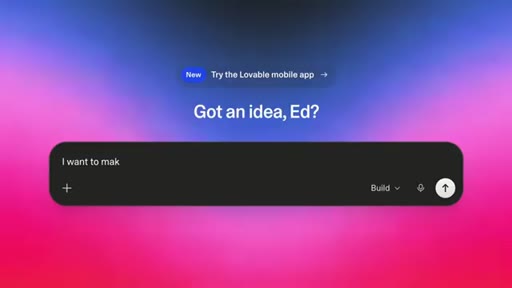
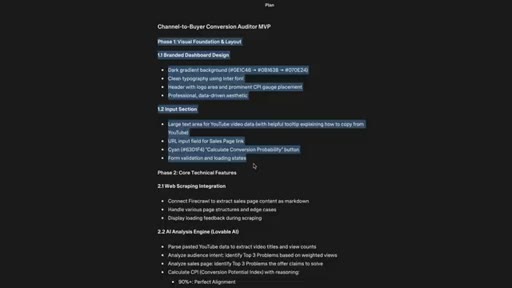
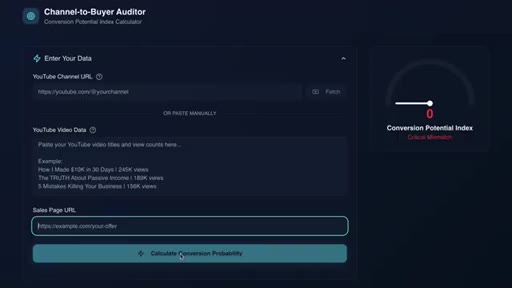
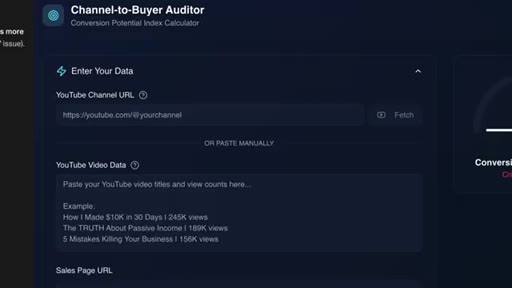
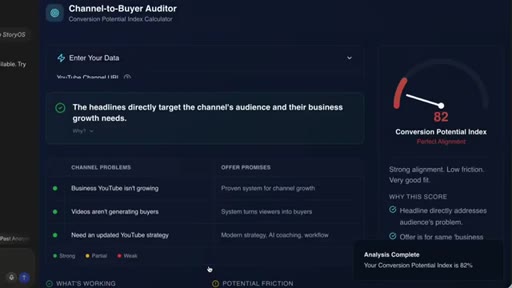
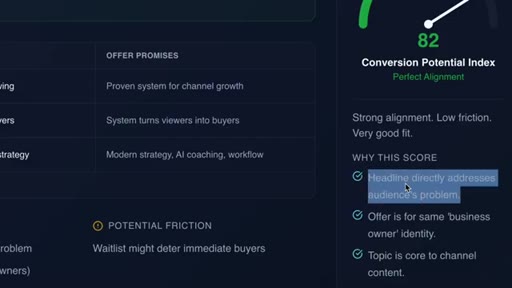
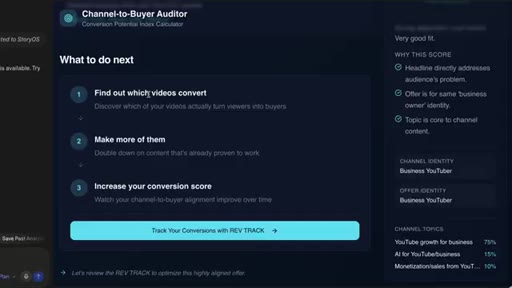
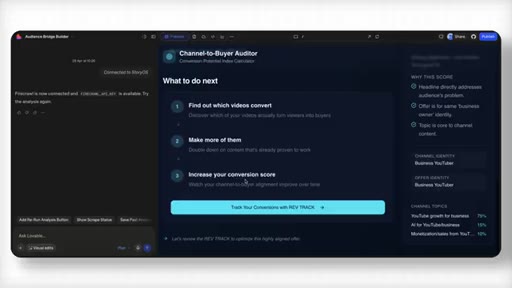
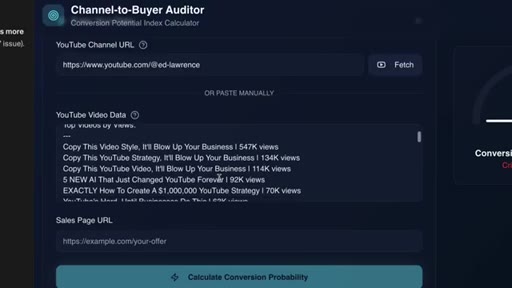
Live build of the Channel-to-Buyer Auditor using Lovable. Plan mode first, then YOLO build. App breaks, one-click fix, final score display.
04 · How to sell: product becomes the education
Sell by using the tool in a video about the problem it solves. Revenue expectations, disclaimer about audience requirement, and CTA to next video.
Visual structure at a glance.


Named ideas worth stealing.
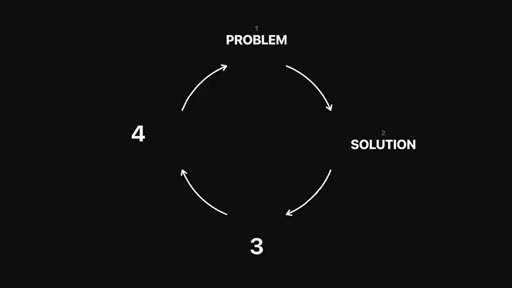
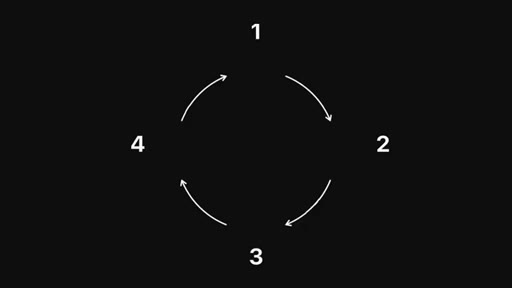
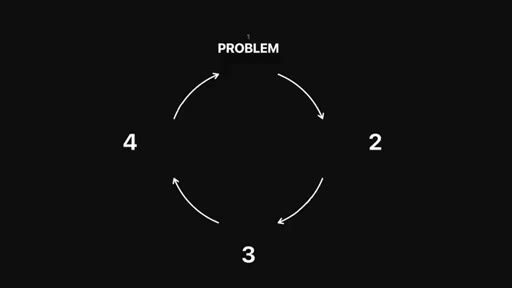
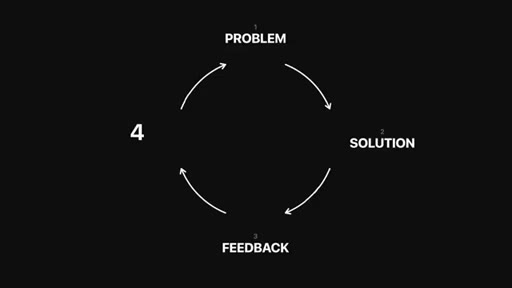
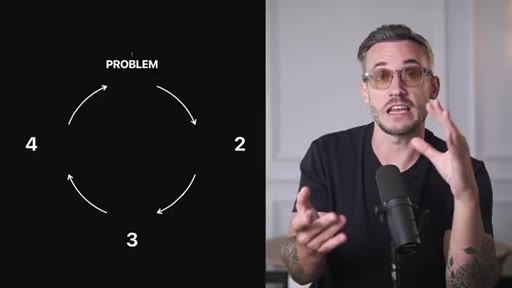
The Four-Step Product Loop
- Find a problem
- Build an ugly MVP
- Get feedback
- Iterate and improve
A repeating cycle for building and improving digital products without upfront technical investment or certainty.
Product as Education selling strategy
Use your own tool on screen to solve the problem your video is about. Demand surfaces in comments before you ever pitch.
Lines you could clip.
"Build the simplest, quickest, ugliest version of your idea called an MVP."
"My users literally told me how to make it better rather than me trying to guess."
"Your product becomes the education."
"The irony of this is I'm literally doing this to you right now. Wink."
Things they pointed at.
How they asked for the click.
"Watch this video next -- I'm gonna show you exactly how to build a channel that could one day make you a million dollars."
Redirects to next video in the series rather than pitching StoryOS directly. Classic content-loop CTA.
Word for word.
Ship ugly. Let users build it for you.
The biggest obstacle to building a product is the belief that it needs to be good before anyone sees it -- the opposite is true.
- Finding a problem worth solving is the only step that requires real judgment; everything after it is execution and iteration.
- The ugliest version of an idea that still works is more valuable than a polished version that never ships -- the first generates learning, the second generates debt.
- Retention is the clearest early signal: if users return to a rough tool daily without being prompted, the core idea has legs.
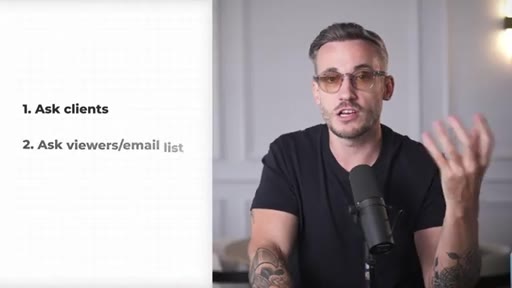
- Talking directly to users about what frustrates them is faster and cheaper than any market research -- they will name the exact features worth building next.
- Feedback that kills a feature is a win, not a failure -- every hour not spent building the wrong thing is an hour available for the right one.
- Early adopters who know a product is unfinished tend to be collaborators, not complainers; transparency about imperfection filters for the right first customers.
- Selling a tool by using it to solve a real problem on screen generates demand without a pitch -- viewers ask how to get access before the creator mentions a price.
- A sustainable product business at small scale -- 100 subscribers at $50/month -- is achievable far earlier than most people expect and compounds over time.