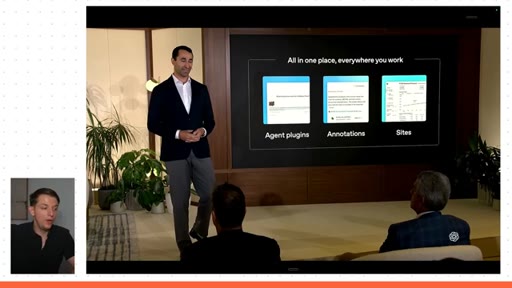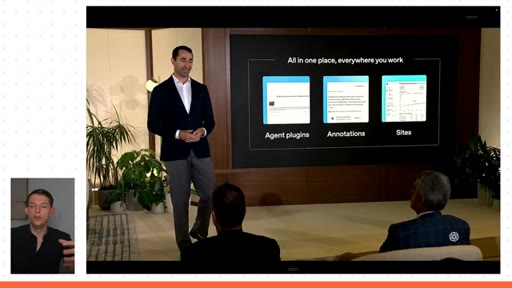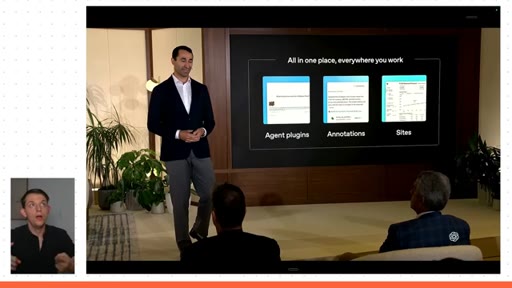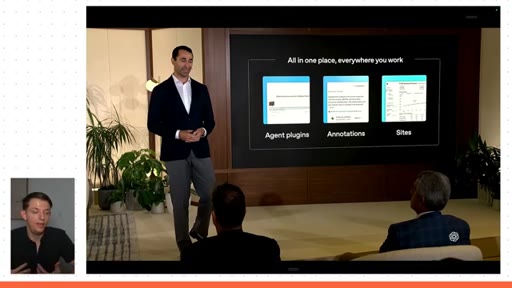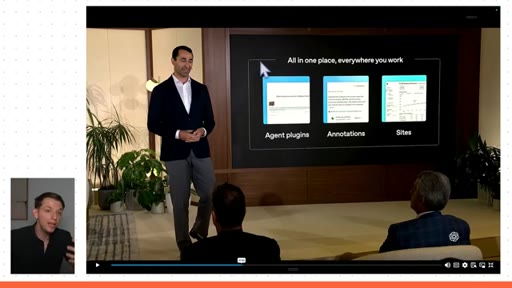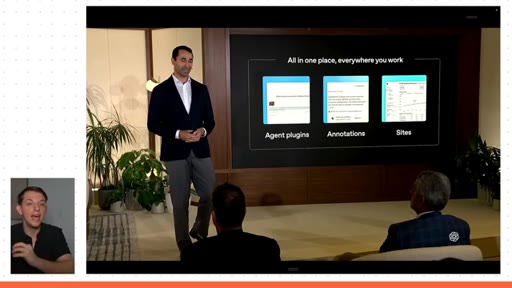

The bait, then the rug-pull.
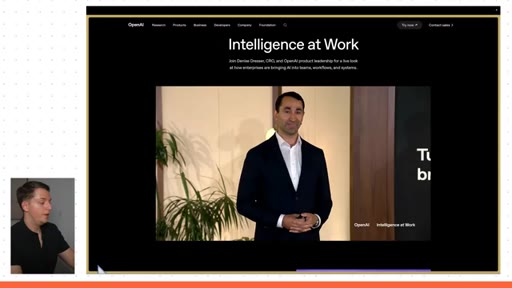
OpenAI just publicly confirmed what the product roadmap had been hinting at for months: Codex and ChatGPT are merging into a single intelligent platform. Riley Brown watched the Intelligence at Work event so you do not have to, and his breakdown covers not just the what but the competitive implications — specifically why role-specific agent plugins are startup killers and why Sites is the opening shot at Replit and Lovable.
Where the time goes.
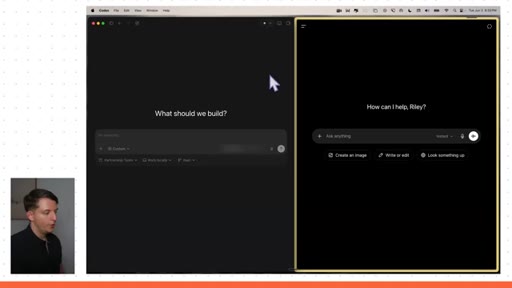
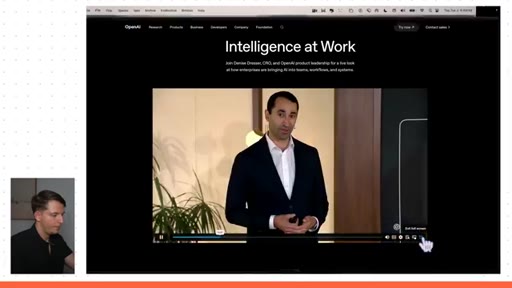
01 · Introduction
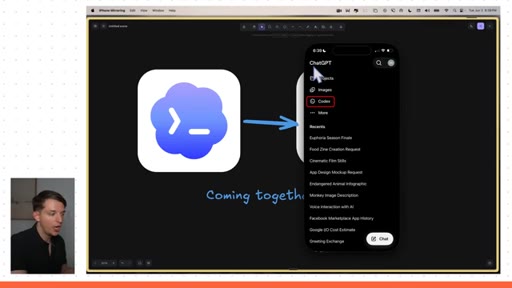
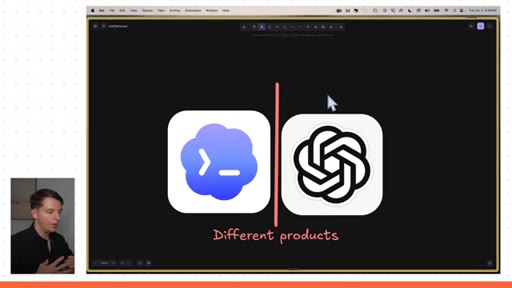
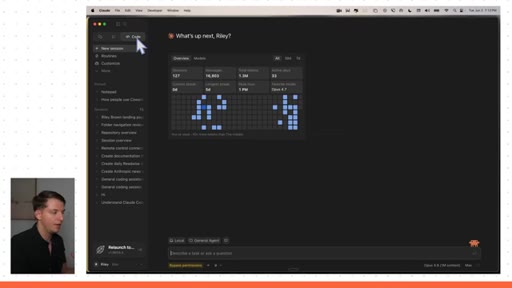
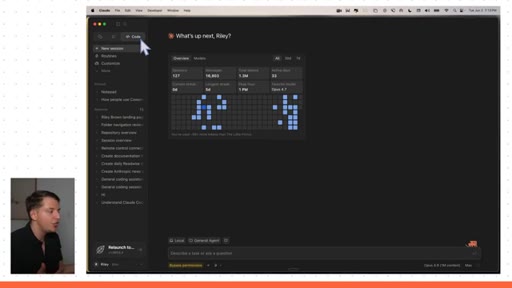
Split-screen of Codex and ChatGPT; teases the merger announcement.
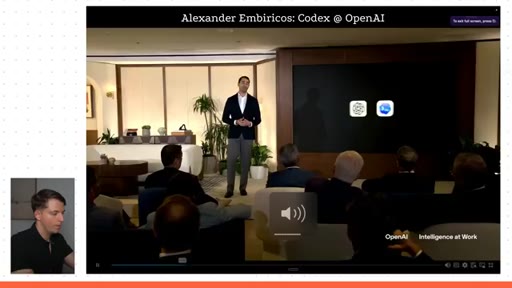
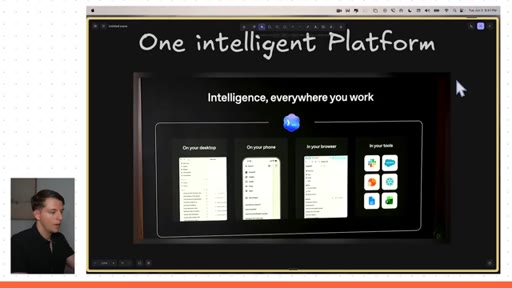
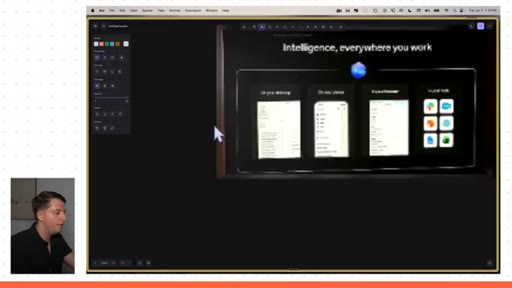
02 · Codex and ChatGPT are merging
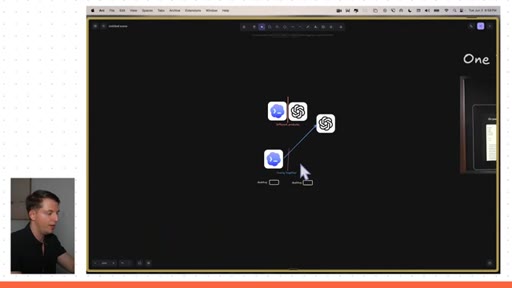
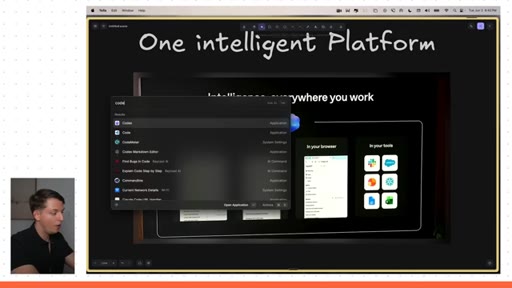
OpenAI confirms unified platform; agents on desktop, mobile, browser, and inside tools like Excel and Slack.
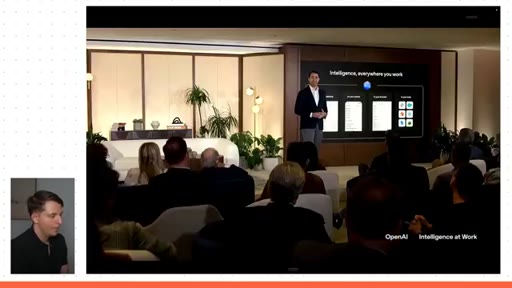
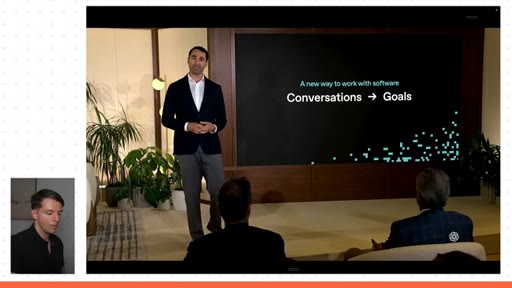
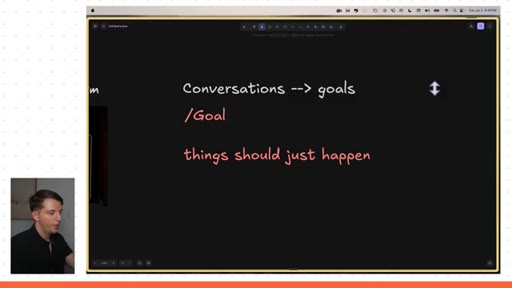
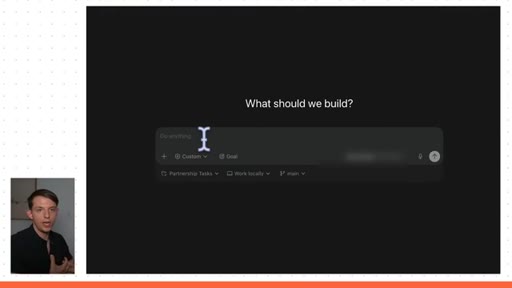
03 · OpenAI plan for agents
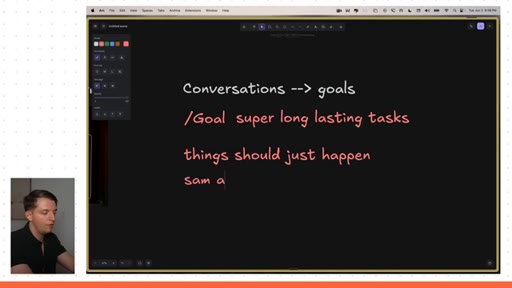
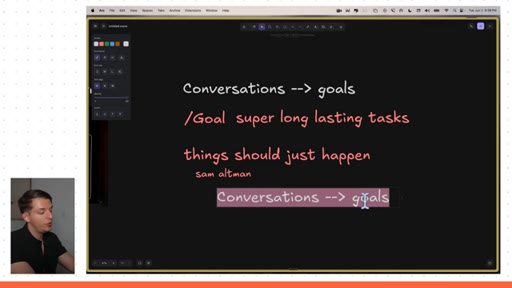
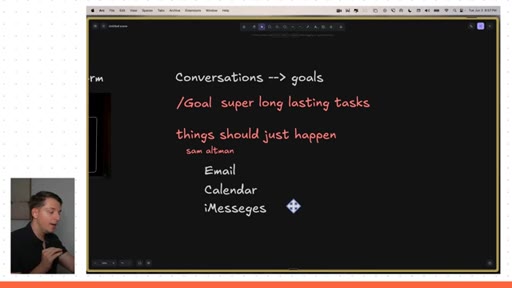
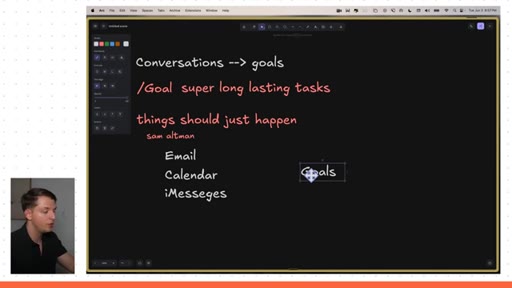
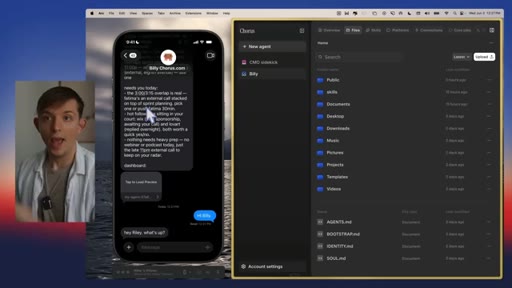
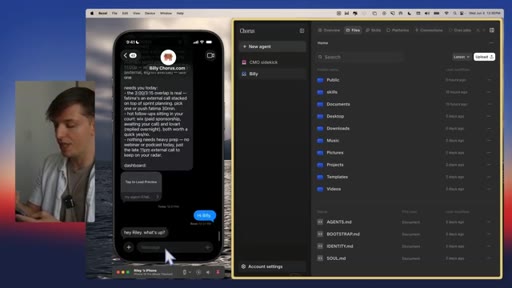
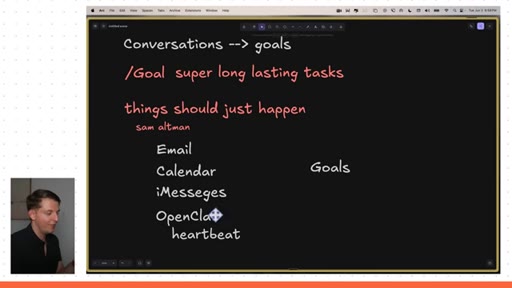
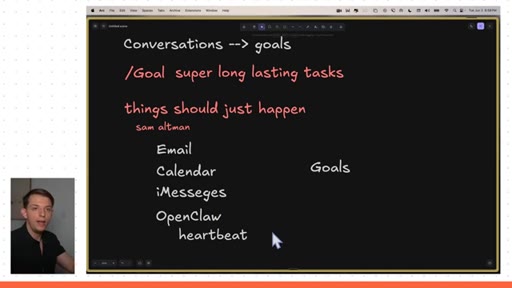
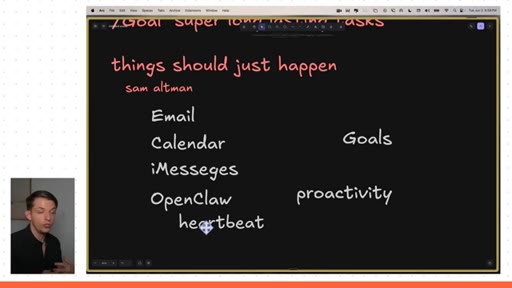
Evolution from conversations to goals; /Goal command; proactive agent behavior; chorus.com sponsor; OpenClaw heartbeat analogy.
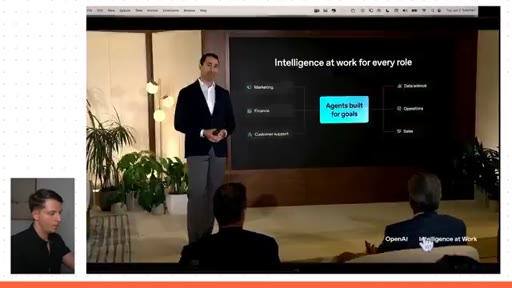
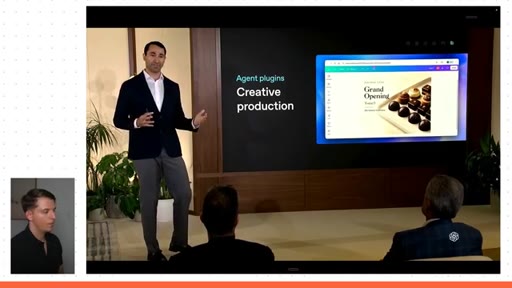
04 · Role-specific Codex plugins
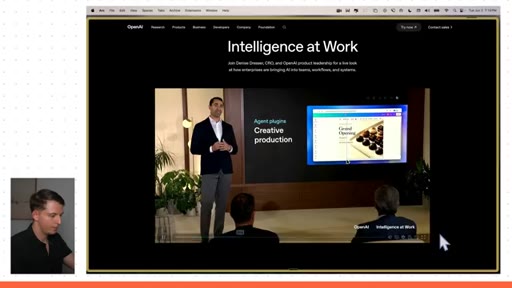
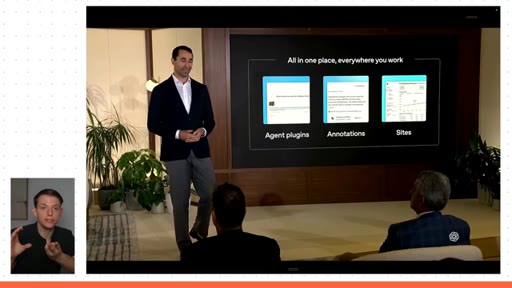
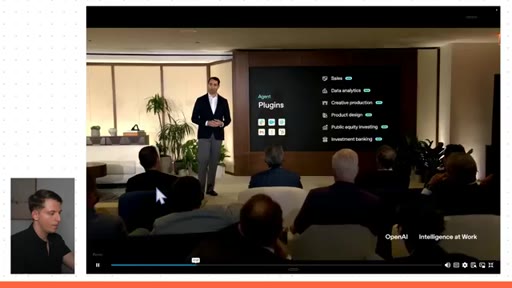
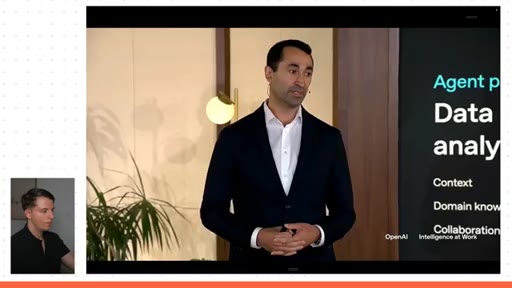
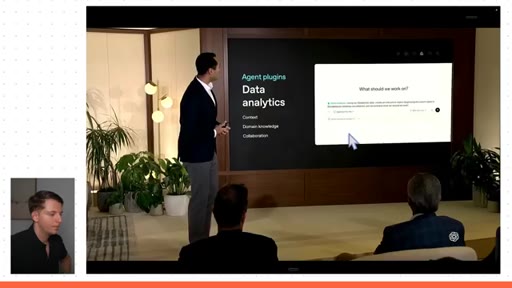
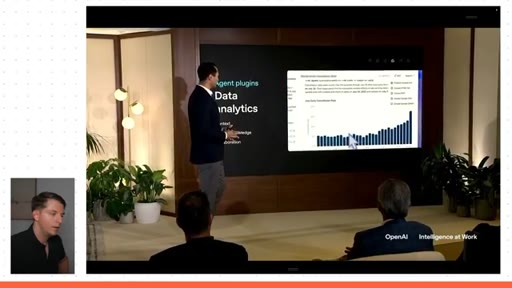
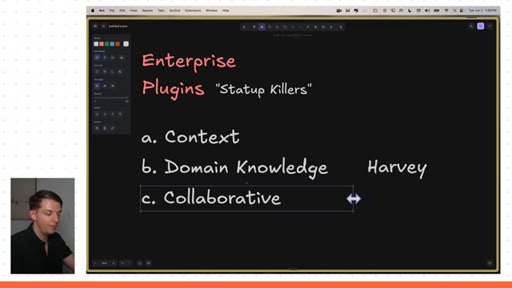
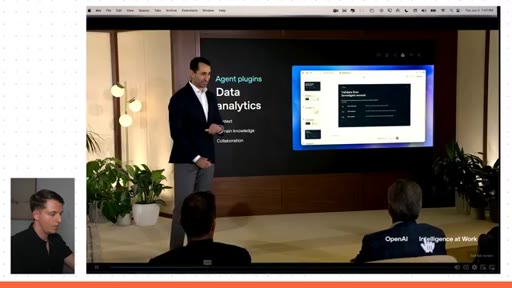
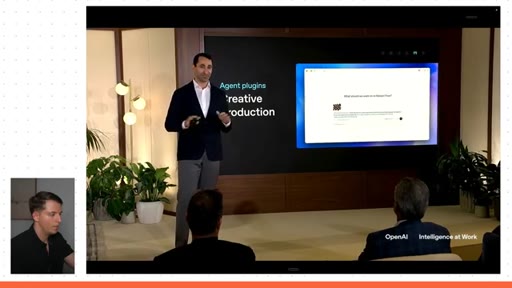
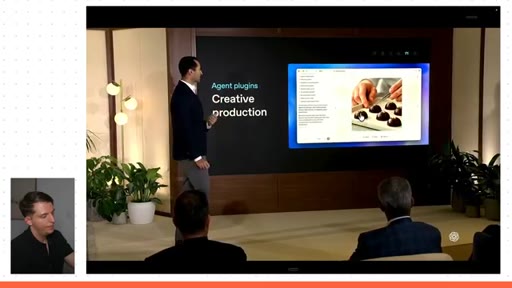
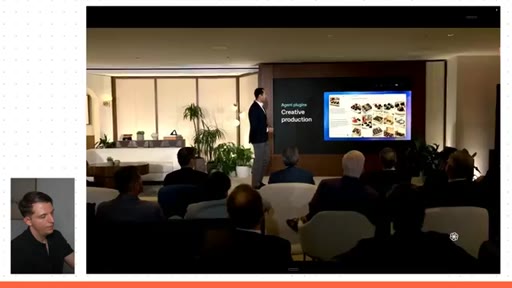
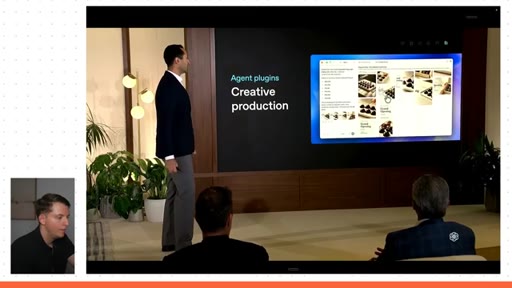
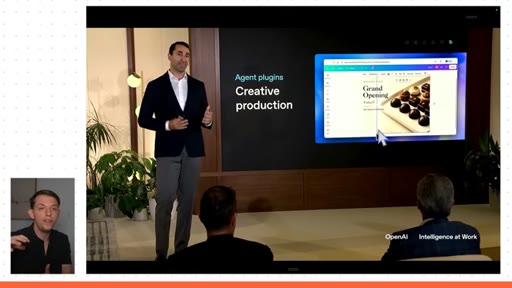
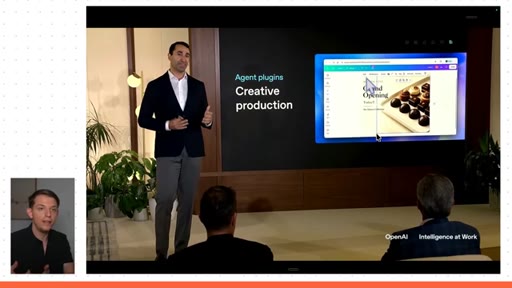
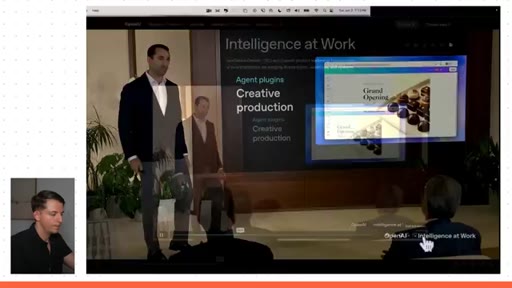
Six enterprise plugins: data analytics, creative production, product design, sales, public equity investing, investment banking. Each has context, domain knowledge, and collaborative output.
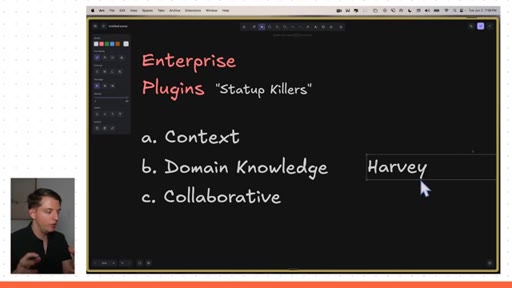
05 · Why these are startup killers
Harvey (AI for law) as canonical example. Plugins do what entire startups were built to do. ChatGPT distribution makes the threat existential.
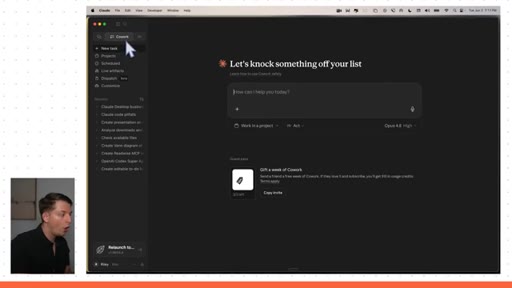
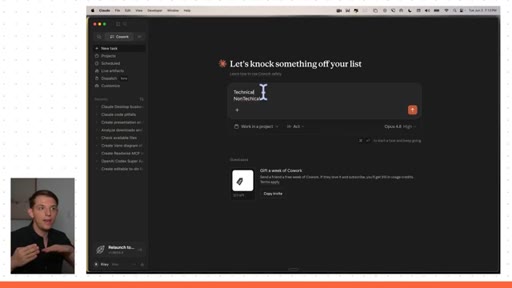
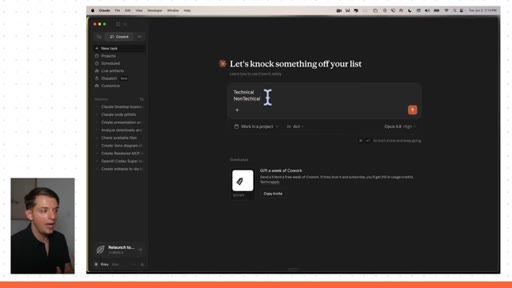
06 · AI is barrier destroying
Commentary on why splitting Cowork and Claude Code is the wrong direction; AI should erase the technical-vs-nontechnical barrier.

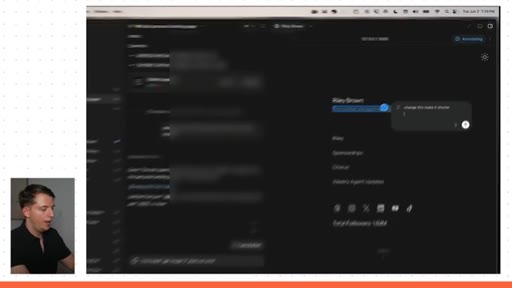
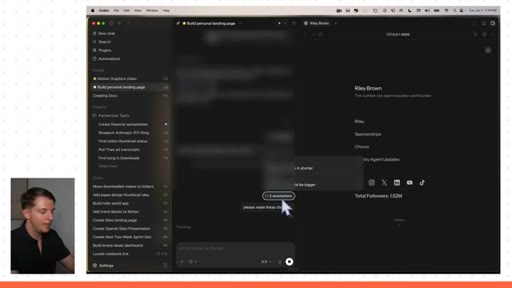
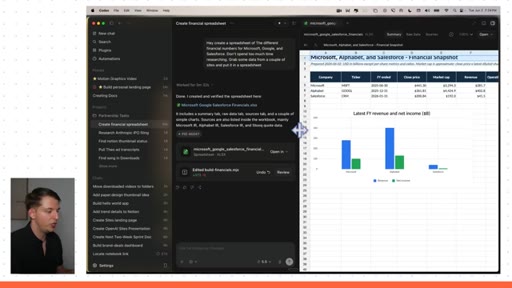
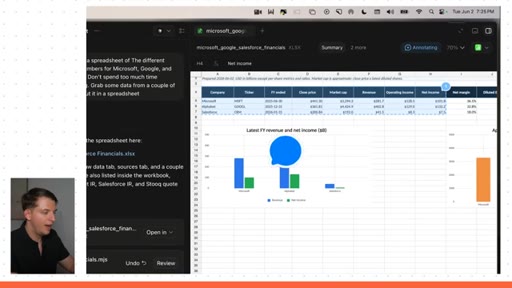
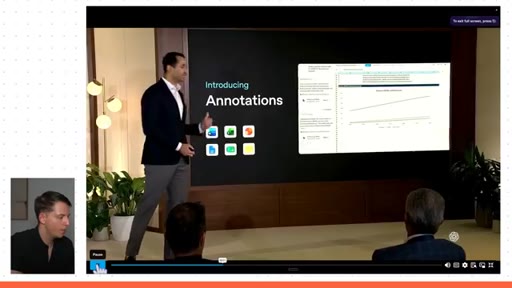
07 · Annotations inside Codex
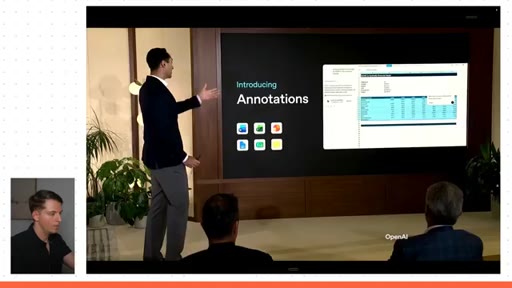
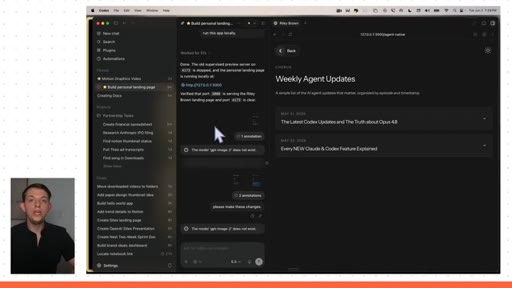
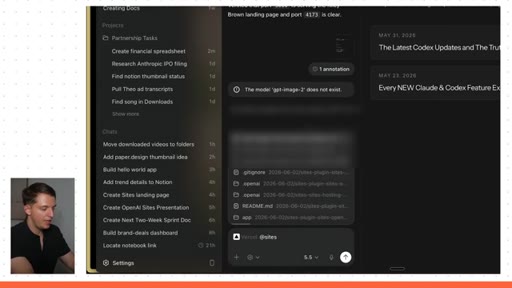
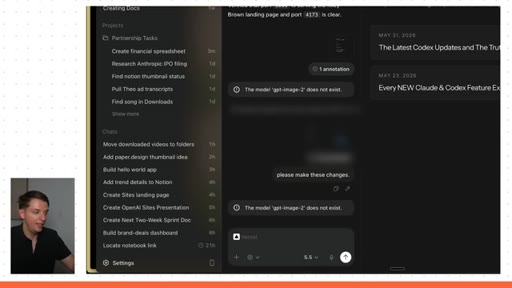
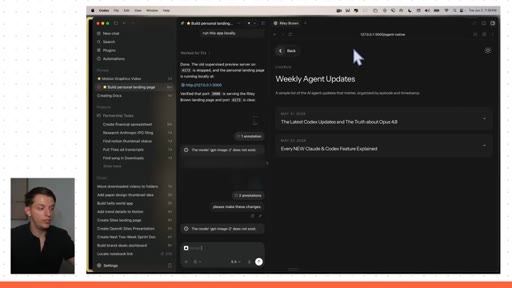
New feature: select any part of a Codex artifact and annotate inline. Demonstrated on a personal site and a spreadsheet.
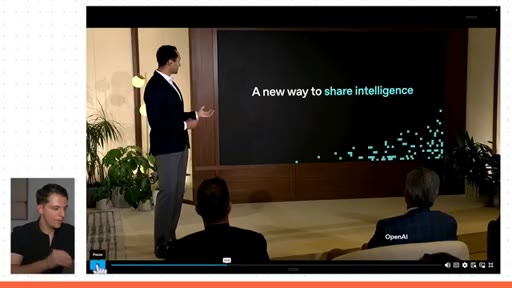
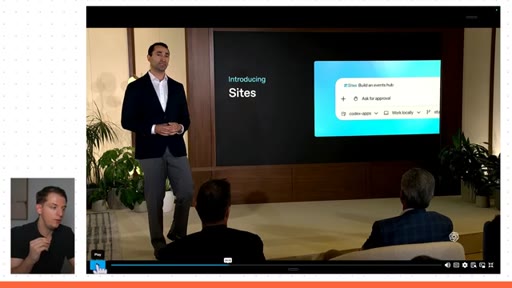
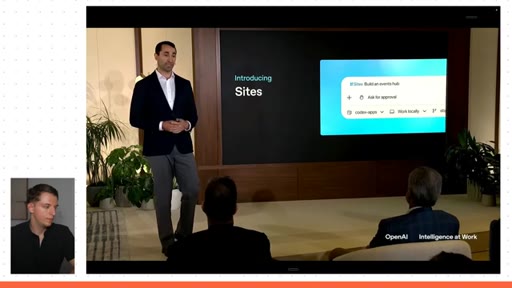
08 · Codex Vibe Coding — Sites
Sites lets you publish any Codex output as a live shareable web experience. Riley demos a personal landing page auto-updated weekly by an agent. Direct threat to Replit and Lovable.
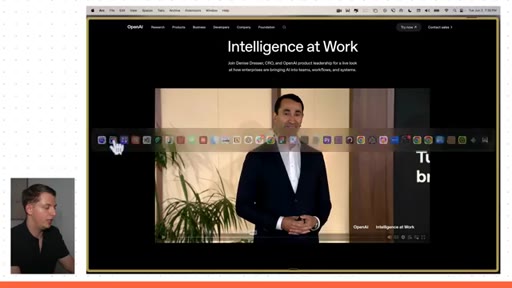
09 · Final thoughts
Recap of all three pillars. Prediction that Sites grows into a full vibe coding platform with auth, DB, and AI features. CTA to follow.
Visual structure at a glance.
Named ideas worth stealing.
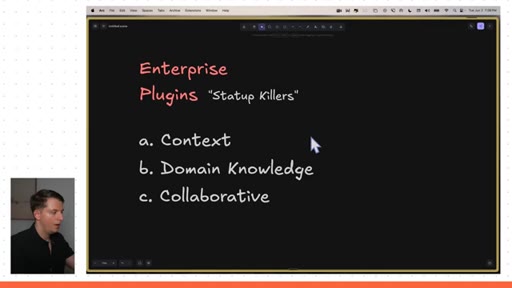
Enterprise Plugin Formula
- Context (company data + org systems)
- Domain Knowledge (role-specific expertise)
- Collaborative output (editable, shareable with team)
Every effective enterprise agent plugin must combine these three things. Missing any one breaks the loop.
Conversations to Goals evolution
- Conversations (one-shot prompts)
- Tasks (multi-step with human approval)
- Goals (/Goal — run until done)
- Proactive background agents (no prompt needed)
The progression from chatbot to autonomous agent in four stages. Each stage requires more context and trust.
Lines you could clip.
"Their giant plan is to combine both of these applications. This is not a conspiracy theory."
"These plug ins do what an entire startup does."
"The coolest part about AI is its barrier destroyed."
"When you can make sharing a site as easy as sharing a doc, it transforms how expressive we and our agents can be at work."
"Anyone on your team can create software through just a single prompt, deploy it across the company, and then ask agents to autonomously maintain that output."
Things they pointed at.
How they asked for the click.
"I will be keeping you updated right here. So make sure to follow for that."
Clean close tied to ongoing coverage promise; low pressure, high continuity.
Word for word.
What the Codex-ChatGPT merger means for builders.
The gap between a chatbot and a coding agent is closing, and the moment it closes for a billion users, the distribution math changes for every product built on top.
- Codex merging into ChatGPT is a distribution event, not just a product update — every capability Codex has will eventually reach all ChatGPT users without any change on the user part.
- Role-specific agent plugins combine company context, domain knowledge, and collaborative output — the same three things specialized SaaS startups are built to provide, which is why they displace them.
- The /Goal command represents a shift in how you use AI: instead of prompting for steps, you describe an outcome and the agent runs until it gets there, requiring much less hand-holding.
- Proactive agents require deep access to your calendar, email, and messages; that access is now the product differentiator, not just the model.
- Annotations solve the last-mile problem: once an agent produces a near-final artifact, you can give it inline direction on any part of it without starting over, keeping the human in the loop.
- Sites compresses the distance between having an idea and having it live on the internet to a single prompt; once auth and a database are included, standalone vibe coding platforms lose their core value proposition.
- Platforms that separate agentic coding from general AI tasks create friction that users avoid — the winning approach is one unified surface where any task is available without the user choosing a mode.
- Being an official plugin on OpenAI platform may become a distribution channel as significant as being in an app store, especially as agents begin selecting plugins autonomously without user direction.