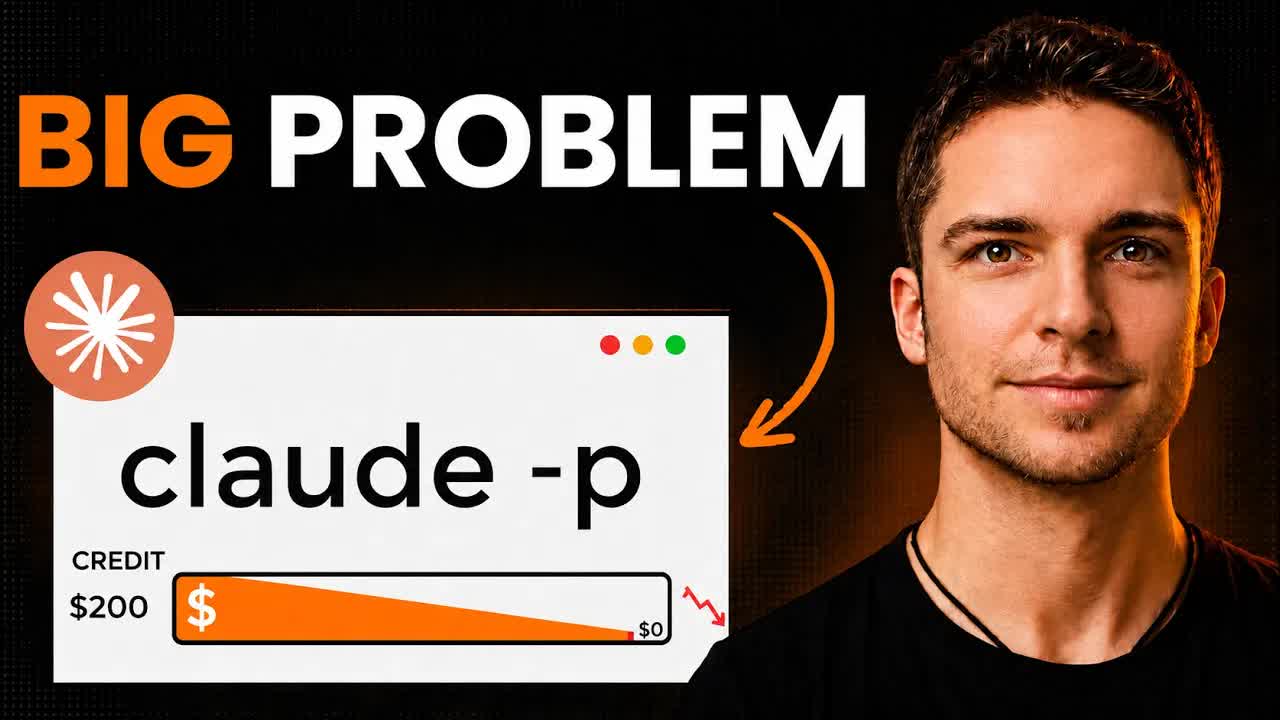
The bait, then the rug-pull.
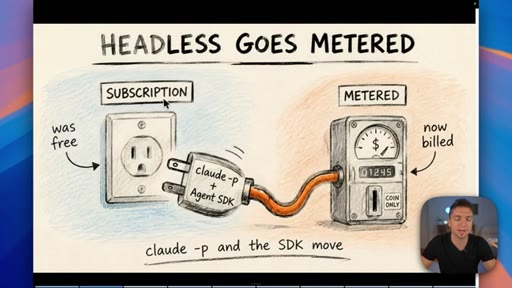
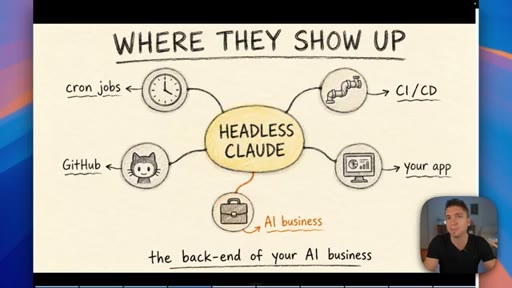
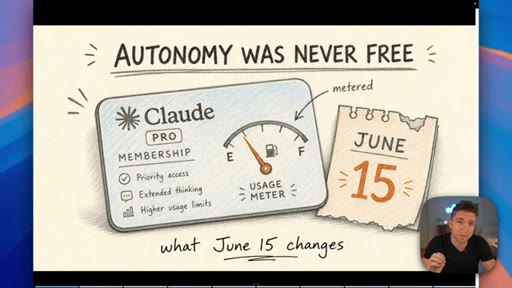
On June 15, Anthropic draws a line between interactive and headless Claude — and for anyone running background agents, cron jobs, or SDK-powered scripts, the rules just changed. This is the nine-minute audit and migration guide for the builders who want data before decisions.
Where the time goes.

01 · What changed and who it hits
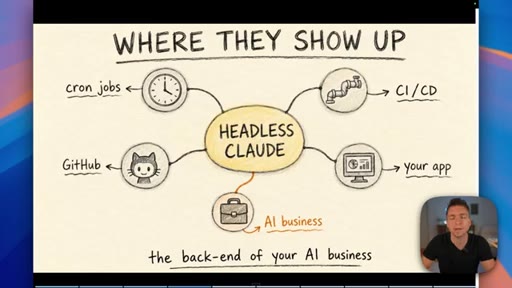
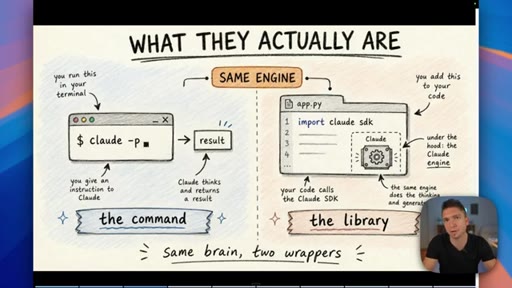
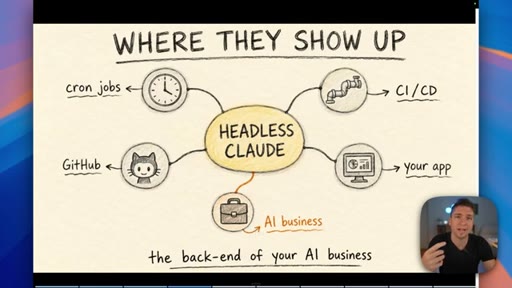
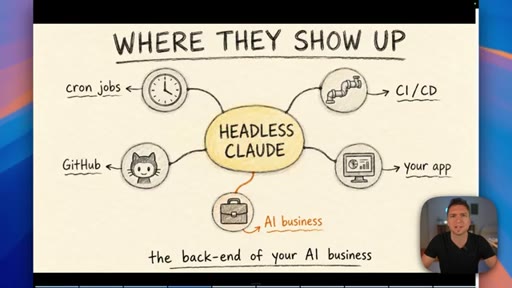
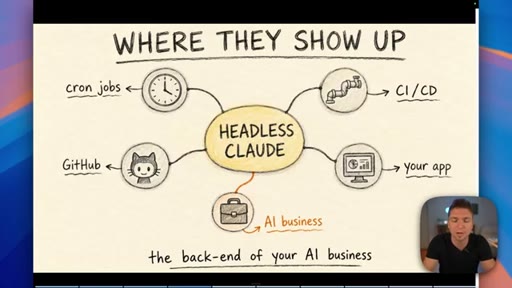
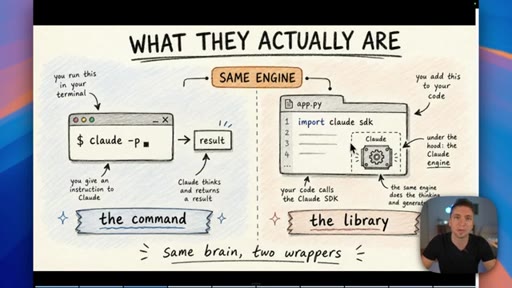
Claude -p and Agent SDK defined via sketchnotes; distinction from interactive use clarified; hype-channel builders flagged as most exposed
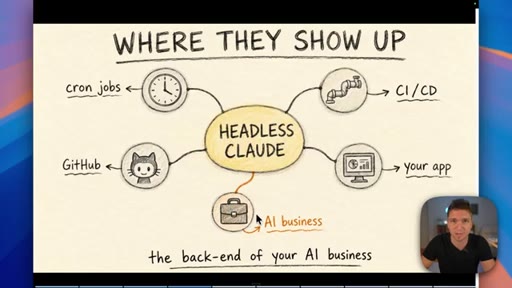
02 · The new credit pool
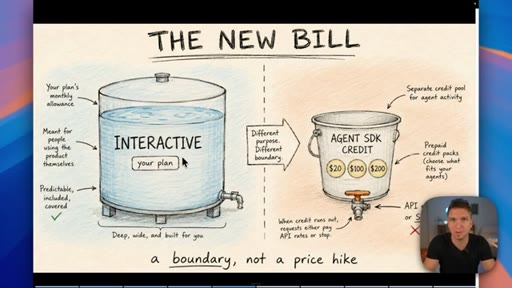
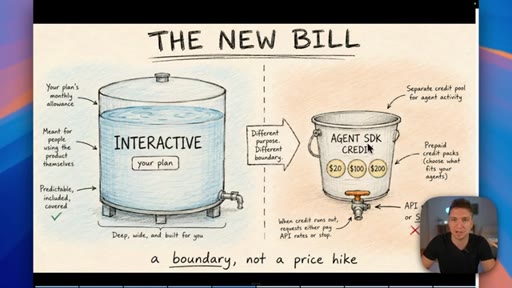
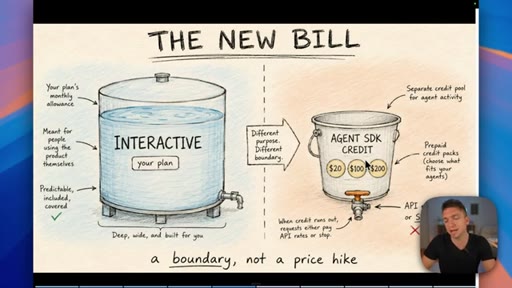
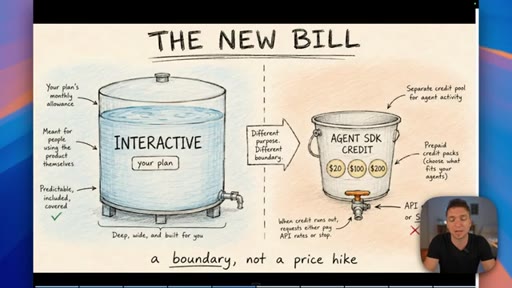
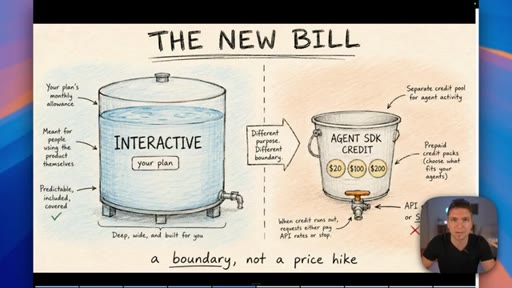
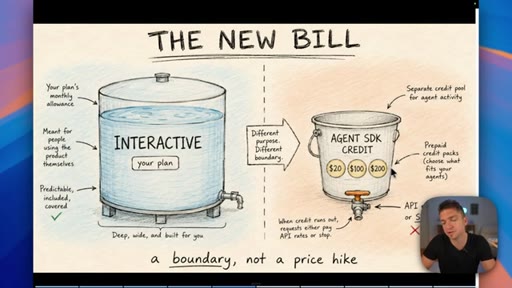
The $20-$200 credit tiers explained; reframed as a boundary not a price hike; extra usage credits warned against
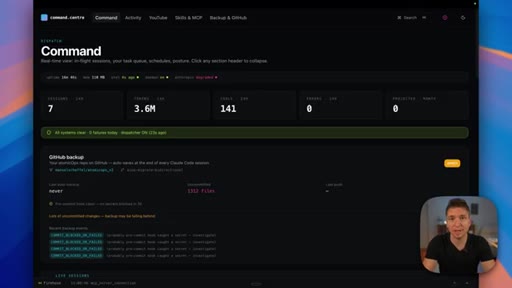
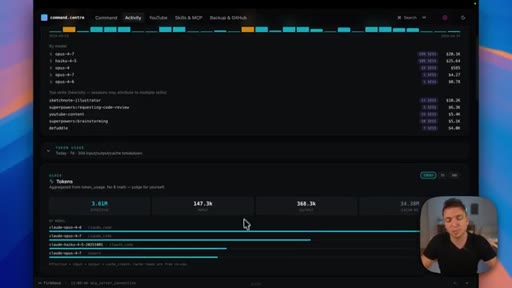
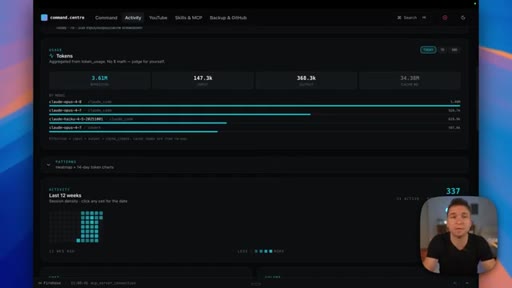
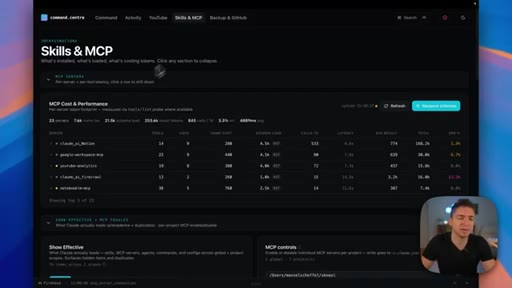
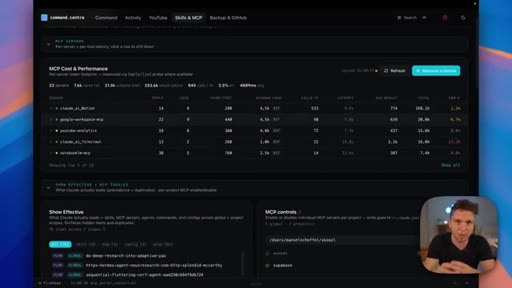
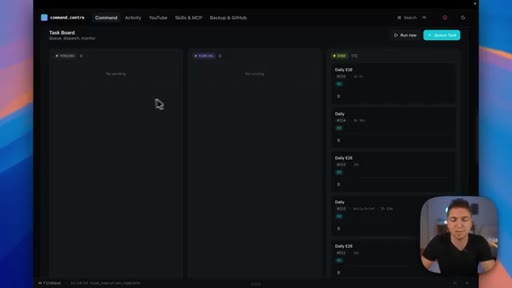
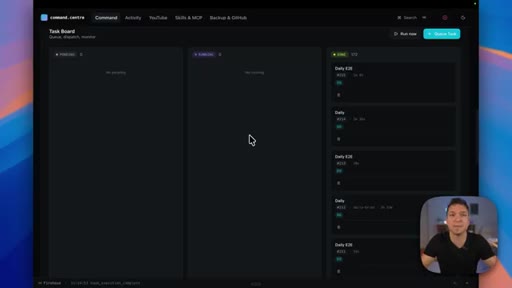
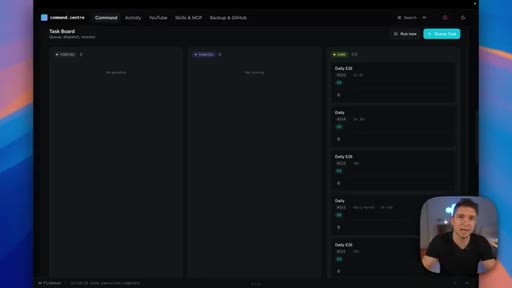
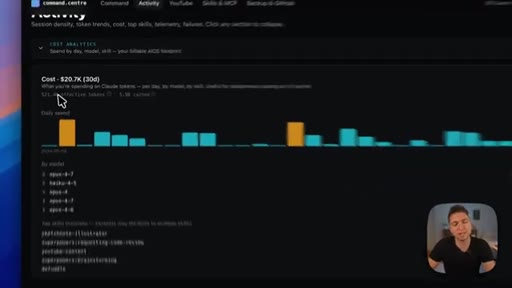
03 · Step 1 — measure before you panic
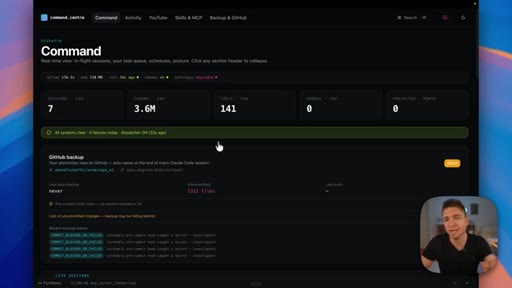
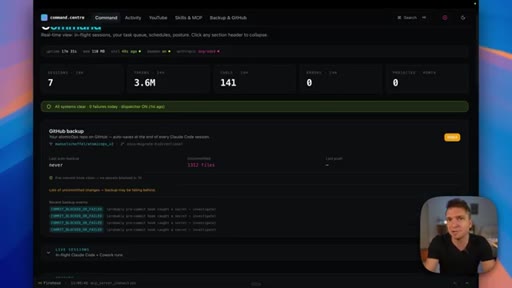
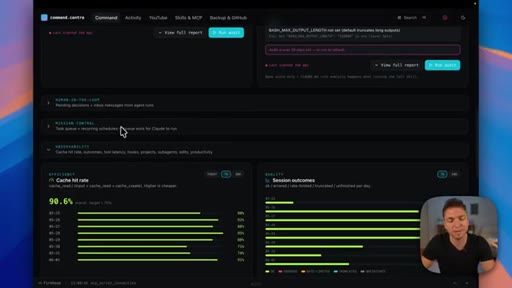
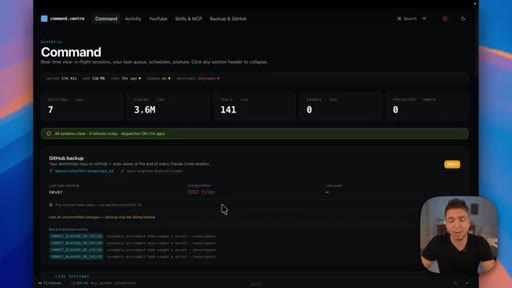
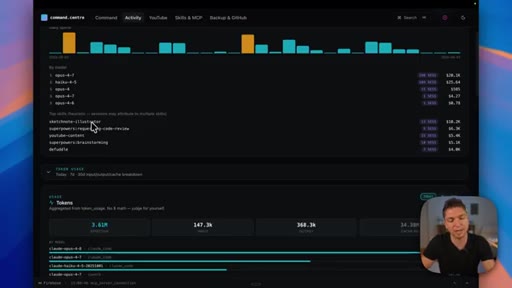
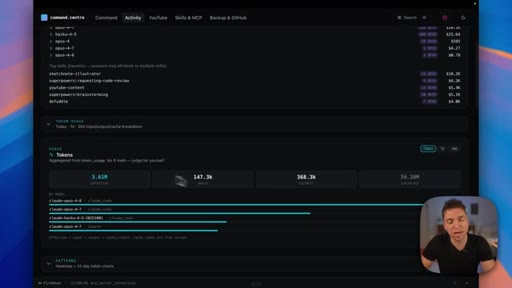
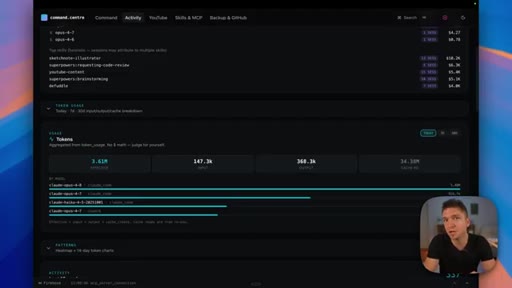
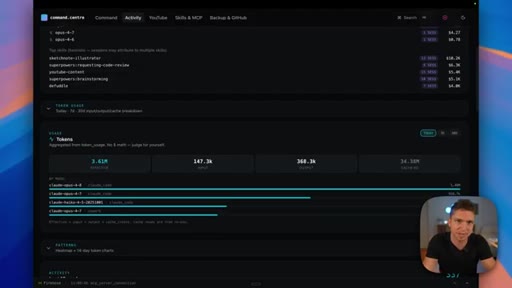
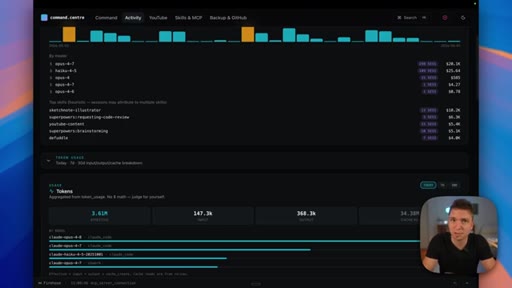
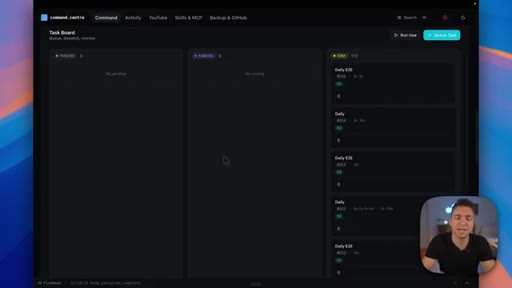
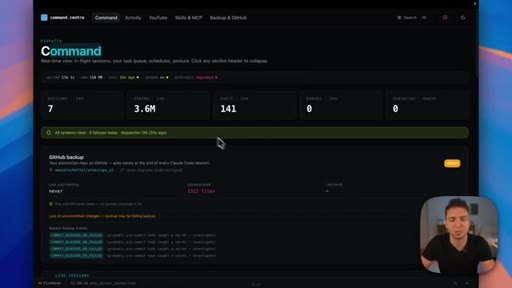
7-day audit of what's running, token cost, invocation frequency; observability dashboard walkthrough; Skills & MCP cost-per-run table
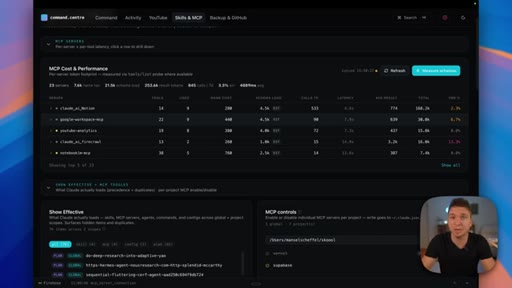
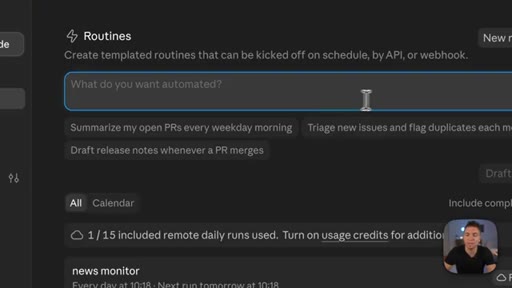
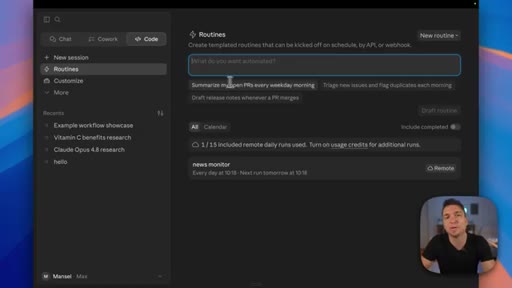
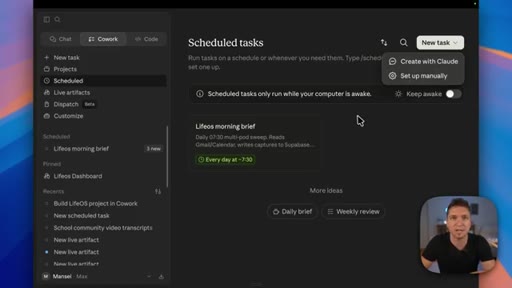
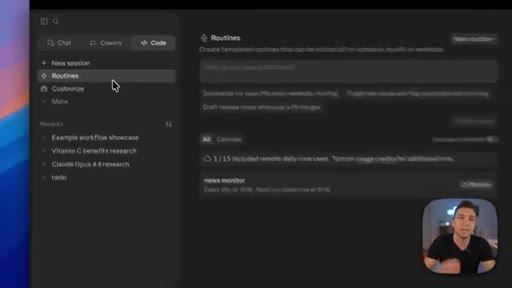
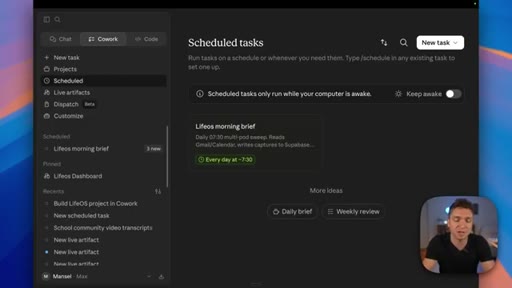
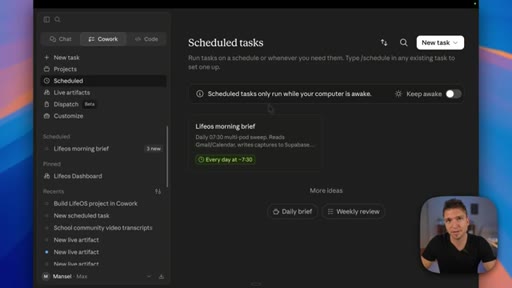
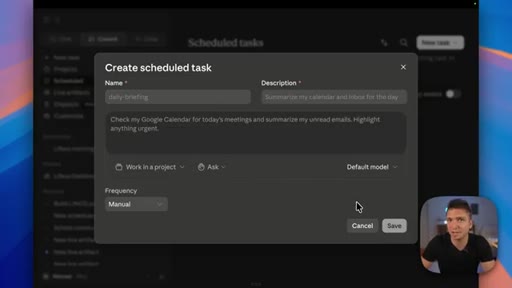
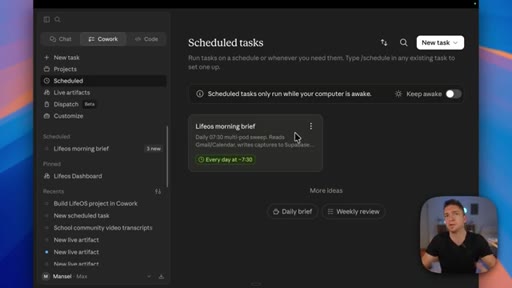
04 · Where to move it — Cowork and Routines
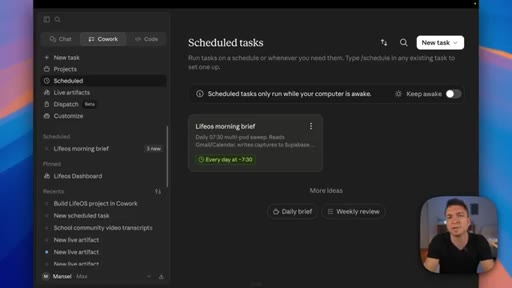
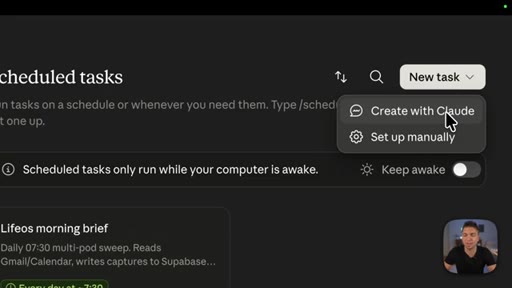
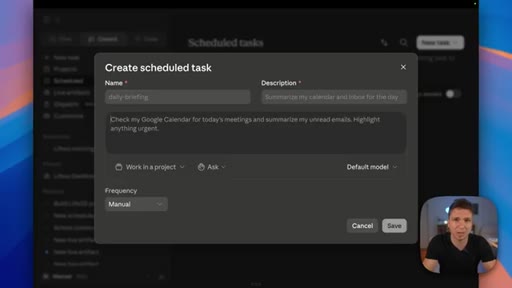
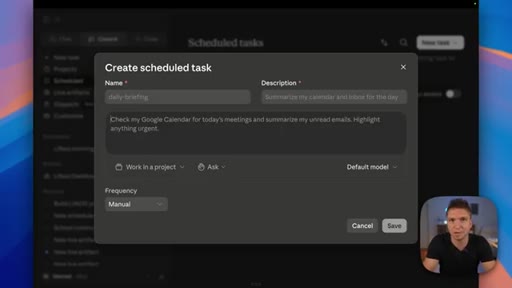
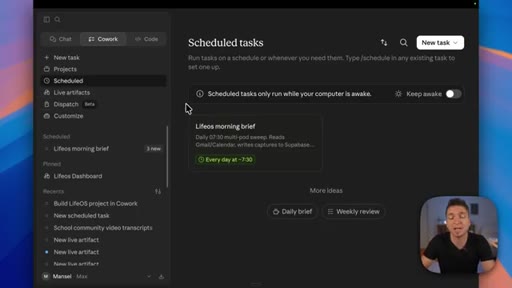
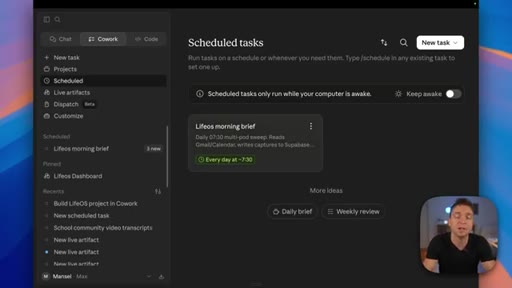
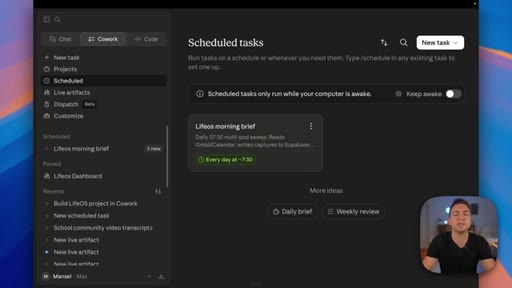
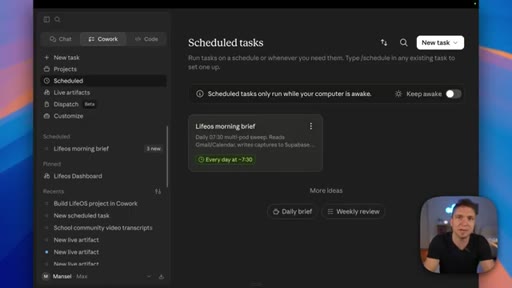
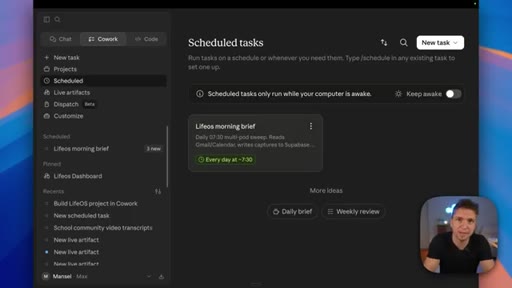
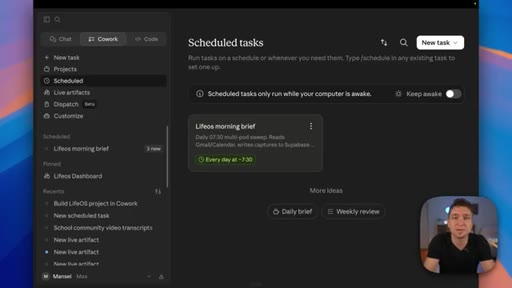
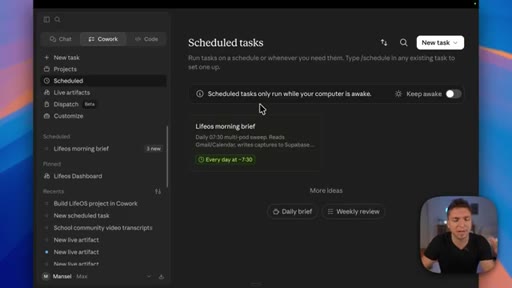
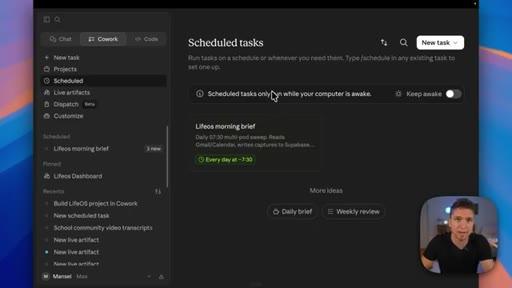
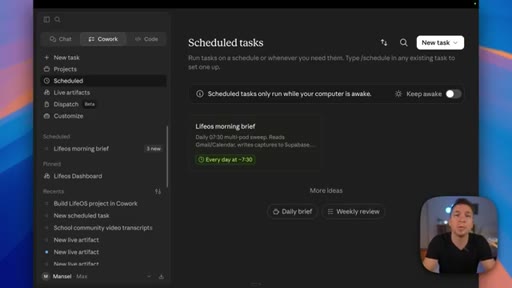
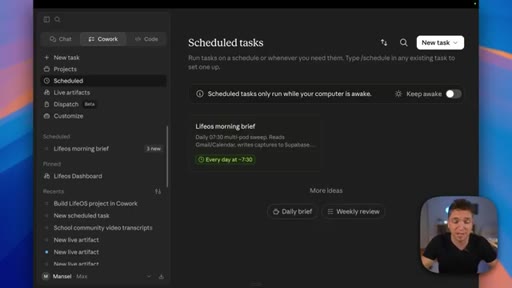
Cowork Scheduled Tasks as the free migration path for most users; Routines for cloud-hosted needs; decision based on always-on device and plan rate limits
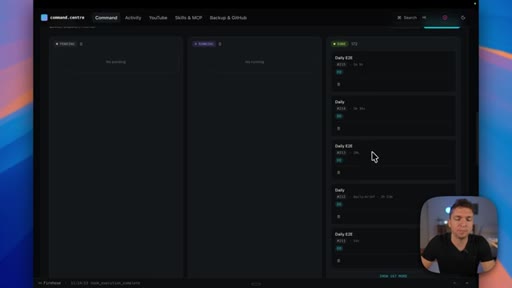
05 · The bigger problem and the boring fix
Hype-channel AI OS rearchitecture requirements; Kairos as Anthropic's signal; endorsement of skills-based SOPs over elaborate frontends
Visual structure at a glance.
Named ideas worth stealing.
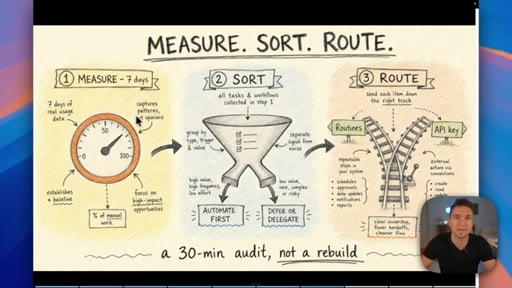
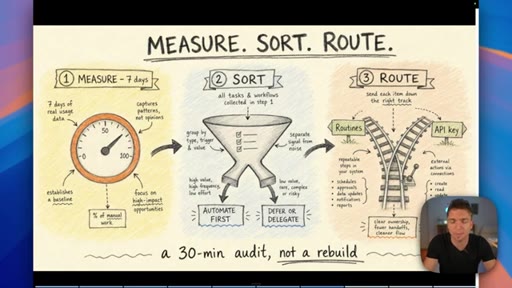
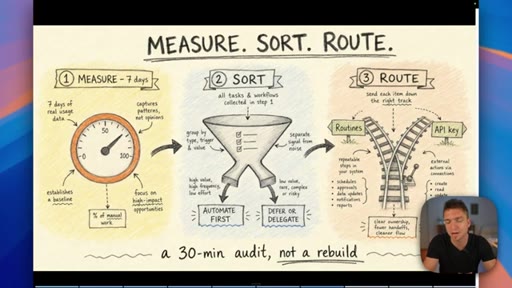
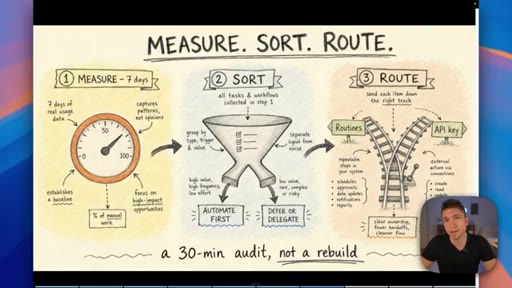
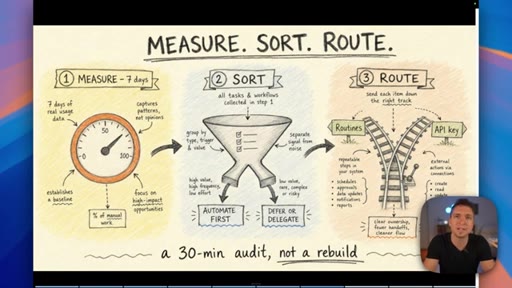
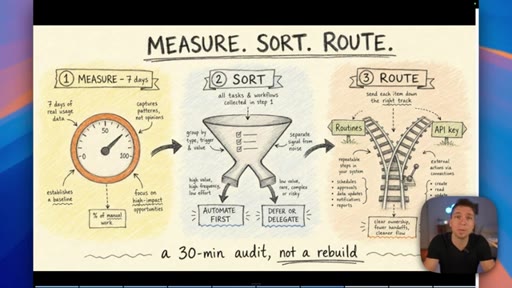
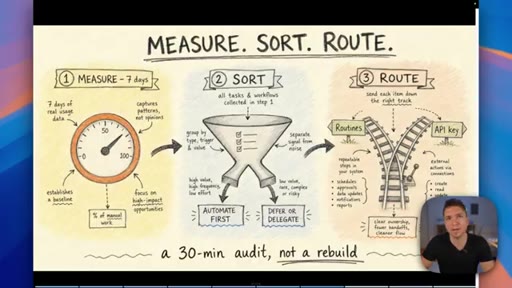
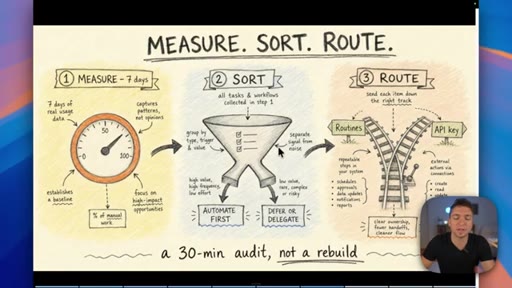
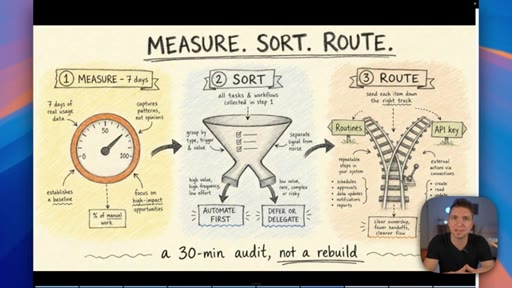
Measure → Sort → Route
- Measure (7-day audit: what runs, how often, token cost)
- Sort (within credit limits vs. over limits)
- Route (do nothing / Cowork Scheduled Tasks / Routines / rearchitect)
Three-step framework for responding to the billing change without FOMO-driven overreaction
SOPs into Skills
Convert standard operating procedures (lead gen, client delivery) directly into Claude skills, then schedule them — avoids elaborate frontend abstractions that break on platform changes
Lines you could clip.
"A boundary, not a price hike."
"Without doing any of this measuring upfront, we cannot possibly make a decision that is actually directed from data. It would just be on FOMO and hype and worry, and those are the worst types of things to make decisions on."
"It's boring, but you will never run into problems like this as you would if you follow a hype-based custom approach that makes no business sense."
"There is never gonna be an AI grader that can learn something without you, the human in the loop, deciding whether what it's actually outputting is good or not."
Things they pointed at.
How they asked for the click.
"Check out the videos on the screen now. They'll definitely help you on your journey, or you can check out my community where we are helping business leaders achieve success with AI every single day."
Verbal CTA with implied end-screen cards. Community link (Skool) mentioned but not shown on screen. Low friction — no pitch, just pointer to related content.
Word for word.
Measure your automation before the deadline moves it.
The builders who will absorb this change cleanly are the ones who already knew what their automated tasks cost — the rest are paying the price for skipping the audit.
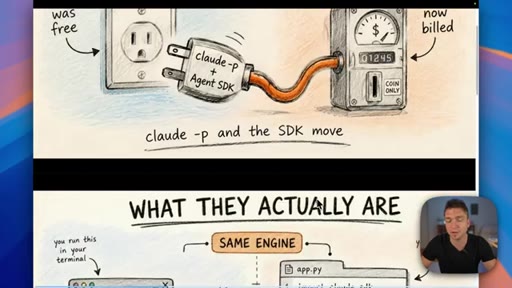
- claude -p and the Agent SDK are the same engine — knowing that means one billing change covers both, and one migration path fixes both.
- The $20–$200 credit pool is a boundary between interactive and headless use, not a price increase on what most users were already doing interactively.
- A 7-day audit of token cost and invocation frequency is the minimum prerequisite before deciding whether to migrate, rearchitect, or do nothing.
- Cowork Scheduled Tasks run inside Anthropic's ecosystem and are not billed against the metered credit pool — the migration path for most cron-job use cases is free.
- Routines add cloud hosting to the equation but come with rate limits (roughly 5–15 remote daily runs by plan tier) — only move there if you need the device-off guarantee.
- Elaborate custom frontends layered over headless Claude will always be vulnerable to platform changes — the more native the infrastructure, the fewer forced migrations.
- Turning standard operating procedures into individual skills is more durable than building agent systems — skills are portable across any scheduling infrastructure.
- Reliability and determinism are more valuable for business automation than adaptability — an AI that executes the same workflow correctly every day compounds faster than one that improvises.