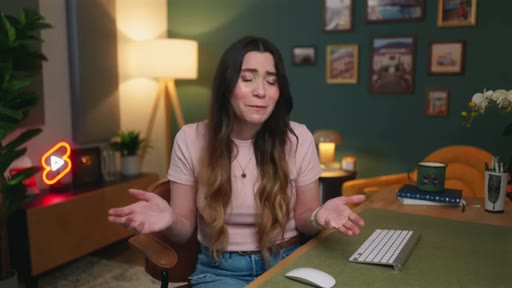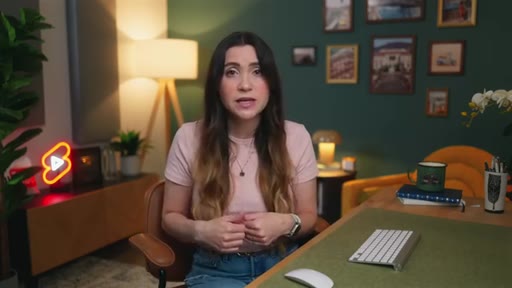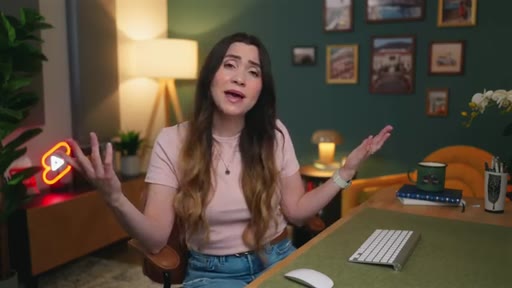
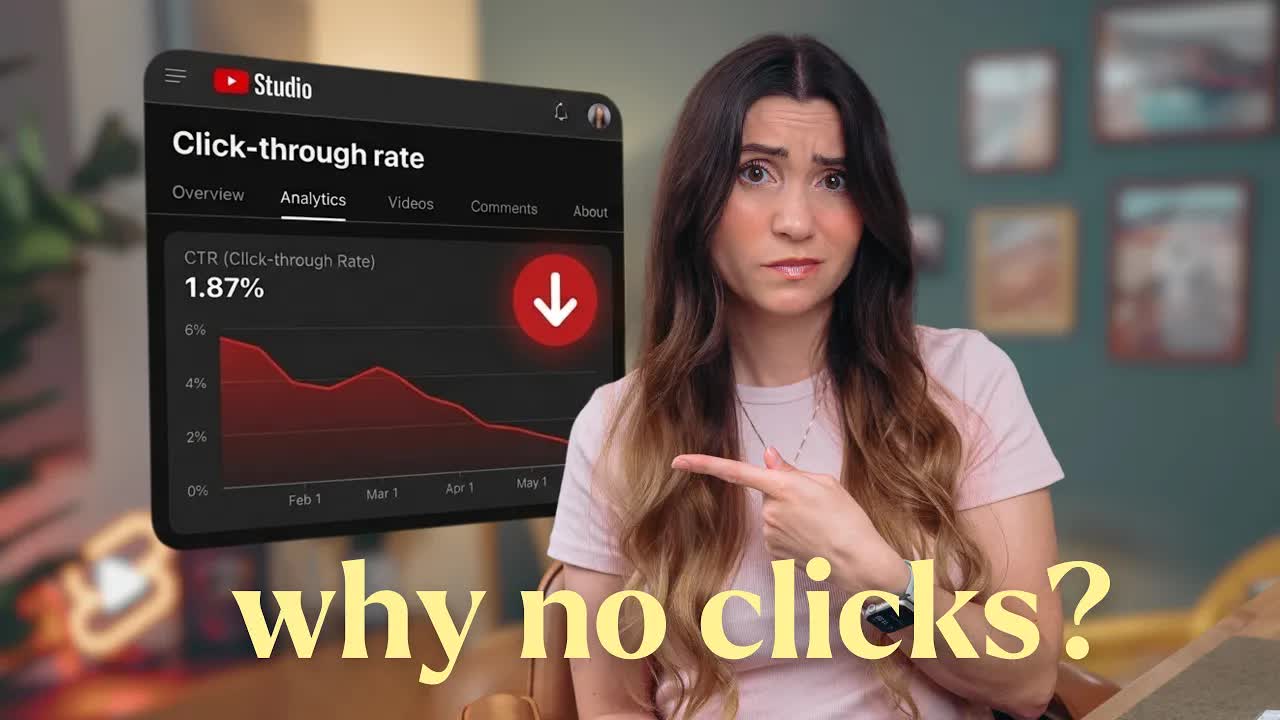
Nadine Sykora · Youtube · 10:32

YouTube was testing my videos wrong (so I fixed it)

Three reports inside YouTube Studio reveal whether the algorithm has any idea who your videos are for — and three title fixes that finally tell it.

Posted
June 1st 2026
2 days ago
Duration
10:32
Format
Tutorial
educational
Channel
NS
Nadine Sykora
§ 01 · The Hook

The bait, then the rug-pull.

She opened by asking the question every stalled creator whispers at their dashboard. Then she did something most do not: she asked YouTube directly, using the platform's own AI to audit her analytics — and the answer was yes, the algorithm had been seeding her videos to completely the wrong rooms.

§ · Chapters

Where the time goes.

00:00 – 00:47

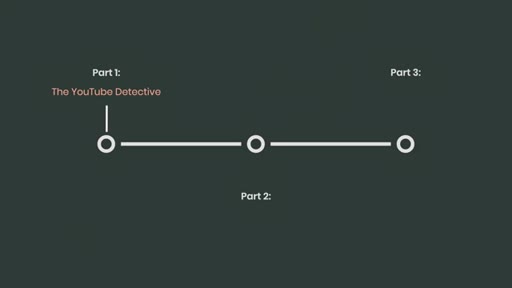
01 · YouTube: The detective with no clues

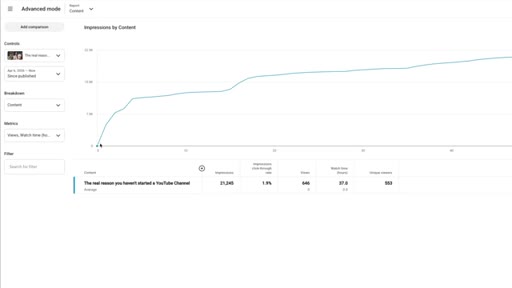
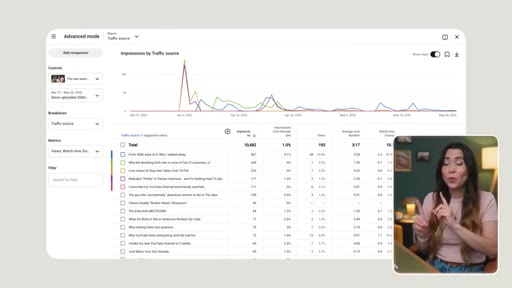
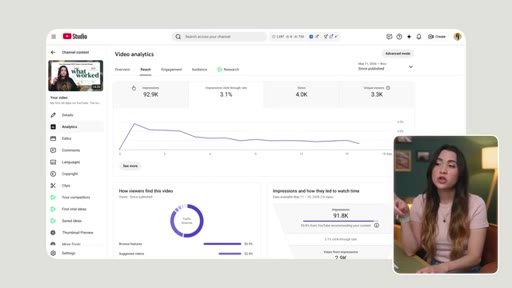
Sets up the core metaphor — YouTube acts like a detective seeding content to random audience clusters for 48-72 hours to find who bites. Spikes in the impressions graph are that seeding in action.
00:48 – 02:46

02 · Report 1: Content Suggesting This Video

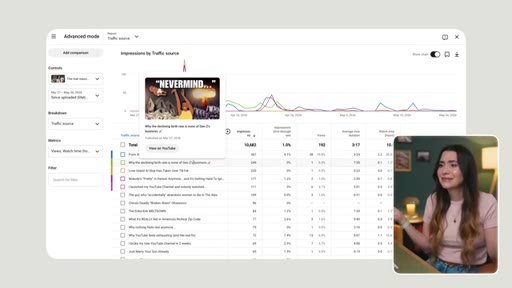
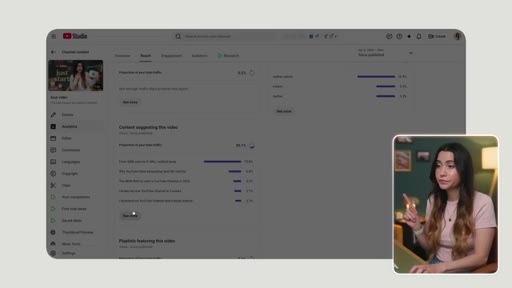
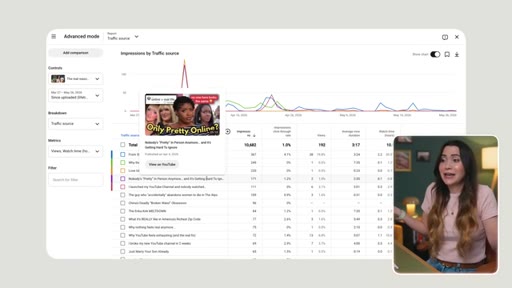
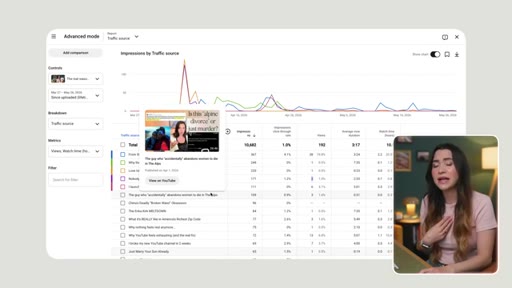
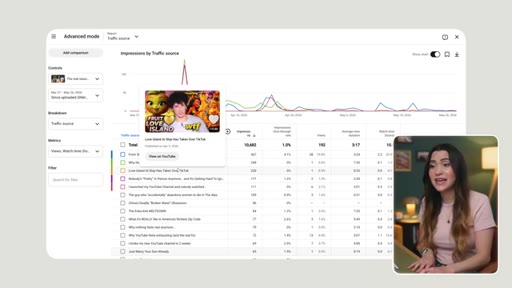
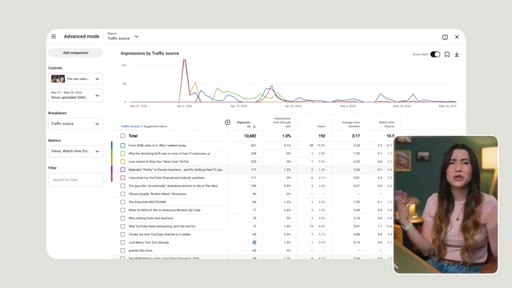
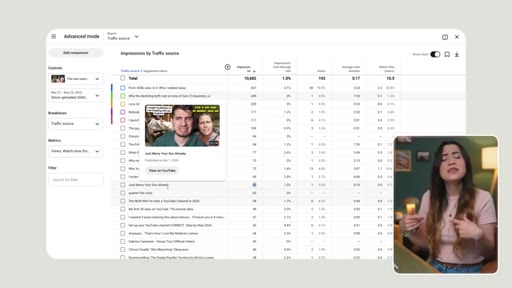
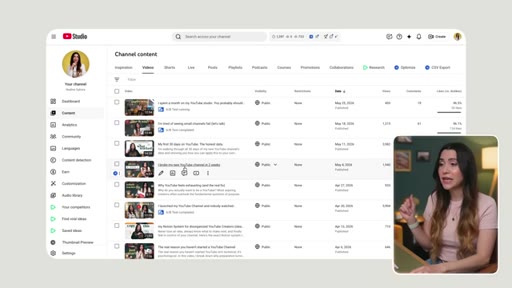
Walk-through of the Reach > Content Suggesting This Video report. Real data shows her videos placed next to Love Island, Gen Z birth rate content, and a man who abandoned his wife in the Alps — all with 0-1.2% CTR.
02:46 – 04:38

03 · Report 2: Impressions by Traffic Source

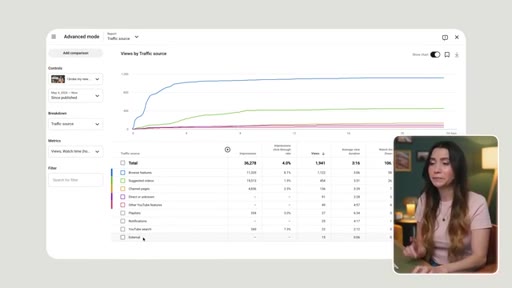
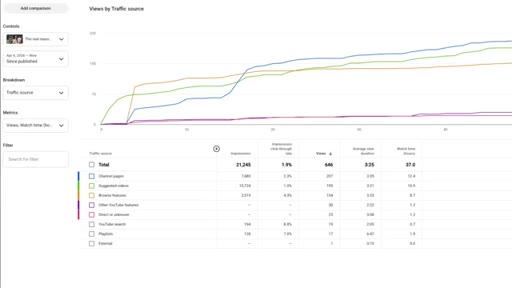
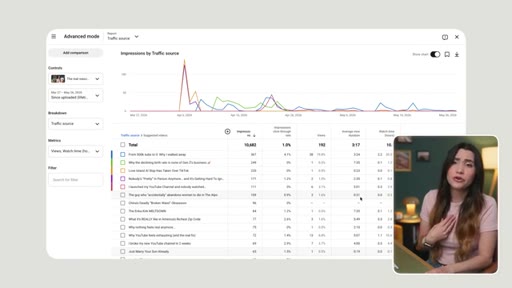
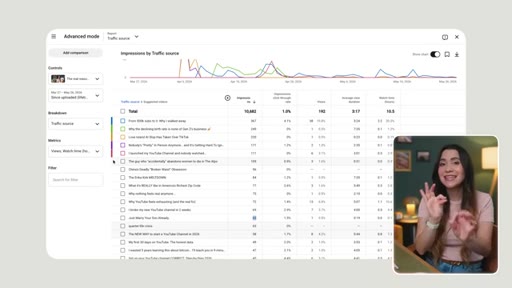
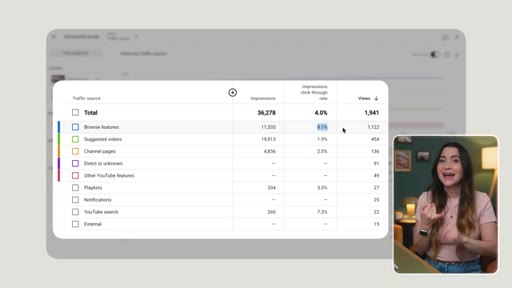
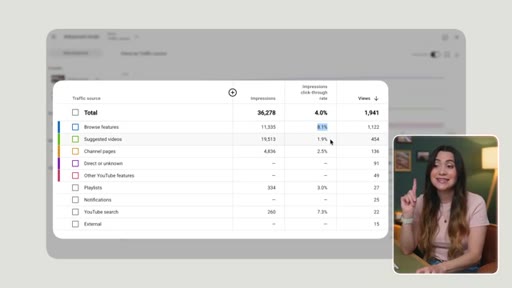
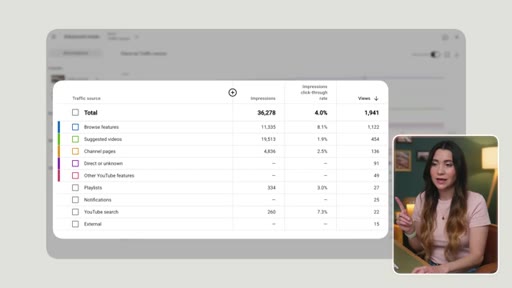
Breaks apart the blended CTR number. Browse features: 8.1%. Suggested videos: 1.9%. The gap reveals that existing fans are clicking but the algorithm cannot find new viewers.
04:38 – 05:59

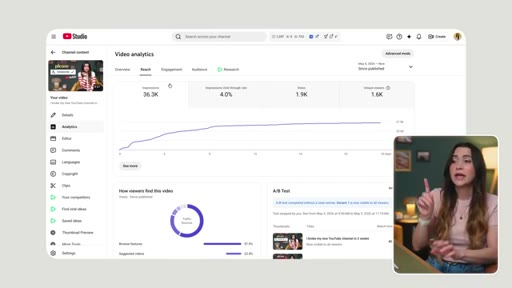
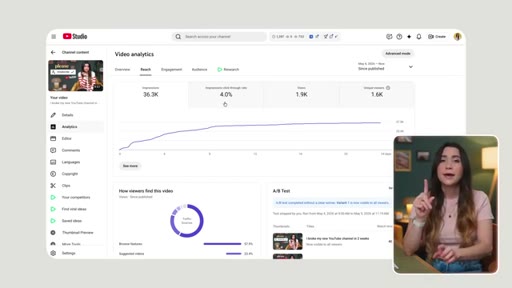
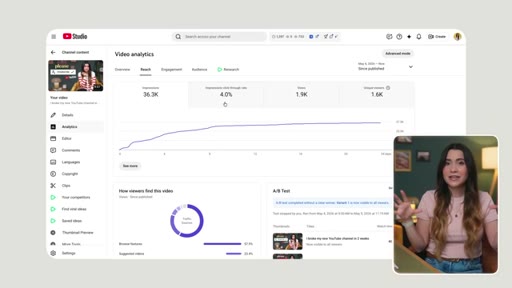
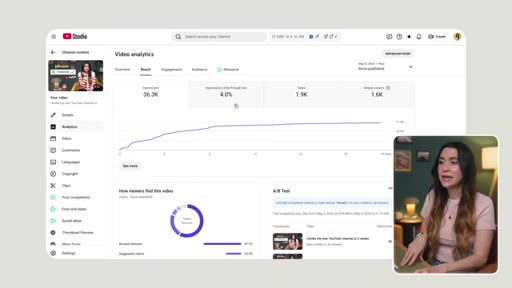
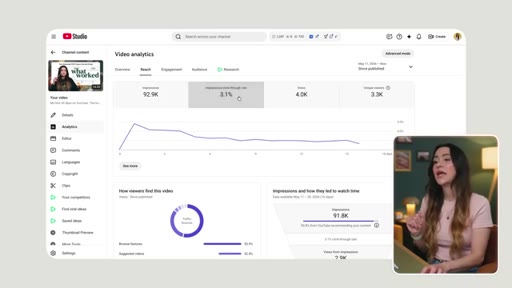
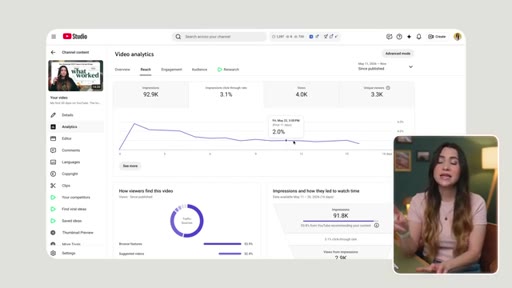
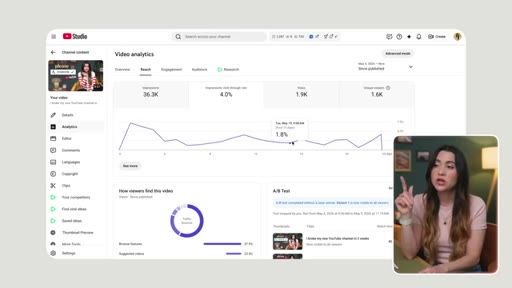
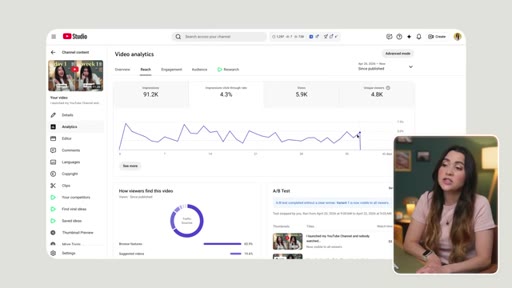
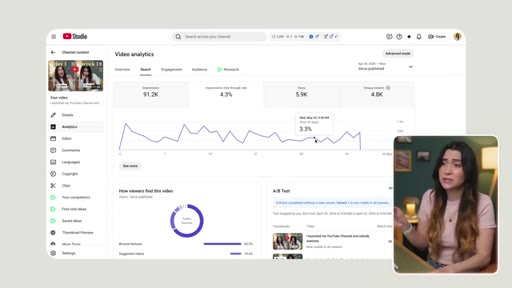
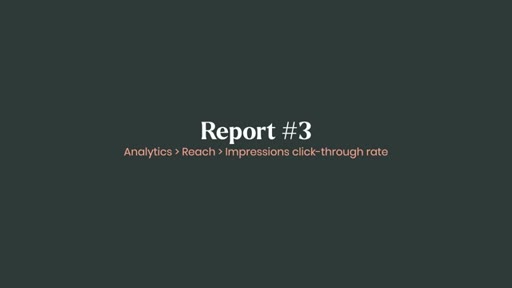
04 · Report 3: Impressions CTR line chart

The zigzag CTR line (ranging 1.8% to 6.8%) signals the algorithm is still guessing. A steadier downward slope is actually healthier — it means YouTube found a consistent audience and is scaling to them.
05:59 – 09:08

05 · The Fix: Three title changes

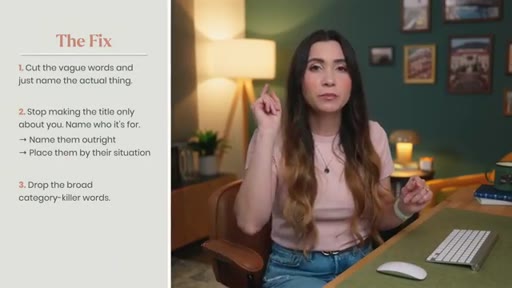
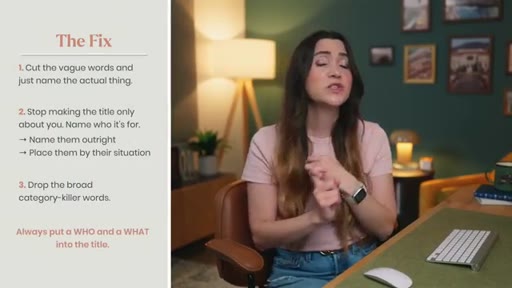
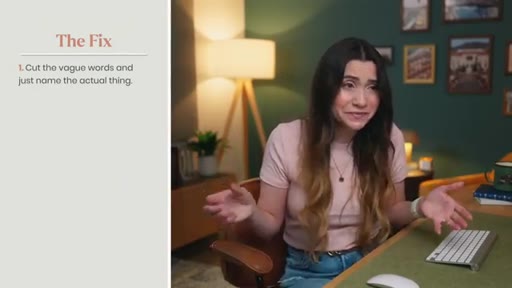
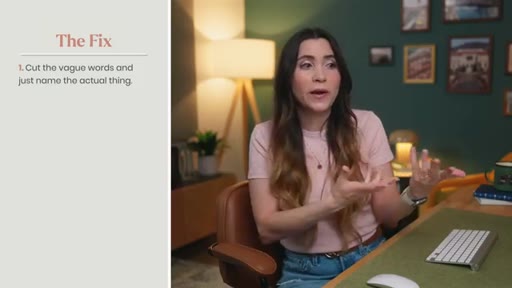
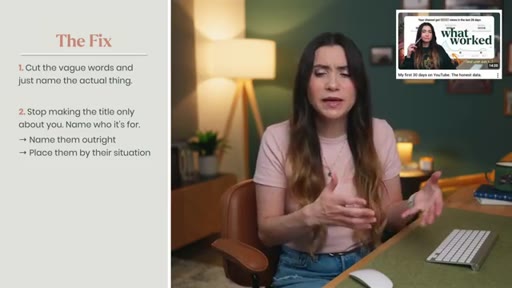
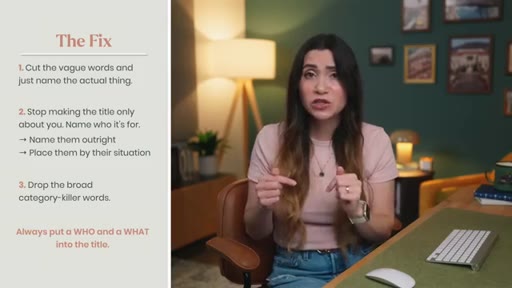
Three AI-recommended fixes, none involving the thumbnail: (1) cut vague words, name the actual thing; (2) name who the video is for outright or by situation; (3) drop broad category-killer keywords that put small channels in competition with huge ones.
09:08 – 09:57

06 · WHO + WHAT framework

Distills all three fixes into one rule: the title's first 40 characters and the first description line must identify the who and the what. Demonstrated with a before/after example.
09:57 – 10:32

07 · CTA and the unflop story

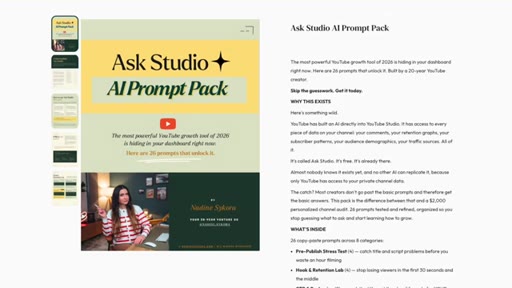
Pitches the Ask Studio AI Prompt Pack. Closes with the insight that YouTube never permanently abandons old videos — she revived years-old flops by updating their titles. 48-hour patience note.

§ · Storyboard

Visual structure at a glance.

open — pain point hook
Report 1 intro
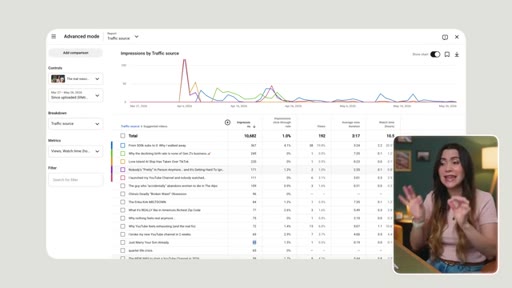
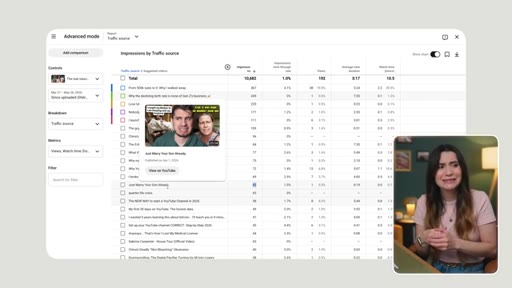
Studio data: suggested videos list
Report 2: traffic source breakdown
8.1% browse vs 1.9% suggested
Report 3: CTR line chart
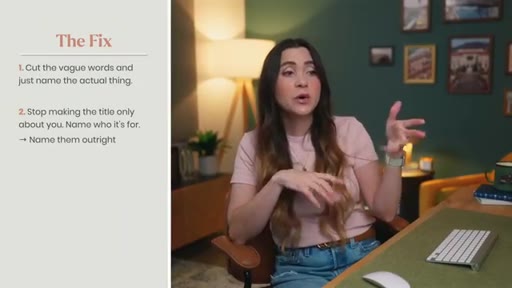
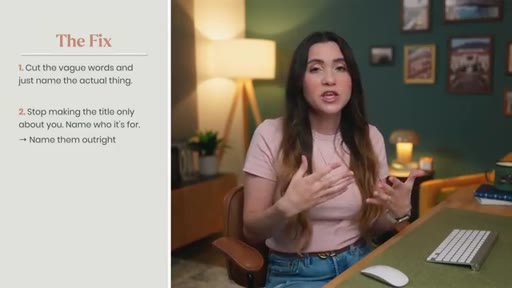
The Fix card — three rules
WHO + WHAT summary
CTA — prompt pack
§ · Frameworks

Named ideas worth stealing.

05:59 list

The Three Title Fixes

  1. Cut vague words, name the actual thing (no tips, tricks, hacks, or growth)
  2. Name who the video is for — outright label OR situational placement
  3. Drop broad category-killer keywords that compete with giant channels

Three title-writing rules sourced from YouTube's Ask Studio AI, all targeting the gap between browse CTR and suggested CTR.

Steal for Any video title audit or pre-publish checklist
09:08 model

WHO + WHAT title formula

Every title's first 40 characters and every first description line should answer: who is this for, and what is it specifically about. Both must be present for the algorithm to match correctly.

Steal for Title review before publish, retroactive title rewrites on underperformers
00:48 list

The Three Reports Audit

  1. Report 1: Reach > Content Suggesting This Video (are the neighbor videos relevant?)
  2. Report 2: Reach > How Viewers Find This Video by traffic source (browse vs suggested CTR gap?)
  3. Report 3: Reach > Impressions CTR line chart (zigzag = algorithm still guessing)

A three-report diagnostic sequence in YouTube Studio to determine whether the algorithm has correctly identified your target audience.

Steal for Monthly channel health audit, pre-repackage video triage
§ · Quotables

Lines you could clip.

00:30
"YouTube has no idea who wants to watch your video. For the first forty-eight to seventy-two hours, it is seeding out your videos to various audience groups to basically just see who bites."
Clean standalone explanation of the seeding mechanic — no setup needed → TikTok hook
04:04
"A high browse and a low suggested means that existing fans are loving it, but YouTube's struggling trying to find new fans."
Crisp diagnostic line that clicks immediately for creators watching their numbers → IG reel cold open
06:01
"Not one of them has anything to do with the thumbnail. They were all related to the title."
Pattern interrupt — contradicts the dominant thumbnail-first advice → TikTok hook
09:36
"YouTube never gives up on your videos, truly."
Motivational and counterintuitive — most creators assume flops are permanent → newsletter pull-quote
§ · Resources Mentioned

Things they pointed at.

§ · CTA Breakdown

How they asked for the click.

09:57 product
"I put together a full on prompt packet. It's copy and paste, super easy, and the links will be down the description."

Soft pitch, earns it by demonstrating value first through the entire audit walkthrough. Also mentions 1K YouTube Blueprint. Closes with a related-video card for her 30-day YouTube start series.

§ 04 · The Script

Word for word.

HOOK opening / re-engagementCTA the pitch metaphor story
00:00HOOKIf nobody is clicking on your videos, at some point, you've probably wondered, YouTube, are you actually showing these to the right people? So I actually asked. I used YouTube's own AI Ask Studio to audit my channel's data, and the answer was yes.
00:12HOOKYouTube was showing my videos to the completely wrong audience. So now I am showing you those exact reports so you can audit your own channel, plus the three step fix to finally point the algorithm to the right audience. Now when you hit publish, YouTube has no idea who wants to watch your videos.
00:28HOOKSo for the first forty eight to seventy two hours, it is seeding out your videos to various audience groups to basically just see who bites. So if you look in your impressions graph, you'll see a bunch of spikes. That's seeding.
00:39HOOKIt's basically you two acting like a detective but with no clues. So our job is to give the detective better clues so it can find the right rooms, the right audiences, but how do we even know that we're giving it the right clues?
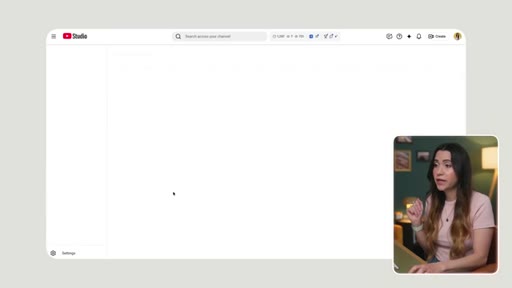
00:50Now this is the first report you are going to do. I want you to pick a video that didn't perform well, and you're gonna go into its analytics. So I'm gonna do
00:58this one here. You're gonna go analytics, reach.
01:02You're gonna scroll down until the content suggesting this video section, and then click see more.
01:11I want to show you who YouTube what other videos YouTube was recommending my content next to. Why the declining birth rate is none of Gen z's business?
01:23Clearly, related to content creation, 0% click through rate.
01:28Not surprised there. Nobody's pretty in person anymore. Oh, I got two views.
01:34I got a 1.2 click through rate there. For the guy who accidentally abandoned his woman to die in the Alps,
01:41I got three views from that with a average view duration of thirty one seconds.
01:48So clearly, the people interested in that were not interested in my content. The Love Island slop has taken over TikTok. I got a one view from there, and they stayed for twenty three seconds.
02:00Almost instantly, I can see YouTube had no idea who this video was meant for. It was just pairing it beside
02:09literally the most random assortment of videos. But if they watch video a and it's on
02:16just marrying your son already, people aren't gonna click on video b.
02:22Like, they see my video b being recommended, and they're like, no. That's not for me.
02:27That's not for me. Prefer other things. So if three out of this top five suggested videos have nothing to do with your niche,
02:35you have not given the detective enough clues yet. So the system reads it as nobody wants to watch your video. But, really, it's just the Love Island people don't wanna watch my video.
02:46This is our next report. So pick another video and go into its analytics. So I'm gonna do this one here.
02:53And I want you to go into reach. Tap.
02:58And first, we'll pause here for a second because I wanna I wanna explain something. This click through rate number that you see is not actually a single number.
03:09It is a combined click through rate of the various traffic sources because every traffic source on YouTube has its own separate click through rates. And the mismatch
03:20and why you're not getting a good click through rate often lies in the gap between those sources. Now I'm gonna scroll down into the how viewers find this video section and click see more. Now this is where we're gonna find the data that we're looking for.
03:37If we look right here, we'll see that our my browse click through rate is 8.1%. That's really good. That means that my title and my thumbnail were working
03:47for people who knew me, who knew the type of content. But if you look at the suggested videos click through rate, 1.9%.
03:58That's not good. Right? Like, that's a huge difference.
04:02So what does that mean? Suggested is YouTube trying to find me new people. And at 1.9%,
04:08well, I don't think the people that's finding me are the right people because they're clearly not clicking on my videos. So a high browse and a low suggested means that existing fans are loving it, but YouTube's struggling trying to find new fans.
04:23I am not giving YouTube enough clues on this video to help it find new audiences. And there, you can clearly see how
04:32the click through rate is the combined average of all these sources, and suggested is at the very bottom. The last report I want you to look at.
04:40Good. Pick a video, go into the analytics, click on reach,
04:44and then click on the impressions click through rate tab. And I want you to look at this graph here or chart.
04:53Is it a chart? It's a line. What you're looking at is as your impressions are getting higher,
05:00your average click through rate is gonna start dropping because that means it is ceding it to more and more newer viewers, more and more different audiences. So if we look at this chart from the click through rate, it's all over the place.
05:16So some audiences are really high, some are really low. And when you get these, like, zigzags that are kind of all over the place, you know that YouTube is having a really hard time trying to figure out who your audience is.
05:28Some click through rates are 6.8%, Some are 2.2. There's a 1.8,
05:33a 5.1. A more steady line means that YouTube is having more success finding your audience.
05:40A sleep steep slide down or this ziggy zaggy means it's it's it's struggling, and it's getting it wrong. It's getting it right, and it's getting it wrong. So I asked YouTube's AI the obvious next question.
05:51What do I actually do to change this? How can I improve my suggested video click through rate? And it came back with three fixes, and I want you to notice that not one of them has anything to do with the thumbnail.
06:02They were all related to the title, just telling YouTube exactly who the video was for. So the first fix it recommended was to cut fake words and just name the actual thing
06:14that we're talking about. So what does this mean? No tips, tricks, secrets, hacks, growth.
06:19Like, what does growth even mean? Growth could mean, like, growing a garden, growth in stocks, growth in hair, personal growth.
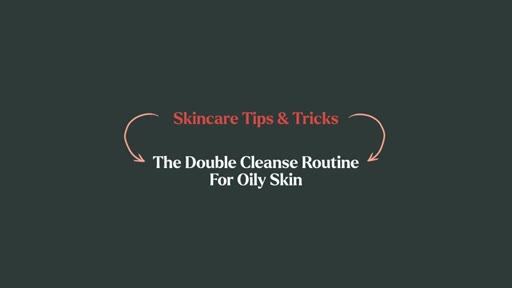
06:27It's so vague. Like, it names the action, but not the actual thing that we're growing. So a title like skin care tips and tricks becomes
06:36the double cleanse routine for oily skin. More specific. Right?
06:39So our second fix is to stop making the title only about you and name who it's for. And we wanna be careful here because the trap isn't in the words like my, me, I. I know I use those a lot in my titles.
06:53The fact that there is no signal for who else would be interested in this. There are two ways that we could do this.
07:00The first is you can name it outright. Now my video, I'm tired of seeing small channels fail, literally says small channels.
07:07Right? Like, that's the label. It's it's pretty obvious.
07:09The second way that you do this is by placing them by their situation. My first thirty days on YouTube. I never say this is for new creators in the title, but if you've only been on YouTube for thirty days, then
07:21that would mean that I'm a new creator. This is for new creators. So it it kind of, like, situationally
07:27applies it there. Both of these count, and what flops is a title that does neither of them. Like, my workout routine
07:34tells me nothing. Who are you? Why do I care about your workout routine?
07:38My go to workout for total beginners. Ah, okay. This is a total beginner's workout routine.
07:45I'm a total beginner. I'm looking for a workout. Fix number three, dropping the broad category keywords.
07:52These are things like money, success, video, recipe, single words that are too big for a small channel twin. If I did a video, I'm like, how to make money on YouTube,
08:03now suddenly, uh, that video is getting placed next to Ali Abdaal, Think Media,
08:11MrBeast. Right? Like, all of these massive channels.
08:14There's no way that my little video is gonna be able to compete next to that. It's gonna be so much harder. Here's another example.
08:19So if you were a cooking creator, easy dinner recipes. You are now fighting all of food YouTube in that one. But thirty minute sheet pan dinners for busy parents,
08:31that is a super specific video targeting a super specific person. YouTube's gonna have a lot easier time finding a better fit for you, for your audience,
08:42and then you will get a higher suggested video click through rate so more people will watch. And the simplest way to think about this, what AI was doing with all three of these fixes was just naming a who, so who the video is for, and a what, what it's actually about. So your first 40 title characters and your first description line will do the heavy lifting on the who and the what of the video.
09:05If I did a my secret YouTube tips video, no. That's no good.
09:09What's the who? What's the what? The metadata audit for small channels under one k.
09:14Maybe not the best title, but we'll use it for the example because you can clearly see the who, which is small channels under one k, and you can see the what, which is the metadata audit. Now if you have been digging Ask Studio as much as I have and you wanna see the exact prompts that I've been using to help break down my channel's data and really help me analyze what's going on, I put together a full on, like, prompt packet.
09:38It's copy and paste, so it's super easy, and the links will be down the description if you wanna check that out. So after learning this, I actually went back and I redid all the titles from my lowest performing videos to make sure that I had a who
09:51CTAand a what in them. Because also YouTube never gives up on your videos, truly. On my old channel, I had videos that were years old that were flops.
10:00CTALike, they were complete flops. And I was like, you know what? Let's go back.
10:04CTALet's change up the packaging. New title, new thumbnail. They started growing again, and they became unflops.
10:11CTAYou also need to be patient and give YouTube time because it takes about forty eight hours to process metadata changes. So sit back, relax, don't go crazy.
10:20CTAI actually tracked all my numbers from the first thirty days of YouTube, and some of it actually really surprised me. So if you want the honest unfiltered version of what starting at zero really looks like, you're gonna wanna watch that right here.
— full transcript
§ 05 · For Joe

Your title is a clue sheet for the algorithm.

WHAT TO LEARN

YouTube's suggested-video system is a matching engine, and vague titles give it nothing to match against — three specific changes fix the signal.

  • Browse CTR and suggested CTR measure completely different things: one shows how existing fans respond, the other shows whether YouTube can grow your audience.
  • A zigzag CTR line over time is a symptom of audience mismatch, not a bad video — the algorithm is still testing different groups because the title gave it insufficient signal.
  • Vague category words like tips, growth, hacks, and secrets are the fastest way to confuse the matching engine, because they overlap with too many unrelated interest clusters.
  • Every title needs two things in the first 40 characters: a who (the person or situation the video is for) and a what (the specific thing it covers, not the broad category).
  • You can identify the viewer by naming them directly or by describing their exact situation — both give YouTube the same signal without requiring awkward phrases like for beginners.
  • Broad single keywords like money, recipe, or video automatically place a small channel in competition with the largest channels in that space, suppressing suggested-video placement.
  • Old underperforming videos are worth retitling with these rules — YouTube never permanently abandons content, and metadata changes typically take 48 hours to take effect.
§ 06 · Frame Gallery

Visual moments.