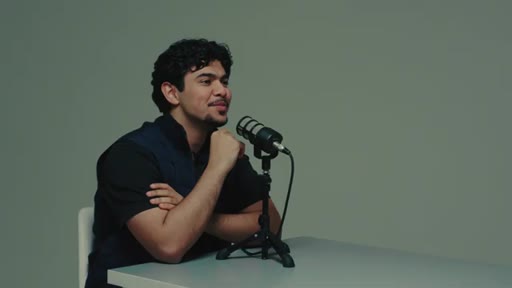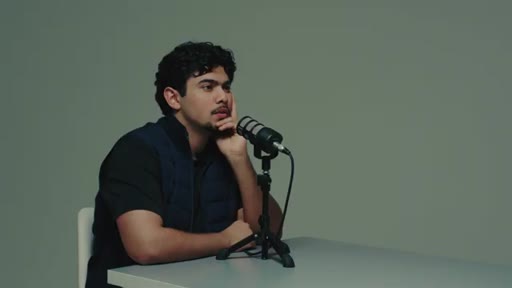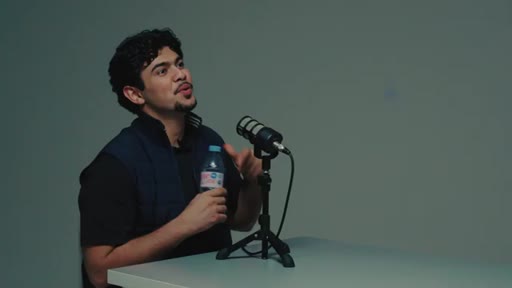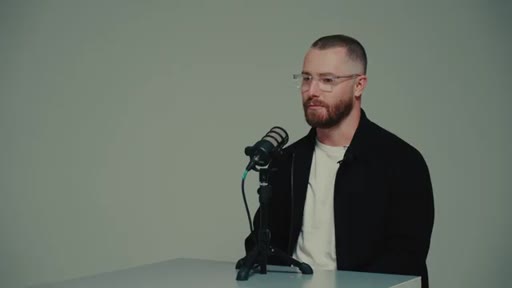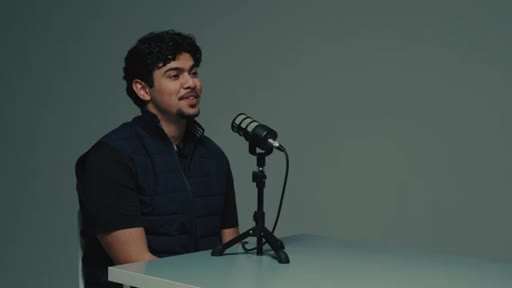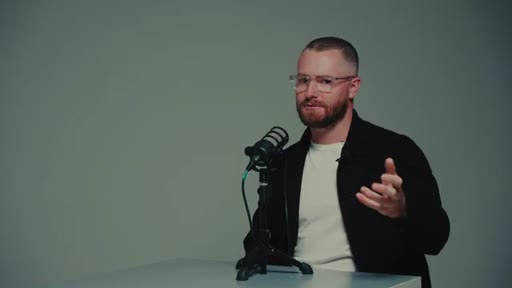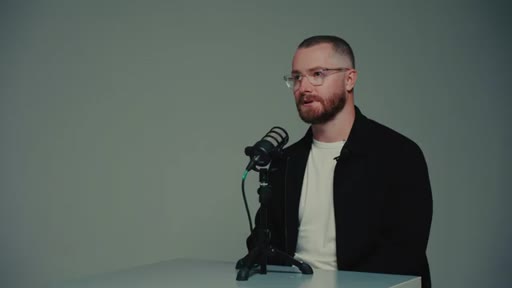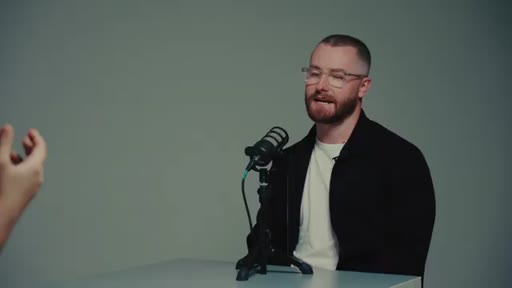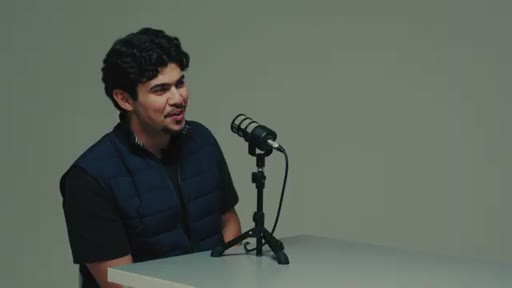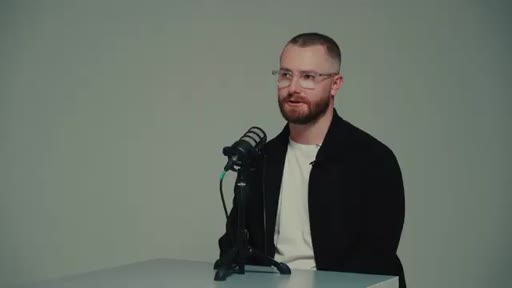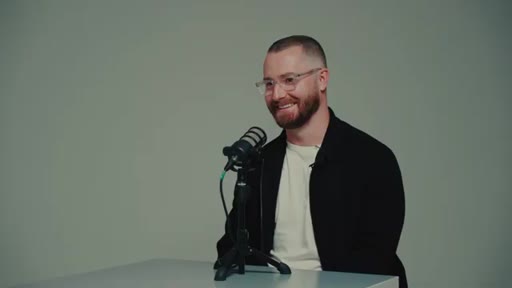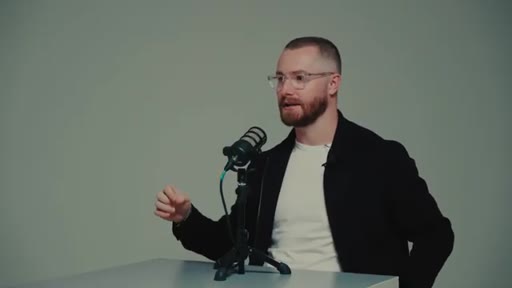
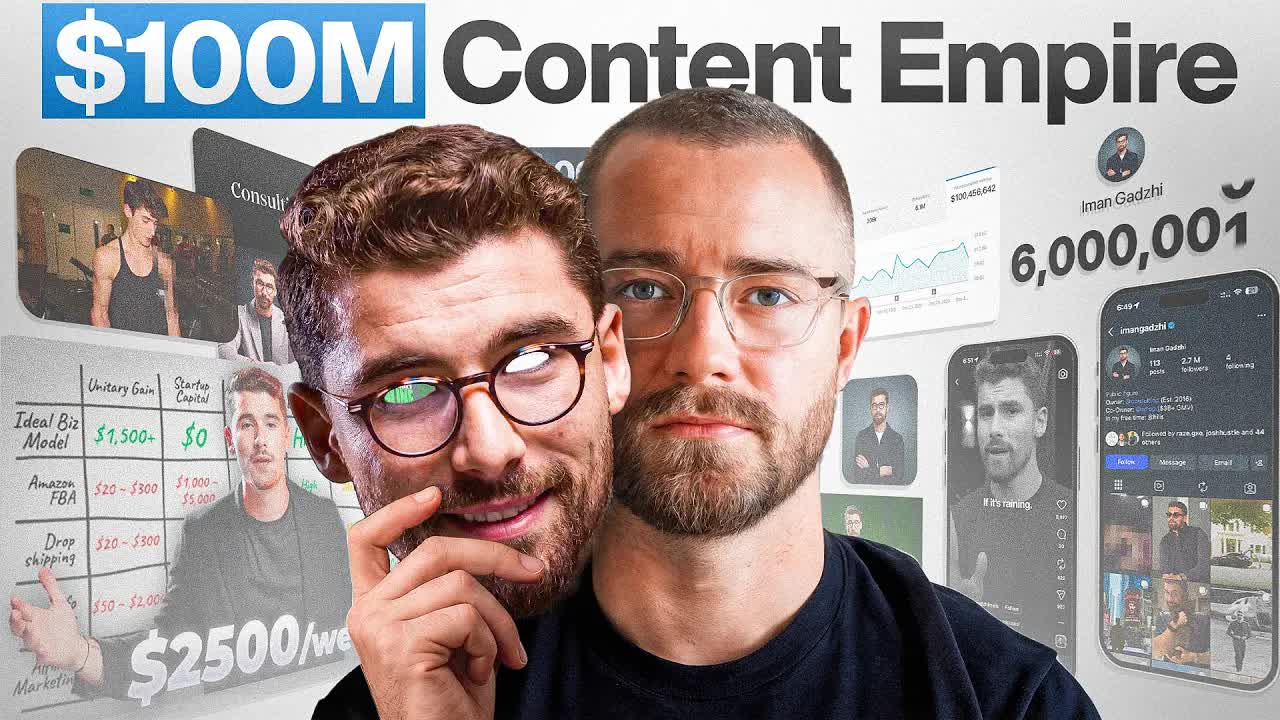
The bait, then the rug-pull.
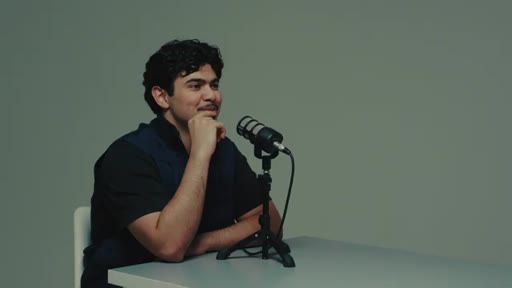
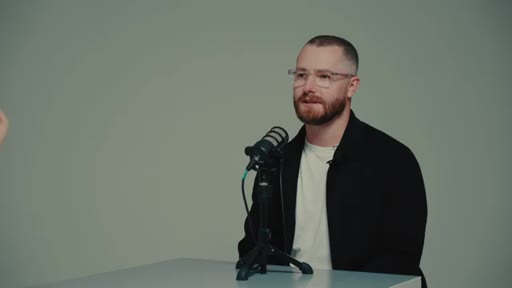
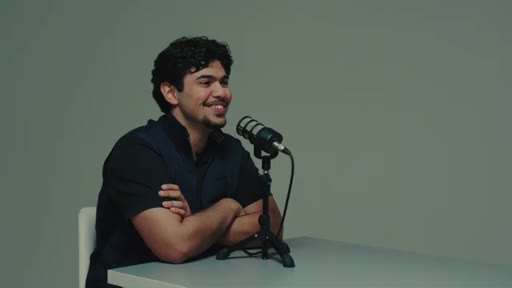
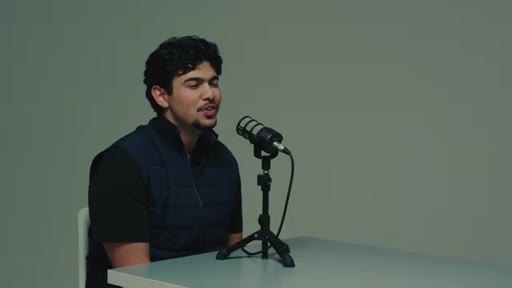
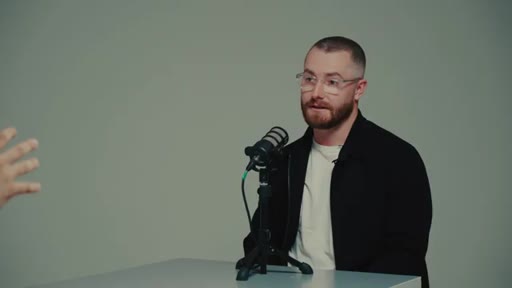
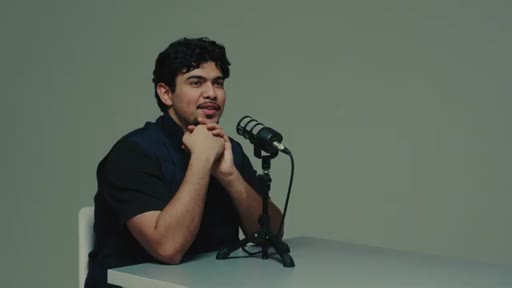
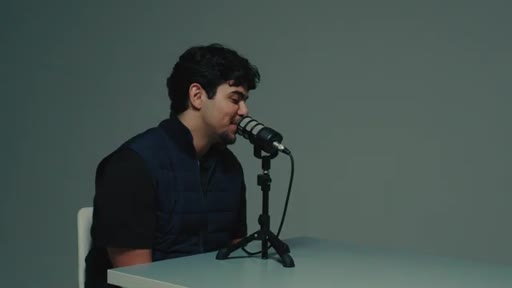
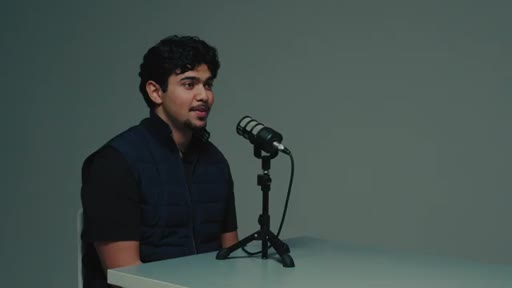
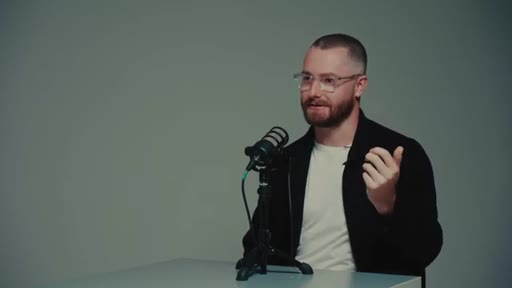
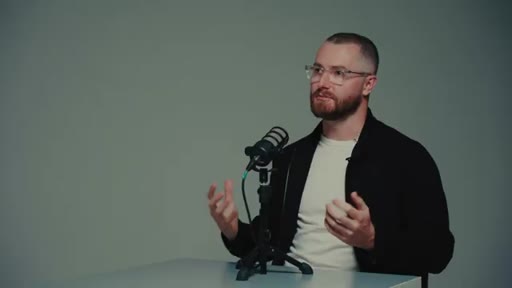
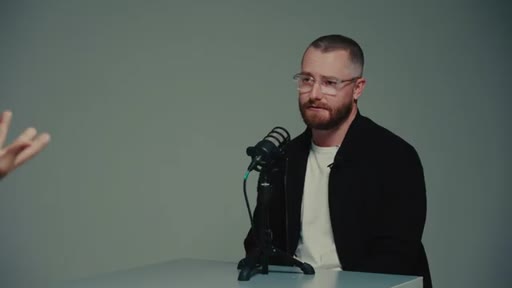
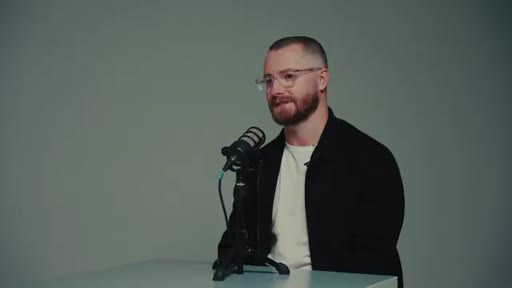
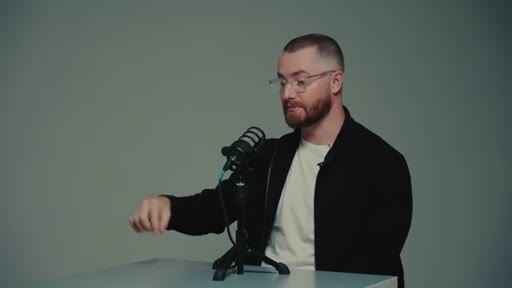
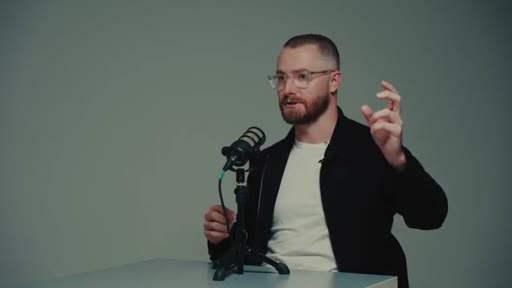
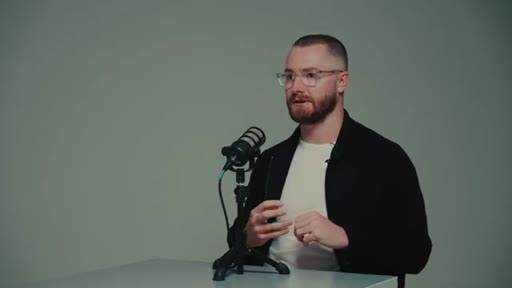
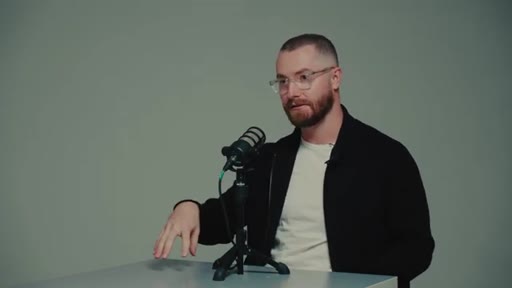
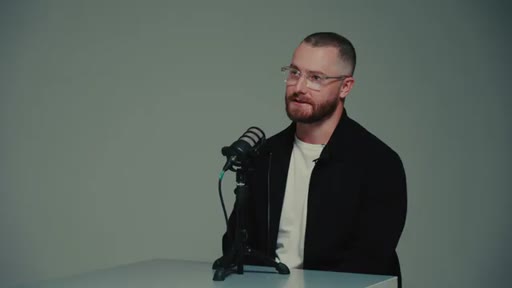
Somewhere behind every billion-view channel is a person nobody talks about. For five years, that person built the systems, hired the editors, ran the events, and connected every dot -- while the world only saw the face in front of the camera. This is the first time he tells the whole story.
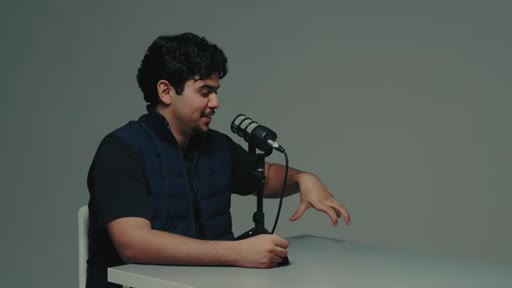
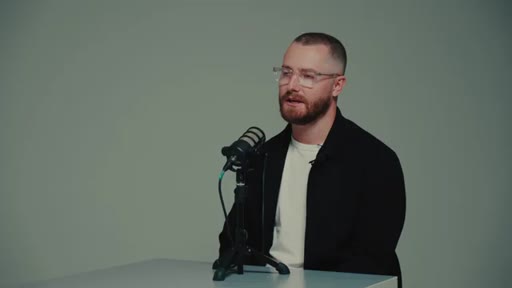
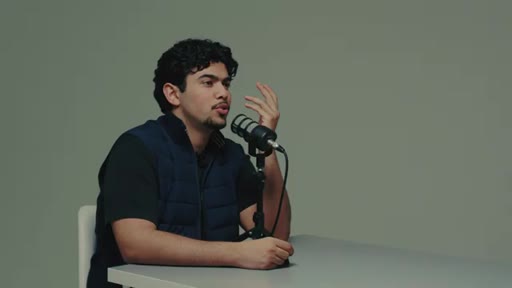
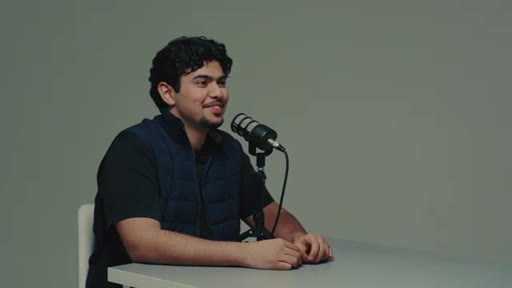
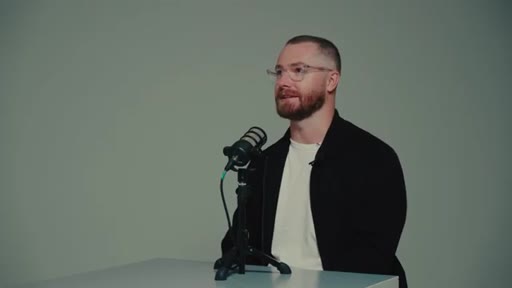
Who's talking.
Where the time goes.
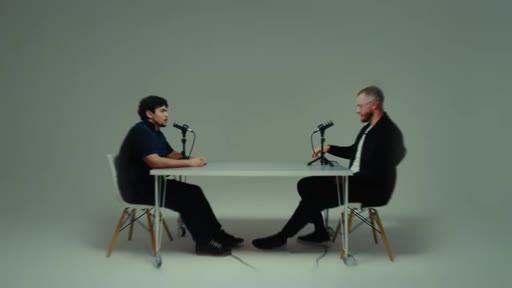
01 · Trailer
Spliced best clips set up the invisible-genius premise.
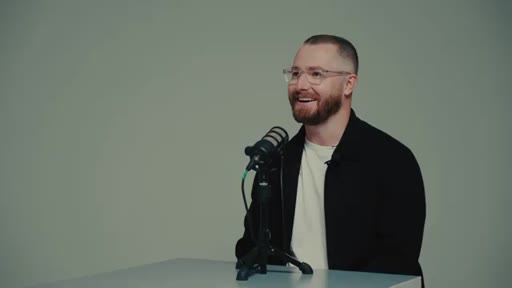
02 · Introduction: The Man Behind Iman's Empire
Host frames the guest as the person behind billions of views nobody knows. Guest reflects on never thinking about impact while doing the work.
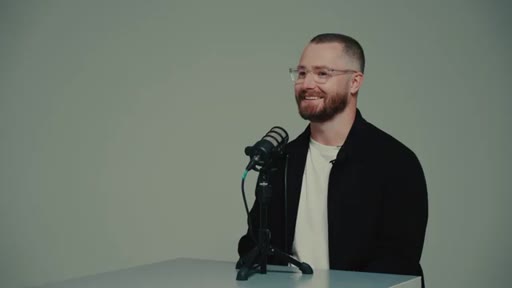
03 · From Bermuda to Iman's DMs
Origin story: product design degree dropped for travel content creation, pandemic kills the gig, DM'd Iman in 2017 and was rejected, applied again in 2020 and landed the job due to London proximity.

04 · The Least ROI Positive Team Member
Early days at sub-150k subscribers, rinse-and-repeat strategy, pivot to lifestyle vlogging, and the organic emergence of monk mode content.

05 · The Outsource Everything Trap
How the creator-to-head-of-content relationship evolved; the mistake of expecting one hire to fix everything without staying tapped in.

06 · Why You Cannot Lead Creatives With Fear
Retention philosophy: full-time over freelance, 18-month lifecycle, public acknowledgment, and why fear kills creative output.
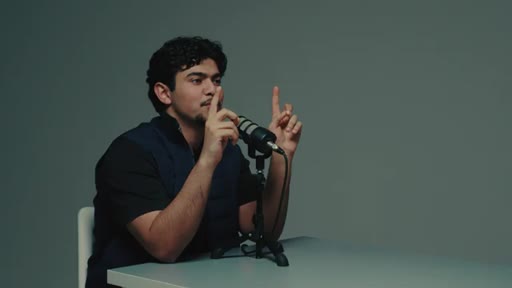
07 · Aptitude vs Attitude
B-player vs A-player framework. How one editor was discovered inside the short-form team with a single internal challenge rather than an external hire round.

08 · Head of Content vs Creative Director
Creative directors are hyper-fixated on creative; heads of content split time 50/50 between creative and operational systems. Three-level team model: C-suite / managers / makers.

09 · Behind Iman's Events
How major prerecorded events were produced: CMO scripted narrative, head of content and creative director curated visuals, editors built the cinematic world.

10 · YouTube Is Legacy, Short Form Is Dopamine
50 percent of highest-converting offers have YouTube as primary audience source. 480 short-form reels equal the trust-building time of one YouTube video.
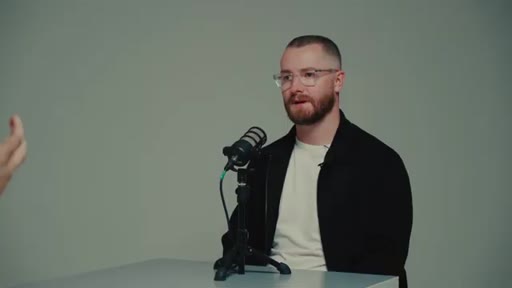
11 · You Do Not Find a Head of Content, You Build One
Treat content as a game of trying things rather than calculating outcomes. Identify the person already on your team with aptitude and build a roadmap to develop them.
Lines you could clip.
"I was not found. I was developed. I was put into a position where I could grow into that role and become that person."
"Iman famously said that I was the least ROI positive team member of the company. Then it became the most important thing for all business."
"A B-player has the aptitude to do the thing. Becoming an A-player is about your attitude."
"480 short-form reels to match the trust built by one YouTube video."
"You are not finding your next head of content. You are creating him inside your business."
Things they pointed at.
Word for word.
How the content machine behind a nine-figure brand actually ran.
The invisible operator behind one of the most-watched channels on YouTube ran a content machine built entirely on systems and people development -- not creative spark.
- The person most responsible for a channel's growth is often not the face on screen -- the head of content is the operational layer that makes scale possible.
- Hiring the highest-portfolio candidate is often the wrong move: the expectation that one person will fix everything sets both sides up to fail.
- B-player vs A-player is not about skill level -- aptitude gets someone to B, but attitude (proactivity, problem-solving, pushing the work forward unprompted) creates an A-player.
- Full-time beats freelance for central roles -- freelancers are hot commodities and can leave or be poached at any moment.
- You cannot retain creative team members through fear-based management; public acknowledgment within the team is the actual retention lever.
- A head of content spends roughly half their time on operational systems -- a creative director almost never does, making them a different hire for a different moment.
- The three-level org (C-suite / managers / makers) works because managers connect dots between departments without everything routing through the head of content.
- YouTube builds cult-like audiences that convert; short form builds recognition that disappears. Offers backed by YouTube audiences convert at dramatically higher rates.
- Content is not a calculated game -- creators who stay in it longest perform best by trying many formats rather than optimizing obsessively for the next viral outcome.
- The best talent is often already inside the organization: an internal challenge to existing team members regularly surfaces better candidates than an external hire round.