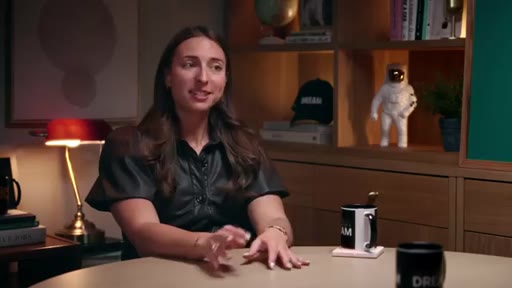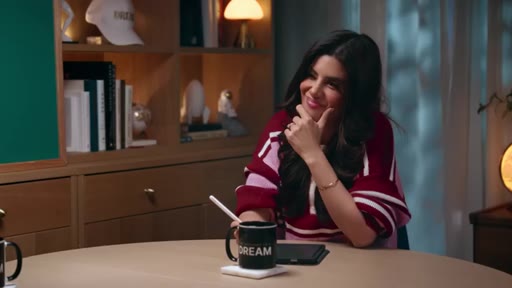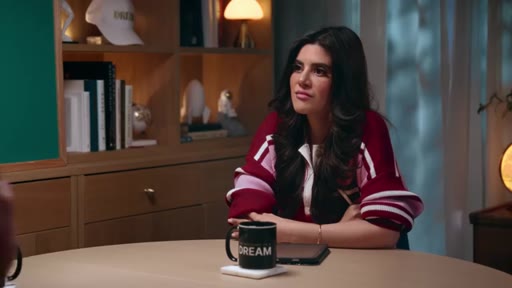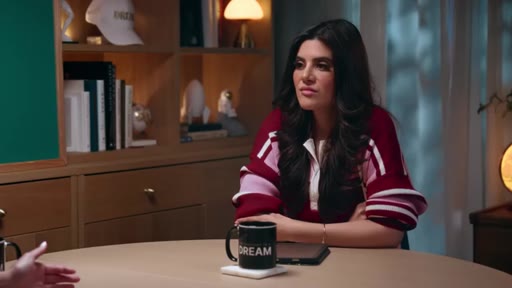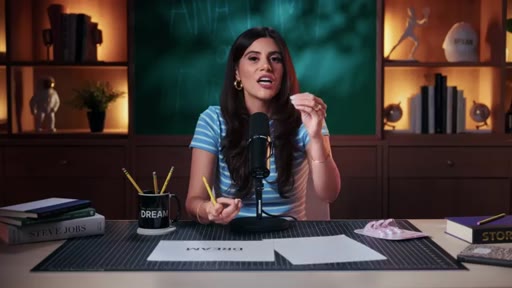
The bait, then the rug-pull.
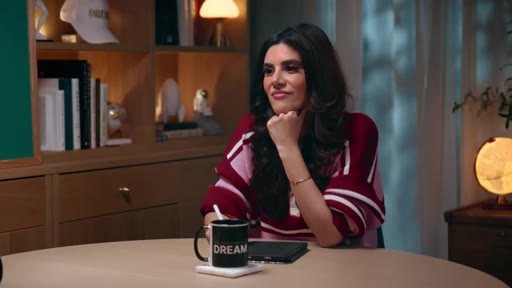
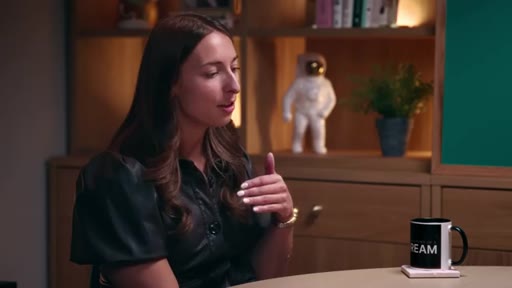
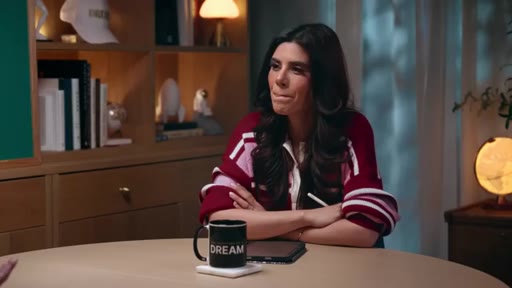
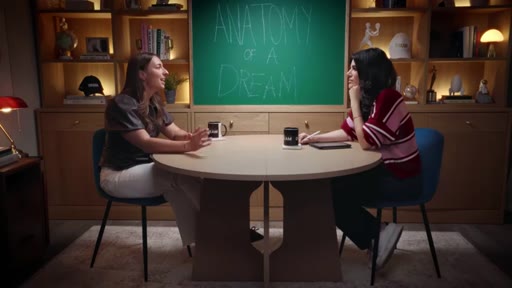
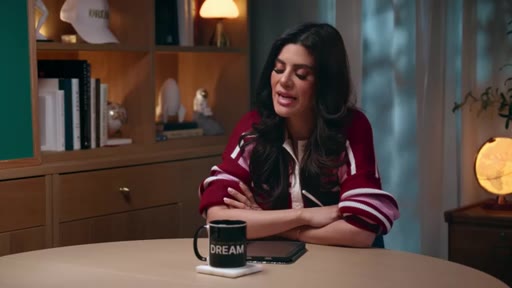
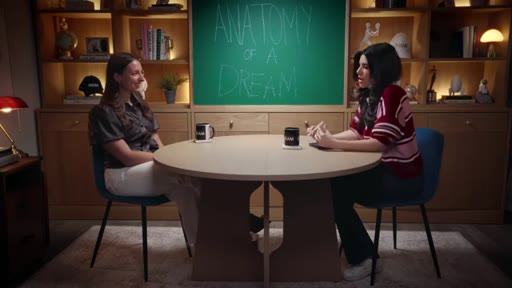
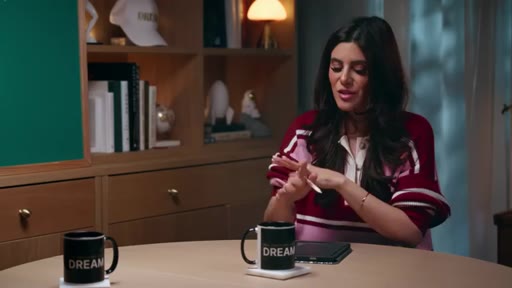
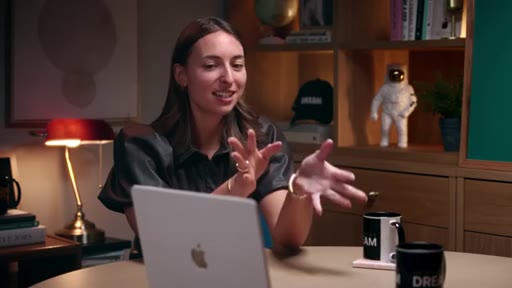
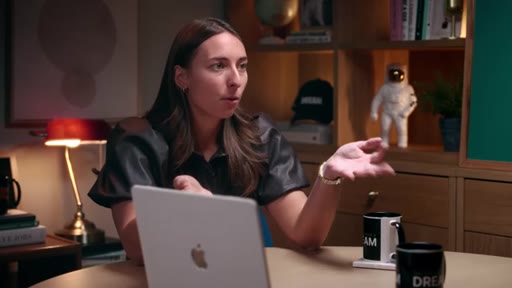
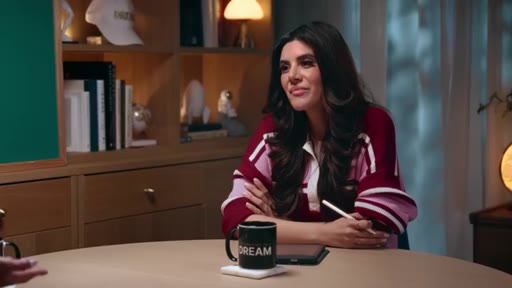
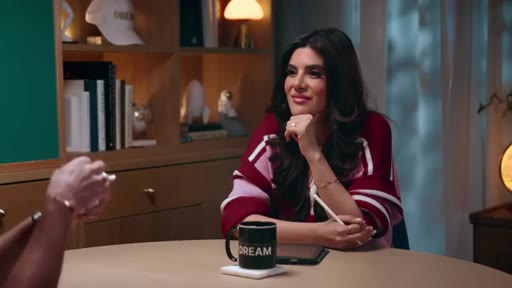
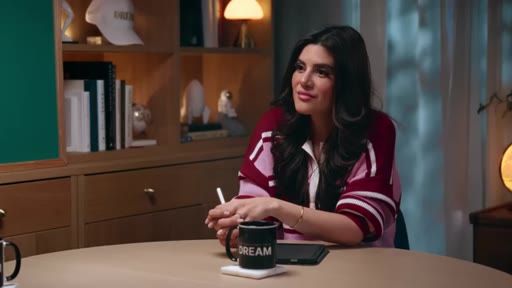
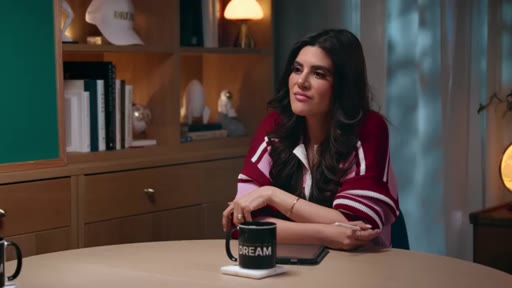
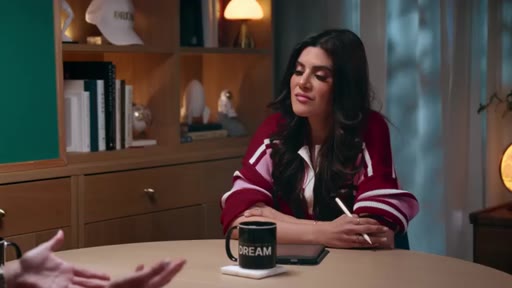
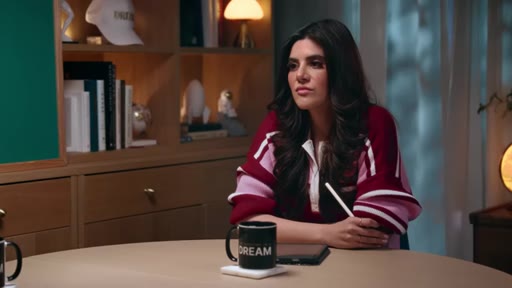
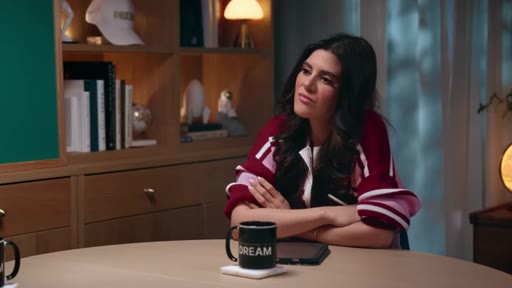
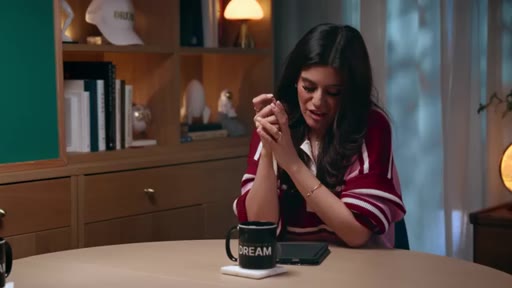
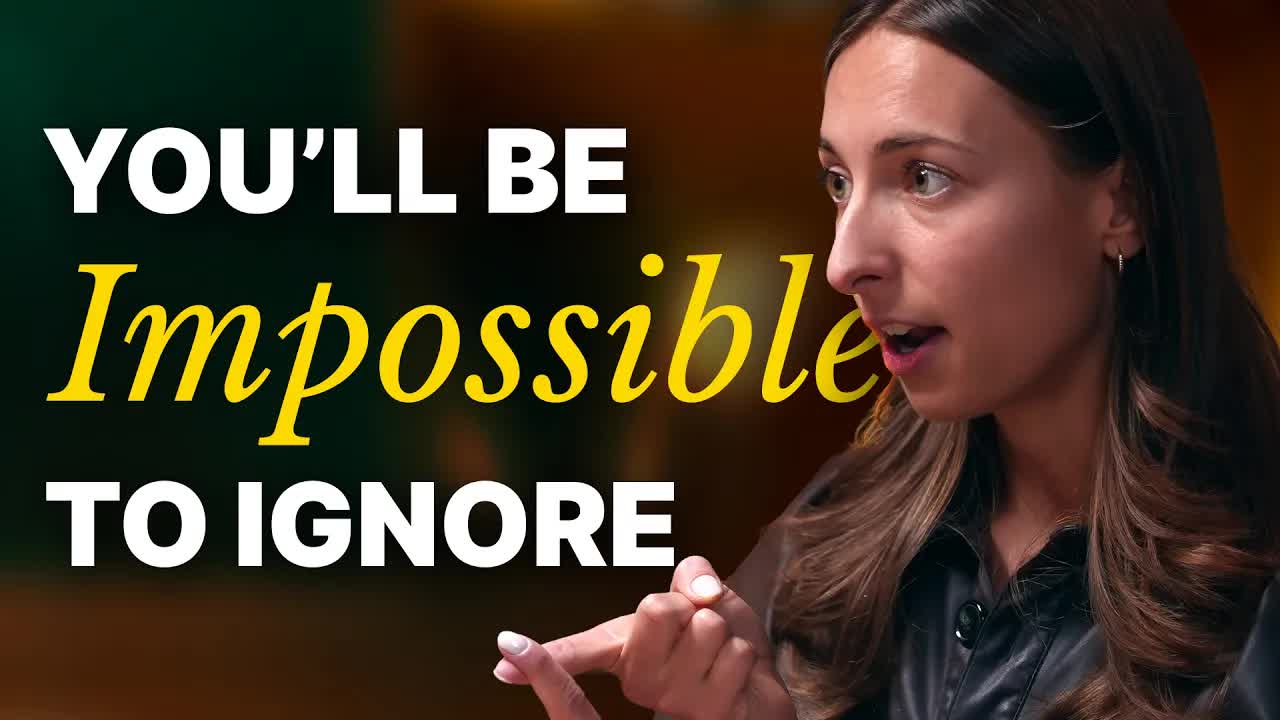
Charlotte Trecartin grew two consumer brands to ten million dollars in revenue without spending a dollar on ads. She did it by finding white space in the water bottle aisle, handmaking product in her dad's basement, and posting on TikTok three times a day until the algorithm caught up.
Who's talking.
Where the time goes.

01 · Intro and show pitch
Cold open hook, show intro, call for dream submissions

02 · What makes someone stop scrolling
The unexpected as the core scroll-stopping mechanic; reply-to-comment, comparison, and street content formats

03 · How the algorithm works in 2026
TikTok equals discovery, Instagram equals nurture; interest-based niche content strategy
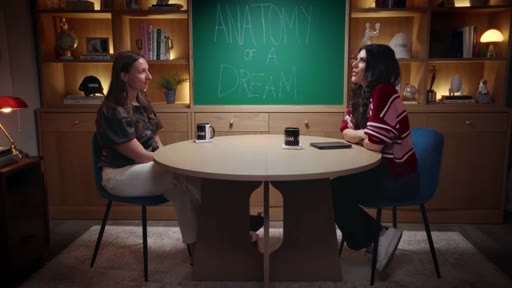
04 · Pattern disruption — the core brand framework
Three types: packaging, marketing, product. Dude Wipes, Kitsch, and whipped-cream sunscreen as case studies
05 · Product show-and-tell
Vacation sunscreen, Liquid Death, and Wall Candy demonstrated hands-on as pattern disruption examples
06 · Validating your product idea
100-stranger interview method; TikTok as unfiltered product feedback
07 · Gimmick vs lasting brand — community as the moat
Stanley vs Bloom Soda; TikTok live and weekly Zooms as community tools
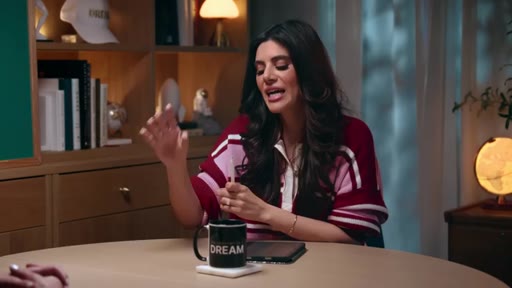
08 · TikTok in 2026 and TikTok Shop timing
Why new brands should not rush TikTok Shop; affiliate flywheel only activates after proven demand
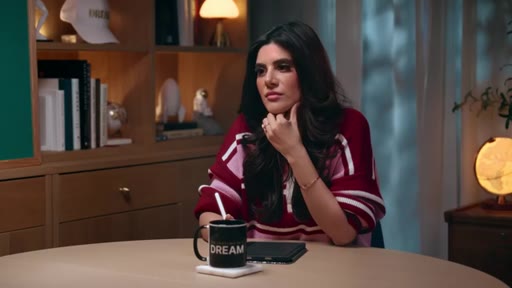
09 · Viral views vs sales correlation
15M views with zero Shopify sales; how to track which marketing channel actually converts

10 · LinkedIn for founders
How LinkedIn got Charlotte into Target; anatomy of a good outreach; posting cadence and credibility signals
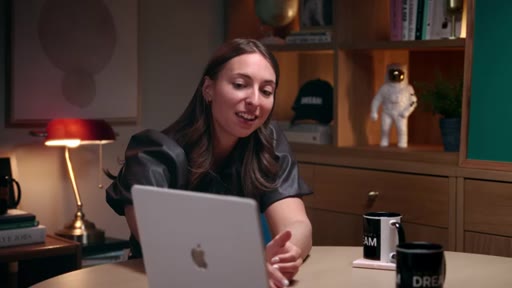
11 · Biggest brand misconception
Skip website and Shopify until demand is proven; first steps are get product, see if people want it, sell it
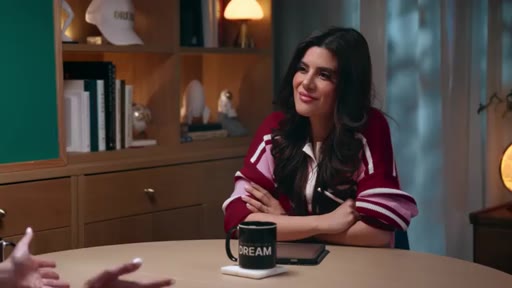
12 · Live retail pitch deck walk-through
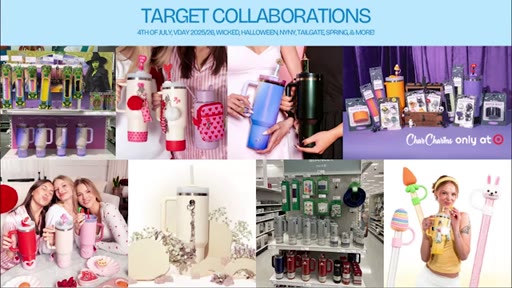
Charlotte walks through her actual Walmart deck: story, press, social proof, viral content, collaborations, product proposal, in-store mockup

13 · Rella sponsor integration
Improvised live on-camera ad for Rella social media tool

14 · Origin story — CharCharms
From COVID boredom to Etsy gap search to mall prototype interviews; insurance job funded the startup
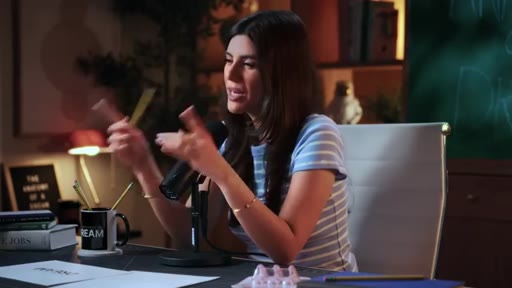
15 · TikTok growth and first retail orders
$300/month TikTok coach; Stanley blows up; Urban Outfitters then Dick's; handmaking product through first retail orders
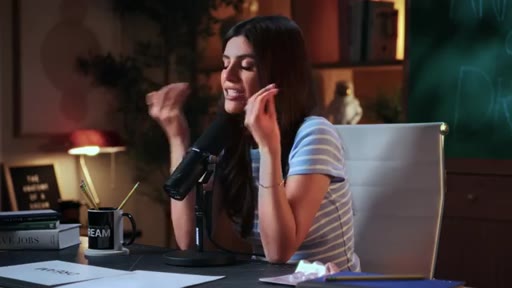
16 · Alibaba sourcing and the Target order
How to vet Alibaba suppliers; $30K wire to China; Target buyer LinkedIn DM; $10K order becomes $1.5M order

17 · Losing millions and Shark Tank
Business partner holds $2M of profits; survived because she had not spent it; three auditions; rejected Mr. Wonderful and Damon John

18 · What makes a successful person
Willingness to sacrifice; Charlotte's dream: Char Brands as a billion-dollar holdco
19 · Anatomy breakdown — 9 principles
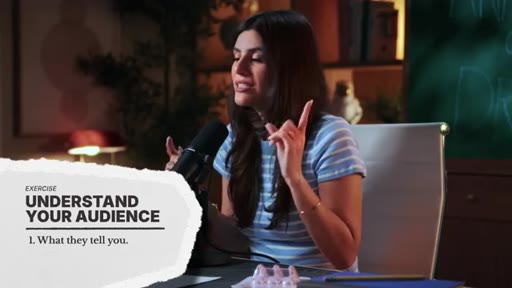
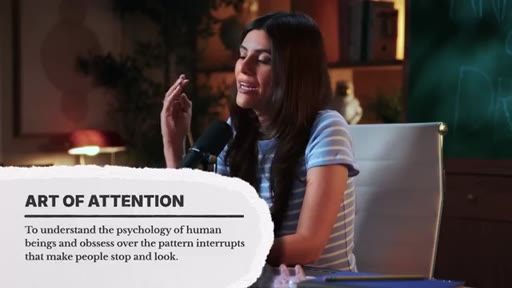
Host solo segment: Find White Space, Customer as Co-Founder, Understand Audience, Start Before Ready, Do Things That Do Not Scale, Recruit Superstars, Art of Attention, Save for Rainy Day, Resourcefulness and Mindset
Lines you could clip.
"Pattern disruption is the most important thing when you are building a brand today. This applies to everyone even if you do not have a product."
"People are 20 percent more likely to buy a product just because the packaging is more interesting to them."
"I have had series that have done 15000000 views with no sales. That does not make sense to dive into that series even deeper."
"What you need today as a brand is you need viral worthy moments built into the products themselves."
"Are you gonna be the dancing monkey forever?"
"Do not waste time making the right decision. You just have to make the decision that you make the right one."
"Brand is all about the community that you build around it. Trends come and go because there is not a community that is built."
Things they pointed at.
Word for word.
Nine principles from a ten-million-dollar no-ad brand.
The most counterintuitive lesson from this story is that pattern disruption — not quality, ad spend, or investor capital — is the actual mechanism behind every breakthrough.
- Being 10 percent different beats being 100 percent better. Map every competitor in your space, find the sameness, and disrupt just enough to make someone stop — in a product aisle, a social feed, or a pitch deck.
- Validate with strangers, not friends. Friends want to protect your feelings. One hundred iPad interviews at a mall will tell you more than a year of internal debates.
- TikTok views and sales are different metrics. A 15-million-view series that moves zero product is data telling you to stop, not keep going. Correlation between content and revenue is the only number that matters.
- Do not rush TikTok Shop. Launching with no sales velocity tells the algorithm your product is dead. Build community and proven demand first, then enter with a built-in audience ready to buy.
- The founder-creator trap is real. If your only revenue mechanism is being live on social every day, you have a performance, not a business. Build systems that generate sales while you are offline.
- LinkedIn is a B2B acquisition channel most founders ignore. Retail buyers, investors, and partners are active there. Posting consistently about your industry expertise before you do outreach is the credibility layer that makes cold DMs land.
- Community is the only moat against trend cycles. Brands built on influencer hype fizzle when the influencers move on. Brands built on regular founder-to-customer touchpoints survive the trend.
- Do things that do not scale first. Handmaking product, running warehouse shifts yourself, assembling retail orders in a borrowed warehouse — all of it teaches you what good looks like before you hand it off.
- Save when it is good so you can survive when it is bad. Six months of runway is not a luxury goal; it is a survival baseline.
- Resourcefulness is the only thing that fills the gap when resources run out. The founders who make it are not the ones with better circumstances — they are the ones who found a creative solution in every gap.