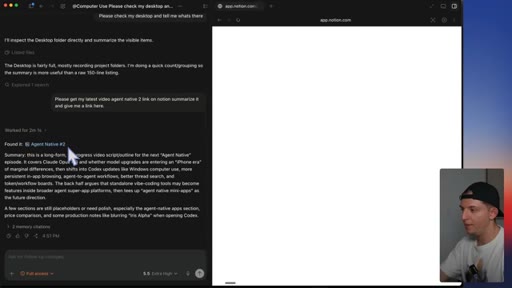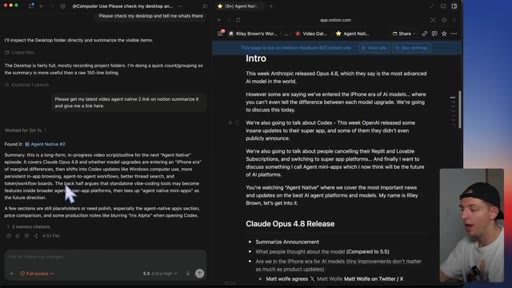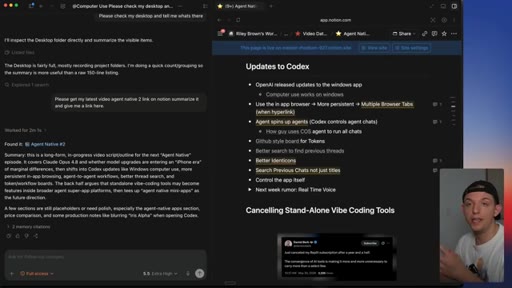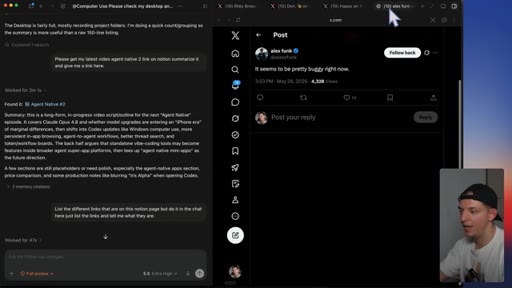
The bait, then the rug-pull.
Anthropic called it the most advanced model in the world. The practitioners who actually tested it called it a camera bump. In the same week, OpenAI quietly shipped half a dozen Codex updates that changed how the host works every single hour — and nobody sent a press release. This breakdown sorts which story mattered.
Where the time goes.
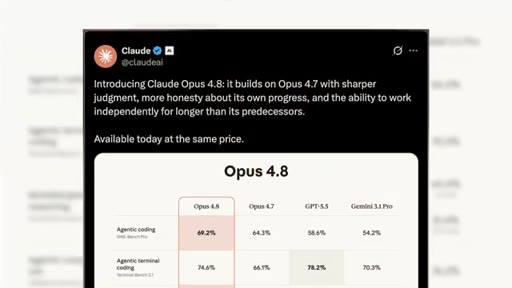
01 · Intro / Opus 4.8 overview
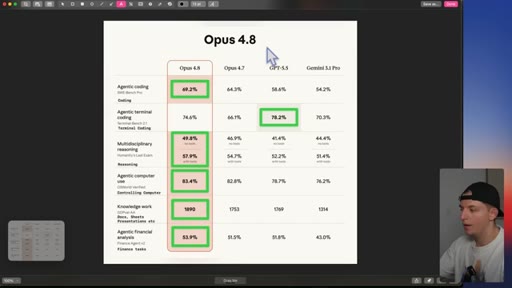
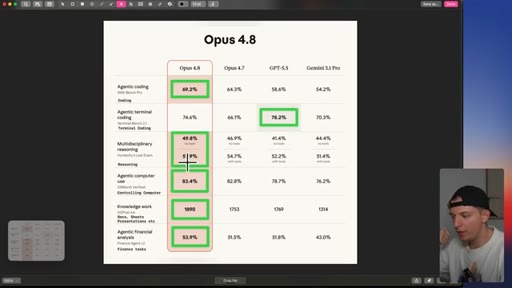
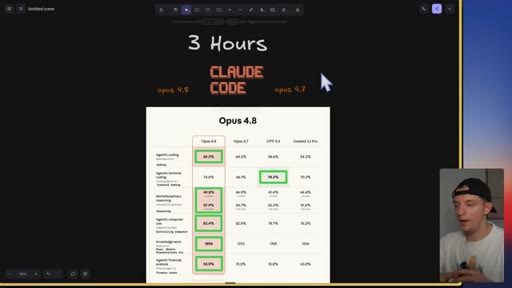
Anthropic announcement, model card benchmarks, 3-hour personal test. Host and cited practitioners cannot distinguish 4.8 from 4.7.
02 · GPT 5.5 vs Opus 4.8
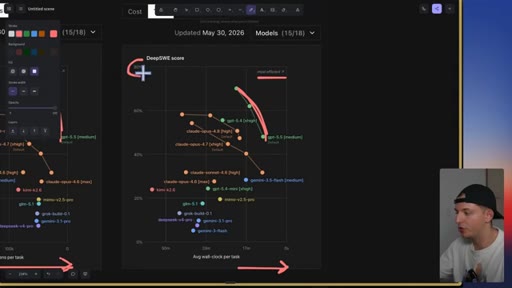
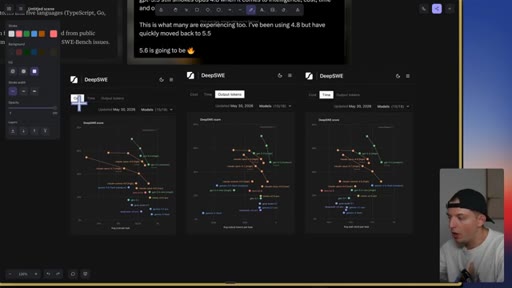
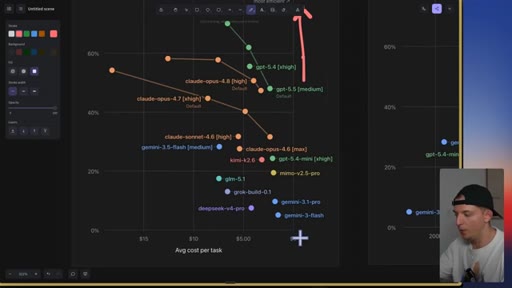
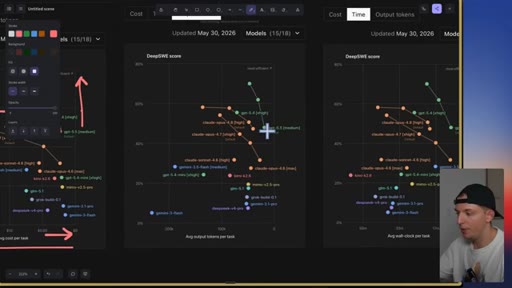
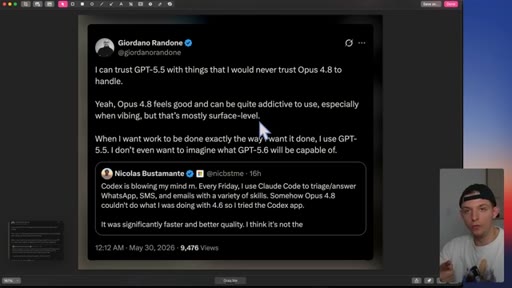
DeepSWE data: GPT 5.5 scores higher at lower cost and fewer tokens. Trust for long agentic tasks goes to GPT; Opus wins on design.
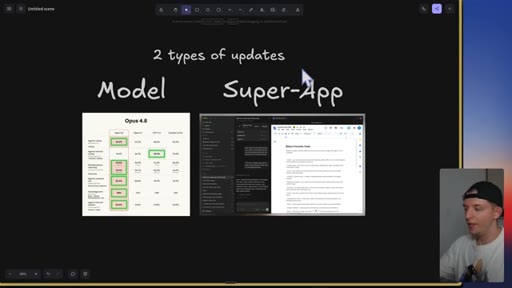
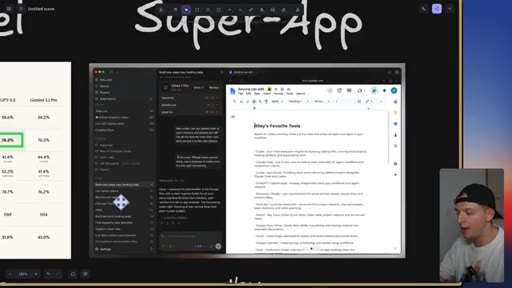
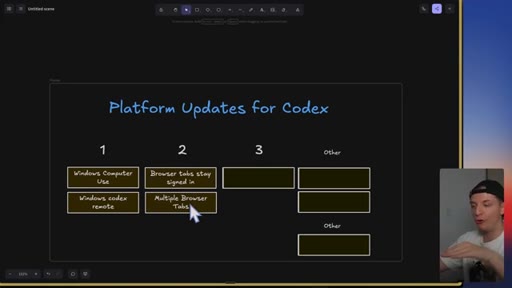
03 · Model updates vs super-app updates
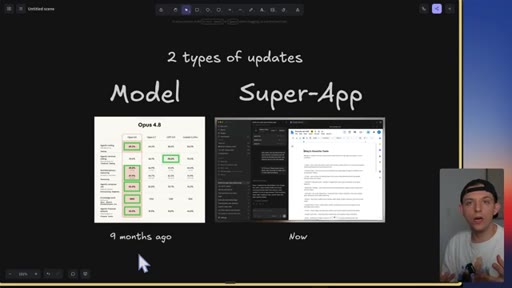
Framing shift: two categories for lab announcements. Super-app innovation is where the real delta is now.
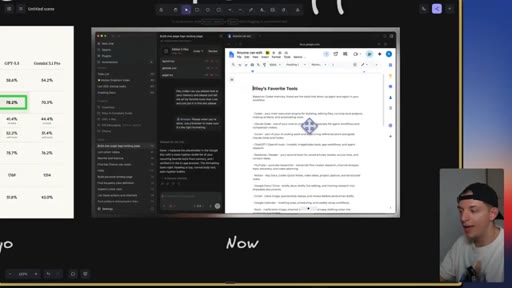
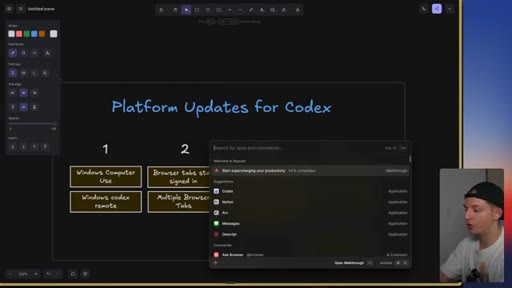
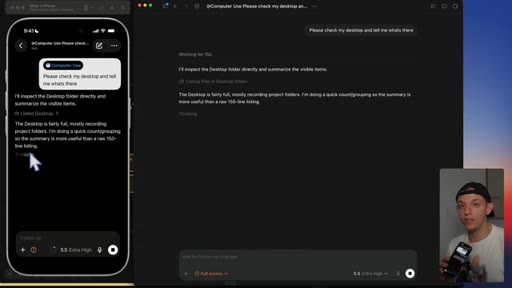
04 · Codex: Windows compute use + mobile
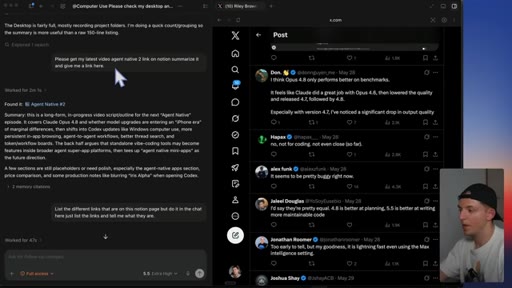
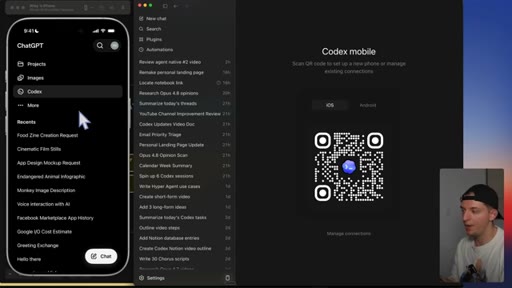
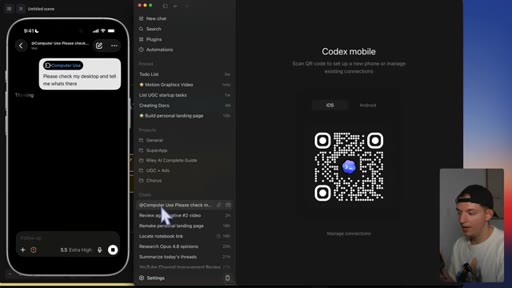
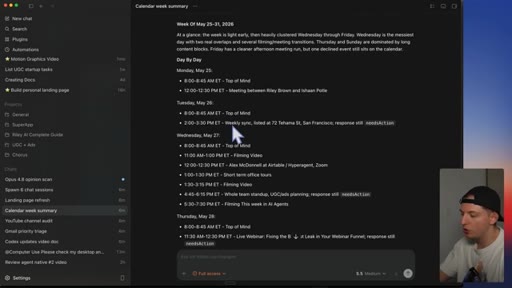
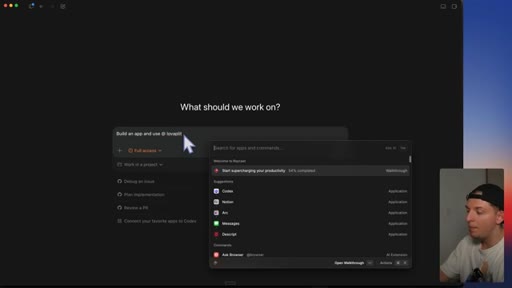
@computer-use lands on Windows. QR code pairs ChatGPT on iPhone with desktop Codex session in real time.
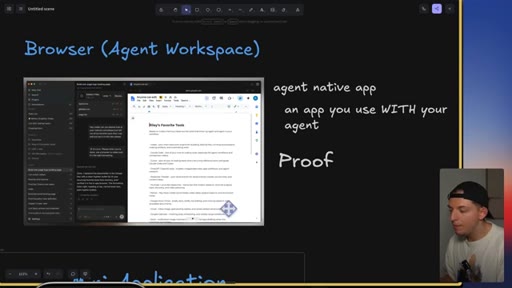
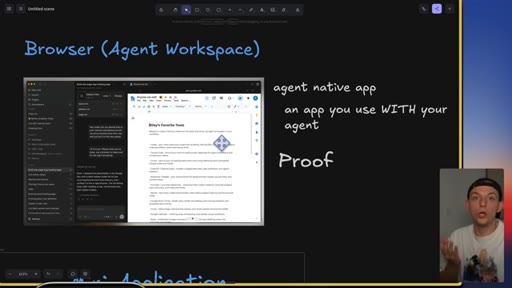
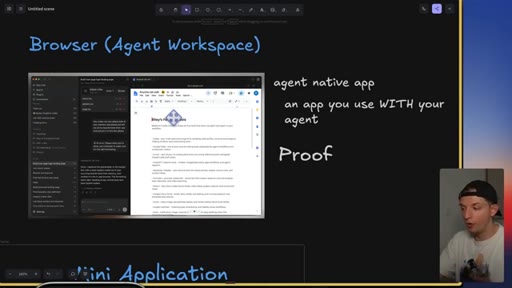
05 · Codex browser upgrade
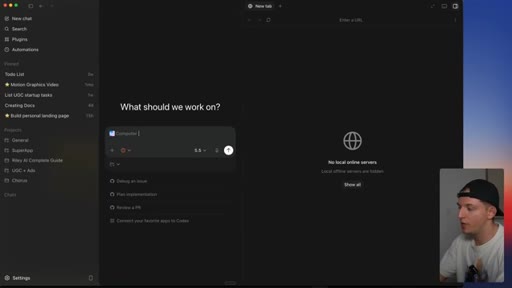
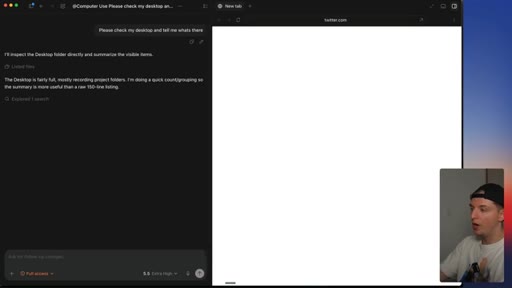
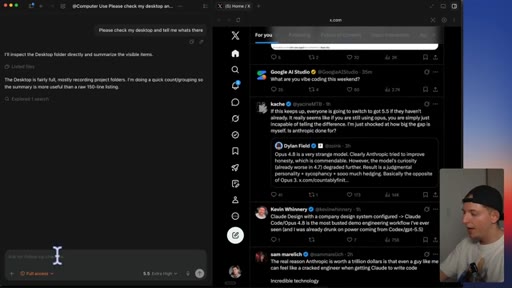
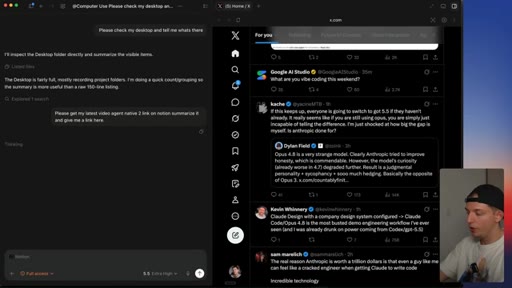
Persistent login across sessions, multi-tab via cmd+open. Demo: Twitter and Notion without re-auth. Host's most-used new feature.
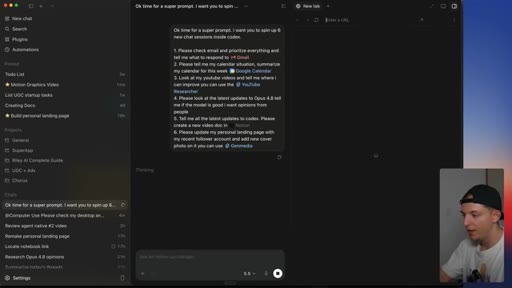
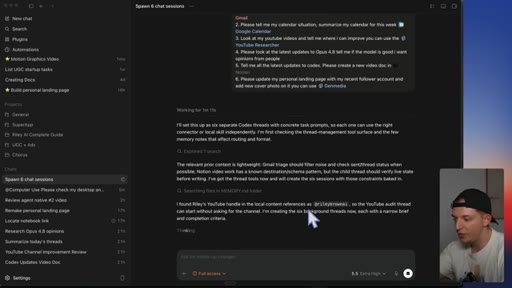
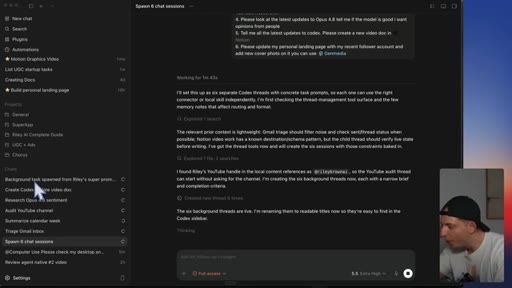
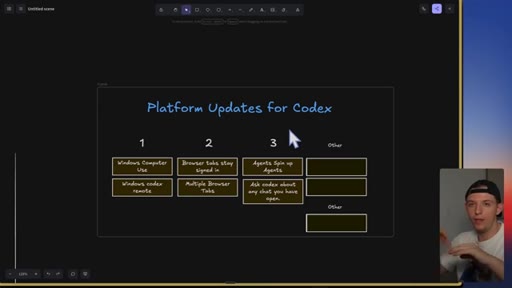
06 · Codex spinning up sub-agents
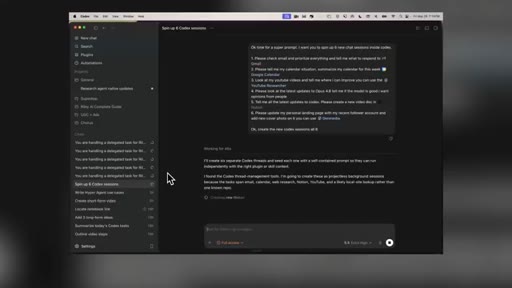
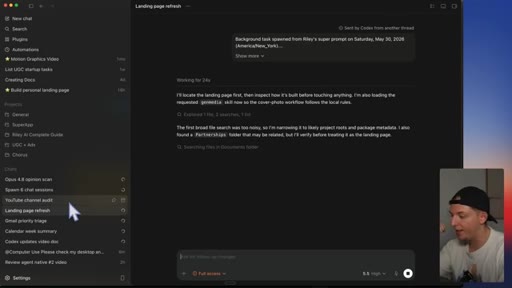
One super prompt spawns 6 parallel chat sessions. AI auto-names and self-prompts each thread.
07 · Other Codex updates
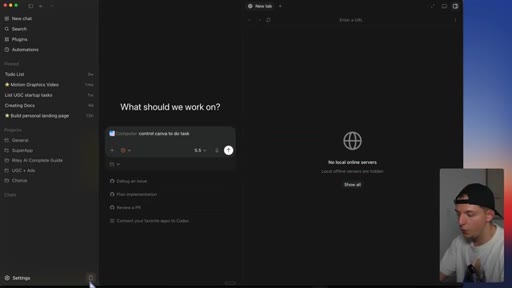
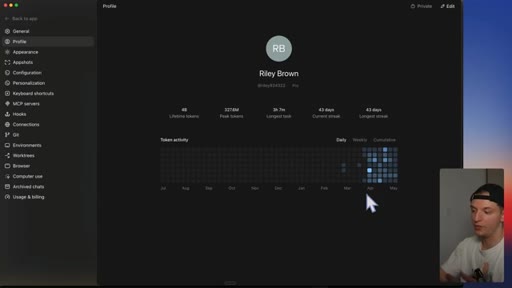
Cmd+G full-text search across all agent chats. GitHub-style activity streak (43 days, 4B tokens).
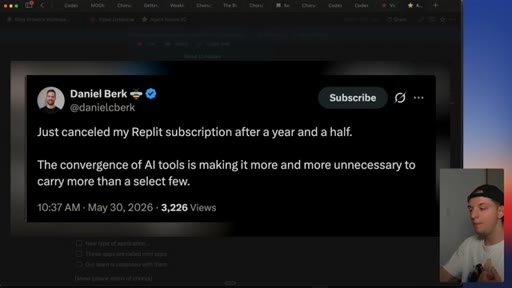
08 · People leaving Replit and Lovable
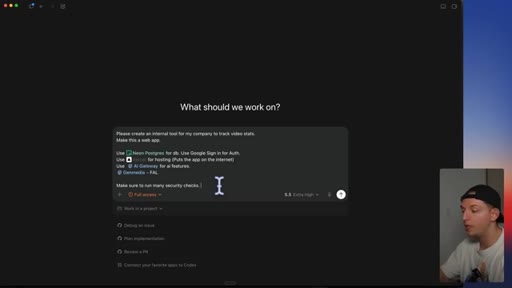
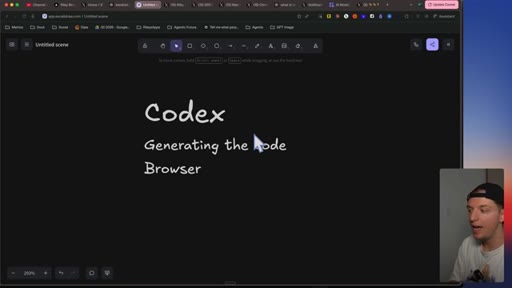
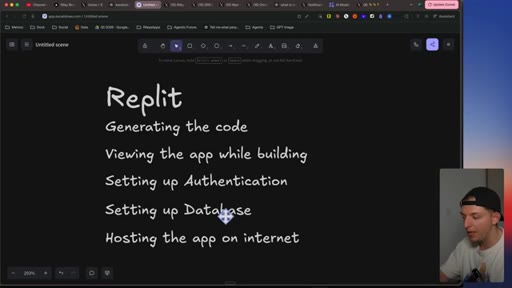
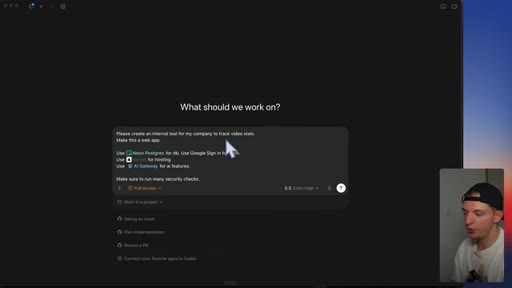
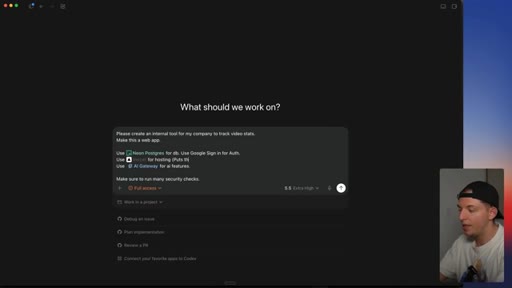
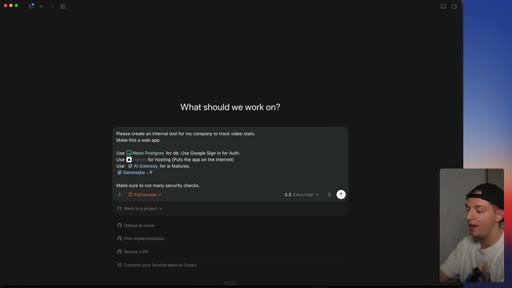
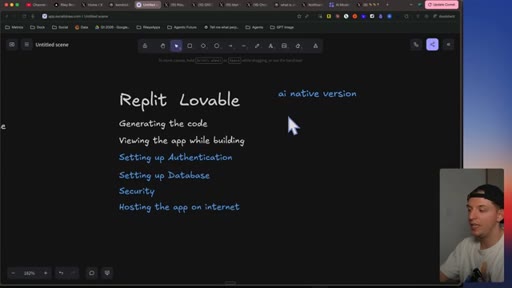
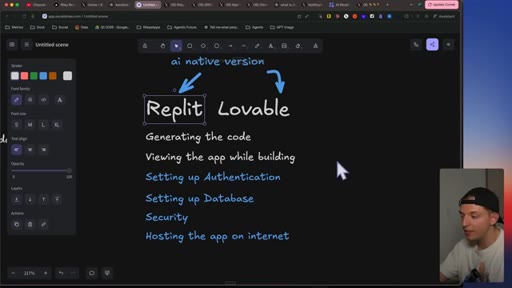
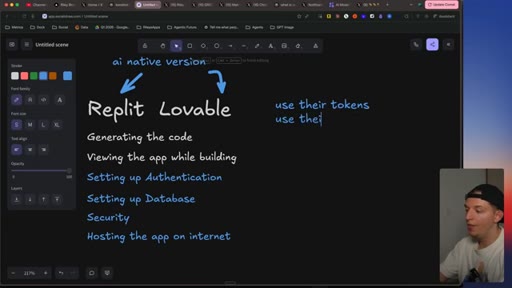
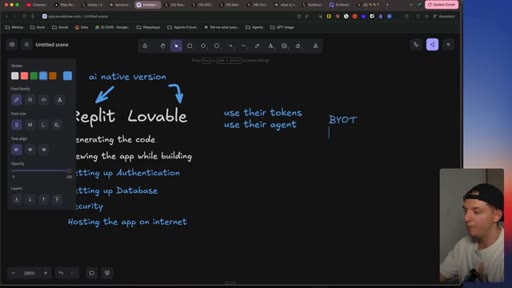
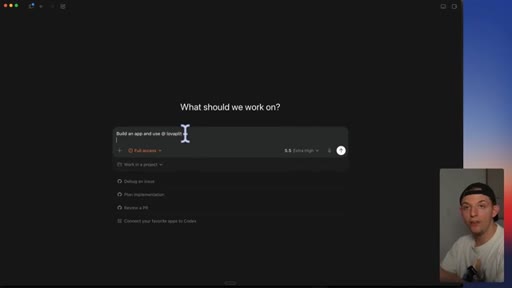
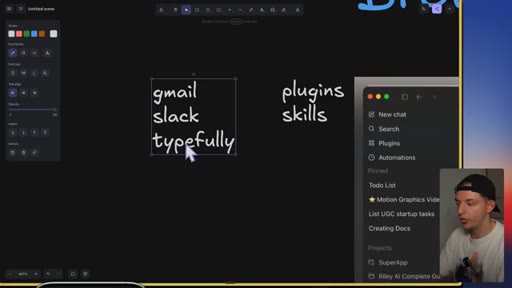
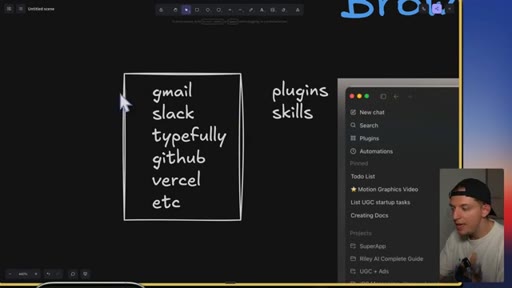
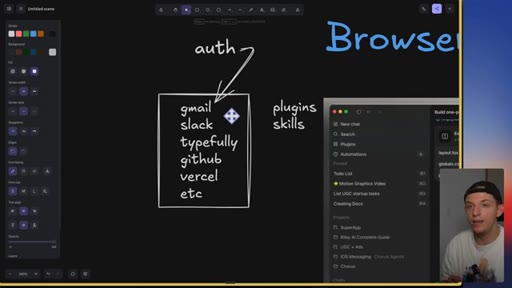
Single Codex prompt with Neon + Vercel + AI Gateway replicates Replit's full value prop. BYOT/BYOA plugin prediction.
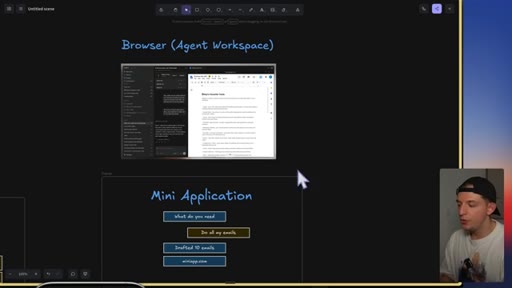
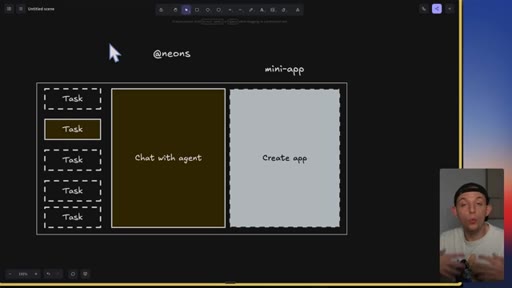
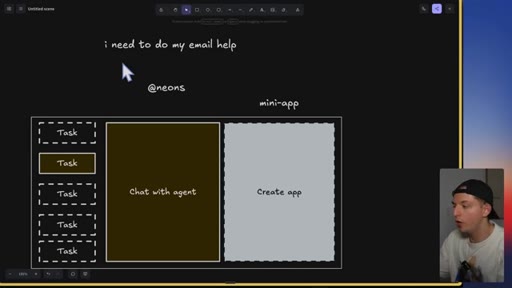
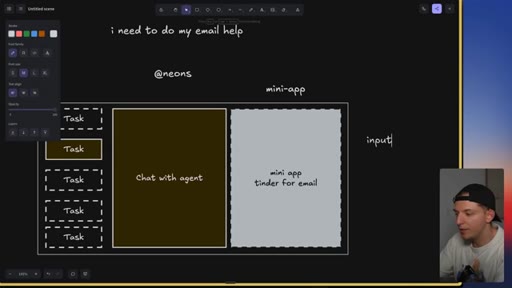
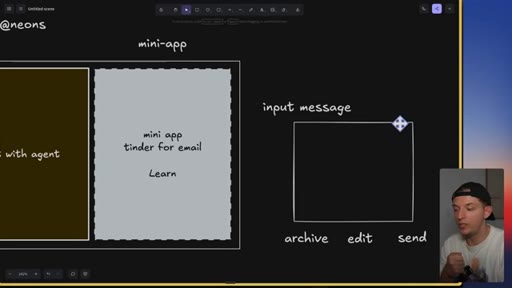
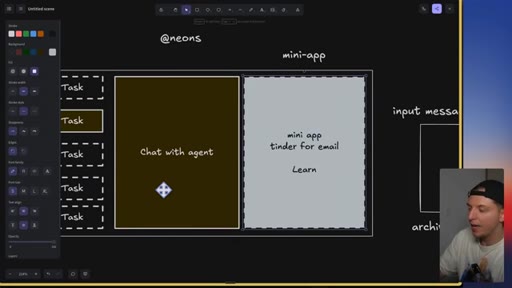
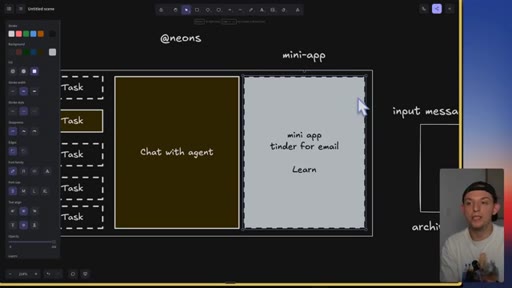
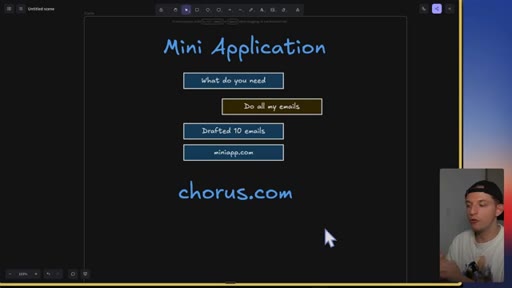
09 · Agent mini apps
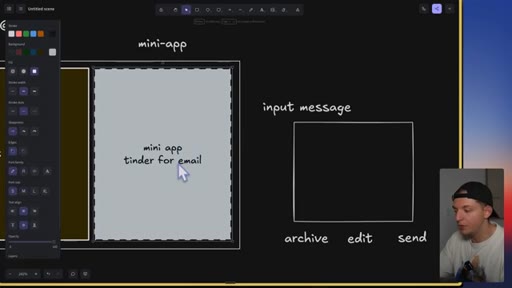
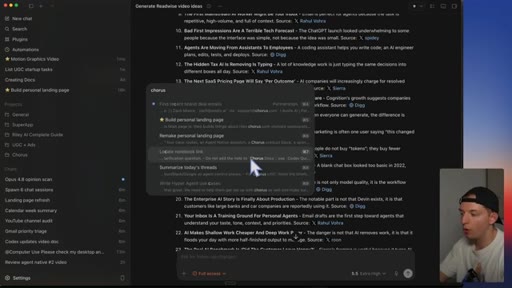
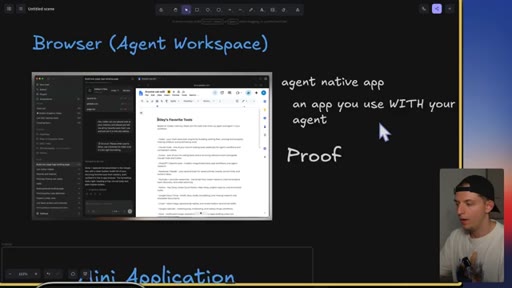
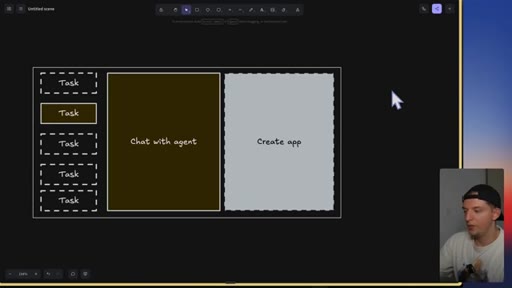
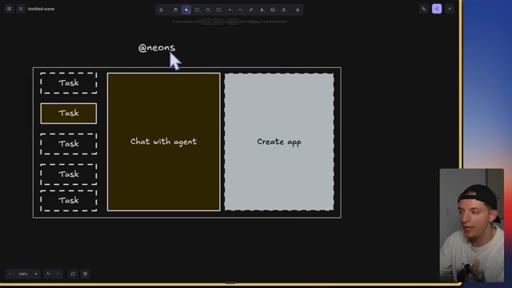
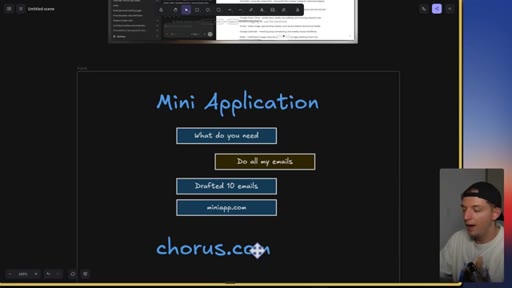
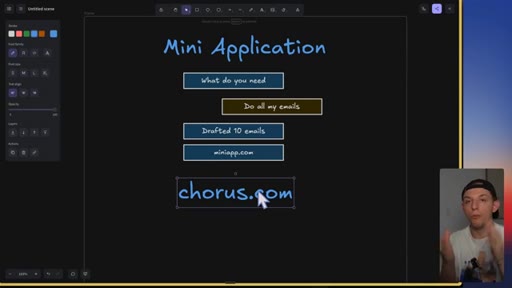
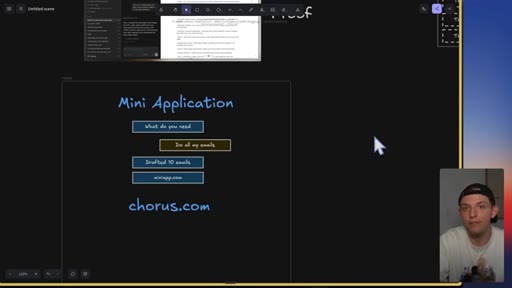
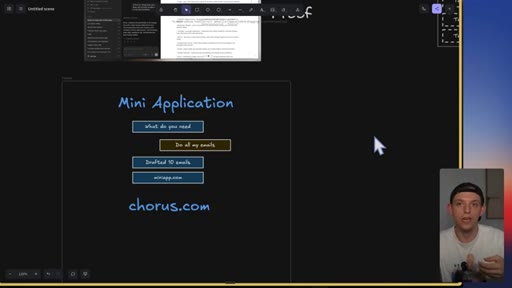
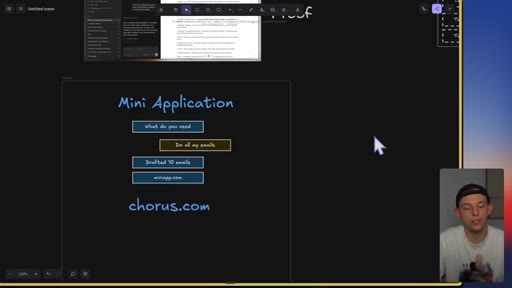
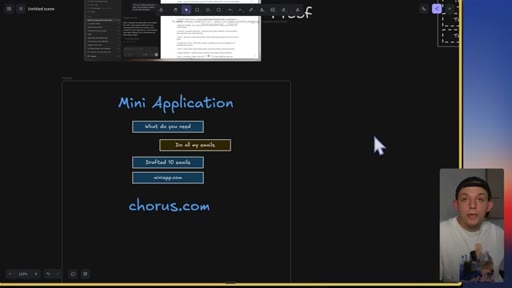
Agents generate ephemeral UI panels that inherit plugin auth, handling the final 10% human decisions directly. Tinder-for-email demo. Teases chorus.com.
10 · Outro
Moved company SF to NYC. Series rebrands to AI Native. Producer vs. consumer manifesto.
Visual structure at a glance.
Named ideas worth stealing.
Two Categories of Lab Announcements
- Model updates
- Super-app updates
Host's lens for deciding how much attention to give any AI lab announcement — model increments vs. platform/UX changes that affect daily workflow.
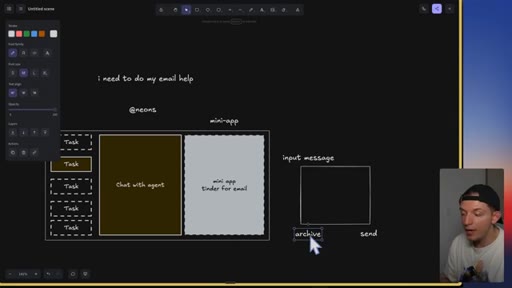
Agent Mini App Architecture
Generative UI panels spawned by an agent inside its workspace, inheriting the user's plugin authentication, allowing the human to make final-10% decisions without leaving the agent environment.
BYOT / BYOA Product Model
Bring Your Own Tokens + Bring Your Own Agent: a SaaS pricing model where the platform charges only for interface/hosting, not AI compute, giving users model choice and reducing operational costs.
Lines you could clip.
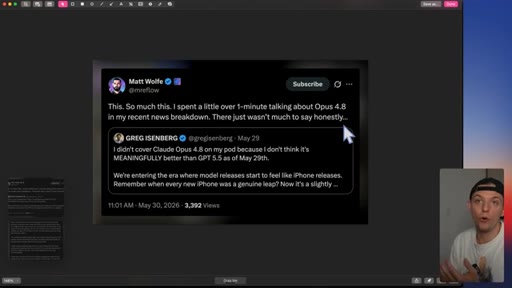
"I literally couldn't tell the difference between the two models."
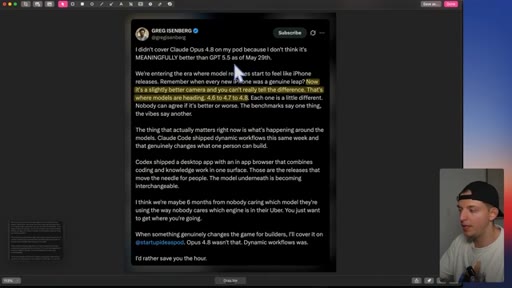
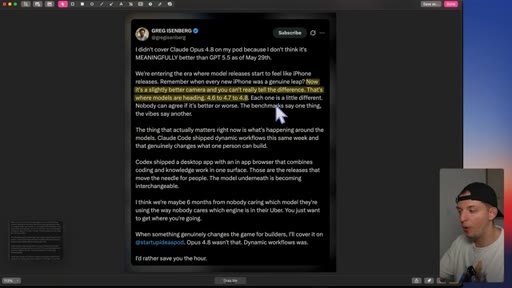
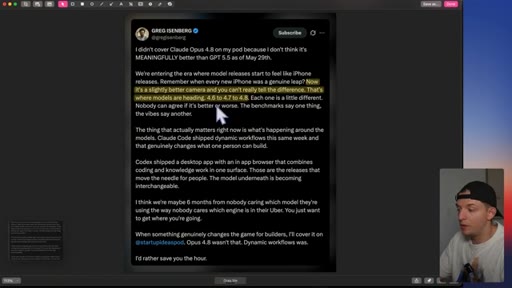
"We are entering the era where model releases start to feel like iPhone releases. Remember when every new iPhone had a genuine leap? Now it's a slightly better camera and you can't really tell the difference."
"Why would I want to use someone else's external platform if my AI agent can generate a UI for me right when I need it."
"You need to become agent native or agents will just start to use you."
Things they pointed at.
How they asked for the click.
"you can actually already use our product. It's chorus.com, and you can create an AI agent and add like, an agent like Claude Code or Codex directly inside iMessage."
Soft product mention embedded naturally inside the conceptual section rather than a hard sell. Subscribe CTA only in the final seconds.
Word for word.
Model hype vs. platform reality in the agent era.
When practitioners who build with these tools daily cannot distinguish one model generation from the next, the benchmark press releases stop being the signal — the platform changes are.
- Benchmark improvements on model cards do not automatically translate to detectable differences in real agentic workflows — test your specific use case before upgrading.
- GPT 5.5 outperforms Opus 4.8 on long-horizon coding and deep agentic tasks by the metrics that matter to builders: score per dollar and score per token.
- Anthropic models retain a real advantage in design-heavy outputs — presentations, landing pages, visual documents — where aesthetic judgment matters more than raw task completion.
- Persistent authentication in an AI browser changes daily workflow more than a 5-point benchmark improvement; the quality of the integration layer is becoming the differentiator.
- A single well-crafted agent prompt with the right plugin stack (database, hosting, auth, AI gateway) can replicate the full value proposition of purpose-built vibe-coding platforms.
- The economics of a BYOT/BYOA product are structurally stronger than a bundled AI platform: no agent compute costs, no token subsidies required, higher margin on the interface layer alone.
- The unsolved problem at the frontier of agent UX is not conversation quality but authentication passthrough — getting generated apps to inherit the user's existing plugin credentials.
- Generative UI (an agent that creates the right interface for the task at hand) is a more useful frame for the next wave of AI-native products than 'better chat' or 'more autonomous agents.'
- Every human decision made inside an agent-generated interface is a labeled training signal; the apps that capture those micro-decisions will compound into personalization that static SaaS cannot match.
- The producer/consumer split from social media is repeating in AI: the people who understand the surfaces agents live on will build leverage; the rest will be optimized against by systems they do not control.