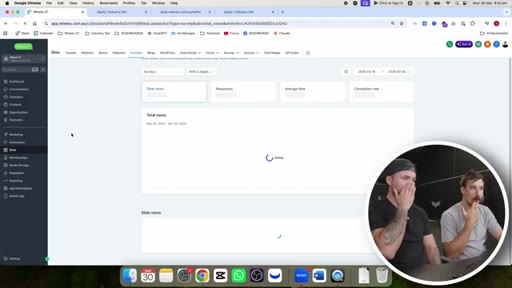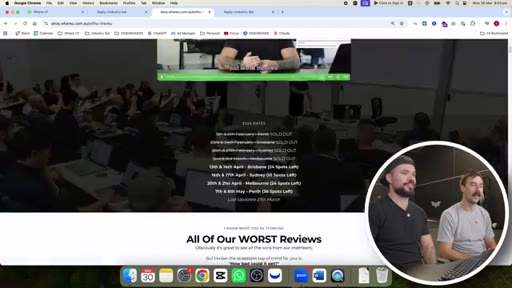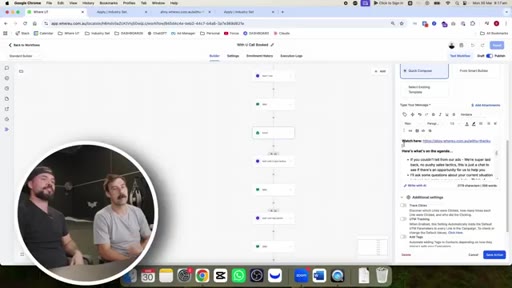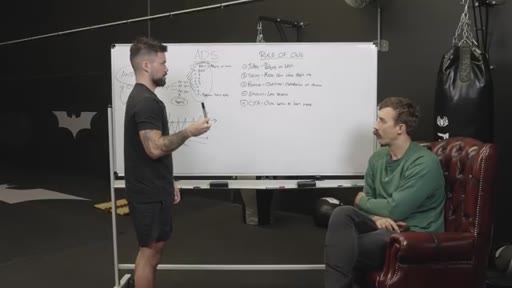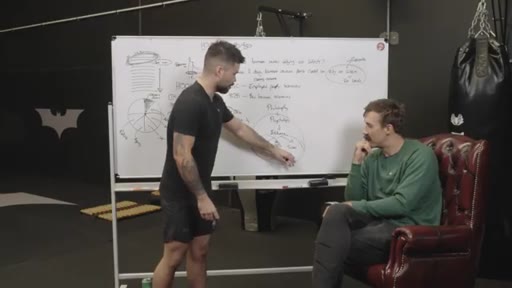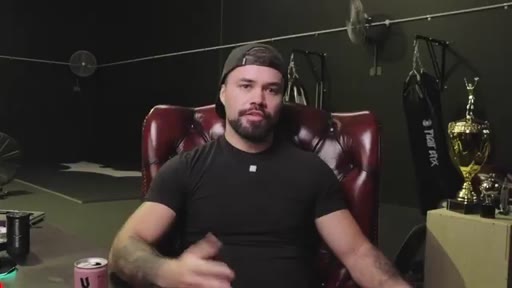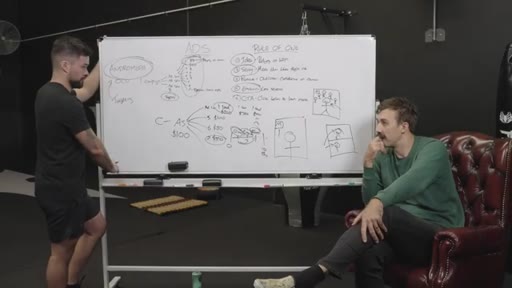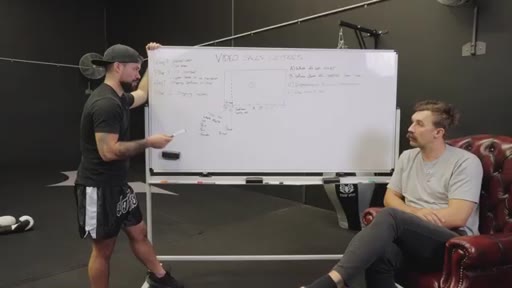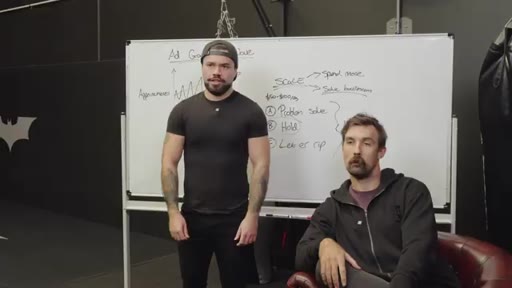
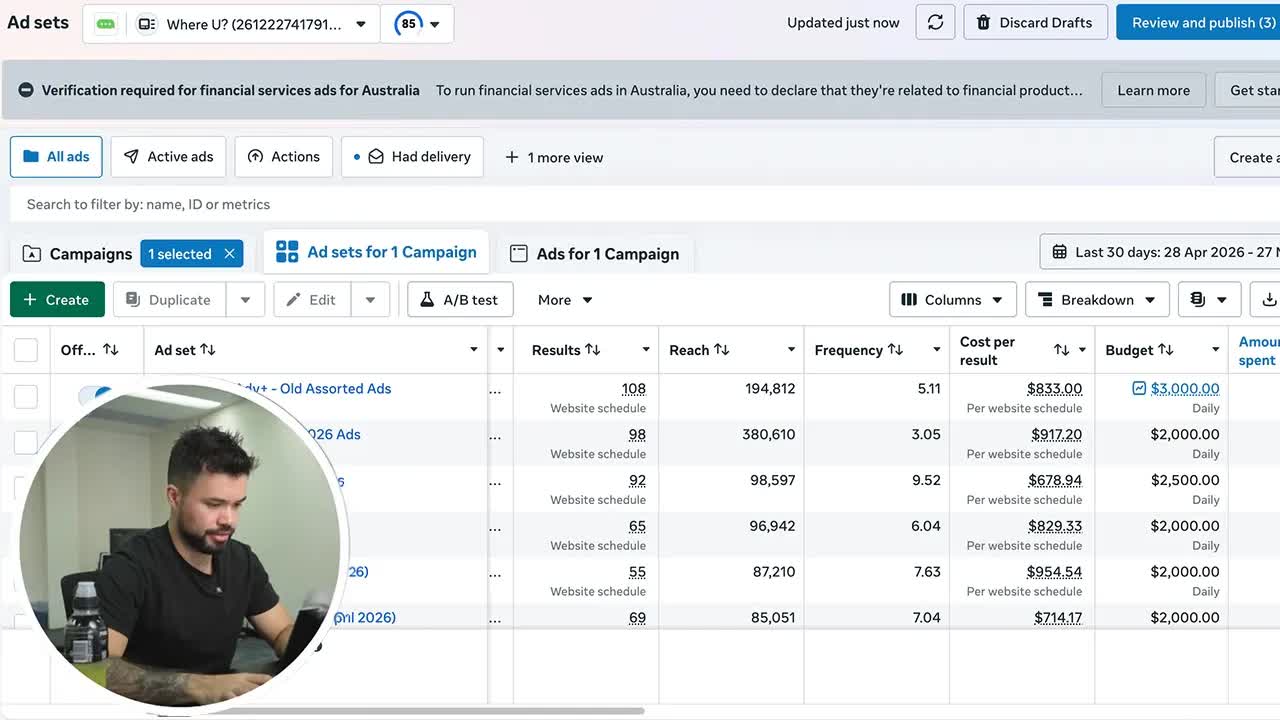
The bait, then the rug-pull.
Twelve hours is the price of admission, and the instructor pays it back in the first three minutes, nine years of buying ads, twenty thousand dollars a day in spend, a billion and a half generated for clients, all aimed at one promise: turn Facebook ads from a guessing game into a system you can run yourself.
Where the time goes.

01 · Why You Need to Learn Ads
The instructor states his track record (nine years, 20k per day, 1.5M per month) and frames the video as the full system, then makes the case that owners, not agencies, are best placed to run their own ads.
02 · The 3 C's
The core mental model: clicks (right person), conversions (landing page), and conversations (sales) are the three cards you swap to improve odds. Advertising is treated as measurable probability.
03 · Forecasting
A Google Sheet walkthrough showing how ad spend turns into revenue and how small incremental changes compound. Recommends starting at 30 to 50 dollars per day.
04 · The 10 Principles
Ten diagnostic lenses for reading your advertising, beginning with advertising as art versus science, used to find what to fix rather than guessing.
05 · Customer Avatar
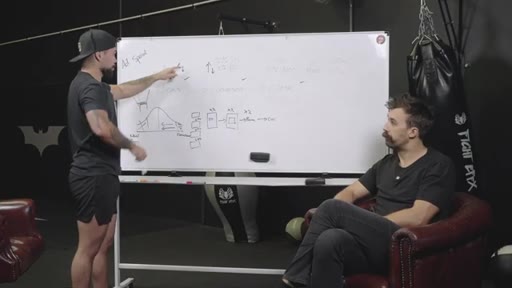
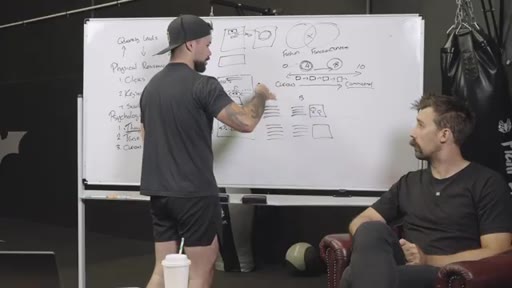
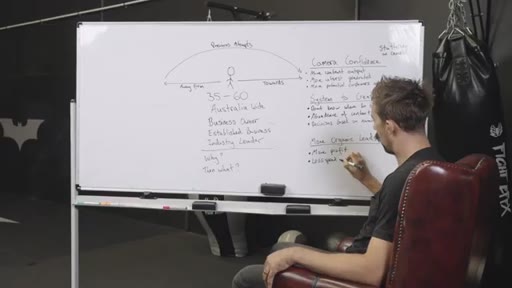
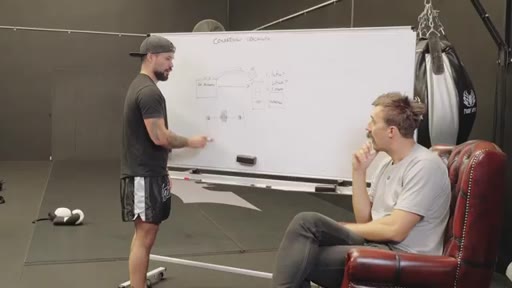
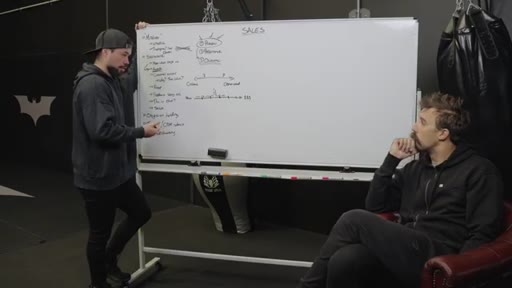
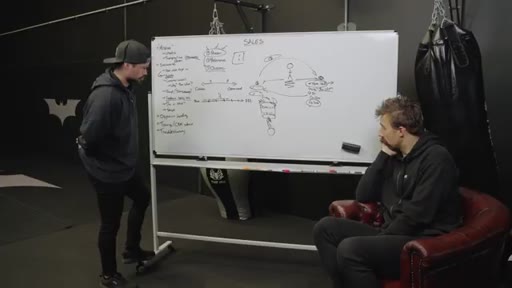
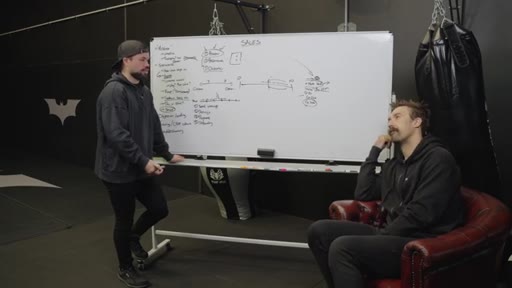
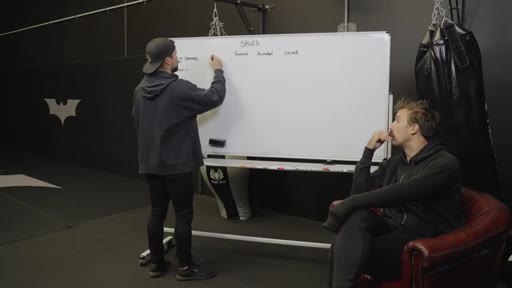
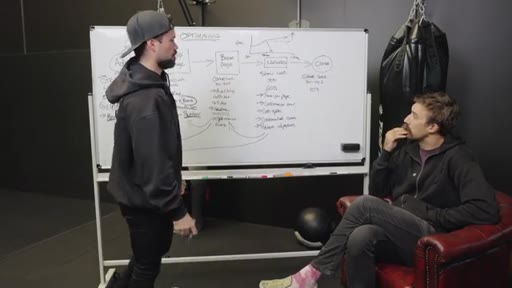
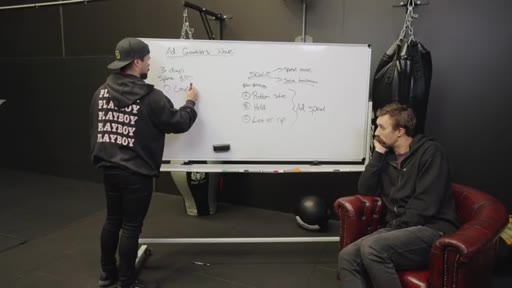
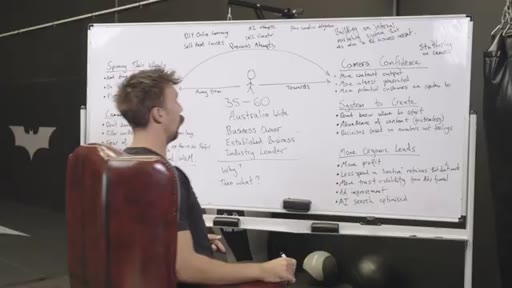
A whiteboard exercise to define the exact buyer. The student fills it out live while the instructor coaches the thought process to make it transferable.
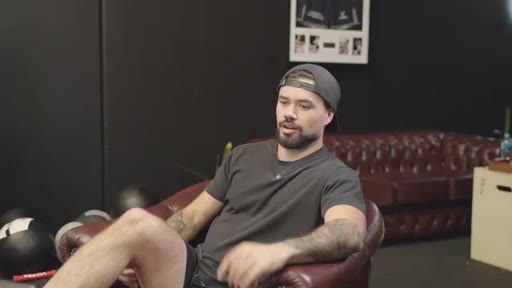
06 · Messaging
Turning the avatar into language that speaks to the prospect's real desires and objections.

07 · Landing Pages
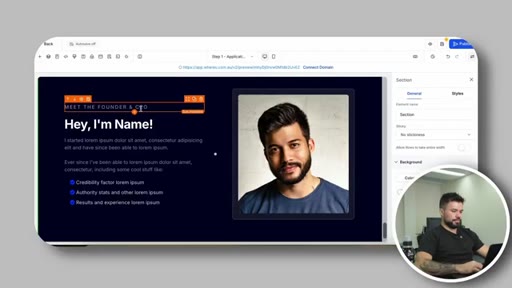
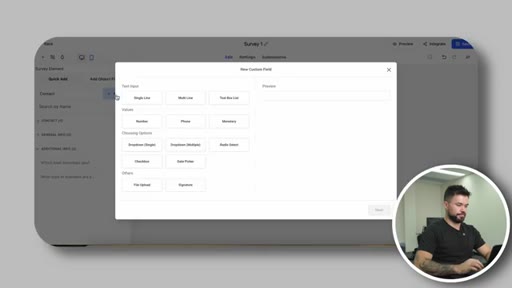
Building the page that converts a click into a qualified lead, structure, copy, and the application flow.
08 · Building a Funnel
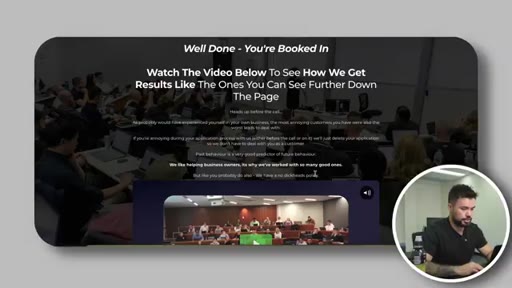
Assembling the full path from ad to booked call, including the two-step application funnel and confirmation pages.
09 · Conversion Tracking
Wiring up tracking so the system can be measured, the step owners hate most but that makes optimization possible.
10 · Ad Principles
The deeper principles of what makes an ad work, applied to writing and structuring the creative itself.
11 · Filming Ads
Practical guidance on shooting the ad creative.
12 · Video Sales Letters
The VSL as the core argument of the offer, accepting the retention drop-off and structuring the pitch so it carries the sale before the call.
13 · Filming VSLs
How to actually record the video sales letter without falling into analysis paralysis.
14 · Meta Campaigns
Setting up the campaign structure inside Meta Ads Manager that the instructor advises members to use.
15 · Custom Audiences
Building and using custom audiences to sharpen targeting and retargeting.
16 · Sales
A non-salesy sales process, mindset first, then a loose call structure, taught to a student who has historically disliked selling.
17 · Optimizing Theory
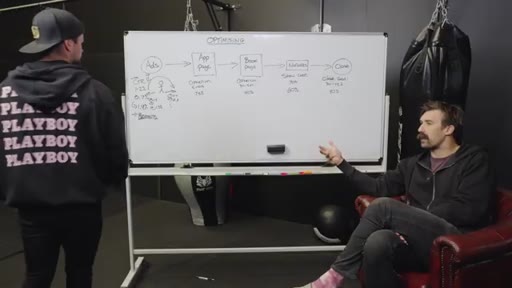
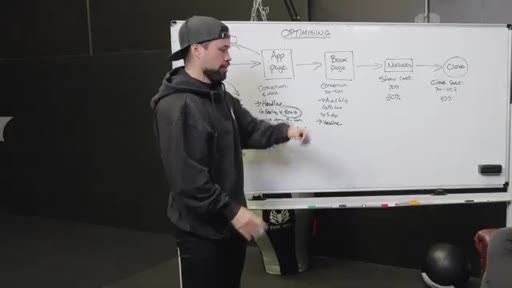
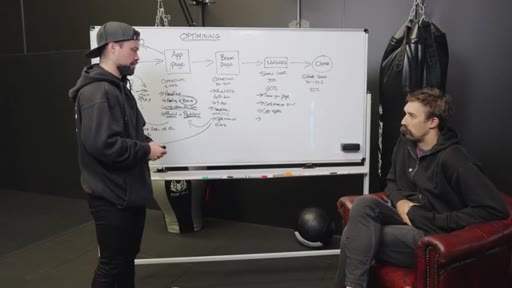
Understanding the whole customer journey from impression to transaction before touching the ad account, so optimization is informed rather than blind.
18 · Optimizing Campaigns
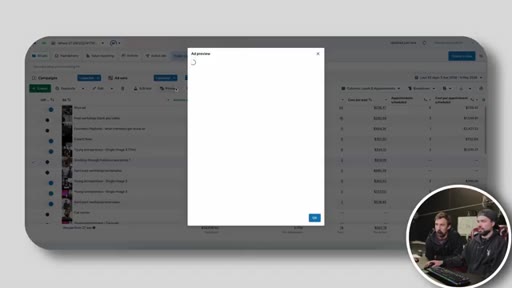
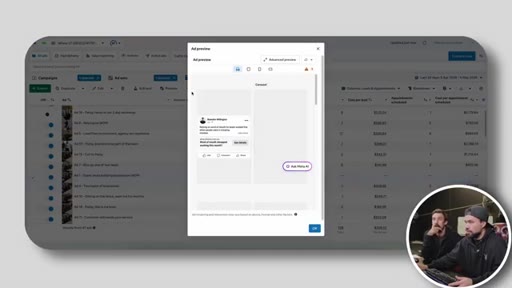
Applying the theory inside the live account, reading statistics and acting on larger data samples.
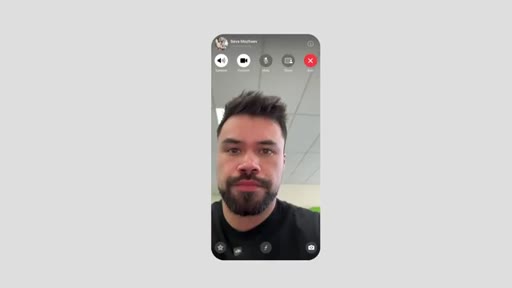
19 · The Results
Reviewing the actual numbers from the student's build-out.
20 · Live Q&A
Open question-and-answer covering edge cases and decision-making with real data.
21 · What to Expect
Setting expectations for the build, optimize, and scale stages, with a final push that action beats waiting for perfect.
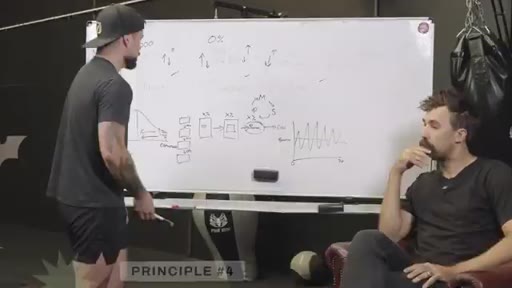
Visual structure at a glance.
Named ideas worth stealing.
The 3 C's
- Clicks (from the right person)
- Conversions (landing page)
- Conversations (sales)
Three measurable levers you swap and tune to improve the odds of a campaign. Clicks bring the right person, conversions turn that click into a qualified lead, conversations close the lead into a customer.
The 10 Principles
- Advertising is art versus science
Ten diagnostic lenses for reading advertising. The first establishes that the art lives inside platform policy while the science is measuring every choice with a number; the rest extend the same diagnose-don't-guess mindset.
Forecasting spreadsheet
A Google Sheet that converts daily budget and funnel conversion rates into projected revenue, showing how small incremental improvements compound downstream before any money is spent.
Curious versus committed
A way of reading where a prospect sits in the journey, moving them from curious to interested to committed, used to decide which lever and message applies at each stage.
Lines you could clip.
"If your ads are off, you have a 100 percent chance of your ads not working."
"Advertising is gambling, but you can count cards, the platform will literally show you the cards."
"The person most qualified to run your ads is you, because no agency understands your customer the way you do."
"Done is better than perfect, your VSL will never have a 100 percent retention curve, so stop fighting it."
Things they pointed at.
How they asked for the click.
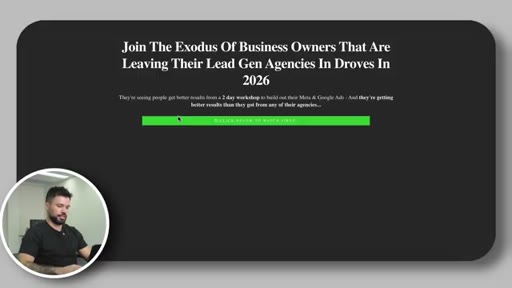
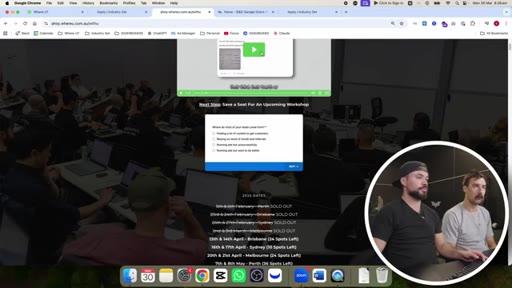
"Join over 1500 service-based businesses generating qualified leads without an agency, with links to the WithU program and a free workbook."
Soft and earned, the value is delivered first across twelve hours, and the program is positioned as the place to get the done-with-you version of the same build.
Word for word.
Run ads as a system, not a series of guesses.
Treat paid acquisition as three measurable levers you can forecast, launch fast, and diagnose, so improving results becomes finding the broken stage instead of randomly changing creative.
- Reduce every campaign to three levers, clicks from the right person, conversions on the page, and conversations that close, so you always know which stage to fix.
- Read bad results as a diagnosis, isolate which lever is underperforming before touching the creative, audience, or page.
- Forecast the unit economics in a spreadsheet before spending, because seeing how small conversion gains compound tells you what is worth changing.
- Start at 30 to 50 dollars per day, fast enough for same-week signal, slow enough that a bad stretch does not burn hundreds of dollars.
- Treat advertising as art practiced inside the science, say what you want within policy, but measure every choice with a number.
- Use the principles as diagnostic lenses to explain why a campaign underperforms rather than guessing at fixes.
- Make every example apply to you, the right question is how this maps to your business, not whether your business is different.
- Define the buyer in enough detail that your messaging can speak to their specific desires and objections.
- Build the boring middle, landing pages and conversion tracking quietly decide whether the whole system works, so do not skip them.
- Design the page to convert a click into a qualified lead through an application flow, not just an opt-in.
- Write the video sales letter as the core argument of your offer, the one asset that carries the sale before the call.
- Accept that retention will drop off and front-load the argument instead of chasing a perfect watch-time curve.
- Sell with a non-salesy process anchored in mindset first, then a loose structure, rather than a rigid script.
- Treat the conversation as the lever that turns booked calls into customers, and refuse to skip it because it feels uncomfortable.
- Map the full journey from impression to transaction before opening the ad account, so optimization is informed rather than blind.
- Trust larger data samples, a few days can mislead where a combined month reveals the real return on ad spend.
- Launch rough rather than perfect, ads that are off have a 100 percent failure rate and you can edit anything after it goes live.
- Expect the build stage to be the most frustrating, then optimize, then scale, the discomfort is the work, not a sign you are doing it wrong.