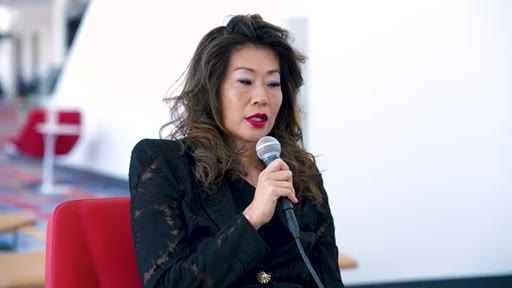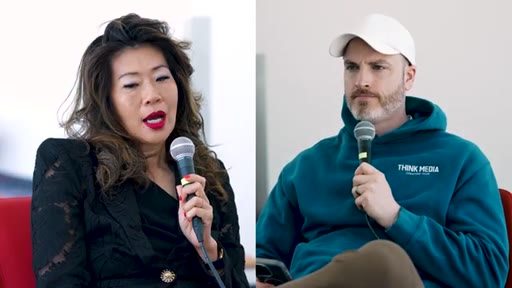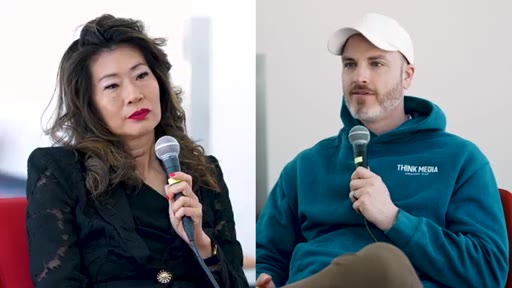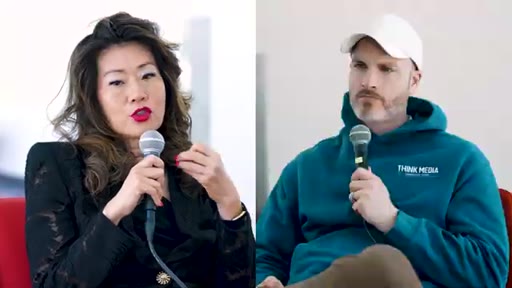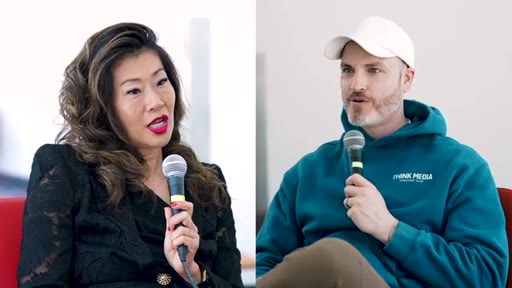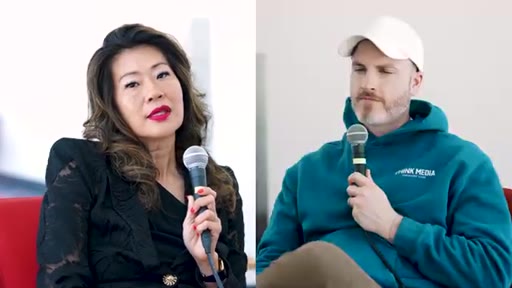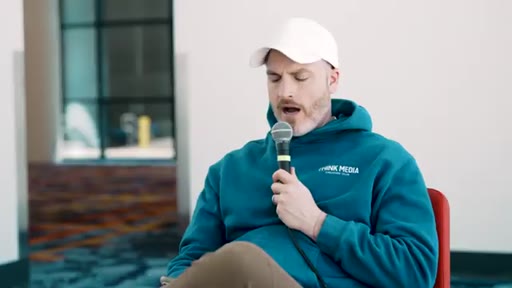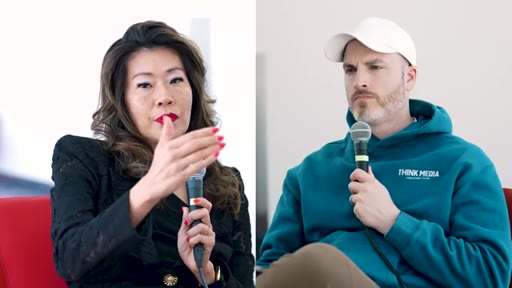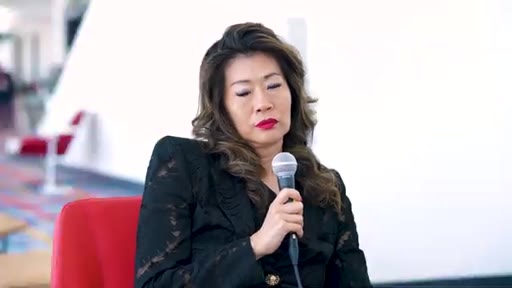
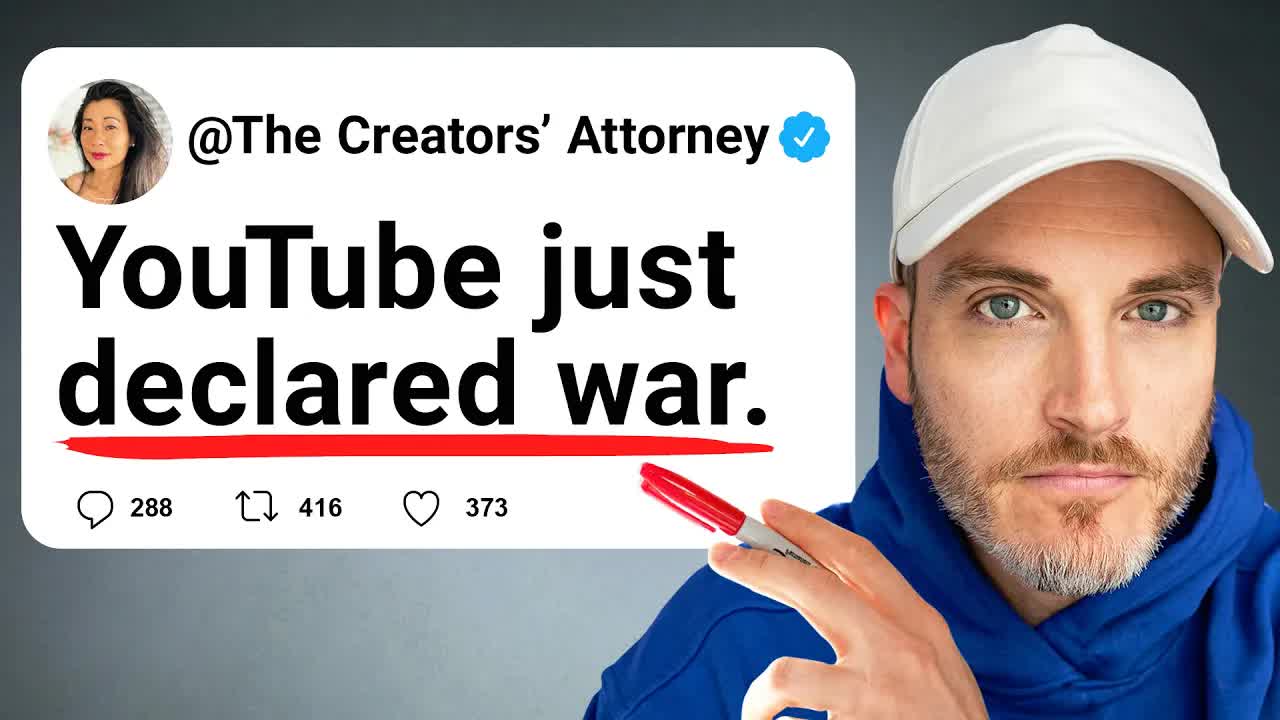
The bait, then the rug-pull.
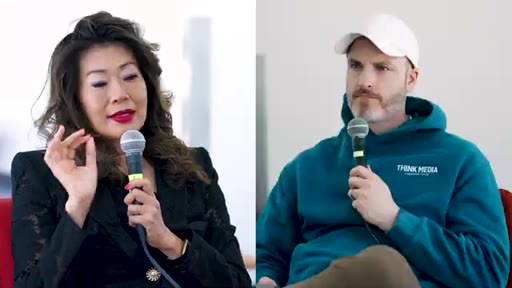
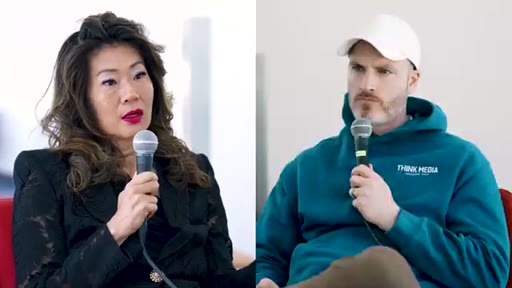
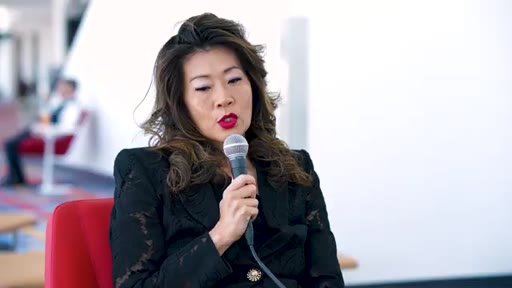
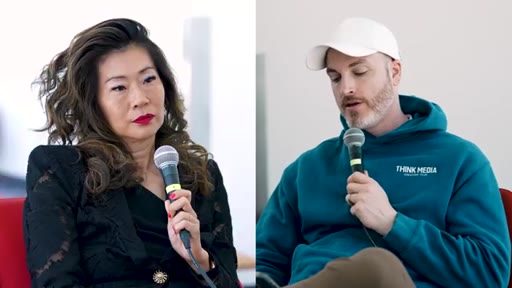
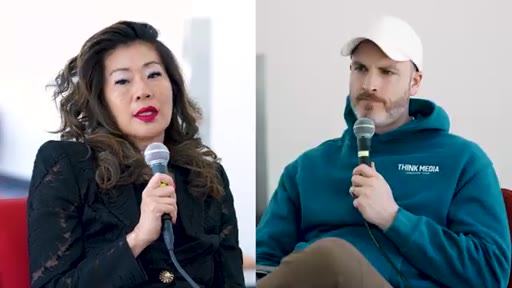
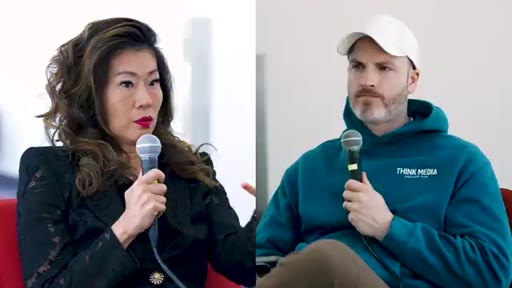
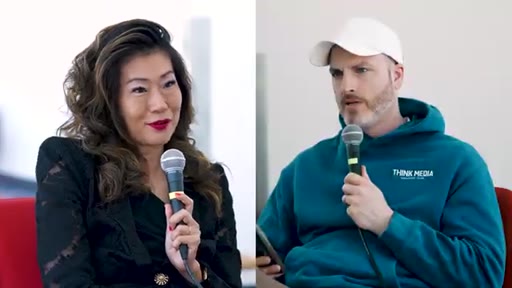
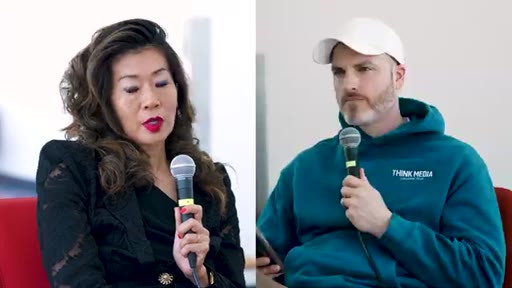
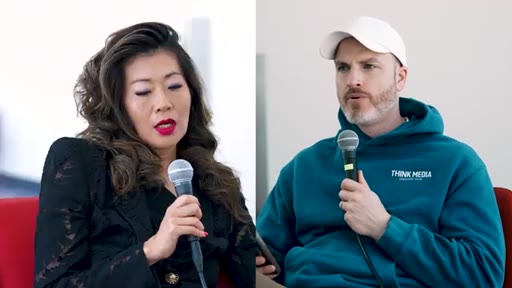
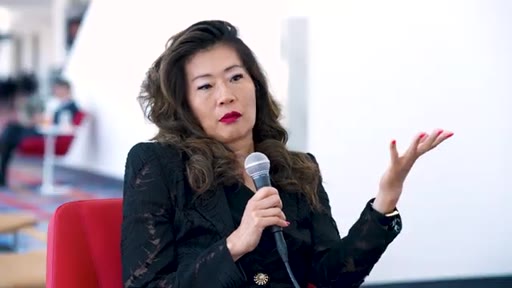
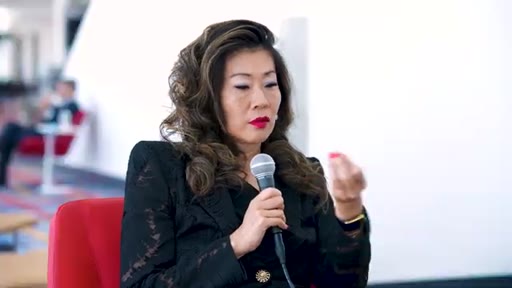
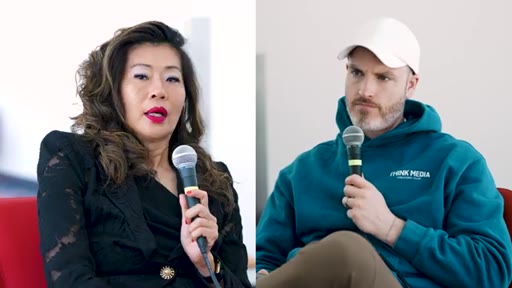
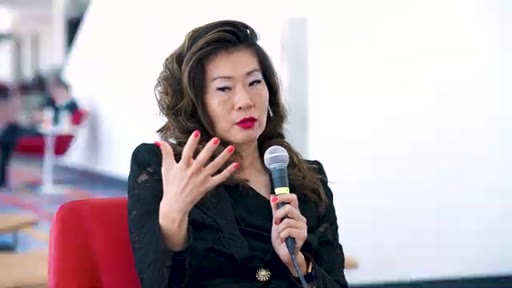
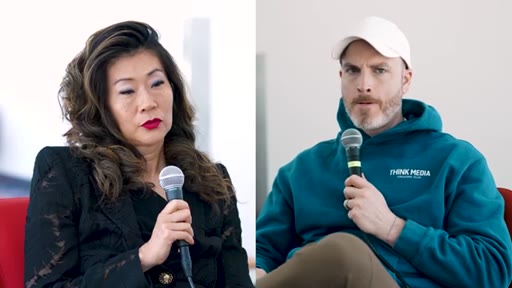
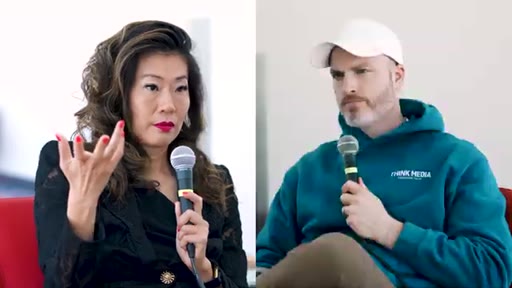
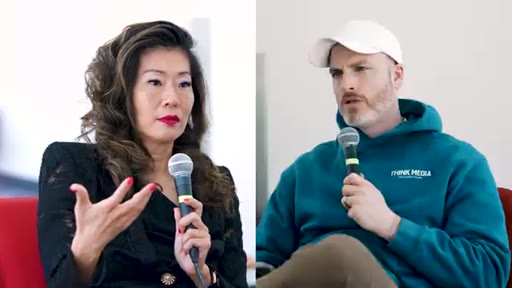
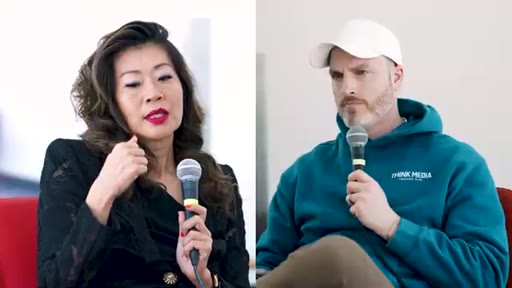
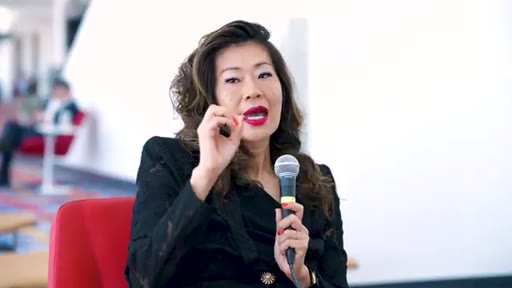
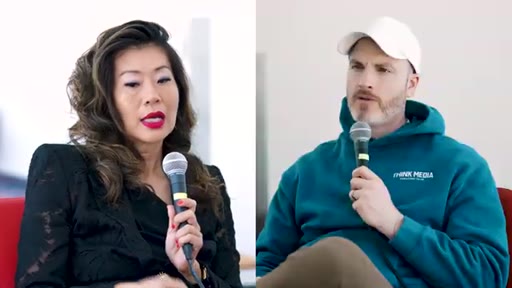
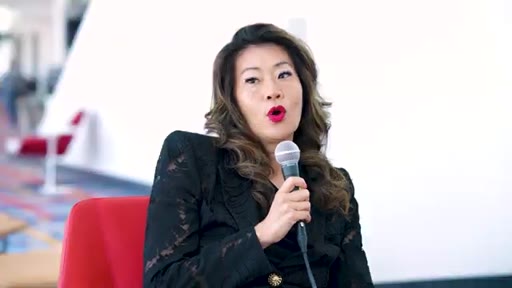
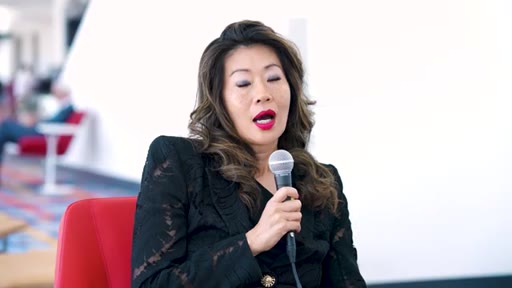
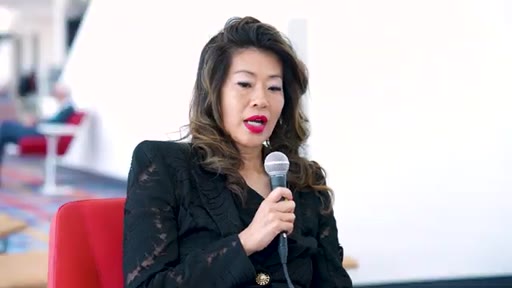
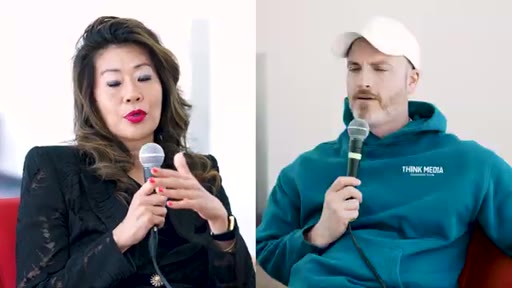
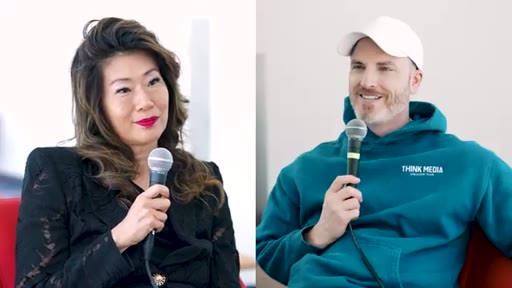
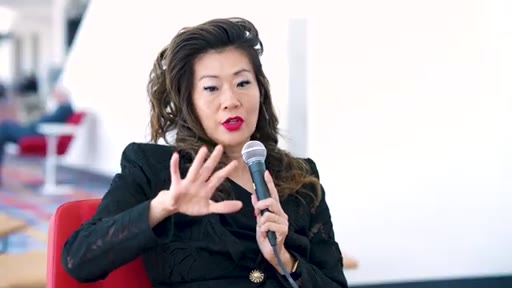
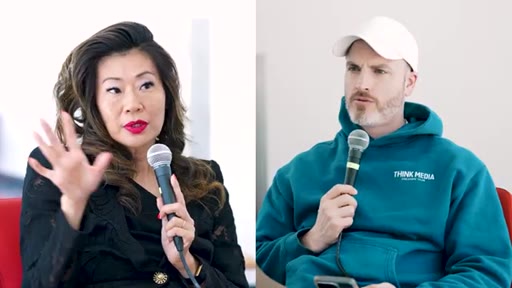
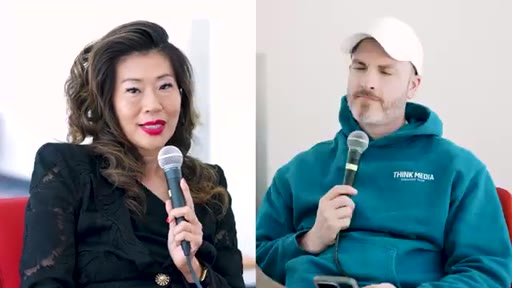
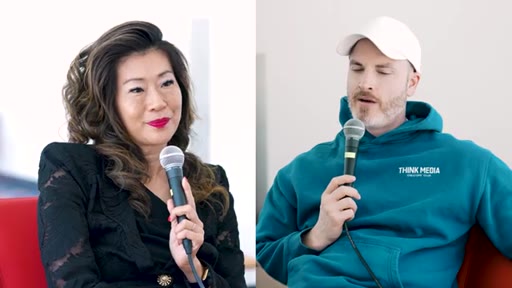
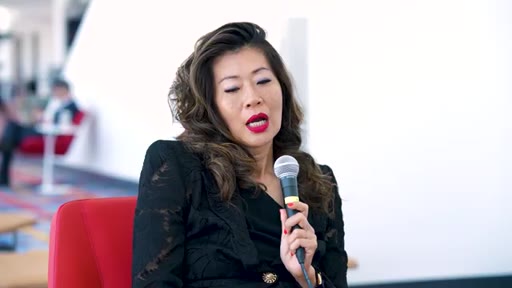
Tyler Chow opens with a landlord metaphor that lands harder than any statistic: you are a tenant on YouTube land, and they can evict you with no explanation and no obligation to reverse course. By the time she adds that 12.4 million channels were terminated in the last nine months of 2025 alone, the threat is no longer abstract.
Who's talking.
Where the time goes.

01 · Legal landscape 2026 -- AI enforcement wave
AI enforcement errors, 12.4M channel terminations, YouTube as private landlord, email list as survival insurance.
02 · YouTube Second Chances program
Narrow reinstatement eligibility, COVID-era policy reversals, Trump $2.245M settlement context.
03 · Fair use, copyright strikes, and lawsuits
Ethan Klein suing reaction creators, IP trolls, Coffeezilla/Logan Paul trial, Kevin O Leary $2.8M default judgment.
04 · AI demonetizing original content
Animation channels hit as AI slop, proving human creative involvement, YouTube black-box enforcement.
05 · How to sell your YouTube channel
5 PE evaluation criteria, CreatorArc 7-step framework, 100M exit case study.
06 · Learning from creator brands
MrBeast/Feastables model, Prime Hydration collapse, Mark Rober CrunchLabs subscriptions, neobanks.
07 · Creator economy opportunities 2026
Unilever 300K creator network, nano/micro influencer value, social media addiction lawsuits, educational content rising.
Lines you could clip.
"You are a tenant on YouTube land. YouTube is the landlord, and they can kick you or evict you at any point."
"You are the new studio heads. You just do not know that yet."
"Data is the new oil. Private equity funds are coming out of the woodworks wanting to buy channels and creator-led businesses."
Things they pointed at.
Word for word.
Five things that decide if your channel is worth buying.
Platform loyalty is not an asset -- owned audience data, recurring revenue, and clean IP are the only things that survive a termination or attract a buyer.
- AI enforcement on YouTube is making consequential errors, and the platform has no obligation to explain or reverse its decisions -- the absence of a process is the policy.
- Fair use stopped being a practical YouTube defense years ago. YouTube no longer mediates IP disputes, so the channel damage is done before any court ruling can help.
- An email list is not a growth tactic -- it is the only asset that survives a platform termination. If you cannot contact your audience without the platform, you are entirely at its mercy.
- IP trolls operate a specific playbook: acquire rights to small creators clips, then threaten large reaction channels with channel-killing strikes unless they pay five-figure settlements.
- Private equity evaluates creator businesses on five criteria: audience loyalty not size, recurring revenue, owned data, team independence, and reduced reliance on one person face.
- A creator business generating revenue from a tech app, course, newsletter, and community can be worth three times what the YouTube channel alone would fetch -- the channel is the marketing arm, not the asset.
- The 6M verdict against Meta for addictive algorithm design signals that the platform era of fast, dopamine-optimized content may be legally constrained within a few years.
- Reaction channels are unacceptable to private equity buyers -- unclear IP ownership, no chain of title, and high litigation exposure make them unsellable as a business asset.
- A 100,000-subscriber channel represents the top 0.1% of all YouTube channels and is a sufficient base to build a real business -- reaching that threshold and building recurring revenue beats chasing seven-figure subscriber counts.
- Every piece of content a contractor creates for your channel should include work-for-hire language. Without it, the contractor may legally own what they made, creating a chain-of-title problem that can kill an acquisition.