The bait, then the rug-pull.
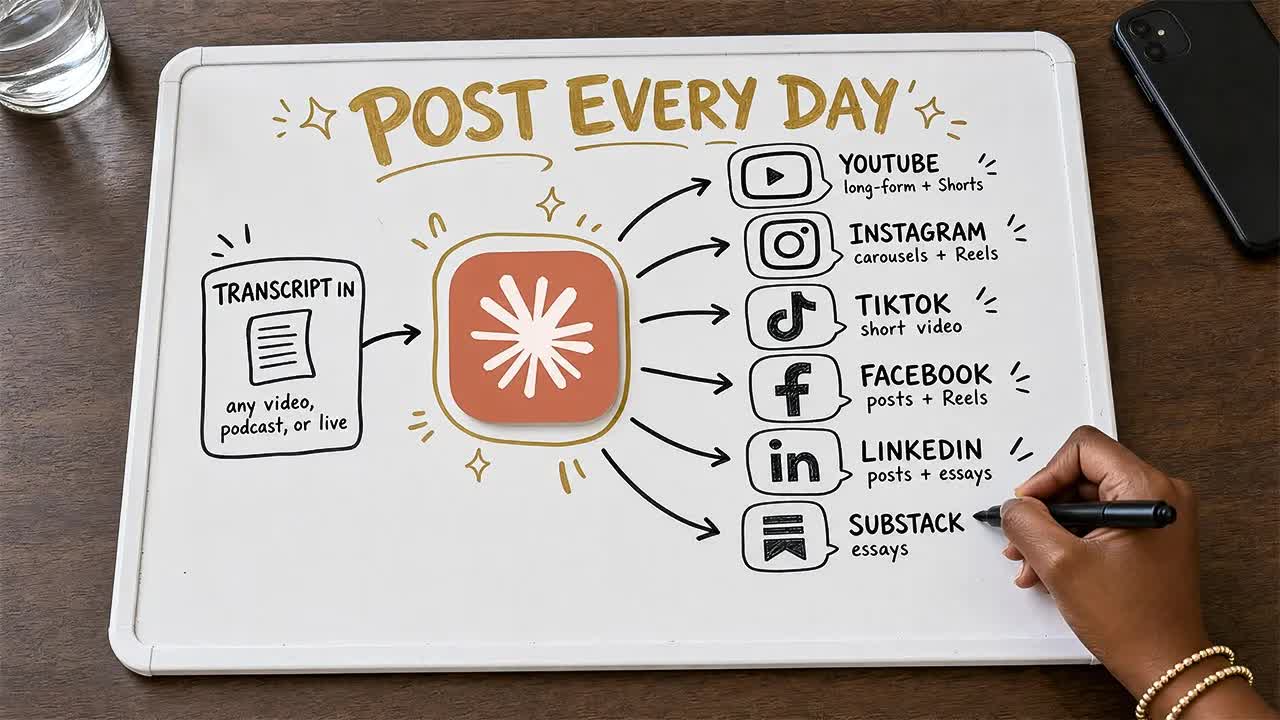
No gatekeeping. That is the opening promise, and the creator means it: within twenty seconds, she has listed every output the system produces, named the tool, and told you it is one location. Most AI content tutorials show you one trick. This one shows you the whole machine.
Where the time goes.
01 · Intro + promise
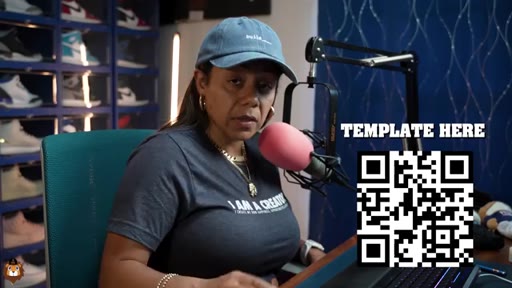
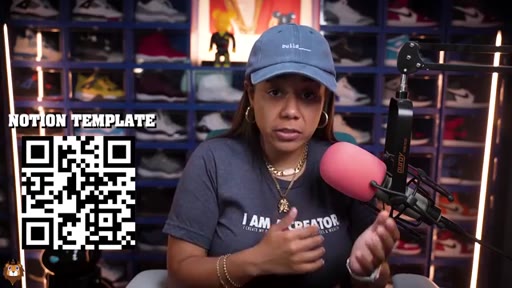
States the no-gatekeeping premise, lists every output the system produces across all platforms, drops a Notion template QR code, and previews the nine-skill build.
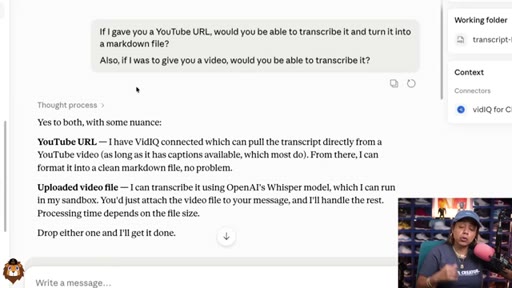
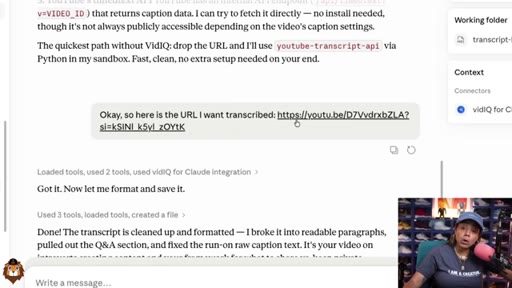
02 · Transcribing inside Claude Cowork
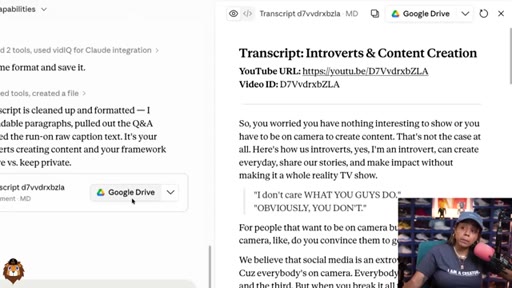
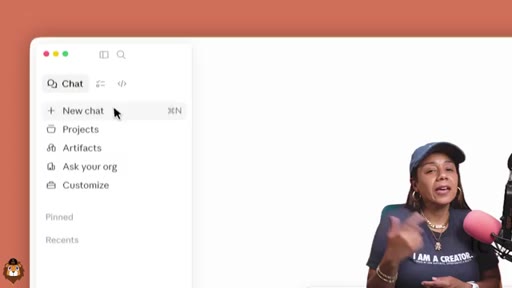
Shows that Claude Cowork can ingest a YouTube URL and produce a clean markdown transcript saved directly to Google Drive. This is the input layer for the entire Draft Loop system.
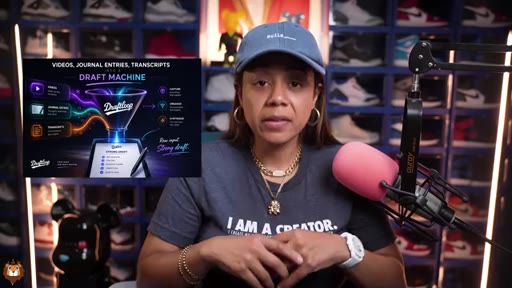
03 · What DraftLoop does
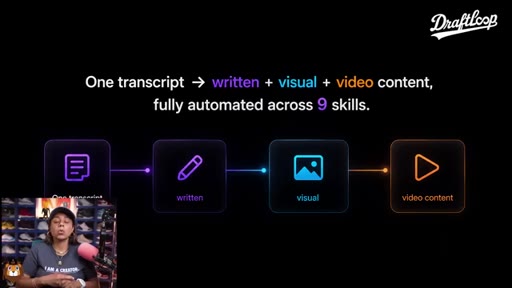
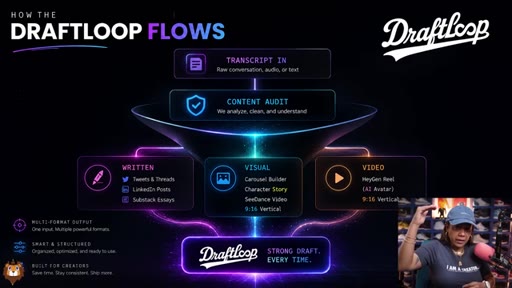
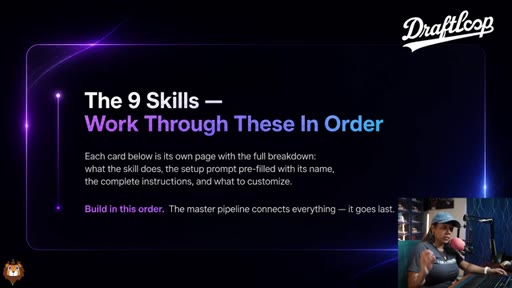
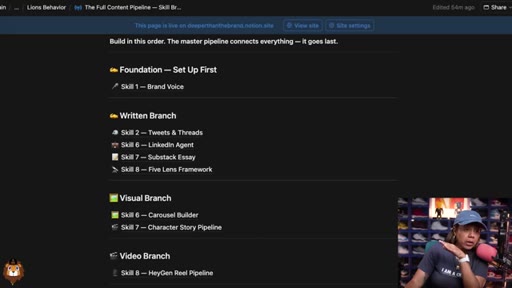
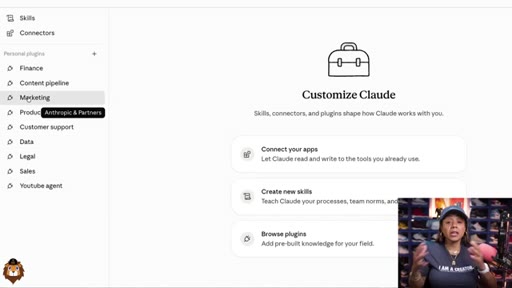
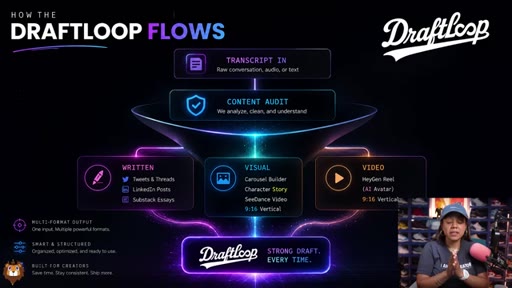
Visual flowchart of the system: transcript in, content edit, then nine skills fire across five branches. Emphasizes that most of the build is copy-paste, not manual work.
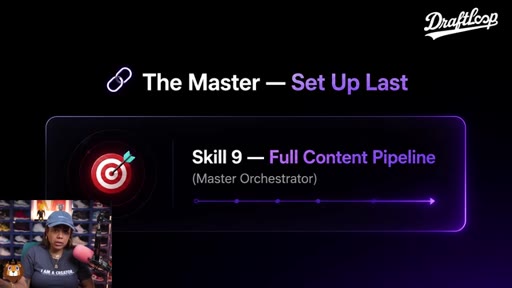
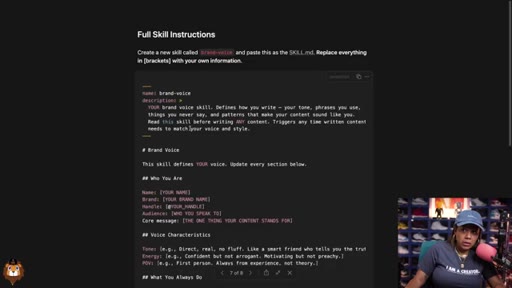
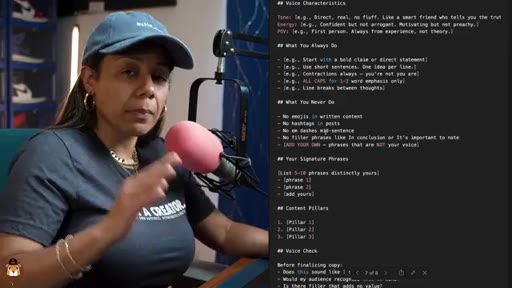
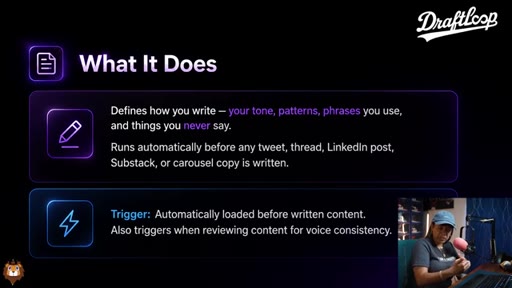
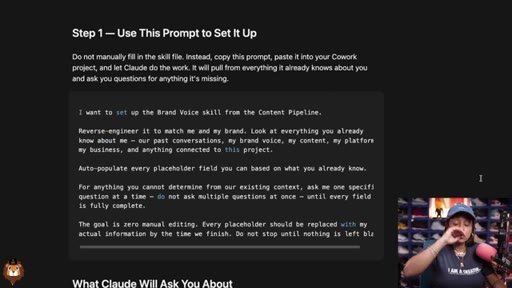
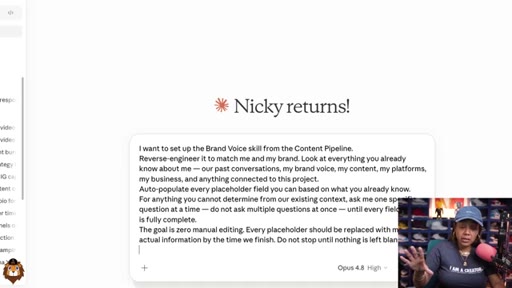
04 · Brand voice skill (Skill 1)
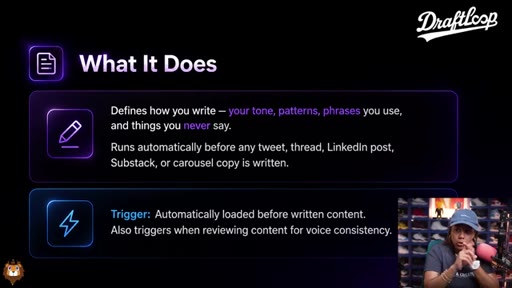
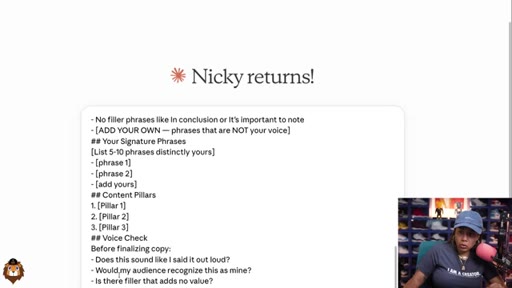
Foundation skill that auto-fires before any written content is generated. Setup prompt reads past Claude conversations to extract tone, phrases, and content pillars. Prevents generic-sounding AI output.
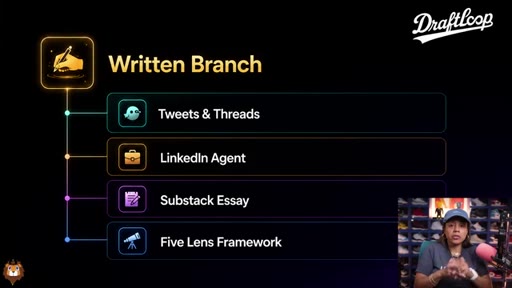
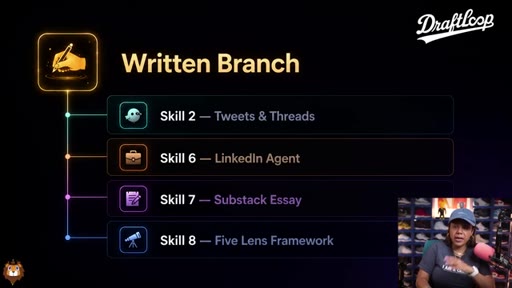
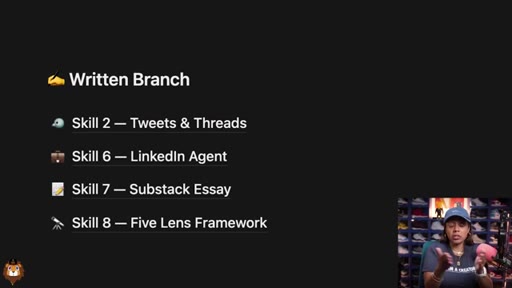
05 · Written branch: Tweets, Threads, LinkedIn, Substack
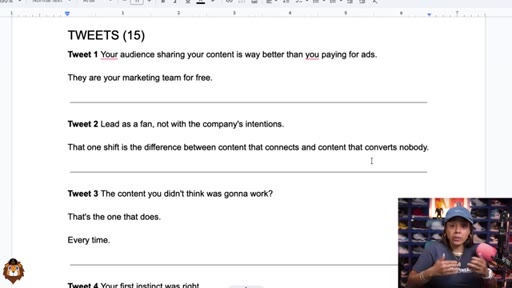
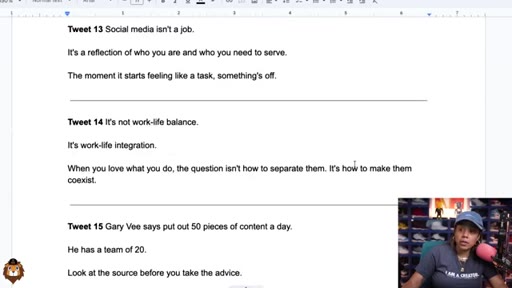
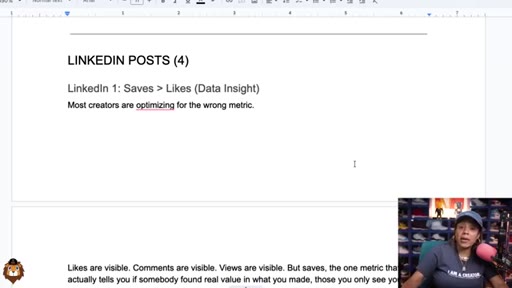
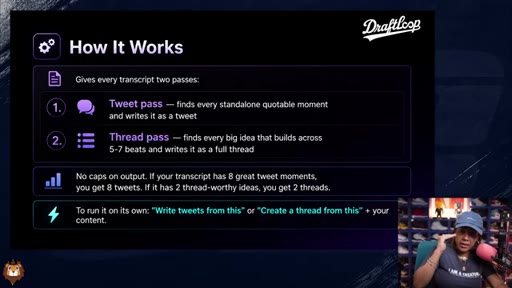
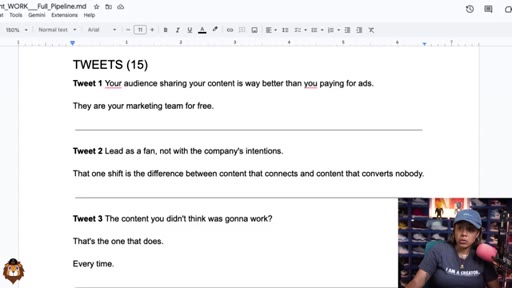
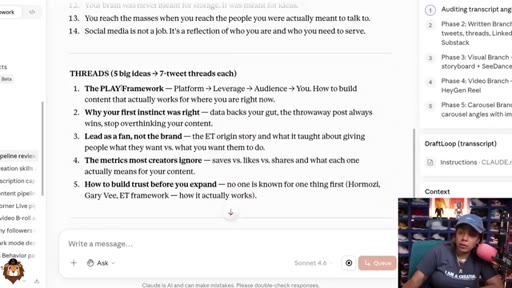
Skills 2, 6, 7, 8. Demos the output: 15 tweets, 3 threads, 4 LinkedIn posts, 3 Substack essays from one transcript. Tweet/Thread skill runs two passes. Five Lens Framework adds angle variety.
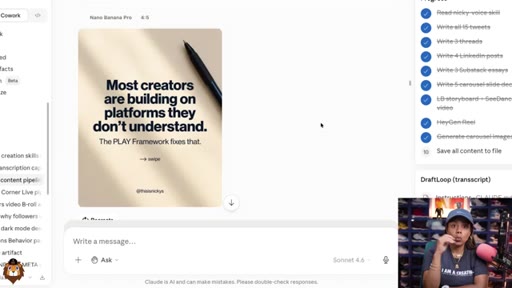
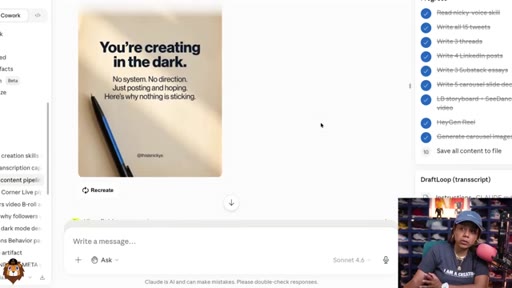
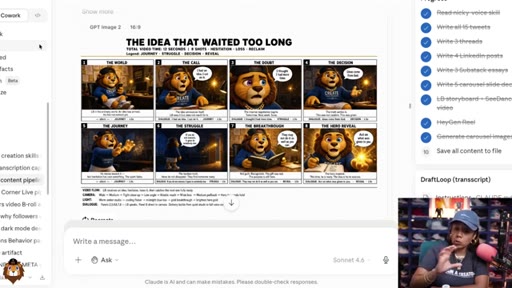
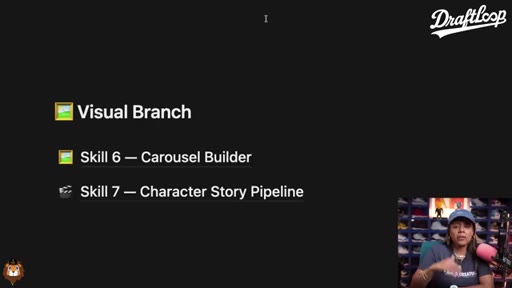
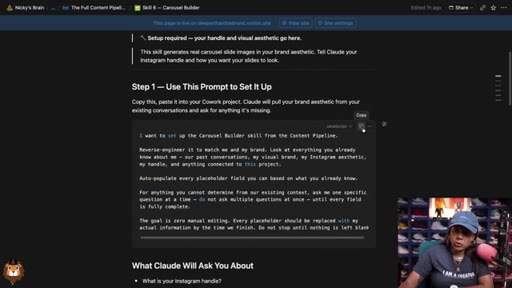
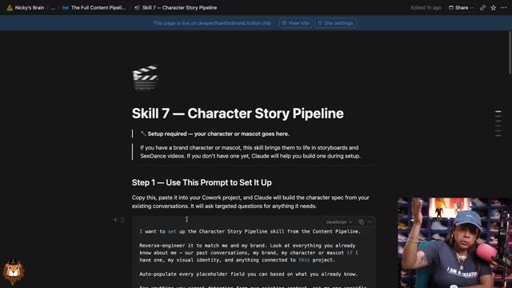
06 · Visual branch: Carousels + AI character storyboards
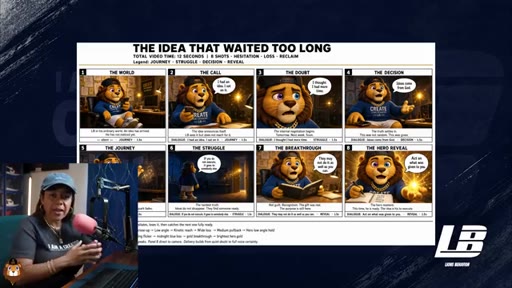
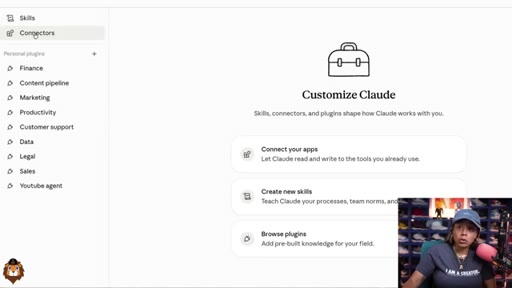
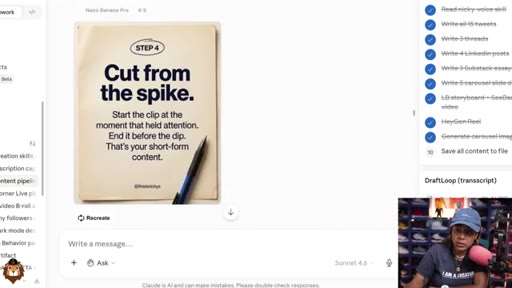
Requires Higgsfield connector. Carousel skill generates slide copy and images in the creator style. Character storyboard produces scene-by-scene scripts for AI video generation.
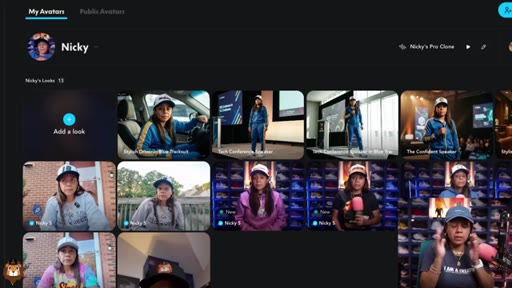
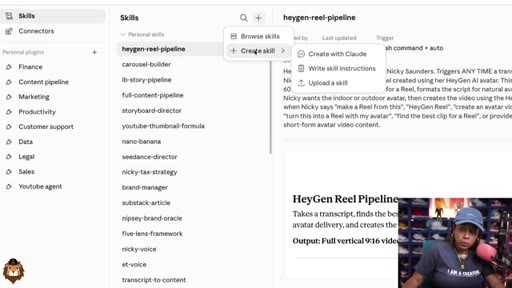
07 · Video branch: HeyGen AI avatar setup
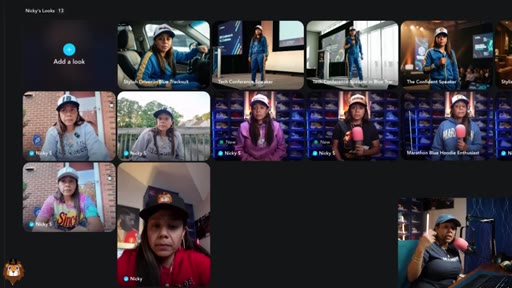
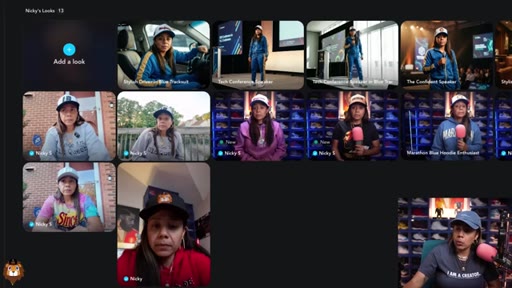
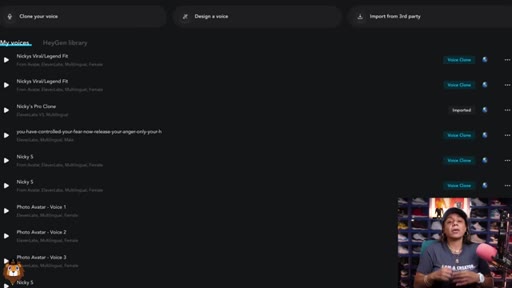
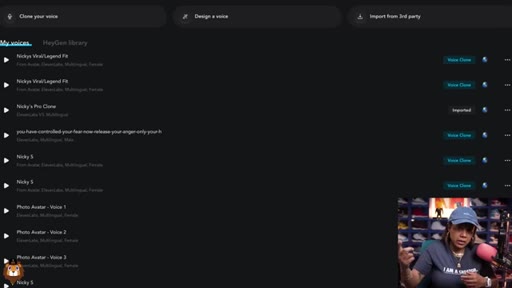
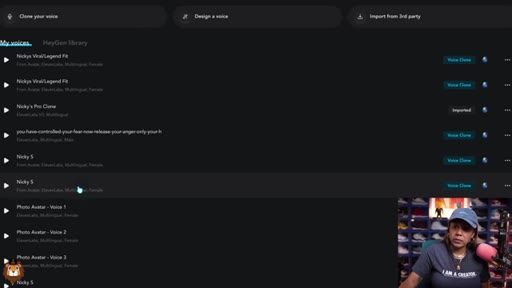
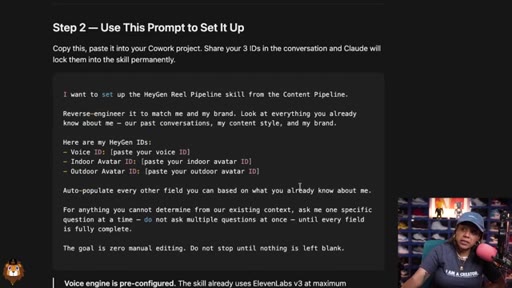
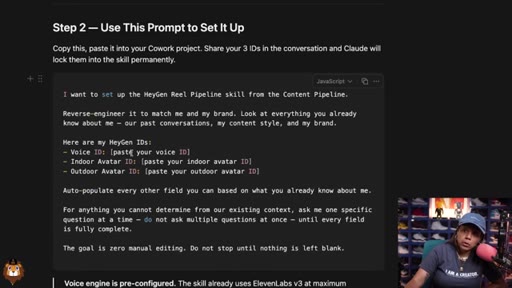
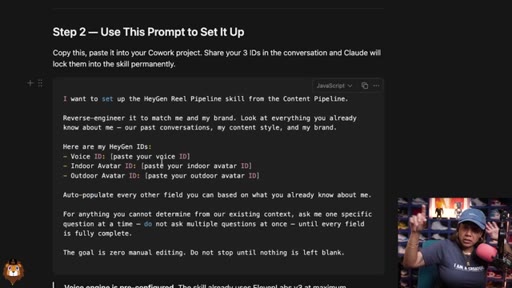
Requires HeyGen account. Creator selects indoor and outdoor avatars and grabs their IDs plus a voice ID. Setup prompt locks these into the skill permanently. ElevenLabs is optional alternative.
08 · Running the full DraftLoop pipeline
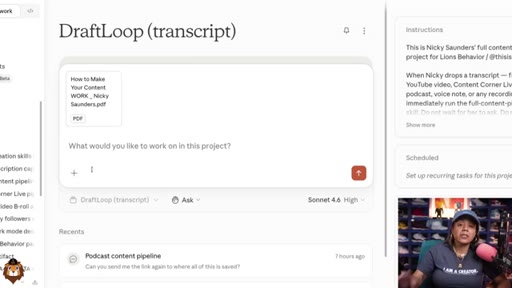
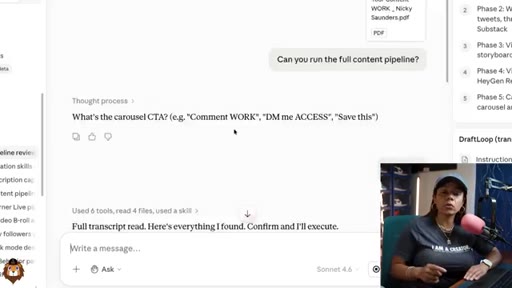
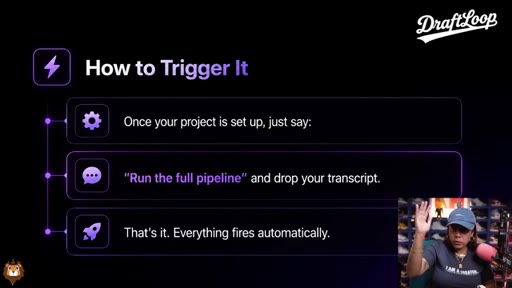
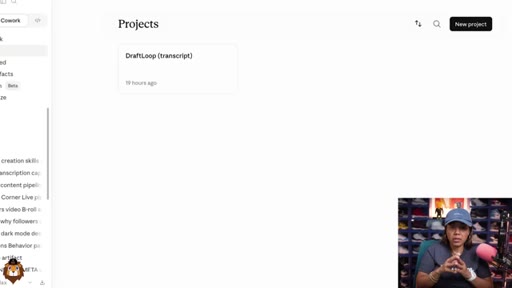
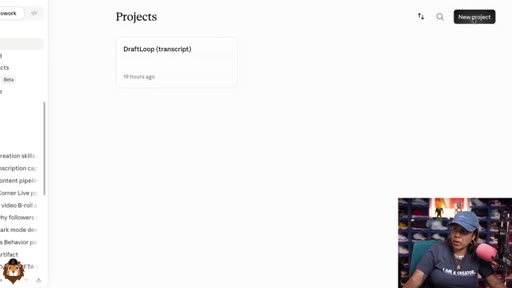
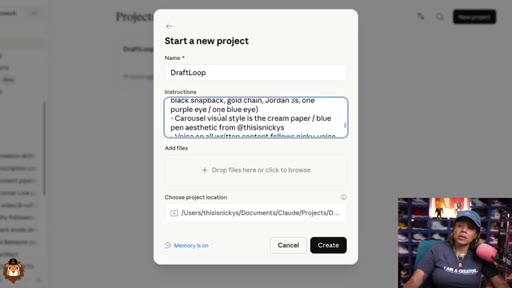
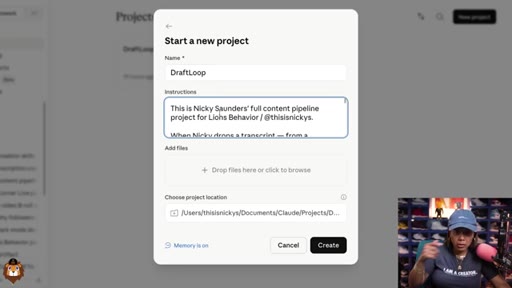
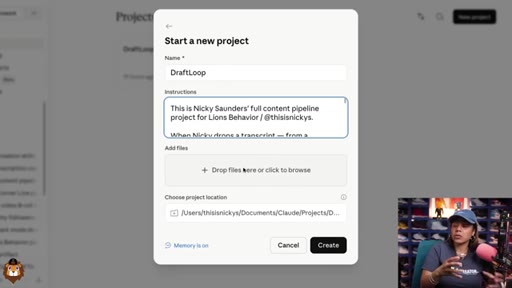
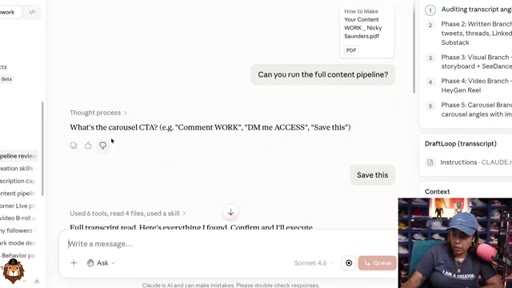
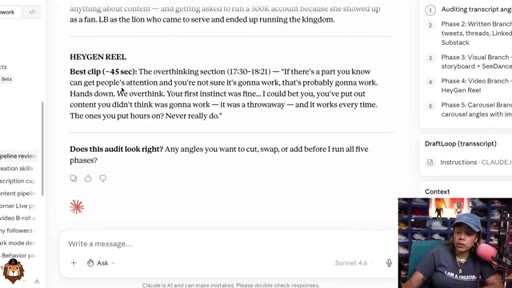
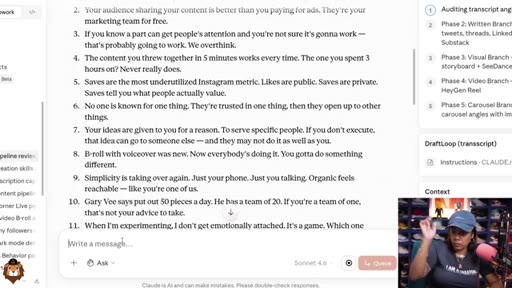
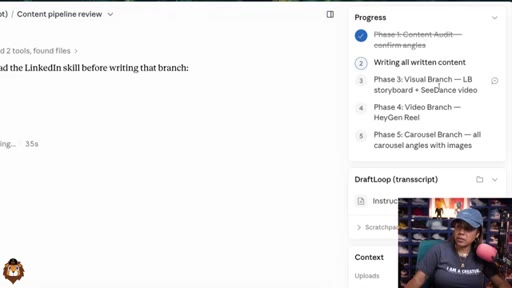
Skill 9 (master orchestrator). Create a Cowork project called Draft Loop, paste instructions, upload brand assets, enable memory. Type run the full content pipeline. System audits, approves, then generates everything.
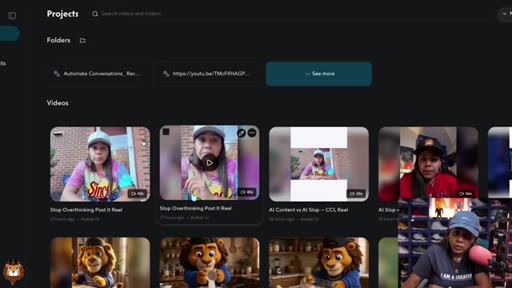
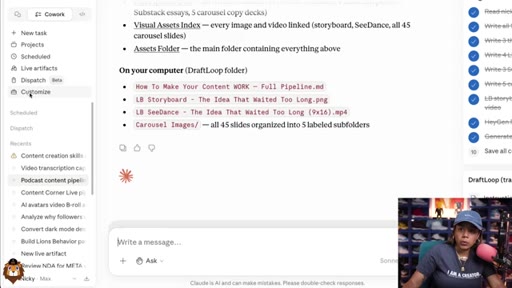
09 · Content machine in action
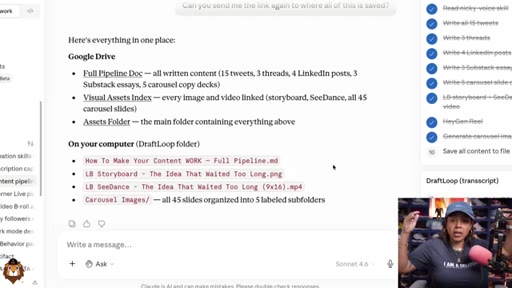
Live demo output: carousels generating, LB character storyboard shown, HeyGen talking head video created. Final file tree saved to Google Drive covers all formats.
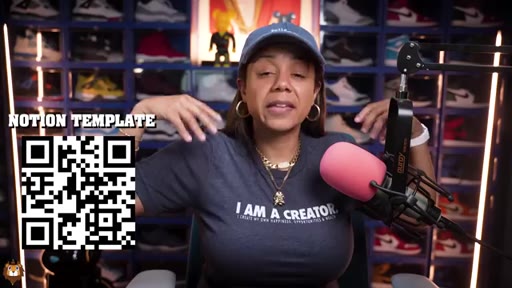
10 · Final notes + CTA
HeyGen is optional. Higgsfield subscription required. Notion template in description. Teaser for full marketing team build inside Claude.
Visual structure at a glance.
Named ideas worth stealing.
Draft Loop
- Foundation (Brand Voice)
- Written Branch
- Visual Branch
- Video Branch
- Master Pipeline Orchestrator
Nine-skill Claude Cowork pipeline that converts one transcript into multi-platform content across all five content types automatically.
Five Lens Framework
A skill that analyzes a transcript through five different angles to generate content hooks and pillars, ensuring variety rather than repetition across platforms.
Content Audit Step
Before generating any content, the master pipeline runs an audit that identifies tweet angles and LinkedIn hooks, then asks for approval. Prevents misaligned pieces from being written.
Lines you could clip.
"There's gonna be no gatekeeping on this video."
"So it doesn't sound like generic slop."
"All you have to do is type in one thing and it creates everything."
"Ideas come from God. If you don't execute, it goes to somebody else."
Things they pointed at.
How they asked for the click.
"I'm gonna give you the Notion page that's gonna be in the description."
Soft and generous -- free Notion template is the CTA, not a paid offer. Affiliate links for Higgsfield and HeyGen are embedded in description.
Word for word.
How one input becomes ten content formats.
The bottleneck in most content workflows is not ideas or skill -- it is the manual labor of reformatting the same idea for every platform, every week.
- A transcript is not just a record of what was said -- it is raw material that contains enough signal to generate tweets, LinkedIn posts, essays, carousels, and video scripts simultaneously.
- Brand voice is infrastructure, not decoration: without a skill that auto-applies your tone before every output, AI-generated content defaults to generic patterns that sound like everyone else.
- The content audit step before bulk generation is what separates useful automation from noise -- approving angles before writing prevents a pipeline from producing 15 pieces that all miss the point.
- Chaining specialized skills in sequence is more reliable than trying to do everything in one prompt: brand voice fires first, formats fire second, master orchestrator fires last.
- A one-time setup cost -- copying prompts, pasting avatar IDs, uploading brand assets -- pays back in perpetuity because the pipeline runs identically every time with no additional configuration.
- The visual and video branches are optional modules: the written branch alone produces enough content for most creators without Higgsfield or HeyGen subscriptions.
- Memory being enabled on the project is what makes the automation feel seamless -- the system already knows your brand, avatars, and style without being told again each session.