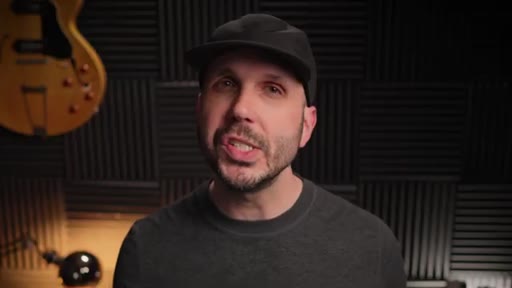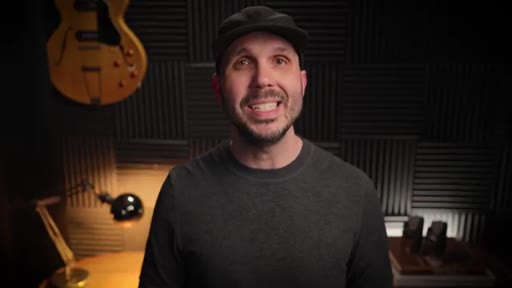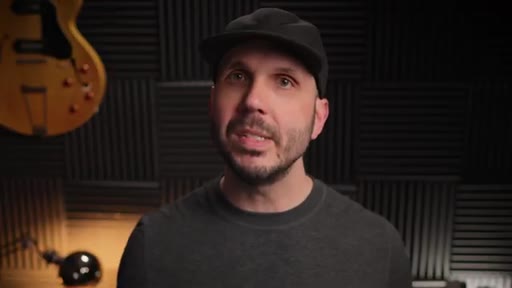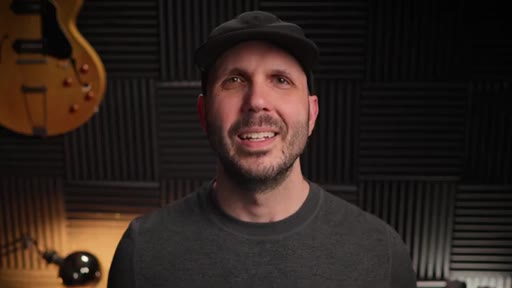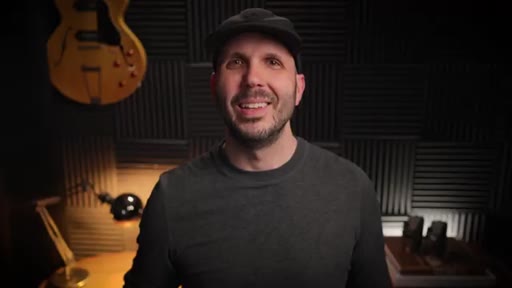
Austen Menges · Youtube · 07:18

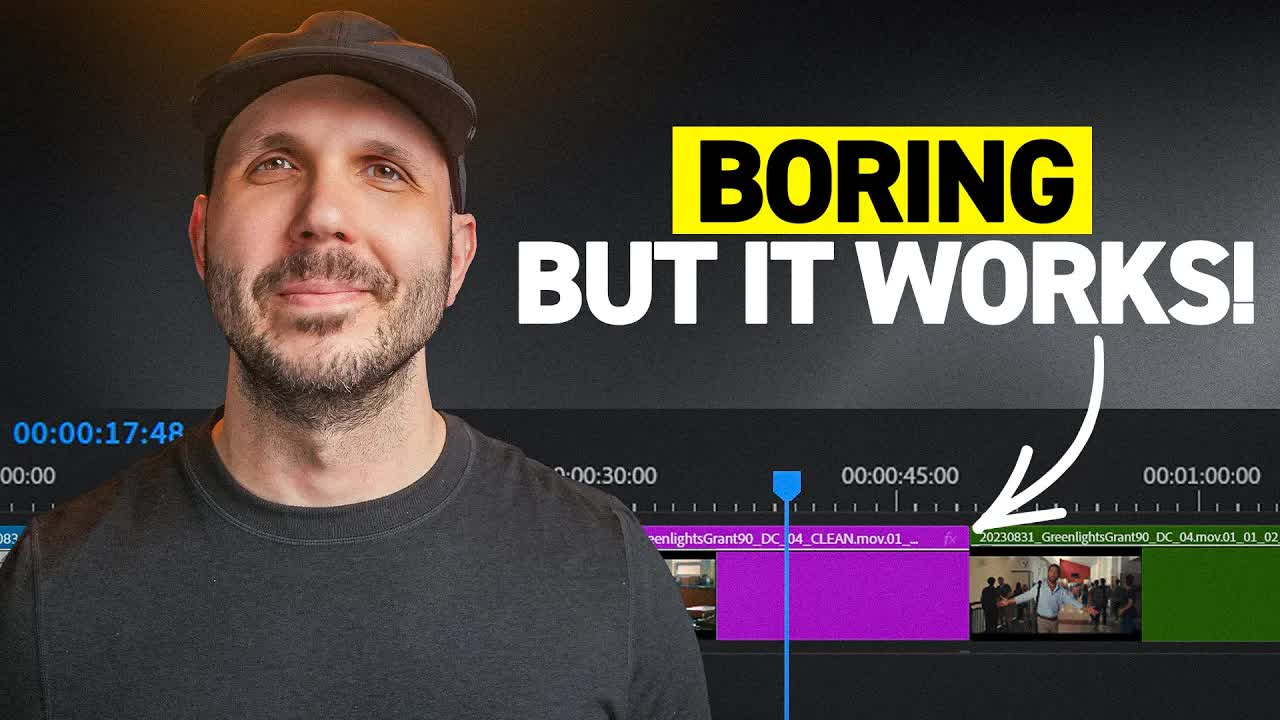
This Boring Editing Exercise Will Save You 5 YEARS (But Most Ignore It)

A 7-minute tutorial from a 20-year broadcast editor on the one gut-calibration exercise that builds the intuition high-end clients actually pay for.

Posted
May 30th 2026
2 days ago
Duration
07:18
Format
Tutorial
educational
Channel
AM
Austen Menges
§ 01 · The Hook

The bait, then the rug-pull.

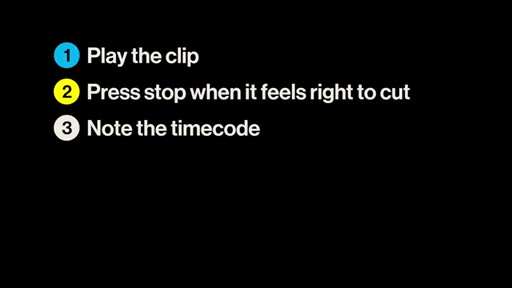
Twenty years cutting broadcast TV commercials teaches you what clients actually pay for -- and it is not transitions. The exercise that changed everything for Austen Menges fits in a single sentence: play the clip, stop when your gut says cut, and repeat until the same frame shows up twice.

§ · Chapters

Where the time goes.

00:00 – 01:22

01 · Why it works

Junk food vs. protein analogy -- why flashy techniques keep editors stuck. Introduces Walter Murch and the source exercise.
01:22 – 03:13

02 · Step 1 -- Find your cut by feel

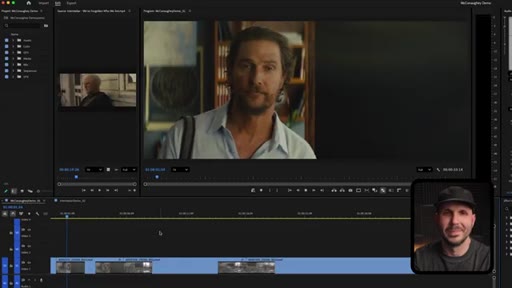
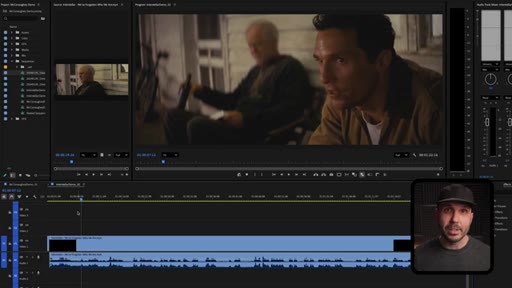
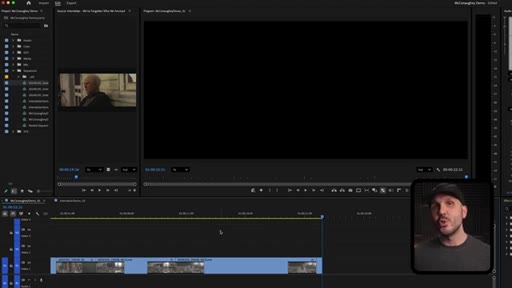
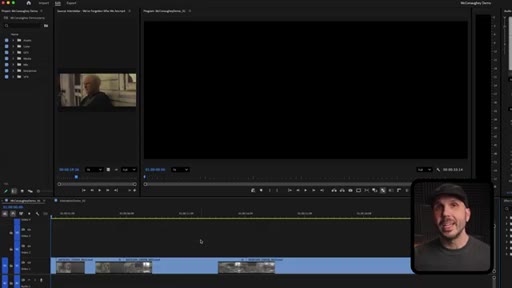
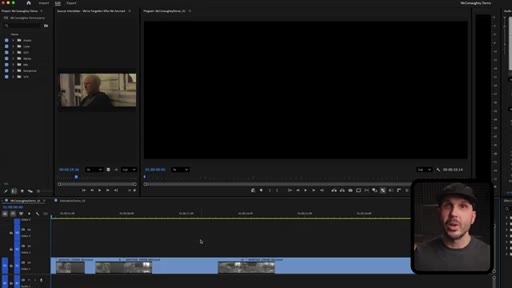
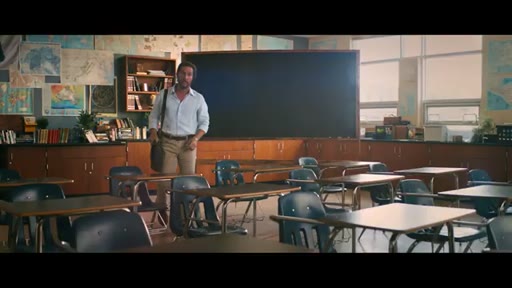
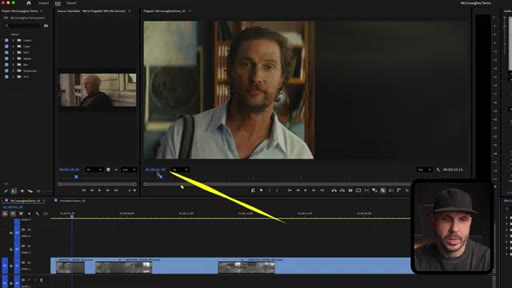
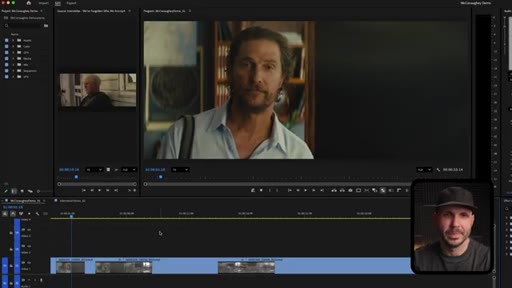
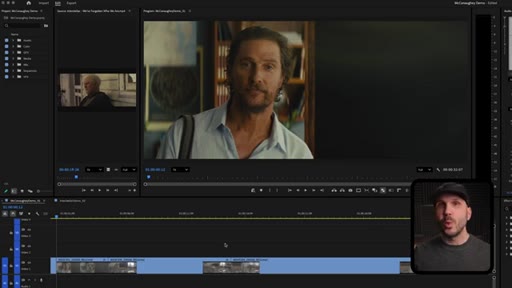
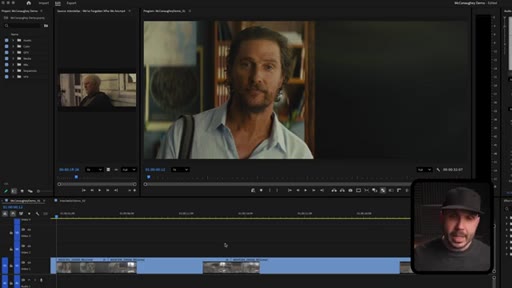
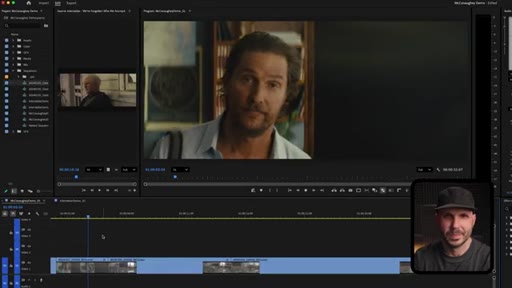
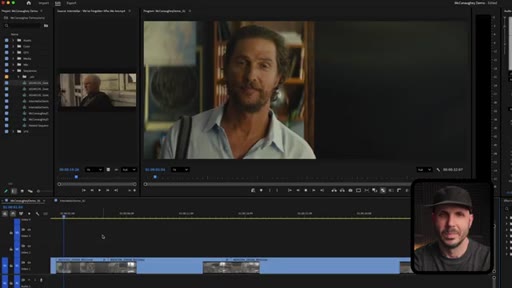
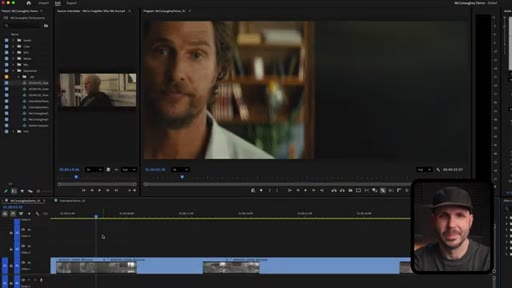
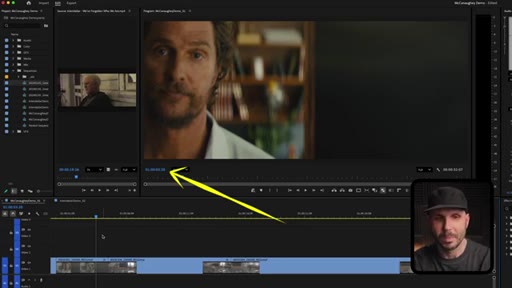
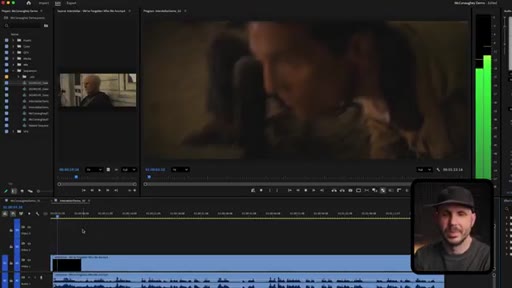
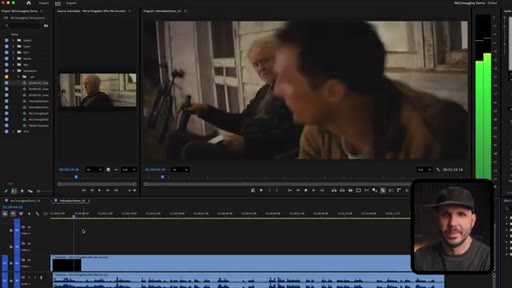
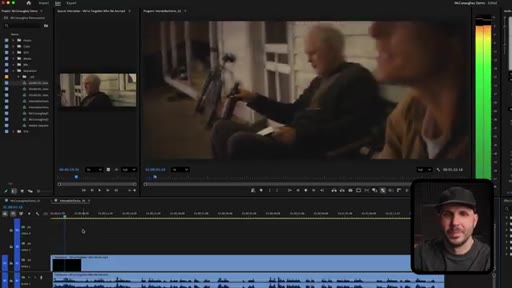
Emotion-first setup: decide what the audience should feel before cutting. Demo with McConaughey PSA in Premiere Pro. Play, stop, note timecode, repeat until same frame appears twice.
03:13 – 05:09

03 · Step 2 -- Build across the timeline

Continue the in/out process across every shot, always guided by the target emotion. Over time the editor starts to feel cuts rather than place them technically.
05:09 – 07:18

04 · Lesson 2 -- Copy the greats

Apply the same exercise to an already-edited scene from a great film. Press stop where you would cut, compare to the real cut, repeat until you hit the exact frame.

§ · Storyboard

Visual structure at a glance.
hook
junk food
Murch book
Step 1
Premiere demo
target emotion
McConaughey PSA
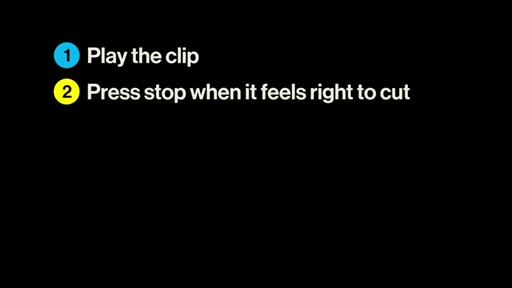
Play the clip
what clients pay for
CTA 1
Lesson 2
Interstellar demo
CTA 2
next video
§ · Frameworks

Named ideas worth stealing.

01:22 model

The Gut-Calibration Exercise

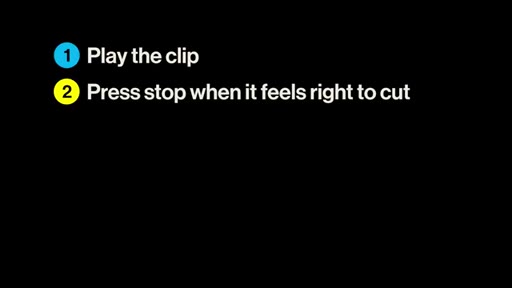
  1. Decide the target emotion before touching the timeline
  2. Play the clip from the beginning
  3. Press stop the moment it feels right to cut
  4. Note the timecode
  5. Repeat until the same frame appears twice -- that is your cut point
  6. Continue for every shot, always returning to the target emotion

A deliberate daily drill for building editorial intuition, derived from Walter Murch.

Steal for Any skills content where the gap between technical and intuitive performance needs a concrete daily practice protocol
05:09 model

Copy-the-Greats Variant

  1. Load a scene from a film edited by someone you admire
  2. Press stop where you think a cut should happen
  3. Compare to where the editor actually cut
  4. Repeat until you can hit the exact frame
  5. Move to the next cut and repeat through the whole scene

Applies the gut-calibration exercise to finished work by master editors -- like learning solos note-for-note before composing your own music.

Steal for Any domain where learning from masters can be structured as deliberate imitation before developing personal voice
§ · Quotables

Lines you could clip.

00:37
"The exciting stuff -- new software, new plug ins, fancy transitions -- that's all junk food."
Counterintuitive reframe of productive-feeling activities → TikTok hook
02:23
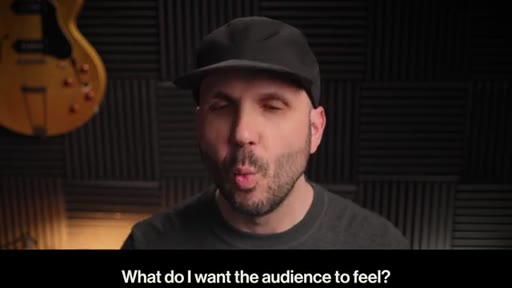
"What do I want the audience to feel?"
Tight and quotable -- the single question the whole exercise hinges on → IG reel cold open
04:28
"They pay you for your editing intuition and your ability to make an audience feel something."
The thesis in one sentence → newsletter pull-quote
§ · Resources Mentioned

Things they pointed at.

01:01bookIn the Blink of an Eye by Walter Murch
05:37productInterstellar (2014, editor Lee Smith)
§ · CTA Breakdown

How they asked for the click.

04:48 product
"click the link in the description to check out my editing program"

Placed twice at natural chapter endings (4:48 and 6:47) -- clean, non-disruptive.

§ 04 · The Script

Word for word.

HOOK opening / re-engagementCTA the pitch metaphor analogy
00:00HOOKWhat if I told you that six figure editors don't waste time practicing flashy effects or transitions? They practice one boring exercise that no one talks about. I've been cutting broadcast TV commercials for over twenty years,
00:13HOOKand this one exercise helped me hit six figures pretty soon after I started using it. So in this video, I'll show you exactly what it is so you can use it to become a six figure editor faster than I did.
00:25First, I'll show you why focusing on flashy techniques is actually keeping you stuck under six figures. Think of editing practice like nutrition. The exciting stuff, new software, new plug ins, fancy transitions,
00:37that's all junk food. It feels productive. It tastes good, but it's not what's going to make you a stronger editor.
00:44The protein and vegetables, the boring stuff that actually builds the skills that the best clients pay for is what no one wants to do. For years, I ate nothing but junk food.
00:54HOOKI obsessed over software, chased every new plug in, and I even went down a rabbit hole learning color grading, which hot take is not editing. And it cost me years of working on low paying projects before I figured out the real answer.
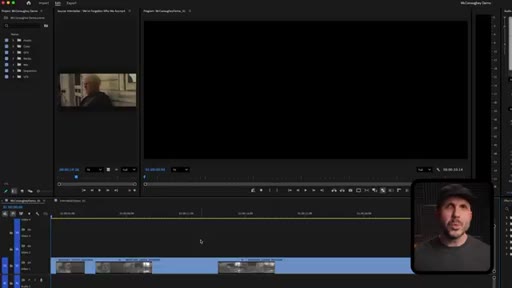
01:09HOOKThen I stumbled on a book by legendary editor Walter Murch called In the Blink of an Eye, and inside was one boring exercise that launched my broadcast editing career. Now I'll show you exactly how it works. I've placed three shots in my timeline in an order I think they should go in.
01:26I haven't trimmed them down yet. These are the full takes from when the director calls action to when the director calls cut.
01:33But before I start, there's one thing I want you to do that makes this exercise work on a completely different level. Ask yourself this question. For this particular group of shots,
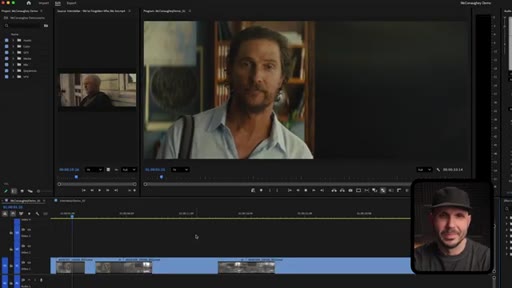
01:43what do I want the audience to feel? Then write that down. The footage I have here is a public service announcement I edited with Matthew McConaughey, and it's for school safety.
01:54What I want the audience to feel in this section is empathy. Now the work we're about to do has a guide, a north star. So let's start the exercise.
02:04First, we wanna find our endpoint of the first shot. So I'm gonna play it from the beginning.
02:10I'm gonna watch the whole thing once, then I'm gonna play it again. But this time, I'm gonna press stop or the space bar the moment I feel in my gut that the shot should begin. Let's watch the full shot all the way through.
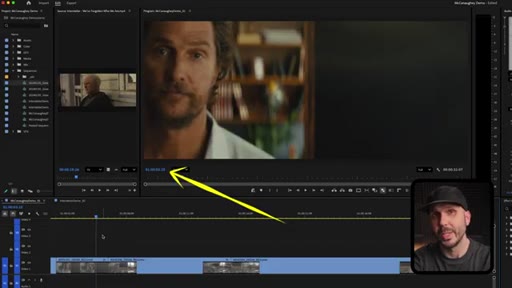
02:30Now I'm gonna play it again, but this time I'm going to press the space bar when my gut says we should enter the shot. We'll see the time code here is 1000119. Let's try again.
02:4801000118. I'm still in the ballpark one frame earlier than my initial selection.
02:56Let's try again.
03:00Alright. Zero one zero zero zero one one nine.
03:05For me, that's the same frame. So I'm gonna set that as the endpoint because my gut chose the same frame two times in a row.
03:13Now to step two. So we're gonna play from our new end point, but this time we press stop when we feel like in our gut the shot should end. Again, we're gonna write down the frame, and then we're gonna go again from the beginning until we start landing on the same exact frame because that signals that there's something going on there that feels right with the cut.
03:39For me, that was 0100O321.
03:4701000320, so just one frame off.
03:55And then we got 0100O320 again. So I'm gonna make this my out point.
04:00And now we continue this process with the next shot starting from the beginning of your timeline, but this time finding the end point of the second shot, then the out, then the in, then the out. And before each cut, remind yourself of the target emotion you're aiming for. Let that guide your instincts.
04:19And here's what happens when you practice this every day. Over time, you start to feel when to make an edit, not just technically, but in your gut.
04:26So you start to edit with intention, especially when you have that target emotion driving every cut.
04:33CTAAnd that's exactly what high end clients are paying for. Because high end editing jobs, they're not paying for new plug ins or software or effects or even color grading. They're usually hiring a colorist for that.
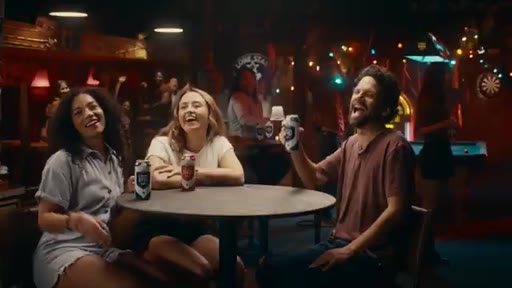
04:45CTAThey pay you for your editing intuition and your ability to make an audience feel something, and that's exactly what this exercise builds. And if you wanna practice this on high end editing projects that you can add straight to your own showreel,
05:00click the link in the description to check out my editing program. But there's another way to practice this exercise that will help you build your new editorial instincts 10 times faster. If you've ever played a musical instrument, you probably started by learning songs you loved, copying the greats note for note.
05:18And that's exactly how you internalize the vocabulary of a craft. And when you're just starting out, it's really key.
05:25So we're going to use the same exercise, but this time on a scene cut by one of the greats.
05:32So grab a scene from one of your favorite films and place it in your editing timeline. Here, I have a scene from Christopher Nolan's Interstellar, which was edited by one of my favorite editors, Lee Smith.
05:44Now we can't find the in and out points of the rock cliffs because it's already been edited. So instead, I want you to press stop when you feel like there should be a cut. Let me start with the first shot.
05:57I hear your meeting at the school didn't go so well.
06:03For me, it was here at 07:08. Now I want you to start again, but this time simply watch to see where the editor cut and compare yours to theirs. Were you close?
06:14Were you far off? It's just something to take note of. Then I want you to start again, but this time try to stop the playhead on the exact frame that the editor cut and keep going until you nail it.
06:26I hear your meeting at the school didn't go so well.
06:31You heard? Then repeat the process with the next cut until you make it through the entire scene. By doing this exercise, you're internalizing
06:39CTAwhat great editing feels like. And just like with a musical instrument, soon you'll be playing your own original music,
06:47CTAmaking your own original edits instead of just learning the solos from the greats note for note. If you wanna build your editing instincts on high end projects with direct feedback from me, click the link in the description to check out my editing program. This exercise is the boring work that most editors skip, and it's exactly why most editors stay stuck below six figures.
07:07But even if you work on this exercise, there's still a major hurdle that can keep you overworked and underpaid. So watch this video next to learn what it is and how to fix it. Happy editing.
— full transcript
§ 05 · For Joe

One question separates intuitive editors from technical ones.

WHAT TO LEARN

Editing intuition -- what high-end clients actually pay for -- is built by deliberate gut-calibration, not by mastering software.

  • Before making any cut, write down the emotion you want the audience to feel -- that single clarification gives every instinct a north star to aim at.
  • The gut-calibration drill is simple: play the clip, stop when it feels right to cut, note the frame, repeat until the same frame appears twice -- that convergence signals something real.
  • Copying the cuts of great editors frame-by-frame internalizes an editorial vocabulary the same way musicians learn solos note-for-note before composing their own.
  • Color grading, plugins, and transitions are not editing -- they are adjacent skills that can consume years without developing the feel that commands premium rates.
  • High-end clients do not hire for software fluency; they hire for the ability to make an audience feel something on cue -- and that ability is trainable through daily repetition.
§ 06 · Frame Gallery

Visual moments.