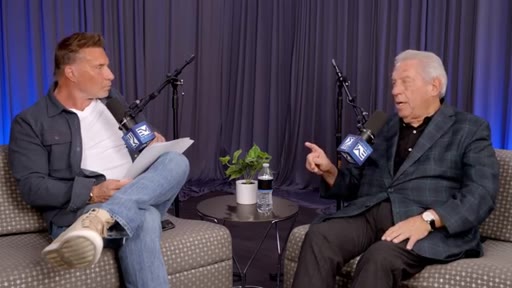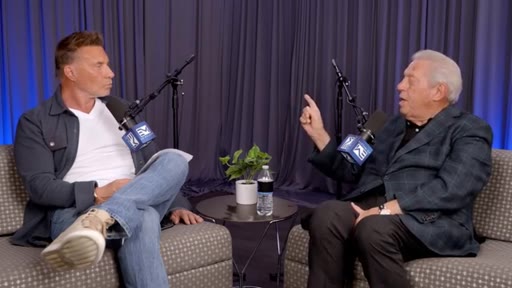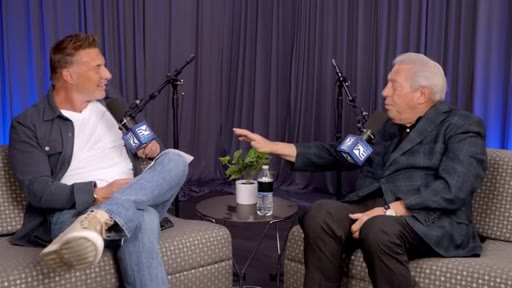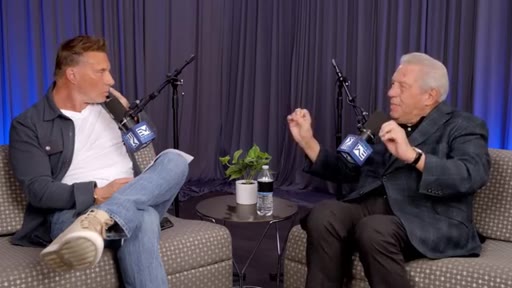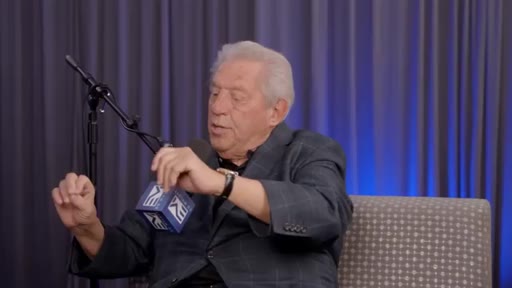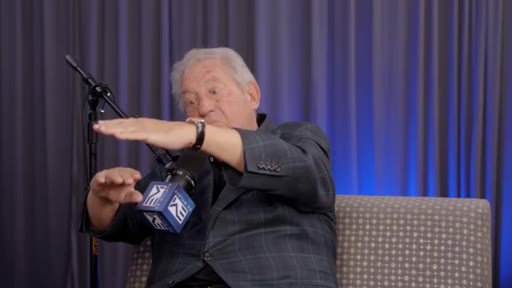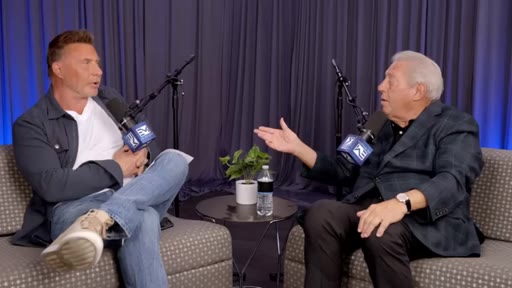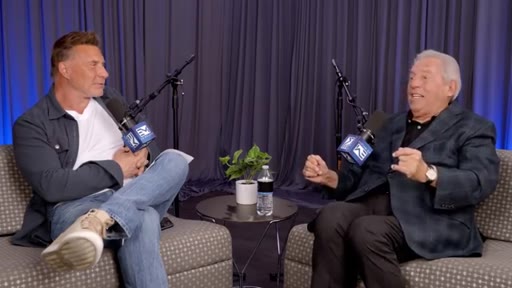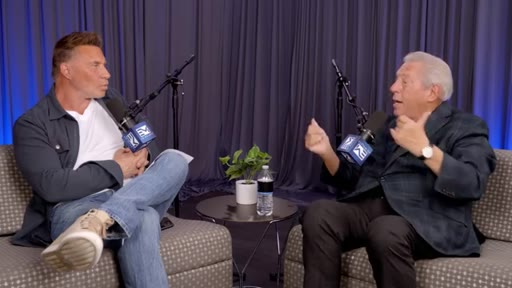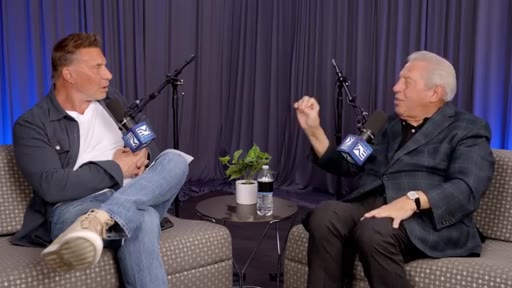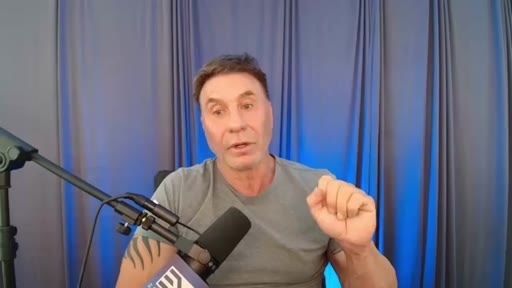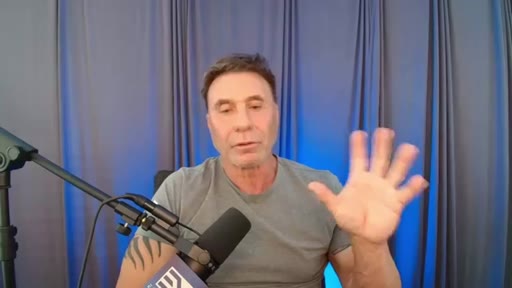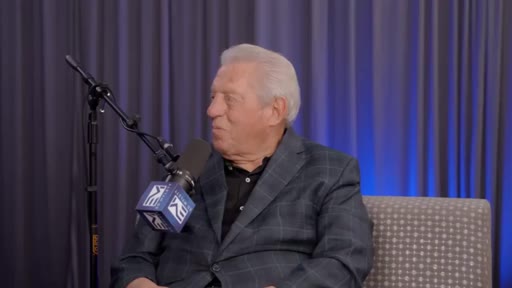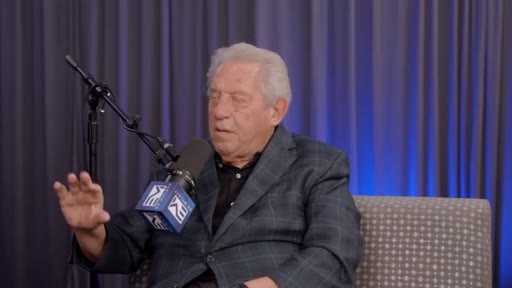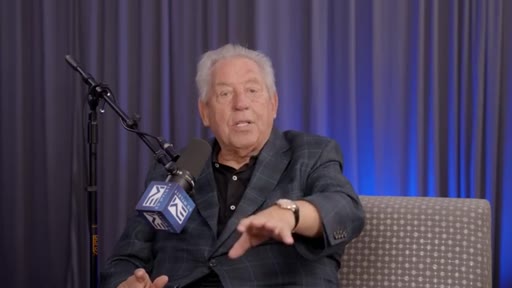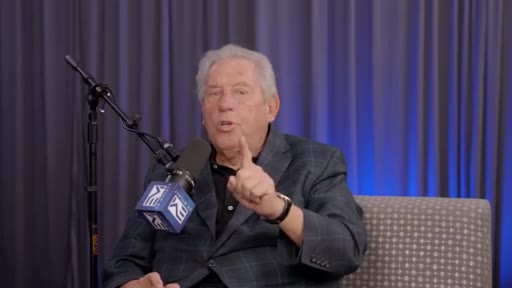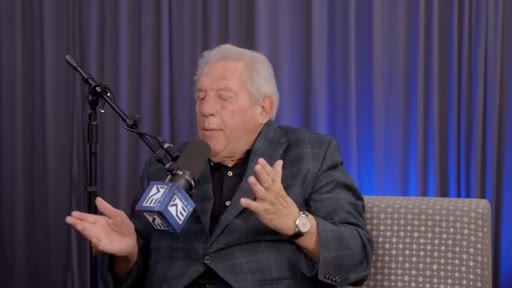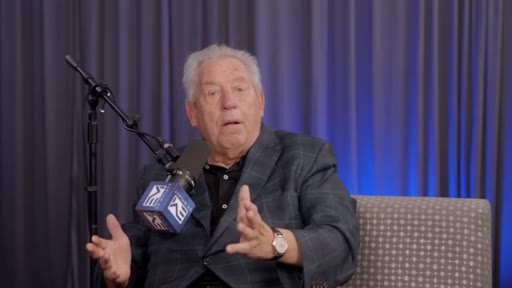
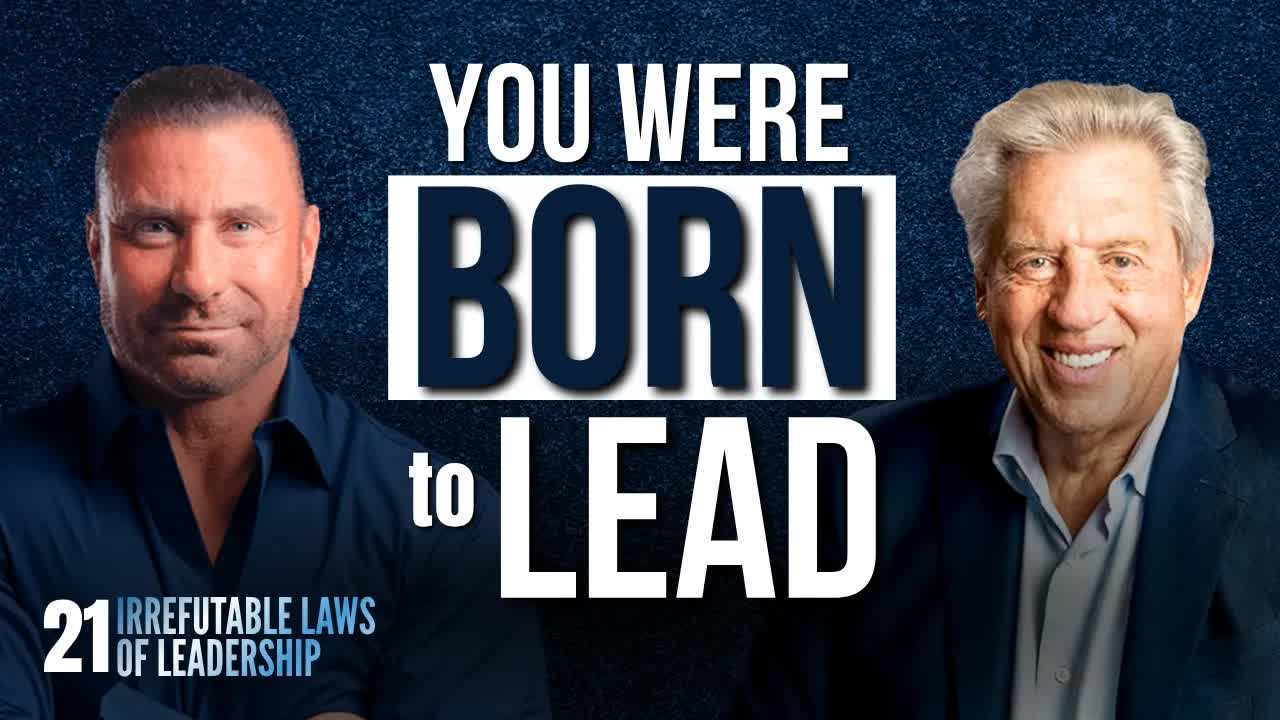
The bait, then the rug-pull.
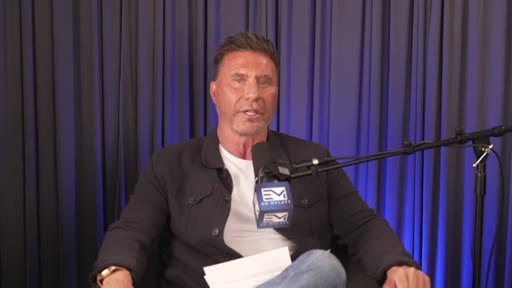
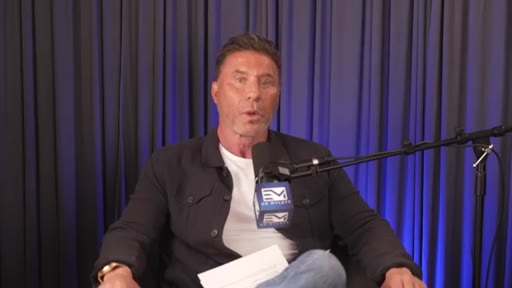
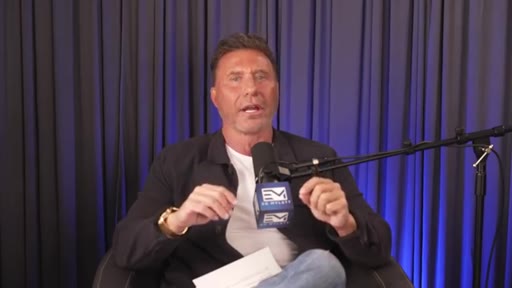
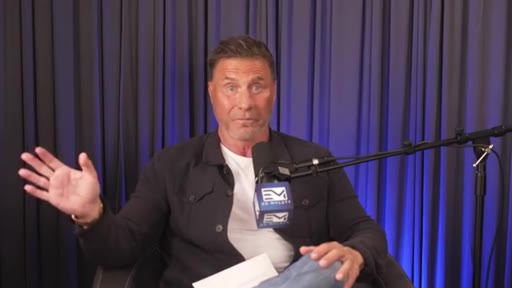
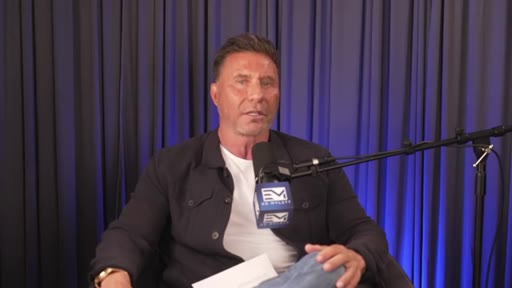
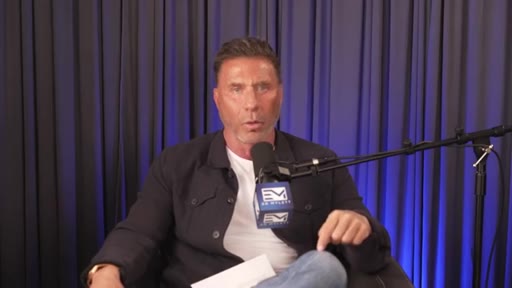
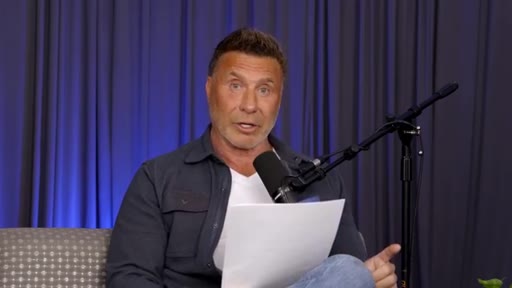
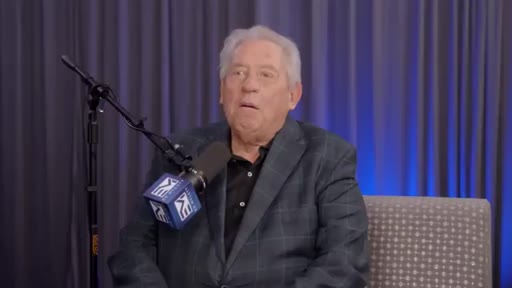
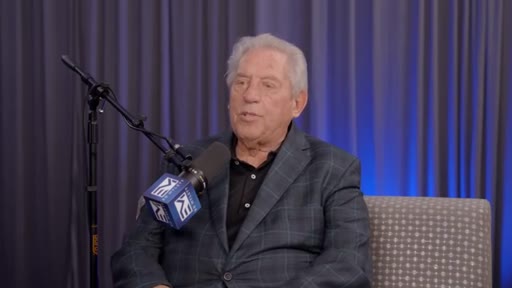
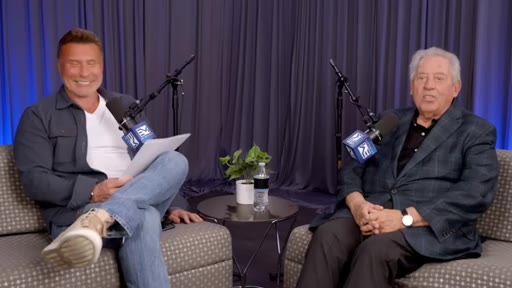
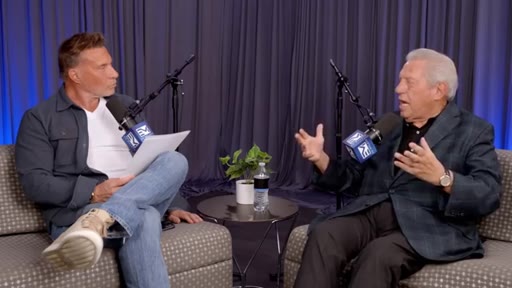
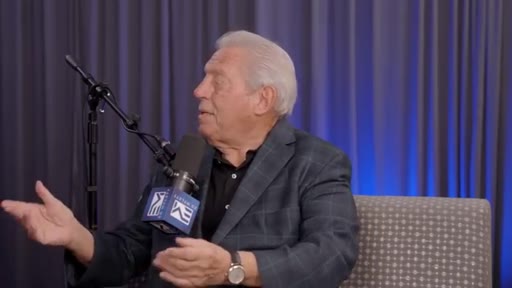
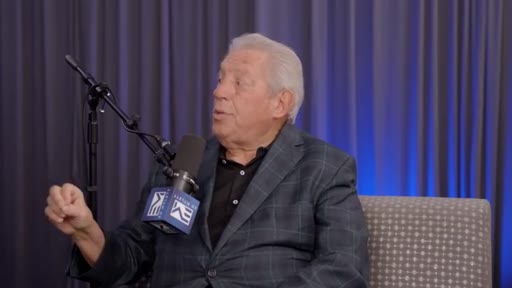
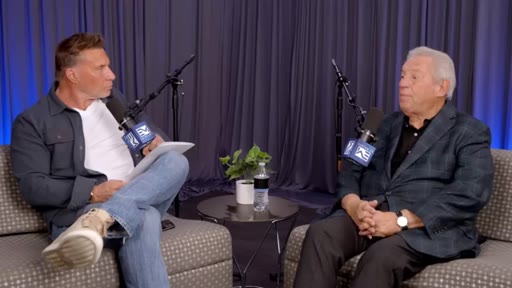
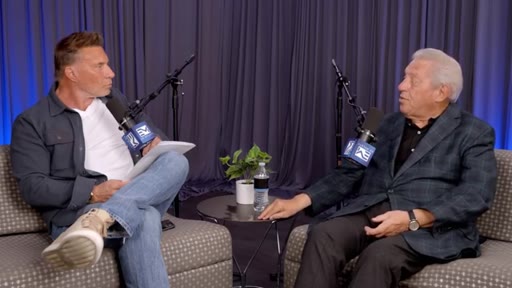
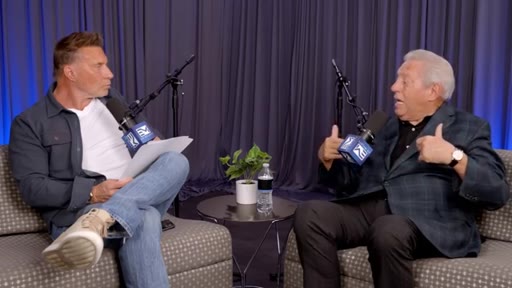
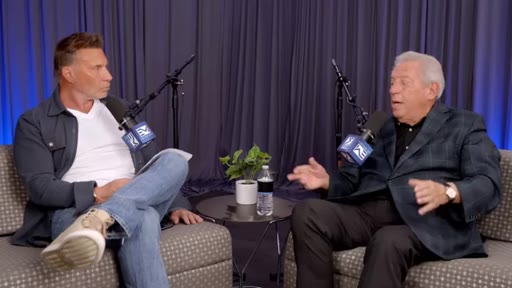
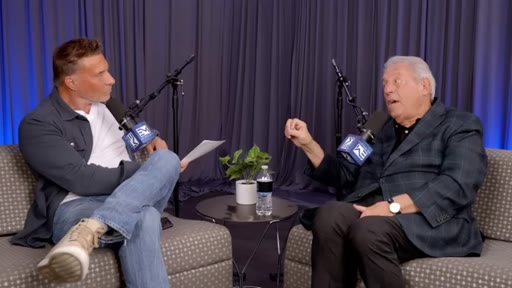
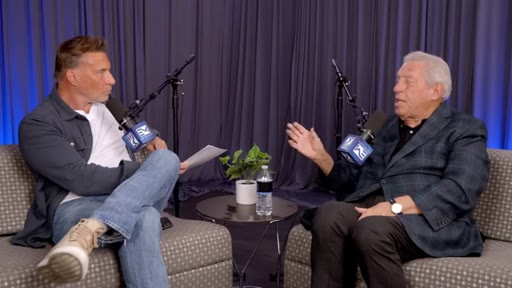
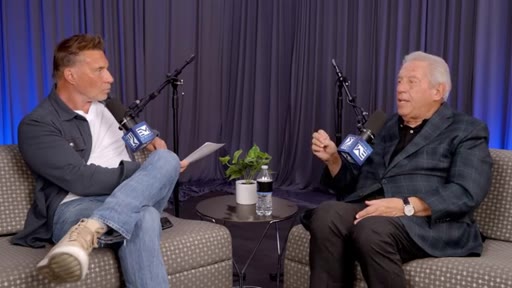
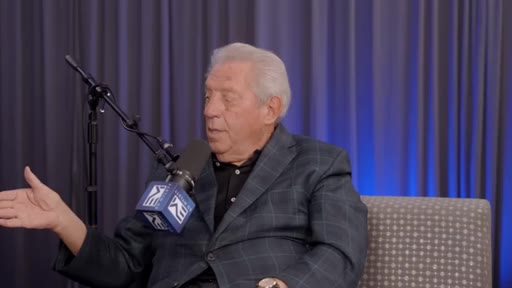
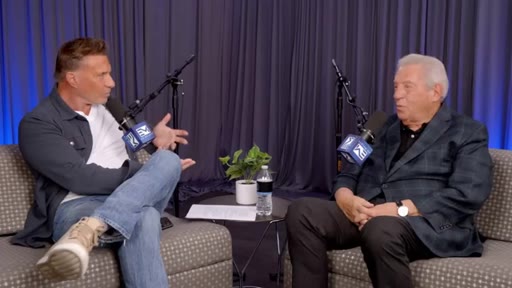
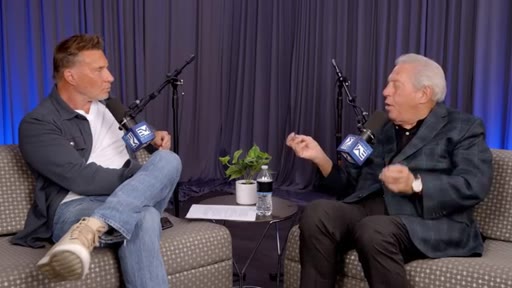
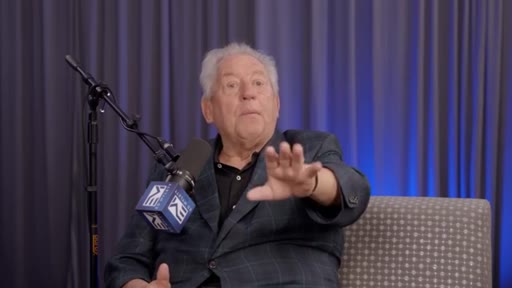
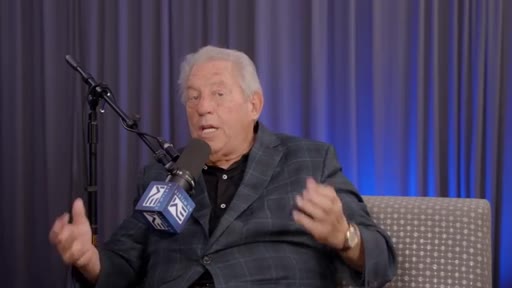
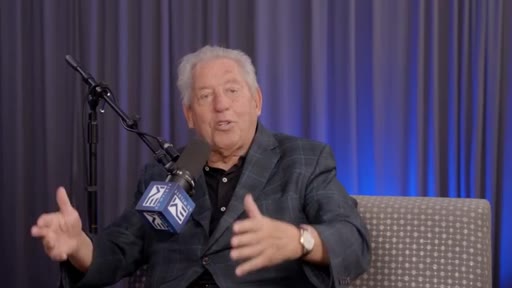
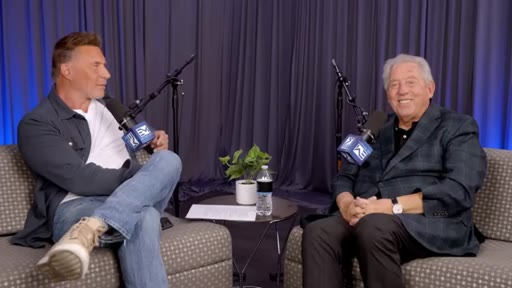
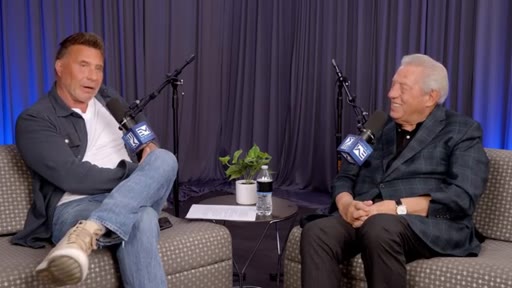
The title makes a promise most people argue with — and that argument is the point. John Maxwell, whose book on leadership has sold as many copies today as it did on release day more than twenty years ago, sits across from Ed Mylett to explain why the objection itself is proof you need this conversation.
Who's talking.
Where the time goes.
01 · Series introduction
Ed introduces the new weekly 21 Laws series, outlines the three-session structure (foundation, influence, legacy), and pitches the free workbook and Q&A format.

02 · Maxwell enters: origin of the book
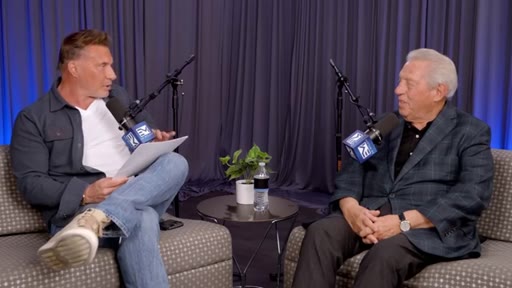
Ed introduces Maxwell, who explains the book was born on a golf course — a publisher mentioned a 'laws of management' book, sparking Maxwell to ask: what makes something a true law?
03 · Building the 21 Laws
Maxwell describes the two-year process of developing the laws — starting with ~60 candidates and whittling down. Criteria: timeless, cross-cultural, gender-neutral, produces positive life change.
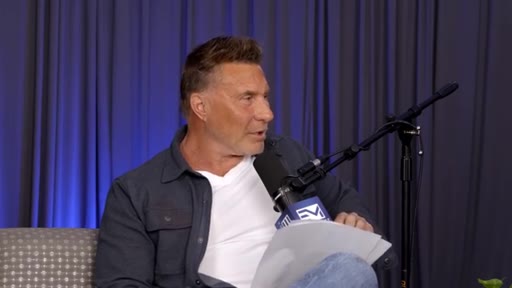
04 · The Law of the Lid
The cornerstone law: your leadership ability is the ceiling on your results. Maxwell explains the 1-10 scale, how a 5/10 leader produces a 4/10 org, and how raising your lid raises everyone around you including who you attract.

05 · Sponsor: Shopify
Ed Mylett mid-roll ad read for Shopify. shopify.com/mylett, $1/month trial.

06 · Redefining leadership as influence
Ed asks Maxwell to address the 'I'm not a leader' objection. Maxwell defines leadership as influence — nothing more, nothing less — and argues that a parent, teammate, or any person who affects others is already leading.
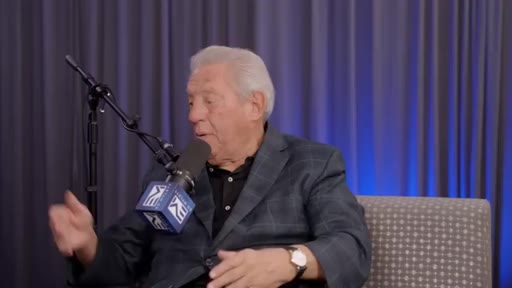
07 · How to develop as a leader
Maxwell's prescription: take one law per week, practice it, act before you fully understand. Law of Process — leaders develop daily, not in a day. At 79, Maxwell still practices daily.
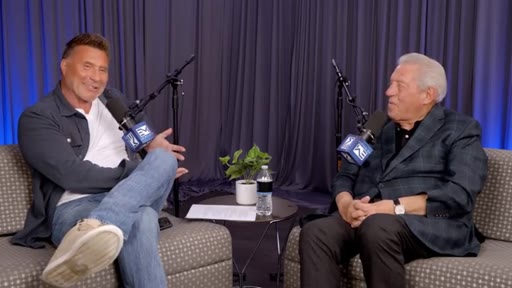
08 · Close and CTA
Ed and Maxwell exchange gratitude; outro card with workbook download and subscribe CTA.
Lines you could clip.
"Leadership is influence — nothing more, nothing less."
"In the history of mankind, no organization has risen higher than the leadership lid of those who lead it. It just does not happen."
"The big mistake people have is they say, as soon as I figure it out, I will do it. And I look at them and say, no — you have to do it to figure it out."
"Start now, start slow, but go."
"We attract who we are, not who we want."
Things they pointed at.
Word for word.
Every person leads — the only question is how well.
Leadership is not a position someone grants you — it is influence you already exercise, and your current level is the ceiling on every result you produce.
- The single most accurate predictor of what you will build is your current leadership level — not your idea, your funding, or your team.
- Raising your leadership ceiling automatically raises the ceiling for every person around you, without requiring them to change.
- You attract people at roughly your own level of development; the talent problem is almost always a self-development problem in disguise.
- Leadership is not positional — anyone who influences another person's decisions is already leading, whether they hold a title or not.
- Action precedes understanding in leadership development: waiting until you feel ready means waiting indefinitely, because clarity comes from doing.
- Leaders grow daily through consistent practice, not through single breakthrough moments — the compounding is slow at first and dramatic over months.
- Increasing your growth capacity through practice means you eventually learn faster and at a higher level with the same amount of daily effort.
- A law differs from a principle by being timeless, cross-cultural, and producing demonstrable positive change — not just being a good idea in context.