
The bait, then the rug-pull.
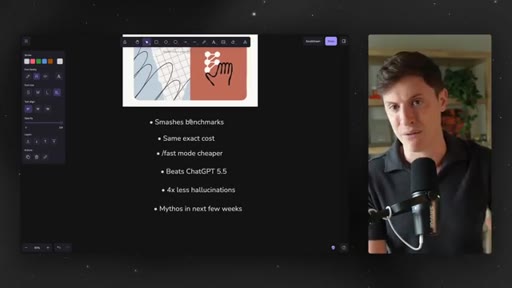
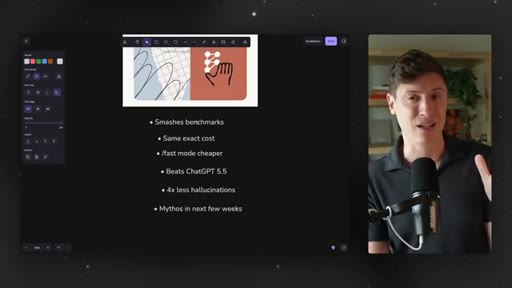
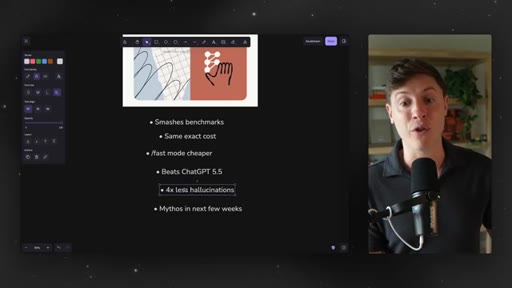
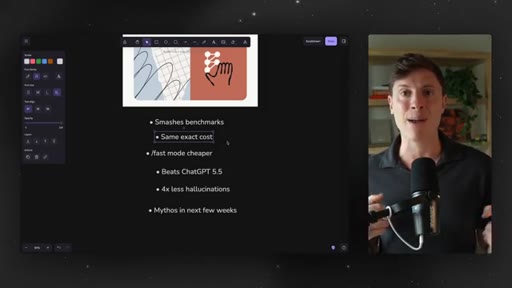
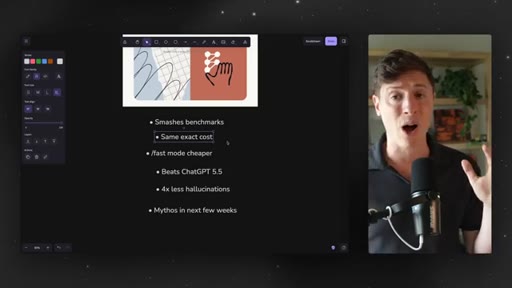
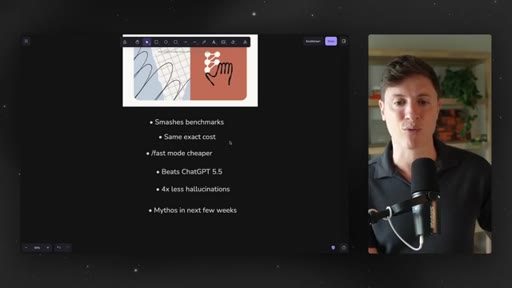
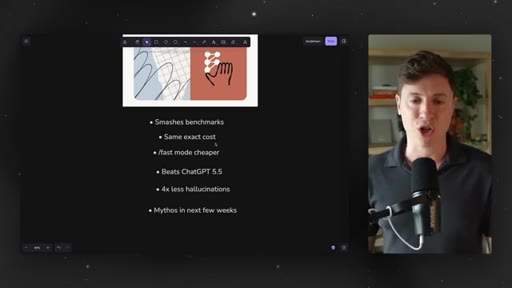
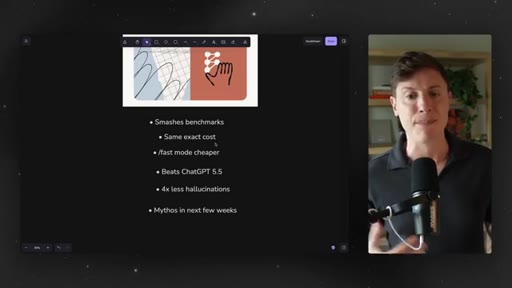
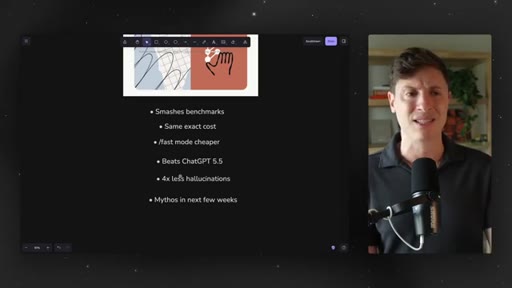
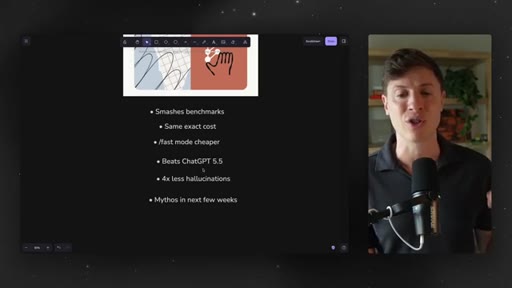
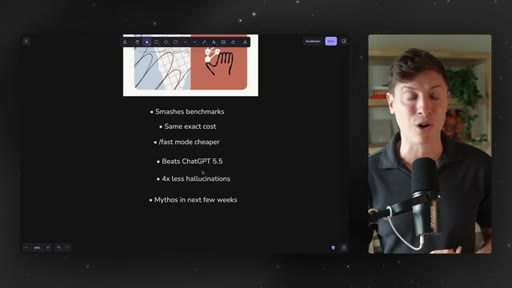
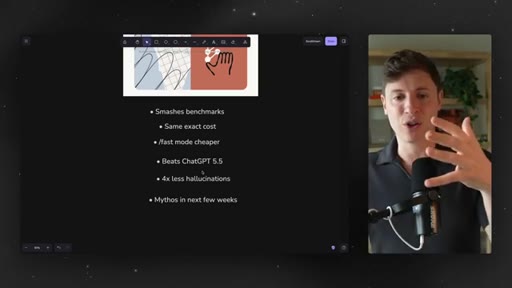
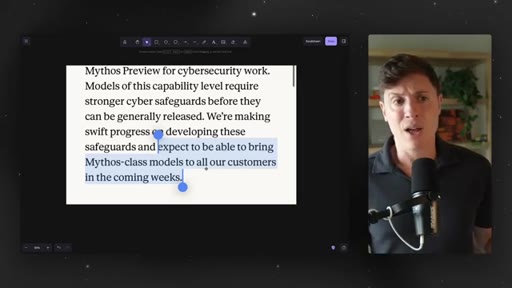
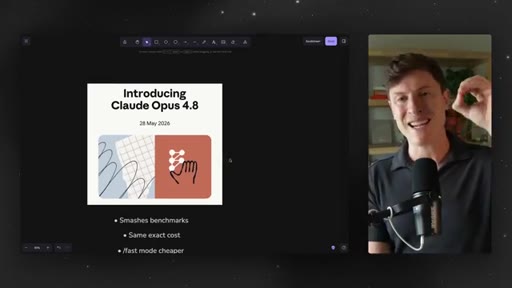
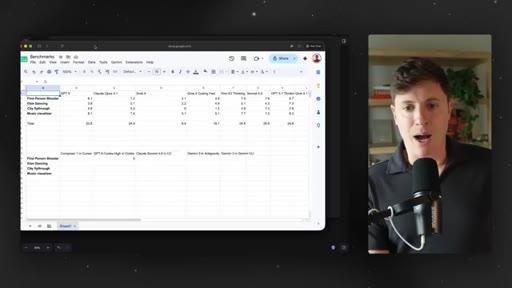
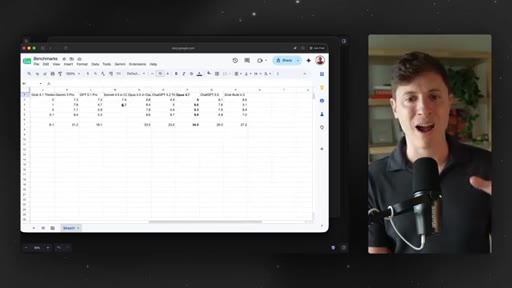
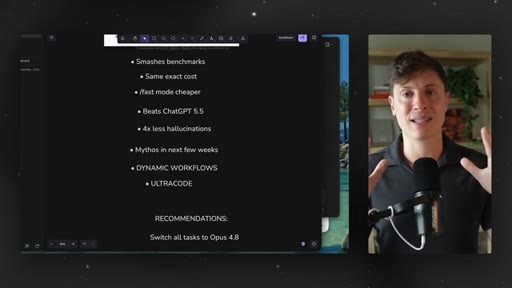
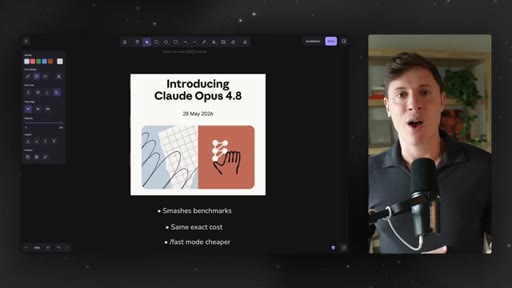
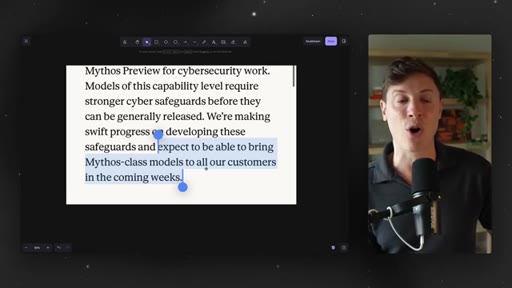
The headline is blunt: every benchmark broken, same price as the model it replaces, and two new features hidden from the announcement post. Alex Finn opens with the claim that Opus 4.8 is not a new model category but a public release of Mythos — the doomsday-coded model Anthropic has been teasing for months — just dialed back slightly.
Where the time goes.
01 · Intro
Hook on benchmark supremacy, promise to cover changes not in the official announcement.
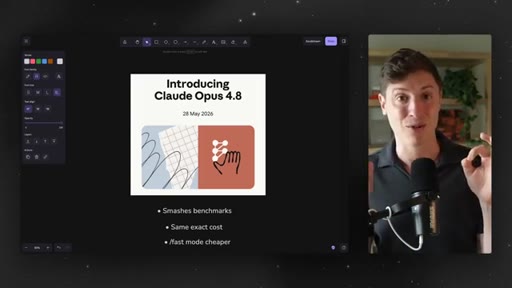
02 · The changes
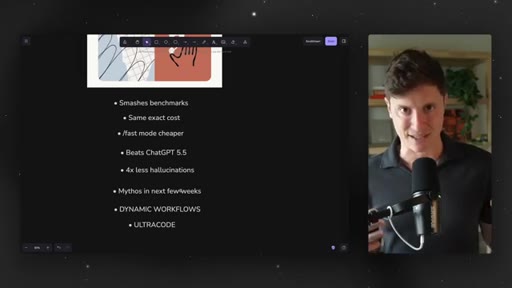
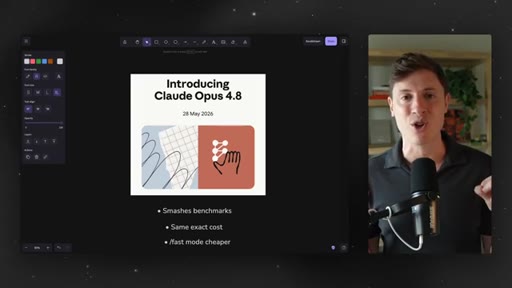
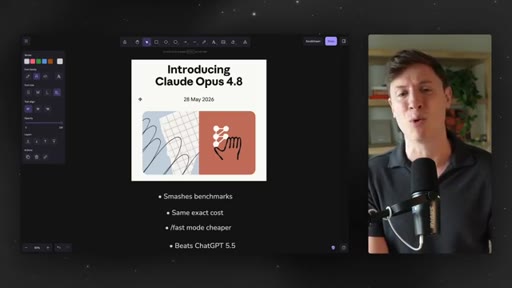
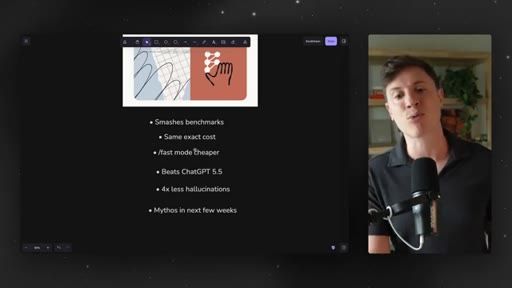
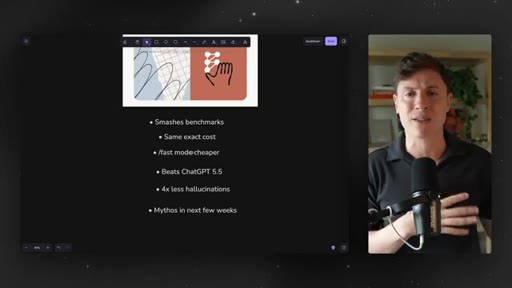
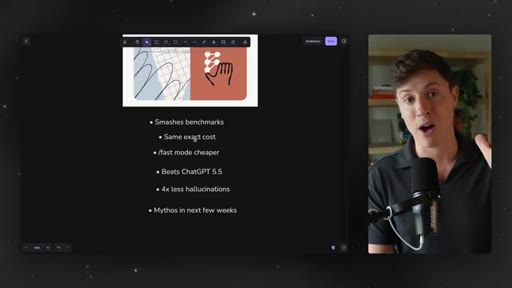
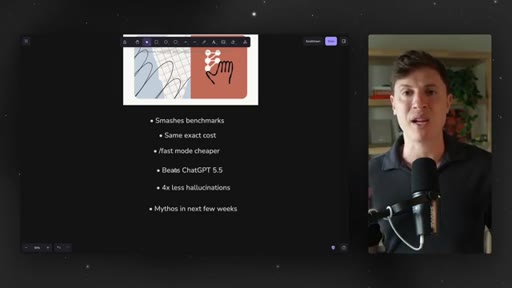
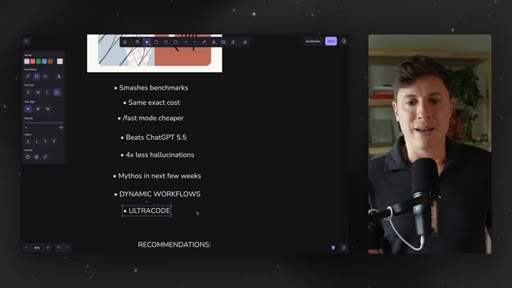
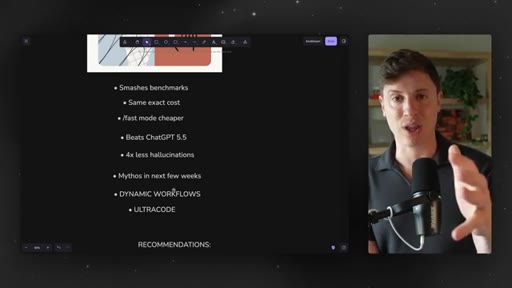
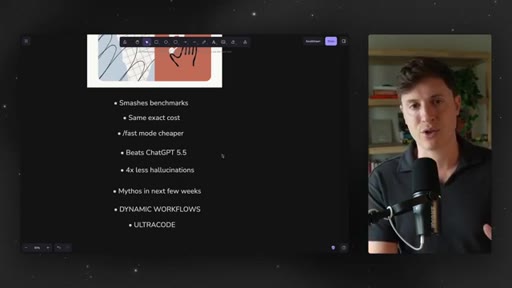
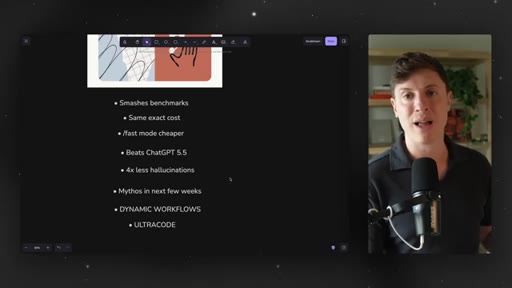
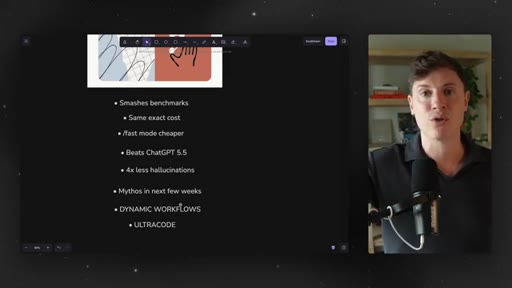
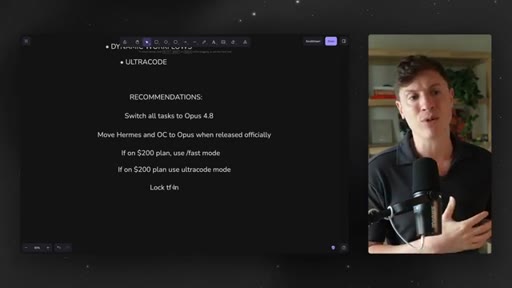
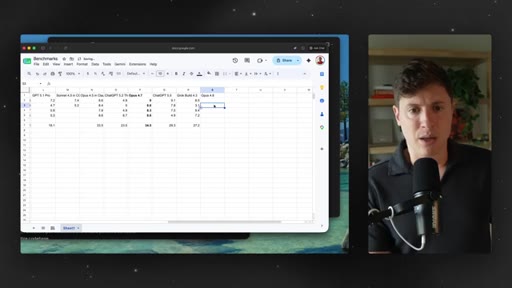
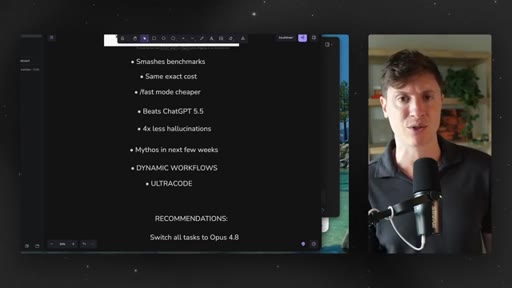
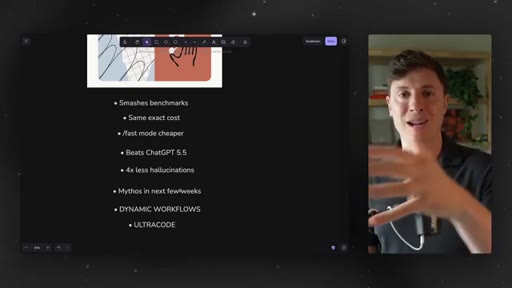
Systematic walkthrough: benchmark leadership, price parity with 4.7, /fast mode repriced from 6x to 2x, 4x hallucination reduction matching Mythos, Dynamic Workflows (parallel sub-agents), and Ultracode mode.
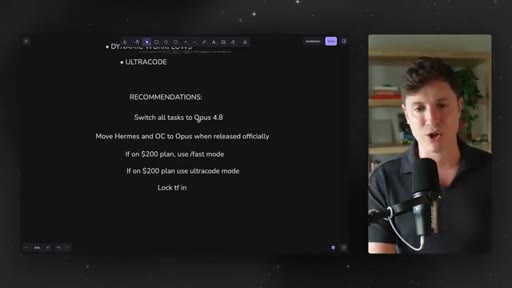
03 · Recommendations
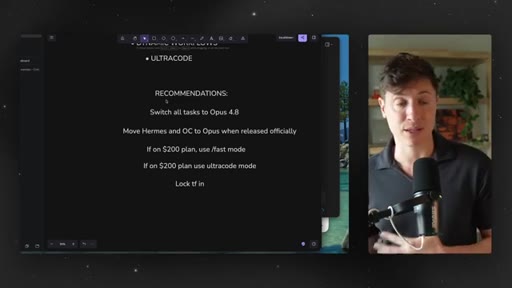
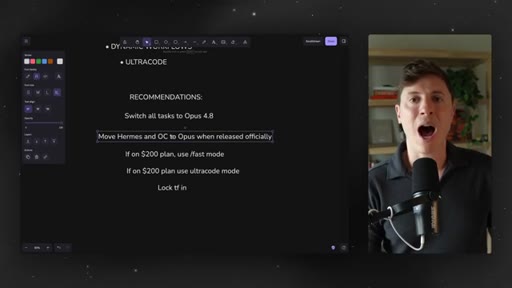
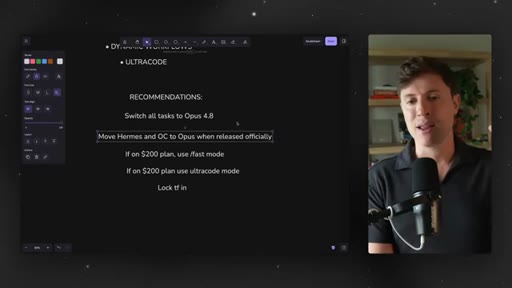
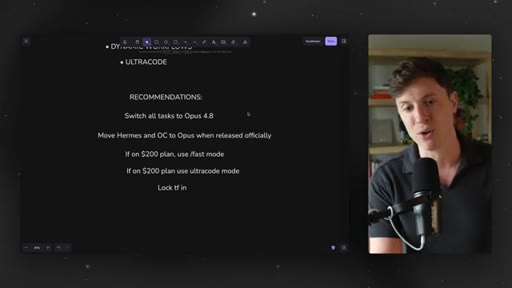
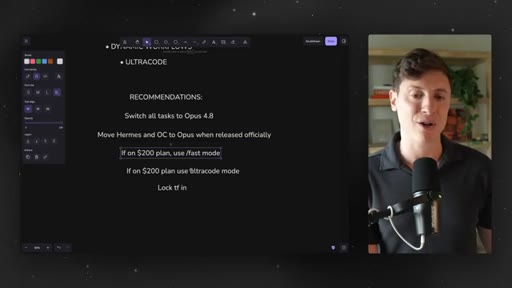
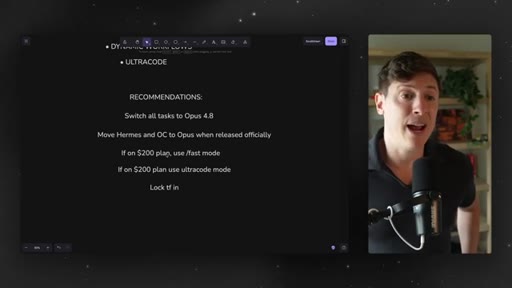
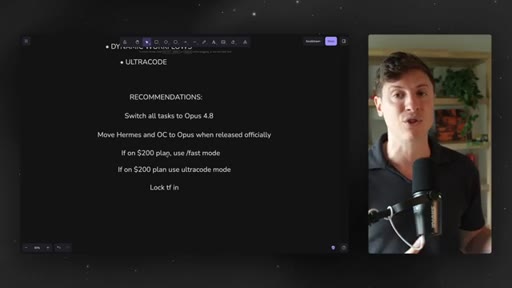
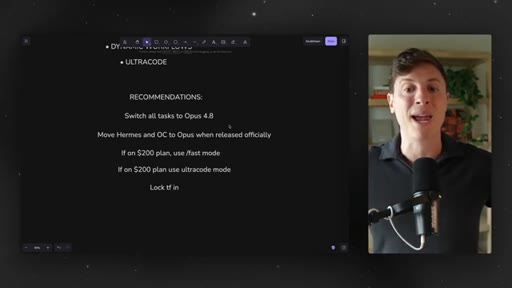
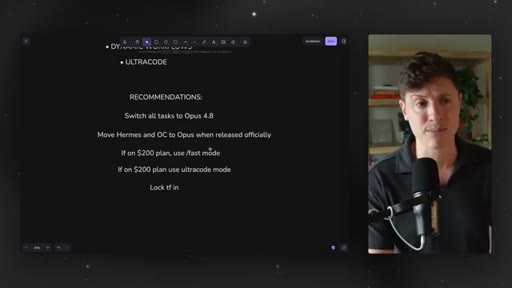
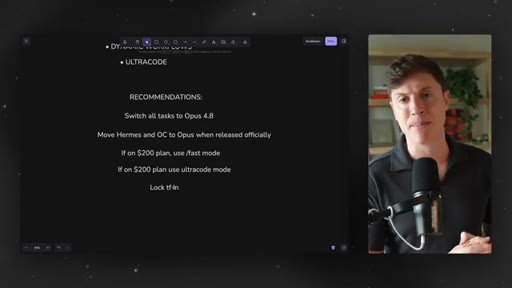
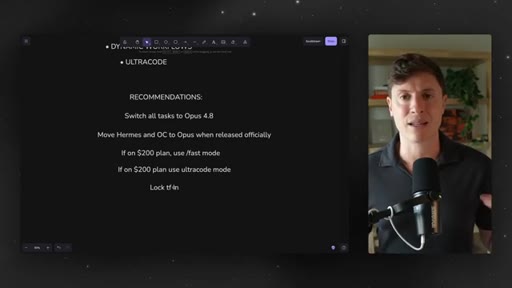
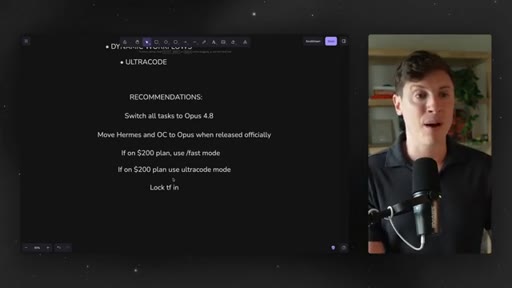
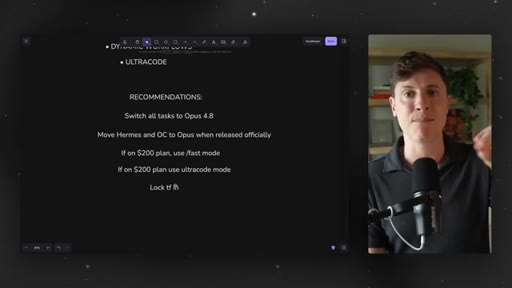
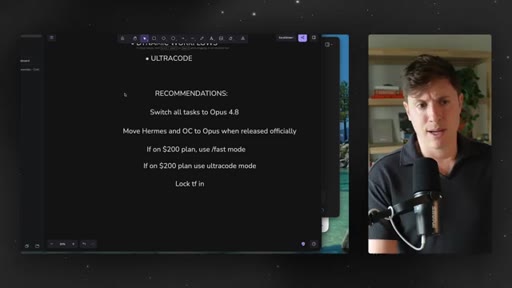
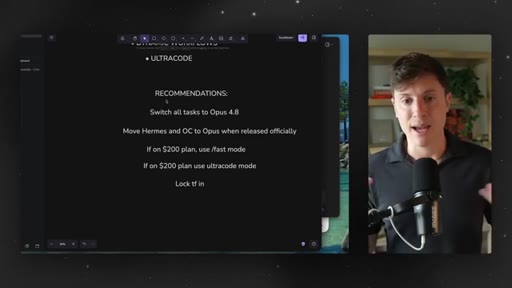
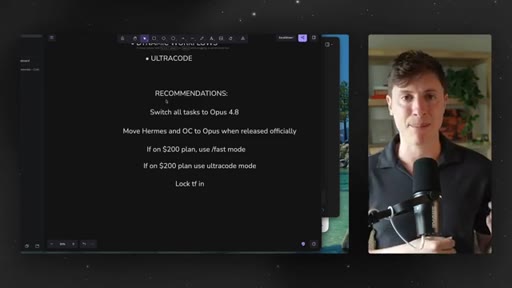
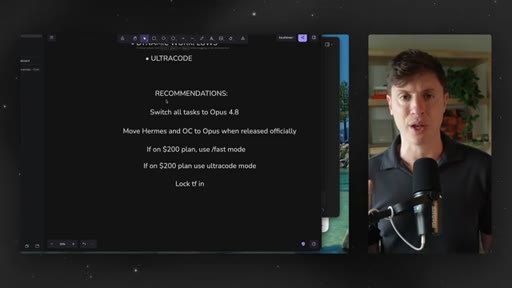
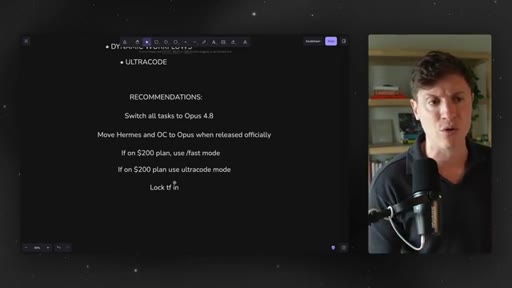
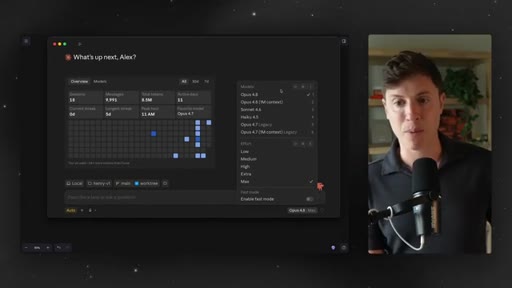
Concrete settings ladder: switch to Opus 4.8 now, use standard context (not 1M), default High effort, hold agent framework upgrades 24 hours for official release, reserve /fast and Ultracode for $200 plan. Closes with a focus and discipline argument.
04 · Product walkthrough
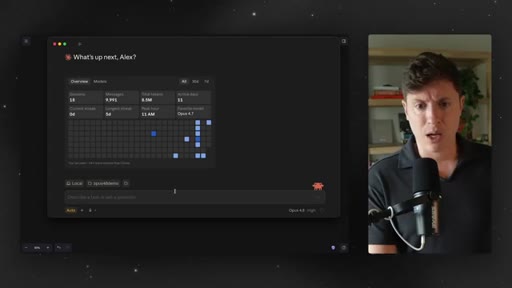
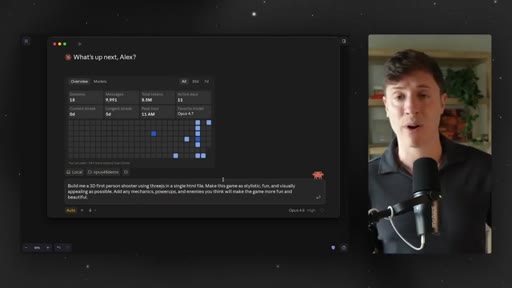
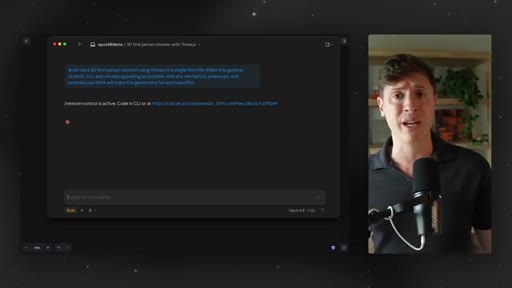
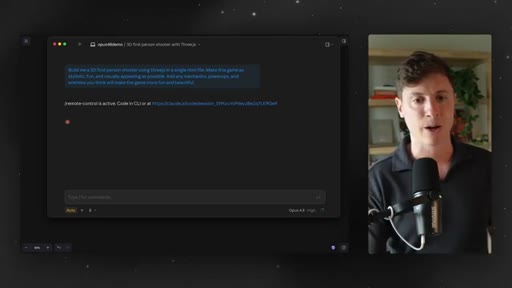
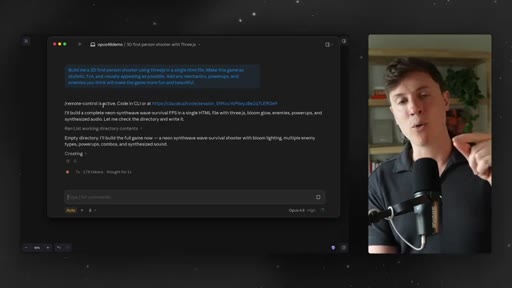
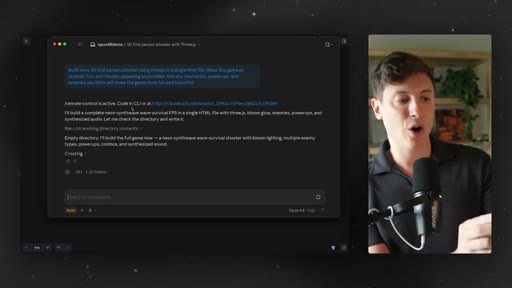
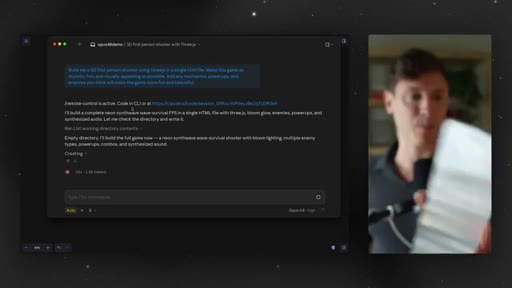
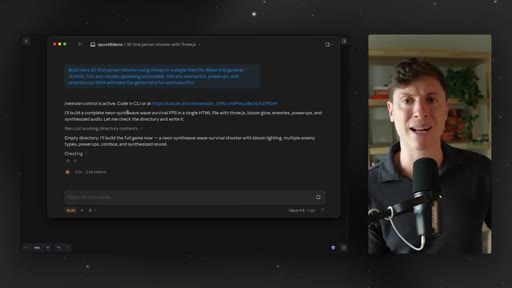
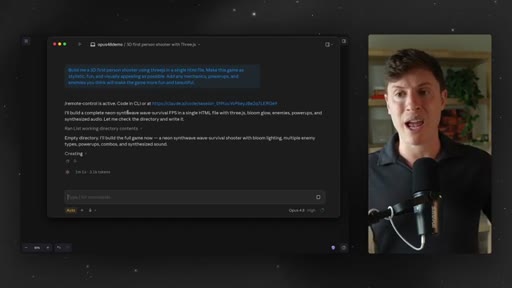
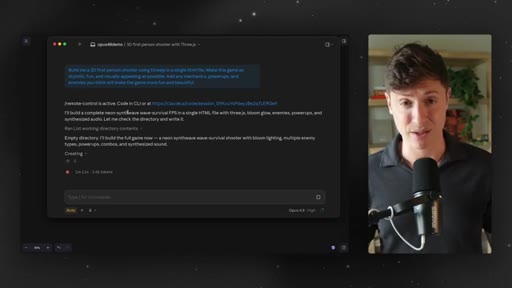
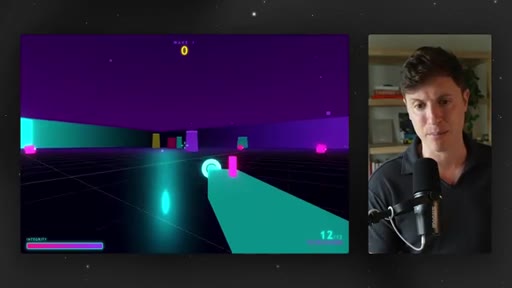
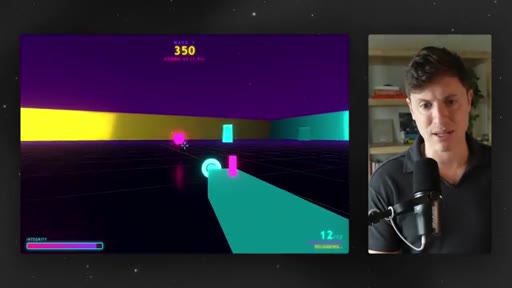
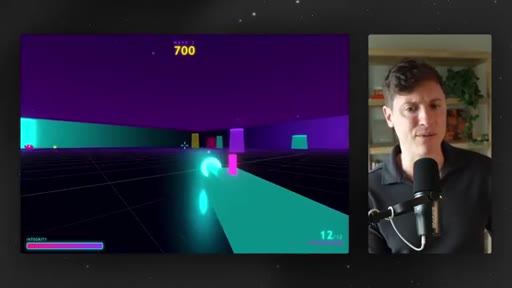
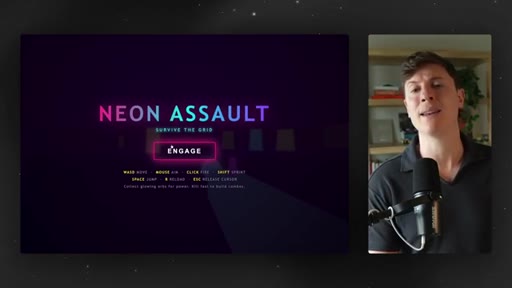
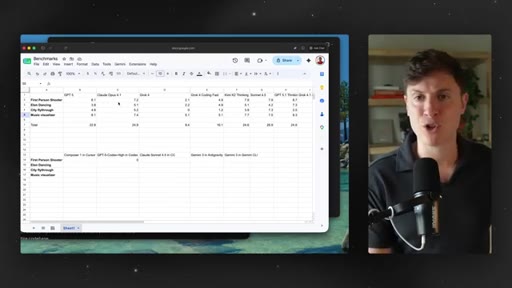
Live Claude Code benchmark: one-shot 3D FPS in Three.js with creative freedom. Output scores 9.1. Bonus tip: remote control setting in Claude Code for mobile monitoring.
Visual structure at a glance.
Named ideas worth stealing.
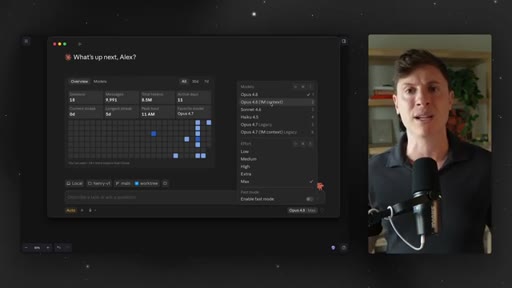
Effort level ladder
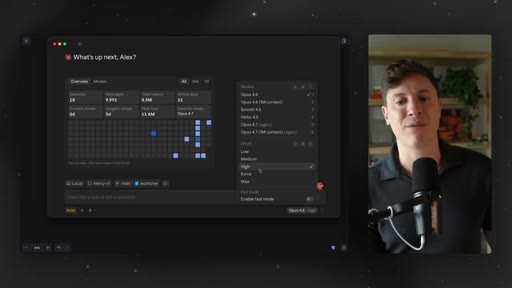
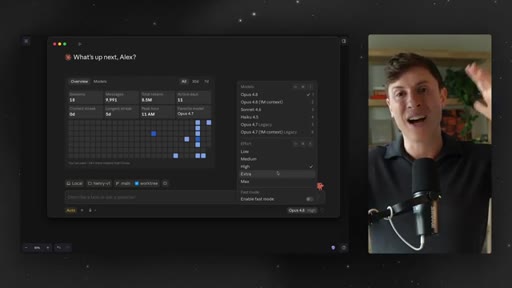
- High (default)
- Extra (complex builds)
- Max (last resort)
Three-tier effort system in Claude Code. High is the recommended default; Extra and Max reserved for genuinely complex multi-file tasks.
Agent framework upgrade timing rule
Wait 24 hours after a model release before updating Hermes or Open Claw configs. Official SDK releases absorb the instability that day-one API changes introduce.
Lines you could clip.
"I actually believe this is Mythos but kinda a little bit weaker."
"Their fast mode was six times more expensive, which is untenable."
"Dynamic Workflows is now Claude Code's ability to tackle months of work in just a day."
"The number one indicator of how successful someone will be in 2026 is their level of focus."
"Your competition probably isn't using the dynamic mode that sends out tens of thousands of sub agents."
Things they pointed at.
How they asked for the click.
"Subscribe if you learned anything so far. Turn on notifications."
Mid-video subscribe ask tied to a bonus tip (remote control setting), framed as an exchange of value. Repeated at outro with a community pitch.
Word for word.
Four settings decisions, one focus rule.
Opus 4.8's gains are real — but whether you capture them comes down to a handful of settings choices and one behavioral discipline.
- Switching to Opus 4.8 is a zero-downside move: same price, higher benchmark ceiling, 4x fewer hallucinations — there is no reason to stay on 4.7.
- The million-token context window degrades output quality as it fills; standard context with disciplined session resets performs more reliably.
- High effort is the correct default; Extra and Max are reserved for genuinely complex multi-file builds, not routine prompts.
- Upgrading agent framework configs before official SDK releases causes crashes — waiting 24 hours for the official rollout prevents most instability.
- /fast mode and Ultracode are practically reserved for the $200/month plan; activating them on lower tiers depletes rate limits faster than they generate value.
- Sending a prompt and doom-scrolling while the model works is the single biggest productivity leak in AI-assisted coding workflows.
- Early adopters of Dynamic Workflows hold a concrete advantage — most competitors are not yet using parallel sub-agent swarms.