
Dr. Izzy Sealey · Youtube · 22:30

How to Train Your Brain to Crave Doing Hard Things

A Cambridge-trained doctor names the modern epidemic of friction starvation and builds the scientific case for choosing hard.

Posted
May 27th 2026
6 days ago
Duration
22:30
Format
Talking Head
educational
Channel
DI
Dr. Izzy Sealey
§ 01 · The Hook

The bait, then the rug-pull.

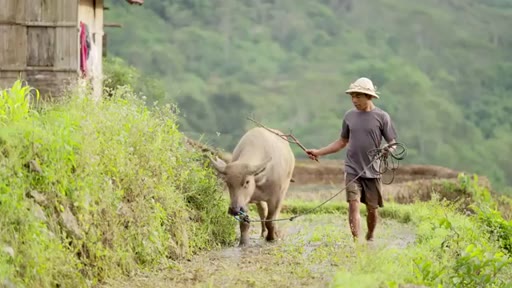
Hunter-gatherers walked 16,000 steps a day. The modern adult walks four times fewer and increasingly outsources thinking to AI. That gap between the friction-rich lives humans evolved for and the frictionless convenience we have built is the premise of a 22-minute argument: restlessness, purposelessness, and burnout are not character flaws. They are a biological mismatch signal.

§ · Chapters

Where the time goes.

00:00 – 01:13

01 · Introduction

Evolutionary contrast hook and personal confession. Names friction starvation. Previews three-part structure.

01:13 – 05:25

02 · Why Our Brains and Bodies Need Challenge

Biological anthropology background. Evolutionary mismatch. Hormesis. Mattson research on neuroplasticity.

05:25 – 08:35

03 · Do Taxi Drivers Really Have Bigger Brains?

Maguire 2000 UCL study on hippocampal volume. Hebb Law. Modern comfort eroding cognitive capacity.
08:35 – 10:59

04 · Rewiring Your Identity

Identity over outcomes and processes as the lasting lever. The 'I am someone built for friction' statement.
10:59 – 12:51

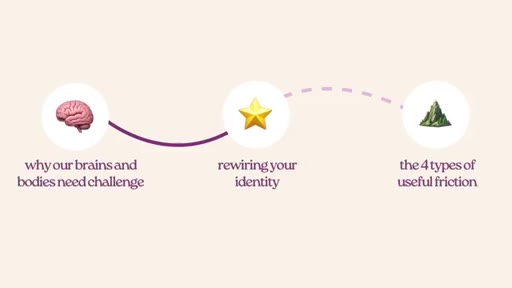
05 · The 4 Types of Useful Friction

Overview of physical, sensory, cognitive, and social friction. Distinguishes useful from useless friction.
12:51 – 14:13

06 · Physical Friction

Stairs, walking sub-1km, sauna, cold exposure, fasting, lifting.

14:13 – 16:54

07 · Sensory Friction

Default mode network needs unstimulated time. Phone-free mornings, silent walks, screen-free meals.
16:54 – 19:28

08 · Cognitive Friction

Write first then refine with AI. Read the source. Pre-prompt with your own answer. Mental math, handwritten notes, 30-min sustained focus.
19:28 – 21:19

09 · Social Friction

Everyone wants a village but no one wants to be a villager. Call instead of text, show up, say the hard thing, initiate.

21:19 – 22:30

10 · Your Next Steps

Two action points: cast one identity vote in the next 12 hours; run one 7-day micro-experiment from any friction category.

§ · Storyboard

Visual structure at a glance.

open
science section
taxi driver study
identity reframe
4 types overview
sponsor
social friction
action steps
§ · Frameworks

Named ideas worth stealing.

00:39 concept

Friction Starvation

Chronic biological under-stimulation from modern convenience removing physical, cognitive, and social demands.

Steal for Framing any conversation about why comfort backfires
10:59 list

The 4 Types of Useful Friction

  1. Physical
  2. Sensory
  3. Cognitive
  4. Social

Four domains for intentionally adding challenge to counteract friction starvation.

Steal for Designing a high-performance routine or combating modern malaise
09:18 model

Outcome / Process / Identity Hierarchy

Identity-level change outlasts outcome or process goals because it removes the need for repeated willpower.

Steal for Habit formation content, coaching frameworks
03:47 concept

Hormesis

Small repeated doses of stress make a biological system stronger. Applied to muscles, neurons, cardiovascular health.

Steal for Any argument for voluntary discomfort: cold exposure, fasting, intense exercise
§ · Quotables

Lines you could clip.

00:39
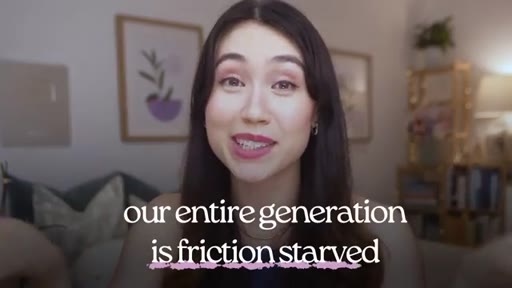
"Our entire generation is basically friction starved."
No context needed, lands as a cold open or standalone claim. → TikTok hook
10:19
"I am someone built for friction and doing hard things."
Identity reframe in one sentence, cuts without any setup. → IG reel cold open
19:28
"Everyone wants a village, but no one wants to be a villager."
Maxim structure, instantly quotable, no video context required. → newsletter pull-quote
08:29
"Our brains can be very, very chill and do very little to survive. The ultimate result is that both our physical and mental faculties are downgrading."
Punchy cause-and-effect. → TikTok hook
§ · Resources Mentioned

Things they pointed at.

§ · CTA Breakdown

How they asked for the click.

21:19 next-video
"I think you will like this video over here, which is my video on digital anhedonia, which is the sister concept to friction starvation."

Clean end-card with companion video callout. Two concrete action steps serve as the primary behavioral CTA before the channel subscribe ask.

§ 04 · The Script

Word for word.

HOOK opening / re-engagementCTA the pitch analogy story
00:00HOOKOur hunter gatherer ancestors walked around 16,000 steps a day, hunted their own food, and built things with their bare hands. Then you have the average modern adult who walks four times less, sits for nearly ten hours a day, and increasingly outsource outsource our thinking to AI.
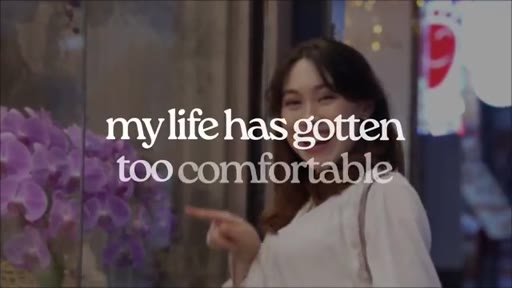
00:14HOOKSo I have a slightly embarrassing confession to make. My life has gotten too comfortable, and I'm not enjoying it. A lot of us are feeling anxious or restless, dissatisfied, feeling purposeless, or burned out, or even just feeling kind of flat.
00:25HOOKAnd it seems like the more comfort that we add in, the worse it gets. Because we were actually never built for frictionless lives like this. And so it's no wonder that we're finding it hard to do hard things because we're just not used to it anymore.
00:37HOOKAnd my whole take on this is that our entire generation is basically friction stuff. If you're new here, I'm Izzy. I'm a mom, tech cofounder, and Cambridge trained doctor.
00:44HOOKAnd on this channel, we explore the strategies and mindsets to help you create a life that you love. So in this video, we'll walk through understanding the science behind why our bodies and brains need challenge to grow. The identity shift that gets your brain to actually crave hard work, and four specific kinds of friction that are actually worth engineering back into your life so you can do the very things that you were built for.
01:03HOOKAlso, quick thing as a companion to this video, I've made a completely free friction audit guide, and you can find that down below in the description. So without further ado, let's dive in. So firstly, the science.
01:15You might think you're lazy, but according to evolutionary biology, that's pretty much the furthest thing from the truth. We were literally built to do hard things, and here's the science behind it. During my time at Cambridge, I spent one year studying biological anthropology, essentially studying human biology and evolution
01:29over hundreds of thousands or millions of years. And for almost all of human history, our ancestors lived in environments where being physically and cognitively challenged was the only way to stay alive. Movement, effort, problem solving, navigation,
01:42memory, building relationships, skills, these were all structural features of being alive and surviving.
01:48They weren't optional add ons. And so for the last two hundred thousand years of human existence, no one ever intentionally exercised because they didn't need to.
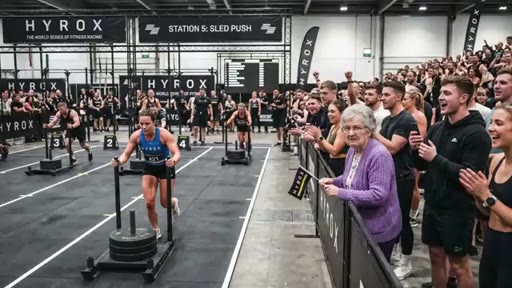
01:56Life naturally supplied the friction and the exercise that they needed. And genuinely, both you and my ancestors would probably scoff at a high rocks. Even just a few generations ago, so for example, my grandma's generation in China, they find it confusing as to why people actively pay money to a personal trainer to be made to exercise.
02:14Because for many of them, movement and farming and lifting things and carrying things was just a natural part of daily life. Obviously, in younger generations, exercise and working out is emerging as more of a status symbol and a health forward symbol in modern China and younger people in China.
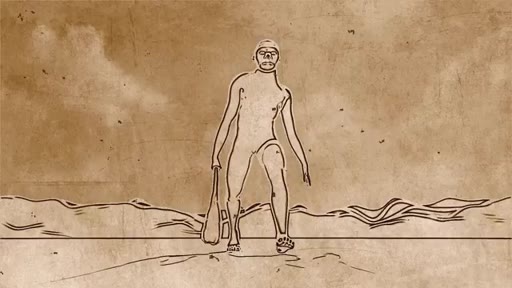
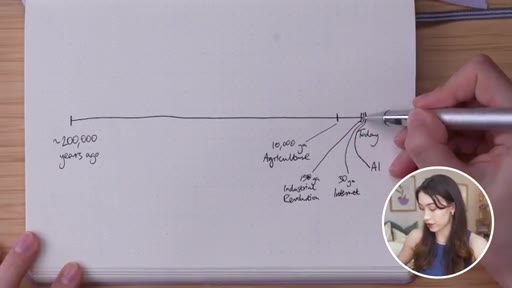
02:28And so this is a timeline just from two hundred thousand years ago, which is when anatomically modern humans were thought to be around. Essentially, humans pretty much like you and I today evolved and were roaming around and living their lives. For the vast majority of the time, they lived as hunter gatherers, living in small tribes and villages, hunting and gathering, sometimes doing a little bit of gardening, that kind thing.
02:47Only about ten thousand years ago did organized agriculture become a thing, allowing bigger cities of people to coalesce and start building stuff together. Then just one hundred and fifty years ago, we had the industrial revolution. Thirty years ago, we invented the Internet.
03:01And then just in the last couple of years, AI has really been taking off. And so you can see how for the vast majority of our evolutionary history, we didn't have things like the Internet, technology,
03:11industry, AI. All of these kinds of things were not available to us. And so our bodies and brains didn't evolve to be optimal under these conditions.
03:18All of the engineering away of the environment and the frictions that we were used to happened in a very, very tiny sliver of time in the last hundred years or so. Anthropologists studying modern hunter gatherer communities like the Hadza in Tanzania, whose lifestyle broadly resembles how we think our ancestors probably lived, did studies measuring their daily activity.
03:37On average, the Hadza take about 16,000 steps a day versus the modern adult takes around 4,000 to 5,000 steps a day. And there's a name for this. It's called evolutionary
03:47mismatch, where the environment and lifestyle that we evolved for no longer matches the reality that we're actually in. In biology and medical science, hormesis is a word that describes how small repeated doses of stress can actually make a biological system stronger over time.
04:01And this is exactly the principle that underlies exactly why this loss of friction is causing us to feel more unbalanced than ever. An example of hormesis is when you lift heavy weights, you actually cause micro tears and micro damage to your muscles, which in the short term technically makes them weaker. Because over the course of a weight lifting session, you can actually lift less and less weight because your muscles start to accrue a little bit of damage.
04:23But then ultimately, this stimulus of some stress and damage and weakening actually triggers your muscles to rebuild even stronger. Doctor Mark Matson, who used to be the chief of the laboratory of neurosciences at the National Institute on Aging, has spent decades researching exactly this, showing how hormetic stressors trigger those adaptive responses that keep your cells healthy and can even prevent or slow down things like memory loss, neurodegeneration,
04:46and metabolic diseases. Ultimately, our bodies don't just tolerate effort. They actually need it to function the way that they were designed to, and the same principle applies to our brains.
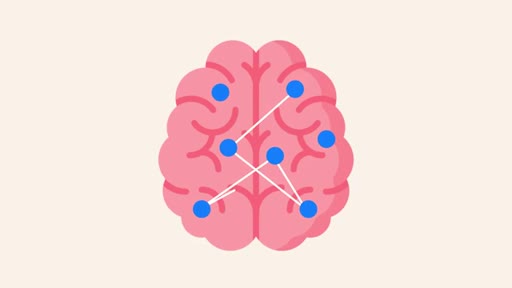
04:55And the core principle that brains grow under challenge is actually one of the most established findings in modern neuroscience. It's something called neuroplasticity. Neuroplasticity can be defined as the brain's ability to physically reorganize itself in response to use, forming new connections, strengthening existing ones, and even growing new tissue and regions that are being challenged.
05:14And critically for neuroplasticity, meaningful change requires meaningful challenge because the brain only puts in the effort to rewire itself in a significant way when the work is actually hard enough that the existing pathways can't quite handle it. And here's one of my favorite examples of neuroplasticity
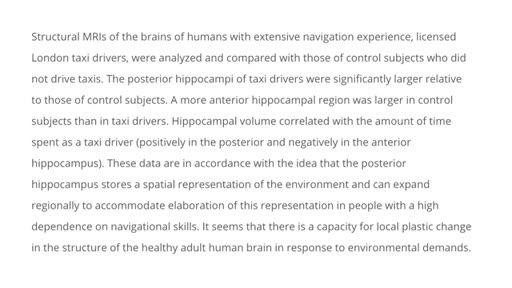
05:28in real life. In 2000, a neuroscientist at UCL called Eleanor Maguire and her team published a really cool study. They recruited a cohort of London taxi drivers.
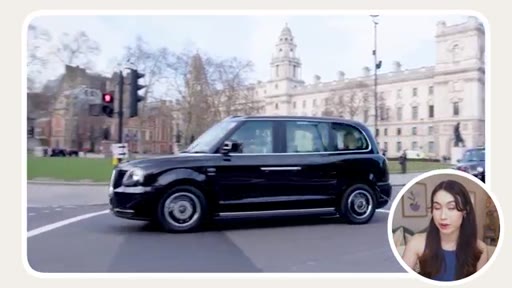
05:37And a bit of fun context if you don't know, to get a license to drive a black cab in London, you have to pass this mega test called the knowledge. To pass the knowledge, you need to memorize about 25,000 streets and thousands of landmarks across the entire city.
05:51And it actually takes most drivers three or four years of studying and taking the test to actually pass it. And what they found in this study was the part of the taxi driver's brains that handles spatial memory called the posterior hippocampus was actually measurably bigger in volume compared to non cabbies. And the longer that they had been driving, the bigger this region of their brain actually was.
06:09And, essentially, what they found was the cognitive work of constantly memorizing, recalling, and using this knowledge of all the streets was literally physically growing this part of their brains. And as well as growing the volume, this active recall strengthens connections between neurons, which links to the principle of Hebbian plasticity, which we used to study back in medical school.
06:25Back in 1949, a psychologist called Donald Hebb came up with what's known as Hebb's law, which is that neurons that fire together wire together. So our brains are actually not fixed even as an adult.
06:36They constantly change, reform, reshape, create new connections, prune old ones in response to the cognitive stimuli that we get in our day to day lives. And so it's kind of a bit like training a muscle where the more reps reps of cognitive work that you give your brain, the stronger, more efficient, higher performance you actually get from it.
06:51But then coming back to this comfort crisis, modern life has actually engineered most of that cognitive tension out. Maps navigate for us, search engines remember things for us, AI now even just thinks for us and tells us what we should do and think. And so our brains can actually be very, very chill and do very little to survive.
07:08The ultimate result of this is that if we go with the flow and lean into what's comfortable, both our physical and mental faculties are downgrading at the same time. Not because we're broken, but because we're adaptable, and we're learning to adapt to a world that we actually were never designed for. And so this is the concept I think we need to talk about more, which is friction starvation.
07:26I think that the phenomenon of actually actively removing friction from our modern life deserves actually a name because nothing in mainstream culture has actually given it one yet, so this is just a name that I've come up with. And this is how I'd explain it. Because our brains and bodies no longer receive the effort signals that we evolved to expect, we paradoxically feel worse as we layer on more and more comforts.
07:46HOOKIn his book, The Comfort Crisis, Michael Easter described something quite similar. And here's something I've noticed over the last couple years on social media. And especially if you're in your late twenties or early thirties like I am, you might notice that when you open Instagram or social media, you notice loads of people doing high rockers, people doing London marathons,
08:02HOOKpeople talking about their cold plunges, dry January, 75 hard, ultra weekends, and Lake District. And interestingly, several years ago, nobody really talks about any of this outside of specific niches. But now people really enjoy sharing about the versions of hard that they have voluntarily signed up for.
08:17HOOKAnd I think some of this isn't just to do with fitness. It's also to do with us wanting to find something to really challenge ourselves again. It's this yearning that people are feeling to almost counteract to this comfort crisis that we find ourselves in.
08:28HOOKBy pushing ourselves to do something hard, we actually feel great. Our body releases endorphins and feel good neurochemicals in response to a hard stressor that we expose ourselves to. And so once we understand frictional salvation and the science behind it, we can start to address it and fix it.
08:42But this only works if we're trying to fix it at the level that the problem is actually operating at. And this is something I actually learned the hard way this year, and it's that just changing behavior doesn't really reach the root. The level we need to work on is actually identity.
08:54Because when we don't choose to do hard things and we choose to take the easy way, it isn't because we're lazy or lack willpower and should judge ourselves negatively for this. Because the honest truth is that your body is just doing exactly what evolution designed it to do, which is to be energy efficient. For nearly all of human history, food was scarce and effort was costly.
09:11So the brains and bodies that survived were those that took the easiest path which was most efficient. And so what we sometimes call laziness and view in a negative light is actually one of the most ancient and well developed survival instincts that we actually have. The problem is we've now engineered the world to be so frictionless and so easy that the same energy saving instinct is starting to work against us.
09:31And we often try to push through this energy efficiency with sheer willpower. But honestly, this usually breaks down quite easily, and it's the reason why 80% of New Year's resolutions actually die off by February. And the gym is kind of half empty by March.
09:43So this isn't a personal failing. It's actually a strategy problem. Here's an example.
09:47We can try to change our lives on, let's say, three different levels. We can try to change the outcome. So we tell ourselves, I want to lose 10 pounds.
09:54We can try to change our processes. For example, I'm going to run four times a week, or we can change our identity, which would go something like, I am someone who runs regularly. It's so easy, and I used to do this as well, to start at either outcome or process based change.
10:06But that's why it doesn't really last because the identity underneath it all never shifted. And what I found worked was to stop asking, what should I do? And instead ask, who am I becoming?
10:16From this place, all of the other outcomes and behaviors flow naturally. And so here's an identity shift to counteract friction and starvation, which I really like. I am someone built for friction and doing hard things.
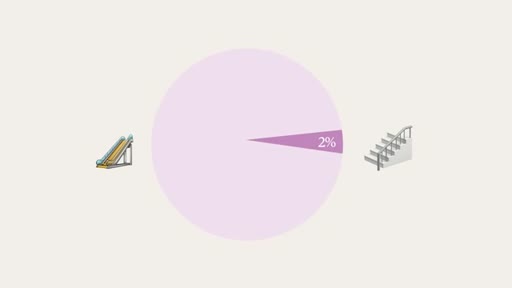
10:27Here's one potential action point. Look at the next twelve hours of your day and pick one moment where you can actually choose between things being easier or harder. For example, for me, every single day, I'm faced with the choice between taking the stairs or taking the escalator.
10:40And in Michael Easter's book, The Comfort Crisis, he talks about only 2% of people would actually take the stairs rather than taking the easier option of the escalator. And once we have that identity of being someone who chooses and embraces challenge, the actual behaviors and practices stop feeling like things we need to discipline ourselves into.
10:55They start to feel like just natural expressions of who you actually are. And so let's get into the four types of friction that are actually really worthwhile to add back into your life. Now, is the part of the video where the theory stops and the exciting action points begin.
11:08Before we dive in, I want to reiterate that not all friction in life is equal. Some friction is worth keeping, like the kind that makes you sharper, more resilient, healthier, but the other type, it's just tax, honestly, like with email admin. Now not many people know this, but when I'm not creating content, I'm in CEO mode running the company that my husband and I started called Sparkle Studios, which is the umbrella for our courses like the Lifestyle Business Academy, our personal brands, and also our software ventures.
11:31Ventures. All of that funnels through one inbox for me, which has turned into a daily mountain of mostly menial admin. And climbing this mountain every morning really isn't where my time should be going, which is why I want to tell you about Superhuman who are very kindly sponsoring this video.
11:44Their email tool, Superhuman Male, is part of the Superhuman productivity suite, and the whole system's been built with long term productivity in mind. Superhuman Male's AI handles the mundane admin so that I can stay focused on actual needle moving work that needs my human judgment. There are two especially high leverage features.
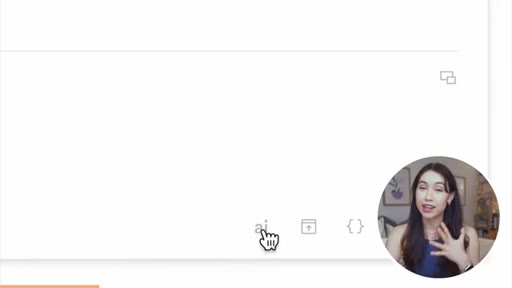
12:01CTAThe first is ask AI. Half of the time that I open a thread, I'm not actually replying. Instead, I'm actually just hunting for the tiniest details that someone's already sent before.
12:09CTAWith ask AI, I just type a question and the answer comes back in seconds. So now I don't have to troll through super long email threads anymore. The second feature is auto drafts.
12:18CTAAuto drafts essentially helps me get unstuck on emails, which gives my brain the breathing room it needs to work through the hard stuff for my content and the business. So this might be a sign to stop chasing the next quick AI hack for emails and start actually using a system that makes email feel less overwhelming. You can sign up and get one month free of superhuman mail with my link description down below.
12:36CTANow let's get back into the video. We'll be strategically engineering positive friction into our lives in four key areas, physical, sensory, cognitive, and social. And the point isn't to do all of these at once and have it to completely revamp everything you're doing.
12:47CTAIt's actually just to simply find one or two ideas from each of these categories that you can maybe experiment with over the next few weeks. The first category is physical friction. This means things like movement, exercise, effort, temperature, hunger, manual work, all of the demands that our bodies evolved to actually expect.
13:02And as we learned about in the theory section, the body gets stronger by being asked to handle small repeated doses of discomfort, aka hormesis. Here are some specific practices that you could experiment with. The first one is something that I've been doing myself, which is taking the stairs instead of taking the lift or the escalator.
13:17This is a simple choice that might be presented to you maybe on your commute or whenever you're going out somewhere, but every single time that you make this choice, it actually does compound. Another similar switch is to walk instead of taking a car or taxi for anything that's under a kilometer. Then in terms of temperature, we have one of my absolute favorites, which is sauna.
13:33I go almost every day, and actually regular sauna use has been shown in studies to actually boost your cardiovascular health and trigger the release of something called heat shock proteins in your body, which actually really protective and have a lot of health benefits. On the other end of the spectrum is cold exposure. So maybe end your shower with thirty seconds of cold.
13:49This also includes ice baths or stepping outside in winter without a coat for a few minutes. Another option is fasting, also sometimes called time restricted feeding. During COVID lockdowns, I actually got very much into intermittent fasting, and I found it actually really boosted my energy and my mental clarity.
14:02And the next thing is to lift something heavy a few times a week. It doesn't actually have to be in a gym. I mean, you could do that if you want.
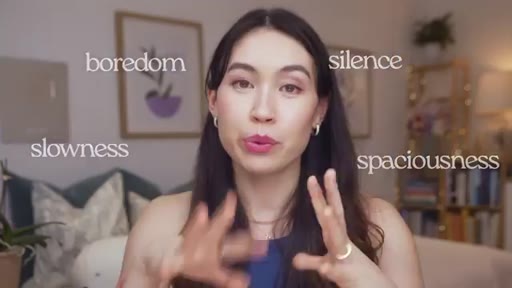
14:08It could also be body weight, kettlebells, household objects, even just carrying your groceries up the stairs rather than chucking them in the lift. The second category is about adding sensory friction. So this is all about adding in boredom, silence, slowness, spaciousness,
14:20which are these spacious sensory experiences that often modern life can root around with constant simulation. This matters because our brain needs this unstimulated time to consolidate, integrate, and settle.
14:32And there's actually science behind this. The default mode network is a specific brain network that only switches on when you're not focused on a task. So it activates during things like daydreaming, mind wandering, walking without listening to a podcast or music, or just staring out of the window.
14:46And you might notice that during these activities, find your mind just naturally wandering. This is exactly what the default mode network does. And the benefit of allowing it to run is it actually consolidates memories, processes emotions,
14:57and generates creative insight by connecting different parts of your life and thoughts that are going on. And so when you're doing nothing, your brain isn't actually doing nothing. It's doing some of its most important work.
15:08And the problem that the modern world presents is that there is constant input. There is scrolling, social media, podcasts, music, notifications, back to back content. This means that our default mode network barely gets the chance to switch on and run because we're stuck in passive consumption mode all day.
15:23So here are some specific practices to give your default mode network the space it needs to really breathe. The first one is to simply sit still for five minutes without your phone. You could call this a meditation.
15:33It's deliberately understimulating. And just notice the urge to reach for your phone, but then just come back to the present moment and let your mind do what it needs to do. Another idea is to eat at least one of your meals per day without a screen.
15:43So just the food, the chewing, the mindfulness of the conversation if you're with somebody. Another practice is to drive or walk without any podcasts or audiobooks or music or anything going on. Just let your mind wander in silence because this is where original thinking actually happens.
15:58Another practice is if you have a little bit of dead time in your day such as maybe going up in a lift or waiting in a queue or even going to the toilet, Try to not take your phone or not pull out your phone. Just stay present with whatever experience you're having. Here's another one that's made a big difference to me, which is not reaching for your phone for at least the first twenty to thirty minutes of the day.
16:16After you've just woken up, your brain is in what's called data state, and your nervous system is slowly coming online. And so if you immediately flood your brain with all of this hyper stimulating content on your phone, that's like a very abrupt start to your day. And actually, when you're in between sleep and wake, your brain is very open to suggestion and taking on new ideas and inspiration.
16:36As you want to protect that time for actually you starting up your day in an intentional and balanced way. And finally, maybe try one screen free evening a week.
16:45So no TV, no phone, no second screen. Instead, try activities like reading, talking, cooking, going to bed early, giving yourself that spacious mindful time. The third category is cognitive friction, and this is about deliberately challenging your brain.
16:58And this matters because neuroplasticity works in both directions. You either use your brain or you kind of lose it.
17:04And especially with AI coming onto the scene, it's getting easier and easier to remove cognitive friction from our lives. So here are some specific practices with AI related ones first because this is the current new battle. The first practice is to write and do your own thinking first and only then refine with AI.
17:21One way that I like to do this is with an app that actually we built out called VoicePal, which you install on your phone in the App Store and you hit record and just start speaking out any thoughts you're having to get to a first draft. And only then can you bring in AI to either ask follow-up questions or sharpen and edit what you've written.
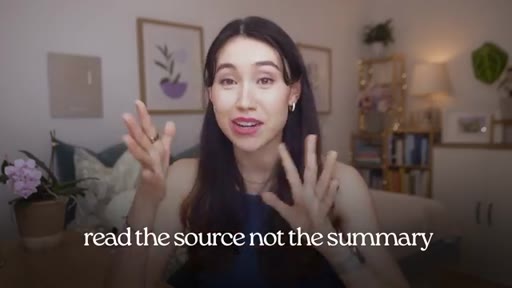
17:36The next practice is to actually read the source and not just the AI summary. Because I found that summaries are okay for orientation, but for decisions and creation, the raw original material is actually so much more powerful.
17:47You can even try this out for yourself. If you ask AI to summarize a book that you recently read, you'll just notice that the AI summary, yes, it hits all the main points, but the way that the author wrote it in the original context actually hits different. The next practice is before you ask AI a question, maybe have a think or write down what you think the answer is or what you think the AI would say, and only then actually compare the two.
18:07The simple act of actively trying engages your brain and works those synapses. The next one is something that I've personally been battling with, which is doing mental math in my own head instead of immediately using a phone calculator. I've realized that at school, was amazing at mental math.
18:22I was so quick. I was just like that that that. But now simple addition, multiplication
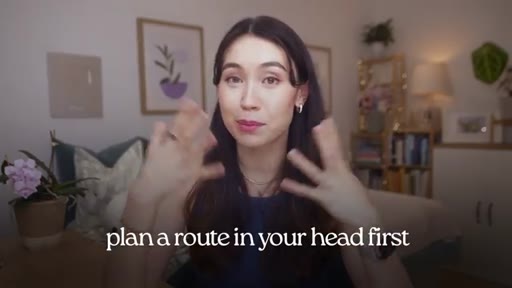
18:26is starting to slow down, and I actually notice it. And so then just doing the math in your head first before double checking it with the calculator if you're really not sure about your own abilities. Another practice is to plan a route in your head before you actually open Google Maps to map it out.
18:41This is particularly relevant if you're actually already familiar with the place. So visualize the route that you're taking, and then check on maps if you want. Another one for things that you actually want to really retain or engage with emotionally is to actually handwrite things.
18:53Studies have found that by handwriting notes, you actually engage with them much more deeply, and it activates a lot more of the brain. And the final thing is something that's becoming rarer and rarer, which is training the muscle of sustained attention by staying with one cognitive task for at least thirty minutes. No task switching, no multitasking,
19:11one single tab, one single track of focus. And as a more general principle, here are some questions I like to ask to see if I'm really critically engaging with AI. The first one is, what's the actual question?
19:21The second one is, what is the goal of the output? And thirdly is, what would I say if I had to do this from scratch without AI helping? And the fourth category is social friction.
19:30And this means choosing the harder, more intense version of any human interaction. There's a phrase I heard online somewhere that I keep coming back to, which is that everyone wants a village, but no one wants to be a villager. And when I heard this, I felt maybe a little bit called out.
19:43But the reality is you don't passively inherit community as an adult. You have to actively build it. Instead of just going to school or uni and showing up to your community and passively inheriting that community.
19:54You have to choose to host people, make plans, sustain the group chat, be the chief of your own village. And this is something I realized recently that it's way harder to make friends as an adult than at school or uni because you don't have a default group of people that you're always hanging out And so then that means it just takes real effort and investment of energy.
20:10And the problem with always just defaulting to the comfortable option without putting in that much effort or energy is that then you end up kind of lonely and isolated. And so here are some things I've been trying to do instead. Firstly, it's a call instead of text.
20:21This is especially for anything that truly matters. Another thing is to just show up and say yes. And, yes, this takes effort.
20:28And, yes, it sometimes doesn't always feel like it's something we can do, but as much as possible encouraging ourselves to be that kind of person who shows up. The next one is to say the hard thing, the scary thing, the thing that makes you think, oh gosh, like, this feels important and I want to say it, but I'm a little bit scared.
20:43Because I've noticed these days as connection becomes more and more online, I wonder if we've forgotten how to be bold and just say the thing that is kind of on our mind and and that needs to be said. The next one is to initiate. Become the chief of the village.
20:56And don't just say we should hang out. Actually, send the invite. Actually, pick a date.
21:00Actually, execute on it and make it happen. And the final one is to choose to make at least one new real friend this year, like a deep real friendship. Because it's easier than ever to have multiple
21:10CTArelatively lightweight friendships, but actually going deep with one person and really connecting with them is what we often lose in adulthood as we leave those areas of our life where we automatically hang out with people all the time. And at the end of the day, the framework in this video gives you the map, but the map isn't actually the journey or the work itself.
21:27CTAThe journey itself lies in the identity that you decide to take on and all the small votes that you cast every single day for who you're becoming. So just like at the end of every video, I'd like to invite you to choose two action points that you're taking away from this video and that you're going to implement starting today.
21:40CTASo pick two and write them down somewhere in your journal, your notes app, the comments below, and email to a friend. And I've had some requests in the comments to suggest two great action points. And, obviously, pick any that you want, but here are two.
21:50CTAThe first one is to cast one identity vote. Find one moment in the next twelve hours where you have to choose between easier and harder and pre commit to the harder one. And the second one is to run one micro experiment.
22:00CTAPick one of the four categories we walked through and try a single practice from it for the next seven days. The friction audit in the description will help if you're not sure where to start. If you like this video, I think you'll like this video over here, which is my video on digital anhedonia, which is the sister concept to friction starvation.
22:14CTAAnd the two of them together give you a fuller picture of what modern life is doing to us and our brains and what to do about it to live well in the modern era. As always, thank you so much for watching. Take care of yourself, and remember that the journey is the destination.
22:26CTAFeel free to hit subscribe so you don't miss my future videos, and I'll see you in the next one.
— full transcript
§ 05 · For Joe

Your brain grows toward what you ask of it.

WHAT TO LEARN

Modern comfort is not neutral: it is a slow downgrade of both physical and mental capacity, and reversing it starts with identity, not discipline.

  • What feels like laziness is often a well-developed survival instinct operating correctly in a world that removed the friction it was designed to navigate.
  • Neuroplasticity is bidirectional: sustained cognitive effort physically grows the relevant brain regions, while sustained ease allows them to atrophy.
  • Identity-level change outlasts willpower because it removes the daily decision: 'I am someone who does this' needs no repeated resolution.
  • The brain default mode network requires unstimulated time to consolidate memory and generate creative insight; constant input starves it.
  • Outsourcing thinking to AI differs from using it as a tool: the difference is whether you attempt the problem yourself before the assist.
  • Community in adulthood is not inherited; it requires the social friction of initiation, showing up, and saying the harder thing.
  • Small daily identity votes: stairs vs. escalator, phone down vs. phone out, compound into the character you discover you have months later.
§ 06 · Frame Gallery

Visual moments.