The bait, then the rug-pull.
The opening line is also the call to action: pause, go to ads.openai.com, and get in the queue before the market saturates. Three hosts who have watched every major ad platform go from ground floor to overcrowded share what this moment looks like and exactly what to do with it.
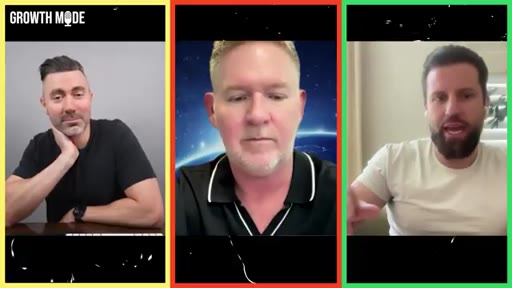
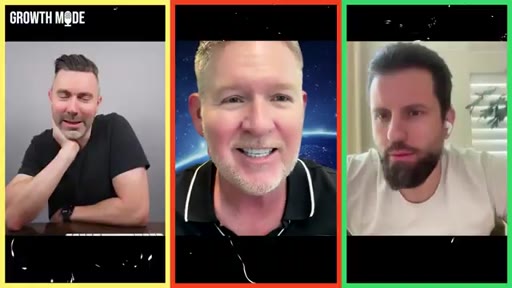
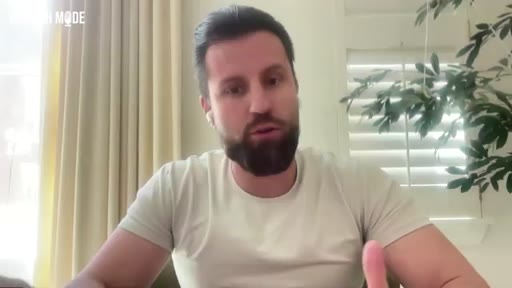
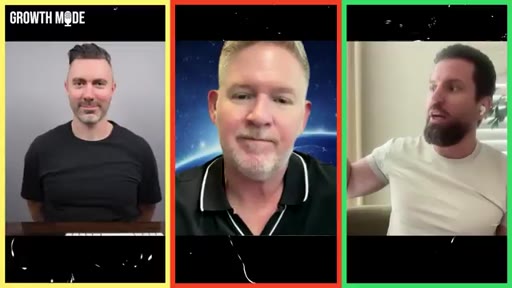
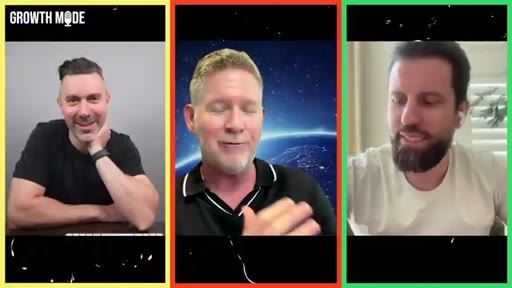
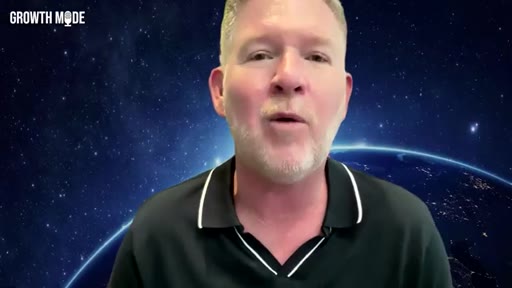
Who's talking.
Where the time goes.
01 · Cold open and intro
Teaser clip, show intro, quick banter about Jason switching from ChatGPT to Claude.

02 · ChatGPT ads: what they are and who sees them
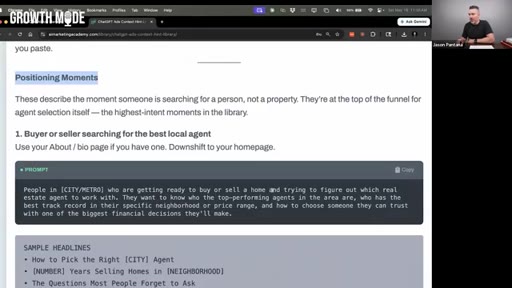
Platform overview -- ads.openai.com, ad format (modal below answer), eligible users (free + Go only), objectives (reach, clicks, conversions), and why the 94% stat matters.
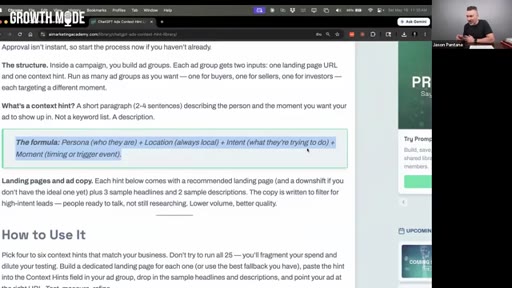
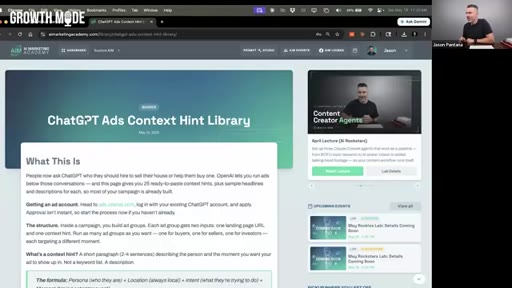
03 · Context hints: the formula for targeting conversations
Jason explains that context hints replace keywords, walks through the 4-part formula (persona + location + intent + moment), and shares a sample context hint for the agent selection moment.

04 · Ad strategy: hooks, landing pages, and expectations
Jimmy’s find-out-why-ChatGPT-recommends-me hook, the two-step landing page play, and why conversion rate expectations should mirror early Google Ads (1-2% form-fill).

05 · Closing out ChatGPT ads
Summary of the platform, reminder to go bottom-of-funnel only, Jason promises to post 25 context hints on Instagram.

06 · SaaStr Zen learning 1: AI rate of improvement
Tom’s first takeaway from SaaStr -- everything you dismissed as not ready 2-3 years ago has improved dramatically. AI SDR latency demo and call to revisit tools.

07 · SaaStr Zen learning 2: the reacceleration category
Jimmy’s three-tier company model (declining, emerging, reaccelerating), Atlassian and Twilio as examples, and why agents should see themselves in the reacceleration bucket.
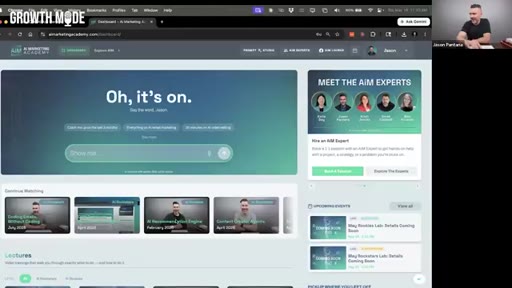
08 · Let AI be your boss: the daily brief framework
Tom reads his 4-part Claude prompt live: daily market brief, CRM follow-up audit, schedule optimization, and pre-call prospect research from LinkedIn, Facebook, and Zillow.
09 · Wrap-up and CTAs
Hosts summarize both topics, plug their platforms and social channels, invite comments.
Lines you could clip.
"If I could go back in time and quadruple down on Facebook ads when they first came out, would you do it? Heck yeah. The early opportunity is where the early bird gets the worm."
"This is not a platform where you drive low intent, top-of-funnel kinds of conversations."
"The agent has always been more important than the broker. Whoever is closest to the consumer wins."
"Let AI be your boss. Not your assistant where you tell it to do things, but the thing that tells you what to do based on what you said was important to you to begin with."
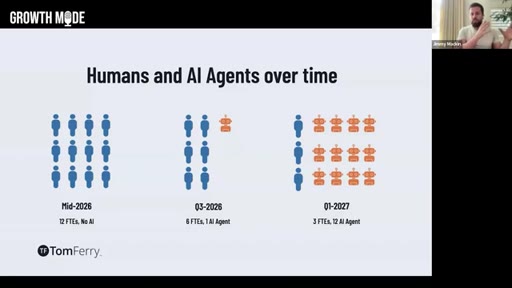
"Two people are not gonna survive this next era. The people managers who just run meetings and route information, and individual contributors that don’t leverage AI."
Things they pointed at.
Word for word.
Five rules for running ads inside conversations, not searches.
When an ad platform targets conversations rather than keywords, the entire strategy shifts -- you are buying your way into a decision already in progress, which changes what the ad should say, where it should point, and how much intent you can assume.
- Context hints work because they describe a situation, not a search phrase -- your ad fires when someone is having the conversation you wrote, not when they typed a matching keyword.
- The persona-location-intent-moment formula produces a context hint specific enough to match high-quality conversations and general enough to show enough volume to be useful.
- At $3-5 per click, every click needs to be close to a decision -- ads that target curiosity or early research waste the budget the same way broad-match Google campaigns do.
- The ad itself can be self-validating: telling someone that ChatGPT recommended you is made credible by the fact that the ad appeared inside ChatGPT.
- Landing page conversion is the actual bottleneck -- an ad that intercepts a decision-ready conversation still fails if the page it lands on cannot close the conversation the user was already having.
- Tools that seemed too slow or too rough two to three years ago have often improved enough to revisit -- the AI SDR latency problem that made voice agents feel robotic in 2022 is largely solved.
- The reacceleration pattern -- existing operations that adapted rather than starting over or doing nothing -- is the most common success story in AI adoption, not the AI-native startup.
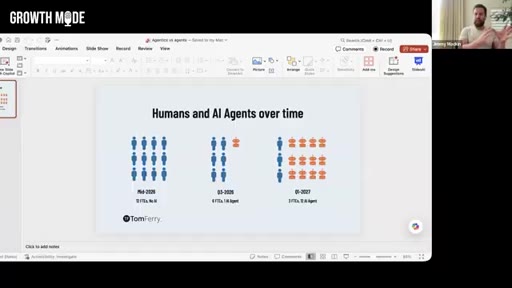
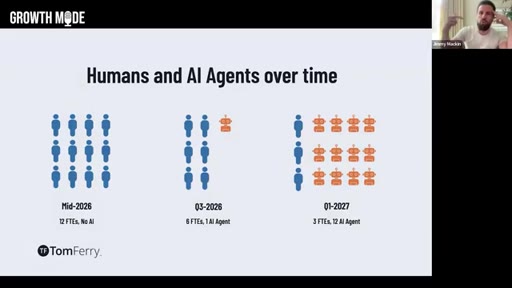
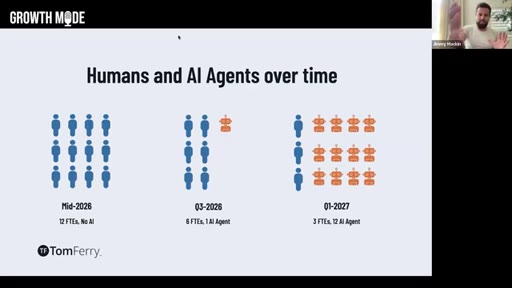
- Replacing a human in a specific workflow is easier than replacing human judgment broadly -- the better frame is identifying which tasks are high-value and time-consuming before deciding which ones AI should own.
- A daily brief that starts with CRM triage, then market context, then schedule, then prospect research changes the order of a sales day in a way that makes the first call better than the last call used to be.
- Whoever has the most current information about a prospect before a conversation has a structural advantage that does not depend on talent or relationships.