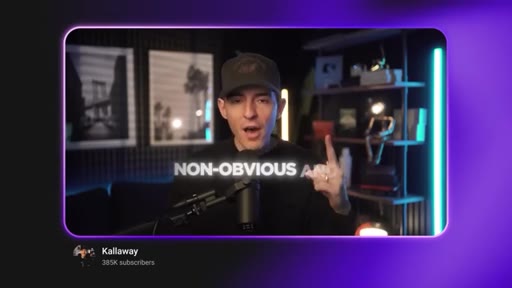
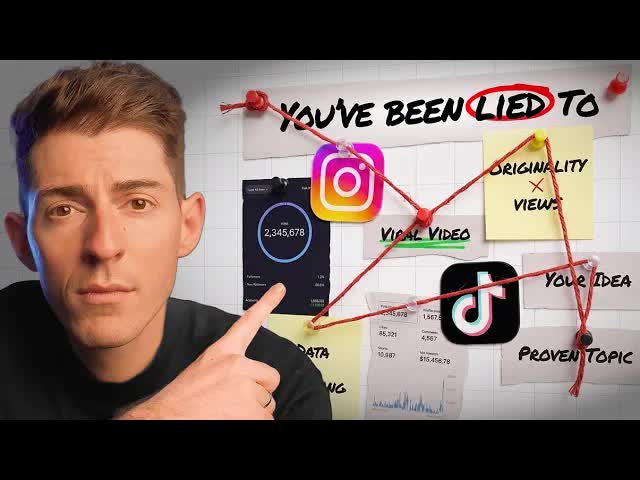
The bait, then the rug-pull.
The hardest part of content creation in 2025 is not making the content — it is knowing which advice to ignore. In nineteen minutes, Kallaway names nine rules repeated by popular creators that actively undermine the one metric that actually compounds: time under trust.
Where the time goes.
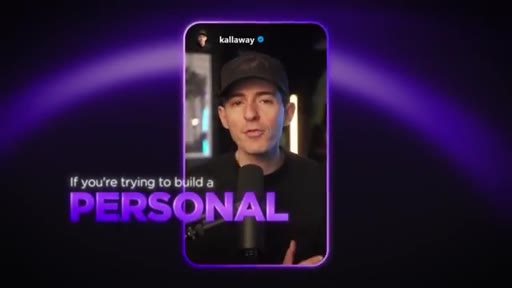
01 · Cold open — the one universal principle
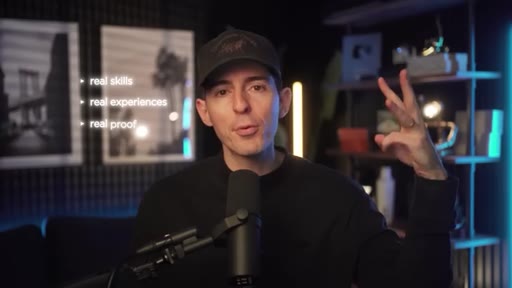
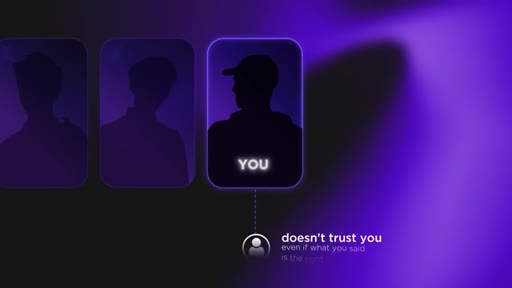
Establishes 'time under trust' as the governing law of personal branding. Trust accrues only through non-obvious, tactically useful content derived from real experience.
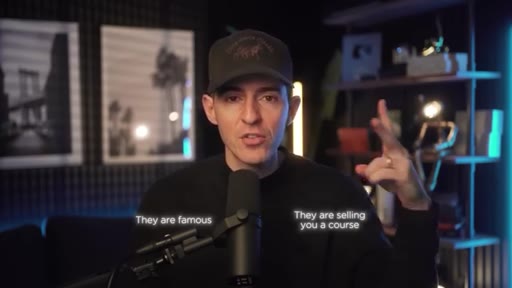
02 · Lie #1 — There is a set content formula
Formula-chasing is a lie because non-obviousness cannot be systematized. The formula crowd is either famous or selling a course.
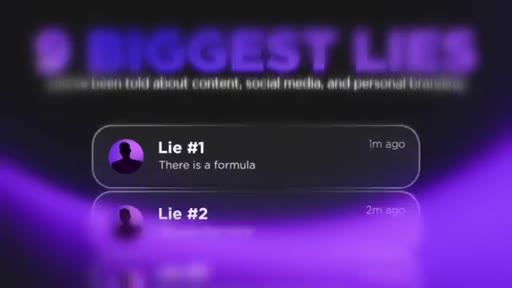
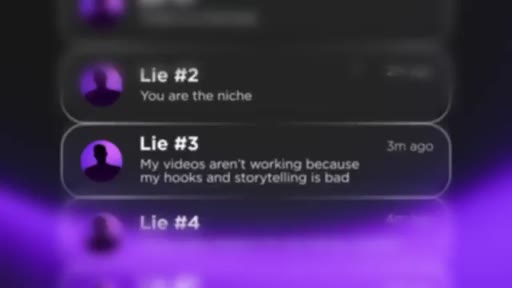
03 · Lie #2 — You are the niche
Only celebrities transcend their topic to become the niche itself. For everyone else, the value topic is the niche; personality is execution.
04 · Lie #3 — Bad hooks are why your videos fail
Videos fail because topic or take is wrong. Hook, editing, and storytelling are all downstream of a validated contrarian take.
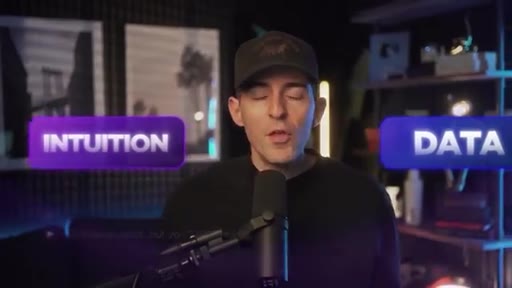
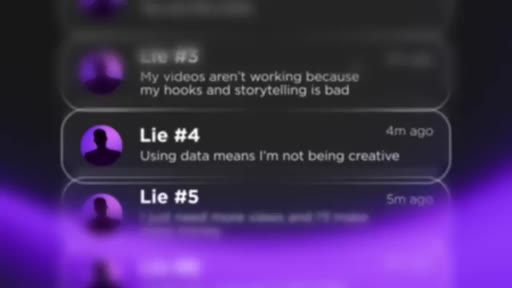
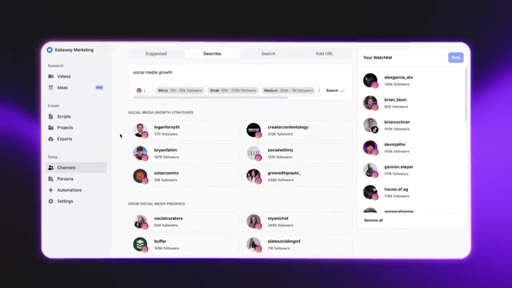
05 · Lie #4 — Data kills creativity
Pure data trends to average; pure intuition misses the target. Data-enabled creativity — aim with data, execute with originality — is the working model.
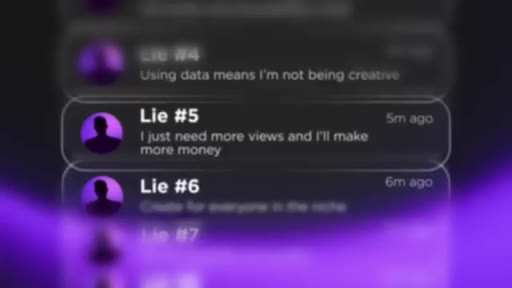
06 · Lie #5 — More views equals more money
Audience-product-offer alignment is the real revenue variable. Misaligned viral views produce near-zero revenue; aligned niche views compound.
07 · Lie #6 — Create for everyone in your niche
The 'audience of one' principle: write for a single proxy person. Hyper-specificity creates content that resonates universally with the right avatar.
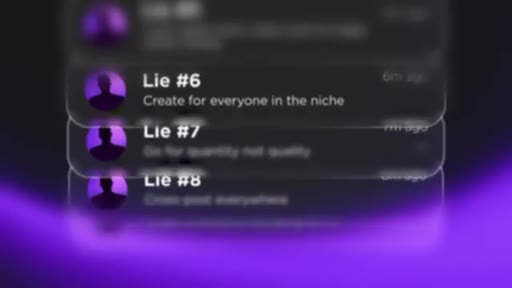
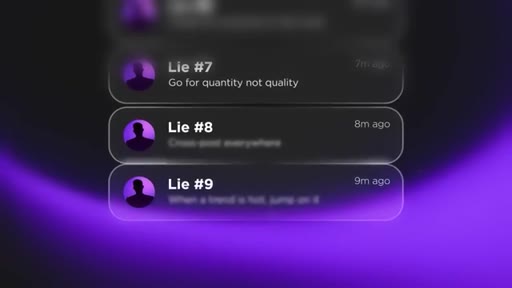
08 · Lie #7 — Quantity over quality (or vice versa)
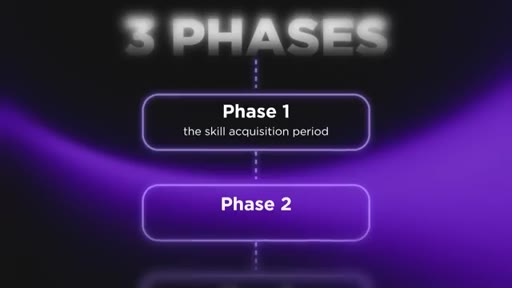
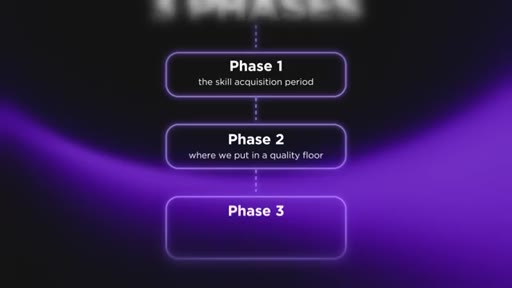
The three-phase framework resolves the debate: Phase 1 = quantity for skill acquisition, Phase 2 = quality floor, Phase 3 = maximize quality then scale quantity.
09 · Lie #8 — Be everywhere on all platforms
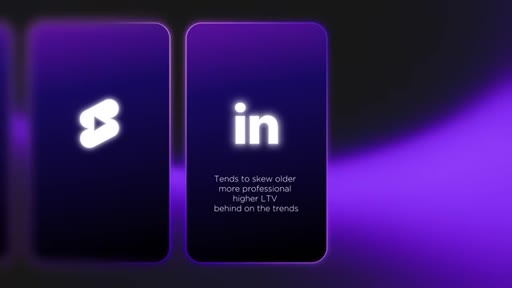
Multi-platform sprawl during Phase 1 causes overwhelm and quitting. Pick one home platform, dominate it, then earn the right to expand.

10 · Lie #9 — Jump on trends when they're hot
Trend-chasing produces derivative clone content. Views may come but trust does not. The goal is to create the trends, not ride them.
11 · Outro and CTA
Subscribe ask. Free resources linked in description. Mission statement: help 1M business owners make $1M with content.
Visual structure at a glance.
Named ideas worth stealing.
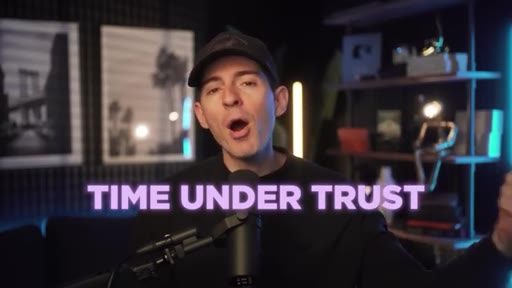
Time Under Trust
The governing personal-brand metric: (minutes watched) × (trust gradient per minute). Trust gradient is positive only when content is non-obvious and tactically useful.
Non-Obvious + Tactically Useful
- Non-obvious
- Tactically useful
Two-axis trust test. Obvious = no trust. Can't use it = no trust. Both must be true for trust to accrue.
The Contrarian Take Exercise
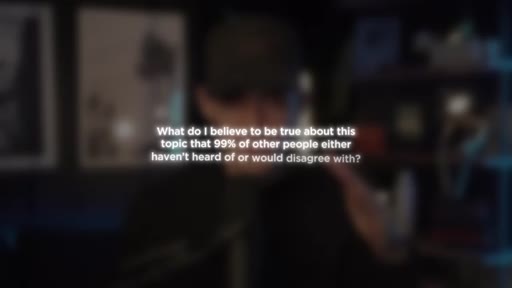
Ask: what do I believe to be true about this topic that 99% of people either haven't heard or would disagree with?
Data-Enabled Creativity
Use performance data to identify proven topics and formats; use original thinking for the differentiated take. Neither pure-data nor pure-intuition works alone.
Audience-Product-Offer Alignment
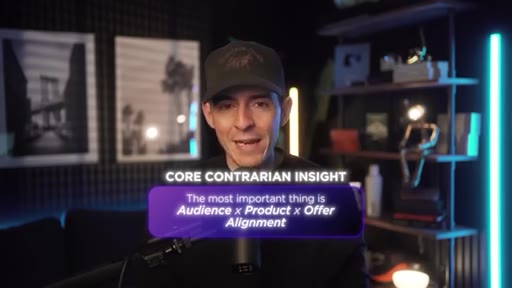
The real monetization lever. Audience alignment with offer determines revenue ceiling regardless of total view count.
Audience of One
Build every piece of content for one specific proxy person. Their reaction tells you if the content will land for everyone like them.
3-Phase Content Development
- Phase 1: quantity for skill acquisition (20-30 videos)
- Phase 2: quality floor installed, cadence reduced
- Phase 3: maximize quality, then scale quantity
Resolves the quantity-vs-quality debate by sequencing them across development stages rather than choosing one.
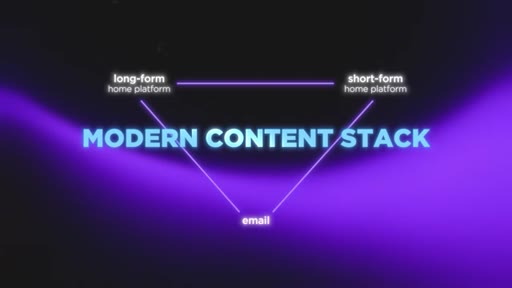
Modern Content Stack
- Short-form home platform
- YouTube (long-form)
The mature personal-brand distribution triangle. Not a Day 1 starting point — earned after Phase 1-2 competency on a single platform.
Lines you could clip.
"There's only one universal principle that matters for building a personal brand with content. It's called time under trust."
"People trust you when you tell them things they haven't heard before that they can actually use. Non-obvious and tactically useful."
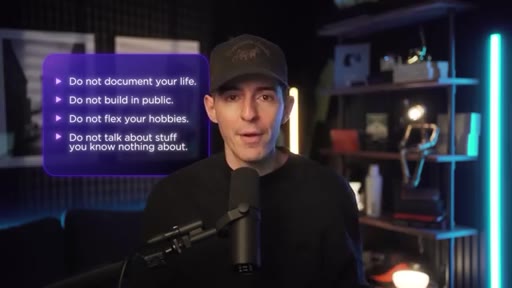
"Do not document your life. Do not build in public. Do not flex your hobbies. Do not talk about stuff you know nothing about."
"The most important thing is audience-product-offer alignment. That's the difference between $5,000 a month and $500,000 a month."
"Every person I've coached that's actually gotten to million-view videos, they all went through the phase of sucking. Everyone I've coached that never got to million-view videos, they quit during the suck."
"Stop doing the trends. You're just a derivative clone. Even if it does work out well and you get views, you're not accruing the trust that you think you're accruing."
Things they pointed at.
How they asked for the click.
"I put together a full system. It's free, where I go through my whole content process... You can get it below or at shortformsystem.co."
Mid-video pitch (around 11:31) for a free system at shortformsystem.co — smooth integration, doesn't derail the numbered list structure
Word for word.
Nine lies that are keeping your personal brand stuck
Every one of these myths violates the same principle — trust is the only variable that compounds, and it accumulates only through non-obvious, tactically useful content.
- Trust accrues only when you share non-obvious and tactically useful ideas; if the audience has heard it before, or cannot act on it, no trust accumulates regardless of hook quality or editing.
- Your niche is the value topic you have genuine expertise in, not your personality; personality is execution layered on top, never the foundation.
- A video fails because topic or take is wrong — hooks, storytelling, and editing are all downstream of a validated contrarian angle.
- Data-enabled creativity is the working model: use performance data to identify proven territory, use original thinking to create something non-obvious within it.
- Audience-product-offer alignment determines your revenue ceiling; viral views attached to the wrong audience are worth near-zero regardless of volume.
- Writing for one specific proxy person produces content that feels paradoxically more personal and shareable to the target audience than content written for 'everyone in the niche.'
- Phase 1 (first 20-30 videos) is a skill-acquisition phase that must be lived through: post one, analyze it, learn, then post the next — everyone who skipped this phase plateaued; everyone who endured it eventually scaled.
- Pick one home platform and optimize only for that platform until you are skilled enough to earn the right to expand — multi-platform sprawl in Phase 1 is the primary cause of creator burnout and quitting.
- Trend-chasing produces derivative clone content that may generate views but accrues no personal trust; the goal is to create the trends others will eventually chase.