
The bait, then the rug-pull.
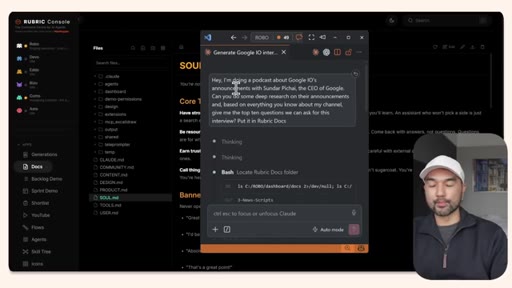
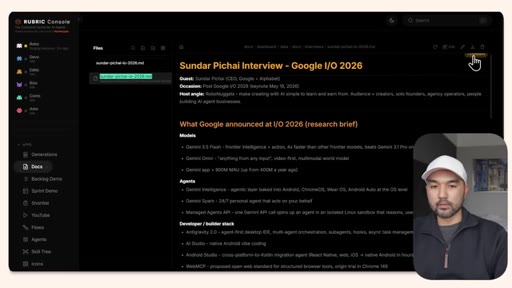
There is a tier of Claude Code usage almost nobody talks about. Past the prompt tuning and the memory files lies a simpler unlock: building the tool that talks to the tool. Jay E calls his version Rubric Console — a personal command center of eight micro-apps he vibe-coded himself — and in twenty-six minutes he makes a convincing case that a few afternoons of building pays back in daily compounding returns.
Where the time goes.

01 · Cold open + hook
Promise: micro-apps are the next big unlock for agent power users.

02 · Why micro-apps?
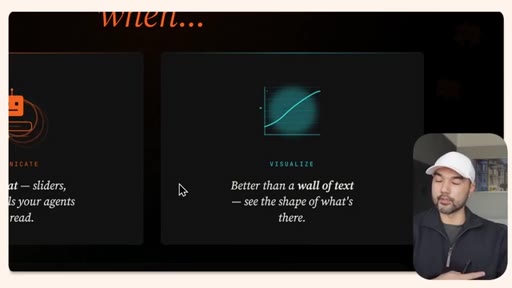
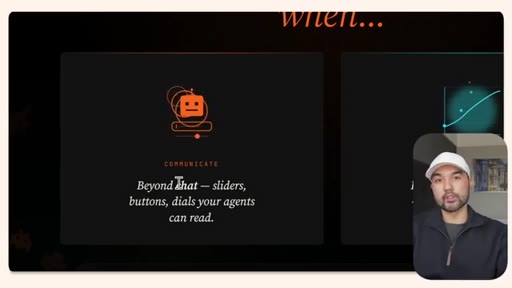
Two reasons: communicate better with agents beyond text, visualise outputs better than a wall of text. Decision rule: more visual, more interactive, not too complex.
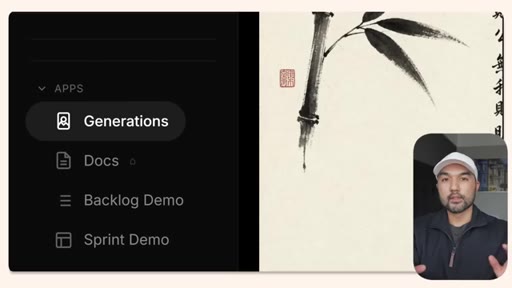
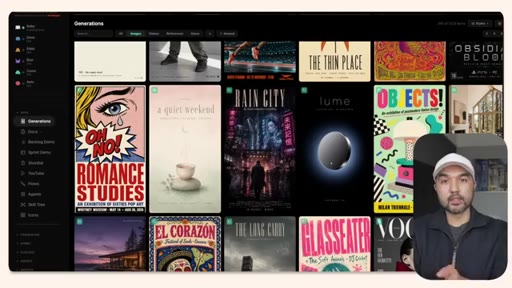
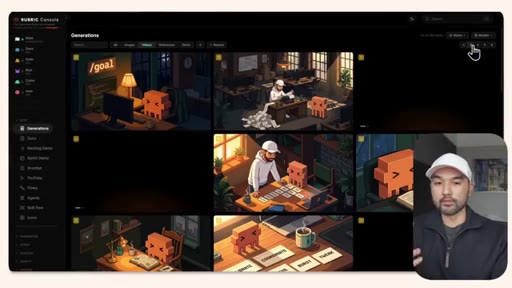
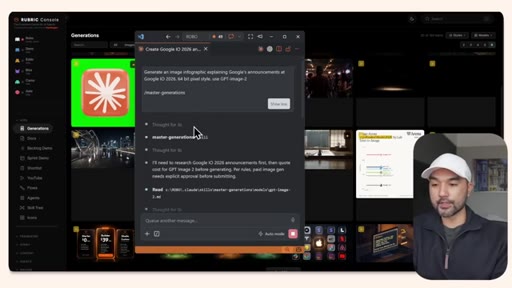
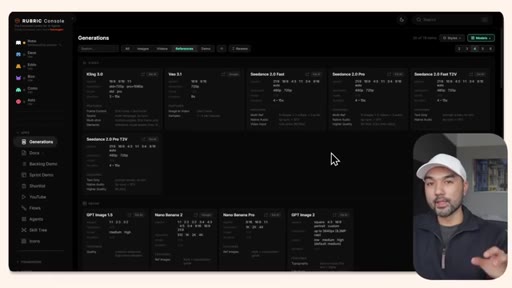
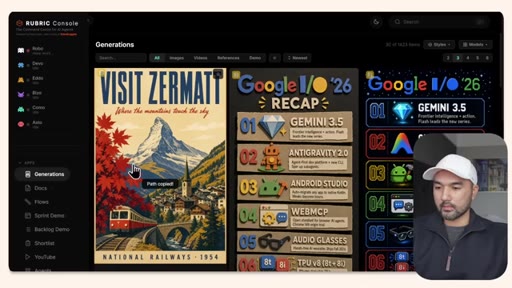
03 · App 1 — Rubric Generations
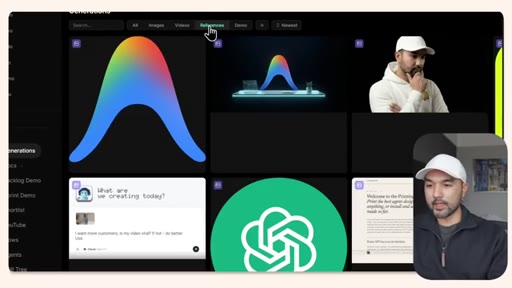
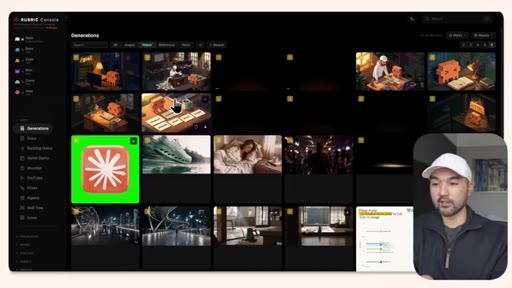
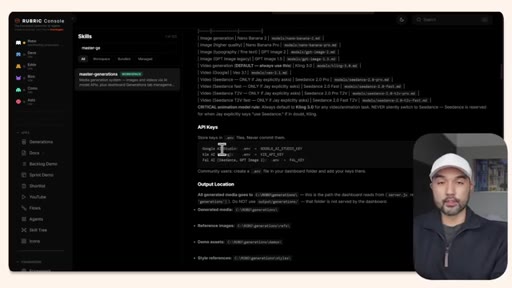
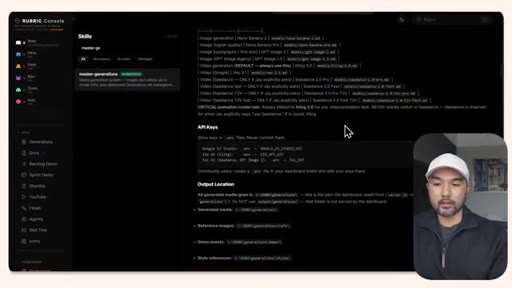
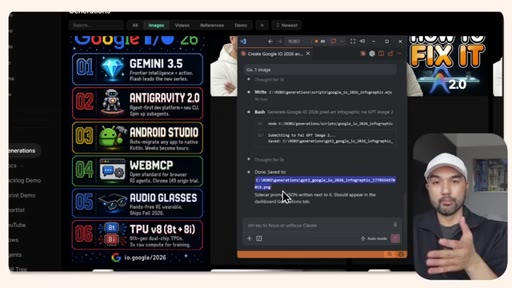
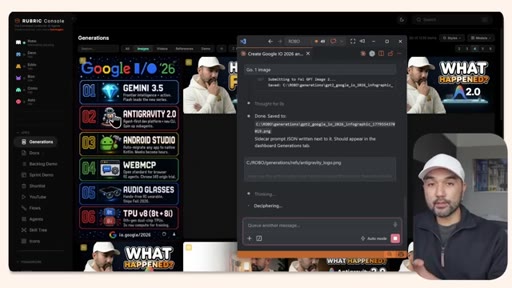
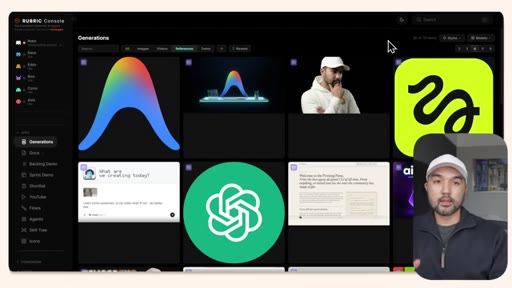
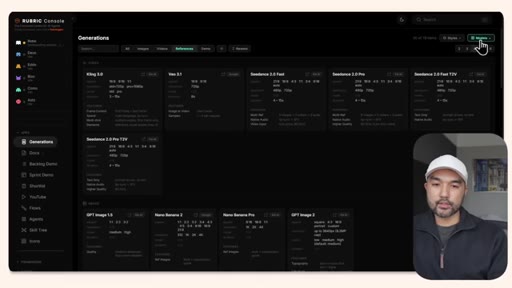
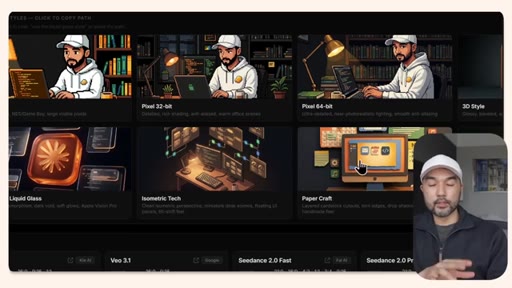
Image and video gallery linked to a local generations folder. Reference tab for logos. Styles tab for reusable creative prompts. Models reference tab.
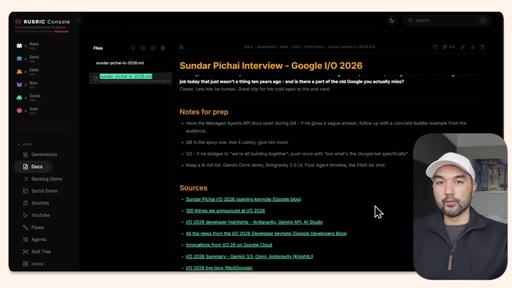
04 · App 2 — Rubric Docs
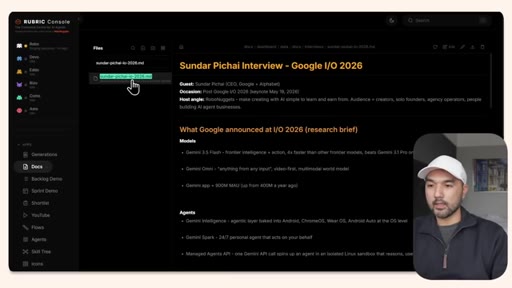
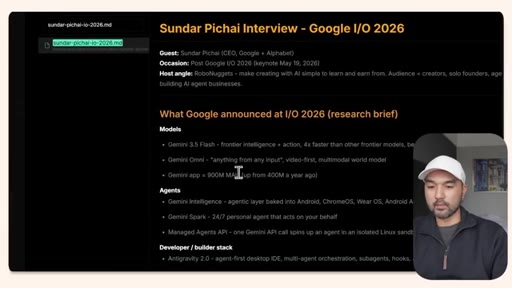
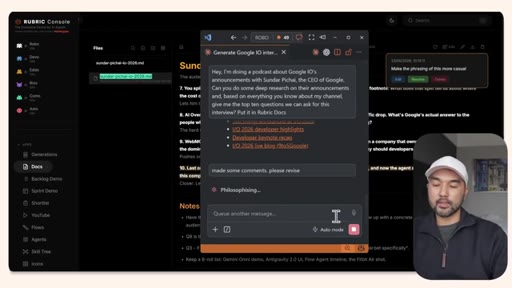
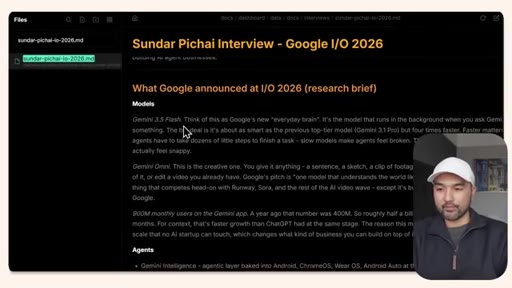
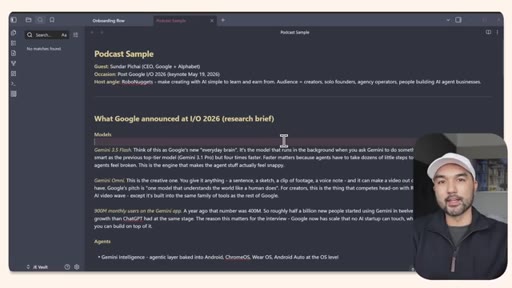
Lightweight markdown viewer with inline commenting. Agent reads comments and revises the document. Argued as faster and more composable than Obsidian.
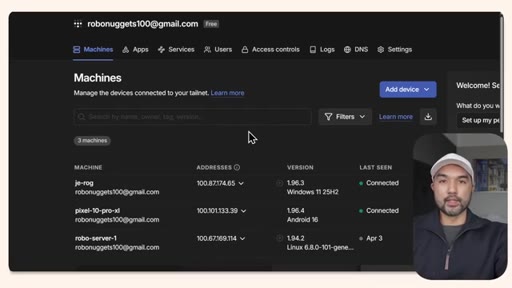
05 · App 3 — Tailscale mobile bridge
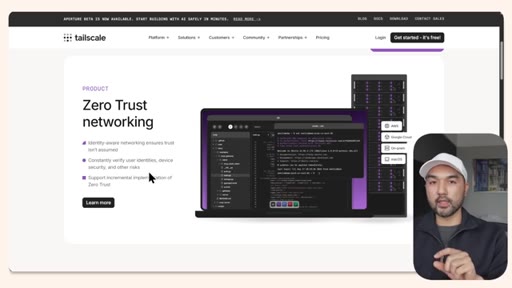
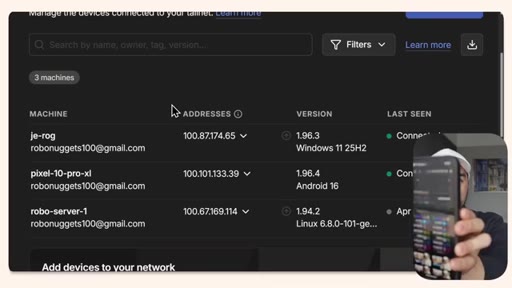
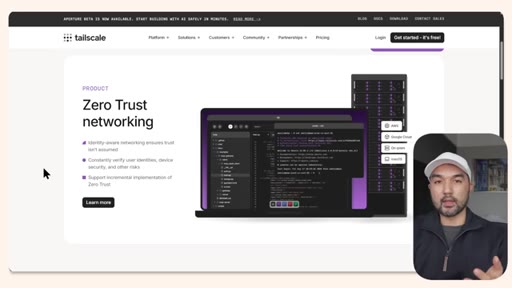
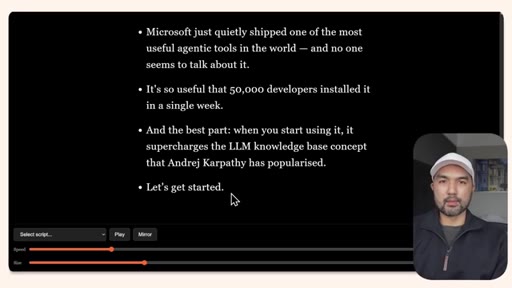
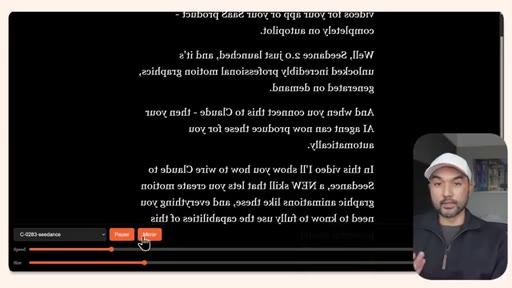
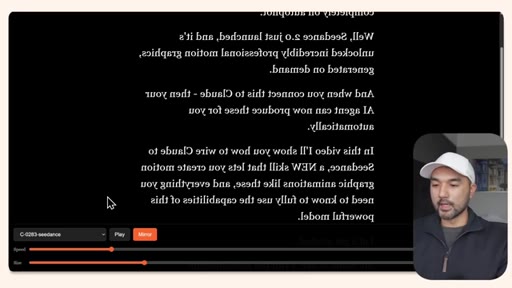
Free zero-trust networking tool that streams localhost apps to a phone. Used for a teleprompter app built in Claude Code.
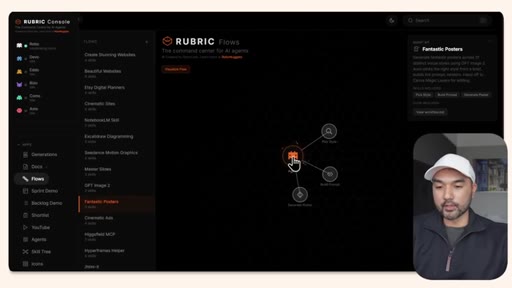
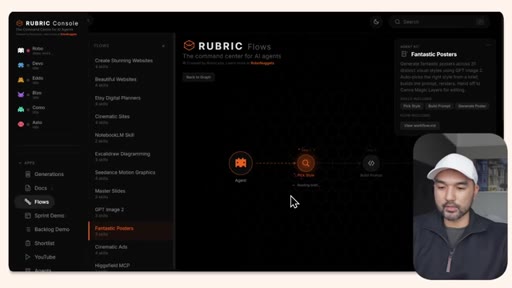
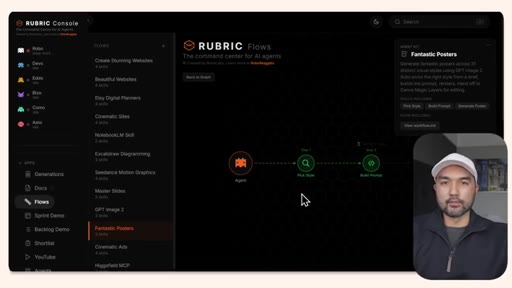
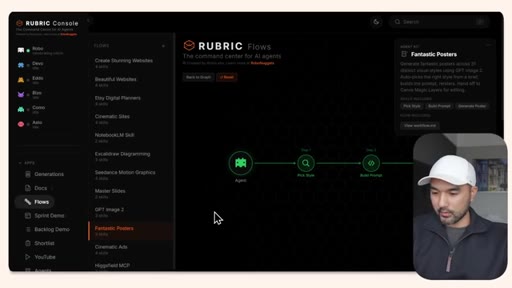
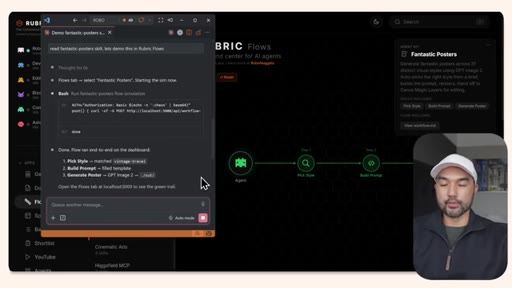
06 · App 4 — Rubric Flows
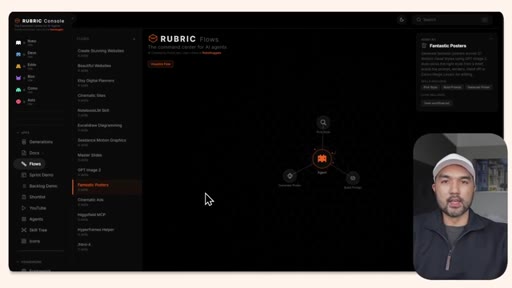
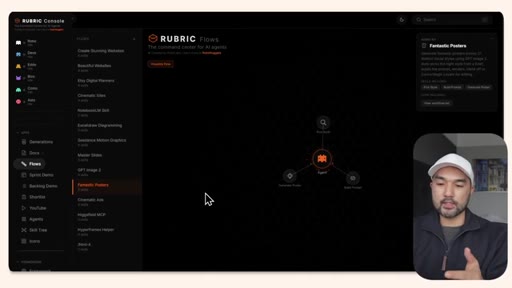
Visual pipeline diagram that animates alongside live Claude Code execution. Makes agentic automations explainable to clients.
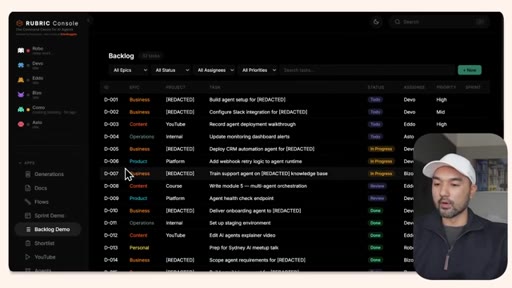
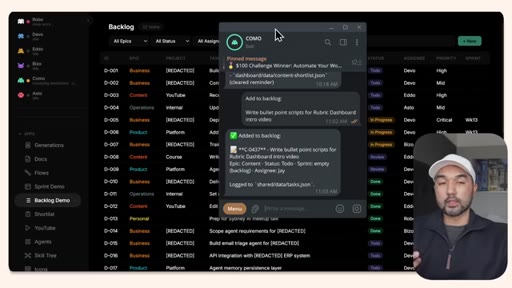
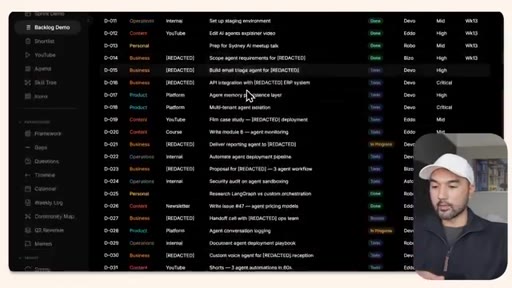
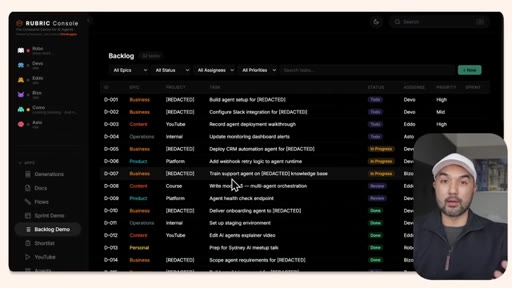
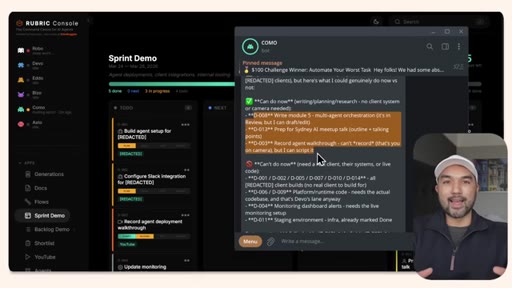
07 · App 5+6 — Sprint + Backlog
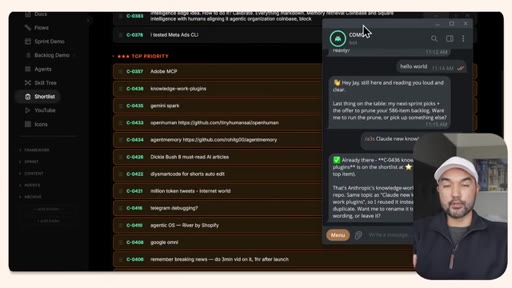
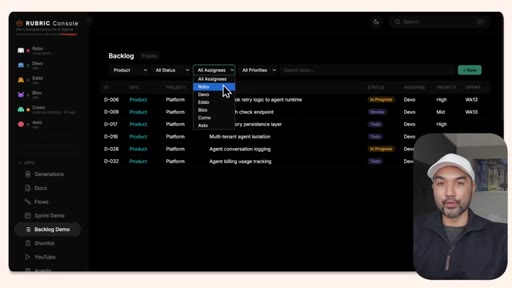
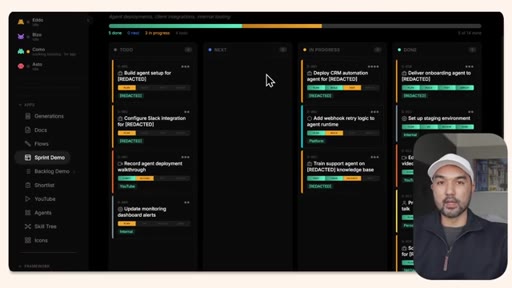
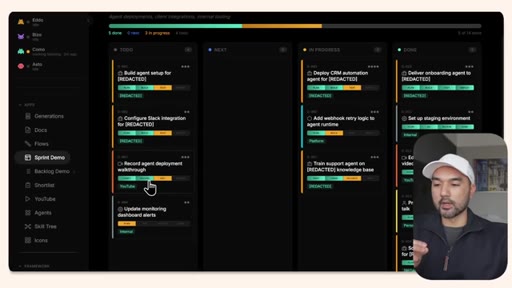
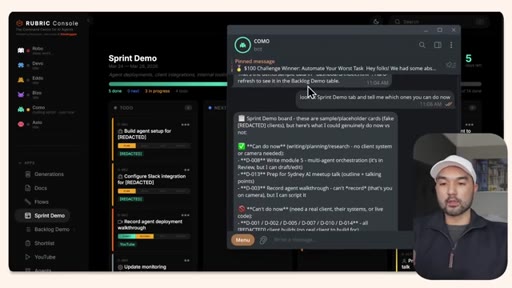
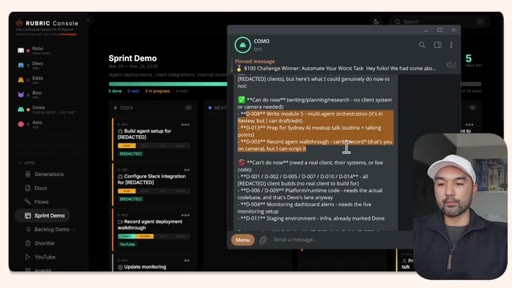
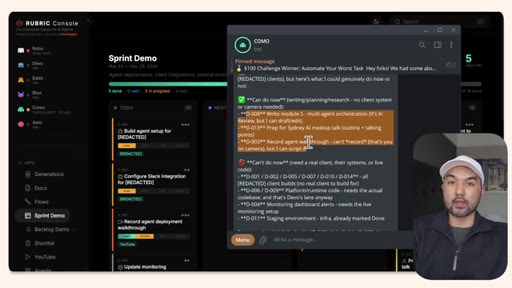
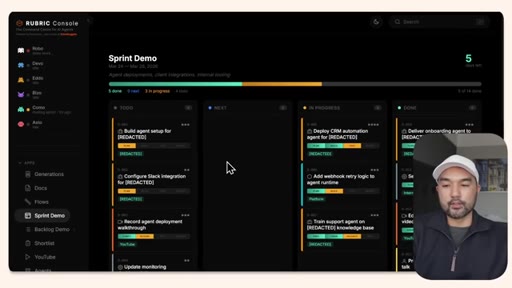
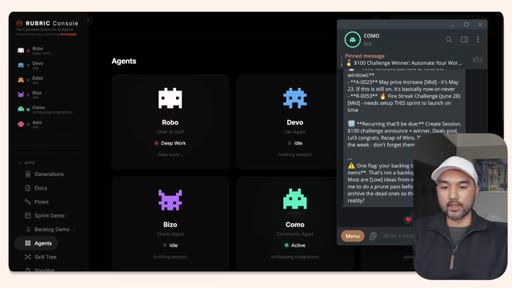
Agent-native Kanban boards. Backlog parseable by agents for prioritisation. Sprint gives weekly focus. Progress bar per task. Steerable from Telegram on mobile.
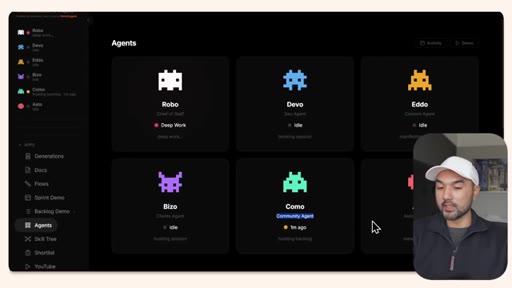
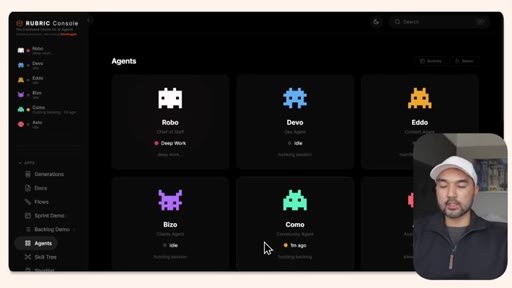
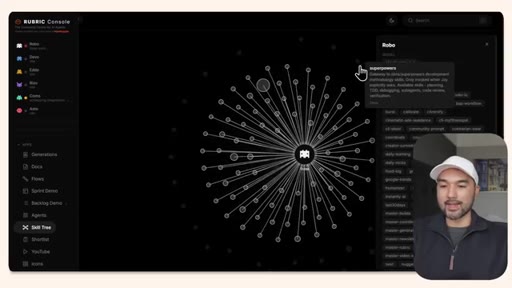
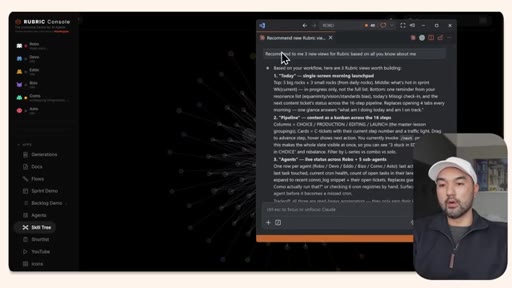
08 · App 7+8 — Agents + Skill Tree
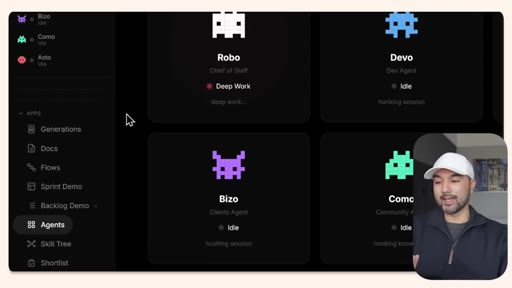
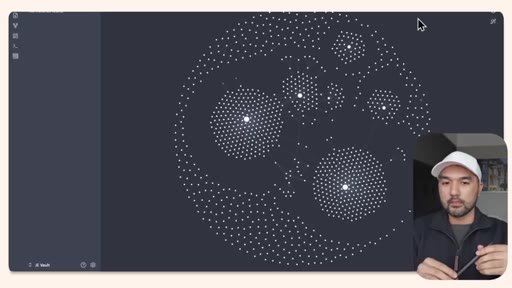
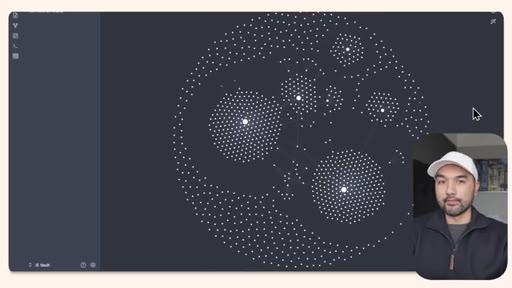
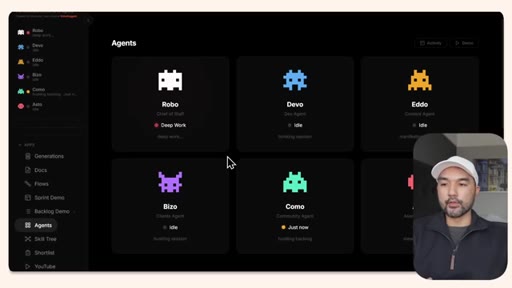
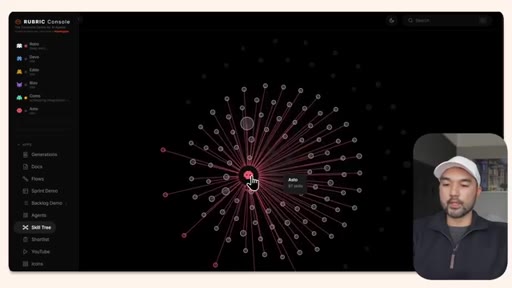
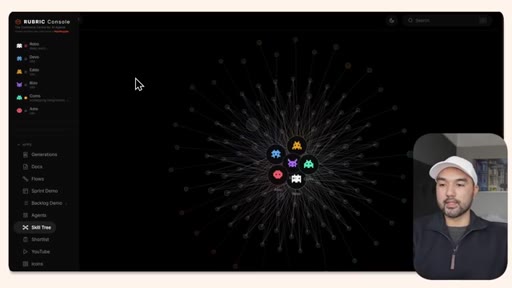
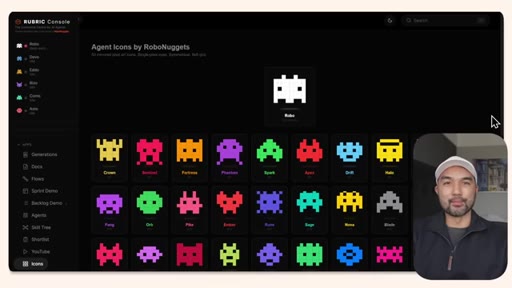
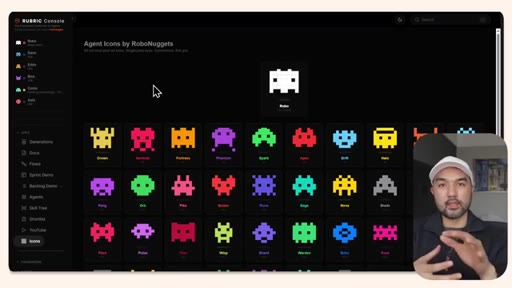
Live agent status board with six named agents. Skill tree force-directed graph for architecture illustration and client presentations.
09 · Bonus apps + close
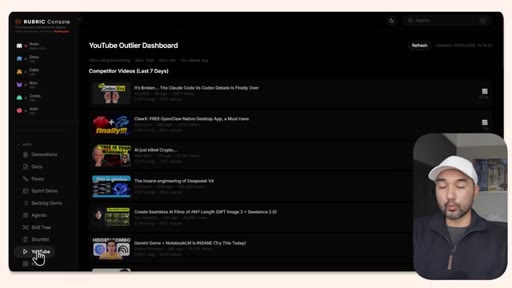
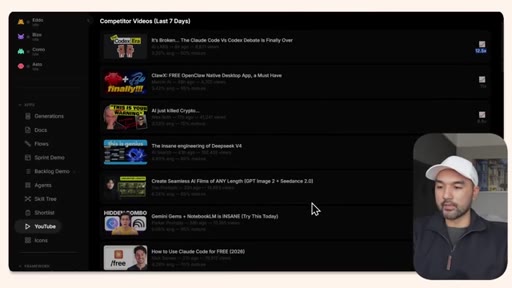
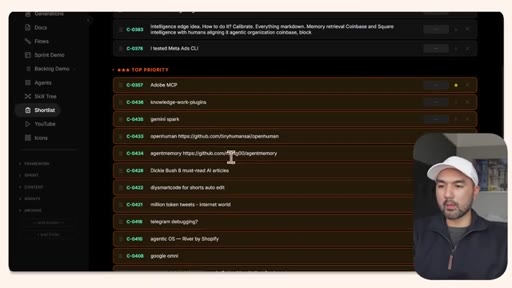
YouTube outlier dashboard with engagement scores. Content shortlist updatable from Telegram. Encouragement to build personal views. Subscribe CTA.
Visual structure at a glance.
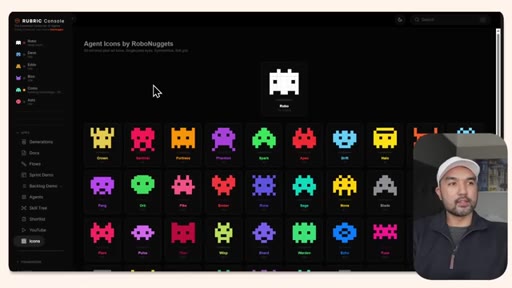
Named ideas worth stealing.
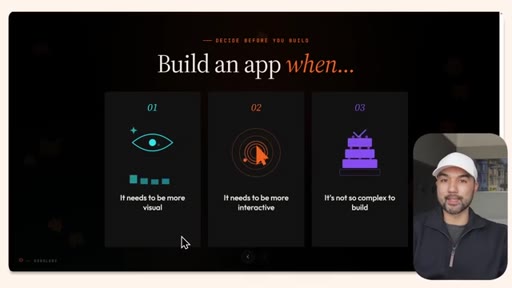
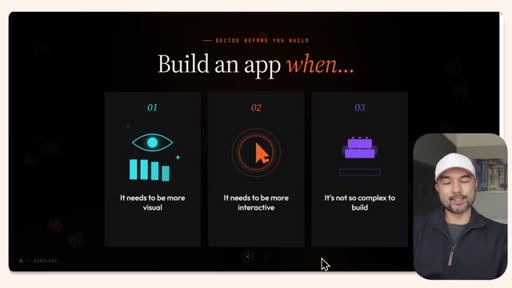
Build an app when...
- It needs to be more visual
- It needs to be more interactive
- It is not so complex to build
Three-condition decision rule for when a task deserves its own micro-app rather than a plain chat session.
Lines you could clip.
"The real power users are building tiny personal apps that make their AI agents seriously more powerful."
"We are living in a token-constrained environment. You will easily hit rate limits if you just let the agent go through all of your backlog without any steering."
"I think it is just much simpler to have one less software that you need to rely on."
Things they pointed at.
How they asked for the click.
"If it is useful, consider subscribing because that helps me a lot to put out more educational content like this."
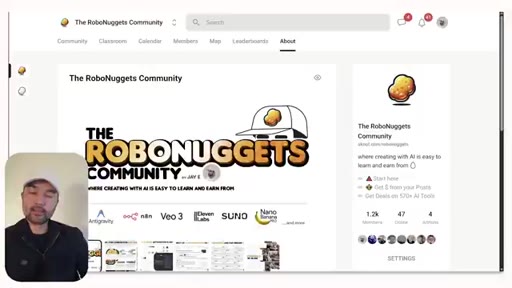
Soft and brief, placed in the final 30 seconds. Secondary CTA (RoboNuggets Skool community) placed mid-video at 7:12.
Word for word.
Build the tool that talks to the tool.
A personal app built around a recurring AI task eliminates a category of friction permanently; a better prompt only reduces it temporarily.
- Chat interfaces cap what agents can receive and what you can review — sliders, galleries, and inline comments all carry information that a text box cannot.
- The decision to build an app has a simple three-part test: does the task need to be more visual, more interactive, and is it not so complex to build? All three yes means build it.
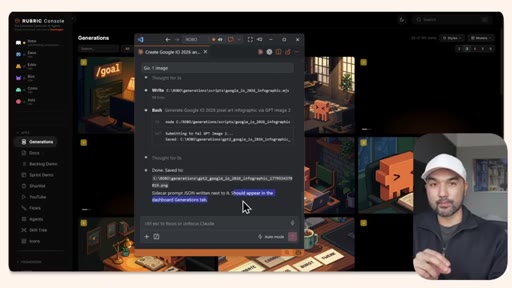
- Storing AI-generated images in a scrollable gallery is faster than asking an agent to locate a specific file from weeks ago by description.
- Inline document comments give an agent surgical revision instructions without requiring you to rephrase the entire context in a new prompt.
- A free zero-trust tunnel like Tailscale makes any local app available on a mobile device without deploying it to a server, extending the command center to wherever you are.
- Visual flow diagrams that animate alongside live agent executions are the difference between a demo a client can follow and one they have to take on faith.
- Agent-native task boards that are parseable from a messaging app mean the gap between having an idea on the road and getting it into your pipeline collapses to a text message.
- Token rate limits are a real ceiling: agents still need human steering between tasks, so a sprint board that surfaces what is next is a constraint management tool, not just a productivity aesthetic.
- The apps you build for yourself are a portfolio — the same visual command center that reduces your own friction is the deliverable you offer when selling agentic setup services to clients.
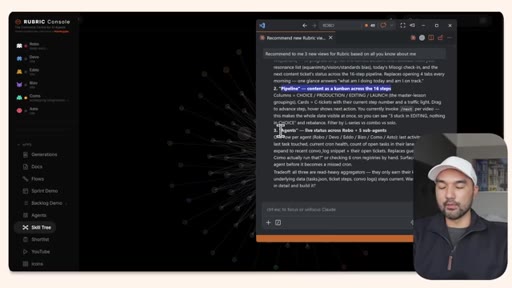
- Starting from a blank canvas and asking your agent to recommend three new views based on what it knows about your work is a faster discovery path than feature-shopping any existing product.