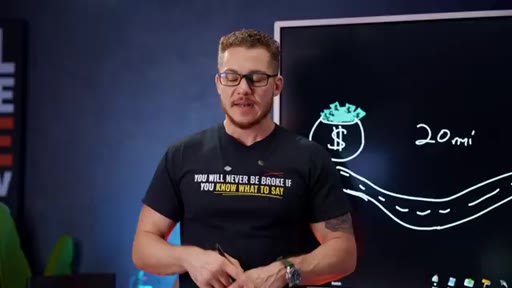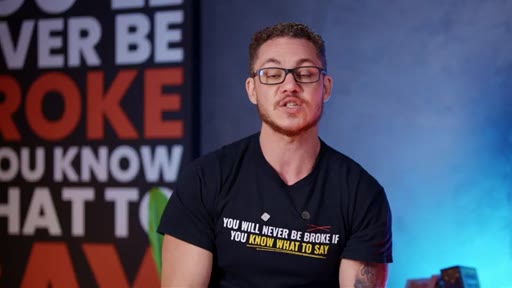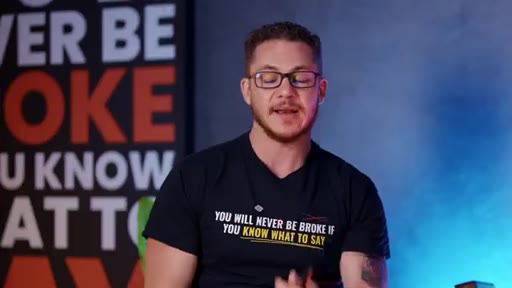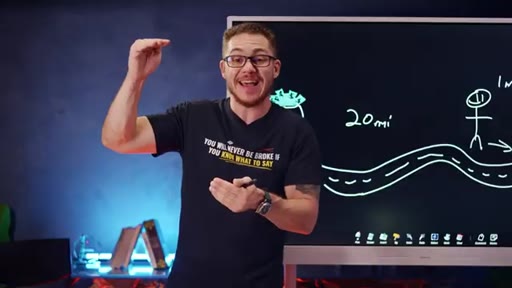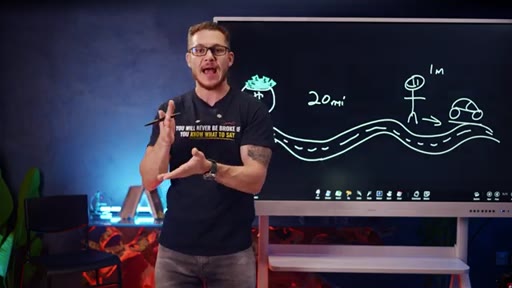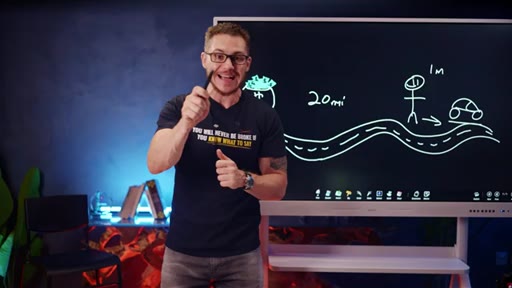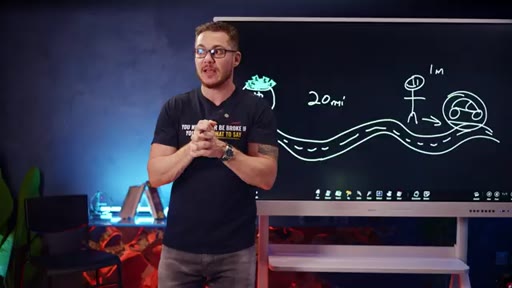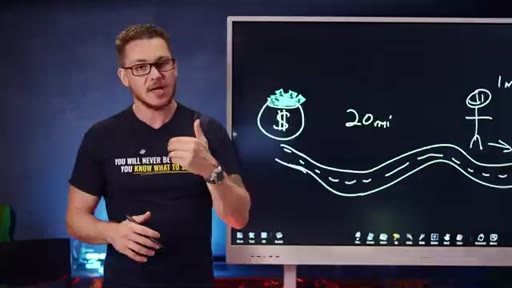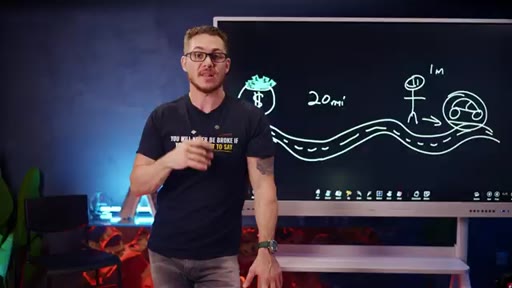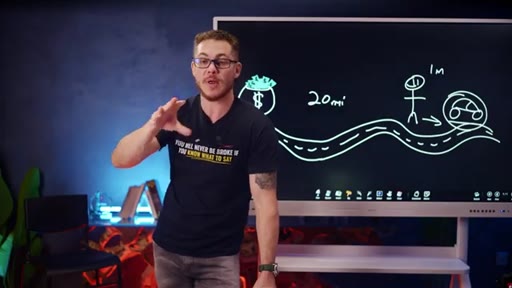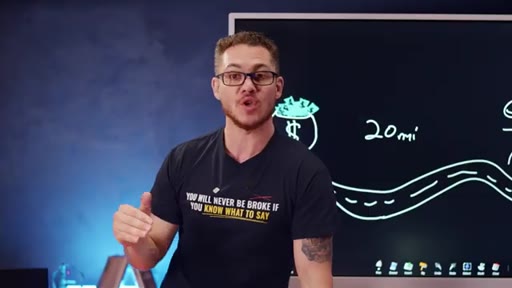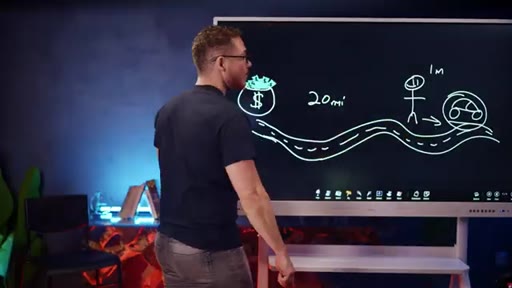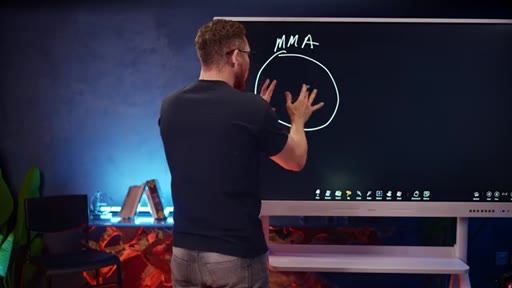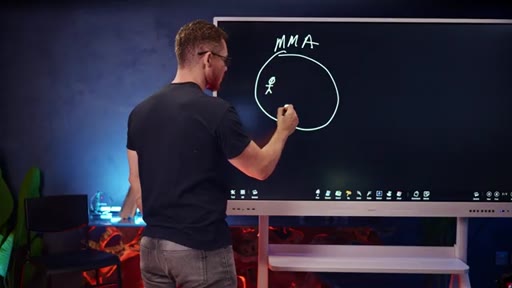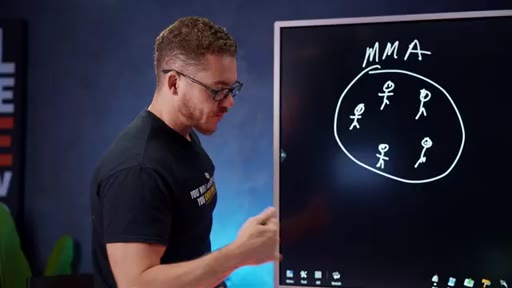

The bait, then the rug-pull.
The title is the first sentence. Before the first frame settles, the promise is already on the table: not a tease, not a question, a flat declaration. What follows is an 8-minute case for one idea: that the right audience matters more than the right credentials.
Where the time goes.
01 · Hook and teaser
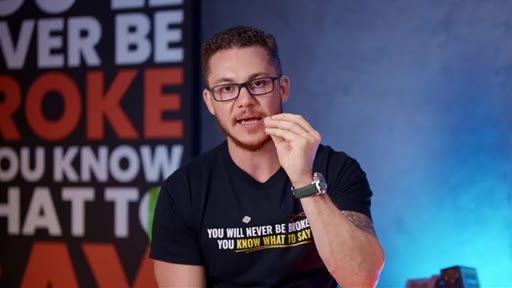
States the promise and names the Crossover Offer without yet defining it. Sets up the knowledge business frame.
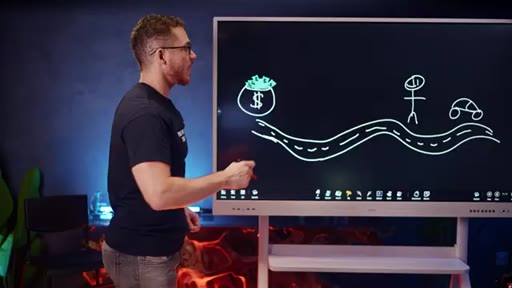
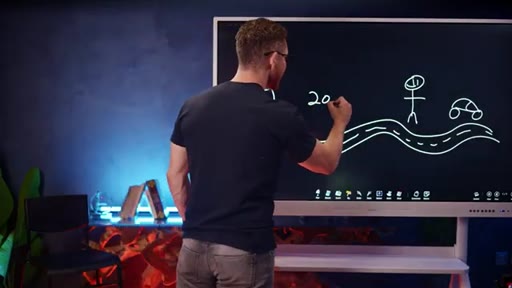
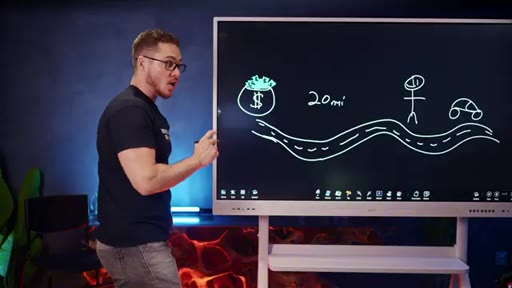
02 · Leverage principle
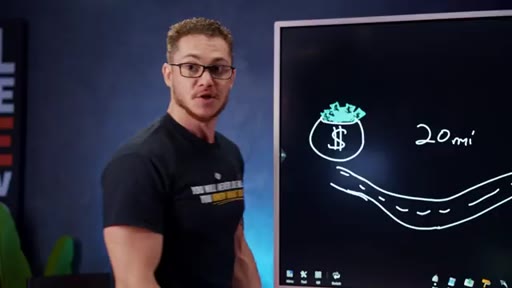
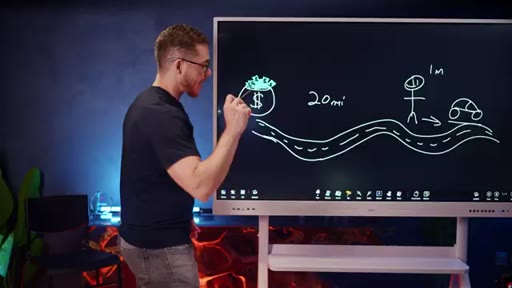
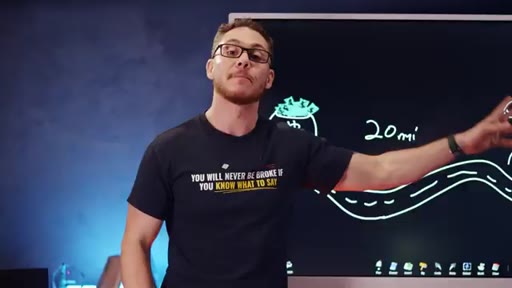
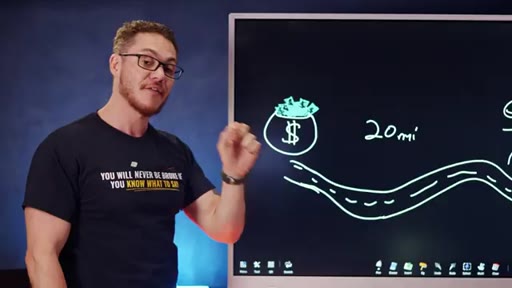
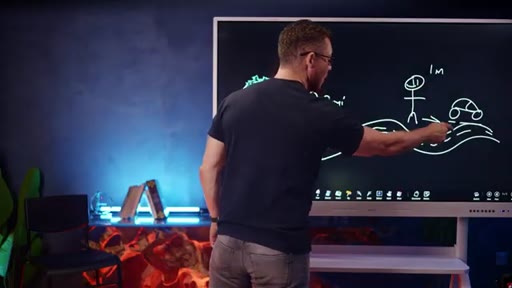
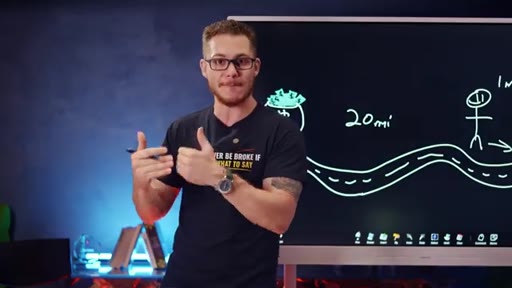
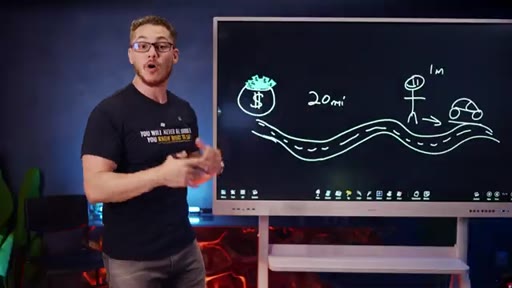
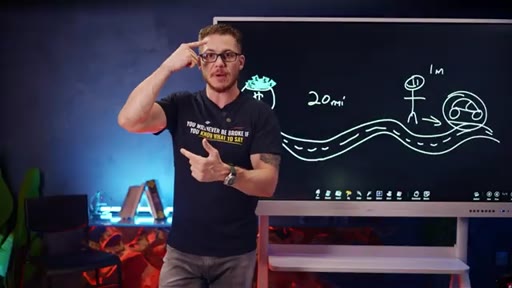
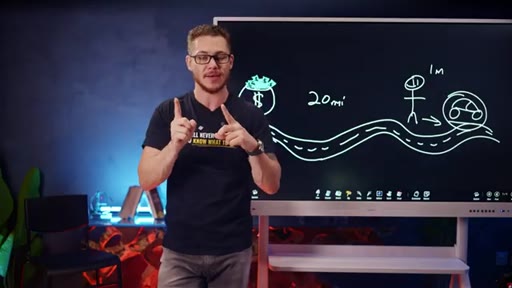
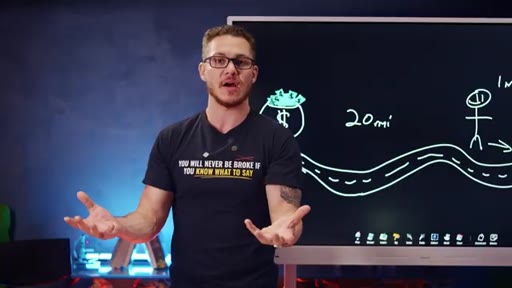
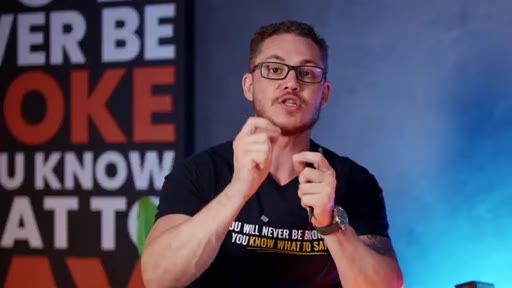
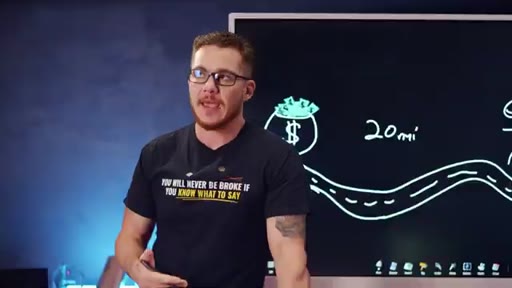
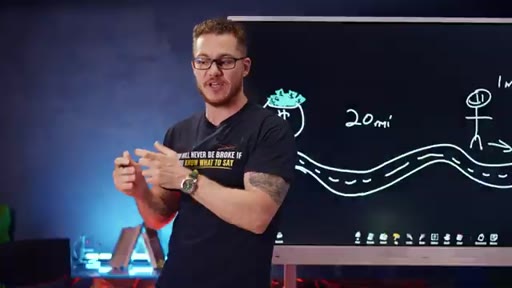
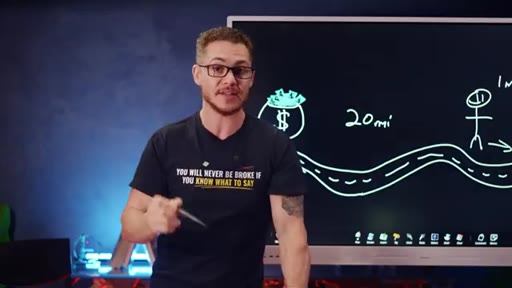
Introduces leverage using a whiteboard car-vs-walking analogy. Argues that detours toward better vehicles are rational, not wasteful.
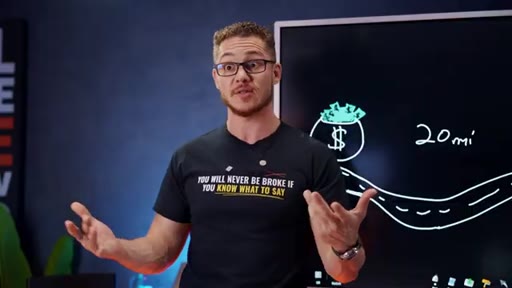
03 · The highest-leverage vehicle
Identifies the digital knowledge business as the vehicle: combining selling what you know with selling it in digital form.
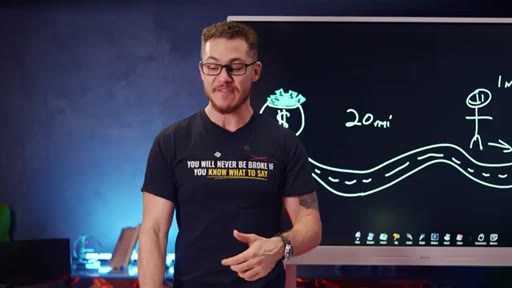
04 · Why digital beats consulting
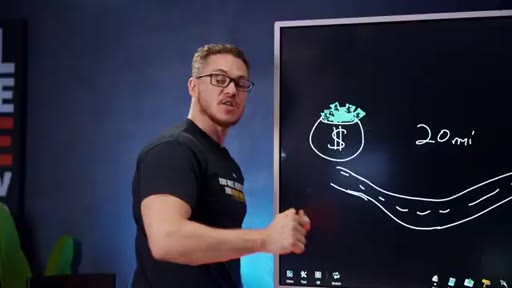
Contrasts a consultant who must travel with a digital seller who has no travel costs and no client cap.
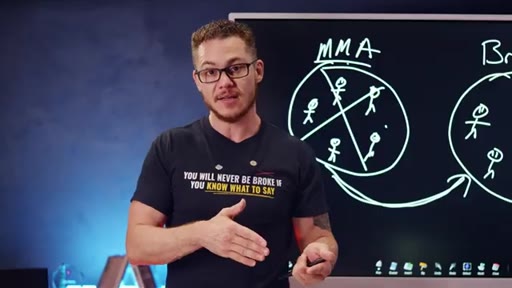
05 · The Crossover Offer
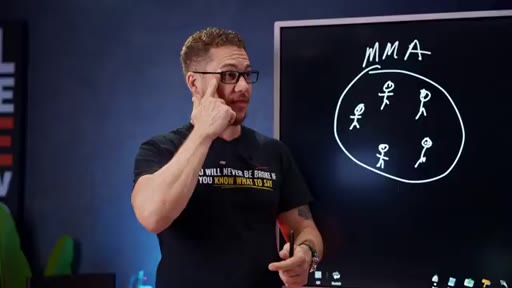
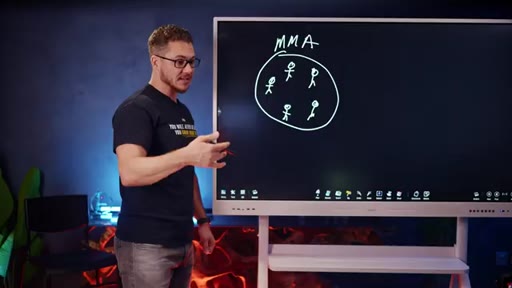
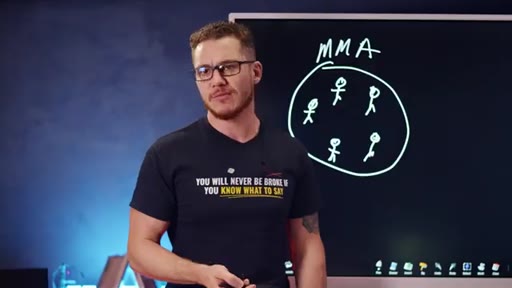
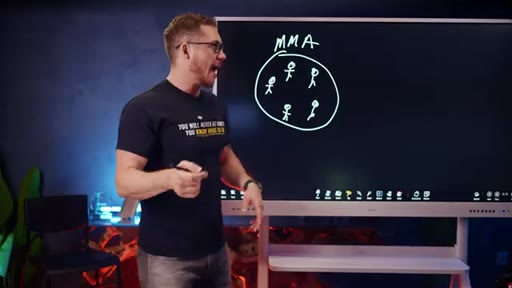
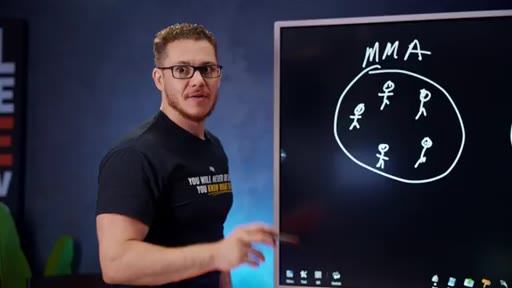
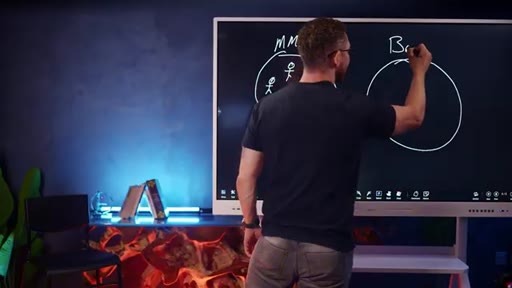
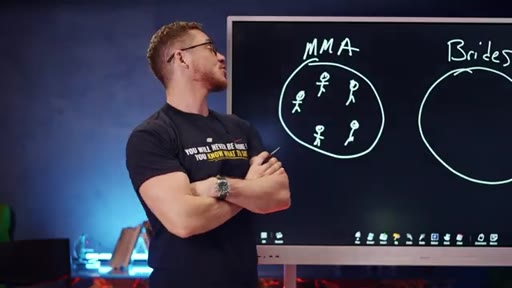
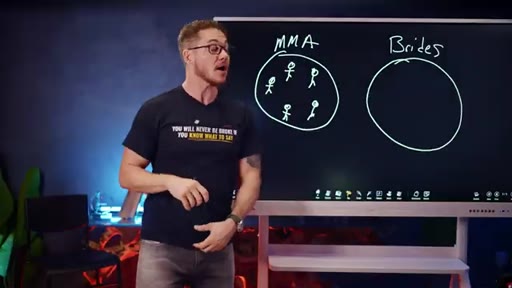
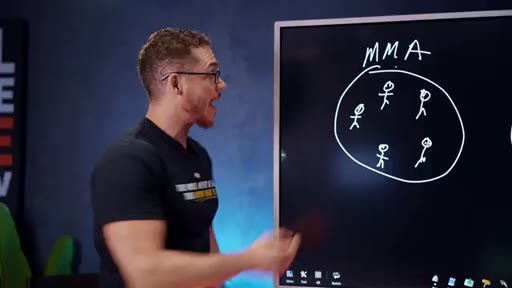
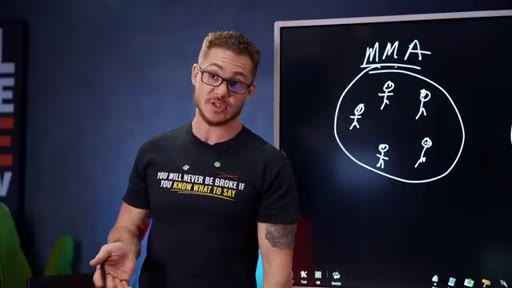
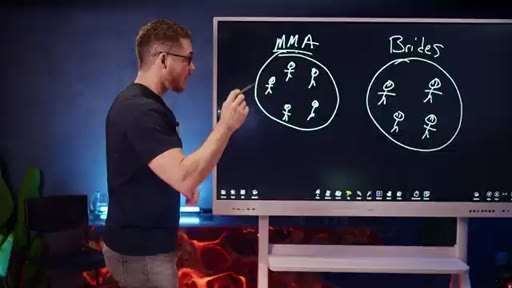
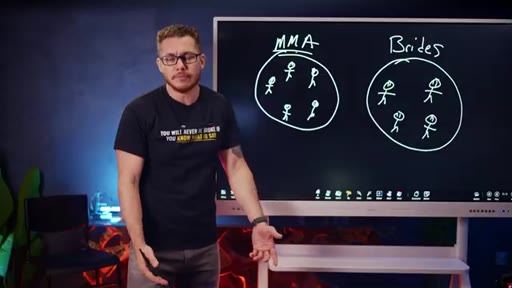
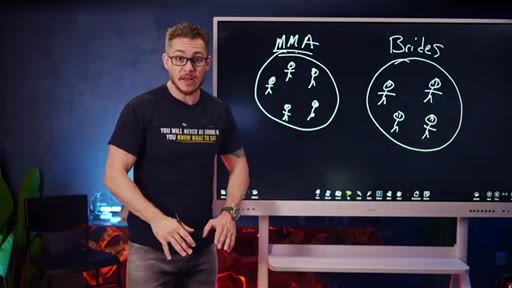
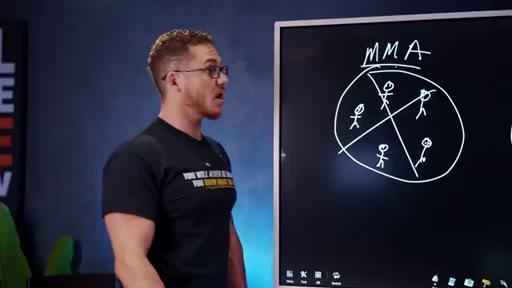
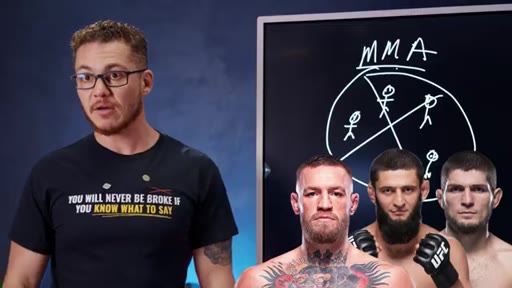
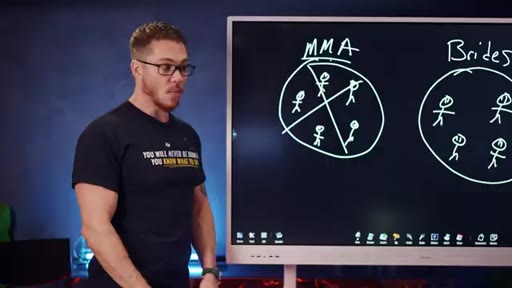
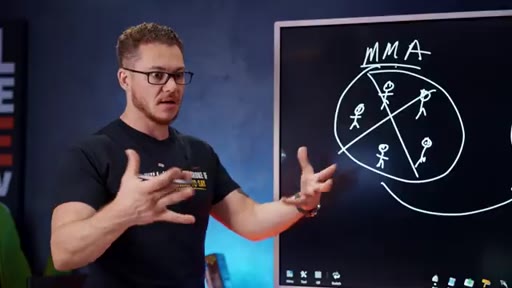
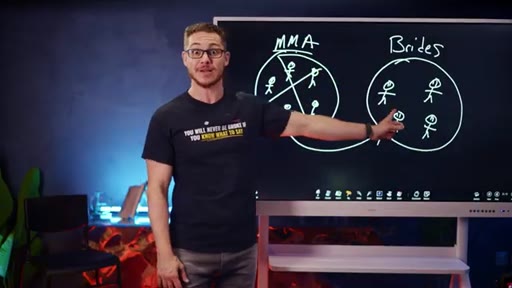
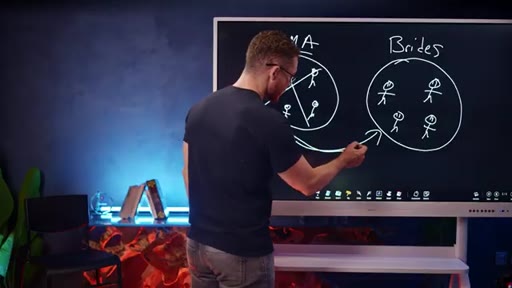
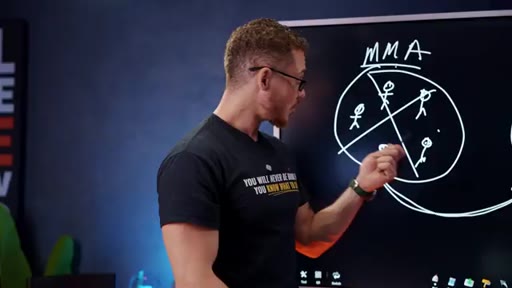
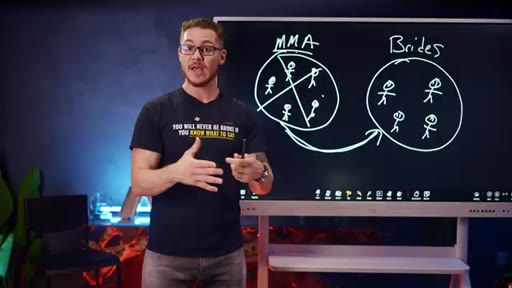
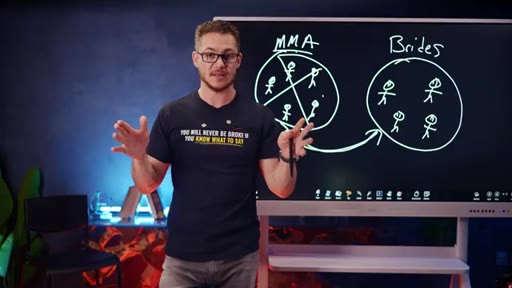
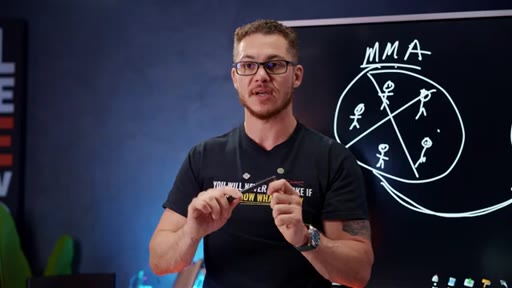
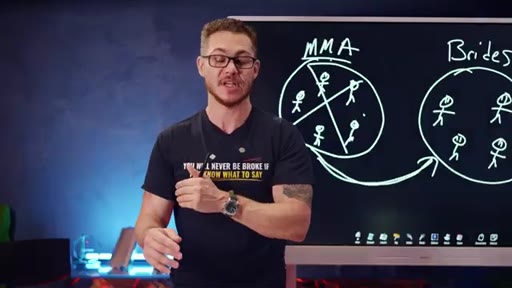
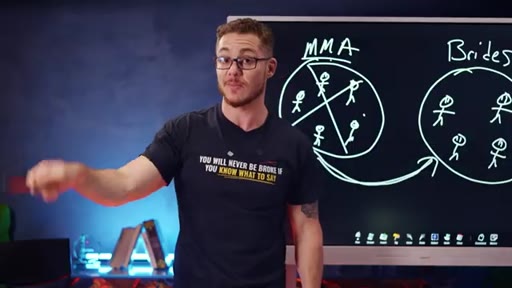
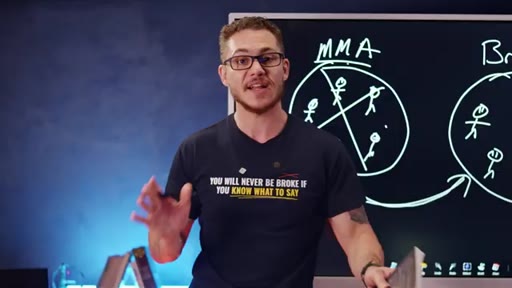
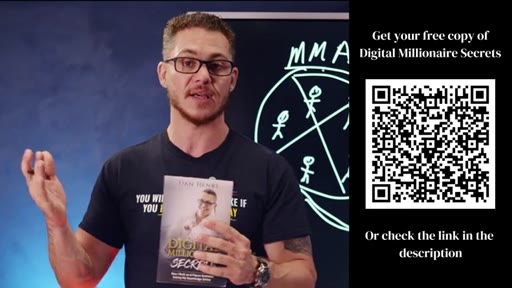
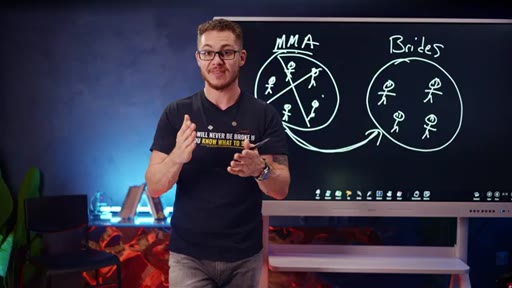
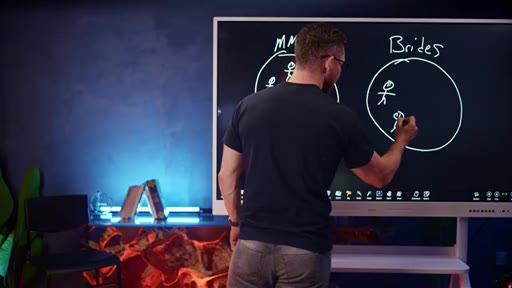
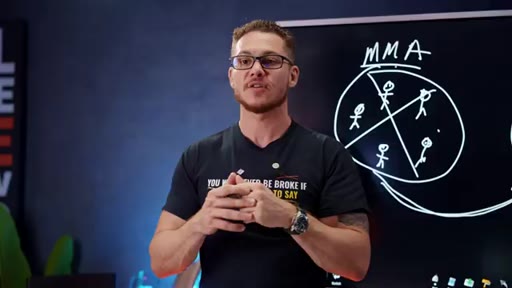
Whiteboard diagram: two circles (MMA, Brides) with an arrow across. A blue-belt fighter is nobody in one circle and an automatic expert in the other.
06 · Two diagnostic questions
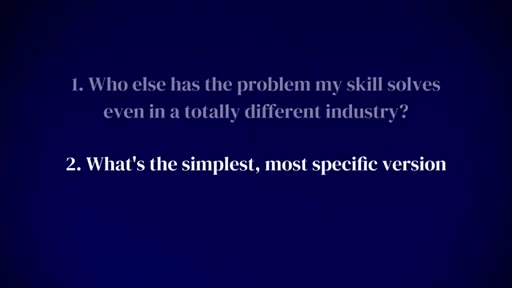
Delivers the actionable framework as two questions shown on screen.
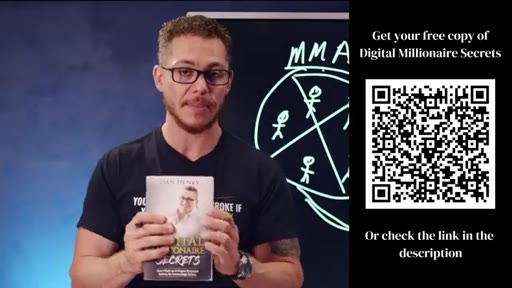
07 · Book CTA
Holds up Digital Millionaire Secrets, QR code appears on screen right, positions the free copy as the next step.
Visual structure at a glance.
Named ideas worth stealing.
The Crossover Offer
Take a skill that is ordinary in your own industry and sell it to a different market where it reads as expertise. Credibility is relative to the audience, not absolute.
Two Crossover Diagnostic Questions
- Who else has the problem my skill solves, even in a totally different industry?
- What is the simplest, most specific version of my skill that I can teach to someone with zero experience?
Two questions that identify where to position a knowledge offer for maximum leverage.
Lines you could clip.
"Every skill I had became dramatically more profitable the moment I stopped using it and started teaching it."
"The fact that you know how to lose 20 pounds in six weeks, which is standard over here is like magic over here."
"Hard work doesn't make you rich, and the best way to get rich is to seek out leverage."
How they asked for the click.
"Grab a copy of my book, Digital Millionaire Secrets. It will show you how to pick your offer, find your audience, and start making sales."
Holds up physical book, QR code overlay on screen right with Get your free copy headline. The free framing removes friction from a cold click.
Word for word.
Your market determines your credibility more than your skill does.
The same knowledge that gets you dismissed in a room of experts can make you the most valuable person in a room that lacks it, and that gap is where a knowledge business is built.
- Credentials are contextual. A blue belt in a gym of fighters is unremarkable; the same blue belt in a group of brides trying to lose weight is a specialist with proven results.
- The leverage of a digital product is not just convenience: it removes the client cap entirely. A consultant who travels can serve three clients; a digital seller can serve three thousand.
- Hard work increases output linearly. Leverage multiplies it. The right question is not how to work harder but which vehicle gets you to the destination faster.
- The Crossover Offer exploits a knowledge asymmetry: something ordinary in one community is extraordinary in another, and the second community has no frame of reference to question it.
- Two questions are enough to find a crossover: who else has the problem your skill solves, and what is the simplest version of that skill you can teach to a beginner?
- Teaching a skill is not a downgrade from doing it: it is a business model upgrade, because teaching does not require you to do the thing for each customer individually.