The bait, then the rug-pull.
Most people treat finding a business idea like waiting for lightning — something that happens to other people, rarely and by accident. Cedric Roberge did it in an afternoon, scrolling TikTok in a college dorm, and seven weeks later had $50,000 in his RevenueCat dashboard.
Where the time goes.
01 · Cold open — knowing where to look
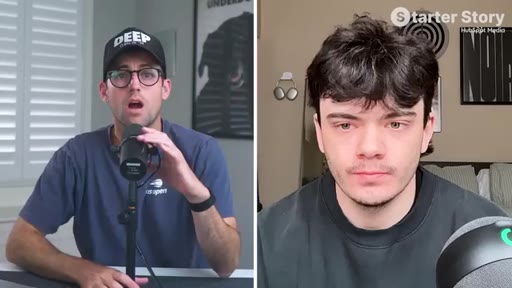
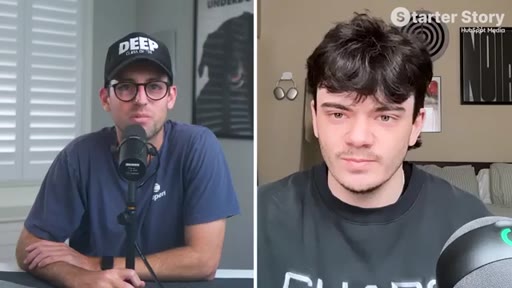
Pat sets the hook: a college student found an idea in an afternoon and made $50K in seven weeks. Cedric confirms live.
02 · Who is Cedric?
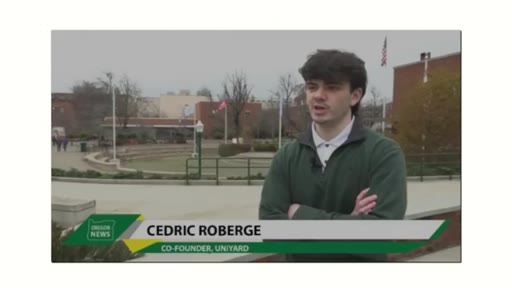
Brief intro: Cedric Roberge, University of Oregon student, founder of pep.ai.
03 · App data and overview
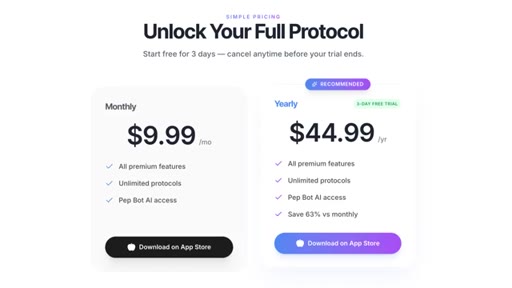
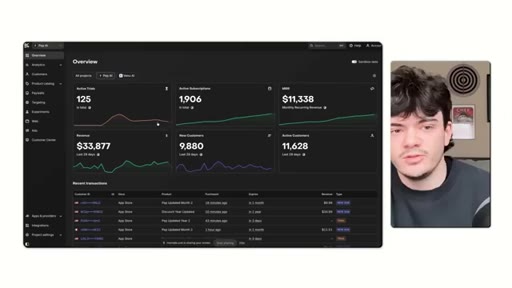
Cedric screen-shares his RevenueCat dashboard: $33K last 28 days, MRR $11K, 2K active subscriptions, $51K total revenue. Pricing: $10/month or $45/year.
04 · Founder background
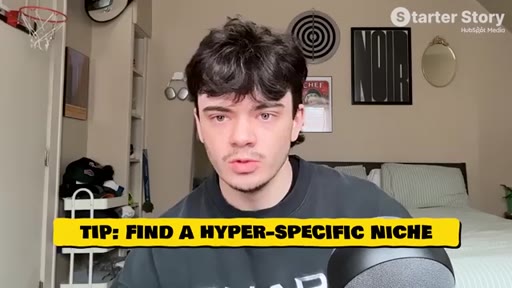
Previous app was a student marketplace at U of O — 800 users, zero revenue. Key lesson: find a specific niche with paying intent.
05 · Build timeline and tech stack
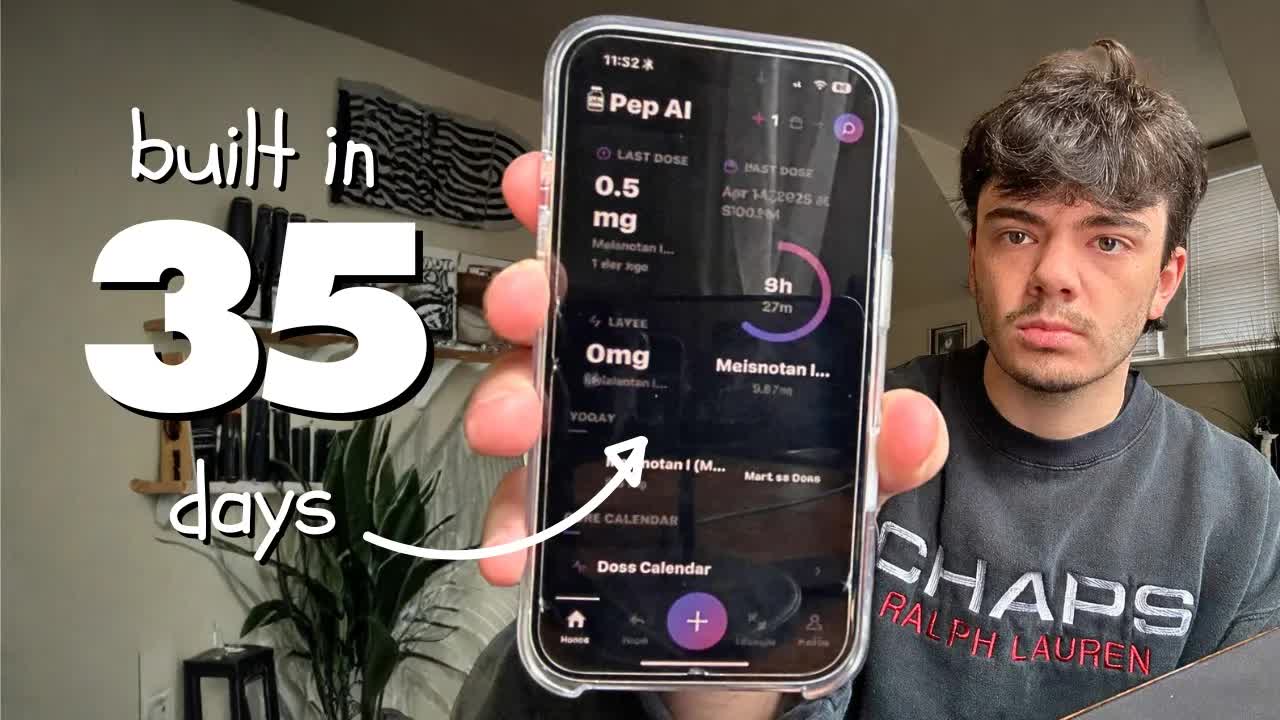
Two weeks to build using Replit + Claude + Firebase. Apple rejected repeatedly for implied medical advice. Expedited review request = 2-hour turnaround.
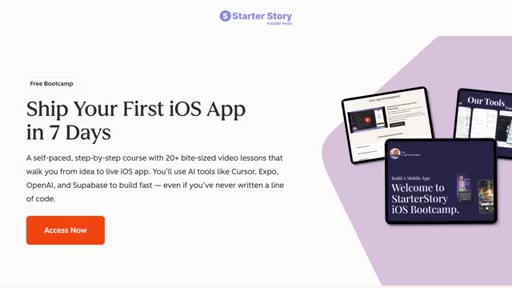
06 · Mid-roll: Starter Story Build iOS bootcamp
Sponsor segment — iOS bootcamp ad. Skip for content purposes.
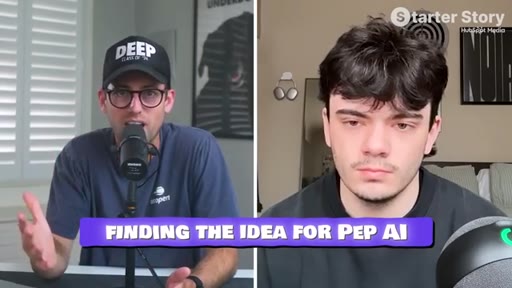
07 · Finding the idea for Pep AI
Roommate mention + TikTok FYP hit = two convergent signals. No successful existing app in the space. Mined competitor reviews with Claude to define features.
08 · Identifying viral ideas
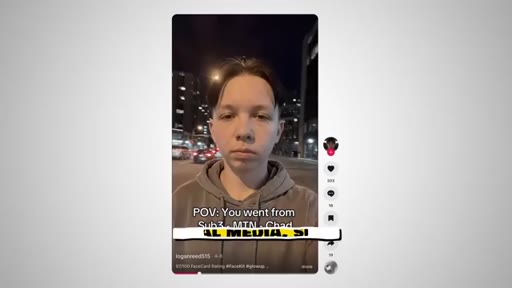
The magnifying glass approach: scroll social media until you find something multiple creators discuss that has no dominant app. Example: looks-maxing app on TikTok trend.
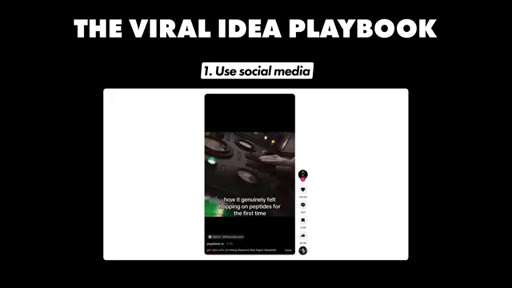
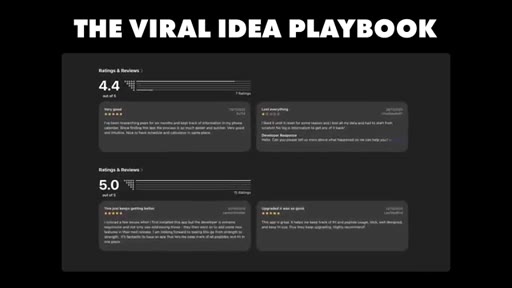
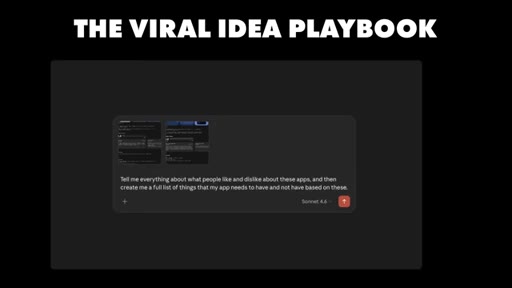
09 · The Viral Idea Playbook — Steps 1–3
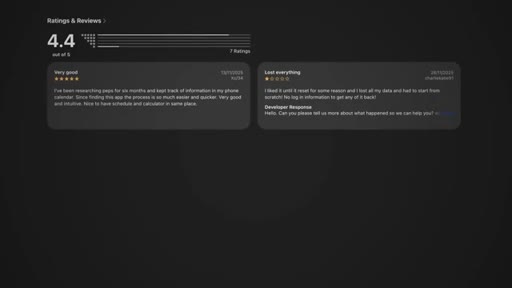
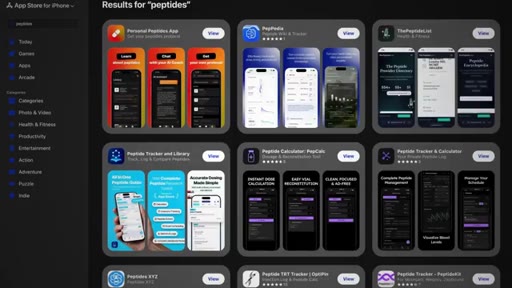
Step 1: watch TikTok daily. Step 2: check App Store (some competition is validation). Step 3: read every competitor review, feed into Claude to generate your feature spec.
10 · Growth and marketing — Steps 4–5
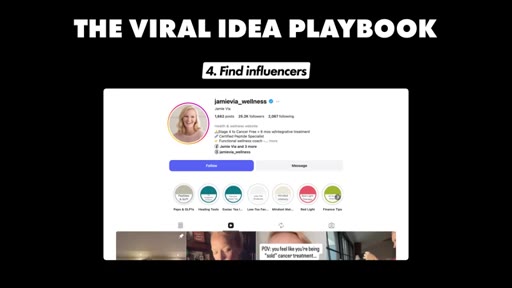
Step 4: seed influencers before launch — 300-person waitlist from Reddit + Instagram. One story post = $1K; one feed post = $10K. Step 5: if you don't know your distribution channel, don't build.
11 · App demo
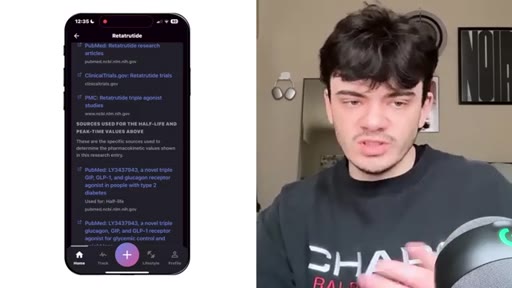
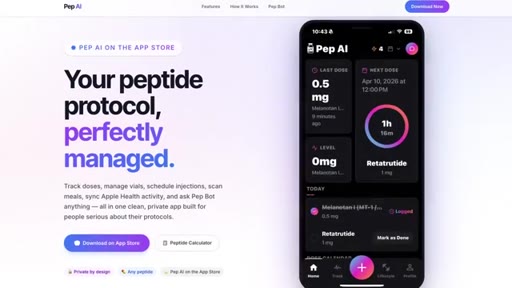
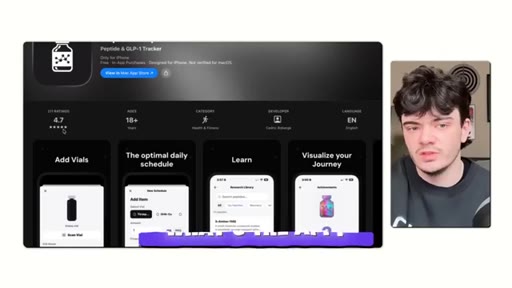
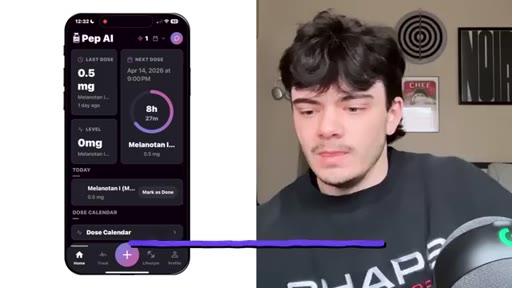
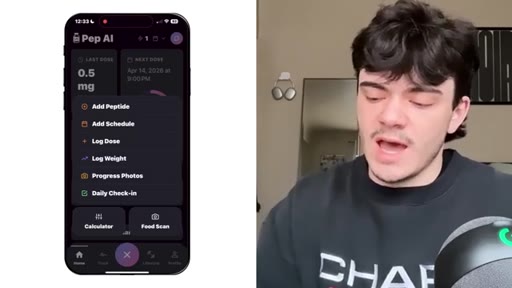
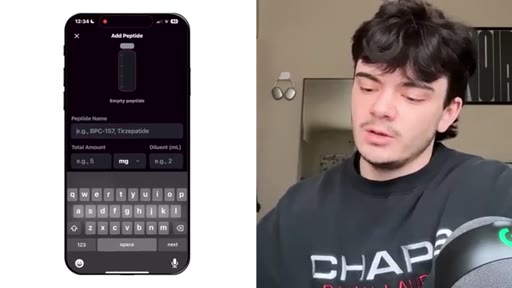
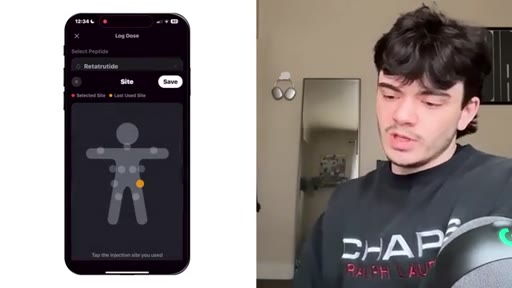
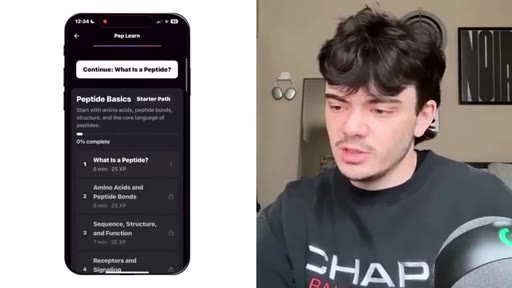
Cedric demos pep.ai: dosage calculator, injection site log, peptide research library with PubMed sources, Duolingo-style quizzes, lifestyle tracking (nutrition, weight, Apple Health).
12 · Advice to founders
Never give up. Vibe coding made this possible. Friends still mock the idea. Vision matters more than consensus.
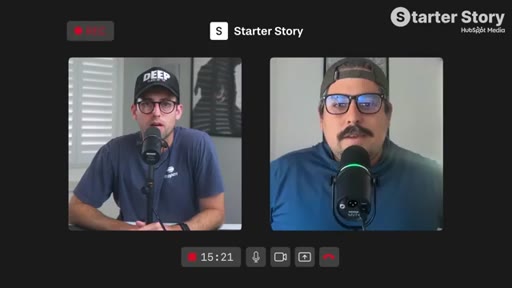
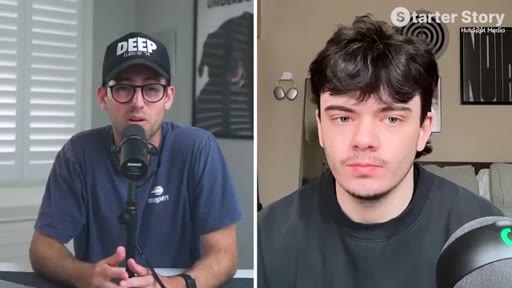
13 · Pat and Gus reflection
Producer debrief: AI tools as the great equalizer; building on a trending topic is the single most underrated lever for a first-time app builder.
Visual structure at a glance.
Named ideas worth stealing.
The Viral Idea Playbook
- Watch TikTok and Instagram daily — find what multiple creators are genuinely obsessed with
- Search the App Store — existing apps validate demand; zero apps is still viable
- Read every review of every competitor app — feed into AI to generate your feature spec
- Seed niche influencers before launch — build a waitlist, not a cold launch
- Define your distribution channel before you write a line of code
A five-step repeatable process for finding a trending idea, validating it, and launching with built-in demand rather than building and hoping.
Lines you could clip.
"The difference isn't luck. It's knowing where to look."
"First-time founders think about product, second-time founders think about distribution."
"Marketing and distribution matters way more than your idea, than your app, how great it is."
"Let's say he had a really crappy app, it still would make money if you just build it on something exciting."
Things they pointed at.
How they asked for the click.
"Inside Starter Story Build, we have our free iOS boot camp. In just a few days, we'll guide you on how to spot a good idea, how to build it, and how to get it ready for the App Store."
Mid-roll placement after the build section — well-timed when the audience is most curious about how to replicate Cedric's process. CTA repeats at outro.
Word for word.
Find the trend first, build the app second.
The variable that separated a $50K seven-week launch from a $0 marketplace failure was not effort or code quality — it was whether demand already existed before the first line was written.
- Organic App Store search is free distribution, but only if the search volume already exists — building on a trending topic means demand arrives before your marketing budget does.
- Existing competitor apps in a niche are a positive signal, not a threat; they confirm that people want the product and are willing to pay, which is a harder thing to create than a better version of an app.
- Reading every negative review of every competitor and feeding the patterns into an AI model produces a product specification faster and more accurately than user interviews, because the pain is already articulated.
- Pre-launch influencer seeding with a waitlist removes the cold-start problem: the day you go live, you have a crowd rather than an empty room.
- A single niche Instagram feed post from a micro-influencer can drive $10,000 in revenue in one day — the return on early-trend influencer relationships is disproportionate because their followers trust them before the mainstream arrives.
- If you cannot articulate how you will distribute the app before you build it, the product is not ready to build — distribution clarity is the actual green light, not feature completeness.
- Apple's expedite review request is a real, usable mechanism that compresses a contested rejection cycle from days to hours — most first-time founders do not know it exists.
- AI coding tools changed the accessibility of app entrepreneurship not by making code easier but by making the non-technical founder viable at all — the bottleneck shifted from build to distribution.