The bait, then the rug-pull.
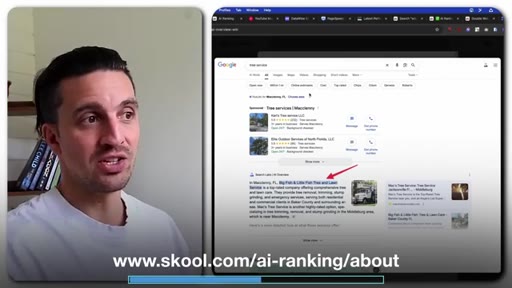
Your impressions are climbing and your clicks are falling -- and if you have been staring at that divergence in Search Console wondering what changed, Google IO 2026 just gave you the answer. Two announcements rewrote the rules: a personalized dashboard that answers searches without routing users anywhere, and browser search agents that query the web with your customer's full context already loaded.
Where the time goes.

01 · Hook: the evidence
Impressions up, clicks down in Search Console. Google IO agents can book, purchase, and submit leads autonomously.
02 · Two announcements that matter
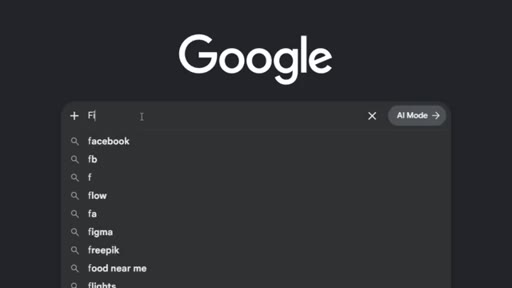
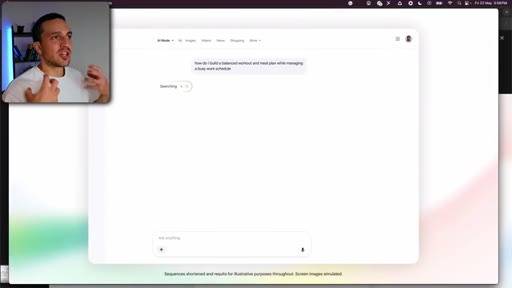
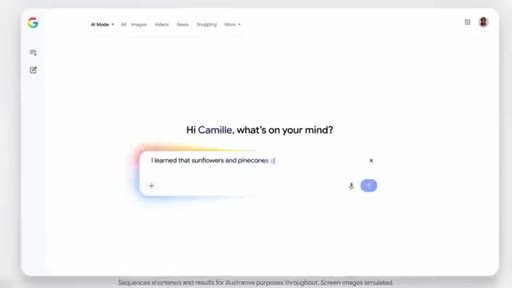
Personalized search dashboards kill informational content traffic; browser search agents deploy on Google 1B+ user base.

03 · The concierge model
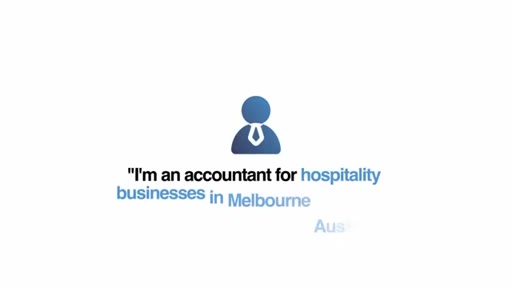
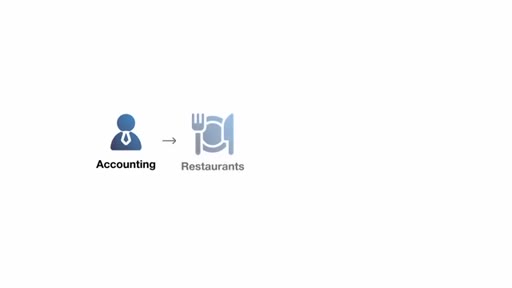
Agents search with the user's full personal context. Example: Vietnamese restaurant owner searching for an accountant gets agent-filtered results.
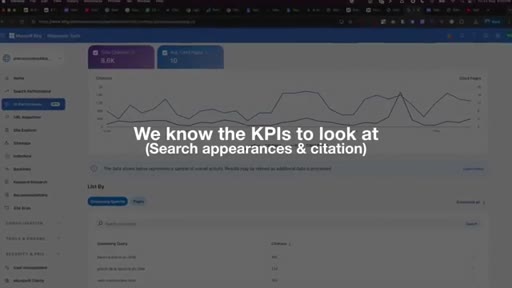
04 · New KPI: citations
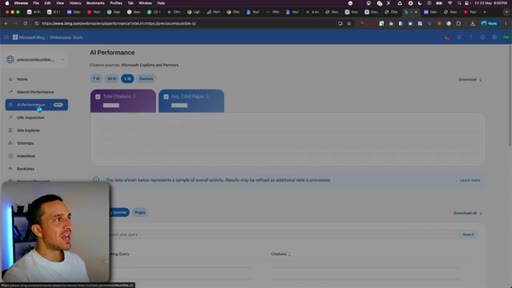
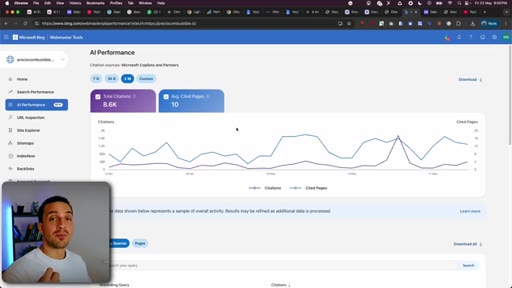
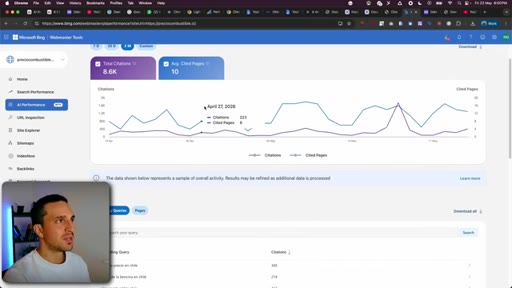
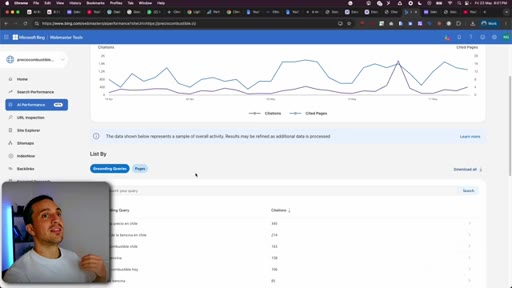
Traffic is down but citations measure AI visibility. Introduces Bing Webmaster Tools AI Search Performance tab.
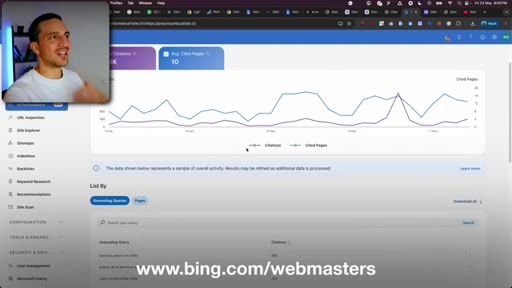
05 · Measuring Google AI citations with Datawise
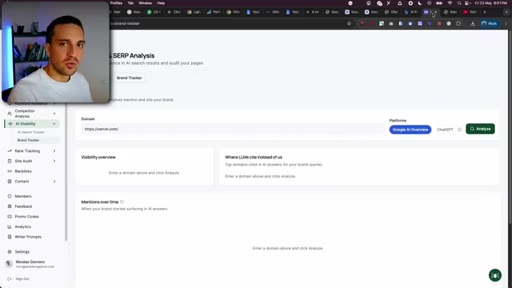
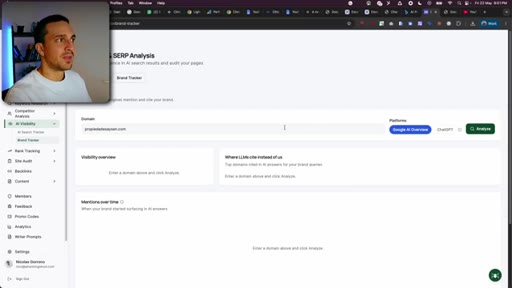
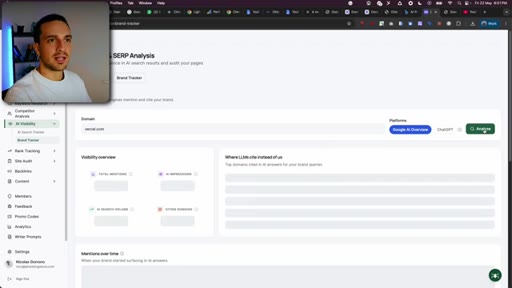
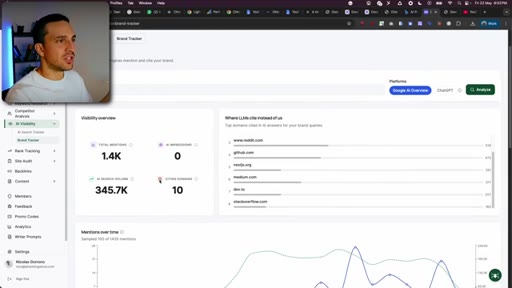
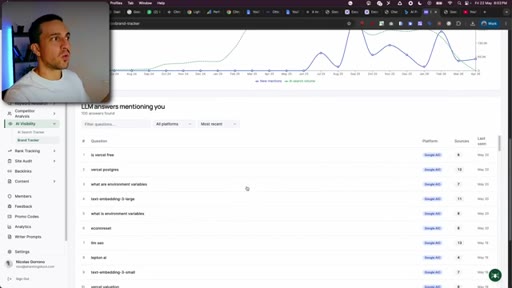
Datawise Brand Tracker shows AI Overview mentions, source platforms (web, YouTube, Reddit), and triggering queries. Demo on Vercel.

06 · Website as data API
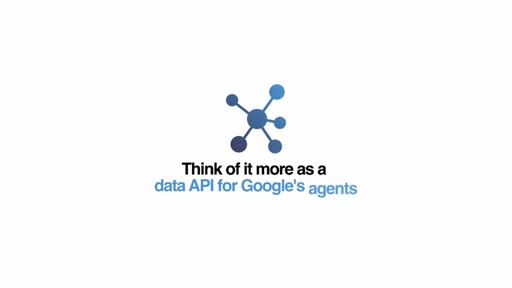
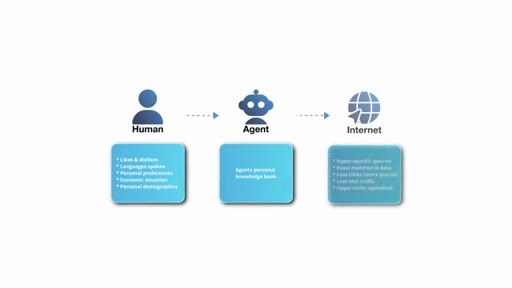
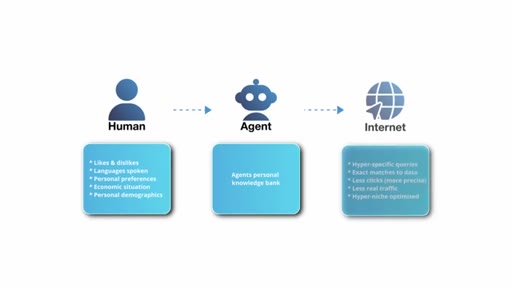
The Human to Agent to Internet model. Hyper-niche content is what gets cited.
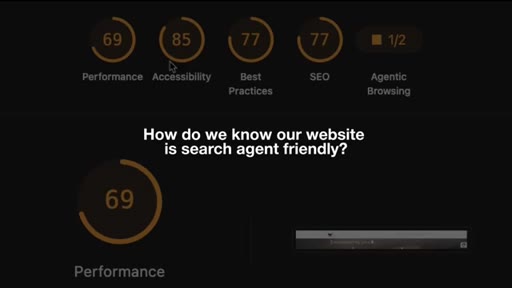
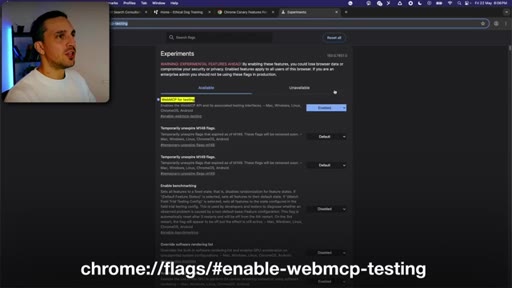
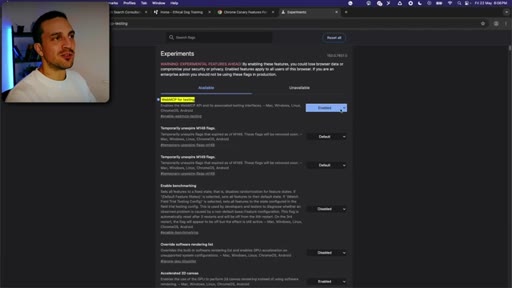
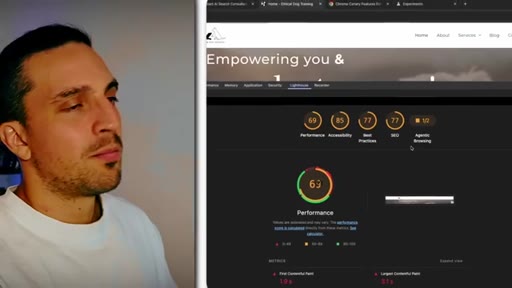
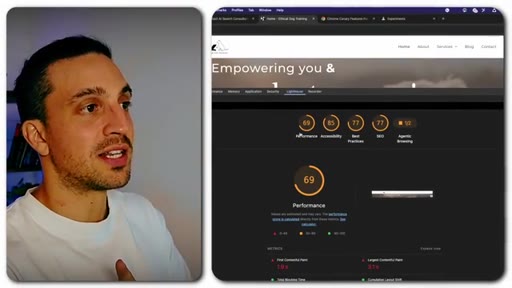
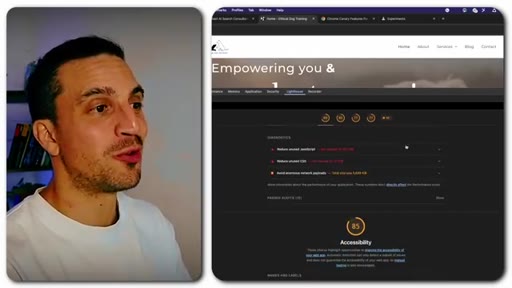
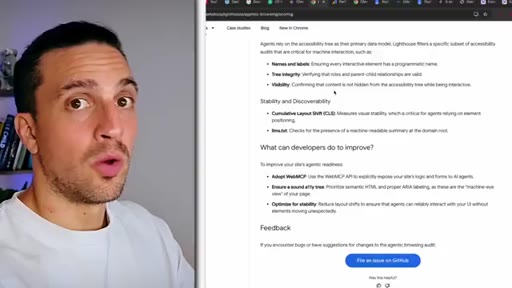
07 · Agentic browsing test
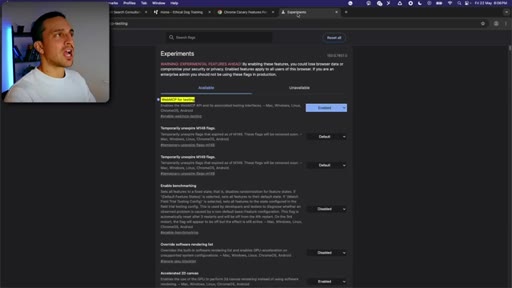
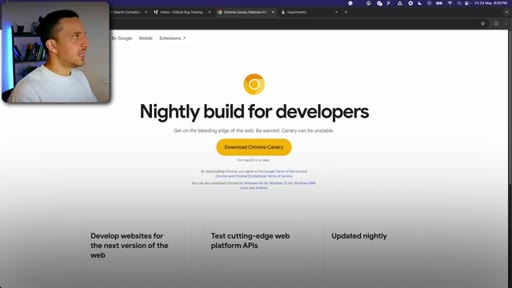
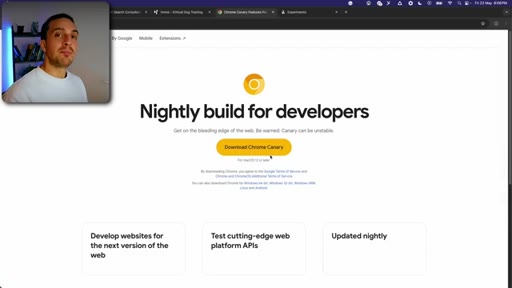
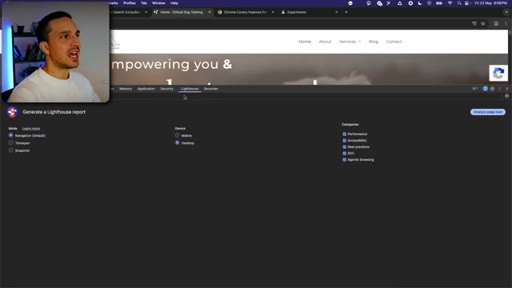
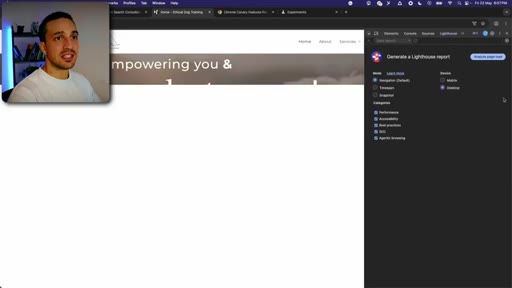
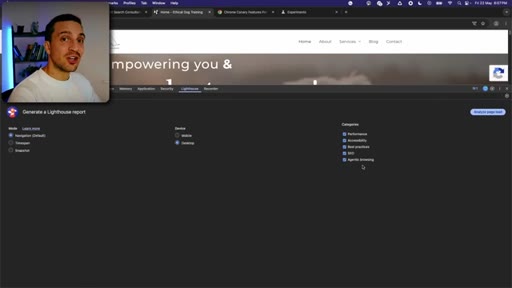
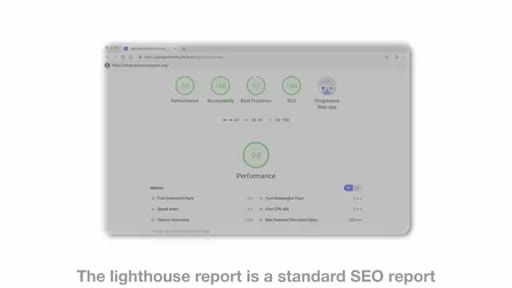
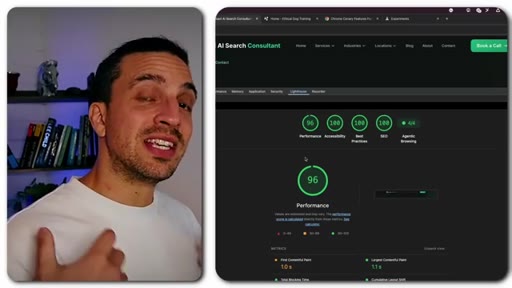
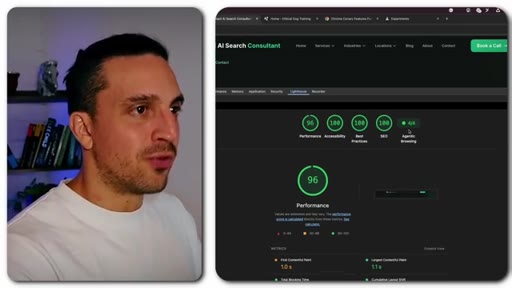
Chrome Canary plus WebMCP flag plus Lighthouse Agentic Browsing category. Scores 0-3; most sites start at 1 of 2 with accessibility tree issues.
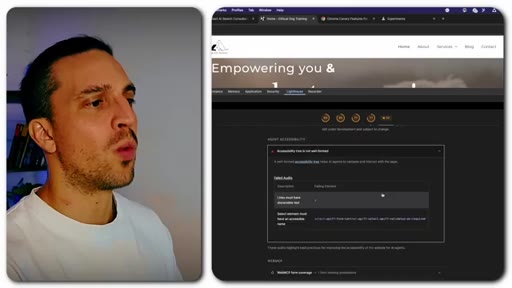
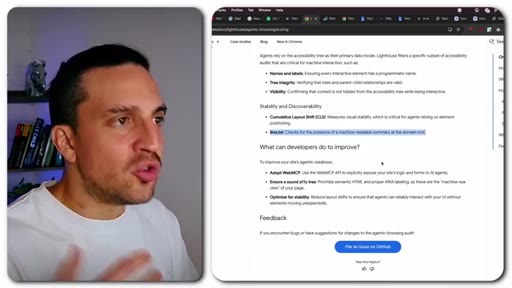
08 · LLM.txt quick win
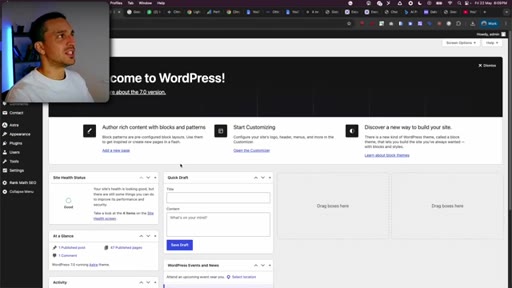
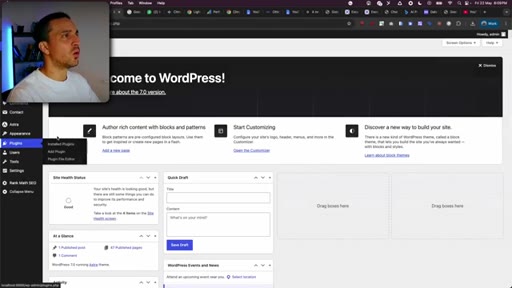
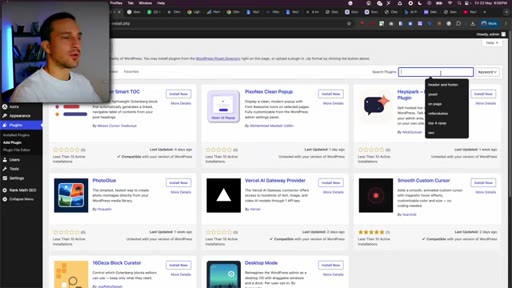
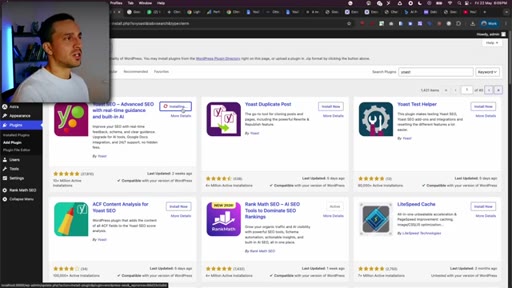
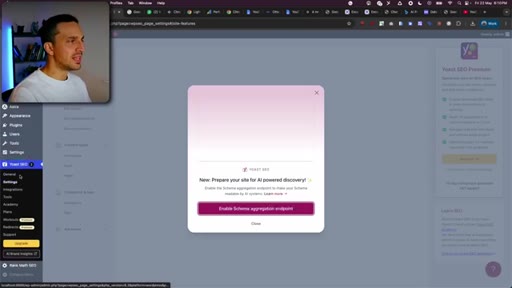
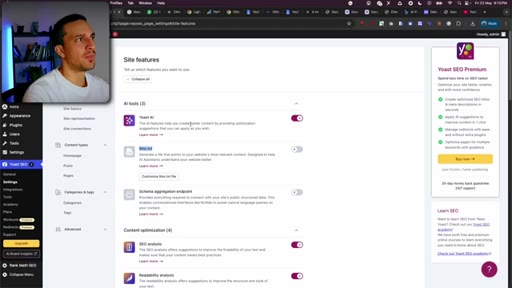
Google-confirmed signal. WordPress: install Yoast free, enable LLM.txt under Settings > AI Tools.
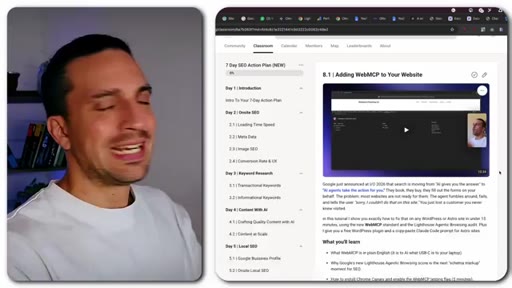
09 · Close
CTA to AI Ranking School community. SEO is evolving, not dying.
Visual structure at a glance.
Named ideas worth stealing.
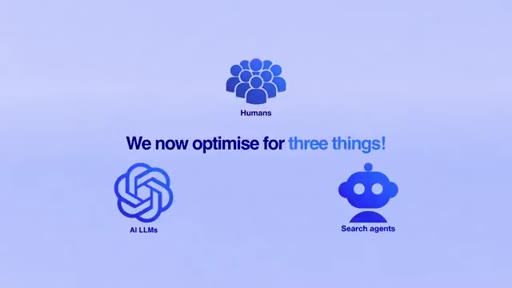
Human to Agent to Internet
A three-node model showing that AI agents now sit between users and the internet, carrying the user's full personal context into every search query.
Niche specificity ladder
- accountant for small businesses
- accountant for hospitality businesses in Melbourne
- accounting for restaurants in Fitzroy that use Xero
A three-rung ladder showing how to drill from a broad keyword claim to an agent-citable niche specification.
Lines you could clip.
"Google just ended search as we know it, and the evidence is already sitting in your Google search console."
"Nobody's getting clicks anyway practically. So you need the right clicks."
"You need to think of your website not just for a landing page for humans, but you need to think about it as a data API of your business for these agents."
Things they pointed at.
How they asked for the click.
"I'll leave a link if you wanna try it out risk free for seven days below."
Community pitch (AI Ranking School on Skool) with 7-day risk-free trial. Soft close after delivering all value.
Word for word.
Three moves that make your site agent-readable.
AI search agents query the web with a user's full context already loaded, which means citation accuracy -- not click volume -- is the new measure of search visibility.
- Track citations, not just clicks: Bing Webmaster Tools AI Search Performance tab shows every time your site is cited in GPT-powered answers, including the exact queries triggering those citations.
- Datawise Brand Tracker surfaces Google AI Overview mentions and which platforms (web, YouTube, Reddit) are driving them -- giving you a citation map you can act on.
- Agents query with the user's full personal context pre-loaded (business size, location, tools, preferences), so a broad positioning claim like we serve small businesses no longer matches the hyper-specific query being run.
- The practical fix is a specificity ladder: drill your service page claims from category-level to niche-complete, including software, location, and customer type, so the agent can match you to the right query.
- Chrome Canary Lighthouse now includes an Agentic Browsing score from 0 to 3 -- run it by enabling the WebMCP flag at chrome://flags/#enable-webmcp-testing and selecting the Agentic Browsing category in Developer Tools.
- An LLM.txt file at your domain root is officially confirmed by Google as an agent-legibility signal -- WordPress users can generate one in under two minutes by enabling the setting in Yoast SEO under Settings AI Tools.
- Google personalized search dashboards will eliminate most traffic to recipe, workout, and how-to content by answering those queries inline -- sites in those categories need to pivot to community, tools, or transactional content that agents cannot replace.
- The framing shift: your website is no longer a landing page for humans, it is a data API your business exposes to agents that decide who to recommend.