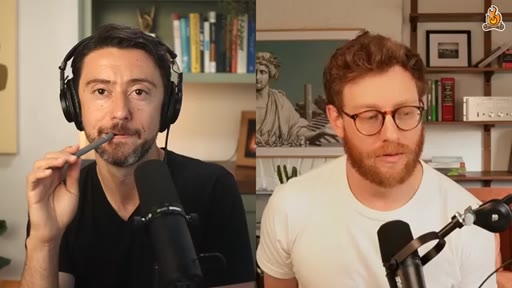
The bait, then the rug-pull.
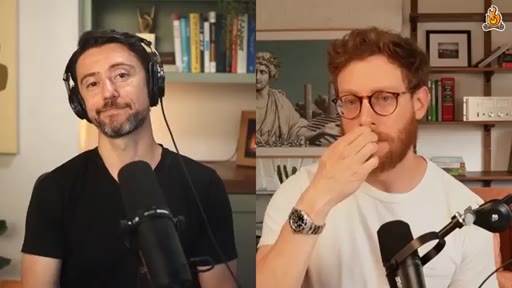
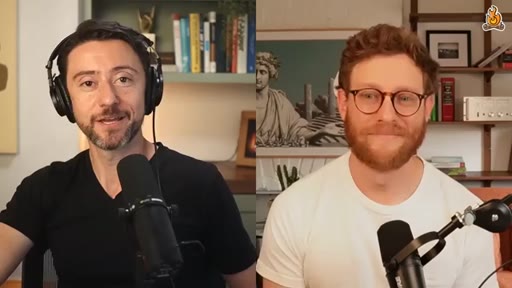
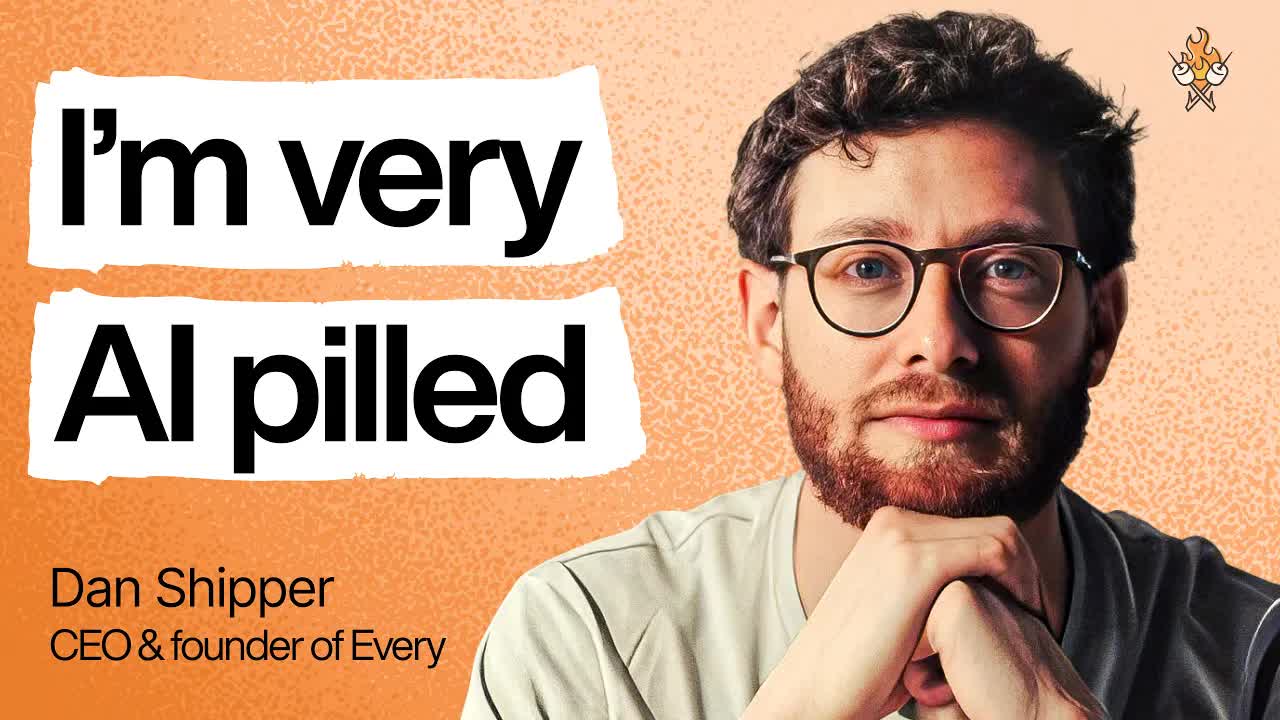
A year ago, Dan Shipper said people were sleeping on Claude Code for non-engineering work. He was right. Now he has twelve more predictions -- and the most surprising one is that AI is not taking your job, it is burying you in work.
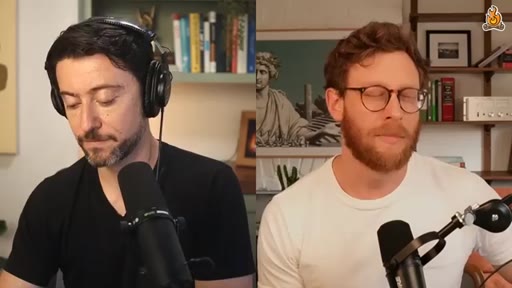
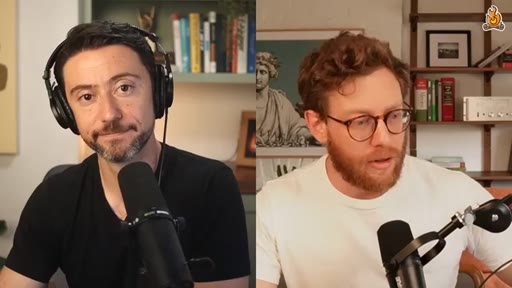
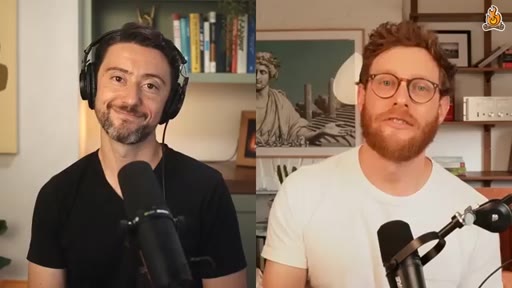
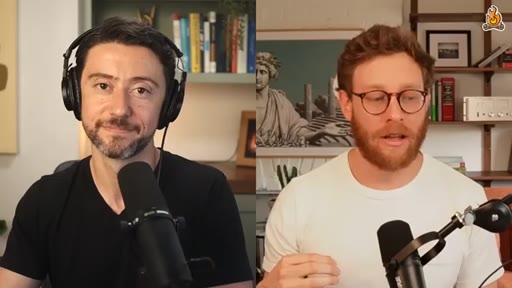
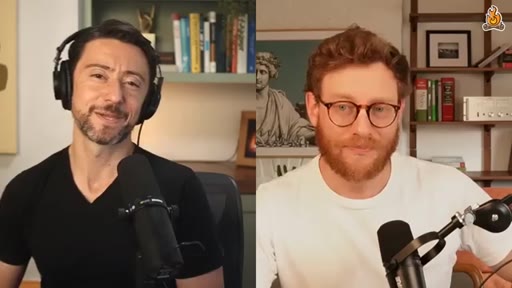
Who's talking.
Where the time goes.
01 · Introduction
Lenny frames Dan's track record on Claude Code predictions and sets up the three prediction buckets.

02 · Living in the AI future
Every as a 30-person AI-forward company; the reach test; writing as mechanism for articulating the future.
03 · How we work will change
Bifurcation into async super-agents (Slack) and on-computer work surfaces (Codex/Claude Code). Personal agents have stalled; company-wide super-agents are winning.
04 · Codex and Claude Code as the new work OS
Browser-inside-agent unlocks all knowledge work. Dan's inbox-zero via Codex. CLIs are over.
05 · Two agents are better than one
Agent-to-agent communication passes context a human could not type. SaaS onboarding redesigned around agent users.
06 · Why Dan is bullish on SaaS
Agents increase SaaS users rather than replacing them. SaaS spend at Every is up year over year despite heavy AI use.

07 · Why automation does not reduce human work
Allocation economy framework. Senior engineer benchmark: GPT 5.5 at 62/100 vs humans at 88/100.

08 · Recap and the shape of work changing
Non-technical people making PRs. Technical people becoming coherence-keepers. Forward deployed engineers as a permanent new role.

09 · Which roles are least changed
Sales least disrupted so far. CEOs and middle managers have been able to opt out but that will change.
10 · We will read more AI-generated writing and like it
Slop distinction: bad when sender does not stand behind it. Quarterly planning at Every done entirely with Notion agents.
11 · PMs and designers will dominate
Marcus at Every: PM background plus AI ships faster than most engineers. Full-stack designers can now build what they design.

12 · The AI job apocalypse will not happen
Models make yesterday's competence cheap, creating room for new expertise. Engineers are not being fired; they are maintaining coherence.
13 · How to ride the models
Turn over the same rocks with each new model drop. The edge of AI is wherever a real person applies it to something specific.

14 · Lightning round
Books: Annie Dillard, Churchill, The Rigor of Angels. Favorite product: Codex. Life motto: do things worth writing about.
Lines you could clip.
"Every agent needs a human."
"I would buy SaaS stocks right now."
"CLIs are over. We speed ran the CLI era."
"What models do in general is they make yesterday's human competence cheap, and so it becomes commoditized."
"The edge of AI is wherever AI meets a real human doing something."
Things they pointed at.
Word for word.
The only thing that keeps you ahead is riding the models.
Agents do not replace the humans who manage them -- they multiply the surface area that needs managing, which means the scarce resource is still people who care about making things work.
- Every automated system needs a human steward: the agent breaks, drifts, or loses context the moment no one is actively gardening it.
- Benchmarks measure articulated problems. The unscored labor -- knowing what to ask, recognizing when to rewrite rather than patch -- remains human even as scores climb.
- Models commoditize yesterday's competence. New expertise stays one step ahead because humans generate it first and models absorb it later.
- The roles that win have high judgment and low dependency on a team: PMs who can now ship, designers who can now build.
- Riding the models is a habit, not a tactic: apply the newest version to something you actually care about and turn over the same rocks with each release.
- SaaS does not die from agents; agents become power users of SaaS, driving demand up and improving margins via the bring-your-own-tokens model.
- The forward deployed engineer is a real permanent role: responsible for making sure the company agent is working, learning, and not doing dumb things.
- Reading AI-generated writing at work will normalize: the bar is not whether AI wrote it, but whether the sender stands behind every line.