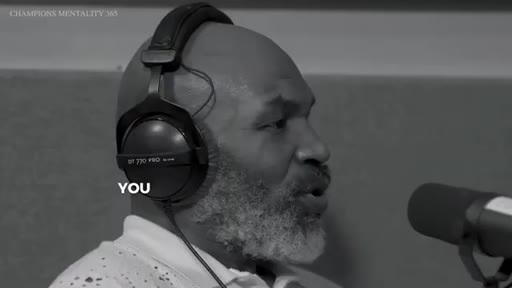
The bait, then the rug-pull.
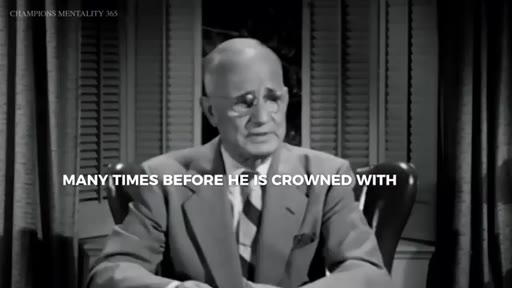
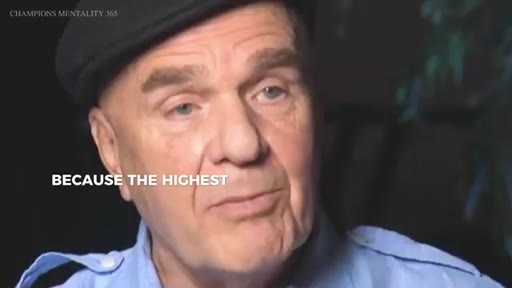
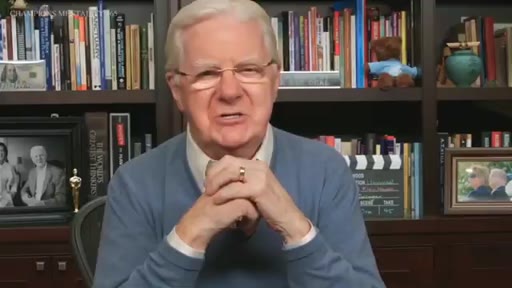
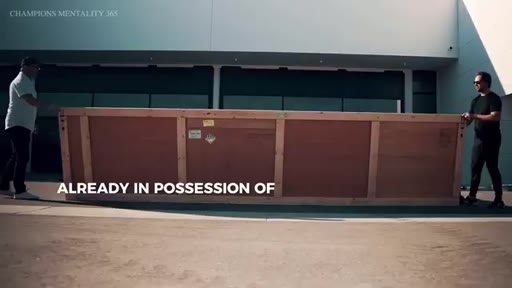
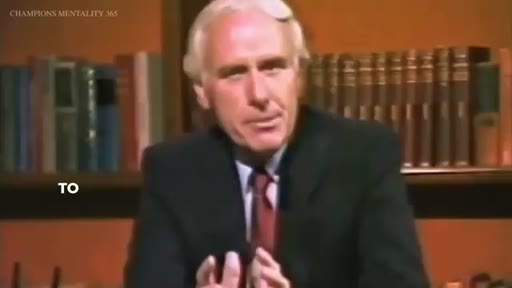
The video opens on a meme-edited Inception clip two men on a tarmac, one labeled me, the other comfort before cutting to Bob Proctor on the six higher faculties of the human mind. Within thirty seconds the thesis is set: you have the tools to build any reality you want, and the only question is whether you will use them.
Where the time goes.

01 · Inception meme hook and higher faculties
Meme-cut Inception clip sets the growth-vs-comfort tension; Bob Proctor introduces imagination as the key faculty.

02 · Get serious and design the next 5 to 10 years
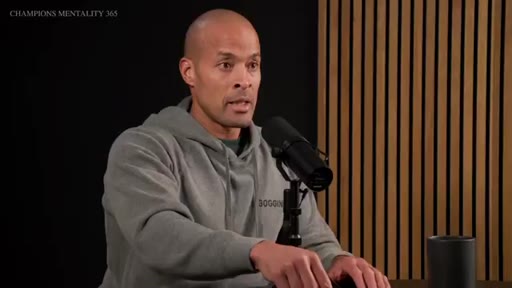
Multiple voices on designing economic destiny, moving from average to fortune, changing mindset.

03 · Change the inside first and plant the seed
External world reflects inner state. Planting a seed analogy: results take time after the inner change.

04 · Visualization is neutral and ignore the critics
Visualization delivers whatever you intensely imagine. Do not let others cap your ceiling.

05 · I am invocation and mental rehearsal
The I am command to the subconscious. Brain cannot distinguish imagined from real, use it.

06 · Frequency and change your tower
Thinking as frequency emission. Change what your tower broadcasts and you attract different circumstances.

07 · Personal development and confidence is supreme
Ten years from now you will be someone the question is who. Confidence applied properly is inconquerable.

08 · Back against the wall and defeat as test
Real confidence comes from performing under pressure with no option but to succeed. Defeat tests faith not capacity.

09 · Stay small long enough and believe it is possible
Delusional belief is the precondition. Opportunities appear when you believe the next level is reachable.

10 · See it as already done and law of reversibility
Stop worrying about how. See the goal as accomplished, do not specify the path, let the blanks fill themselves.

11 · Hold the feeling close
Final instruction: generate the feeling of already having succeeded, replay it, the law of reversibility does the rest.
Visual structure at a glance.


Lines you could clip.
"Your imagination is your preview of life's coming attractions."
"When you mentally rehearse doing something, the brain does not know the difference between the outside world event and what you're imagining."
"Most people live the same six months of their lives a hundred times in a row and then they die."
"Stay small enough long enough, you'll be big enough soon enough."
"See it as already done, already accomplished. Don't worry about how it's going to happen."
How they asked for the click.
"Gold end card: Thanks for Watching / Subscribe / Next Video"
Standard end card; no verbal CTA in the compilation audio itself.
Word for word.
Feel it first, then let it find you.
The reason most visualization does not produce results is that it stays in the realm of wishing the shift happens when you generate the feeling of already having the thing.
- The brain processes a vividly imagined scene with the same neural pathways as a real one which is why repetition of the felt image changes behavior before circumstances change.
- Visualization is not positive thinking. It is neutral and delivers whatever you vividly rehearse which means rehearsing doubt or failure is also visualization.
- The path to a goal does not need to be specified in advance. Setting the endpoint clearly and holding it as already accomplished allows solutions to emerge that you could not have predicted.
- Internal state precedes external results the seed analogy makes this concrete: you plant in conditions that look like nothing has happened and results come after a delay that most people mistake for failure.
- Confidence is not a personality trait it is a trainable response built by performing under pressure when there is no safety net which is why voluntary discomfort matters more than affirmations alone.
- Other people's skepticism about your goals often has nothing to do with your actual chances it reflects the risk they chose not to take which your success would make visible.
- The I am pattern is a leverage point: chronic negative self-labeling operates as a subconscious instruction loop that self-reinforces and the same mechanism works in reverse.