Better Stack · Youtube · 09:20

MCP Apps Are Changing the Internet. Here's How to Build One!

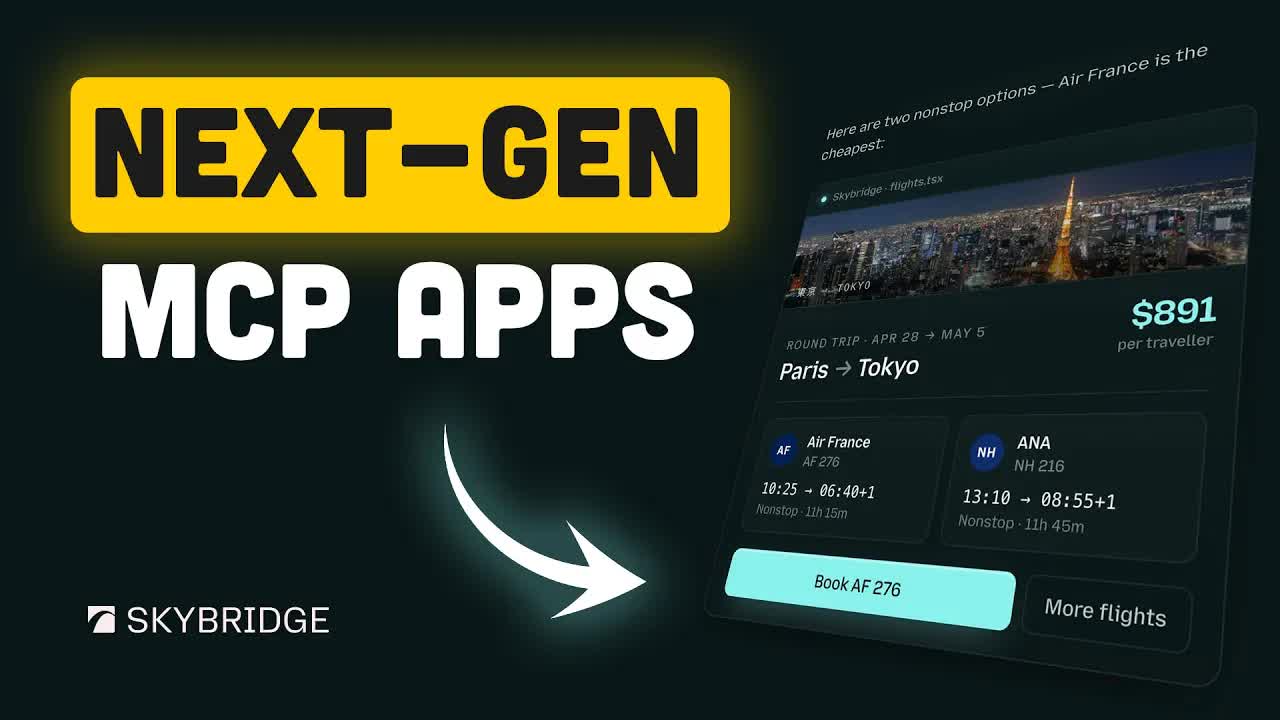
A 9-minute end-to-end demo of SkyBridge — the open-source framework that puts your React app inside ChatGPT and Claude.

Posted
May 24th 2026
today
Duration
09:20
Format
Tutorial
educational
Channel
BS
Better Stack
§ 01 · The Hook

The bait, then the rug-pull.

The web has always had one user: you. But the chatbot era just added a second — the AI sitting between your app and the person asking questions. SkyBridge is the first framework to treat that seriously, letting your React components serve both users over the same live state.

§ · Stated Promise

What the video promised.

stated at 00:32 "We'll take a look at SkyBridge, see how it works, and try it out for ourselves." delivered at 08:20
§ · Chapters

Where the time goes.

00:00 – 00:44

01 · Hook + intro

Trend statement — MCP apps are replacing JSON outputs in chatbots — then names SkyBridge as the tool of the day.
00:44 – 02:50

02 · How MCP apps work

Core concept: traditional apps serve one user; MCP apps serve two simultaneously (human + AI). SkyBridge handles the protocol bridge, state sync, and security so you write standard React.
02:50 – 03:02

03 · Old dev loop problem

Before SkyBridge 1.0, local testing required manual tunnels, copy-paste configs, and chat restarts — painful for fast iteration.
03:02 – 03:03

04 · SkyBridge dev dashboard

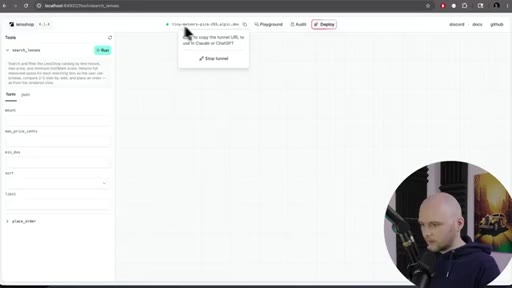
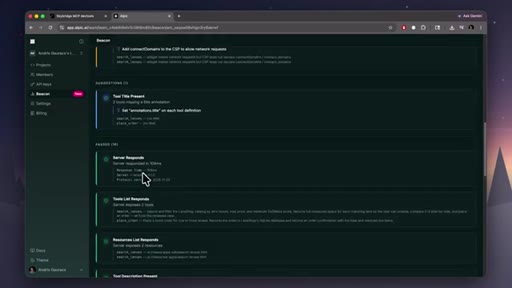
Three-tool dashboard: Alpic Playground (hot reload, no live LLM), integrated tunnel (one-click public URL), Beacon audit (pre-submission check).

03:03 – 04:22

05 · Demo setup

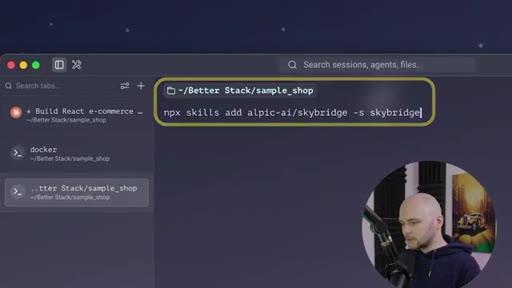
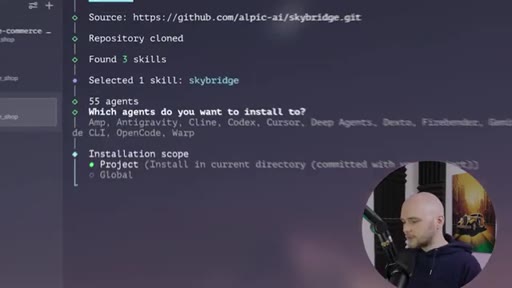
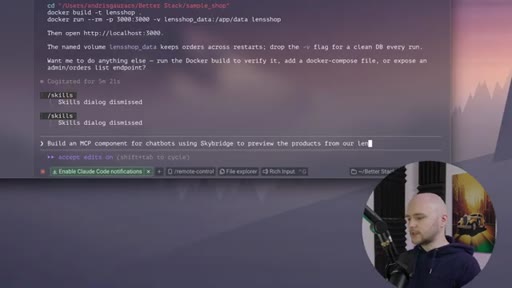
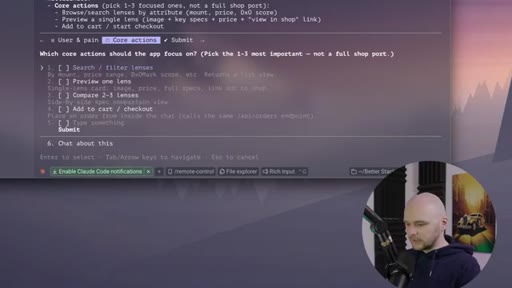
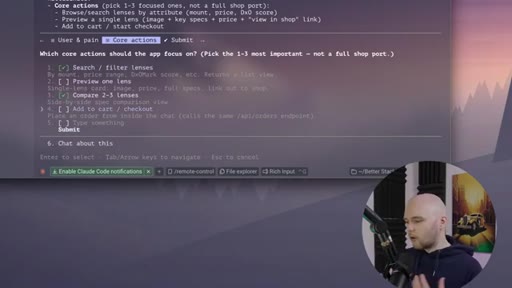
Installs SkyBridge skill into Claude Code agent for a pre-built camera lens e-commerce React store, then describes desired MCP app (search, compare, cart, checkout).
04:22 – 06:10

06 · Claude builds the MCP app

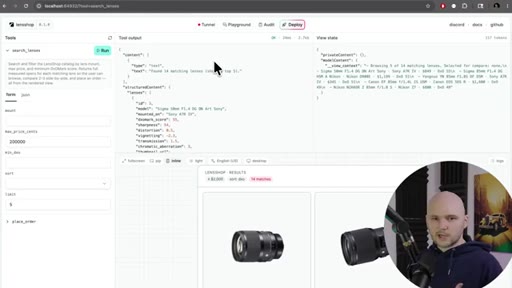
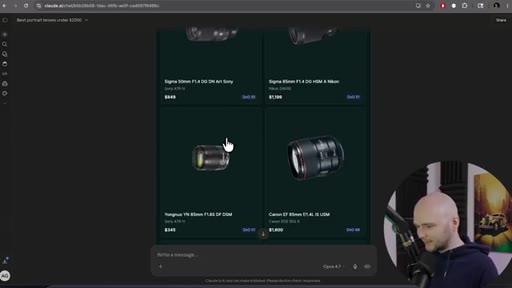
Claude Code generates the MCP app. Developer opens the SkyBridge dashboard and demos: price-filtered lens search (14 results under $2,000), mobile/dark mode preview, live state updates on selection.
06:10 – 07:00

07 · Compare + checkout flow

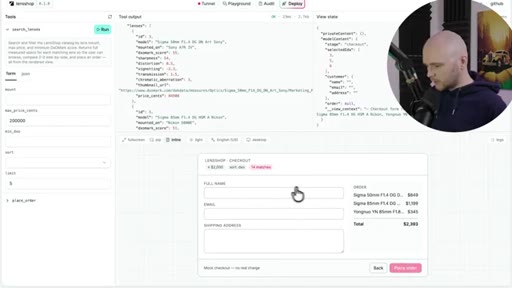
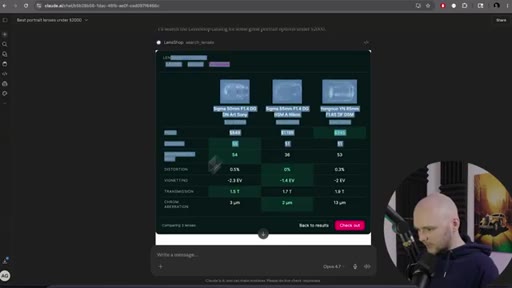
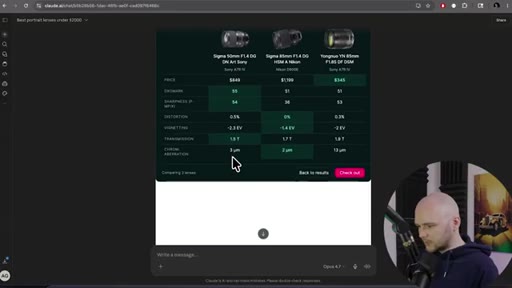
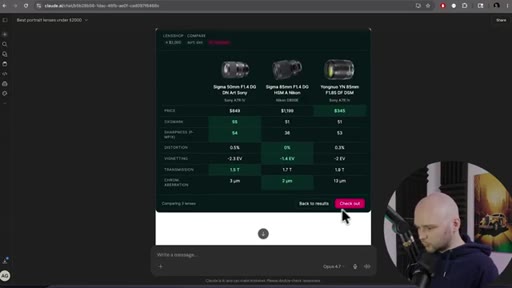
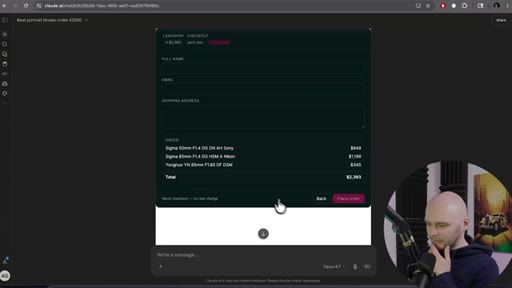
Selects three lenses, hits compare — side-by-side spec table renders. Proceeds to checkout with name/email/address form. Dashboard validates the full funnel.
07:00 – 07:56

08 · Connecting to live Claude

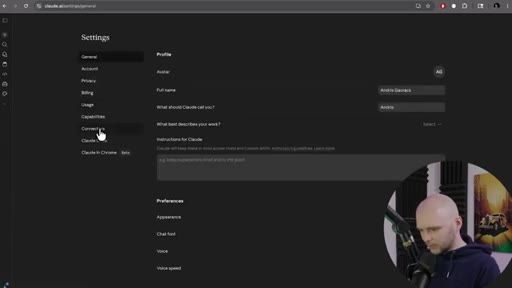
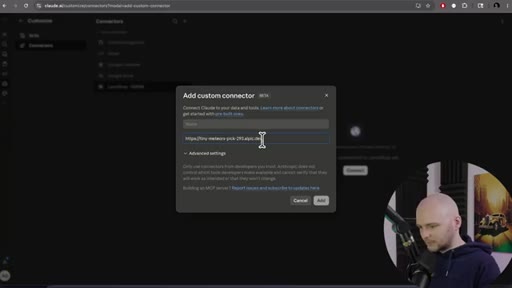
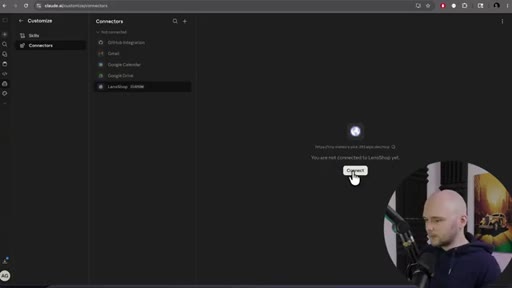
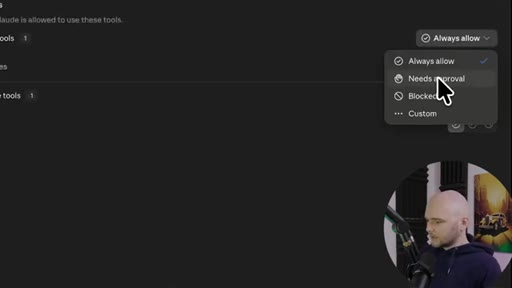
Activates the integrated tunnel, copies URL, adds custom connector in Claude settings with one click. Sets tool permissions (auto vs. approval).
07:56 – 08:20

09 · Live test inside Claude

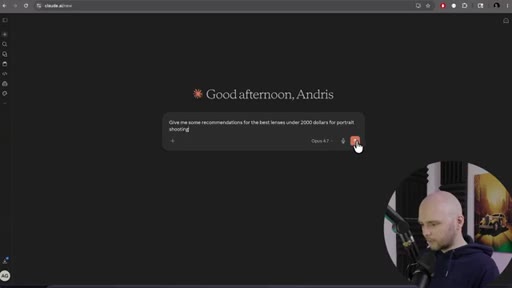
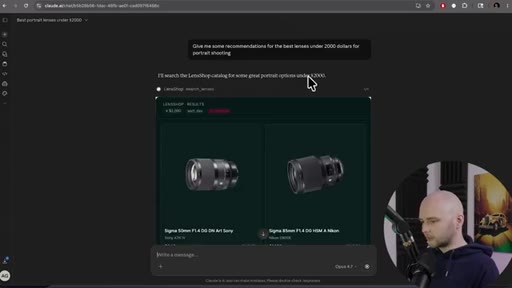
Asks Claude for portrait lens recommendations under $2,000 — MCP app opens inline in the chat. Select, compare, checkout all work live in the chatbot UI.
08:20 – 08:55

10 · Beacon audit + publish path

Runs Beacon audit through the dev dashboard to check for app store rejection triggers. Notes the app is theoretically ready to submit to ChatGPT or Claude app stores.

08:55 – 09:20

11 · Wrap + CTA

Outlook statement: MCP widget apps are the future of the web. Subscribe CTA, credits.

§ · Storyboard

Visual structure at a glance.

open
SkyBridge site
dashboard demo
Claude builds app
compare/checkout
connect to Claude
Beacon audit
wrap
§ · Frameworks

Named ideas worth stealing.

00:47 concept

Two-User Interface Model

Traditional apps build for one user (human). MCP apps build for two simultaneously — the human AND the AI — sharing identical live state. The LLM sees every click; every LLM update changes the UI in real time.

Steal for pitch deck hook explaining why MCP apps matter vs. standard APIs
03:17 list

SkyBridge Dev Dashboard (3 tools)

  1. Alpic Playground — hot reload sandbox, no live LLM needed
  2. Integrated Tunnel — one-click public URL, replaces ngrok
  3. Beacon Audit — pre-submission rejection scanner

Three-panel local dev environment that removes the friction from the old test loop.

Steal for dev tool product positioning — showing your DX is better than the incumbent
03:42 concept

Install Skill → Describe → Build

SkyBridge ships as an AI agent skill. Install into Claude Code, describe your app in plain English, Claude generates the MCP app. No boilerplate required.

Steal for any product that wants to show zero-to-working in under 5 minutes of setup
§ · Quotables

Lines you could clip.

00:47
"You're actually building for two users at once — the human and the AI assistant, because they both share the exact same interface."
reframes the entire mental model of web development in one sentence → TikTok hook
02:19
"You had to manually set up public tunnels, copy-paste configurations, and restart your chat sessions just to fix a tiny CSS typo."
pain point that every dev who's tried MCP will recognize instantly → IG reel cold open
08:16
"In just a few minutes, we were able to build a production-ready MCP app with SkyBridge that we could theoretically submit to the AI app store."
strong credibility close — moves from tutorial to outcome proof → newsletter pull-quote
08:50
"It feels like the future of the modern web."
punchy take, no setup needed → TikTok hook
§ · Pacing

How they spent the runtime.

Hook length44s
Info densityhigh
Filler5%
§ · Resources Mentioned

Things they pointed at.

03:28toolAlpic Playground
02:32toolChatGPT MCP connector
§ · CTA Breakdown

How they asked for the click.

08:52 subscribe
"If you like these types of technical breakdowns, please let me know by smashing that like button — and don't forget to subscribe to our channel."

Soft, single request at end of video after the product case is closed. No separate pitch, no mid-roll.

§ 04 · The Script

Word for word.

HOOK opening / re-engagementCTA the pitch metaphor analogy
00:00HOOKThere's a huge paradigm shift happening across the industry because of AI. More and more users are using chatbots nowadays for their routine searches or research, and that's why the concept of MCP apps is getting more and more popular.
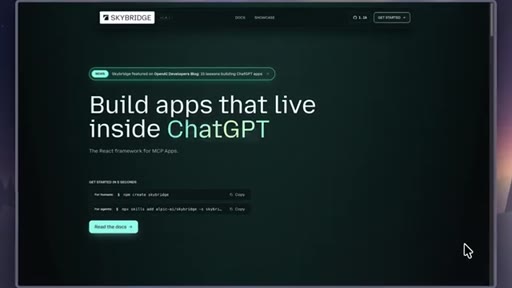
00:14HOOKInstead of spitting out a JSON file or a markdown document, more apps and services are switching to providing these interactive and helpful widgets inside a chatbot. And the company Alpic recently released a cool new framework called SkyBridge that makes it super easy to create your own custom MCP apps for all sorts of different use cases.
00:35HOOKSo in today's video, we'll take a look at SkyBridge, see how it works, and try it out for ourselves. It's gonna be a lot of fun, so let's dive into it.
00:47To really understand why SkyBridge is such a big deal, you have to understand how these new apps work. When you build a traditional web app, you are building it for one user, the human. But with an MCP app, you're actually building for two users at once, the human and the AI assistant because they both share the exact same interface.
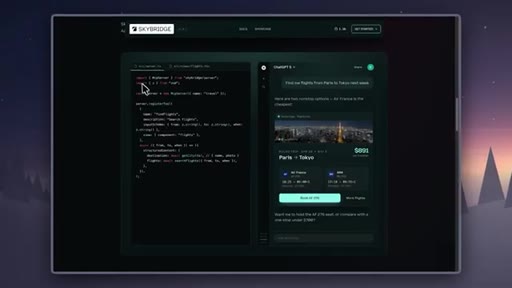
01:08The human can click buttons, type inputs, and slide sliders, and the LLM instantly sees that state. And conversely, the LLM can update the data in the background and the UI changes in real time right in front of you. And SkyBridge is an open source TypeScript framework for that that handles all the complex plumbing, the protocol bridging, the state sync, and the security rules, so you can just focus on writing standard React code.
01:34Now if you've ever tried to build MCP apps for chat GPT or Claude before, you know that the local testing loop used to be a massive headache. You had to manually set up public tunnels, copy paste configurations
01:47and restart your chat sessions just to fix a tiny CSS typo. But the coolest part of SkyBridge one point zero is that it completely redesigned the dev tools control panel.
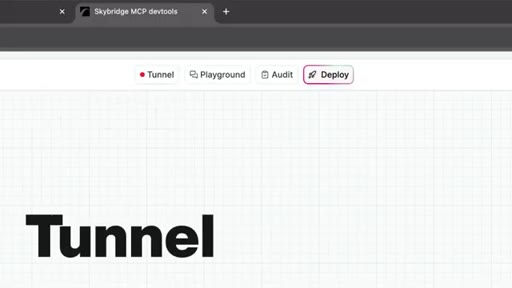
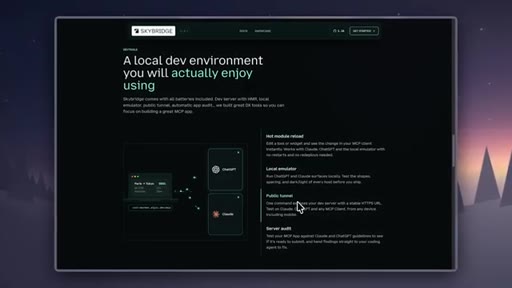
01:59Now when you run your local dev server, it fires up an emulator dashboard in your browser. And inside this dashboard, you have three nice tools. The first one is the Alpic playground,
02:11a local sandbox where you can test your tools and and tweak your React widgets using live hot module replacement. And you can see the changes instantly without touching an actual LLM yet. And secondly, there's an integrated tunnel which allows you with literally a single click to expose your local server through a secure public URL.
02:30So you don't have to mess around with external tunneling anymore. Just paste this URL into ChatGPT's developer settings and you're live.
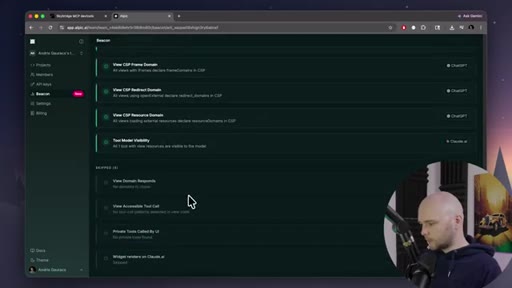
02:37And third is the beacon audit tool. And this is a lifesaver if you plan to submit your apps to public stores. It scans your apps metadata tools and security policies to catch common rejection triggers before you submit your app for review.
02:52And the coolest thing is that even if you've never built an MCP app, you can easily install the SkyBridge skill onto your favorite AI agent to get started instantly. So now let's try to build a small MCP app on our own and see how it works. So for this demo, I've went ahead and created this little ecommerce website
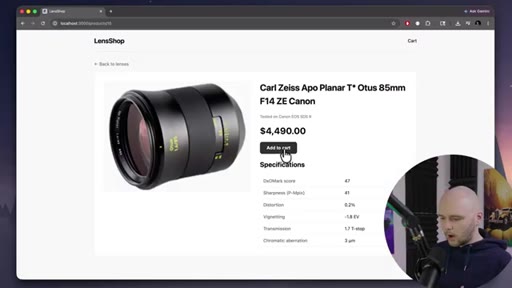
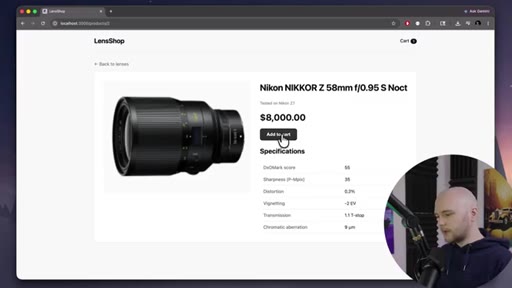
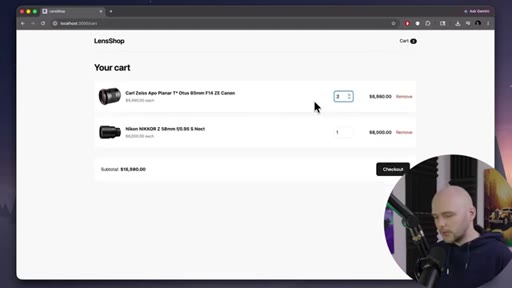
03:11where you can shop for different camera lenses, and it's basically a fully built React based store with a cart and checkout functionality. And now I want to add an MCP app for it so that if a potential customer uses a chatbot like ChatGPT
03:27or Claude to search for camera lens recommendations, it will immediately call our MCP app to show our product listings for the end user. So as I said before, the easiest way to get started is just to install the SkyBridge skill and we can install it globally or just for our specific repo.
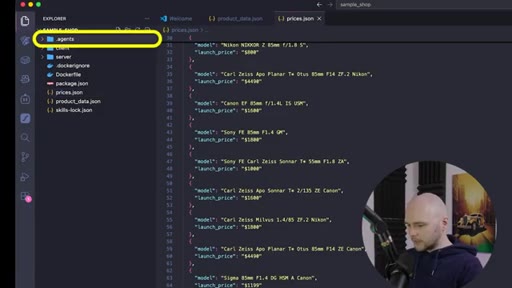
03:47And for this demo purpose, I'm going to go ahead and install it in the repo. And now you can see we have this dot agents directory with the SkyBridge skill present. And all I have to do now is just ask Claude to build me an MCP app for my ecommerce shop.
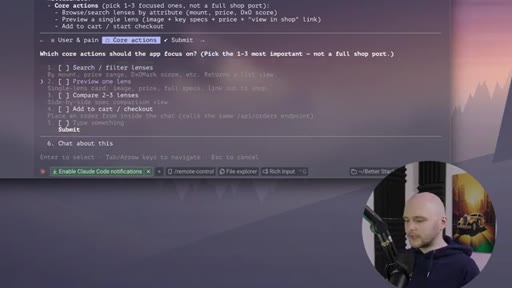
04:04And before building it, Claude will first ask me some follow-up questions about the intent of the app to better understand what kind of functionality we need to include in it. And for this demo, I want to have an app that lists lenses based on what the user is looking for, and then we can select them and compare them side by side and also add them to our cart and provide a quick checkout solution for our customers.
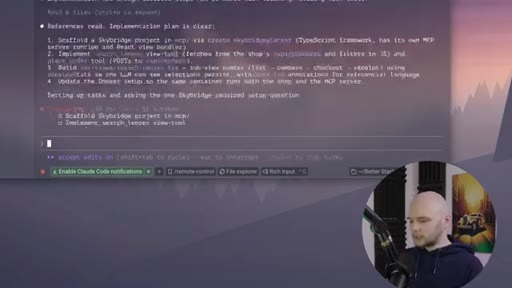
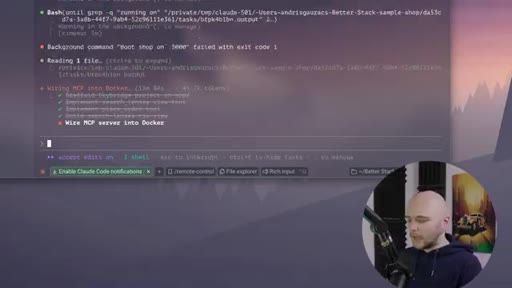
04:28And that's basically all I need to do and now I just let Claude do its thing. And in about a few minutes, see that Claude has generated our MCP app. And the coolest part is that now we can open the developer dashboard provided by SkyBridge
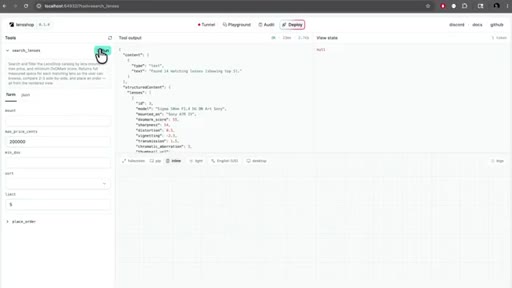
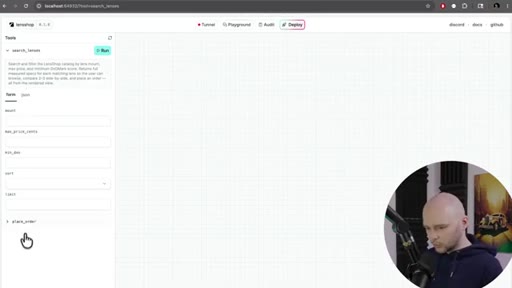
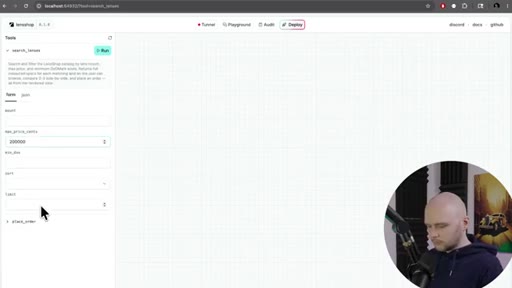
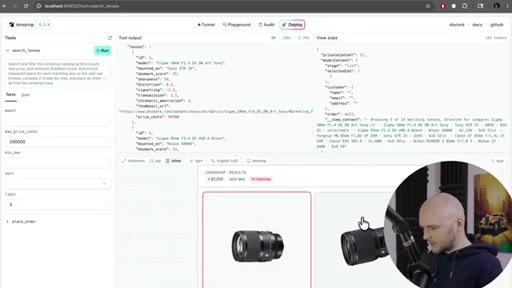
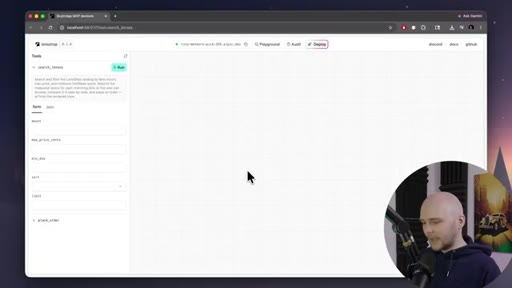
04:42and try it out for ourselves. So now if we open the dashboard, we can see how it looks. And here we have our search lenses tool and the place order tool.
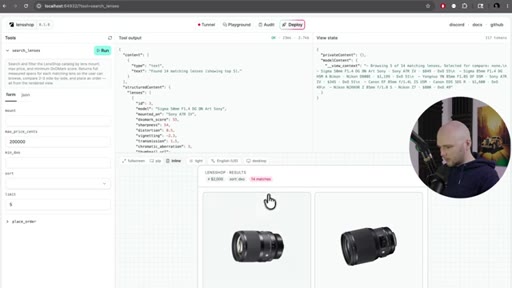
04:53So first of all, for search lenses, I'm just gonna insert the max price for the lenses I'm looking for and let's limit it to five lenses maybe. And there you go.
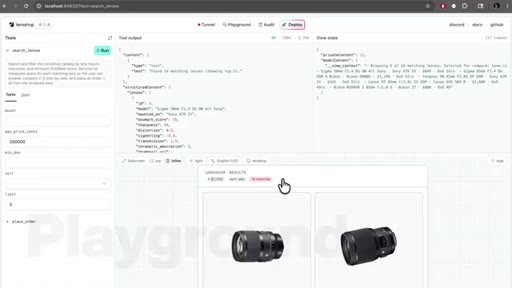
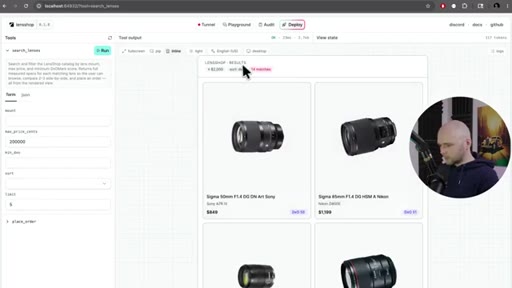
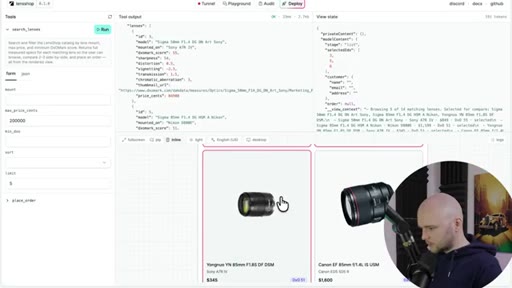
05:04It found 14 matches that are under $2,000.
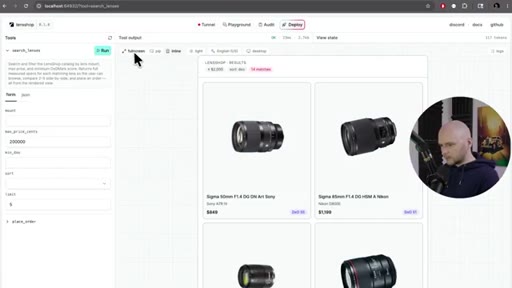
05:10Here's how the app looks on desktop. We can also preview the mobile view. Looks good.
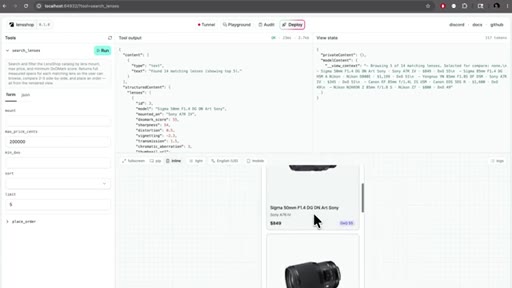
05:15We also have a dark mode and a light mode. And here we have the tool output and the state. And watch what happens if I select some of the lenses.
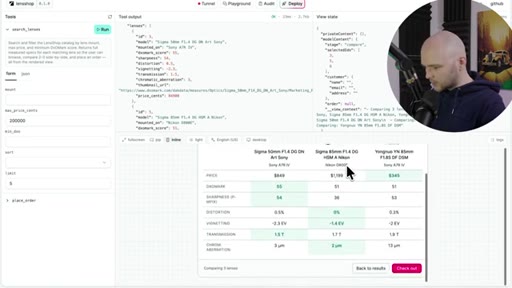
05:26As you can see, the state updates on the fly, which is super cool. So now let's let's choose three lenses. And now if we click compare,
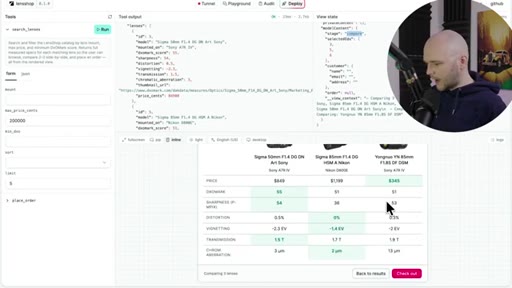
05:38we now get to the compare screen and here we can see all our three lenses side by side with all the parameters. And if we're happy with this selection, we can also go to the checkout.
05:50And this moves to the checkout stage where we can put in our full name, email, and shipping address and place our order.
05:59So as you can see, this dashboard is really cool for testing out your widgets to see if everything is working as expected. And now if we go to Claude
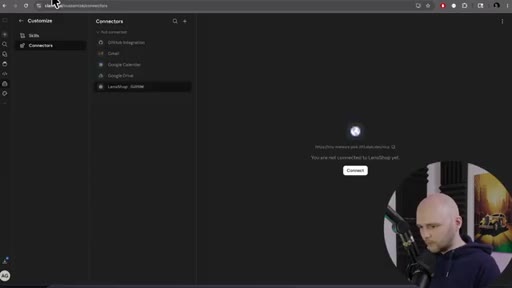
06:12and in settings, we have this section called connectors, and we have to click customize. And for this, you will need the tunnel URL, so make sure you have activated the tunnel.
06:24And we can just copy this URL. And in the connector section, you just have to add a custom connector,
06:31give a name, and paste in that tunnel URL
06:38and just click add. I've already added it here. And last thing you need to do is click connect,
06:45and you can also set the permissions if you want these tools to run automatically or you want an approval from the user. And then we can just go ahead and start a new chat.
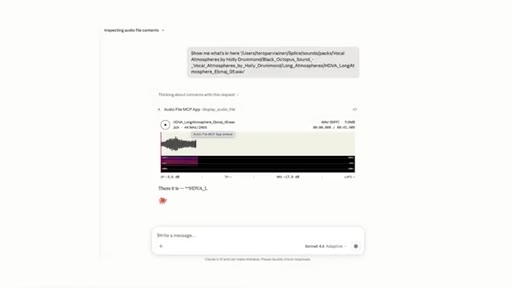
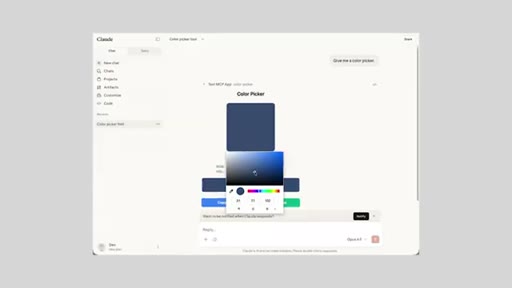
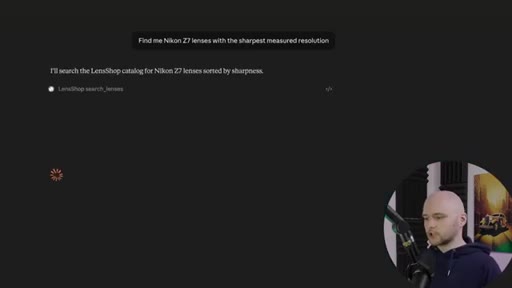
06:57And in the new chat, I can now ask, give me some recommendations for the best lenses under $2,000 for portrait shooting. And we can now see that it says it will search the lens shop catalog for some great portrait options under $2,000.
07:13And look at that. It it opened our MCP app. How cool is that?
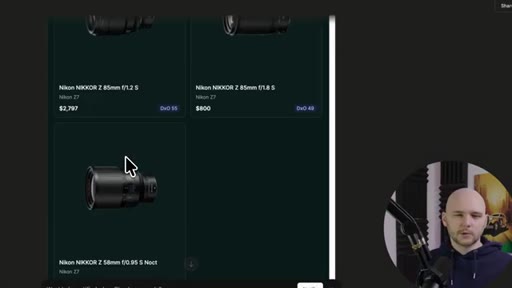
07:18And we can do the same things over here. We can select some of the lenses over here and then go to the compare section
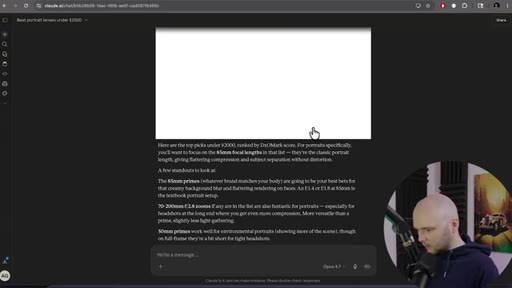
07:28and it has this little comparison table. The only thing I noticed is that we have this
07:35white space from the previous state of our tool. So this is probably something you can fix in CSS.
07:44But everything is looking great and we also have the option to checkout and we get to the checkout section where we can place our order.
07:54So how cool is this? And lastly and most importantly, to see if your app is ready to be published to the public app stores, we can also run an audit of our app through the developer dashboard and check if we have any issues with it.
08:10And, basically, that's it. In just a few minutes, we were able to build a production ready MCP app with SkyBridge that we could theoretically submit to the AI app store.
08:20So I hope this shows you how easy it is to get up and running with SkyBridge, and, honestly, it feels like the future of the modern web. I think we will start seeing more and more of these interactive MCP widget apps inside our chatbots.
08:34So it's nice that there are frameworks like SkyBridge out there that are making the process of creating these kinds of apps so much easier for us developers. So there you have it folks. That is SkyBridge in a nutshell.
08:46So what do you think about SkyBridge? Have you tried it? Will you use it?
08:49CTALet us know in the comment section down below. And folks, if you like these types of technical breakdowns, please let me know by smashing that like button underneath the video, and also don't forget to subscribe to our channel.
09:01CTAThis has been Andres from BetterStack and I will see you in the next videos.
— full transcript
§ 05 · For Joe

MCP apps are the new distribution channel.

Builder playbook

The chatbot is now a storefront — and SkyBridge is how you put your app inside it.

  • Build for two users: design your React component so both the human and the LLM can read and update the same state.
  • Ship an MCP skill, not just an API — the SkyBridge skill pattern means Claude Code can scaffold your app from a plain-English brief.
  • Use the Alpic Playground to iterate fast without burning API calls — hot reload against a local emulator, connect to the real LLM only when you're ready.
  • The integrated tunnel kills the ngrok/copy-paste workflow — one click and you're live in ChatGPT or Claude settings.
  • Run Beacon before submitting — catch policy rejections locally, not after a two-week review queue.
  • The AI app stores (ChatGPT plugins, Claude connectors) are early — shipping now means occupying a slot before the space gets crowded.
§ 05 · For You

What MCP apps mean for you as a chatbot user.

For the non-developer

The next time you ask ChatGPT or Claude a question, the answer might come with a button you can actually click — not a wall of text.

  • MCP apps let AI assistants show you interactive cards, product listings, and comparison tables instead of just text.
  • You can select items, compare options side-by-side, and even check out — all without leaving the chat window.
  • Apps in the ChatGPT and Claude stores are going through an audit process — so what you see there has at least passed a basic quality bar.
  • If a developer tells you to 'connect a custom connector' in Claude settings, they're giving your AI assistant a live plug-in to their product.

§ 06 · Frame Gallery

Visual moments.