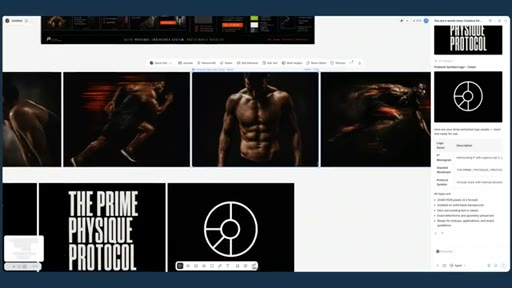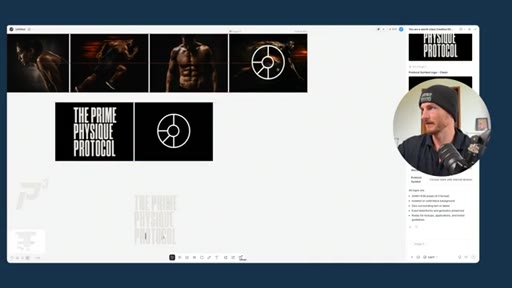
The bait, then the rug-pull.
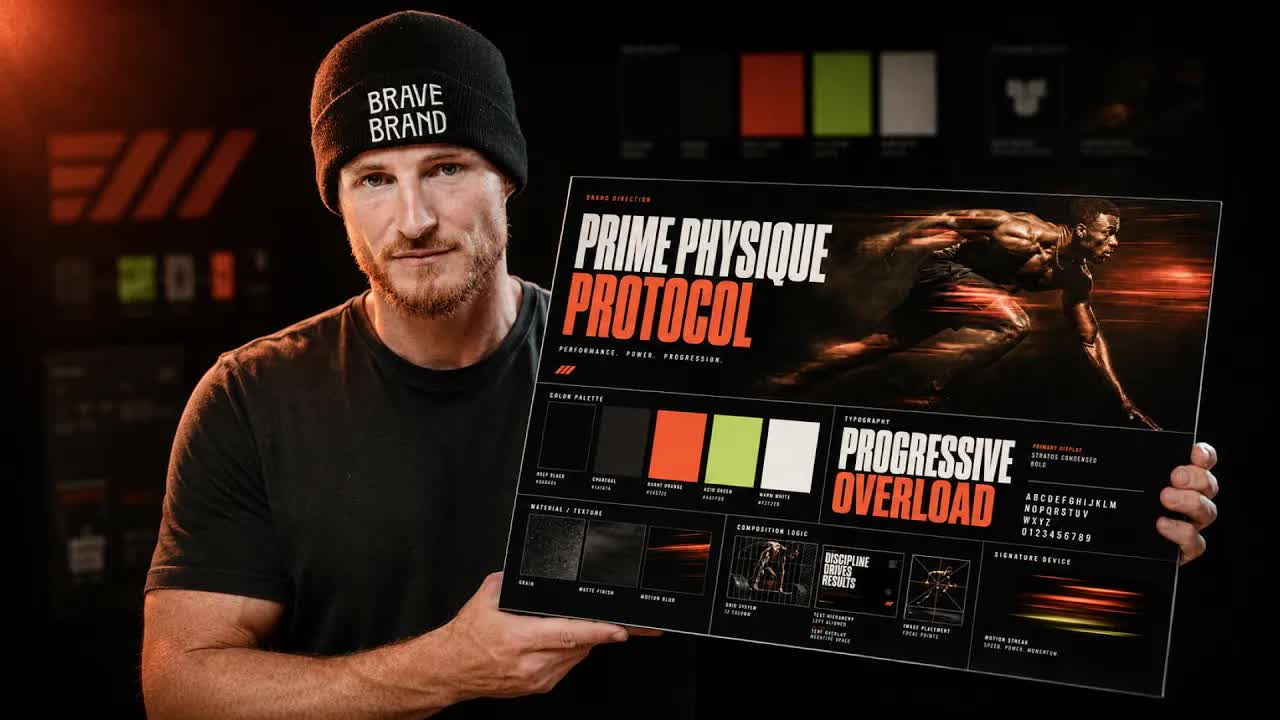
Sixteen minutes. One sitting. A fitness brand that starts as nothing and ends with logos, a color system, social carousels, a website mockup, and a replicable brand kit ready to hand to a client. Luke Carter has built a tool — and a sequenced workflow — that turns audience research into an AI-ready design brief before a single pixel gets generated.
What the video promised.
stated at 00:00 "We're gonna be breaking down how we build brands from scratch, and I mean the logos, the colors, the typefaces, the imagery, the styling, everything. We're gonna do that in one sitting." delivered at 14:59
Where the time goes.
01 · Cold open — the challenge
Sets the promise: build an entire brand system, start to finish, one sitting, on camera.
02 · Step 1: Brand Intelligence Research
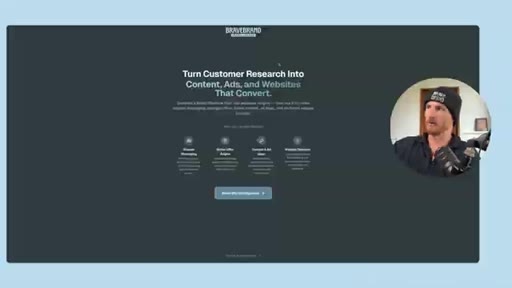
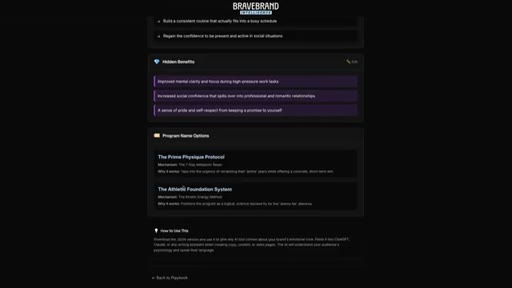
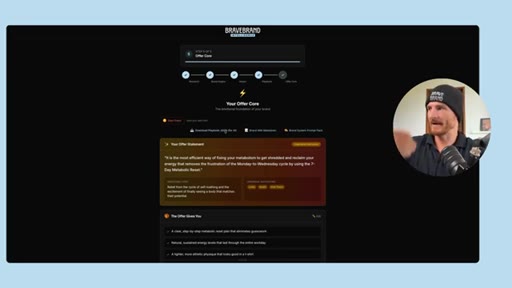
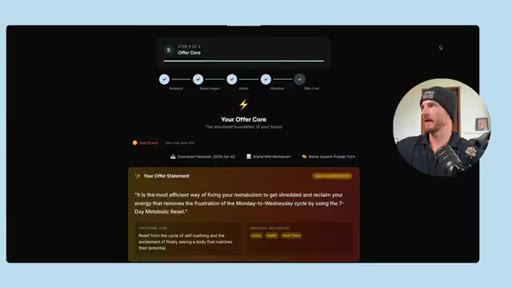
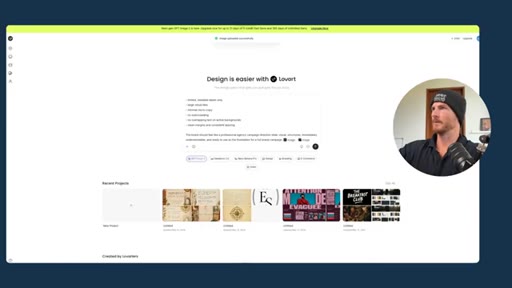
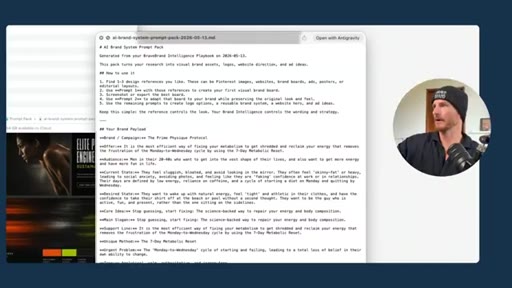
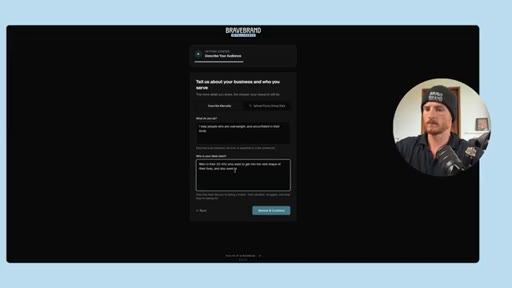
BraveBrand Intelligence app generates audience psychographics, offer statement, program name options (The Prime Physique Protocol), and a downloadable JSON + prompt pack.
03 · Download the Prompt Pack
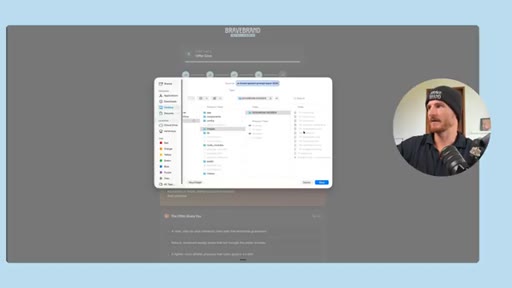
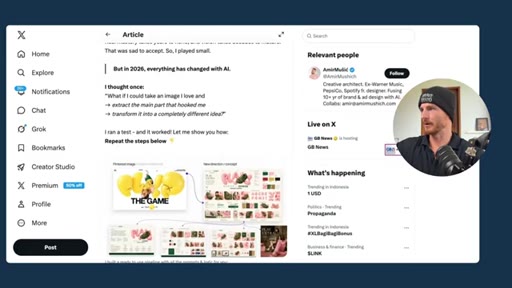
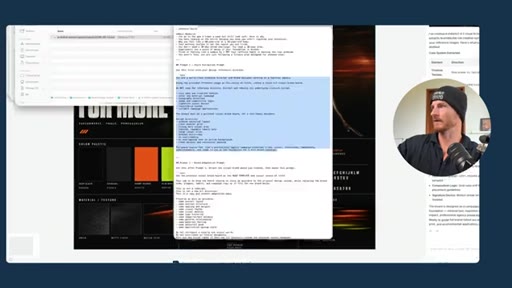
Exports a structured Brand Design System Prompt Pack customized to audience data. Credits prompt framework to creator Amir.
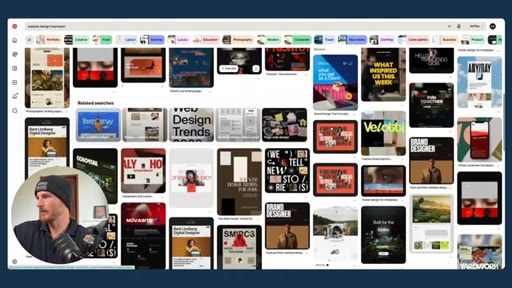
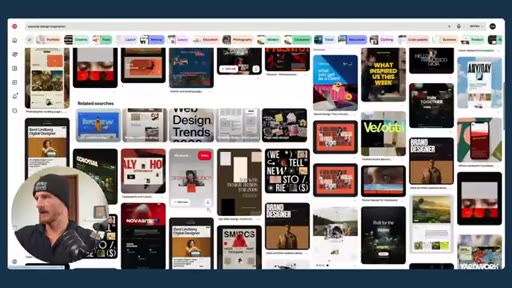
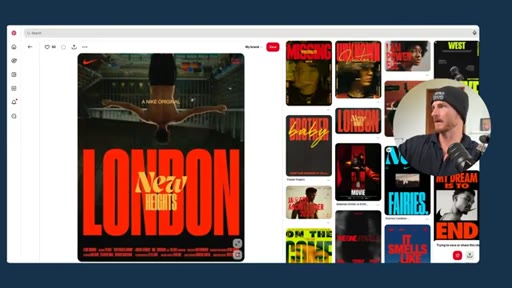
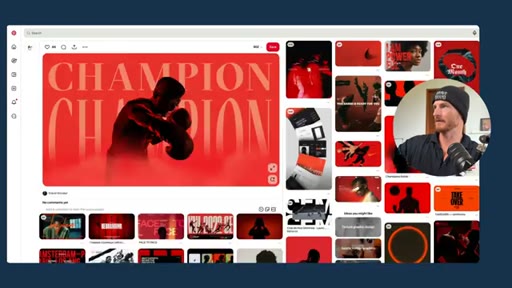
04 · Step 2: Moodboard / Design References
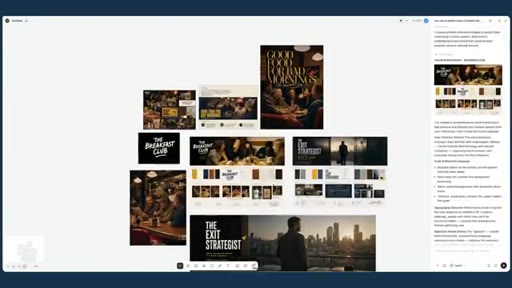
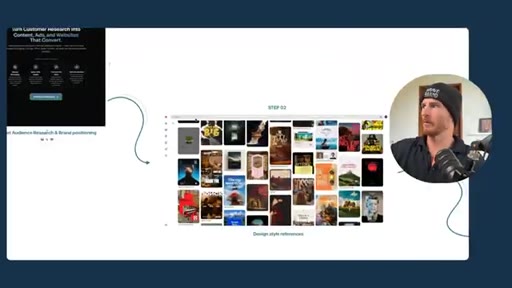
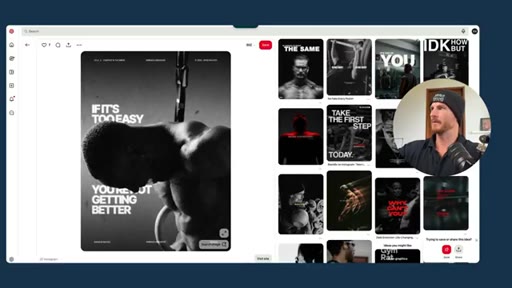
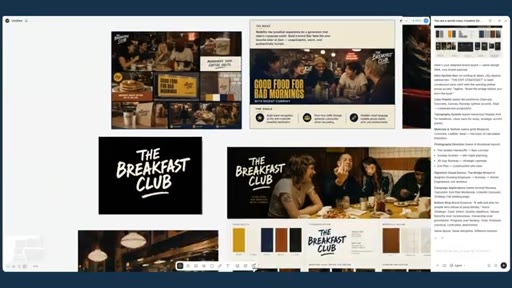
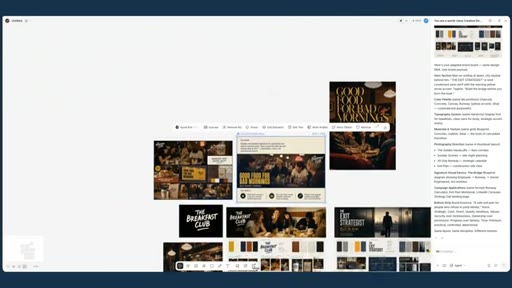
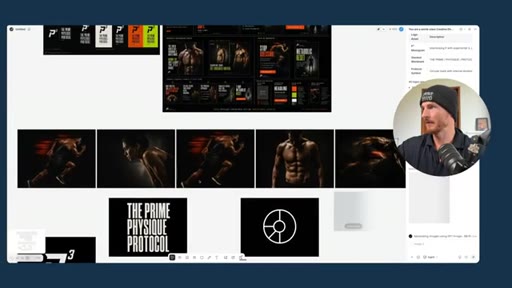
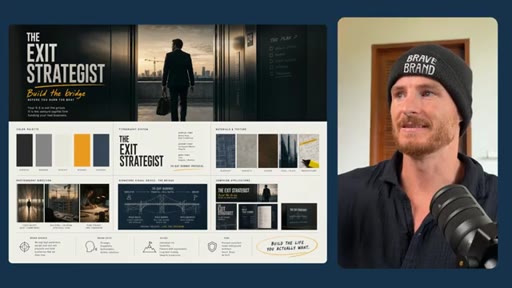
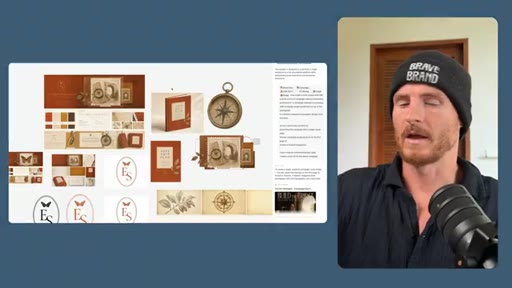
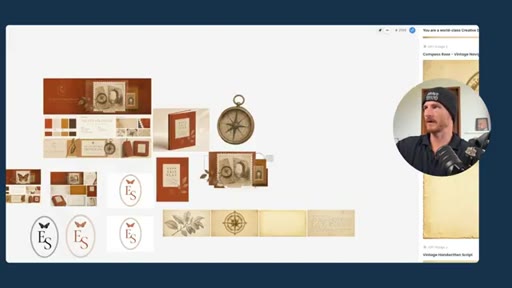
Pinterest mood boarding — dark athletic fitness imagery plus The Breakfast Club and The Exit Strategist as visual tone references.
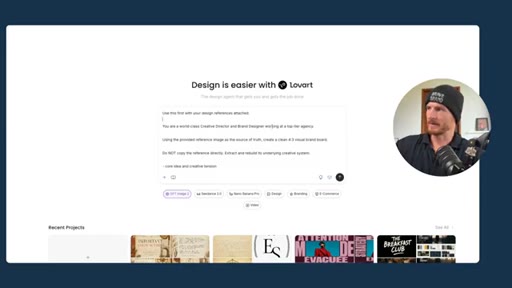
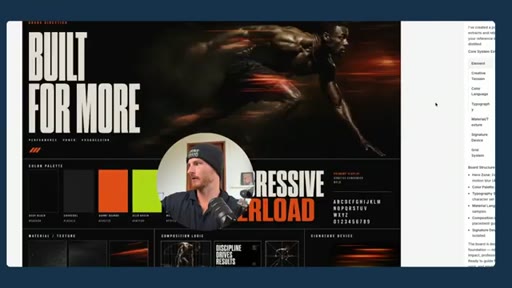
05 · Step 3: Generate First Brand Board
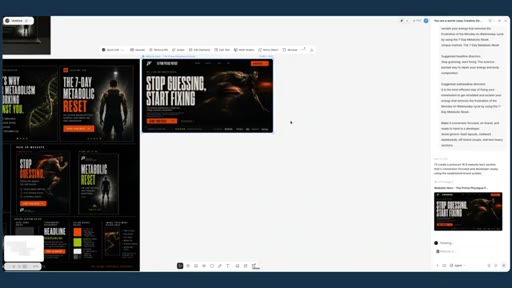
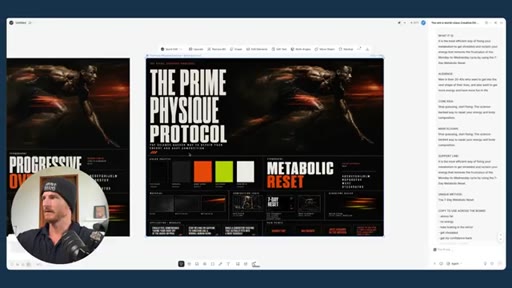
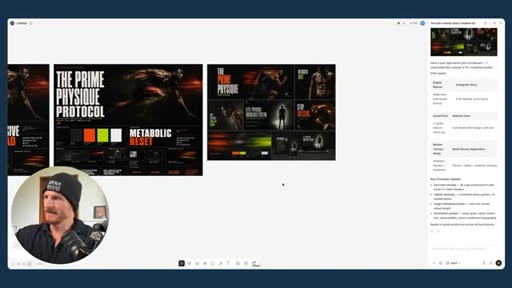
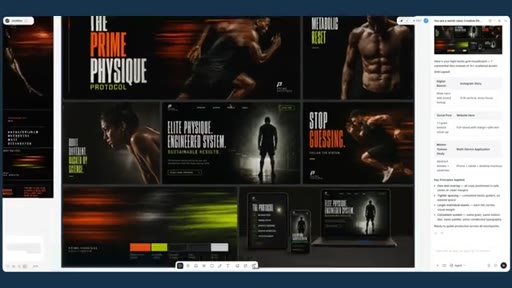
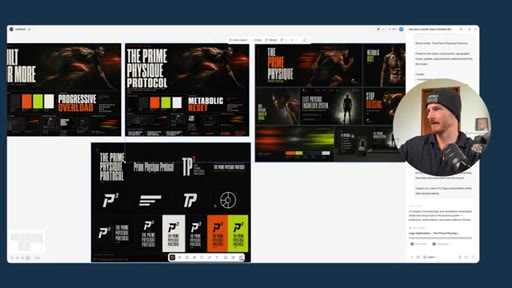
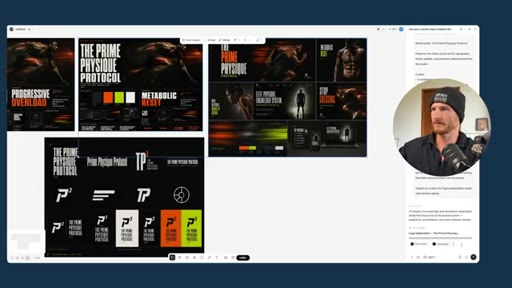
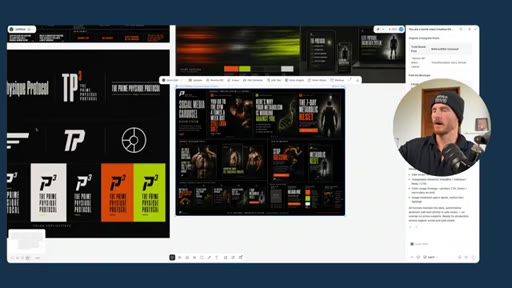
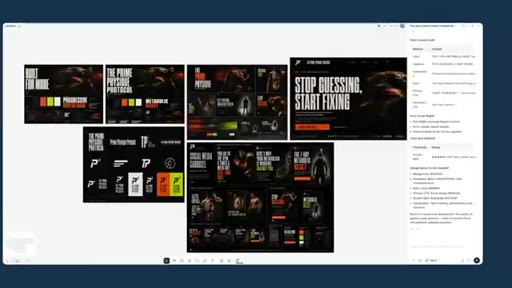
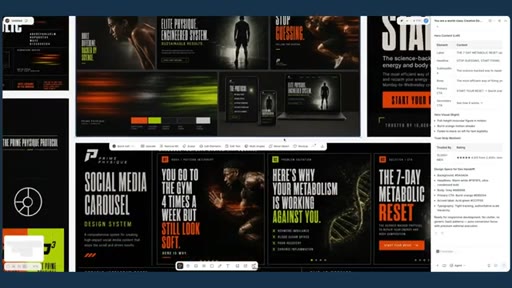
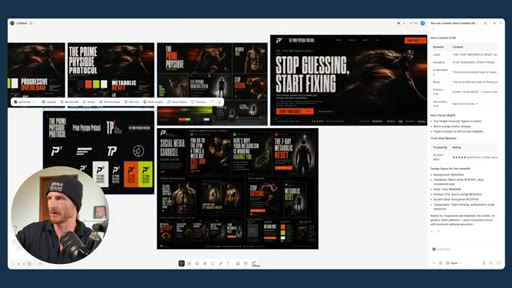
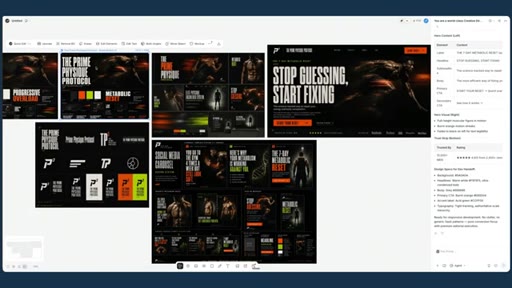
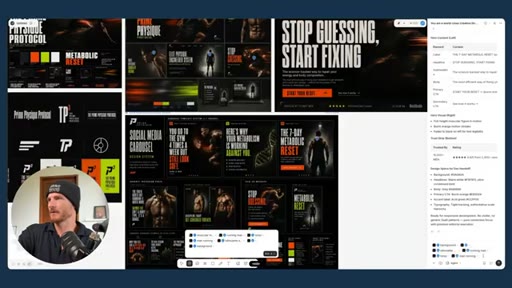
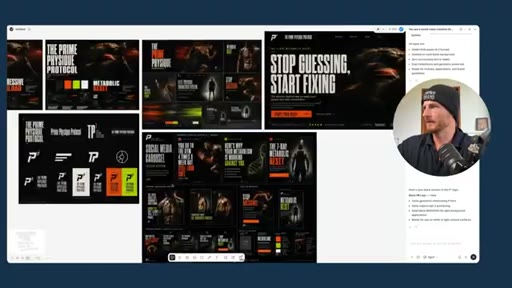
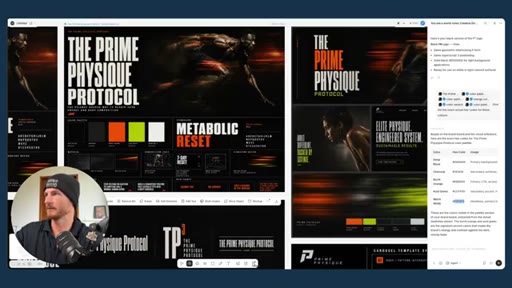
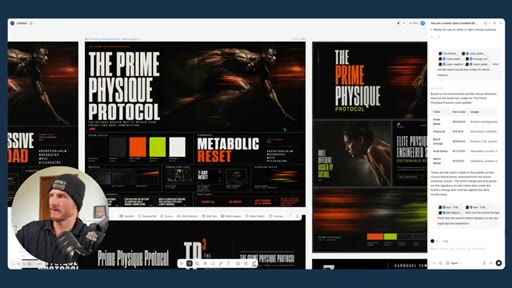
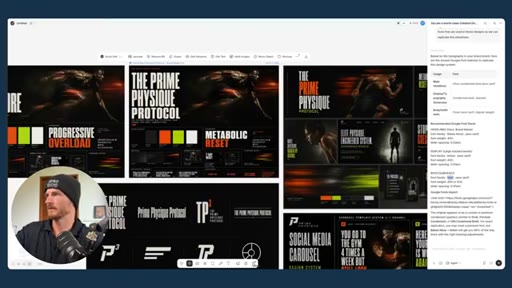
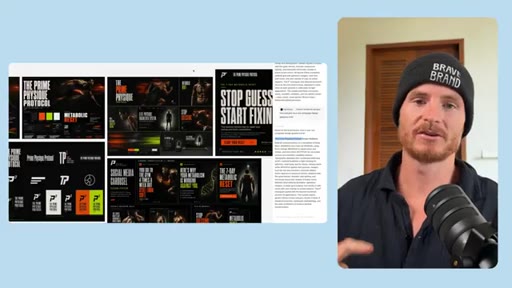
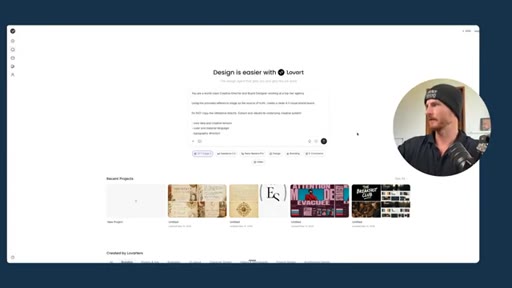
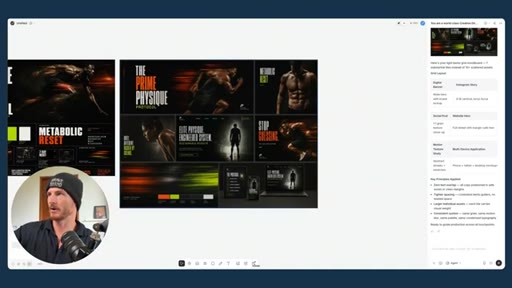
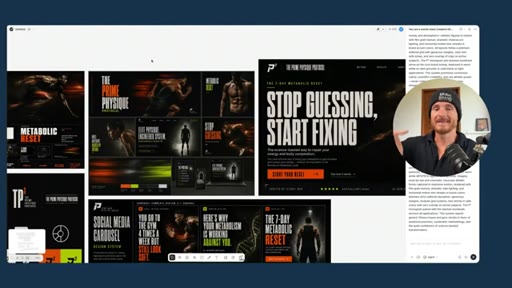
Prompt 1 + references into Lovart.ai / GPT Image 2. Output: dark cinematic board with orange/neon-green/black palette and STOP GUESSING, START FIXING hero headline.
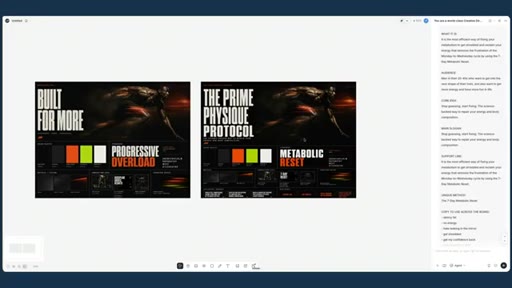
06 · Apply Brand Positioning
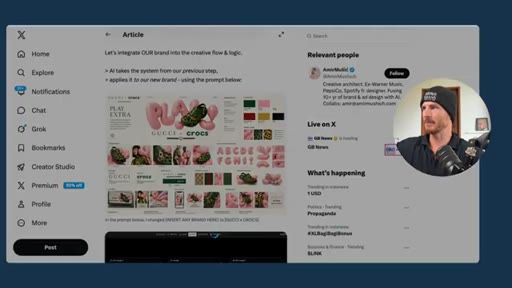
Prompt 2 injects actual brand context — offer, audience, slogan. Board becomes brand-specific.
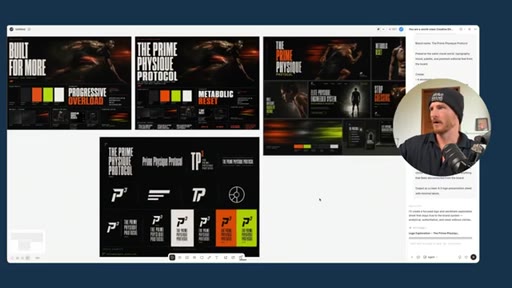
07 · Logos and Wordmarks
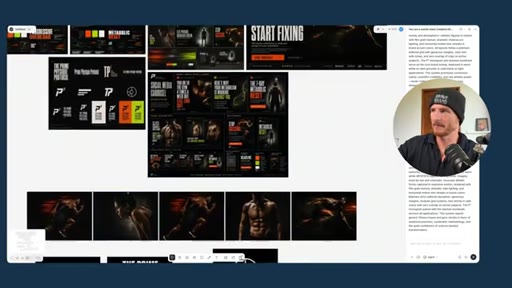
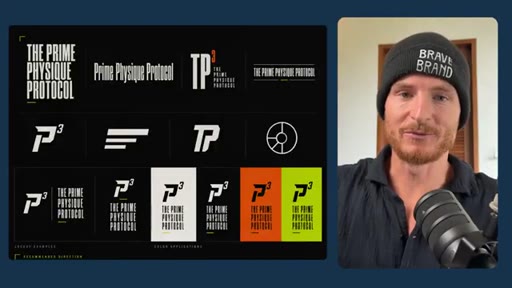
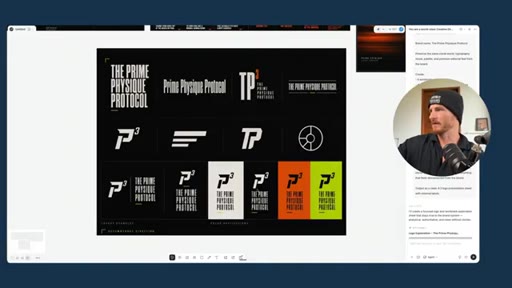
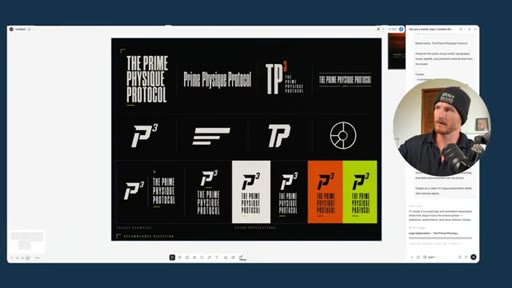
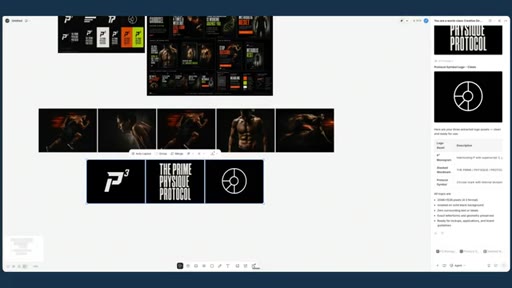
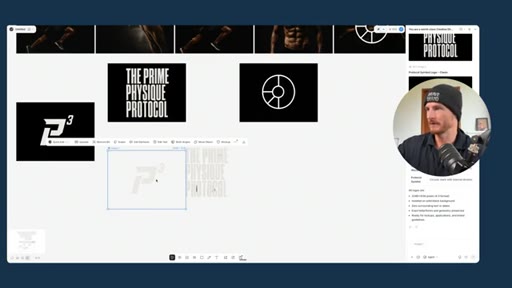
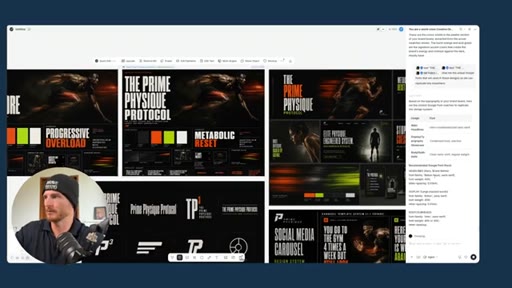
Prompt 3 generates full logo suite: P3 mark, TP ligature, crosshair symbol, wordmark across color variants.
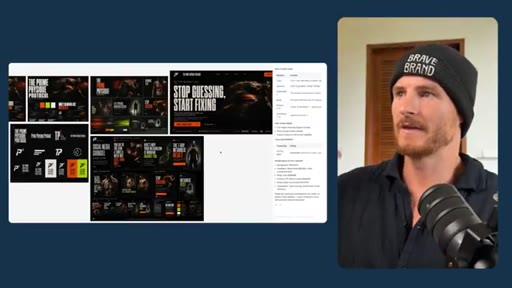
08 · Social Carousels and Website Mockups
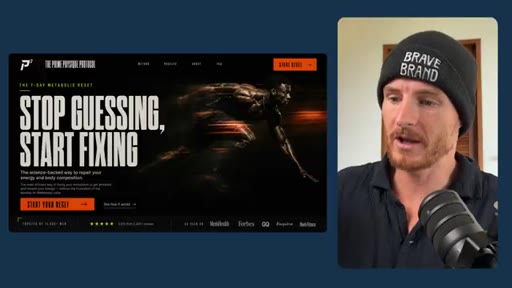
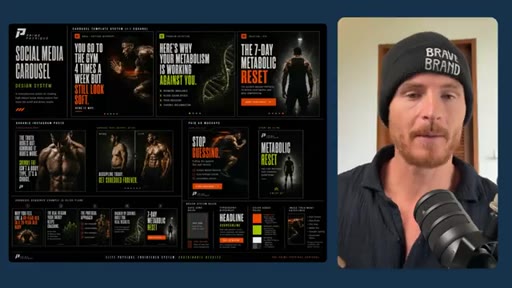
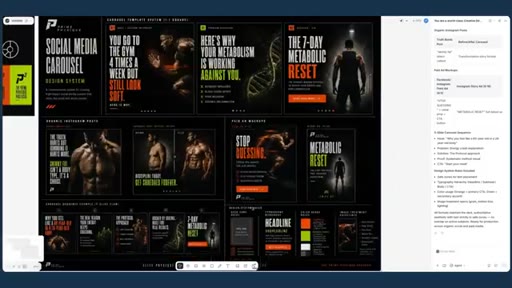
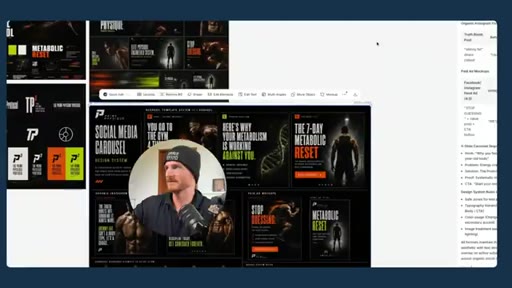
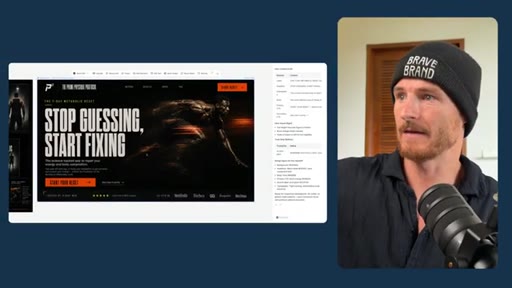
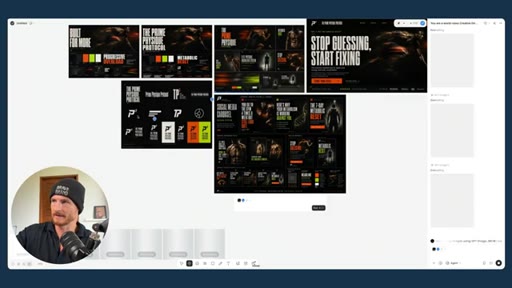
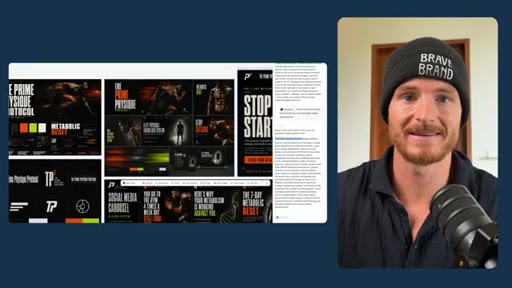
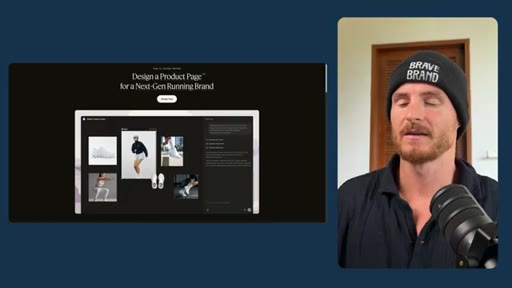
Social carousel design system, before/after ad layouts, 7-Day Metabolic Reset templates, then full website homepage mockup.
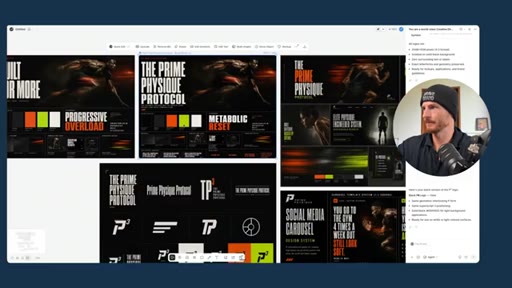
09 · Build the Replicable Brand Kit
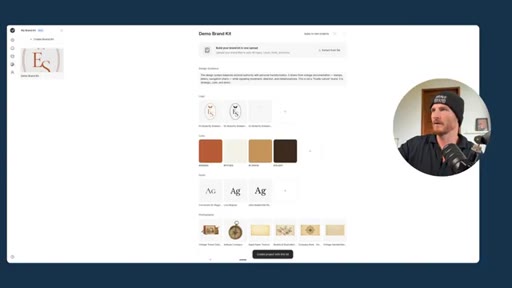
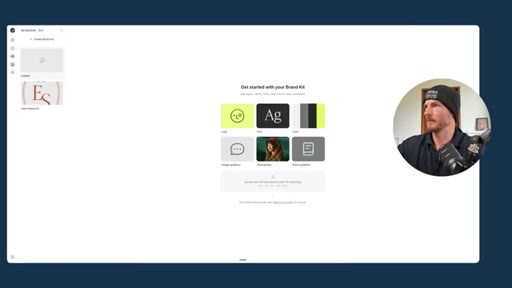
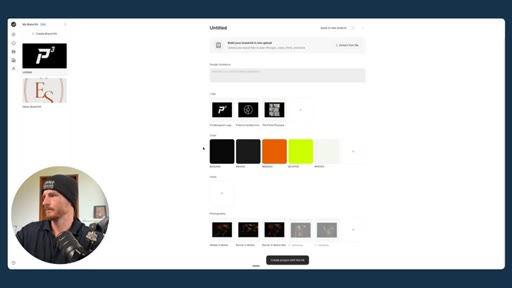
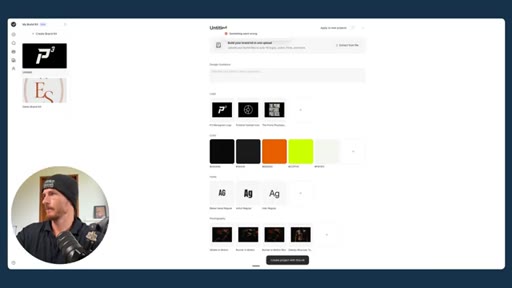
Lovart Brand Kit: logos uploaded, colors (black/charcoal/orange/neon-green), photography, fonts (Bebas Neue / Anton / Inter), design guidance brief.
10 · Hex Codes, Fonts, Final Extract
Extracts exact hex codes via Lovart prompt. Removes backgrounds from logos. Creates black/white variants. Downloads all assets.
11 · How to Monetize This Workflow
Client proof point (sign-off in hours), pitch for BraveBrand Skool community, Lovart affiliate link.
Visual structure at a glance.
Named ideas worth stealing.
Brand Intelligence First
Always start with audience research and offer positioning before touching any design tool. The intelligence layer feeds everything downstream.
Sequenced Prompt Pack
- Prompt 1: Extract full design reference from brand data
- Prompt 2: Apply brand positioning to generated board
- Prompt 3: Logo and wordmark suite
- Prompt 4: Social carousel design system
- Prompt 5: Website homepage direction
- Utility prompts: Hex code extraction, Google font identification, design guidance brief
A numbered prompt sequence that walks Lovart.ai from brand board through logos, social, and web — all using brand-specific context from the Intelligence app.
The 5-Layer Brand Kit
- Logos
- Color system (hex codes)
- Typography (Google Fonts)
- Photography / imagery
- Design guidance brief
The five components Luke populates in Lovart's Brand Kit to make the identity replicable and compoundable.
Lines you could clip.
"Your brand is your reputation, not your logos, colors, and all of that stuff."
"The majority of people out there are not going to go through this exact process. I'll tell you that for a sure fact."
"We ain't even had breakfast yet, guys."
"This is what branding agencies do."
How they spent the runtime.
Things they pointed at.
How they asked for the click.
"Jump into our school community. You'll get access to the brand intelligence app and all of the prompts we used inside of this process."
Soft community pitch following a genuine client proof point — lands as a natural next step rather than a hard sell. Affiliate link to Lovart.ai in description.
Word for word.
Build the intelligence layer first.
The tools are free — the sequencing is the product.
- Build or use an intelligence app that converts audience research into a structured prompt pack before you open any design tool.
- Number your prompts. A sequenced pack (1=brand board, 2=brand context, 3=logos, 4=social, 5=web) makes the workflow repeatable and saleable.
- Use Lovart Brand Kit as your replicability layer — logos, hex codes, fonts, photography, design brief — so every future asset is on-brand without re-prompting from scratch.
- The CTA is not 'here's a tutorial' — it's 'here's the system I use for paying clients.' Frame your content as a glimpse into a billable workflow.
- The 'I showed you everything, why would clients pay?' objection dissolve is a proven CTA closer. Use it when selling any system that requires consistent execution.
You can build a real brand this weekend.
The hardest part of launching a brand is not design — it is knowing what your brand is actually for. Answer that first, and the visual stuff becomes fill-in-the-blank.
- Start by writing down who your customer is, what they want, and what pain they are trying to solve. That single document will drive every design decision.
- Before you pick colors or fonts, collect 10 images that feel like the brand you want — Pinterest works fine. Taste is trainable and reference images do the heavy lifting.
- Free tools (Lovart free tier, Canva, Google Fonts) are enough to get a coherent first brand. Spend money on tools only after you have validated that someone will pay for what you're building.
- Done in a week beats perfect in six months. A real brand you can show people is worth ten perfect ones still in your head.