The bait, then the rug-pull.
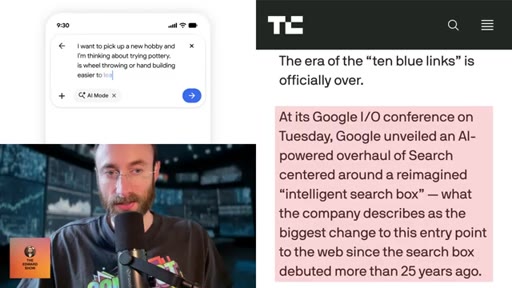
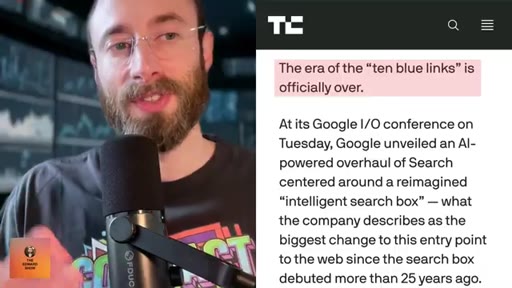
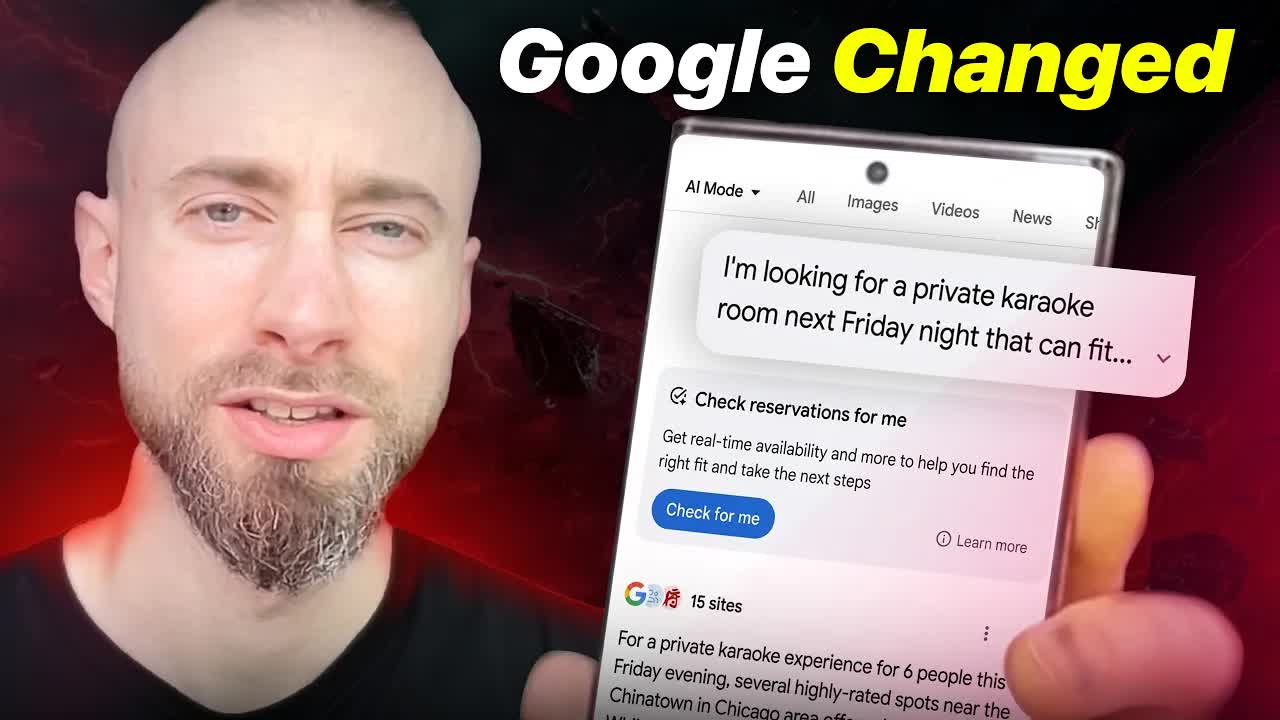
Edward Sturm opens episode 1,053 by reading the TechCrunch headline cold, then spending eleven minutes explaining why the panic is misplaced for most businesses — and exactly right for publishers and affiliates.
What the video promised.
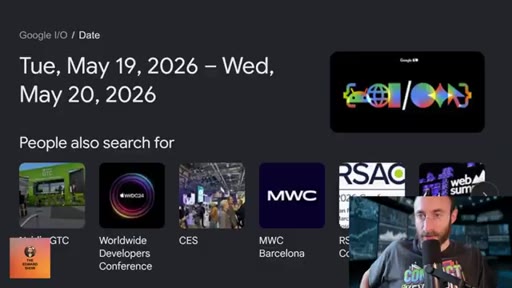
stated at 00:23 "Lots of people have been asking me my thoughts on the Google search updates announced at Google IO. And so that’s what I’m gonna give on this episode." delivered
Where the time goes.
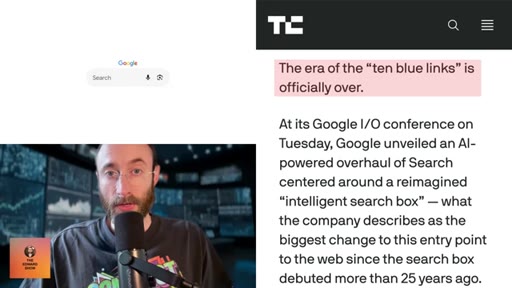
01 · The headline
TechCrunch quote: era of 10 blue links is officially over. Promise: my thoughts on Google I/O + May core update.
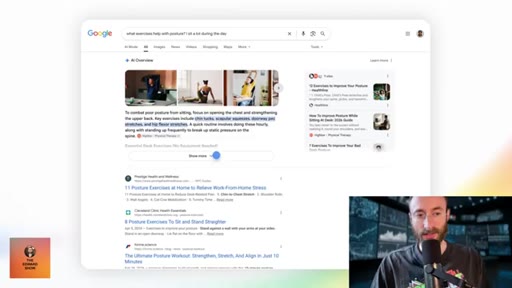
02 · What Google actually announced
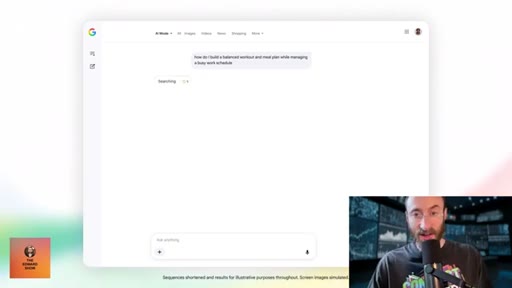
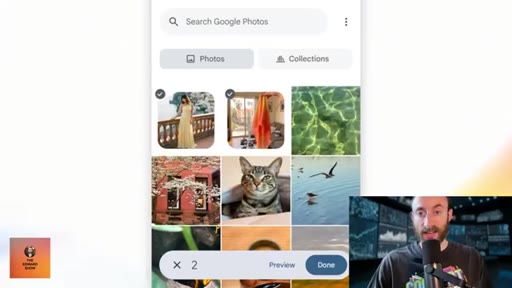
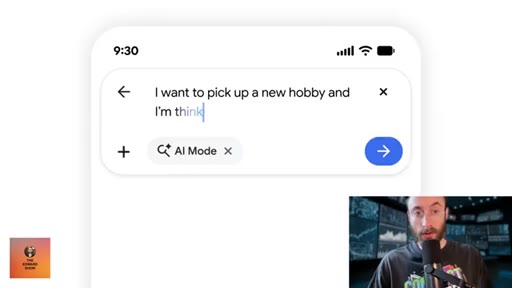
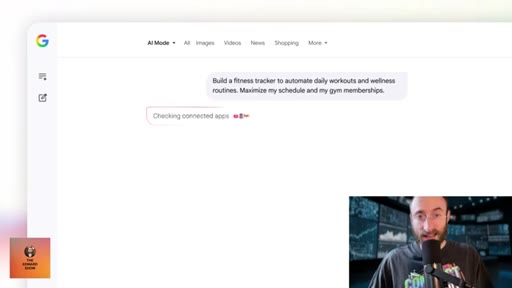
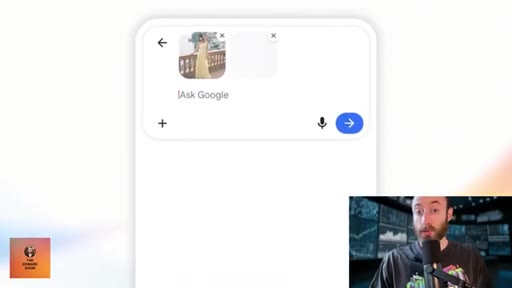
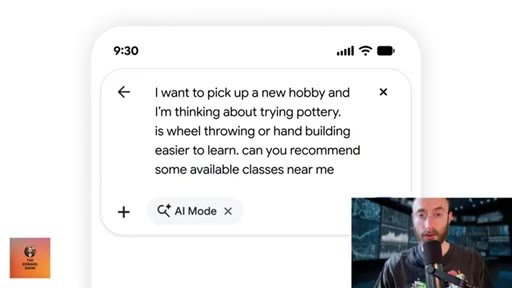
Expanding search box accepts ultra-long prompts and images. AI predicts the next parts of your prompt.
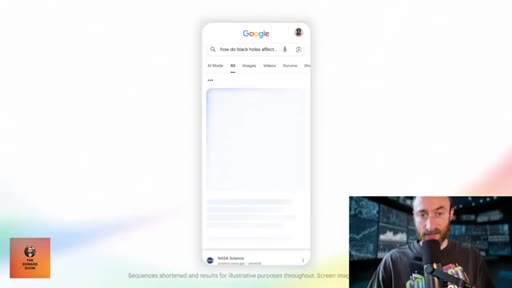
03 · The wild new capabilities
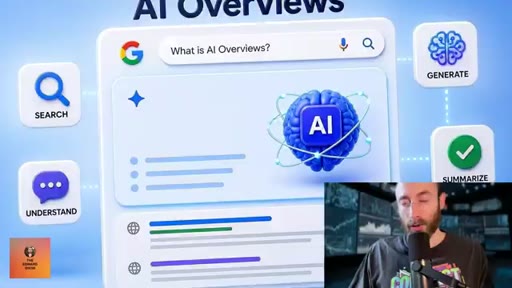
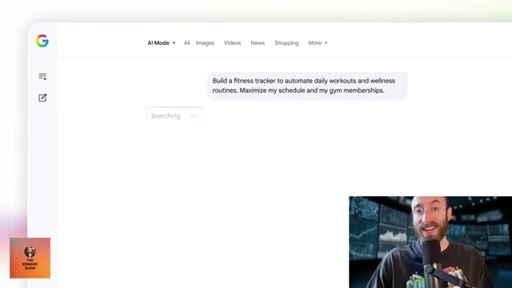
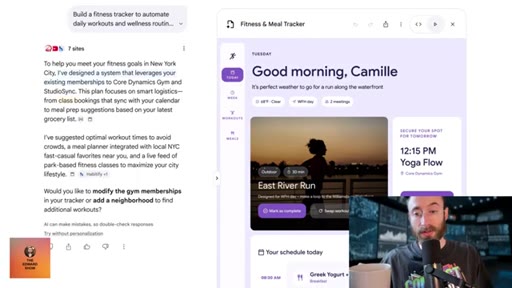
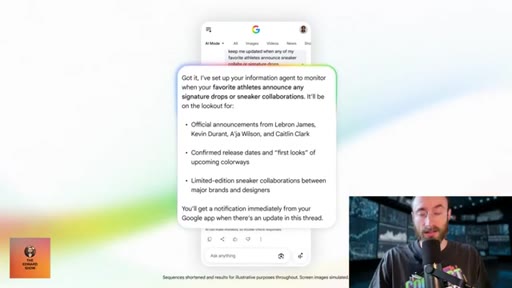
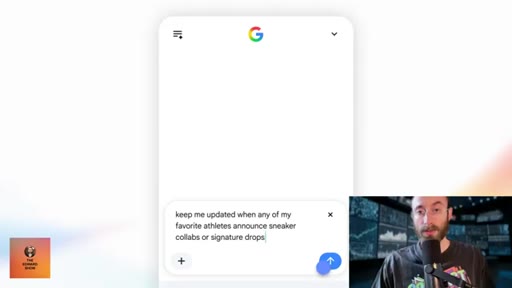
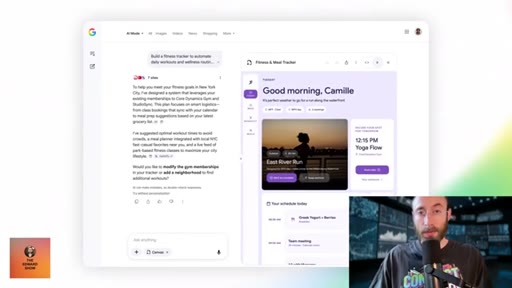
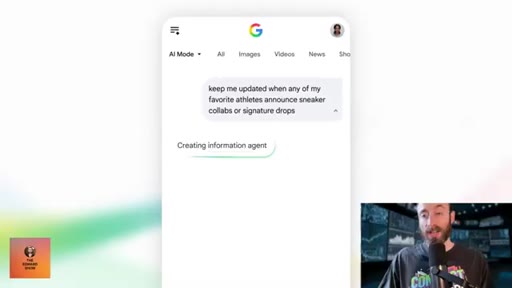
Interactive visualizations, vibe-coding SaaS inside search, agent monitoring for pricing/stock changes, multi-agent answer compilation.
04 · People are lazy — behavior won’t change fast
People want short prompts and instant answers. Long-prompt behavior is years away from mainstream.
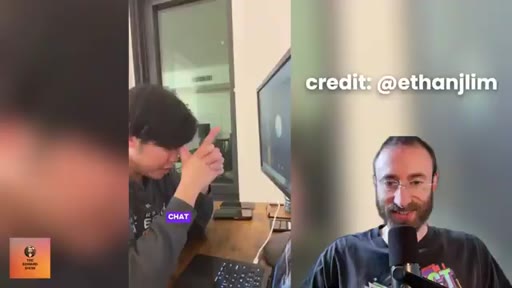
05 · ChatGPT bit + the thesis
Comedic ChatGPT exchange proves the lazy-user point. Pivots to: the tactics that work now will keep working.
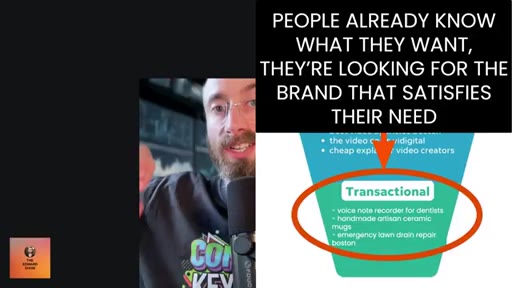
06 · The surviving playbook
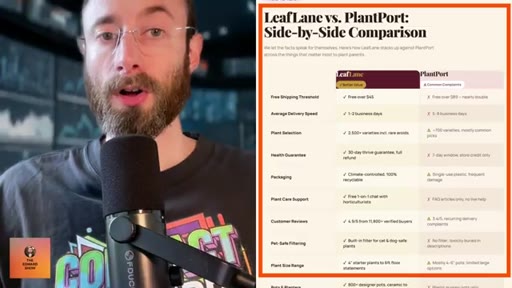
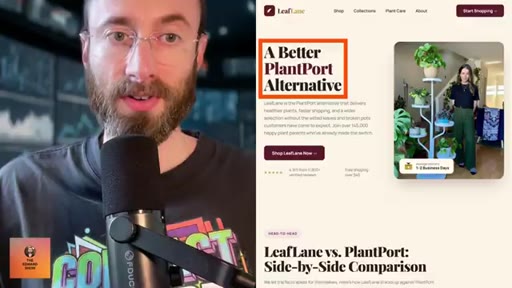
Bottom-of-funnel content. Scenario/use-case pages. Thorough documentation. Online reputation management. Comparison and alternative pages.
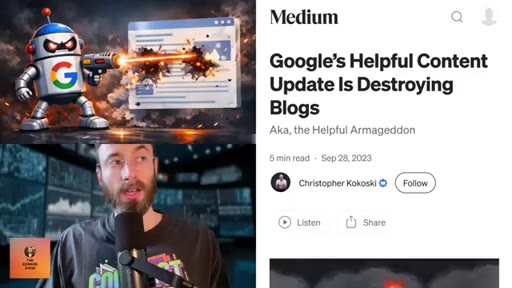
07 · Who actually bleeds
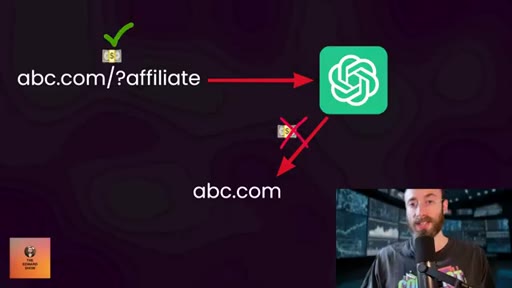
Publishers and affiliates. Helpful Content Update already decimated niche sites. AI strips affiliate links.
08 · The verdict
Brands + agencies fine. Affiliates/publishers should pivot to their own products.
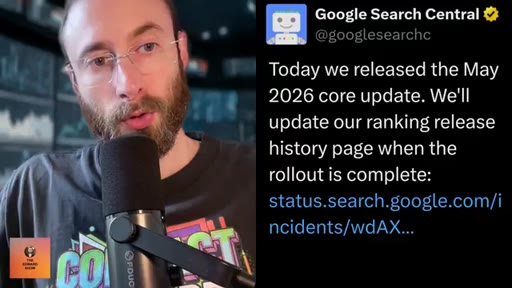
09 · May 2026 core update
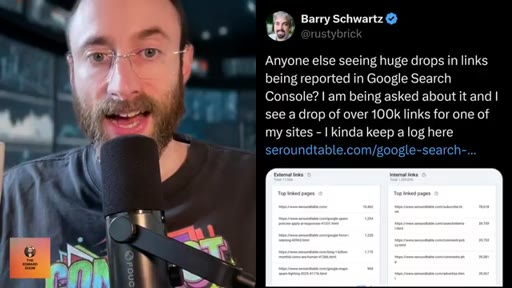
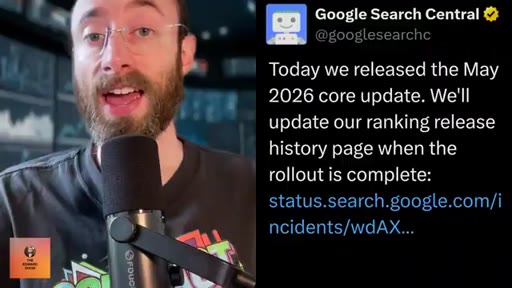
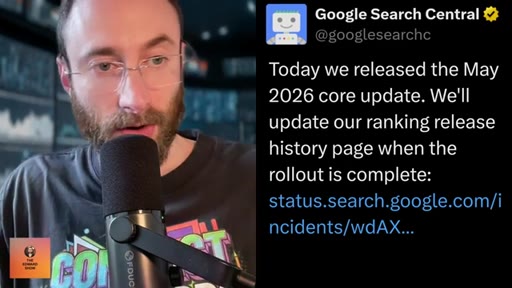
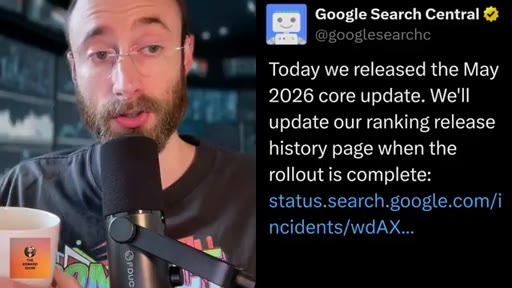
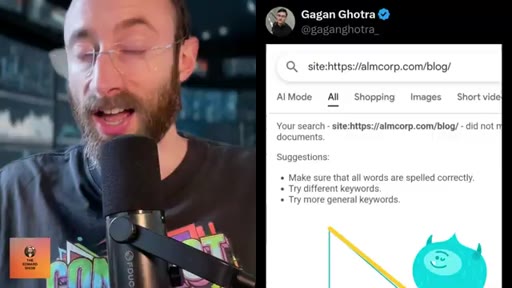
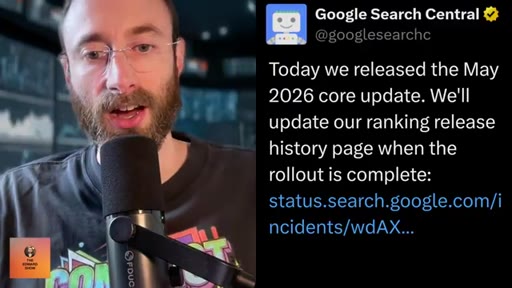
Google Search Central announcement. Blogs deranked. Barry Schwartz reports 100K+ link drops in Search Console.
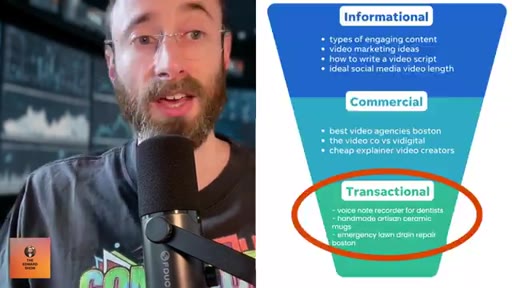
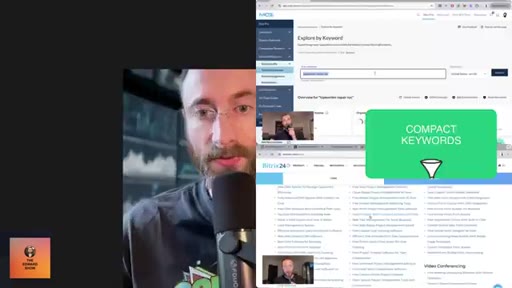
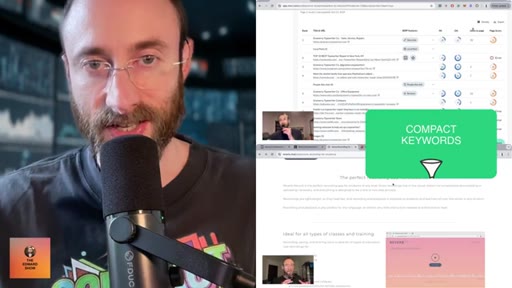
10 · CTA: Compact Keywords
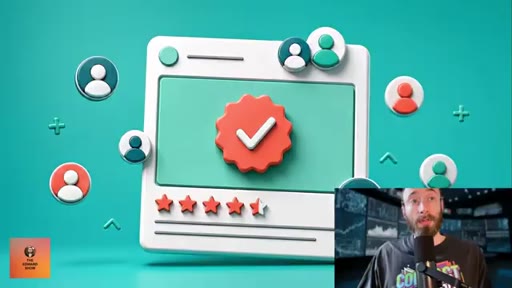
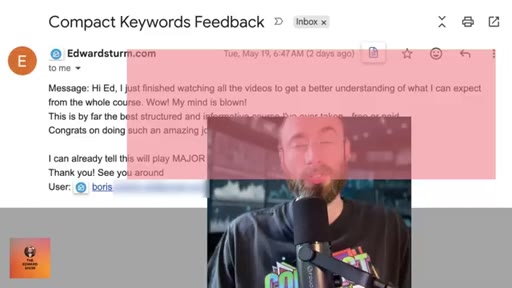
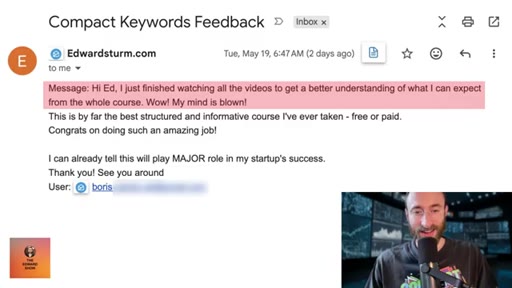
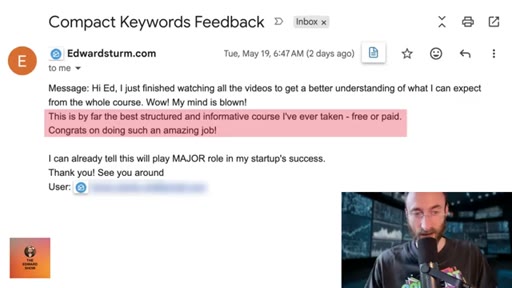
13.5-hour SEO course. Student testimonial from Boris. compactkeywords.com.
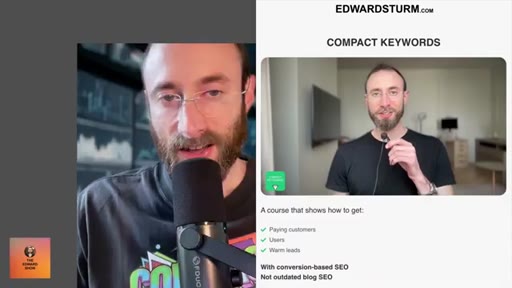
11 · Outro
1,053 days in a row.
Visual structure at a glance.
Named ideas worth stealing.
Bottom-of-Funnel SEO Playbook
- Bottom-of-funnel content targeting use cases and services
- Scenario-specific pages for people who know what they want but not which brand
- Thorough documentation (comprehensive site coverage)
- Online reputation management
- Comparison and alternative pages (competitor + alternative keyword)
The five tactics Edward argues survive any AI search change because they target people at the decision stage.
Lines you could clip.
"People are lazy. They don’t want to have to think. They want to do lazy searches or lazy prompts and get fast and accurate responses. And that is never going to change."
"If you can rank, you should sell your own stuff."
"This has always been part of SEO. It’s well known that when people are considering going with a product or service, they will do due diligence, and you want good stuff to show up."
How they spent the runtime.
Things they pointed at.
How they asked for the click.
"My thirteen and a half hour SEO course, Compact Keywords, teaches all of this."
Seamlessly baked into the content — the course teaches exactly the tactics he just spent 10 minutes recommending. Student testimonial (Boris) adds social proof.
Word for word.
Steal the daily news-reaction format.
The industry generates the content; you just need the expertise and the discipline to show up every day and give your take.
- Pick one niche where news breaks constantly (SEO, AI, DTC, whatever your audience cares about).
- Open with the headline, not the setup — start at the conclusion.
- Give your hot take in 30 seconds, then spend the rest backing it up with logic.
- Connect every episode to your core playbook — that’s how the content becomes the sales funnel.
- Daily consistency is the moat. 1,053 episodes is a number your audience can’t un-see.
- B-roll the actual source material (tweets, screenshots, articles) — it’s free and it’s credible.
Your SEO is probably fine. Here’s what to actually do.
The AI search overhaul will hurt publishers and affiliates — but if you sell your own products or services, the playbook has not changed.
- Build pages for searches people do when they know what they want but not which brand — these are the highest-converting keywords and AI still surfaces them.
- Write thorough documentation about everything your brand does. AI scrapes comprehensive sites.
- Manage your online reputation actively — when someone does due diligence on your brand, you want good results showing up.
- Build a competitor-alternative page targeting comparison keywords. This worked before ChatGPT and it still works now.
- If you rely on affiliate commissions or ad revenue from content: start building a product of your own. AI is already stripping affiliate links.