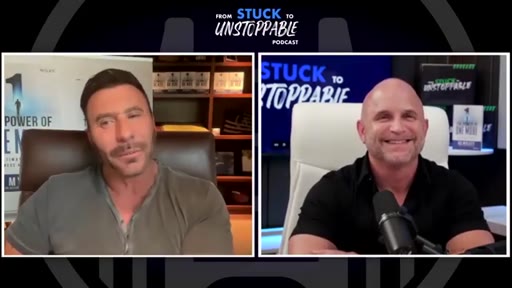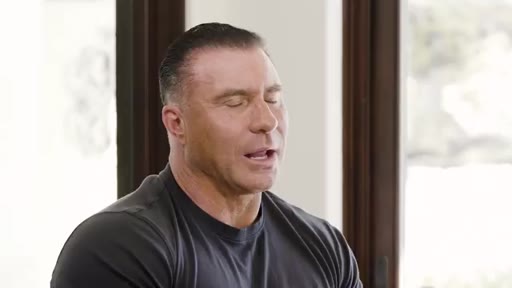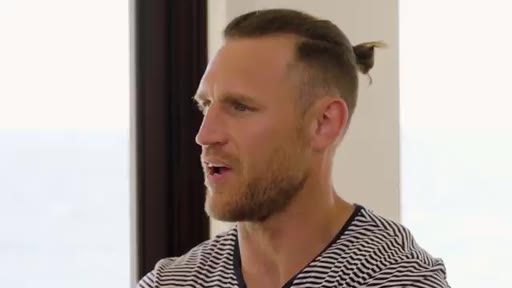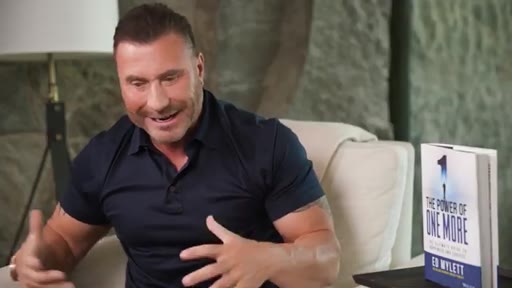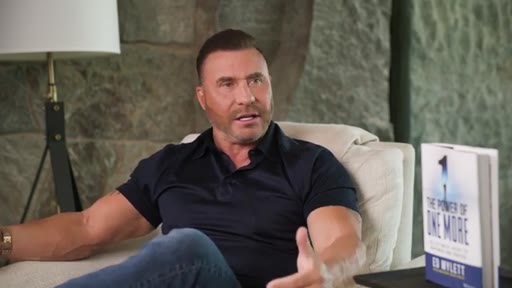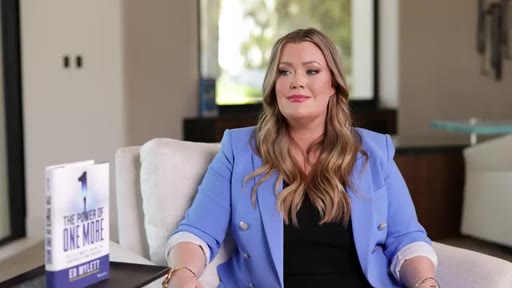
The bait, then the rug-pull.
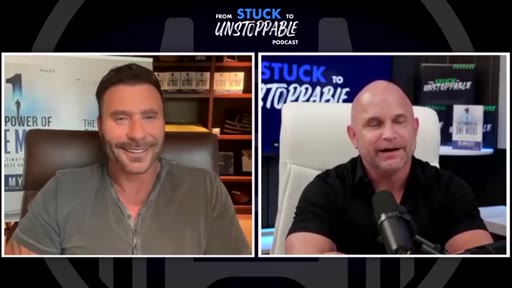
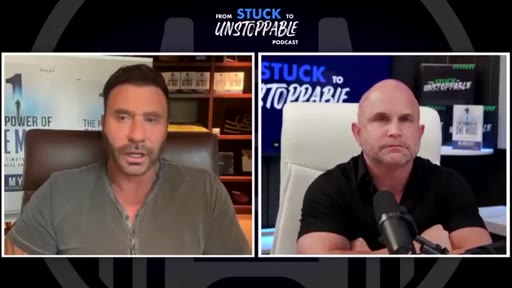
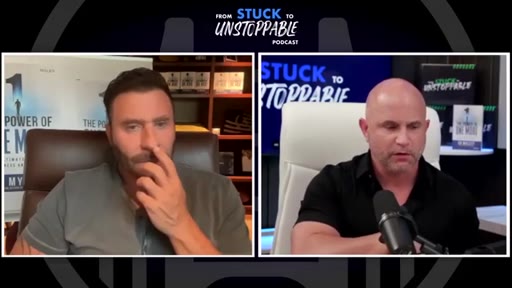
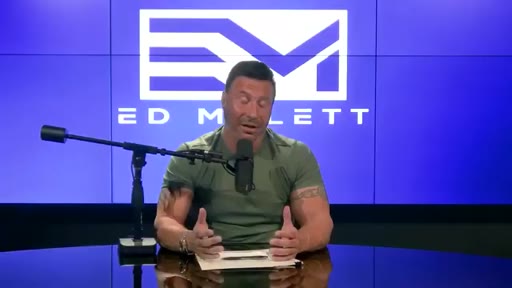
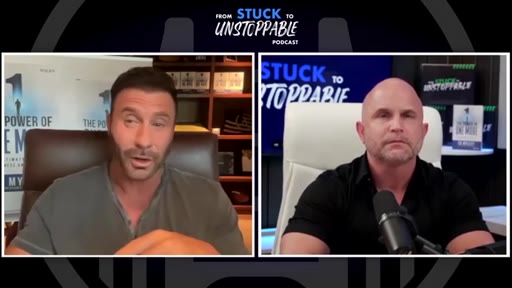
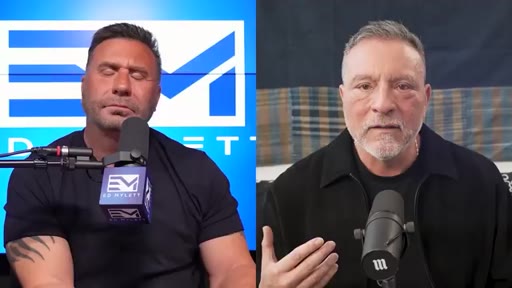
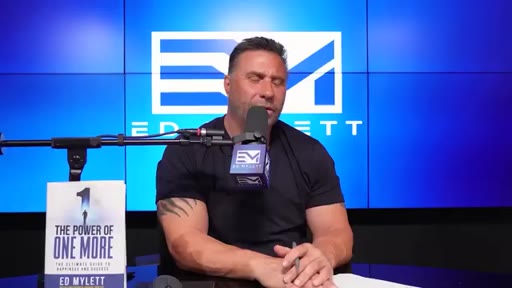
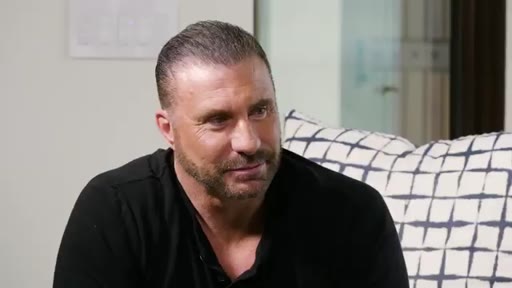
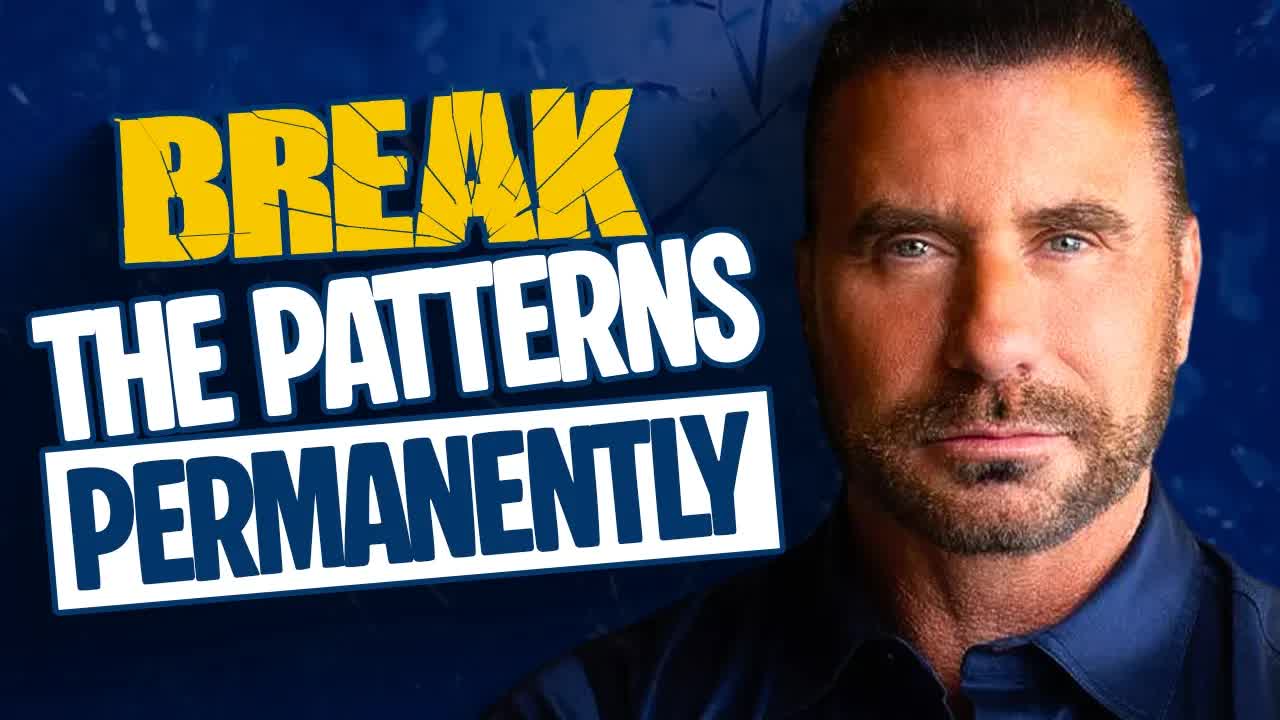
Ed Mylett opens cold by naming himself an expert in self-sabotage — not because he is so perfect, but because he has spent decades doing it. The bait is the title's promise to delete your old self. The hidden pattern, it turns out, is a thermostat.
What the video promised.
stated at 01:00 "I'm gonna give you today the gift of seven things people do to sabotage themselves... and I'm gonna cover the root cause, the disease, that's never discussed." delivered at 32:30
Where the time goes.
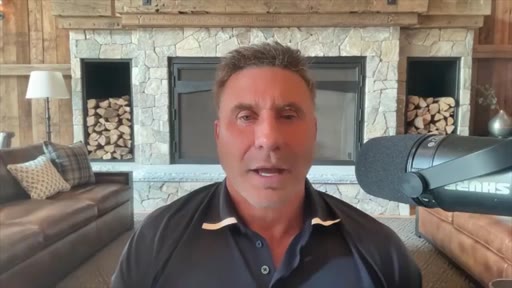
01 · Cold open: the most-asked topic
Ed names self-sabotage as the #1 question he gets and positions himself as the recovering expert.

02 · The thermostat metaphor
Identity is a thermostat setting. External wins (income, fitness, love) get cooled back down to what you believe you are worth.

03 · Why we sabotage: the illusion of control
Self-sabotage is moving toward what is familiar so the future stays predictable. That is the actual disease.

04 · Seven symptoms: past, lack, comparison
The first three symptoms — focus on past, focus on lack, comparison (the thief of joy, including masks on social media).
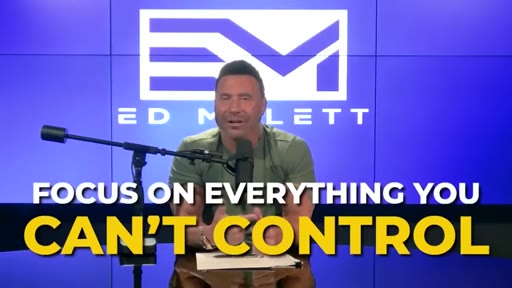
05 · Seven symptoms: control, discouragement
Focus on what you cannot control, and discouragement as the adversary's #1 weapon — get them down, don't have to defeat them.

06 · Seven symptoms: distraction + cool-off
Distraction list-making, and the counterintuitive seventh: a little success makes you stop doing the thing that produced it.
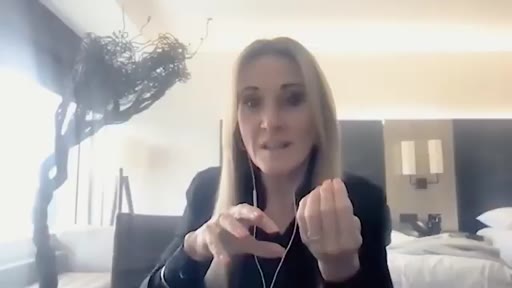
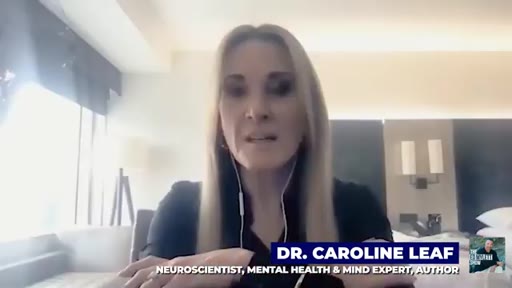
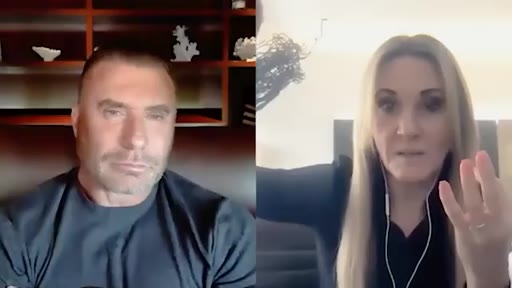
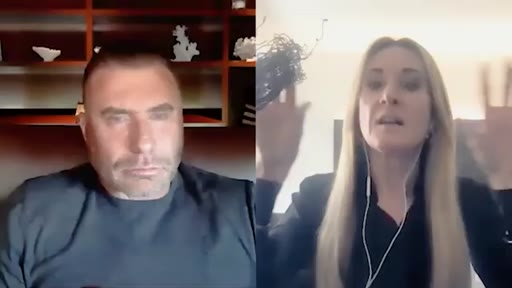
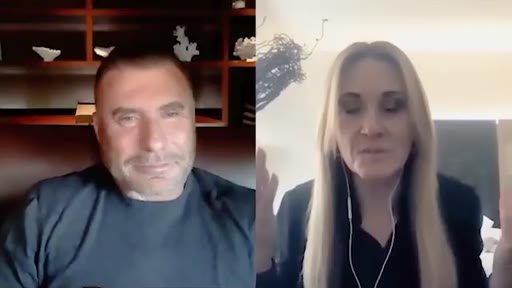
07 · Dr. Caroline Leaf: the forest metaphor
Identity as a forest of memory-trees with traumatic experiences as black clusters. Self-regulation is flying the helicopter, not walking the forest.
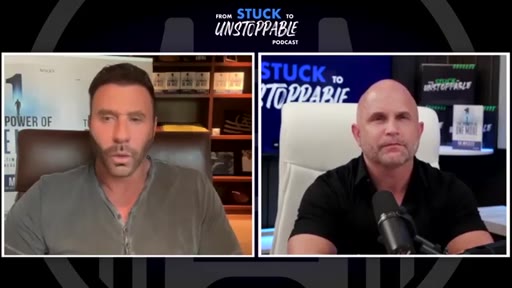
08 · Dr. Leaf: the Neurocycle
Gather, reflect, write (metacog), recheck, reconceptualize. Depression and anxiety are signals, not illnesses. Awareness shifts brain damage to brain healing in milliseconds.

09 · Brooks: intention is the currency of identity
Ed's Wayne-Dyer-on-the-beach story. Base confidence on intention, not ability or achievement. Magnificent obsession with one thing.
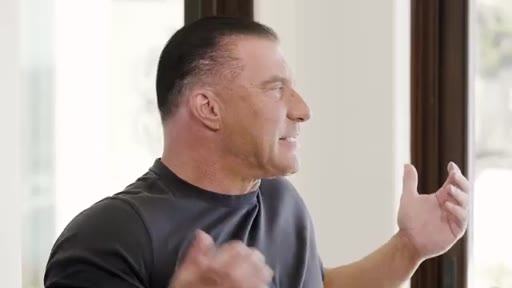
10 · Brooks: burn the boats + history vs imagination
99% operate from history and memory; 1% from imagination and dreams. Your friend group signal: do they talk about the past or the future?
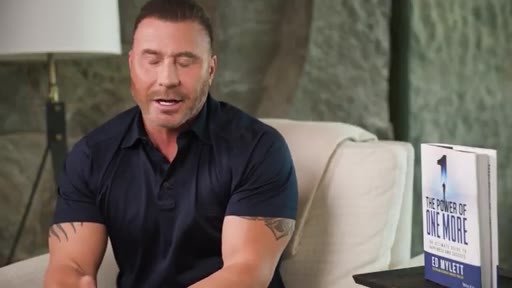
11 · Brooks & Jules: build a better version of you
Decide what you want, why you want it, then build the man or woman capable of having it before you have it.
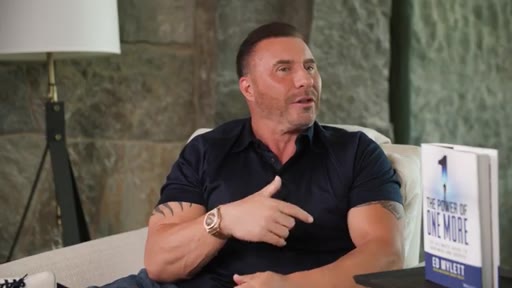
12 · Erwin McManus: voices, permission, money shame
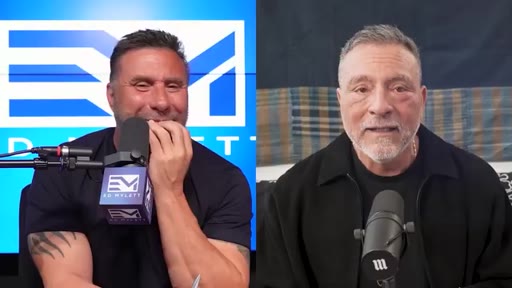
Self-doubt = accepting other people's voices as your own voice. Erwin's $12k/yr decade — needed permission to allow abundance.
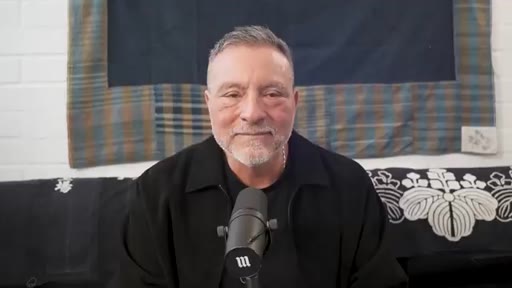
13 · Erwin: Eddie Spaghetti + the broken brain
Childhood labels stick when they become internal voices. Ed's bullying story and Erwin's nine-year-old 'broken brain' label.
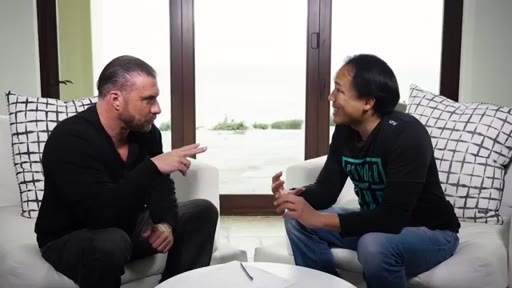
14 · Erwin: I AM + the six logical levels
Two most powerful words in English: 'I am'. Pyramid: identity > beliefs > capabilities > behavior > environment. Most people try to change behavior without changing identity.

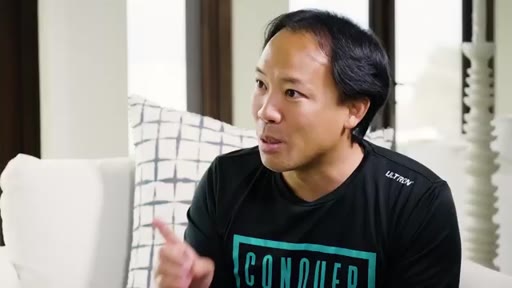
15 · Jim Kwik: Be SUAVE name-memory framework
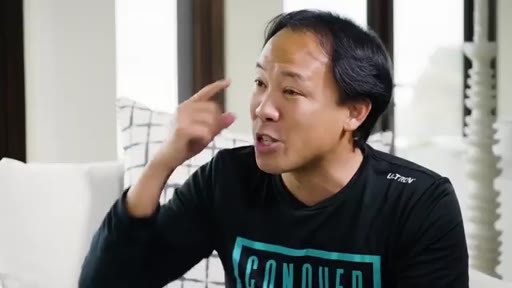
Believe, Exercise, Say, Use, Ask, Visualize, End. Pictionary-style mental imagery beats the six-second rule for short-term recall.

16 · Jim Kwik: four obstacles to reading speed
Lack of education, lack of focus, sub-vocalization, regression. JFK read at 800–1000 wpm because he wasn't pronouncing every word in his head.
17 · Closer: curiosity + courage, HEART goals
Self love is not selfish. Curiosity to know yourself, then courage to be yourself. SMART goals are fine — but make them HEART goals (healthy, enduring, alluring, relevant, truth).
Visual structure at a glance.


Named ideas worth stealing.
The Identity Thermostat
Personal identity acts like a thermostat on every life dimension (success, money, body, relationships, faith). External conditions don't dictate the room — the thermostat does. Exceed your setting and you subconsciously cool yourself back down.
Seven Symptoms of Self-Sabotage
- Focus on the past
- Focus on what you lack
- Comparison
- Focus on what you can't control
- Discouragement
- Distraction
- Cooling off after a little success
Symptoms (not causes) of the underlying thermostat + illusion-of-control disease. Each closes the loop back to the metaphor.
The Trilogy of Identity Elevation
- Faith
- Association (the five people you hang around)
- Intention
Three ways to raise your thermostat. Association = proximity heats you up. Intention = currency of identity (the Wayne Dyer download).
Dr. Caroline Leaf's Neurocycle
- Gather awareness (emotional, physical, behavioral, perspective)
- Reflect (ask, answer, discuss)
- Write (metacog tree)
- Recheck (look for patterns)
- Reconceptualize (your story, new)
Mental brain-surgery-without-the-blood. The metacog tree externalises the trauma forest so you can see patterns instead of walking through them.
Six Logical Levels of Change
- Identity (who)
- Beliefs/Values (why)
- Capabilities (how)
- Behavior (what)
- Environment (when/where)
NLP-flavoured pyramid. Most people try to fix behavior or environment without touching identity, which is why change doesn't stick.
Be SUAVE (name memory)
- Believe
- Exercise (practice)
- Say (the name back)
- Use (3-4 times)
- Ask (about the name)
- Visualize (Pictionary)
- End (say goodbye with name)
Tactical mnemonic for remembering names. The 'ask' step doubles as relationship-building — Jim Kwik's Nankita / 'graceful falling waters' story closed a ten-year client.
HEART Goals (vs SMART Goals)
- Healthy
- Enduring
- Alluring
- Relevant
- Truth
Jim Kwik's overlay on SMART. Specificity is not enough — goals also need emotional pull. Truth (the goal is yours, not borrowed) is the most important letter.
Four Obstacles to Reading Speed
- Lack of education (last reading class was age 6)
- Lack of focus
- Sub-vocalization
- Regression (back-skipping eats 20-25% of reading time)
Why most adults read at a six-year-old's training level. JFK was reputed to read six newspapers per coffee at 800–1000 wpm.
Lines you could clip.
"Your identity is like a thermostat setting on your life."
"People that you hang around that have thermostat settings higher than yours will heat you up."
"Comparison is the thief of joy."
"If I'm the adversary, I don't have to get you to completely fail. I just need to get you discouraged."
"You stop doing or reduce the very effort that got you that little taste of success."
"Please never base your self confidence on your abilities or your achievements. In your case, your intentions."
"Your obsessions become your possessions."
"1% of all people operate out of their imagination and their dreams, and 99% operate out of history and memory."
"If you fight for your limitations, you get to keep them."
"Your brain is a supercomputer and your self talk is a program it will run."
"The two most powerful words in English are 'I am'."
"Have the curiosity to know yourself. Then have the courage to be yourself."
How they spent the runtime.
Things they pointed at.
How they asked for the click.
"Go to kwikbrain.com for videos on speed reading and remembering names. Take a screenshot of this episode, tag us both, share your biggest takeaway."
Soft. The CTA is Jim Kwik's (it's his guest segment) — Ed doesn't pitch his own book here. The Power of One More gets one organic mention 8 minutes in. Unusually restrained for the Mylett brand.
Word for word.
Steal the compilation play.
Ed shot five separate sessions over months, then bolted them onto one cold-open monologue with one through-line. The audience gets five mini-episodes for one click — and you amortize old interview tape into new top-of-funnel.
- Pick one identity-level theme that can absorb four prior guest conversations (here: identity-as-thermostat).
- Shoot a 10-20 minute solo cold-open monologue that names a #1 question and positions you as the recovering expert — not the perfect one.
- Build the monologue as a numbered list of symptoms rooted in one root-cause metaphor. The metaphor is load-bearing — every guest segment is a different lever on the same metaphor.
- Place your strongest emotional story (Mrs. Smith / your equivalent) at the ~70% beat — this is the re-hook before the tactical close.
- Close with the most tactical guest, not the most inspirational — Jim Kwik's SUAVE name framework gives viewers something to do tonight, which drives sharing.
- Restrain the CTA. Ed's only self-pitch is one organic Power of One More mention. The Jim Kwik kwikbrain.com pitch is the guest's. The whole 97 minutes reads as value, not a sales pitch.
- For Mod Producer: the runsheet here is literally intro → guest 1 → bridge → guest 2 → guest 3 → guest 4 → tactical close. Five-row JSON, done.
What this could mean for you.
If you have ever lost weight and gained it back, hit a money number and given it back, or watched a great relationship cool off for no reason you can name — Ed is describing the mechanism, not the moral failing. Your thermostat is set lower than your current win.
- Pick one area you keep snapping back in (body, money, peace, a relationship) and name the current thermostat number out loud. Honesty is the start.
- Audit your last ninety days of conversations with your four or five closest people. How much is past-talk vs imagination-talk? Past-talk reinforces the old setting. You don't have to drop friends, but you do have to add some who run hotter.
- Catch yourself the next time you score a small win and immediately cool off the very behavior that produced it. The cure is to do more of that behavior, not less.
- Try Dr. Leaf's gather step today: write the emotional, physical, behavioral, and perspective signals attached to one recurring bad feeling. Five minutes. Don't try to fix anything yet — just see it from the helicopter.
- Watch what you say after the words 'I am'. Those are the two most powerful words in English. 'I am a procrastinator' is an identity. 'I am someone who finishes' is a different identity. Pick the one that serves you.
- Read more, but stop sub-vocalizing every word. Try Jim Kwik's visual pacer trick — drag your finger under the line at a speed slightly faster than comfortable. Comprehension will not drop; focus will rise.
- Ask the next person you meet how to spell their name and where it is from. It costs ten seconds and changes the relationship.