The bait, then the rug-pull.
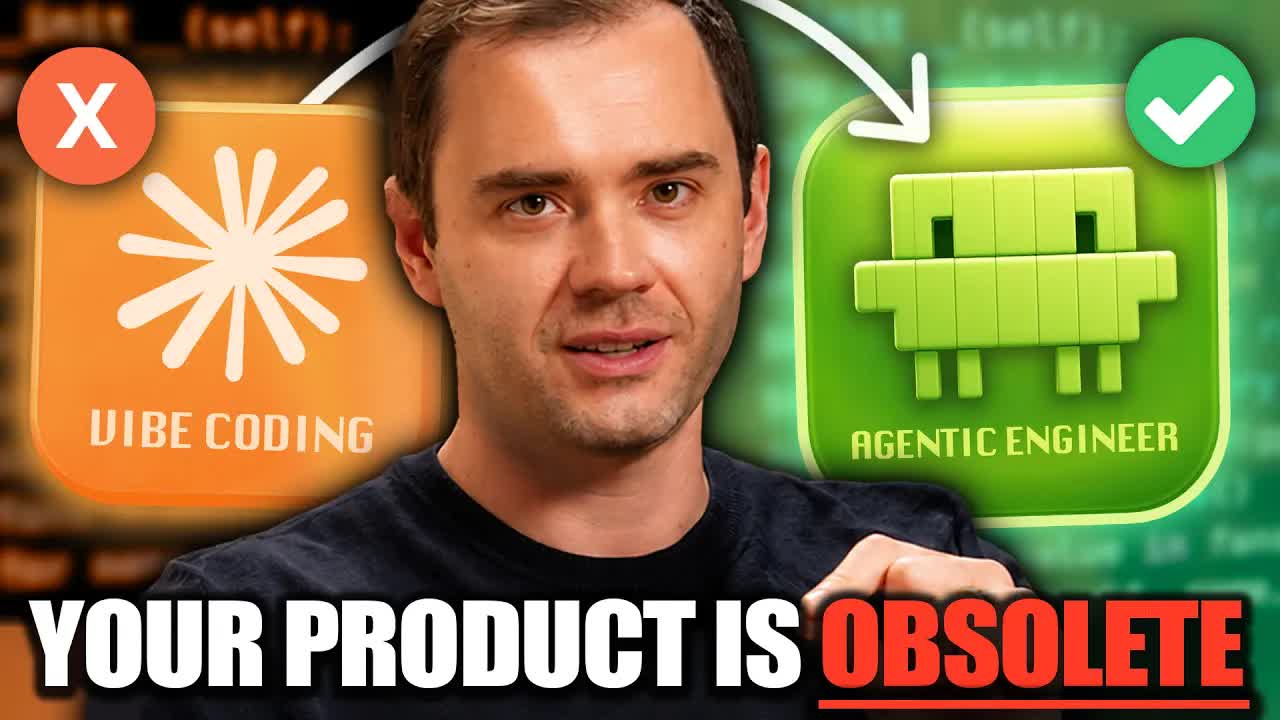
The last decade had a simple playbook: build a course, run an agency, ship an app. Then Andrej Karpathy walked into a Sequoia Capital interview and quietly declared all of it obsolete. Dream Labs AI's host spent 14 minutes translating what that actually means for creators and solo builders — and landed on four moats that still hold.
What the video promised.
stated at 01:14 "I will break down Andre Karpathy's exact blueprint by using four real world examples so we can first understand what not to build in this new paradigm." delivered at 12:01
Where the time goes.

01 · The nuke drop
Hook: AI is destroying every standard business model. Promise: Karpathy has the blueprint, early movers win.

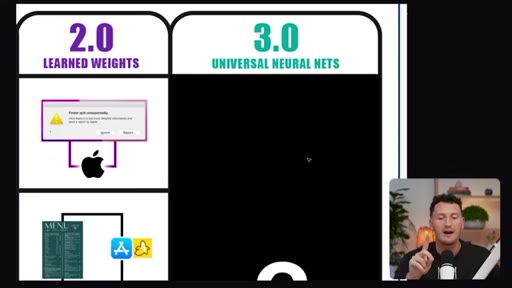
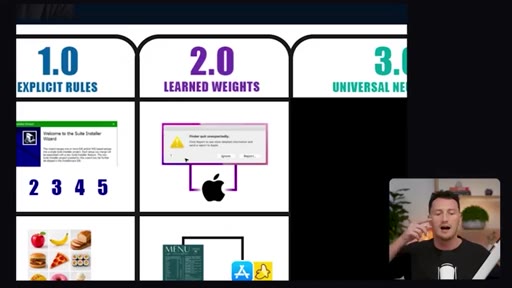
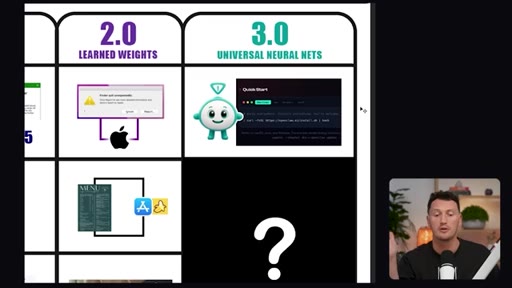
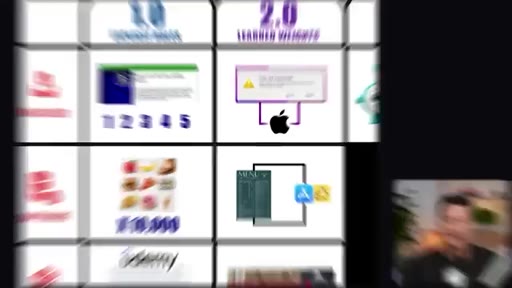
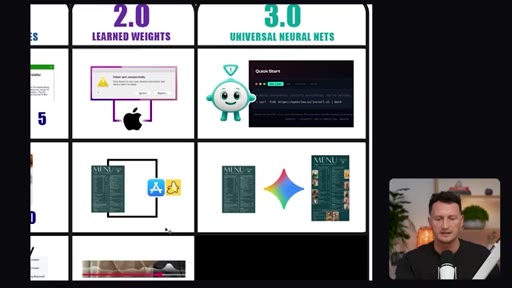
02 · Software 1.0 / 2.0 / 3.0 defined
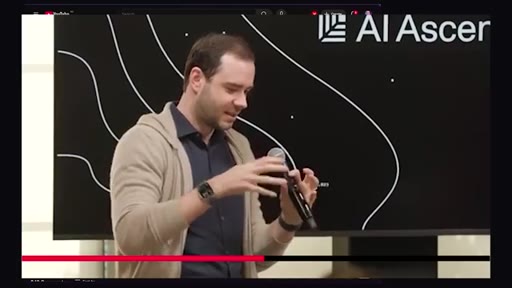
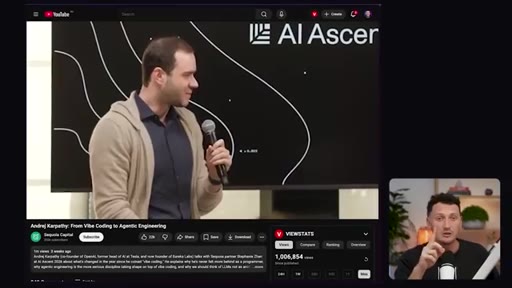
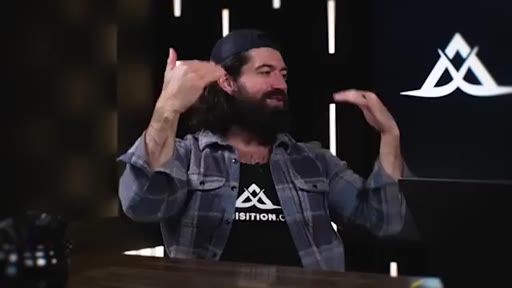
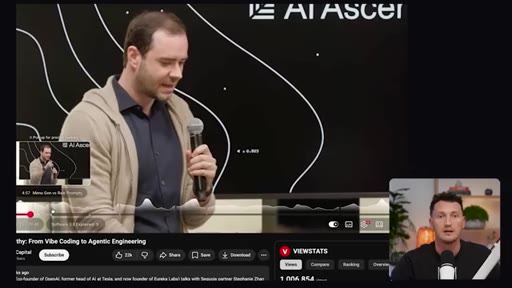
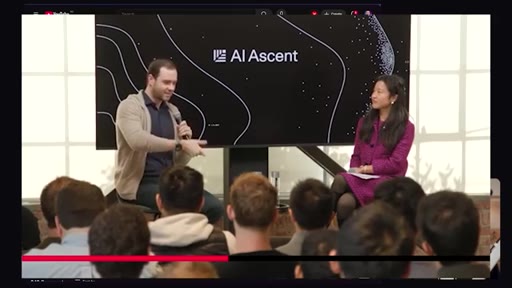
Host frames Karpathy's thesis: explicit rules to learned weights to LLM-as-interpreter. Plays the Sequoia interview clip.
03 · Example 1: The installer
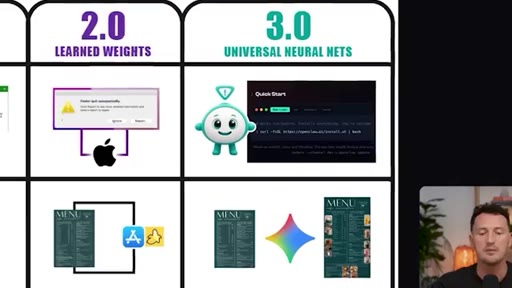
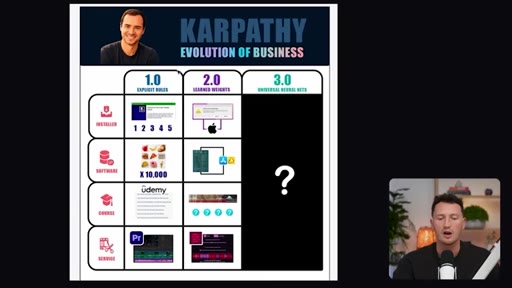
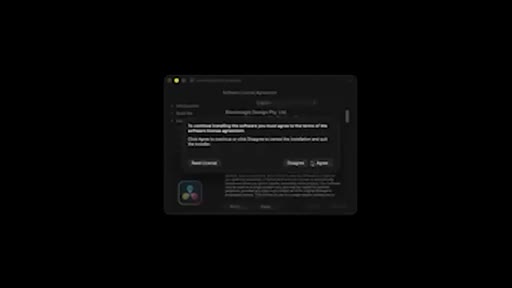
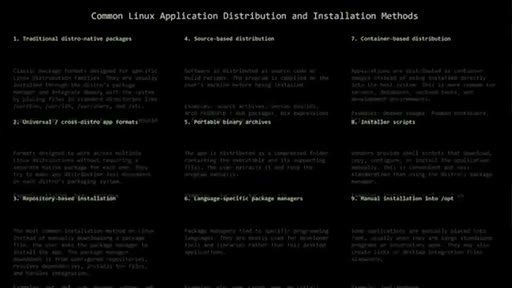
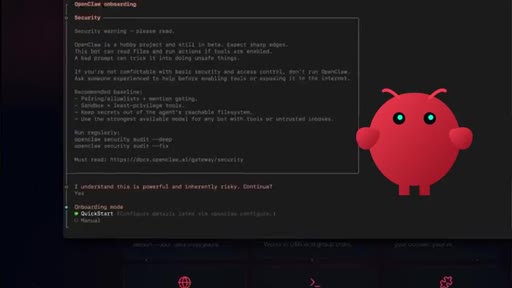
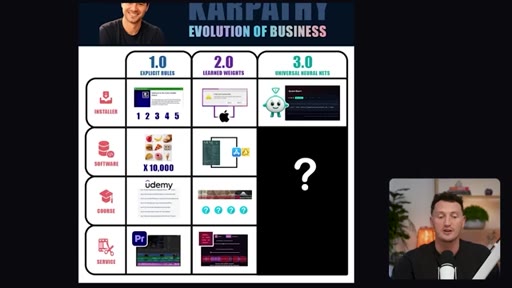
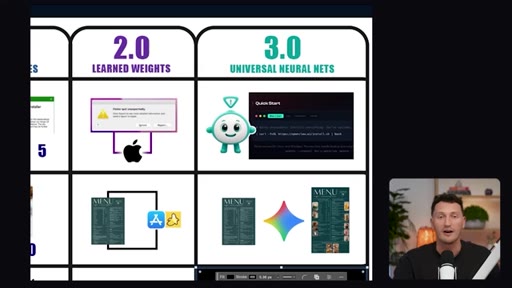
Three-paradigm breakdown of a software installer. 3.0 = one-command agent that self-heals any error it has never seen before.
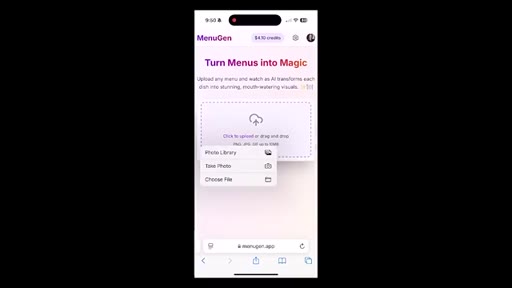
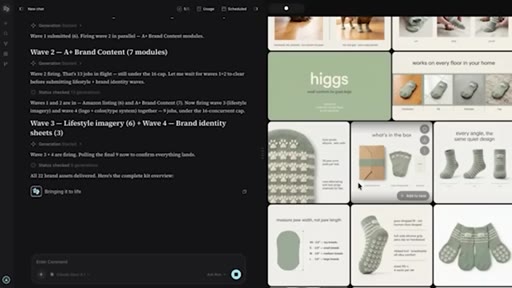
04 · Example 2: Karpathy's MenuGen app is already dead
Karpathy built an app to add photos to restaurant menus. Then realized one Gemini prompt does the same thing. The app should not exist.
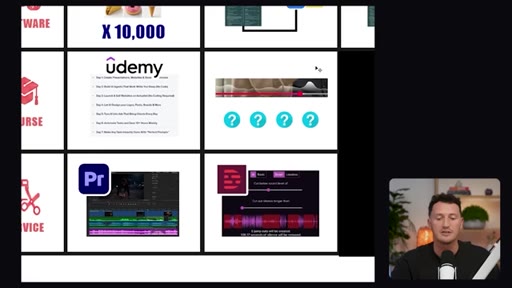
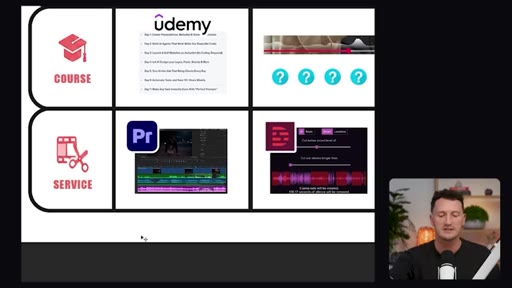
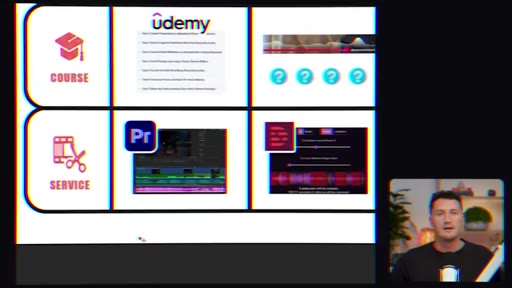
05 · Example 3: The course business
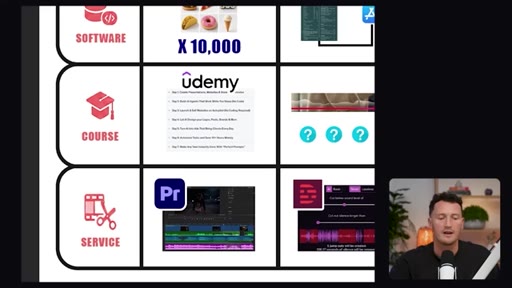
Udemy (1.0) to engagement-optimized video (2.0) to personalized coaching agent like Alex Hormozi's LLM (3.0). Most course sellers have not hit 2.0 yet.
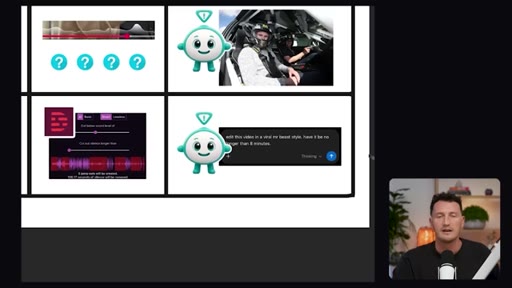
06 · Example 4: Video editing services
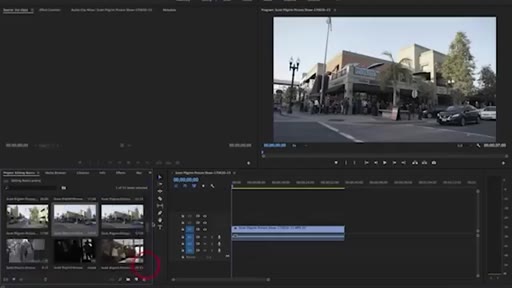
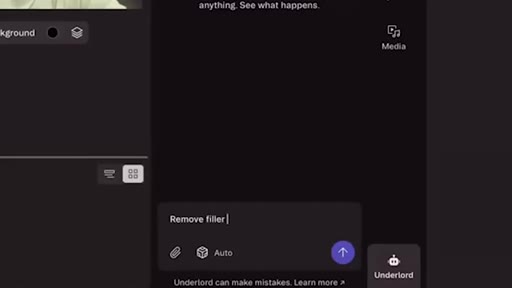
Premiere Pro (1.0) to Descript AI trimming (2.0) to text-prompt agent that edits in any style in 10 minutes (3.0). Services 3.0 = selling the outcome.

07 · The four moats
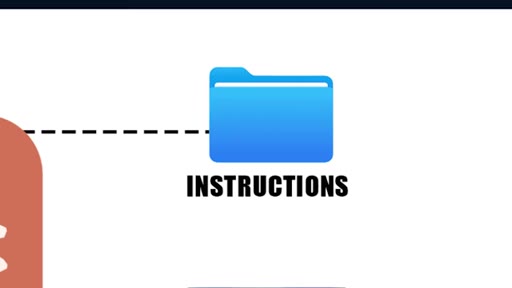
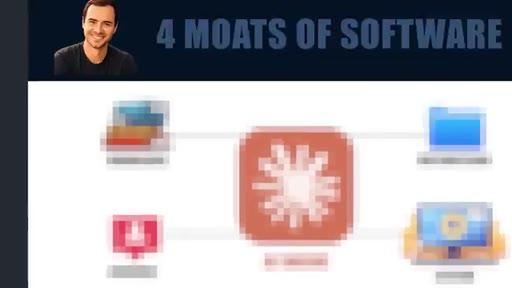
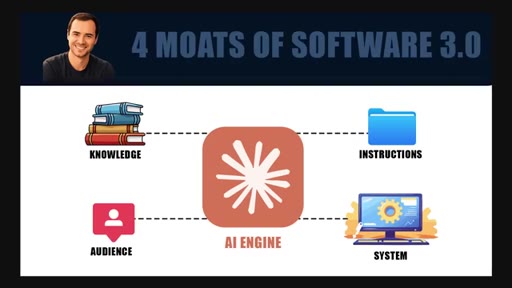
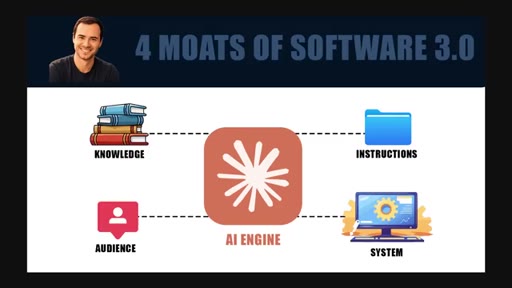
Knowledge (your data), Instructions (prompt engineering), AI Engine (leverage not build), Audience/System (trust + UX wrapper). The only defensible positions left.
Visual structure at a glance.
Named ideas worth stealing.
Software 1.0 / 2.0 / 3.0
- 1.0: Explicit rules (write every step)
- 2.0: Learned weights (machine learning feedback loops)
- 3.0: LLM-as-interpreter (prompting replaces programming)
Karpathy's three-era model for how software and all digital businesses work. 3.0 means the context window is your code.
Four Moats of Software 3.0
- Knowledge (proprietary data)
- Instructions (prompt engineering)
- AI Engine (leverage the LLM)
- Audience / System (trust + UX)
The four defensible positions for creators and businesses when LLMs commoditize the execution layer.
Lines you could clip.
"AI has dropped an absolute nuke on everything that we know and loved."
"All of my MenuGen is spurious. It's working in the old paradigm. That app shouldn't exist."
"Software and business 3.0 is selling the outcome."
"You get to design your own car. You get to design your own wheels. You get to design the entire system around that engine."
How they spent the runtime.
Things they pointed at.
How they asked for the click.
"If you made it this far in the video, please hit the subscribe button below."
Clean sign-off with on-screen subscribe animation. No product pitch, no upsell.
Word for word.
Steal the framework, not the content.
The four moats graphic is worth more than the 14-minute video — one diagram that answers every question your audience has about whether AI is going to kill their business.
- Build the Karpathy 1.0/2.0/3.0 framework into a carousel or short — it works for any niche (fitness, finance, real estate, marketing).
- The decode-the-expert-for-my-audience format is low-authority-required: you are translating, not originating.
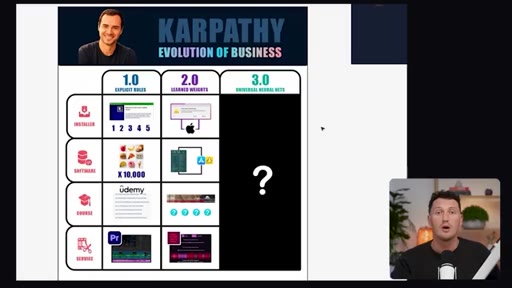
- Custom graphic slides (the Evolution of Business table, the 4 Moats diagram) separate this from a talking head — invest 30 minutes in Canva and it carries the whole video.
- Name the obsolete thing your audience is doing before giving them the solution. Specificity makes the nuke framing land.
- End on the moat, not the fear. The video works because it does not leave people spiraling — it gives them something actionable to hold.
Where you actually fit in an AI-first world.
The AI is not replacing you — it is replacing everyone who has not figured out what to wrap around it.
- Start building your data moat now: every video, email, and post you create is training data for your future AI agent.
- Learn to prompt well — prompt engineering is the new skill gap, and it is narrower than you think.
- You do not need to build the AI engine; you need to build the system around it (your UX, your brand, your workflow).
- Audience trust compounds in an AI world — the more generic AI gets, the more valuable your specific voice becomes.
- Do not build another Software 2.0 app. Ask yourself: could someone do this with a Gemini prompt? If yes, skip it.