
The bait, then the rug-pull.
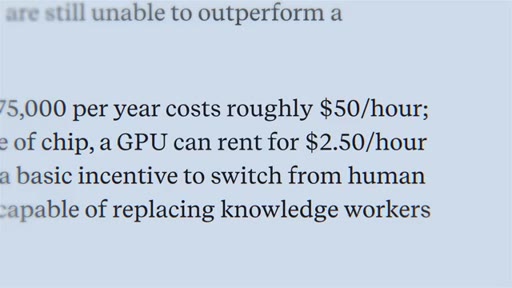
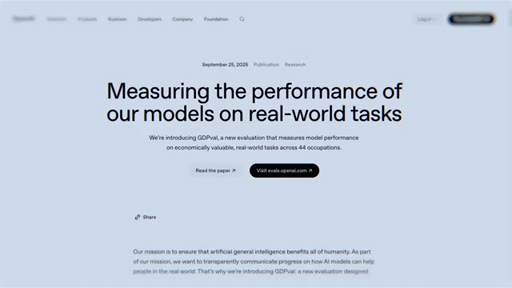
A full year of knowledge-worker labor now costs $200 to $2,000 in AI tokens — and that price is still falling. Daniel Priestley opens with that number before anything else, because nothing focuses the mind like arithmetic. This is not a soft warning about disruption. It is a structural argument that the time-for-money game is mathematically over, and a clear map of what you should be selling instead.
What the video promised.
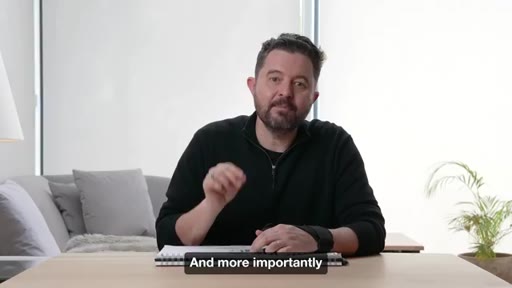
stated at 00:45 "We're gonna talk about why it's important to build a business that scales without selling time for money and more importantly than that, we're gonna talk exactly how to do it." delivered at 07:45
Where the time goes.

01 · The $80 Knowledge Worker
Cold open: AI token cost claim, time-for-money is structurally over, promise of the video.

02 · The Brutal Math
Token economics: $200-$2,000 to automate a full year of any screen-based role. Cost is going down.

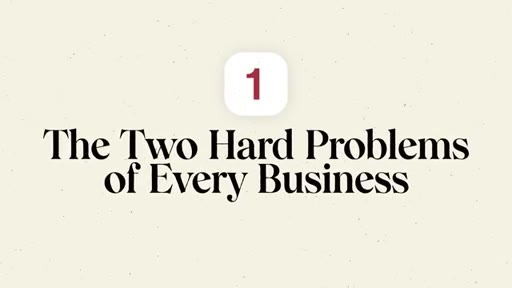
03 · Two Hard Problems
Chapter title card. Every business has exactly two problems worth solving.
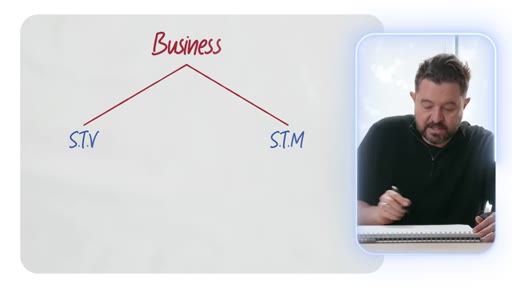
04 · Speed To Value
Delivering outcomes. Customers want results not time. Accountant/Scrabble analogy. GLP-1 fitness trainer example.
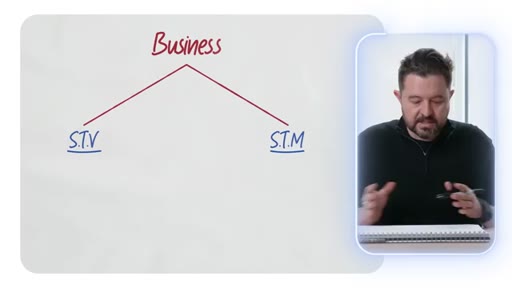
05 · Speed To Market
Telling your story at scale. Podcast hypothetical: if millions heard your story, your business would explode.
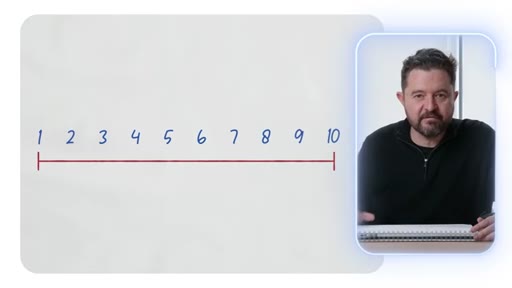
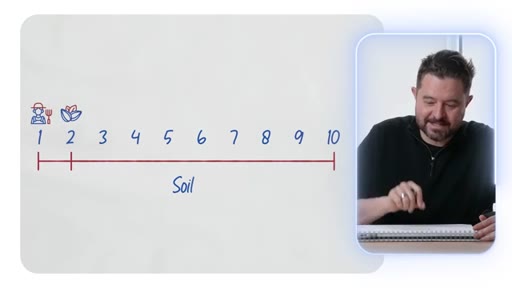
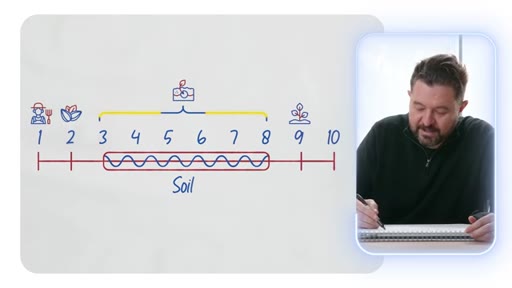
06 · The 10-Step Farmer Model
Agricultural AI analogy: soil automates steps 3-8. Humans own steps 1-2 and 9-10. AI is digital soil.

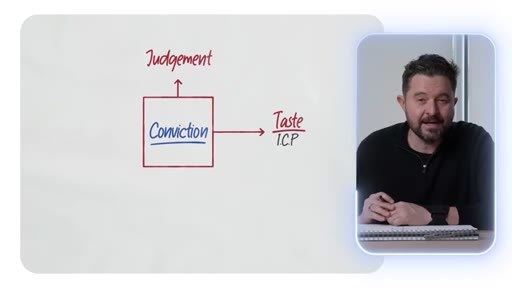
07 · What You Are Paid For
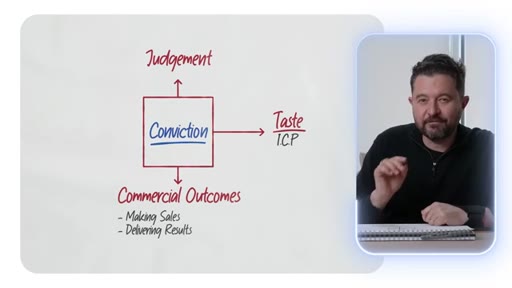
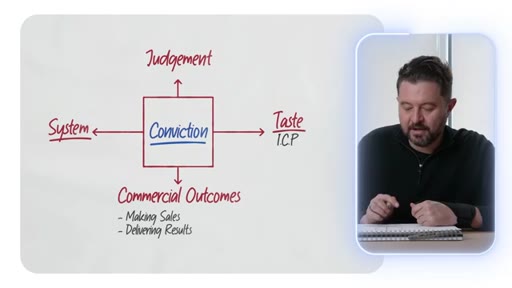
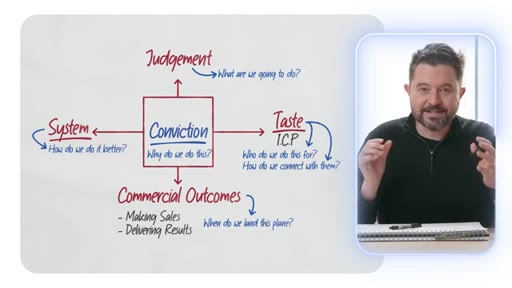
Five things AI cannot take: Conviction, Judgment, Taste, Commercial Outcomes, Systems.
08 · Stop Fighting AI
Mindset shift: stop wishing it away. Surf the wave or get dumped. AI amplifies value if you focus on the right five things.

09 · Real Life Example
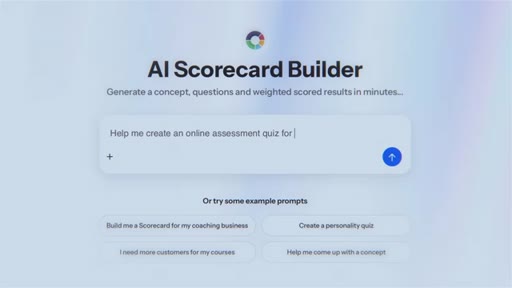
ScoreApp case study: IT agency charging $15-20K per WordPress build became SaaS with tens of thousands of subscribers.

10 · Life After AI
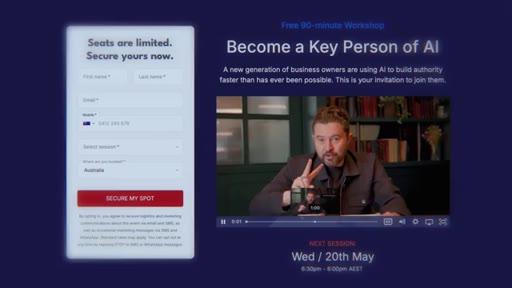
CTA for Key Person of Influence live workshop. Build a personal brand around an outcome, not an execution role.
Visual structure at a glance.
Named ideas worth stealing.
Token Economics
A full year of any knowledge-worker role now costs $200-$2,000 in AI tokens, and token cost is still falling. Anyone charging by the hour is in direct price competition with this.
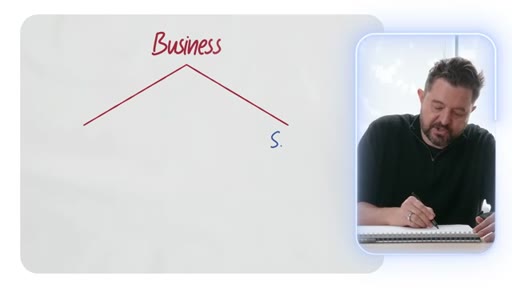
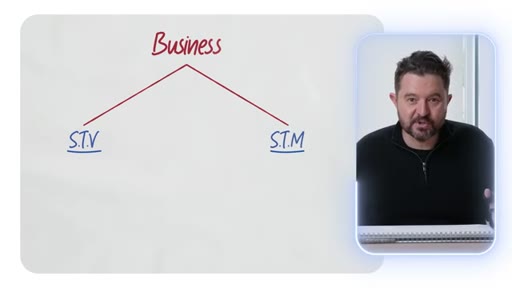
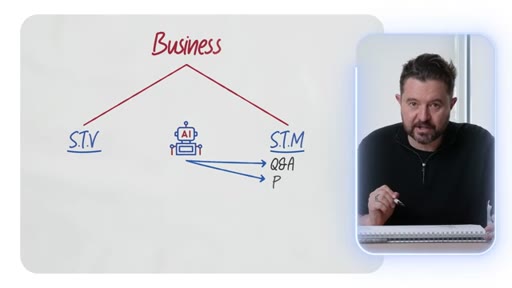
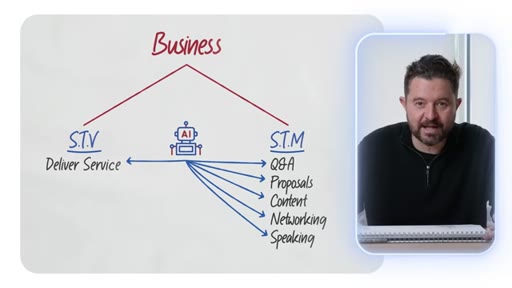
Two Hard Problems
- Speed to Value
- Speed to Market
Every business has two and only two real problems. Speed to Value = delivering the outcome customers want. Speed to Market = getting the right people to know you can do it.
The 10-Step Farmer Model
- Step 1: Know it is time to plant
- Step 2: Tend the soil and plant seeds
- Steps 3-8: Soil/AI automates the growth
- Step 9: Know when to harvest
- Step 10: Take it to market and sell
AI is digital soil. It automates the middle steps. Humans own the judgment calls at start and end.
Five Things You Get Paid For
- Conviction
- Judgment
- Taste
- Commercial Outcomes
- Systems
What humans still own in an AI economy: drive to make something happen, good choices from experience, creative alignment with ideal customers, closing sales, improving the machine.
Key Person of Influence
The elevated role in a post-AI economy: being known, liked, and trusted within your industry for a specific outcome. Not an influencer — a person whose name comes up in conversation.
Lines you could clip.
"You are not gonna be able to sell your value if you're a hundred times more expensive."
"Most of your customers, they don't actually wanna spend time with you. They wanna wave a magic wand and a particular result happens."
"AI doesn't have any conviction. It will tell you anything you want to hear. Every single person who's using AI will tell you that the AI is a total sycophant."
"Conviction is why do we do this? Judgment is what are we gonna do? Taste is who do we do this for? Commercial success is when do we land this plane? And systems is how do we do it better?"
"It undermines our value if all we do is complete tasks. But it amplifies our value if we focus on the right things."
How they spent the runtime.
Things they pointed at.
How they asked for the click.
"I'm running a live workshop that you can join. Come and join me for a live workshop, and I will share with you exactly the strategy to go from what you know to having a lot of people who know how good you are."
Soft sell framed as exploration. KPI / Key Person of Influence branding shown on slide. Ends with subscribe ask.
Word for word.
Package your judgment, not your hours.
Lead with a number that makes the threat concrete, then hand the audience a five-part framework they can immediately apply to their own situation.
- Open with the scariest specific stat you have — not vague doom but a dollar figure or timeline that makes it real.
- Use numbered chapter-card title slides so each framework section feels like a distinct deliverable.
- Embed your own product as a case study mid-video, not an ad read at the end.
- Name the five things you do that AI cannot: tie your identity to judgment, taste, and conviction — not execution.
- The Farmer Model is a ready-to-steal reframe: AI is digital soil, you are the farmer who plants and harvests.
- The accountant/Scrabble analogy (3:00) is the cleanest way to show clients they are buying outcomes, not your time.
What this means if you sell your expertise.
If you charge by the hour, the day, or the retainer, you are in price competition with a machine that never sleeps and costs a few hundred dollars a year.
- Audit your invoices: anything billed by the hour is the part of your work most at risk. Move toward outcome-based pricing.
- Your conviction is your moat. AI will not fight for an outcome; it will agree with whoever is typing.
- Judgment compounds. The more mistakes you make and learn from, the more valuable you become. Experience is your pricing power.
- Taste is knowing what your specific customer actually wants, not what looks good to you. Spend time in their world.
- Package your knowledge so it delivers value without requiring your hours — a course, productized service, or a system someone else can run.