Cal Hyslop · Youtube · 09:08

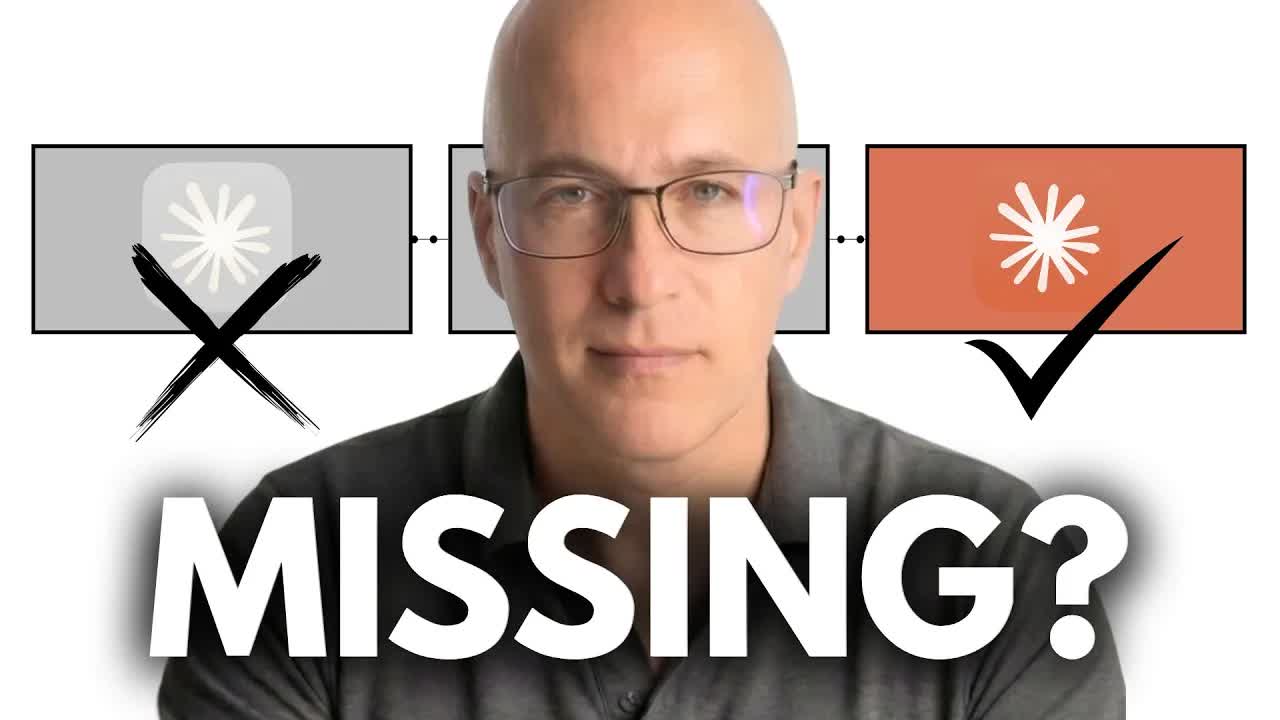
Your CoWork Agents Are Probably Underbuilt. Here's What's Missing.

A 9-minute teardown of the three structural gaps that make most AI agents flaky and exactly how to close them in ten minutes.

Posted
May 23rd 2026
2 days ago
Duration
09:08
Format
Tutorial
educational
Channel
CH
Cal Hyslop
§ 01 · The Hook

The bait, then the rug-pull.

You built the agent. You ran it twice. Then you quietly stopped. The video opens by naming that specific embarrassment -- not as a criticism, but as a diagnosis -- before a university instructor who once had the same problem explains the three-part fix he found.

§ · Chapters

Where the time goes.

00:00 – 00:31

01 · Hook -- the quiet quitter agent

Addresses CoWork users directly: you built agents that kind of work but stopped using at least one of them. Frames this as a setup problem, not a CoWork problem.

00:32 – 01:43

02 · Origin story -- the broken grading system

University instructor built an AI grading assistant that hallucinated features that no longer existed. Root cause: gave the AI a job without a job description.
01:44 – 02:37

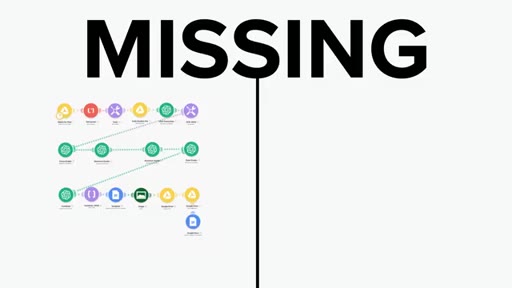
03 · Preview -- three missing components

Sets up the three-part structure. Frames the vending machine vs. real agent contrast.
02:38 – 04:18

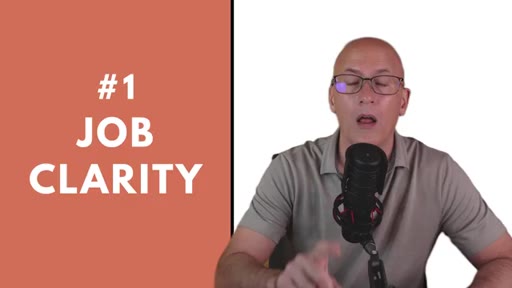
04 · #1 Job Clarity

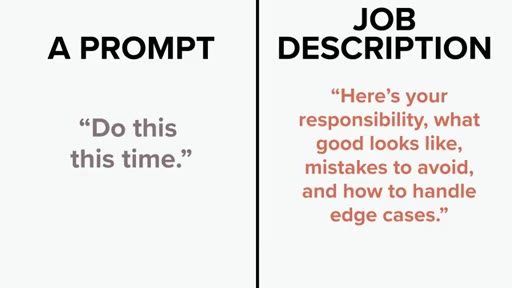
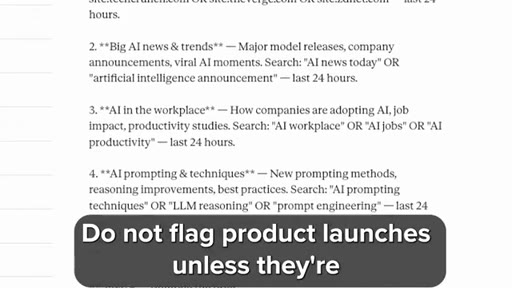
Distinguishes prompt (do this this time) from job description (responsibility, quality standard, edge cases). Shows a real morning brief agent instruction set with source list, format rules, topic thresholds, and null-state behavior.
04:19 – 05:37

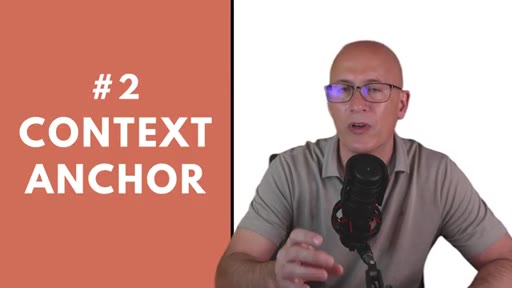
05 · #2 Context Anchor

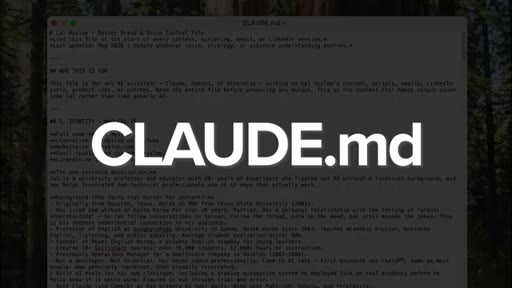
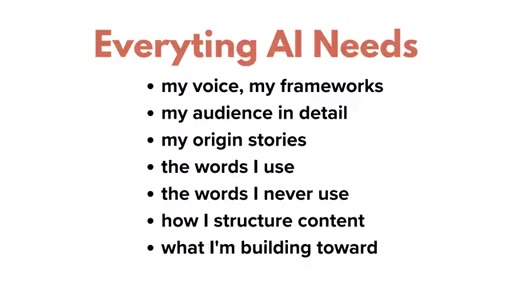
Every session starts knowing agent instructions but not who the user is. A claude.md file loaded automatically carries voice, audience, frameworks, and non-negotiables into every session.
05:38 – 07:11

06 · #3 Failure Protocol

Agents built only to succeed will guess when they hit edge cases -- confidently and wrongly. A failure protocol is fallback instructions built into the job description itself.
07:12 – 08:19

07 · Action step -- build all three with Claude

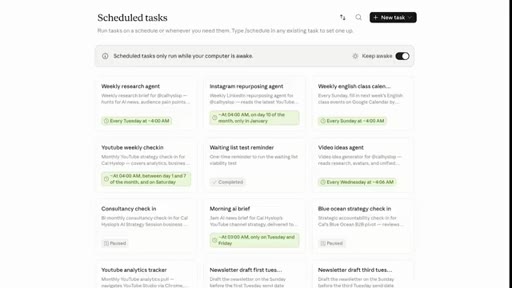
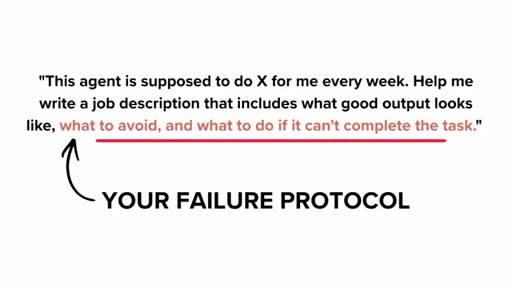
Shows the exact prompt template to ask Claude to write a job description including failure protocol. Workspace overview: several agents, each with job description plus claude.md plus fallbacks.
08:20 – 09:08

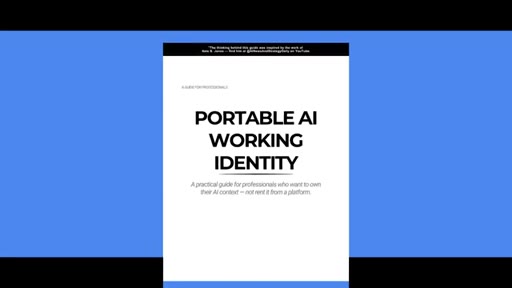
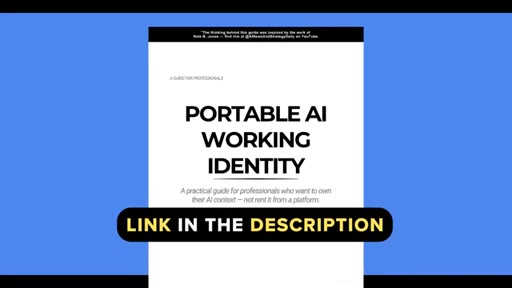
08 · CTA -- Portable AI Working Identity guide

Free guide for building the context anchor file. Final watch-next card.

§ · Storyboard

Visual structure at a glance.

open
origin story
job clarity
context anchor
failure protocol
action step
§ · Frameworks

Named ideas worth stealing.

02:38 list

The Three Missing Components

  1. Job Clarity
  2. Context Anchor
  3. Failure Protocol

Three structural elements that distinguish a reliable recurring agent from a vending machine that produces inconsistent output.

Steal for Any AI agent setup checklist or agent audit workflow
02:38 concept

Job Description vs. Prompt

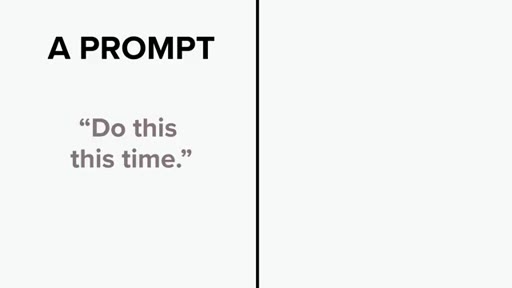
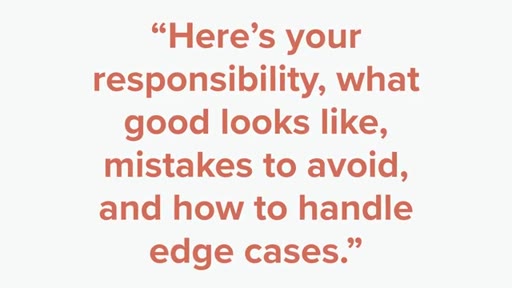
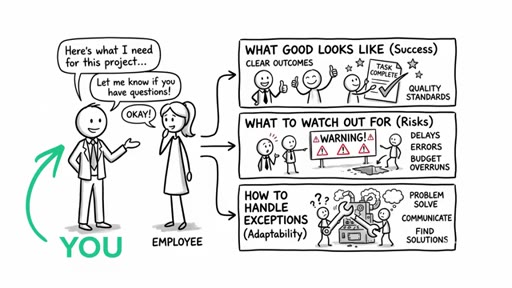
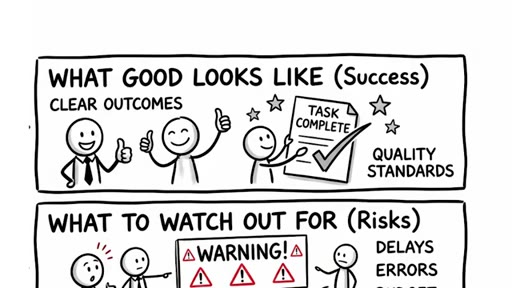
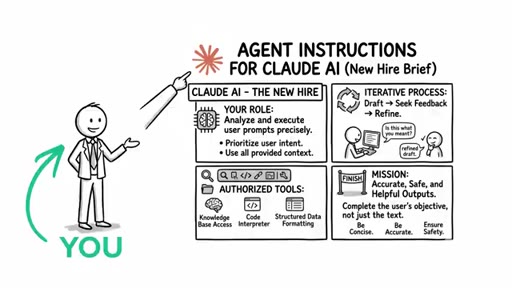
A prompt is a one-time instruction. A job description is standing guidance: what the agent is responsible for, what good looks like, what to avoid, and how to handle exceptions. Same mental model as briefing a new hire.

Steal for Framing for a CoWork setup tutorial or onboarding guide
05:38 concept

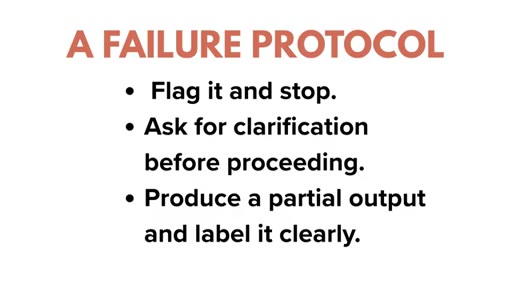
Failure Protocol

Embedded fallback instructions that define what the agent does when it cannot complete the task as specified. Prevents confident fabrication. Three options shown: flag and stop, ask for clarification, produce partial output with a label.

Steal for Agent instruction templates, AI delegation checklists
§ · Quotables

Lines you could clip.

01:09
"I was giving it a job without a real job description."
Relatable self-diagnosis, zero setup needed → TikTok hook
01:28
"The guesses were confident and wrong."
Five words, universal, instantly understood → IG reel cold open
04:07
"Write your agent instructions the way you'd brief a new hire on a job they're going to do every week without you watching."
Concrete, memorable analogy that reframes the whole task → newsletter pull-quote
07:00
"The failure protocol didn't make the agent smarter, it made it honest."
Punchy contrast, counterintuitive framing → TikTok hook
06:15
"Not from the agent failing, from the agent succeeding in the wrong thing."
Reframe of the failure problem -- sounds wrong until it clicks → IG reel cold open
§ · CTA Breakdown

How they asked for the click.

08:20 link
"I've put together a free guide that walks you through exactly how to do that. It's called the Portable AI Working Identity. Link is in the description."

Clean soft sell after the content is fully delivered. No urgency language. The guide name (Portable AI Working Identity) is specific enough to feel like a real product.

§ 04 · The Script

Word for word.

HOOK opening / re-engagementCTA the pitch metaphor analogy story
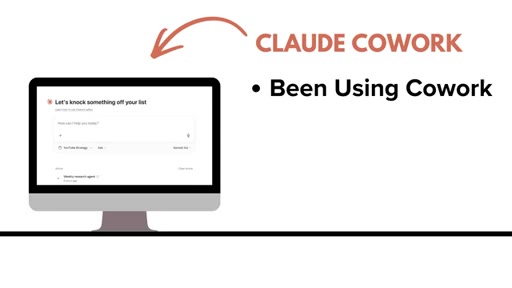
00:00HOOKYou've been using CoWork. You've built at least one agent, maybe a few, and they kind of work.
00:07HOOKBut if you're honest, they all don't work the way you thought they would when you first set them up. And there's at least one agent you built, ran twice,
00:18HOOKand quietly stopped using. That's not a co work problem, that's a setup problem.
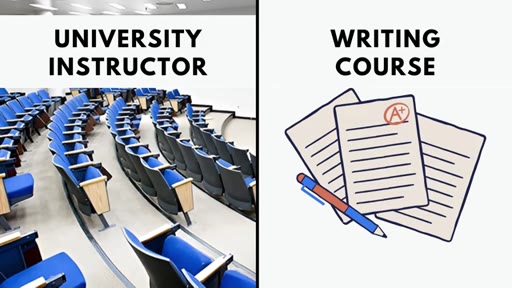
00:26HOOKAnd it's the same setup problem I had in my own workspace when I first started. I'm a university instructor.
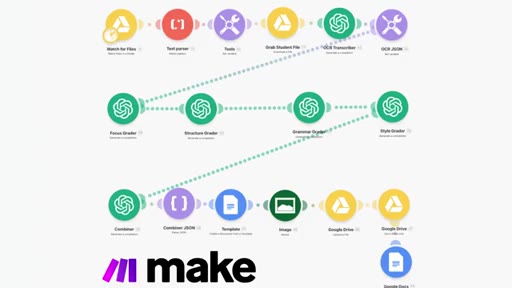
00:35HOOKOne of my courses is writing, and a couple of semesters ago, I built an AI grading system to handle part of the routine grading. I do the teaching, it lends a hand grading.
00:47HOOKBut it was a mess at first. The AI kept hallucinating features
00:53HOOKthat no longer existed on the platform. I had to screenshot my own screen to prove I was correct. And I almost quit several times.
01:04HOOKBut at one point, I realized the problem wasn't the AI. It was me.
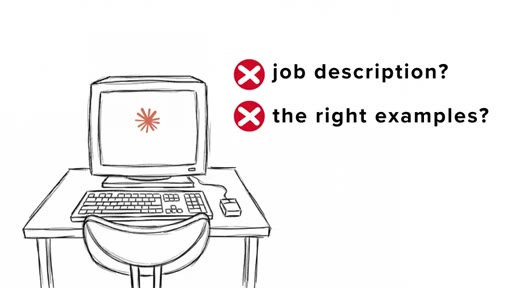
01:10HOOKI was giving it a job without a real job description. I was asking it to work right without telling it what looked right and I hadn't told it what to do when it wasn't sure,
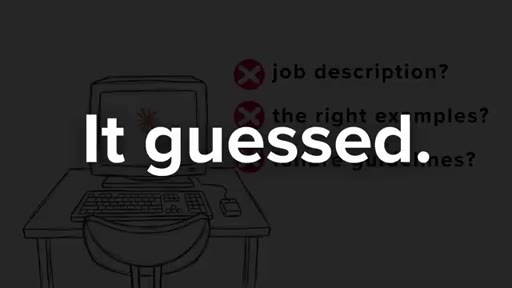
01:24HOOKSo it guessed. The guesses were confident and wrong.
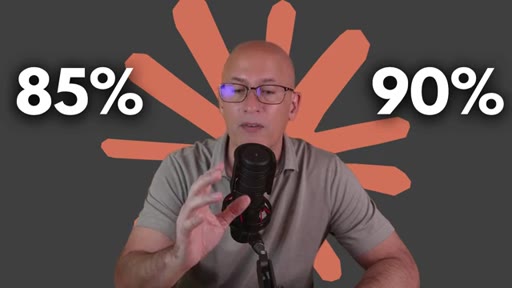
01:29HOOKOnce I fixed three things, it worked. Not perfectly,
01:35HOOKabout 85 to 90% of the time. But it's been solidly running
01:40HOOKever since with little intervention from me.
01:44The same three things that were missing from the grading system are missing from most co work agents I've seen. And in this video, I'm going to show you exactly what they are.
01:57And by the end of this video, you'll know exactly what to do about it. Let me start with what a well built agent actually looks like versus
02:07what most people actually have because the gap is actually more specific than you think.
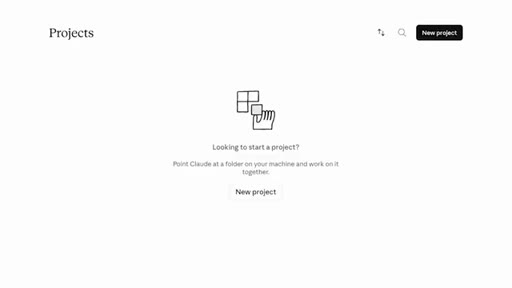
02:15Most agents are built the same way. Someone opened co work, created a new project, wrote a few lines of instructions at the top, and then started using it. Co What they ended up with is a vending machine.
02:29You put something in, you get something back. Here's what each of the three things actually look like.
02:38The first one is job clarity, not prompt clarity, job clarity,
02:44and they're really quite different. A prompt tells the AI what to do this time. A job description
02:52tells the AI what it's actually responsible for, what good looks like, what mistakes to avoid,
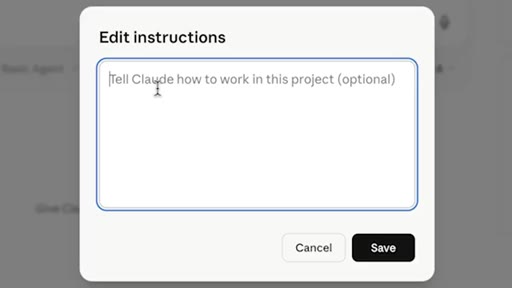
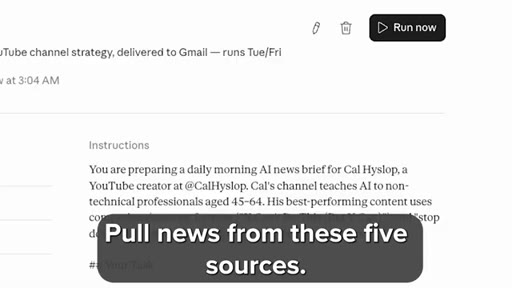
03:00and how to handle the edge cases you haven't thought to prompt it on yet. Your co work agents need the same thing. Here's an example of my morning brief agent.
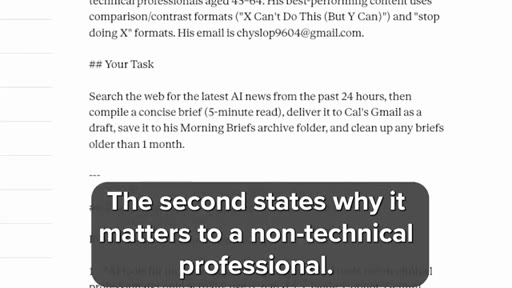
03:12I wrote, pull news from these five sources, summarize each item in exactly two sentences. The first sentence states what happened.
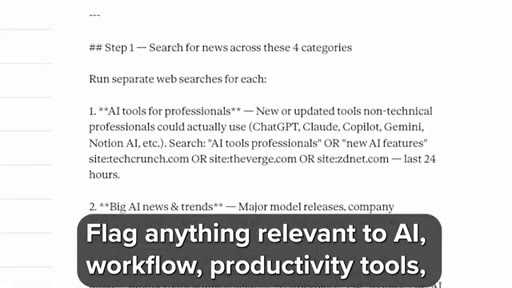
03:22The second states why it matters to a nontechnical professional. Flag anything relevant to AI workflow,
03:29productivity tools, or education technology. Do not flag product launches
03:35unless they're from a company with more than 10,000,000 users. If there's nothing worth reporting on a given day, say so. That level of specificity
03:46separates an agent that gives you information that it thinks you want
03:51versus what you really need. And here's the thing, you already know how to do this. You've been delegating work to people for years.
04:01You tell them what good looks like, what to watch out for, and how to handle the exceptions. Write your agent instructions the way you'd brief a new hire on a job they're going to do every week without you watching.
04:16That's job clarity.
04:20The second thing most people never build is a context anchor. The context here is that every session you use in co work starts with co work knowing your instructions,
04:35but not really knowing who you are. It doesn't know your voice unless you've told it your voice. It doesn't know your audience
04:44unless you've described your audience. It doesn't know what you've already covered, what you're looking toward,
04:52what you care about, or what your non negotiables are. Here's what this looks like in practice.
04:59Before building this, my LinkedIn agent created content that was technically fine,
05:06but it really didn't sound like me as of course you would expect. A context anchor fixes that.
05:13It's a file. I call mine claud dot m d that loads automatically in the background
05:20every time I open any session within this project. It contains everything any AI needs to do my specific work. If you don't have a file like this in your workspace,
05:34that's the single highest leverage thing you can build today.
05:40The third thing, and this is really the one most people are surprised about, is a failure protocol.
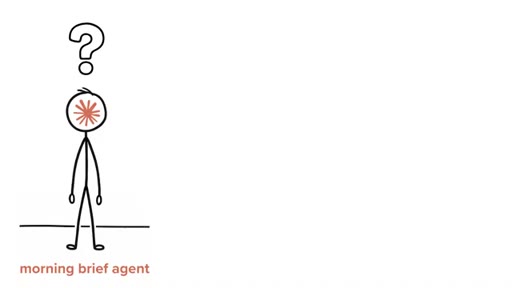
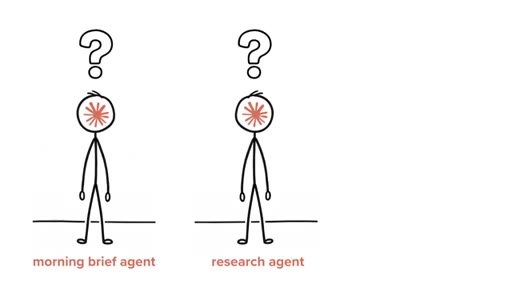
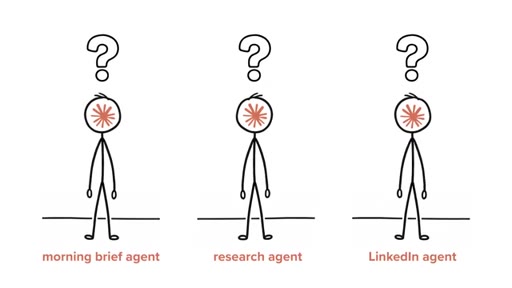
05:49Most agents are built to succeed. Almost zero are built to fail gracefully. When your morning brief agent, for example, can't find anything worth reporting, what does it do?
06:03When your research agent hits a paywall and can't pull a source. When your LinkedIn agent gets content that's too vague to work with, if you haven't told it what to do in those situations, it will do something.
06:17It will guess. That's where the inconsistency comes from.
06:23Not from the agent failing, from the agent succeeding in the wrong thing.
06:28A failure protocol is just a set of instructions for what to do when the job can't be done as specified.
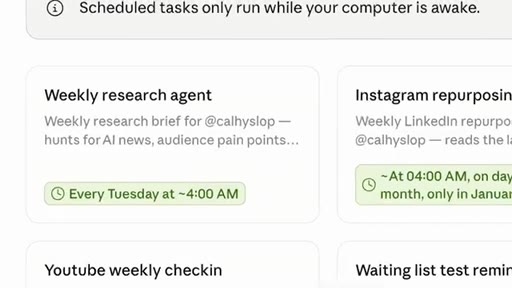
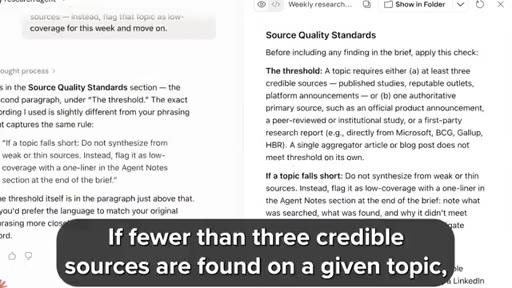
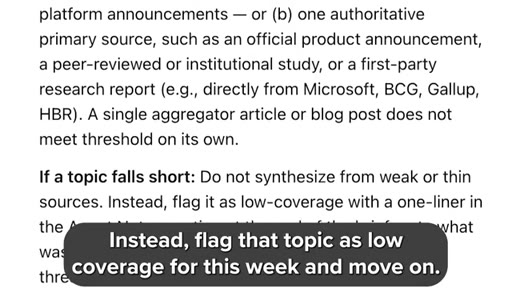
06:37I'll give you a concrete example. My weekly research brief has a fallback instruction that says,
06:45if fewer than three credible sources are found on a given topic, do not synthesize from weak sources. Instead,
06:54flag that topic as low coverage for this week and move on. The failure protocol didn't make the agent smarter,
07:03it made it honest. And that is infinitely more useful than one that produces
07:09CTAconfident sounding garbage. Now, before we continue, if you found this video useful so far, please give it a like or comment.
07:19CTAIt really helps the channel. Also, subscribe if you would like to see more content like this.
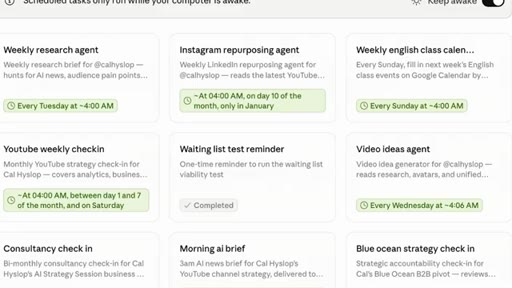
07:26CTAHere's what my workspace looks like now. Several agents. Each one has a real job description, draws from my Claude dot m d file, and has fallback instructions.
07:38CTAThat's the setup. So here's what to do next. Open whatever agent you want to improve,
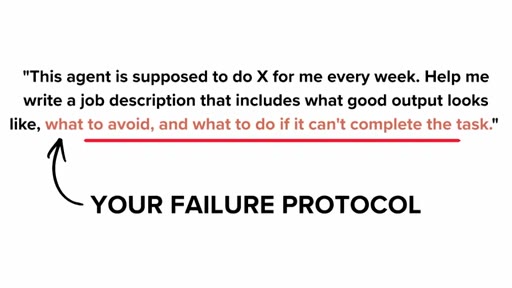
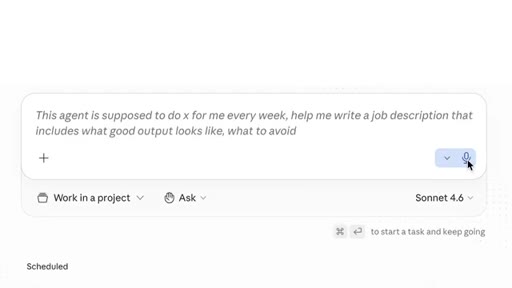
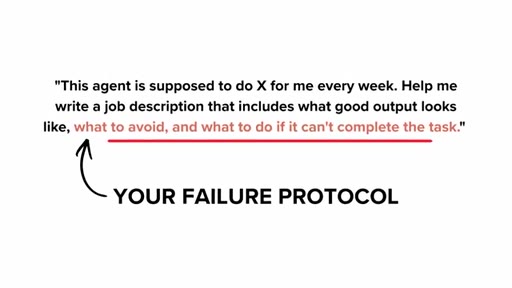
07:45CTAtell Claude what it's supposed to do, and ask it to help you write a proper job description. Something like this. This agent is supposed to do x for me every week, help me write a job description
07:59CTAthat includes what good output looks like, what to avoid, and what to do if it can't complete the task. That last part, what to do if it can't complete the task, is your failure protocol.
08:15CTAYou're not building it separately, you're building it into the job itself. You'll have a real instruction set including the fallbacks
08:25CTAin about ten minutes and you can paste it straight back into the agent. If you want to build the context anchor I mentioned, the file that loads every time and makes every agent in your workspace
08:38CTAsmarter by default, I've put together a free guide that walks you through exactly how to do that. It's called the Portable AI Working Identity.
08:49CTALink is in the description. And if you're still in the early stages of co work and not sure exactly what you should build first, I've got a video that covers exactly that.
09:02CTAClick this video here to see what it is.
— full transcript
§ 05 · For Joe

Three things every recurring agent needs.

WHAT TO LEARN

An AI agent that guesses is not failing -- it is succeeding at something you never defined, which is why the fix is never about the model and always about the instructions.

  • A prompt and a job description are not the same thing: a prompt covers one session, a job description covers every session, including the edge cases you have not thought of yet.
  • Specificity in agent instructions is not pedantry -- it is the only way to close the gap between what the AI thinks you want and what you actually need.
  • A context anchor file is not a memory hack; it is the answer to why your agent sounds generic even when the output is technically correct.
  • Failure conditions should be defined before the agent runs, not discovered after it hallucinates three weeks in a row.
  • The right prompt template for building a job description with failure protocol built in: say the agent is supposed to do X for you every week, then ask Claude to help write a job description that includes what good output looks like, what to avoid, and what to do if it cannot complete the task.
§ 06 · Frame Gallery

Visual moments.