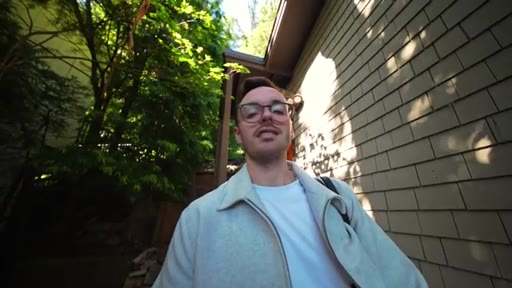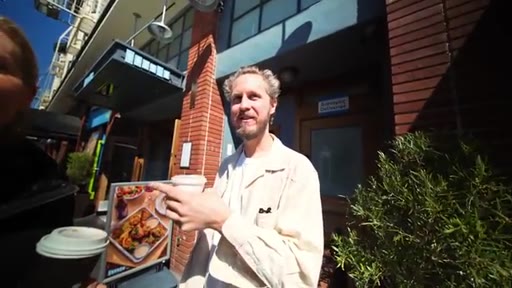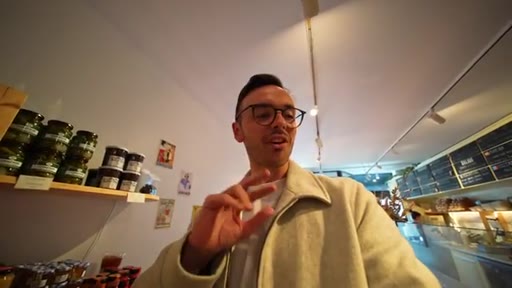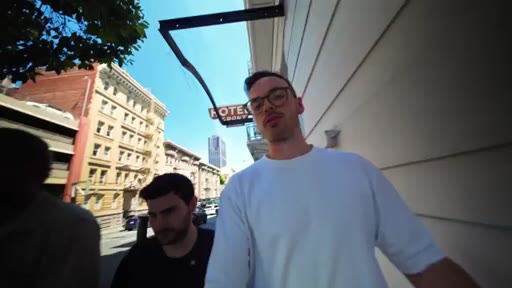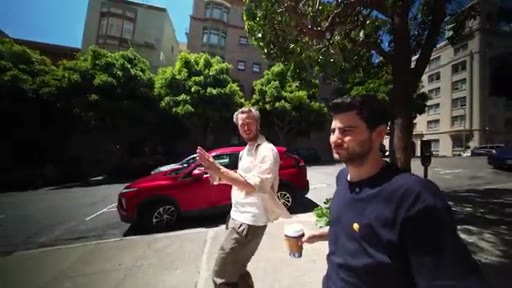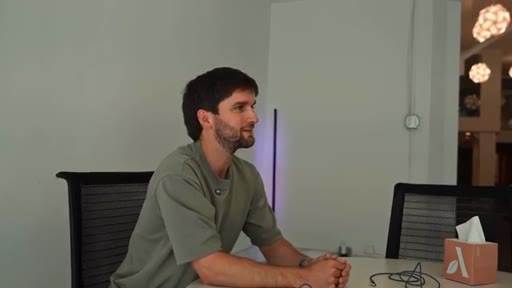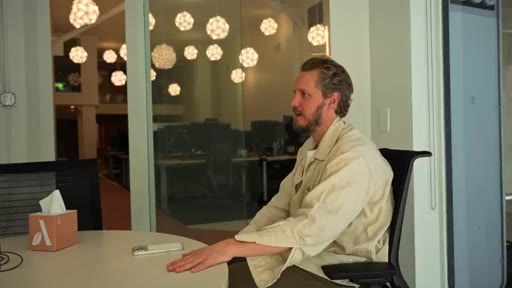
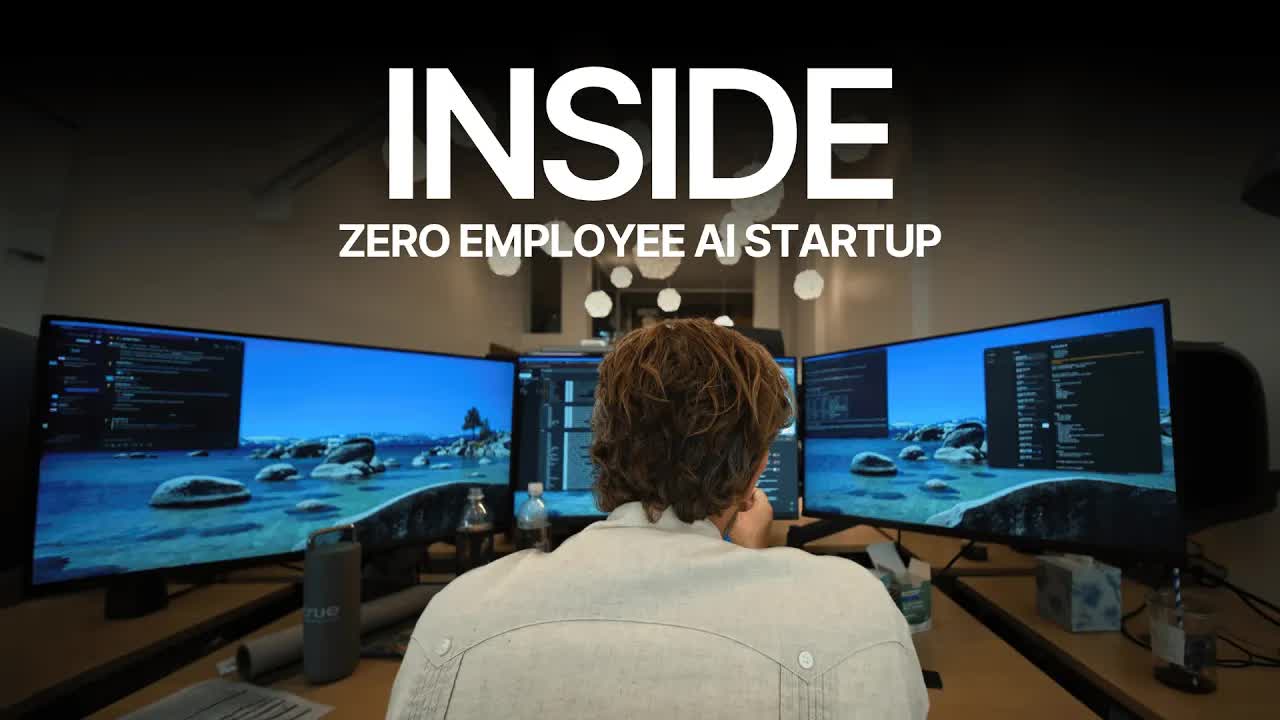
The bait, then the rug-pull.
At 2AM, staring at a bug a chatbot refused to fix, Ben Barocca had the only logical response: build an AI that builds entire companies. That moment of frustration is the origin story of Pulsia — and Will Phillips spent 24 hours inside it.
Where the time goes.

01 · Cold open + intro
Ben's 2AM frustration with a coding AI sparks the Pulsia idea. Will frames the $30M seed and the one-person billion-dollar company goal.
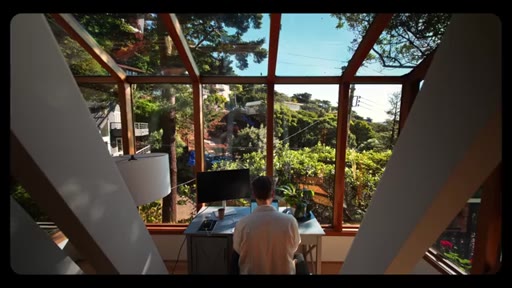
02 · Morning routine and run
Will meets Ben for a run in the Marina. Founder discipline, rituals, and mental state as infrastructure.
03 · Pulsia briefing — the day's agenda
Ben previews the French podcast, the upcoming Boost autonomous-run feature, and flags the $7M ARR milestone.
04 · SF serendipity — Google Ventures coffee
Chance encounter with a Google Ventures investor. Ben explains why SF physical proximity compounds fundraising in ways no other city replicates.

05 · Walking to Sapiem HQ — the partnership model
Ben describes partnering with Sapiem, Anchor Browser, Blackcell instead of hiring. Working with other people without hiring employees.
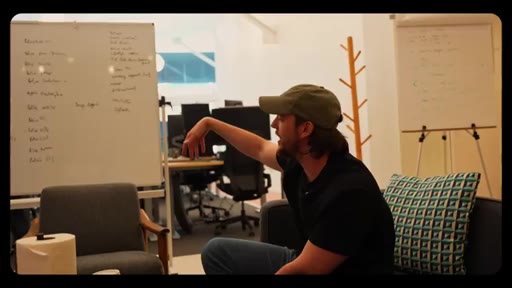
06 · Go-to-market strategy session
Ben and the Sapiem team map PR channels for the fundraising announcement; debate rebranding Boost to God Mode or YOLO Mode for virality.

07 · Anchor Browser demo — agentic browser automation
Sapiem's Anchor Browser product explained: how AI agents interact with the web at scale without triggering bot detection.
08 · GPU problem deep dive
How GPU procurement actually works — reserved capacity, open-source model compatibility issues, black-market allocation dynamics. The $7M to $70M infrastructure ceiling.

09 · Founder advice and close
Ben's framework: stay lean and AI-native until PMF; only then replace employees. Understand the cutting edge or someone else will.
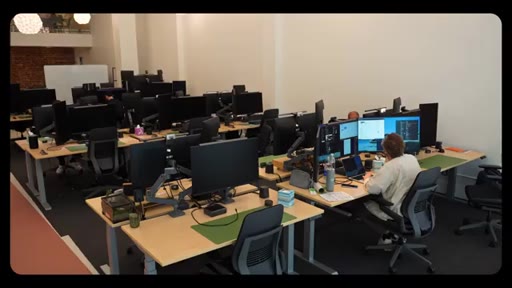
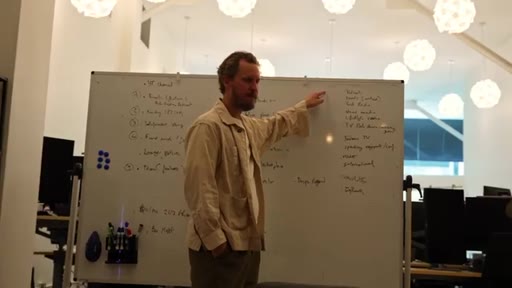
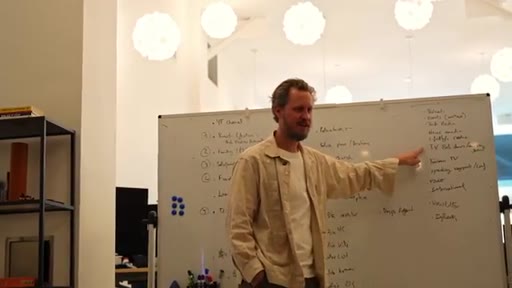
Visual structure at a glance.
Named ideas worth stealing.
Solo-to-PMF Framework
- Stay solo or micro-team until PMF
- Use AI tools all day — Cursor, Codex, Pulsia
- At PMF, replace employee roles with AI before hiring humans
- Use deep cutting-edge knowledge to find the real business worth building
Ben's framework for building in the AI era: stay lean and AI-native through PMF, only scale headcount once you fully understand where the edge is.
Infrastructure Partnership Stack
- Sapiem — GPU and API rails
- Anchor Browser — agentic web automation
- Blackcell — additional infrastructure
- You bring customers; they build the rails; everyone wins together
Instead of hiring specialists, Pulsia partners with early-stage infrastructure companies and contributes customer flow in exchange for capacity and favorable terms.
Lines you could clip.
"I'm talking to a fucking computer, and it literally will not fix that bug. And I'm like, what am I doing with my life?"
"It's sort of like that serendipity you get in SF where you keep on running into people casually — and then when you wanna raise a round, it's so much easier."
"Until you have product-market fit, you should force yourself to be alone or a micro team."
"The only way to win in this age is to fully understand the cutting edge. And if you start hiring too fast, that's where you may lose."
Things they pointed at.
How they asked for the click.
"Check out Polsia (description link)"
Soft — link buried in description, no in-video verbal CTA. The close is motivational advice, not a product pitch.
Word for word.
Stay lean until you understand the edge.
Hiring before product-market fit does not accelerate learning — it outsources it, and in the AI era, the founder who understands the cutting edge most deeply wins.
- Staying solo through PMF forces you to understand every failure mode of your product, which often reveals a better version of the business than what you originally planned.
- Partnering with early-stage infrastructure companies instead of hiring specialists gives you on-demand capacity that scales with revenue and costs nothing when idle.
- SF physical presence compounds fundraising: repeated casual encounters with investors convert to relationship capital exactly when you need it for a raise.
- GPU access is not a commodity — it requires multi-year reserved commitments and investor connections to secure allocation against global competition.
- Renaming a feature from a technical descriptor to an emotion-first label is a go-to-market decision, not a branding one: it determines whether the story is shareable.
- A company can reach $9.5M ARR with no employees if the founder treats AI tools as the team and infrastructure partners as the org chart.