The bait, then the rug-pull.
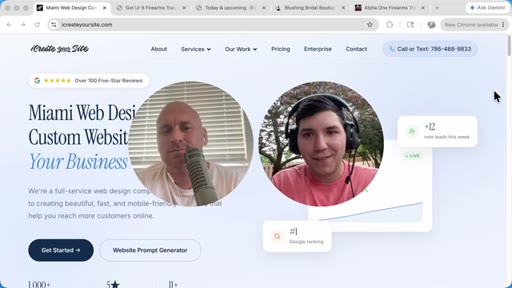
Emmanuel Diaz has built over a thousand websites. His conclusion: the product he was selling was never the thing the client actually wanted. What follows is a live tour through three custom tools he built for local businesses — each one replacing a generic SaaS at a fraction of the cost, built in roughly a week with AI.
Who's talking.
Where the time goes.
01 · The thesis: nobody wants a website
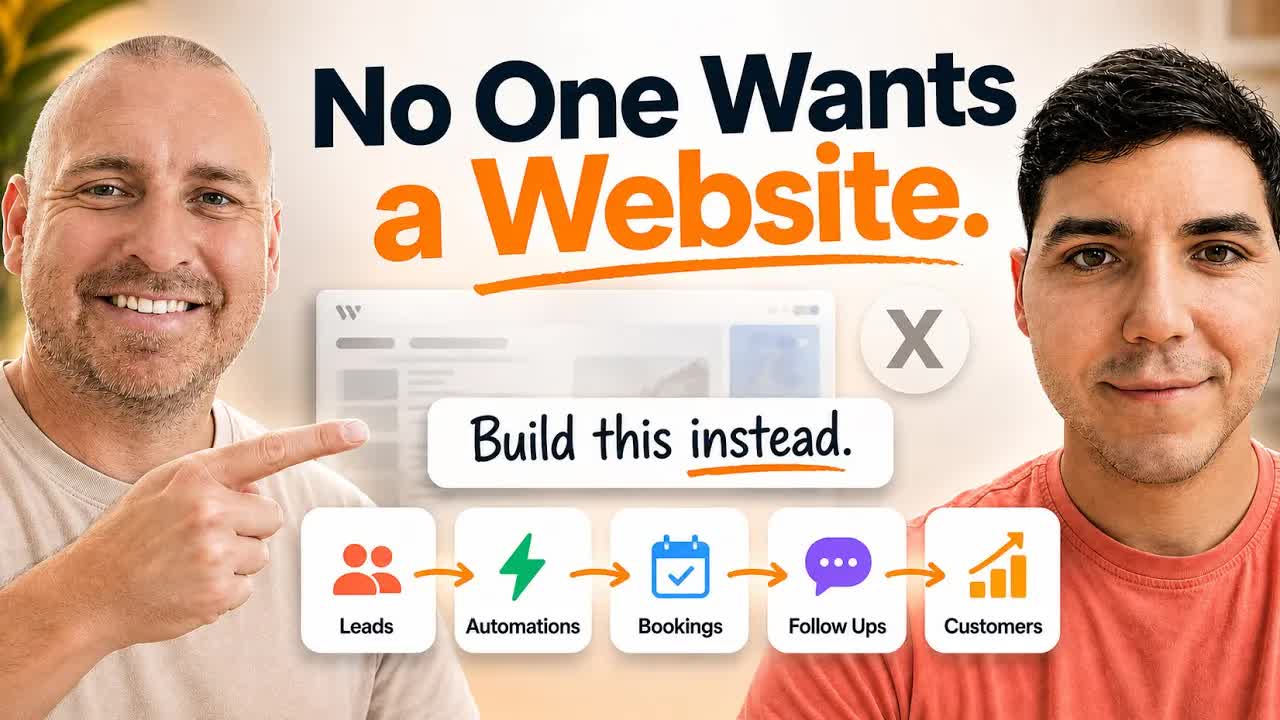
Emmanuel introduces the core repositioning — websites are business cards, business owners want money and easier operations.
02 · Case Study 1: Firearms training CRM
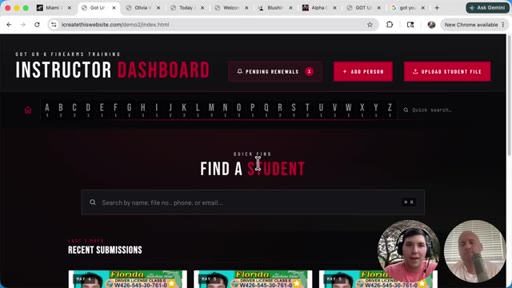
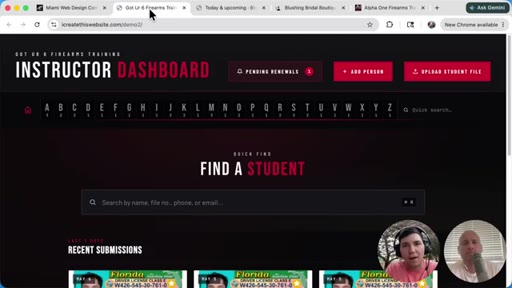
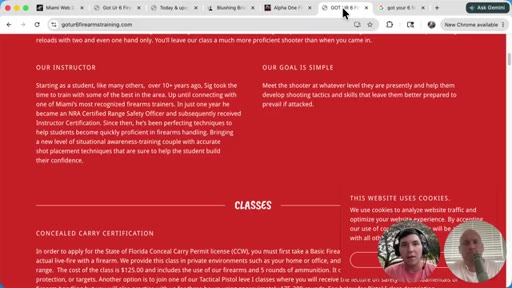
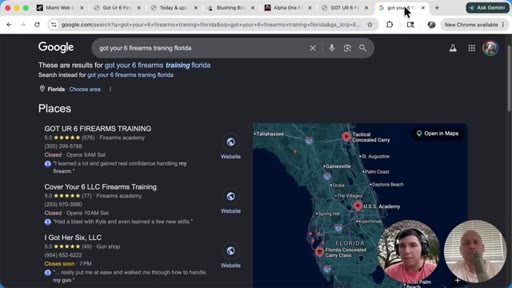
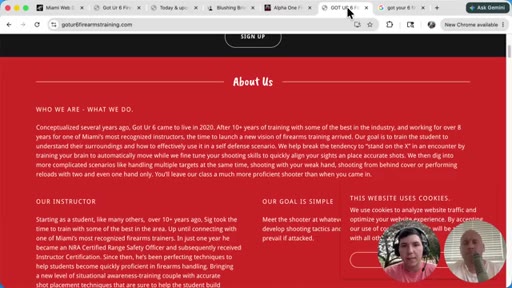
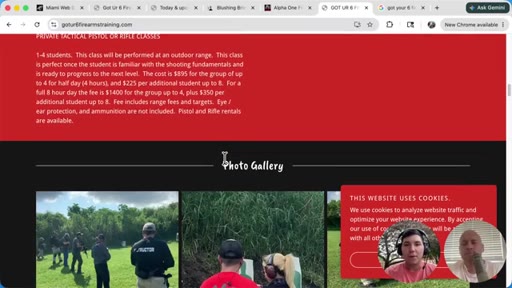
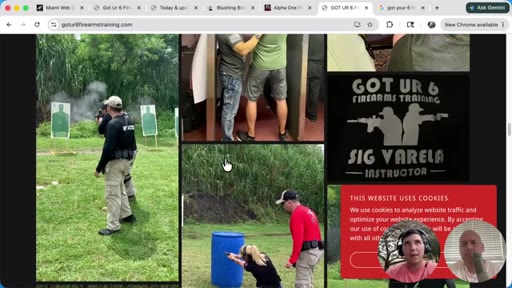
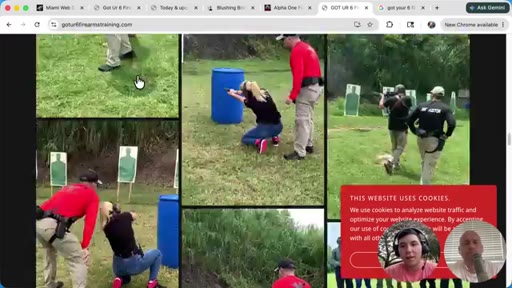
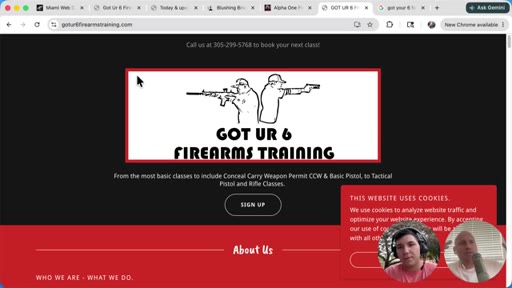
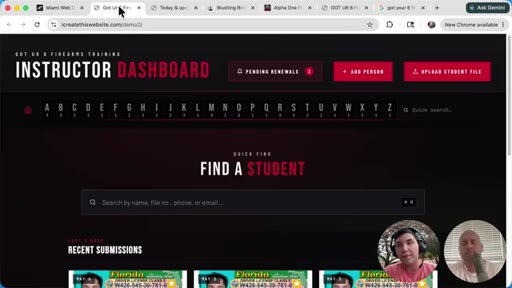
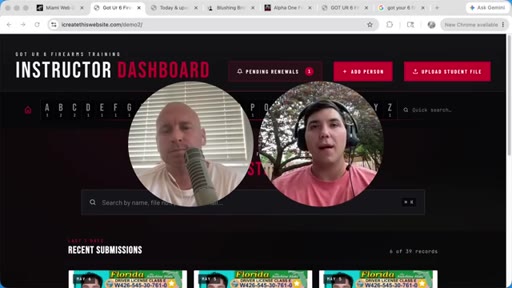
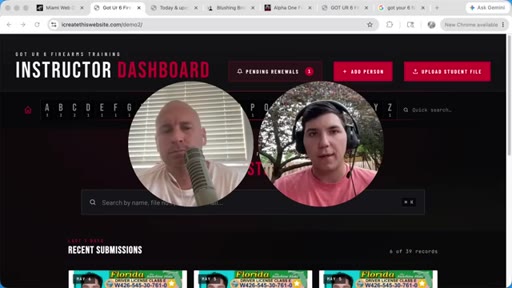
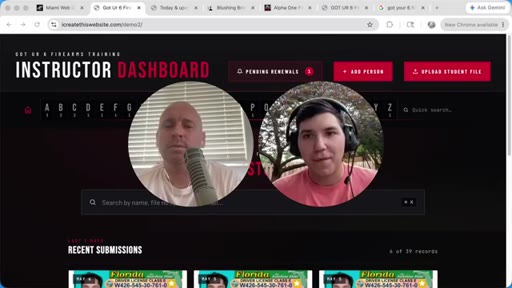
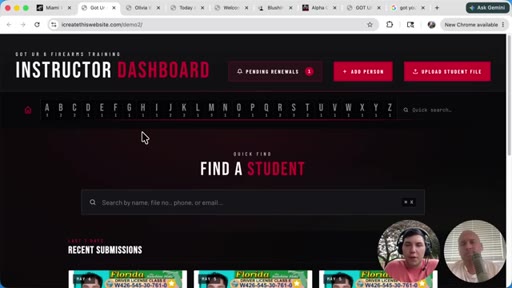
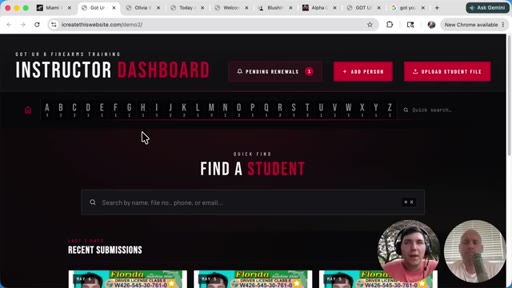
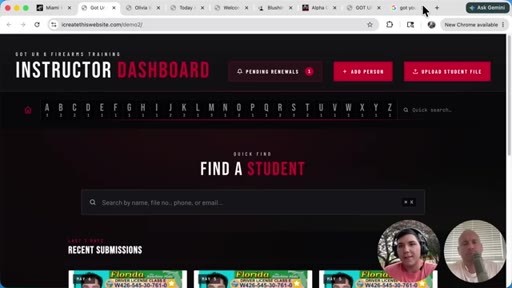
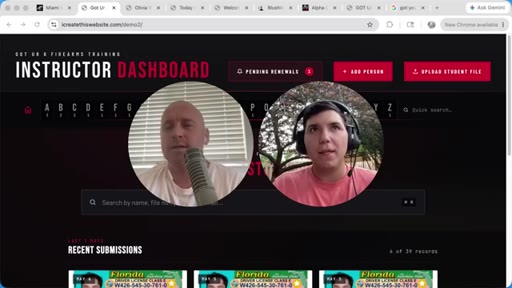
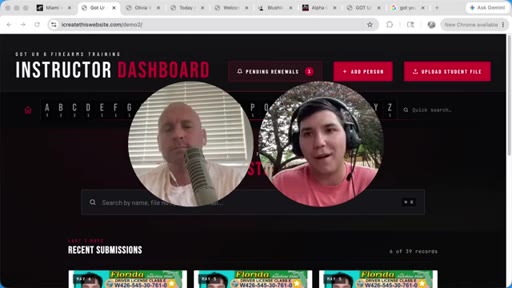
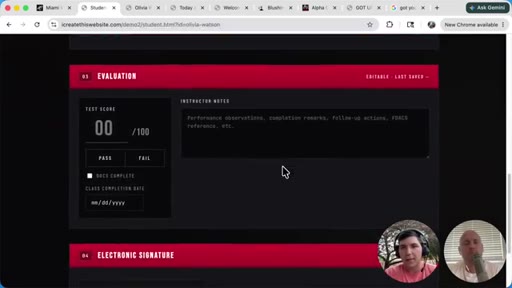
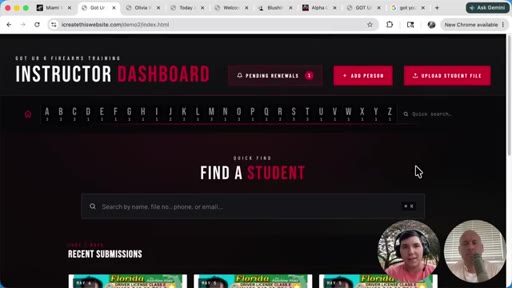
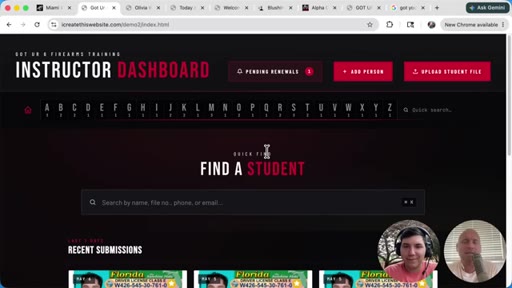
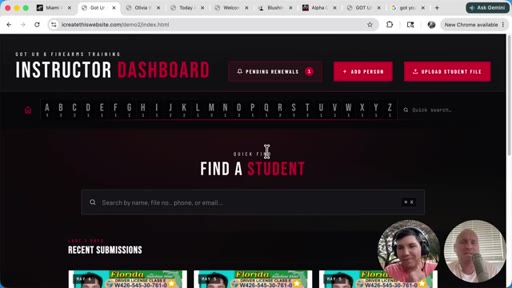
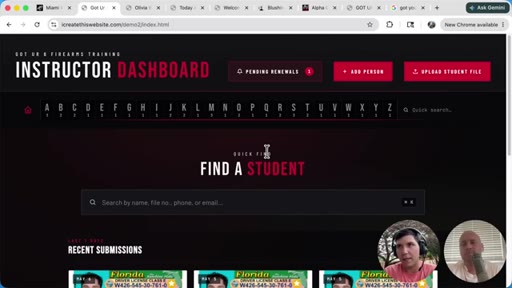
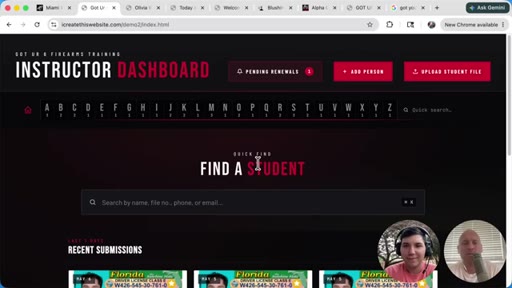
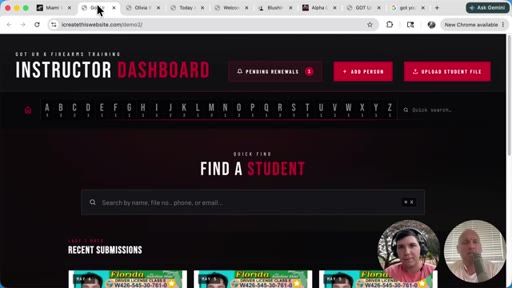
Got Ur 6 Firearms Training — the pitch shifted from website redesign to a student retention and compliance CRM. Live demo of the Instructor Dashboard.
03 · How to find the niche problem
Niche selection advice: recurring-routine businesses with no subscription model. Claude Code as the unlock. How to put yourself in the business owner shoes.
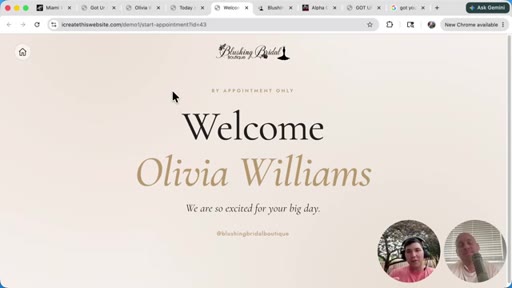
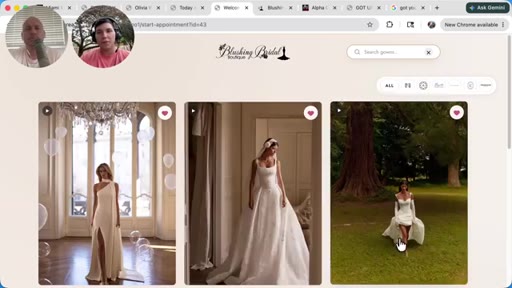
04 · Case Study 2: Bridal boutique appointment system
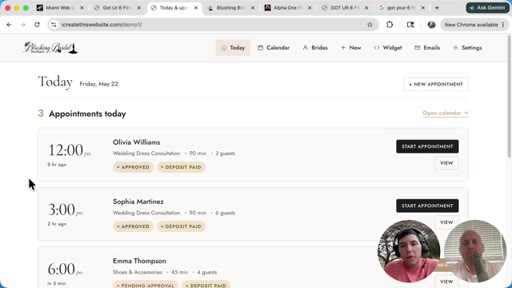
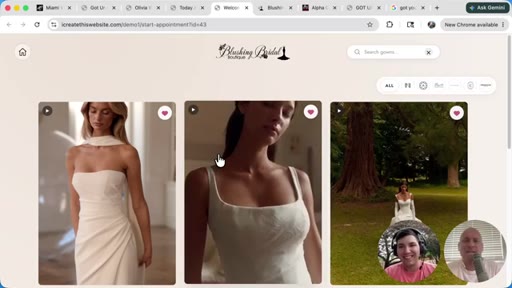
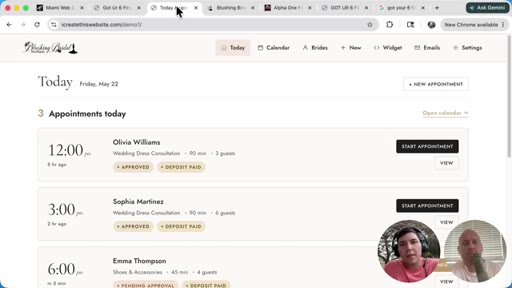
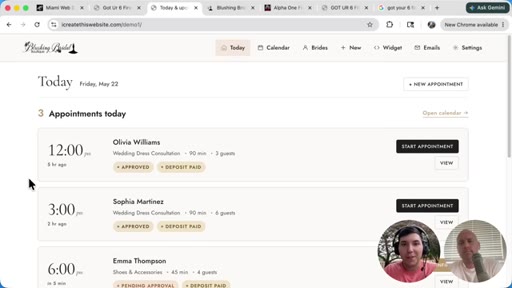
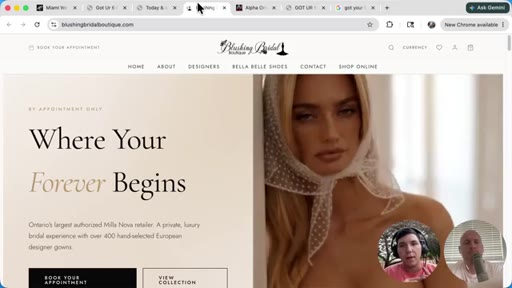
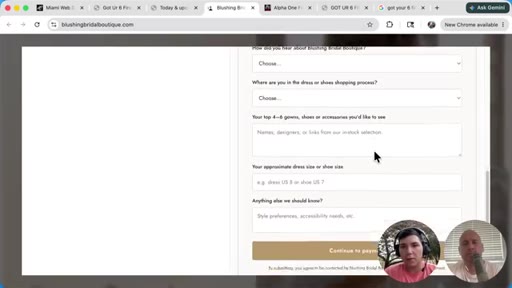
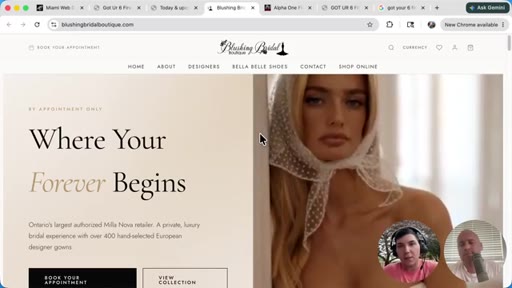
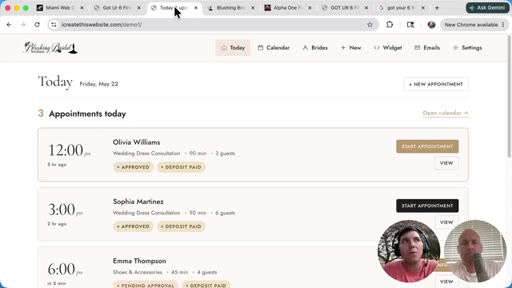
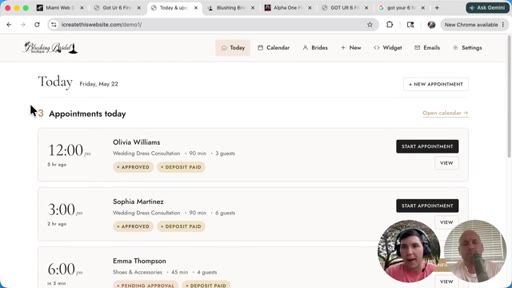
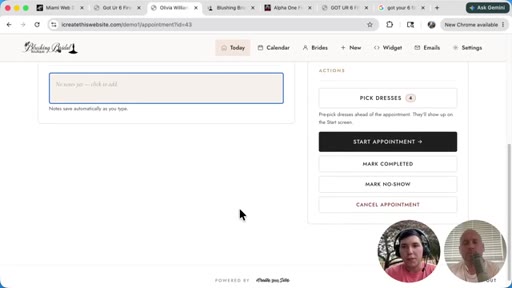
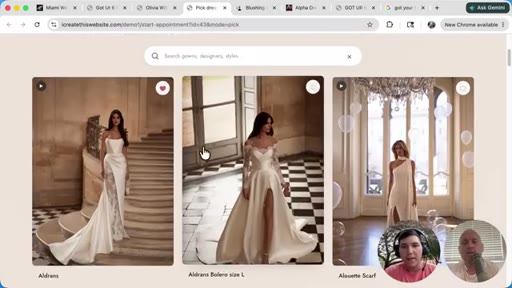
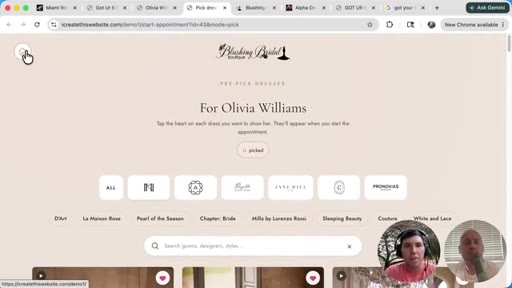
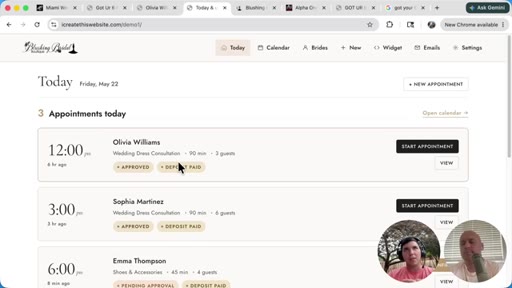
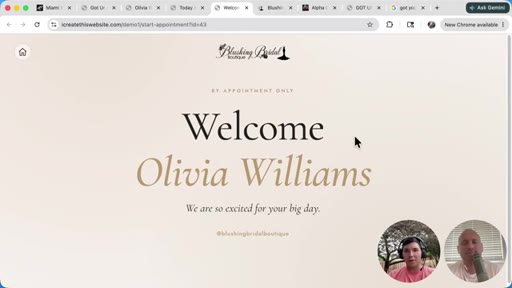
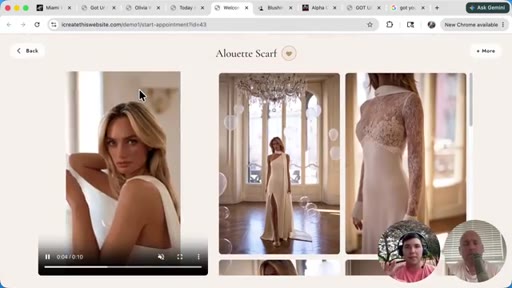
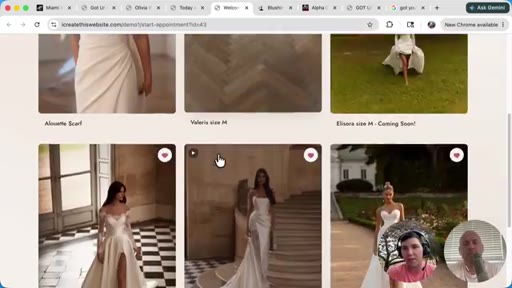
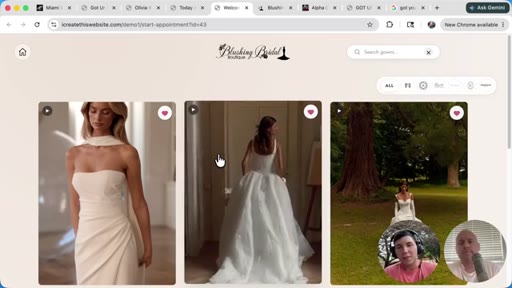
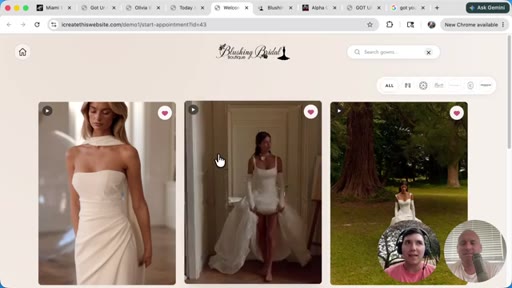
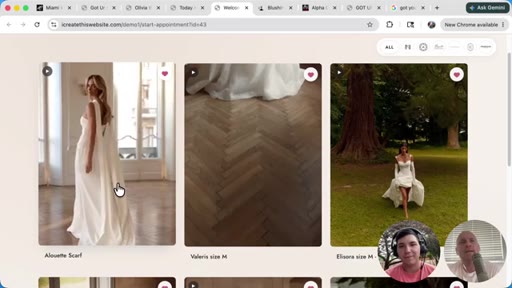
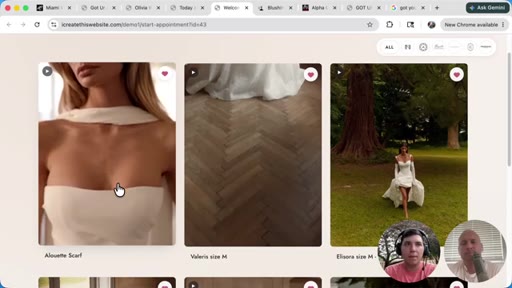
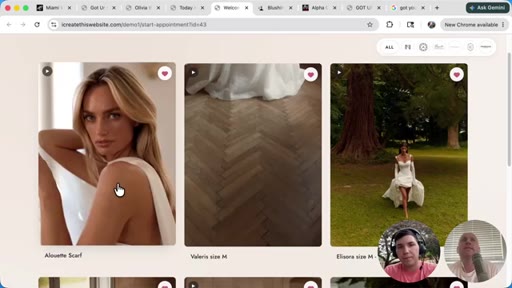
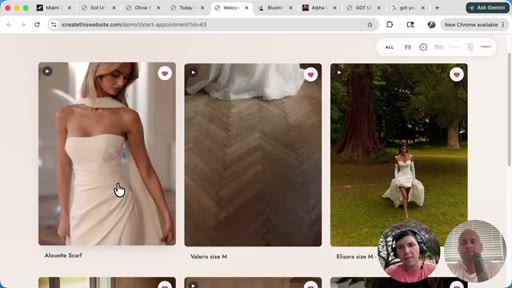
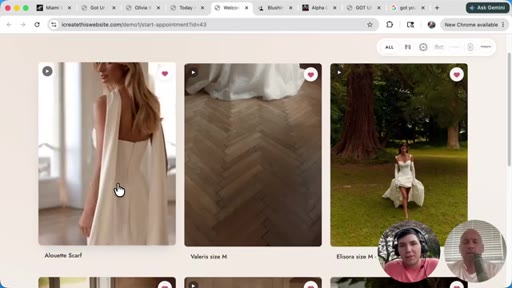
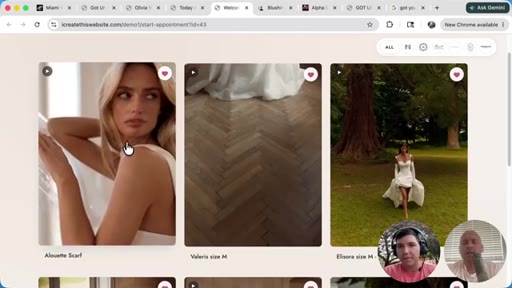
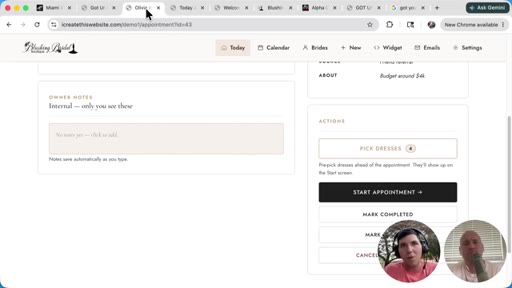
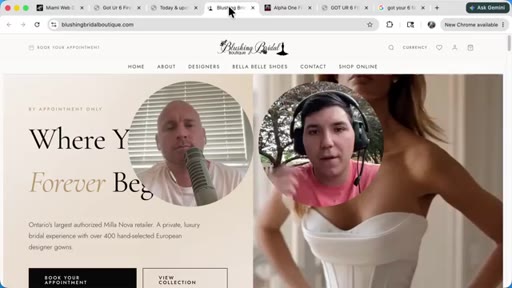
Blushing Bridal — replacing an abandoned WordPress plugin with a full branded CRM, dress-selection tool, and in-studio presentation mode. $250/month.
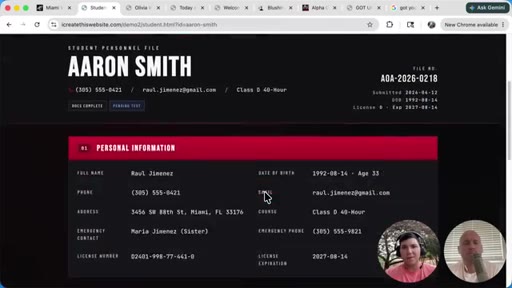
05 · Case Study 3: Security guard license renewal CRM
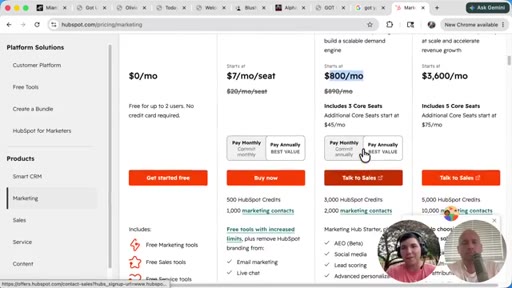
Replacing $800/month HubSpot Professional with a stripped-down custom CRM built exactly for one compliance-focused business.
06 · Tactical playbook: starting from zero
How to approach businesses, build demos first, use niche specialization as leverage, and make the pitch about solving operational pain.
Lines you could clip.
"What customers actually want is not a website. What they really want is money."
"In the business owner mind, they think — wait a minute, this equals money. That is what they actually care about."
"If this increases her conversion rate to even one more dress per month — why would she ever cancel a subscription?"
"If you present the solution to the problems that you know they have, that is gonna convert way better than just a nicer website."
Things they pointed at.
Word for word.
Sell the outcome, not the deliverable.
The freelancers who win recurring retainers are the ones who identify a specific operational problem before they write a line of code.
- Business owners evaluate services by whether they solve a real pain — a nicer website rarely qualifies because most businesses with existing customers are not losing them to a bad homepage.
- Recurring-routine businesses that cannot offer a subscription model — barbers, groomers, trainers, instructors — have an underserved retention problem that a simple automated reminder system can solve directly.
- Building a working demo for a specific niche before approaching a client converts better than pitching an idea, because it collapses the gap between abstract promise and concrete proof.
- AI coding tools have made the economics of bespoke micro-software viable: a week of development time at a $250/month retainer earns back its cost in months, and a client who earns more from the tool than it costs has no reason to cancel.
- When pitching a solution, anchor the value in business outcomes — more bookings, fewer compliance headaches, one extra high-ticket sale per month — not in the technology used to build it.
- Starting from friends and family with small businesses is a legitimate research method: asking what software they wish existed surfaces real problems that no one has yet productized for their niche.