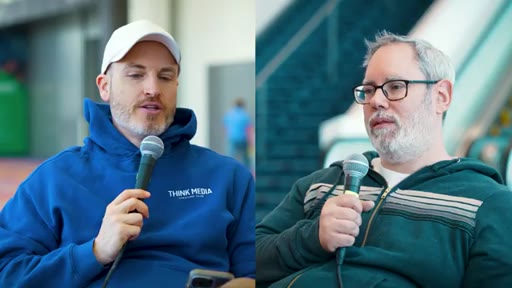
Think Media Podcast · Youtube · 47:54

What YouTube Actually Wants in 2026

YouTube's Creator Liaison explains at NAB Vegas what the algorithm actually rewards, what's changing in 2026, and what creators keep getting wrong.

Posted
May 22nd 2026
4 days ago
Duration
47:54
Format
Interview
educational
Channel
TM
Think Media Podcast
§ 01 · The Hook

The bait, then the rug-pull.

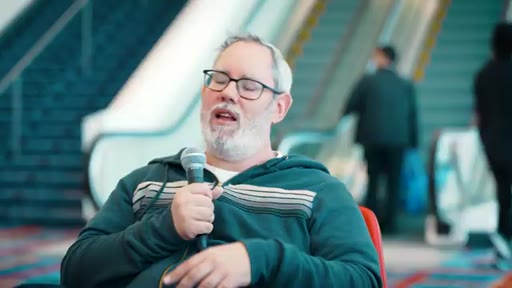
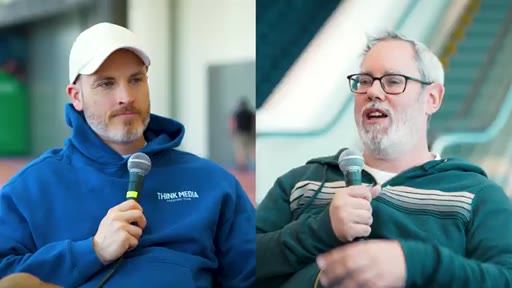
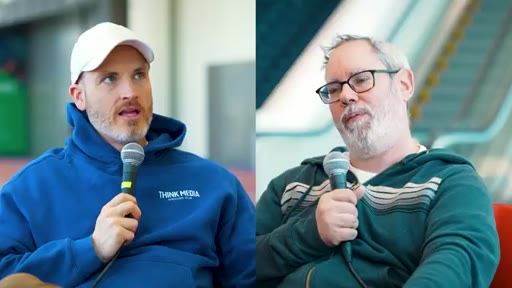
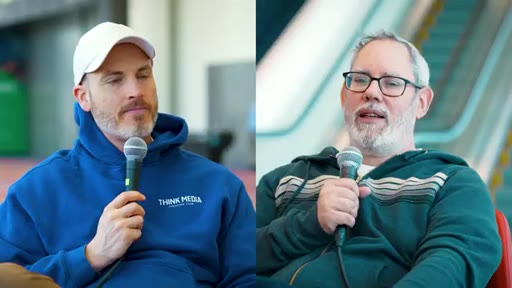
Twenty million videos uploaded every day — and most creators are blaming the wrong thing when their numbers slip. Renee Ritchie, YouTube's Creator Liaison, sat down at NAB Vegas with Sean Cannell to dismantle the biggest algorithm myths of 2026 and explain what the platform is actually measuring.

§ · Voices

Who's talking.

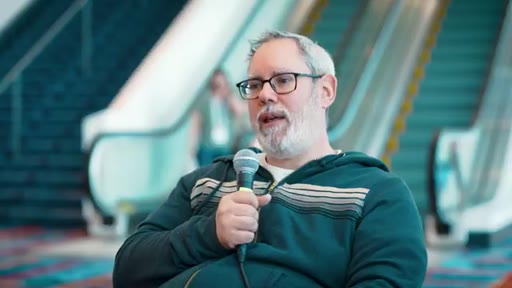
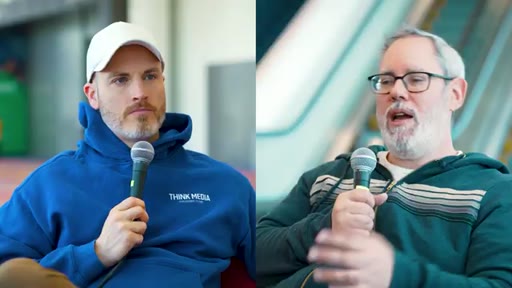
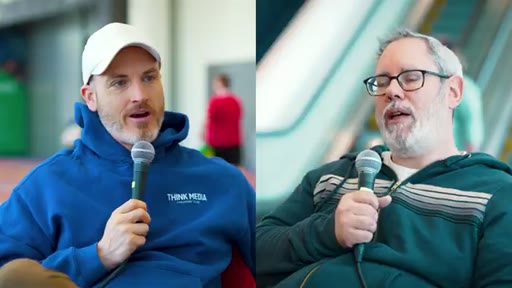
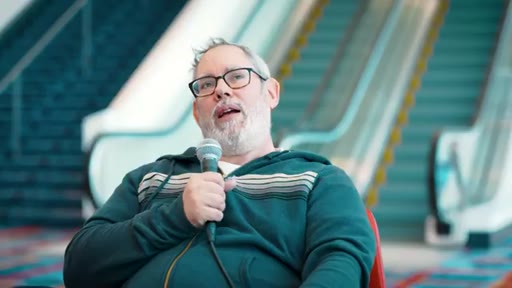
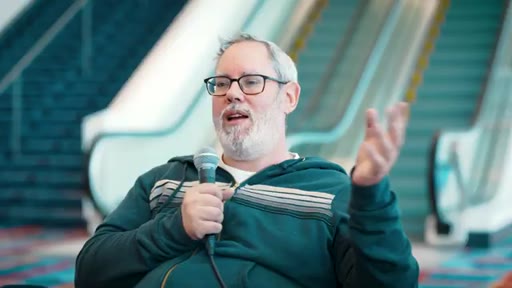
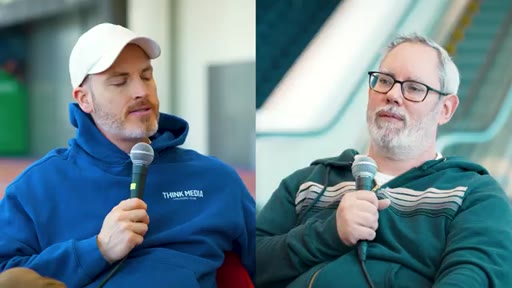
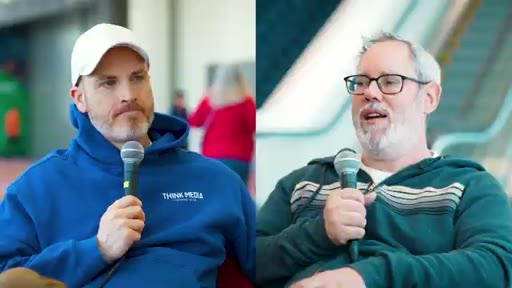
00:26hostSean Cannell
00:26guestRenee Ritchie
§ · Topics

Where the time goes.

00:00 – 00:43

01 · Cold open

Three preview questions from the interview cut together as a hook.
00:43 – 03:30

02 · Homepage redesign and long-form view data

Ritchie explains why fewer, bigger thumbnails are performing better for long-form clicks despite creator fears of decline.
03:30 – 06:52

03 · Standing out at 20M uploads/day

Unique differentiated value, the pasta restaurant analogy, and building retention across videos not just within them.
06:52 – 09:09

04 · Repetitive content and the spam line

YouTube penalizes templated identical content regardless of whether AI, CGI, or humans made it. Variety within a topic formula is fine.
09:09 – 11:22

05 · Subscription feed changes

New recommendations shelf above chronological feed surfaces subscribed channels ranked by recent watch behavior.
11:22 – 14:25

06 · Shorts updates

Shorts timer setting, zero-out option, thumbnail best practices, and the casual vs. polished thumbnail debate.
14:25 – 19:48

07 · Starting a channel from scratch today

Film ten connected videos, launch four simultaneously on day one, and chain them so each watch creates multiple watch-history entries.
19:48 – 23:55

08 · Subscribers vs. consumption

Consumption is greater than subscription confirmed. Subscribers who have not watched in five years are a near-zero signal.
23:55 – 26:48

09 · Algorithm parameter expansion

Larger ML models let YouTube understand topic nuance and device context.
26:48 – 30:59

10 · Keywords, tags, and primal branding

Tags carry almost no weight. Titles and viewer-serving language matter. Primal branding anchors channel identity so variety is allowed.
30:59 – 35:34

11 · Demonetization and AI slop

AI slop is the current generation of spam. YouTube uses the same enforcement principles it developed for clickbait and stock-footage farms.
35:34 – 40:00

12 · Ask Studio

Plain-language analytics chatbot. Ask about comment sentiment, last-video performance, next-video opportunity.

35:30 – 37:00

13 · Dual H/V live streaming

One stream, one unified chat. Phones get vertical, desktops get horizontal. Third-party OBS/vMix/Ecamm support coming.
37:00 – 40:04

14 · Dynamic brand ad insertion

Swap sponsor slots across back catalog by month, region, or views milestone without re-editing videos. Expected end of 2026.
40:04 – 42:11

15 · Creator mindset

Think of the algorithm as the audience. Blaming the algorithm removes agency; thinking about the audience restores it.
42:11 – 46:17

16 · Content trends and opportunity

No single trend dominates. MrBeast and cozy comfort content grew simultaneously. The puck is moving toward live and video podcasting.
46:17 – 47:54

17 · Creator Insider channel

Combined channel now has Creator Advice Shorts, Ask YouTube, news, and a podcast from YouTube employees.

§ · Quotables

Lines you could clip.

40:21
"Think of the algorithm as the audience."
Six-word thesis, no setup needed → TikTok hook
17:47
"Consumption is greater than subscription."
Counterintuitive one-liner, challenges the default creator metric → IG reel cold open
45:49
"The first few years on YouTube were school. They're not business."
Reframes the is-it-too-late anxiety with a clean analogy → newsletter pull-quote
29:30
"YouTube is built for creators. It's not built for machines."
Direct policy statement from YouTube employee on AI use → TikTok hook
§ · Resources Mentioned

Things they pointed at.

23:00bookSave the Cat
§ 04 · The Script

Word for word.

HOOK opening / re-engagementCTA the pitch analogy
00:00HOOK20,000,000 uploads a day. How do I stand out on YouTube? What is YouTube doing for those new creators?
00:04HOOKWhat would you do differently based on what's changing or how the algorithm works now? I would have four videos ready to go when I told people about the channel.
00:11HOOKSomebody landing on the first video was a no brainer to watch the second video. Watch history is really important for recommendations because that's what tells us what people are interested in. What do you think is the legitimate
00:20HOOKopportunity though for, like, the new creator starting right now to make it in today's landscape? Welcome back to the Think Media podcast. Sean Cannell here with Renee Ritchie, creator liaison,
00:32HOOKYouTube employee. Gonna be dropping the latest on the algorithm, some of the changes. Renee, welcome back to the podcast.
00:37HOOKThank you. Thank you again for having me. So fired up to have you on the show.
00:41HOOKLet's drive right into things. Yeah. One of the biggest theories,
00:45uh, maybe frustrations happening in the YouTube world is people feeling like long form views are declining Yeah. And attributing that to perhaps home page redesign.
00:56Yeah. Whereas you would typically land on the home page, maybe see six large, you know, long form thumbnails you could click on, seeing those numbers shift to four or to two, short shelves taking up the home page, your experience on whether mobile or desktop. Break it down.
01:11What's really happening, and what are the numbers behind the scenes? Yeah. So the nice thing about YouTube is that you can test things at scale, and YouTube is always running experiments.
01:18I'm sure you see that all the time. Someone will say, hey. Did you change something?
01:21And there's, 1% experiments, 2% experiments just to get data and to get an idea of what is better and is like, inevitably for YouTube and for creators because like one of the best things about YouTube, just to back up for a second, for me is that that revenue share deal. It means like YouTube succeeds when creators succeed and creators succeed when YouTube succeeds.
01:39So there's every motivation in the world, there's every alignment in the world for YouTube to do things that help creators, help videos get watched more, help viewers find better videos. So one of the things that we tested initially was bigger thumbnails. And it turned out people liked bigger thumbnails, they could click on them more.
01:54It meant there were fewer thumbnails on like a load screen depending on your desktop size, but people liked that. They could see things better.
02:01One of the phenomenons of a lot of thumbnails is one, it makes it harder to choose, like you just see a whole board and you have like the the paralysis of choice sometimes. Like you just don't know what to click on. But also like there might be a video you really like over here, but you're looking at the center and it's not the first video, but it's like the middle video.
02:15And so you click on that, you never realize everything around you. So the next redesign was sort of making the best choices we could right at the top.
02:24So there's fewer things for you to choose from, but we hope those are better recommendations. And so far what it's seeming like is that people are finding the video they want to watch right up there and they're clicking on it. So So it is doing better for people to click through and it's doing better for people to watch long form videos.
02:37Do you feel like the less options though is affecting midsize and smaller creators in the sense of they might not get that real estate unless they put out a great video?
02:47Yeah. Well, I think like one of the things we do is we also make sure we put smaller recommendations very close to the top in one of those first slots just so that those videos can get a better chance.
02:56But as people scroll down, there'll be a wide variety because the other thing that we found is that people do want a variety of recommendations. They don't want like just the big creators. They don't want just the same topic.
03:05They wanna be able to either go deeper or change the channel. We have to provide them with both options. I have noticed that consistently
03:13new and small channels are showing up on my home feed and are being recommended to me. Not just videos with 10,000 views or a 100,000 or a million views, but even just a few. Yeah.
03:2326 views, especially related to my watch history. Can you explain how that would happen for someone that's like
03:3020,000,000 uploads a day Yeah. Is the number. How do I stand out on YouTube in the midst of 20,000,000
03:36uploads a day? What is YouTube doing for those new creators? So I think there's like two things to break out on that.
03:41One is if you are the creator and you want to stand out, I think you have to find that unique differentiated value. Like if you're the twentieth person doing the same thing, it's really hard to stand out. But then also you have to build that audience.
03:53Like an audience is a relationship. And oftentimes to find a creator is like, don't wanna be put in a box. I wanna do all these different topics.
03:59But if someone like, let's say you find a pasta restaurant you love and you go there every day or every week and it's your favorite meal and it's a no brainer to go there. Like, I'm in the mood for it. I'm gonna go there.
04:08I'm gonna get it. And then you go there one day and it's it's giving you fish.
04:14And you're like, but I I just want my pasta. The guy's like, I'm bored with pasta. I'm making fish.
04:17He can't force you to eat it. So like one of the the best things to do if you are struggling with that is to think of a consistent audience member. Like, who am I making this video for?
04:26And make videos that that person will love over and over again. It's cliched, but mister beast works because if you like that kind of video and you see Jimmy's face, you click on it, you get exactly what you expect. It's a no brainer.
04:37If you clicked on Jimmy's face and you got a knitting video, you'd be like, oh, this isn't what I expected. And maybe super fans would watch, but everyone else would be like, I'm gonna go find something else. And then you'll try again because like you you like those videos.
04:50You click on it and now he's fishing. And And I don't understand what's happening. And then maybe the third time, you won't even click.
04:55But if you're getting that, like, your expectation is delivered on that's like that's retention across videos. Not just retention in a video, retention across videos. That's how you start to build an audience that's consistently there for you, the recommendations are consistently there for you.
05:07So that's one of the biggest debates in YouTube, and I'm curious in today's environment, that's to niche down or not. Yeah.
05:14And it sounds like one is, do I niche down my channel topic around cooking of a particular type or gardening, Or do I niche it down around an audience? Because there might be some variety, but there's a common audience. What is your advice there?
05:27There seems to be a whole wave that says, oh, there's no need to niche down. Yeah. So it comes down to your expectations.
05:32So for example, on my channel, I covered a lot of tech companies then I decided to make a couple videos about Twitter because it was in the news and they didn't do very well at all because the people who are used to watching my channel weren't used to watching Twitter videos, they weren't that interested in them. And so at that point, the algorithm tries to find, well, who is interested in this?
05:49And because they were topical and about Twitter, it eventually found them. But by then, people had watched channels they knew who talked about that. They didn't care to watch a sixth video
05:57on Twitter. If it was evergreen, I would probably not have that problem. But it it just means, like, you can make that choice.
06:03I did videos on phone reviews and I did videos on accessibility. I knew the videos in accessibility would never get the amount of views that the phone reviews would, but they were important to me, so I made them. So I think sometimes the creator expectation is I get a million views for this.
06:15I do a different topic. I'm not getting a million views. Something's broken.
06:18When it's really like your audience is totally aligned with you and the and the size of the potential audience is huge. And then you do like a topic where the audience is not aligned with you and it's a very small niche topic and you don't get a money like, that's fine. It's the same as a Hollywood star making a blockbuster in order to be able to go and make the arthouse movie.
06:34They have no expectation the arthouse movie is gonna get blockbuster numbers or payday, but they do the blockbuster so they can afford to make the arthouse projects. And I think, like, creators can think more along those lines. That's a great analogy.
06:45I've heard a theory going around, and I'm curious your take on this. It's that algorithmically
06:51now, YouTube is
06:54penalizing content that is, uh, repetitious or that's been done before.
07:01I'm curious if there's any ground to that. You because you what you just mentioned, if somebody's already talked about Yeah. This Twitter story 20 times and you're late to the party, it could be human behavior.
07:10They've already watched videos. They've already heard it. But the theory was that because of AI being able to scan
07:17content that essentially a new story has a chance of being promoted and something that has already been, like, repackaged or recovered. Is there any credence to that theory? So the only the only part where YouTube is careful is when it's literally repetitious, like templated.
07:32Yeah. So if you make a 100 almost exactly the same videos, that's spam.
07:37That that's the definition of spam. And whether you do that with AI or with, like, CGI or with, like, stock footage, that doesn't matter.
07:44So, like, if you are staying on topic, that's great. Like, there's a lot of channels that are really successful that make videos, like, all about logistics of different things, logistics of FedEx, logistics of, like, Uber, logistics. It's like a formula that works, but the videos are not the same.
07:58They're not cookie cutters. But someone might upload like the exact same video over and over again with like a very slight Yeah. Difference.
08:05That becomes indistinguishable from spam. There's also creators who are very good. Like, it it really is audience psychology.
08:11All the YouTube algorithm is trying to do is understand the audience. And if creators worry less about the algorithm and worry more about the audience, you're doing the the same job. So there's channels like Doctor Mike or Legal Eagle where they do news, interviews with government officials,
08:26movie like, they they do movie analysis, like how many laws were broken in Top Gun or, Grey's Anatomy, is it medically accurate? And they do, like, wide variety of content, but they've told their audience, like, they've primarily branded for their audience.
08:40This is like, think like a lawyer. And that gives them the ability. No one's coming there expecting, I'm gonna get a reaction video or I'm gonna get an interview.
08:47They're coming there expecting, I'm gonna get stuff that is interesting to lawyers or interesting about the law or interesting about doctors. And that that overarching framework lets them do much more variety. So your channel's made a promise to the audience that the formats could be a variety because you're answering audience expectation is clear for the channel.
09:03You've set the expectations for the audience to get more than one thing from you. So there's been another new update, uh, many, but one is the subscription feed now has recommendations Yeah. Above the linear experience.
09:15Can you explain what happened and why that happened? Sure. So
09:19there's a bunch of dedicated people who love the subscription feed. It's not used by many people anymore, but the people who use it, myself included, really love it. But over time, we subscribe to more and more channels and most people, also myself included, tend not to go through and take out stuff we don't watch anymore.
09:33So the subscription list gets longer and longer and the amount of videos we watch from it because everybody like, inspirationally, we wanna watch everything, but we have very limited time. So I might really wanna watch this video, but there's like five other subscription videos I've got on top and I click one and two and then I'm out of time and I've not even scrolled down further to see.
09:52So if some if the channels I follow published a 100 videos today, there's very little chance I'm gonna get all the way down. But so what we're trying to do is do a subset of recommendations based on your recent interests that only include the channels you're subscribed to. So that way, even if it's like the fiftieth video in the chronological index, but we know that you've been watching a lot of those kinds of videos lately, we wanna make that easier for you to find.
10:15Got it. So it's kind of, uh, an amalgamation for that user of their watch history Yes.
10:20Their recent behavior meets their subscription fee. It's a it's not all of YouTube like the home pages. It's just your subscription videos subscription videos, and we wanna help you find the ones you wanna watch.
10:30CTAAnd so and then, of course, people can still skip past that and see the linear experience. Yeah. It's one little shelf and you can blow right past it.
10:36CTAIf you're an entrepreneur or a creator that wants to scale their online business, that's why we created the Think Media Mastermind. I have so much more clarity as to my ideal target audience now, which means my content is about to be so much better and more targeted towards the exact person I'm trying to reach. Super intimate,
10:54CTAhigh level strategy. I had the skills that I already knew sharpened. I feel like I went to my next level.
11:02CTAFor entrepreneurs and creators that wanna scale with YouTube. This was the first time that I was able to get in a room with a lot of other serious YouTubers and talk with other people who love creating content and love YouTube. Usually, I don't get to do that, so this is really special.
11:18CTAYou can check it out at thinkmediamastermind.com. So, uh, another interesting thing is an update to Shorts in terms of your own consuming experience of Shorts.
11:28Shorts Shorts are polarizing. Obviously, it's massive, Way bigger than TikTok now in terms of, I think, daily views.
11:36I don't know if it's bigger than TikTok or not, but there's lot of daily views. Yeah. A lot of daily views.
11:40And then, obviously, some people though say, you know, I don't watch shorts. Only watch long form.
11:45You can adjust your experience of shorts. Yeah. How do you do that?
11:49Yeah. So there's a shorts timer. You can go into settings and into the shorts timer and you can set it all the way down to zero if you want.
11:56What does the timer mean? What does it mean? It means how so some people just like they think that they like, you feel like I'm scrolling Shorts too much.
12:02I only wanna be able to scroll Shorts for ten minutes or I only wanna give myself fifteen minutes a day or like you can use this parental controls too. You can say, I only want my kid to get five minutes of Shorts a day or ten minutes of Shorts a day. And you can set that timer to a range.
12:14You can also set it to zero. And when you set it to zero, there's no more shorts feed. But it also takes the shorts grids out of the homepage.
12:20Wow. If you really wanna find shorts, you can still go to the subscription tab for channels you've subscribed to or the channel page for those creators, you'll still see the shorts tab there and you can find them and play that one short, but you won't be able to keep scrolling Shorts. So basically, if you want to remove Shorts from your YouTube experience Yeah.
12:35You just set the timer to zero. Yeah. And you can still go find like if there's a specific thing you wanna find, you could do that.
12:40I mean, for some people, some people only watch Shorts. Some people only watch certain topics in shorts. Like, I will watch a dancing short.
12:47I've like, I will not watch a, like, thirty minute dancing video. Nothing against it. It's just not like Totally.
12:52What I enjoy. And I'll watch like some people watch cooking shorts, but not cooking videos. Everyone has their own thing, and some people only wanna watch long form.
12:58So we just wanna give people, like, the ability to control their experience. Do you think best practice for shorts is to be thoughtful with selecting the thumbnail?
13:06So I think if you look at your your traffic source, for the vast majority of channels, comes from the feed, which where there are no thumbnails. Correct. But there are some people that get, like, significant search or browse traffic.
13:16Like, they people click on the short shelf on the homepage or the short shelf in, like, in the in the search lead. And there, it can be helpful because you're it's the same as a traditional thumbnail in that point where you're Yeah. You're you're helping people decide if they wanna spend their time with you.
13:28Because I have noticed that for some search, shorts can show up as a result. And also in just homepage experience,
13:36you have long form, you have a short shelf. And in that case, the thumbnail matters. I mean, it can really help stand out.
13:42And my workflow for doing it is when posting a short on mobile, you can go in and select a frame Yep. And you can add text. Yes.
13:48So you could add like some clear one or two words Yeah. To sort of reinforce that frame.
13:52Is that accurate with how Yeah. Absolutely. And but I I think like people are gonna experiment with it because for some people and some channels highly polished, like, you're running a videography channel, something you might want a highly polished thumbnail like you would a long form.
14:04But for a lot of people, shorts are a casual experience. Yeah. And they want, like you know, they're huge shorts creators who, like, dance with, all the clothing funeral over their room, and, like, they don't even think about thumbnails.
14:13And some people do that in long form. Charlie White, like, moist critical penguin zero often doesn't even put a thumbnail. He just uses a frame.
14:19Millions of views every time he posts. So, like, figure out the vibe of your audience and then start experimenting around that. Gotcha.
14:25Okay. So you just did a couple talks here at the National Association of Broadcasters in Vegas.
14:30One of the things was on the algorithm. And I'm curious if you were starting a YouTube channel today, what would you do differently based on what's changing or how the algorithm works now?
14:41If you explain maybe the understanding of some of that Yeah. As well it could is what it could mean for us as everyday creators and business people that wanna get views. Yeah.
14:48So I was gonna predicate by saying, like, I know how to make videos. If I didn't know how to make videos, there'd be like a different answer including like a big learning curve Yeah. On how to make videos.
14:56But like assuming I know what I know now, I would In terms of storytelling Yeah. Like I just know I can edit a video, I can make a video, like I can make a thumbnail. I know like the whole process.
15:03If I was coming into a cold, I would start making like a ton of videos just to get good at making videos first. But now that I know that, I would make like the tip the ten first videos I wanted for the channel, I'd make sure they had a very clear viewer journey so that somebody landing on the first video was a no brainer to watch the second video.
15:19I would upload three to four of those videos right away when I launched the channel so that somebody landing on the first video would have a clear like, they'd be able to binge watch immediately. Did you do it on the same day? What would actually be that launch schedule?
15:30I would have four videos ready to go, like, when I hit when I told people about the channel. Like, I would just upload them all at the same time All the same time. Put them live.
15:36Because, if someone likes the first video and there's nothing else on them to watch, I've only got one video in their watch history. And watch history is really important for recommendations because that's what tells us what people are interested in. Yeah.
15:45So if I get three to four videos and someone's like, love this. I wanna and at the end of that video, I'd be like, for the next video, like, if you want the big picture, if you want the details, if you want like what's next, watch this video and I get them to that video and then I get them the next one. Suddenly, I get two videos and watch history.
15:58Three videos, maybe four videos, and then I would go to the regular schedule after that and I would have enough videos that I'd have, like, a couple weeks to get the next batch ready. One of the, uh, statements we throw around here at Think Media is
16:10there's a couple things that are people are saying. This is an extreme, but I understand what people mean. They say subscribers don't matter anymore.
16:17Yeah. Because we we both know you could have millions of subscribers and get like 50 views on a video.
16:22You could have 5,000 subscribers and get 500,000 views on a video. That each video needs to win on its own merits. Is that true?
16:29Yeah. I think like depending on what your goal is, like a friend of mine, Dave Wiskers, has a great saying that subscribers are every dollar you've ever had in the bank, which is an interesting number, but it's not as important as your current balance Sure. Which is like unique viewers per month or like average monthly viewers, things like that.
16:43Subscribers can matter. Like, if somebody subscribed a week ago, two weeks ago, a month ago, and they're watching your content, it's a strong signal.
16:50If they subscribed ten years ago and haven't watched your channel in five years, it's a very weak signal. Yes. So like YouTube does consider whether someone subscribed or not, but again, it's depending on how recently and how engaged they are.
17:00Engaged viewers, like people watching your channel, regular viewers are are much more important these days. So then this would be the statement we throw around. Consumption is greater than subscription.
17:10Yeah. Is that true? Yeah.
17:11People subscribe for a variety of reasons. Some people just wanna bookmark the channel. Some people just think, hey, you deserve like a super like.
17:17I guess I'll give you a subscription instead. Different cultures, different regions subscribe at different rates. Some barely subscribe anymore.
17:23Some subscribe a ton. So it really varies. But I think like you can't depend on that number translating
17:28into like current success. I think it's like it's true for every media. Like just because you sold a million records before doesn't guarantee your next album is gonna be great.
17:36Just because you had a great first two seasons of your TV show doesn't mean everyone's gonna watch the third season. There's movie franchises where some of the movies aren't that good. Yes.
17:43Uh, so I think, like, this is just, the YouTube version of that. So when I say consumption matters more than subscription
17:49Yeah. Because if somebody consumes one or two videos Yeah. They start being recommended more.
17:54You're now in their watch history. And so that is why that's more powerful Yeah.
18:00For future views. And people, like, you subscribe to a channel when you're 17 and now you're 27, like, your interest is so different. And you might come back to it, but, like, you need to be engaged.
18:08There's literally, like, infinite content at this point and very finite time. And people just, like, aspirationally, they wanna watch everything.
18:15But in terms of like, they they can't. So being being recent, being there for them, and those can change as like the news changes or other creators they find. But yeah, having someone who's an engaged regular viewer is more important than a subscriber.
18:26So coming back to if you were starting a channel from zero today, you would shoot a bunch of videos.
18:32You release four immediately. They're they're connected. You're gonna keep that momentum up.
18:36One of the things you were talking about before we hit record, though, was also how the algorithm has evolved. Yeah.
18:42There's been some changes to the YouTube algorithm. You mentioned more parameters. Yeah.
18:46Explain that and how that would influence our content creation journey to maybe take advantage of it. Yeah.
18:51So the algorithm is always evolving. Like, every day, the team tries to make it better and better. And by better and better, mean, like, the algorithm's job is to serve the viewers, to give you the video you wanna watch at the time and on the device that you wanna watch it.
19:03So for example, if you're on your phone waiting for coffee in the morning, you'll get a different set of recommendations than if you're in front of your television, like ready to watch something long for the night. So it tries to be smart about recommendations.
19:14What we're using now is like these larger models that let you hold more parameters so it can understand you better. Like one example is like, let's say you watch a video on Indian food. Is it Indian food that you're interested in?
19:26Maybe. It could be curries that you're interested in. And then maybe the recommendation should be for Thai curries.
19:31Like you should learn to understand you better. That's good for creators because we don't want our videos put in front of people who don't want to watch them. We like our numbers go down and we get all antsy about that.
19:39But But also viewers don't want to have to like go through a bunch of videos they don't want to watch. They want to find something they want to watch relatively quickly. Uh, so it serves the interest of both parties.
19:48Do keywords still matter?
19:51So depending on what you mean by keywords. So, like, the tags, if you go, like, more about, like, tags Yeah. Don't mean tags.
19:56At all. So, yeah, we know tags Yeah. Carry very little weight.
19:59But when I think of an actual keyword or a keyword phrase, it might be something very prominent in the title Yeah. To really latch on to a current idea or a current trend.
20:08Yeah. So the keywords only matter in so far as they serve the audience. So if, like, if your video is targeted for search and someone types in a question, you wanna reflect back the language.
20:15It's gonna make them think your video is gonna answer their question or their query We're like best vacation spots in Yeah. X. These are the best vacation spots in x.
20:23So, like, those are keywords, but really what you're doing is answering the question. Yes. And on the homepage, you wanna spark interest.
20:29And there's like, someone might just say, I can't believe this happened to me today. None of those words are key to anything, but someone's like, what what happened to them today? Yes.
20:35So it really only matters as much as it, like, it helps the viewer decide what to watch. Yeah. So
20:41while tags carry almost no weight Yeah. Titles carry a ton of weight for clarity, for accuracy.
20:48What about keywords being reinforced in what you're saying? Like, the script themselves, the reinforcing
20:54of what that video is about to Google so it knows how to organize it. Yeah.
20:59So, like, in the like, have a good and accurate description, but YouTube really goes off of the behavior. So, like, people will try to stuff stuff in the in the description.
21:07That's fine if it relates to the video, but you can't really trick it. Yeah. So because, like, people will be behaving like, we will get data on that video very quickly.
21:15And if it's not, what it says it is people will click out, and then it doesn't matter. Like, there's no SEO in the world that can make a bad video good or get someone to watch the video that's not, like, a good match for them. Yeah.
21:25So I wouldn't spend a ton of time on that. I would just make sure it's accurate and really helps serve the user. And so
21:30to the degree that you're writing, a quality script for the video or a quality outline, End of the day, even saying the keyword in that, it's still about viewer experience. Yeah.
21:39And, like, you can do it for primal brand. Like, again, like, primal branding reasons, like, you wanna reinforce what this video is about. When people click on a video, they take a risk.
21:46Like, they could be clicking on any video. They could be watching any platform. They could be going outside and, like, touching grass.
21:51Yeah. So, like, they're turning they're gonna give their time to you, and it's a risk, and it's an investment. And if you pay that risk off, like, you derisk that when they click it, you tell them what the video what they're gonna get in that video, they are more likely to keep watching it because you've sort of taken away the anxiety.
22:03You know, you're mentioning a really good, uh, framework and book that I know actually probably a lot of listeners have never heard of. And if you were starting a channel from zero today, you know, you mentioned Primal branding.
22:14What is that? I'll make sure to link to it, but for those who maybe have just hearing about that for the first time. Yeah.
22:20It's sort of like, uh, you have a series of words that you think are important to you or you think it's important to your mission or to what your the value that you're providing and you just hang a flag on that. Like, again, like if I go back to LegalEagle is think like a lawyer. He says that in the beginning of his video and he establishes what you're gonna get out of that video.
22:34By watching this video, you will be better at thinking like a lawyer. Uh, and a lot of channels will have that. Like, they'll start off, they'll tell you what the video is about.
22:41In this video, you are going to x y z. And the more you give people that, they're like, okay, I know what this video is going be about then. If you deliver on that promise because no if they don't deliver on it, people again will abandon the video.
22:53If you deliver on that, you start to build basically like a reputation and retention across videos. I can very quickly say, like, go to Sean Cannell.
23:01He will teach you how to YouTube. Yes. And, like, whatever your branding is, like, I know Sean how to YouTube.
23:06In my head, I see your video. I know what I'm gonna get. It just builds that connection with the audience.
23:10That's great. And so Think Media Podcast, that's a great classic book.
23:14I think it's been updated too for the social, uh, era as well and just a good book on branding and, uh, for all creators. And there's a bunch of really good books on branding too, but it's it's an important thing to understand if you're dealing with audiences.
23:26Is there others that you recommend if there's thoughts of I don't know if can. We've done a ton of them.
23:31Yeah. Okay. There's also like great books on like
23:34save the cat, like on storytelling. And Yeah. Yeah.
23:36So they they like, just be if you wanna be a creator, be a viewer. Like, think like a viewer. Ultimately, serve the viewer, but also, like, learn all the things that people would learn, like, that you wanna be good at, the skills you wanna be good at.
23:47Save the cat. One of the best on storytelling of all time for that every creator could learn from.
23:53CTAOne of the biggest things I'm seeing creators talk about this all the time. There's layers to it, but there are channels that are potentially being deleted or demonetized.
24:02CTAAnd a big thing has been mainly AI slop Yeah. Would be the reason. But it would seem that YouTube is using AI
24:10CTAclearly to be able to do this at scale. And maybe some channels are getting sucked into this, and they they are able to appeal in in these cases and maybe get monetization back. But it seems to be pretty massive.
24:22CTAIt's a big wave right now. What exactly is happening with channels being demonetized or deleted?
24:28CTAAre you a business owner or serious content creator that is struggling to crack the YouTube code? Are you feeling stuck, overwhelmed, or just plain frustrated with slow growth? If so, then our new one on one coaching program at viralvideocoach.com
24:44CTAis your premier ticket to YouTube success. Becoming the authority in your niche, attracting engaged leads and loyal customers.
24:55CTAWe offer one to one coaching with our YouTube experts that'll help you get results fast and a supportive community that's cheering you on. So if you're ready to stop wasting time with trial and error and to stop leaving money on the table, then head to viralvideocoach.com
25:12CTAto apply to see if you qualify for our coaching program. Heads up, this offer is not for everybody. It's only for serious content creators and entrepreneurs that are ready to take action.
25:22CTASo if that's you, head to viralvideocoach.com to apply or click the link in the show notes. Alright.
25:29CTALet's jump back into the episode. The core of it, there's no difference if you're using AI or not AI. Like, if you are creating spam as a person, if you're creating spam with CGI,
25:38with stock footage, with AI, like, that is all against the community guidelines of YouTube, the ad friendly guidelines or monetization guidelines. So I think like AI can help you scale like, people who are making spam can scale it more Yeah.
25:51If they're using AI just because there's so many tools to automate those processes now. But the core is the same thing. And just like YouTube
25:57had to, like, deal with clickbait back in the day and then had to deal with waves of spam during the during like, back in the day, this is like the next generation of spam. So it's very similar. Like, there's there's no I know it's like a trendy thing, but there's no, like, new AI moderation in place.
26:12Yeah. YouTube has always used like a mix of humans and AI for things like recommendations,
26:18for anti spam, for moderation. And if you you go back I think like whatever's happening now always feels like the most in your face, but if you go back a year, two years, three years, ten years, like there's always been this tension.
26:31So as much as possible, YouTube wants to make sure they get everything right. They want to make sure that people have a great experience on YouTube. And I think like our CEO, Neil Mohan, called out in his annual letter that specifically AI Slop is a challenge Yeah.
26:44For YouTube. And we want to use technologies and the practices, principles that we developed to fight clickbait and to fight spam
26:51to do the same thing with with Slop content because it really is the new spam. So you might see like channels that are just doing like doing, again, highly repetitive content or like there's a whole list you can see for like spam scam, all those kinds of Yeah. Engagement bait, all those sorts of things, low effort, low quality.
27:07We really wanna get that right. And if we make a mistake, we really wanna fix that. And you can do that in creator chat.
27:12You can do that in in Twitter. We might miss some channels that that people think we should take down. We might take down some channels incorrectly, and we wanna fix those.
27:21I always tell people it's like, if the if the referee sees your foot out of bounds and calls you, the other guy's foot's out of bounds too. It's just the ref didn't see it.
27:28But if you pointed out, like, someone will go, he didn't dig this channel down, the ref will go, thanks. You're out of bounds too. Yeah.
27:33It's not gonna it's not it's not gonna stop you being out of bounds, but, you got the other guy caught too. One of the strongest words that I've heard related to this, the word interchangeability. Yeah.
27:42That if if you're like a faceless channel
27:46and you're making content, but nobody would know it was you. Like, that video and that script was from ChadGBT could be on any other a 100 or a thousand channels.
27:58And so one of the advice pieces of advice that's floating around is how important it is to have a unique brand. If especially you're gonna do, like, an AI channel, if you will, which another way to put it would almost be like maybe an animation channel. But now AI just gives any creator the ability to create an AI avatar
28:16or something that's a unique brand. Would you give advice around that? Like, that seems to be that if you're gonna use AI,
28:22you want there to be kind of some unique IP there, some human creativity behind there. So it can't just be interchanged with any other channels.
28:30Yeah. So I would give that advice as a creator foremost. Like, I don't think YouTube has a huge opinion on that.
28:34Yeah. I think, like, as a creator, though, like, I like Wendover is a faceless channel. RealLifeLore is a faceless channel.
28:40I could pick out their videos in a second. Like, there's no mistake in that video for anything else. Like, it is distinct to those channels.
28:46But there are some videos where, like, to your point, it could be on any of a thousand channels. And again, that's not new to AI. People have been clipping TV shows or clipping cartoons or, like, anime for years and trying to do the same thing.
28:57Yeah. And, like, there's a whole bunch of like, you can doing that, you can get you can have copyright infringement issues because I think like sometimes people don't understand fair use. Like fair use is an affirmative defense
29:09and it's not like I edited it. That's not like it has to actually be transformative. Yeah.
29:13But you can also be demonetized for reuse content. You can also have community guidelines for spam content. Like if you uploaded 300 movie clips,
29:21like one after the other that are like very similar. So there's just like the not being original, I think, has some issues that you could face. But also, like, no one builds an identity.
29:31No one cares if you're there or not. Yeah. And it also, like, you could eventually be found violative and then the effort you put into that, even if you think it's minimal because you automated it, it was wasted.
29:41Yes. Yeah. So that's good advice.
29:43So what you're you're saying is is now we do have all these AI tools and Alphabet, parent company of Google and YouTube is very pro AI Yeah. Adding all kinds of AI tools. YouTube has a ton of AI tools.
29:55And not yeah. So the even AI video generation Yeah. But the key though is
30:00spam or interchangeability and you'd still want to be putting human creativity behind Yeah. Originality
30:06behind it. Yeah. If you go down like a YouTube automation faceless
30:11path? Yeah. I think like YouTube wants creators in the loop.
30:15Like YouTube is built for creators. It's not built for machines.
30:18Like if you do machine content, that's technically against the community guidelines as well. Like we want we want like AI and any tool to service human creativity and have humans in the loop.
30:27Like you should still be the taste person, the person deciding these things, making artistic choices. This should be a tool that helps you. I've used analogy before, but like I used to do graphic design and I would paint, like paintbrush cars out of ad copy.
30:40And then I got an airbrush and then I got Photoshop and then I got content aware fill and now I have generative fill. Like I'm still doing the job, but these tools have made it so much faster Yeah.
30:50To do it. It doesn't take me a day anymore. Takes like a few seconds.
30:52And then like AI can help you do things that you could never do before and help you do things faster and at bigger scale, but it they should be helping you do things. So speaking of AI, there's a massive, uh, button on
31:03your YouTube channel now. In the back end, it's called ask studio. Yeah.
31:07On the front end, it's called ask studio, I think. Yeah.
31:11And I'm noticing we can hit it from two sides. One, it's this very powerful tool on the back, which is like a chatbot related to your channel.
31:19Break down what it is and what it can do. Yeah. So
31:22YouTube analytics has always tried to give as much metrics, as much information to people as possible. Like, I'm not great at that though. So I'm not good at spreadsheets.
31:30I'm not good at pivot tables. And to be honest, averages can be confusing. Statistics can be confusing.
31:36Like we've seen that when people panic if a video gets embedded somewhere and suddenly they think their view duration has gone down and it hasn't. It's only gone down for the embedded video because people clicked on it, didn't want to watch it. But if they go through traffic sources, go to browse homepage or they go to search, like their their view duration is still great, but nobody really thinks to do that.
31:54So they think that the then they turn off embedding or they react to it and they think it's it's hurt their channel. And your point there is that view duration on one video is a is a average Yes.
32:04Number. But when you go to traffic sources, you actually see different lengths. And the only thing that matters for the homepage is the homepage view duration.
32:10The homepage view the homepage recommendations do not care about embedded view duration. Every traffic source is primarily motivated by the same traffic source. But people worry about that.
32:17They think it's hurting their video Or they might do multi track audio and do a different language and see like, oh, I got a $10 CPM in America, but I got a $2 CPM in another country. Now I'm only getting $6 And it's like, that's the average.
32:31But the total you're getting is $12 That's what you're actually making. But they get confused and then they're like, I'm going to turn off the translation. And it's just like a ton of or CTR.
32:40CTR will tend to go down as virality goes up. Yeah. And then people wonder why I have a high CTR, but I'm not getting views.
32:46It's because the op so I think there's like a bunch of stuff in there that if you're not like really deeply in analytics or confusing. And also like some people are visual, not like numbers oriented. And with Ask Studio, I think you can just have a conversation.
32:57So you can just ask like, what's happening in my comments? What's the sentiment? Like, what what are people saying?
33:02Like, how did my last video do? What's the opportunity for the next video? And just talk to it.
33:07And that just seems to me to unlock accessibility for so many people. So those are some of your favorite prompts. What listeners can do is they can
33:15go into Ask Studio when they're logged into their account and start talking to an AI about their YouTube channel. And then you can, like, like, repeat the questions or, like, ask the like, ask deeper questions.
33:25Like, again, like, have a whole conversation. So then at the same time, the same technology is on the front end Yeah.
33:32And can be a a button that is on a YouTube video. Yeah.
33:36So I can click like, I could click share, and I might be able to click ask Yeah. Which it might say, do you want a summary of this video? Yeah.
33:42What are your thoughts on the fears founded or unfounded for
33:49creators that are like, shoot. Now I put all this effort into a video, upload it, and someone could just summarize the the whole thing and they might not watch it.
33:58Yeah. I mean, so I go back to like YouTube. YouTube only makes money when people watch the videos too.
34:03So it's in YouTube's best interest to make sure that people are watching videos. There's a whole like, there's no guarantee someone's gonna watch a video. Even if they click on it, they might pause it.
34:11They might click out of it. True. So a lot of the stuff it's the same reason a creator can put a description into a video.
34:16It's to sort of like, you've clicked on it. You're still not sure. They're reading the description.
34:19Do I really want to watch this? I only have so much time. And the overview is there to try to help people make an informed decision.
34:26So the overview will tell them what the video is about. And if you think it's a bad overview, you can also hit a button and complain about it, send us feedback on it. But it's it's there to think like, does this really serve my need right now?
34:36And if it serves my need right now, I wanna watch that video. It's the same thing like some people worry about chapters. They're like, oh, people are gonna jump around.
34:42It's gonna hurt my video. But what we found is that previously people would be like, I'm bored. I'm leaving.
34:46But now they'll check the chapters and go, oh, this part is interesting. I'll skip ahead. Yeah.
34:50And I should stay. Yeah. So it's not like, yes, you are losing some watch time, but you're also preventing abandonment Yes.
34:55Which is better than than than losing the watch time. And here it's the same feeling. Like, yes, there might be an element that people start to pick and choose what they wanna watch more, but it's gonna stop you from just leaving.
35:04Is there any other aspects, like in your talk you just did in regards to Ask Studio that we should be thinking about or need to know about? I think we're gonna be working on developing it, like, as fast as we can too.
35:14So it's it's going to be a moving target. And I think, like, keep using it. Keep giving us feedback.
35:18If you see questions that aren't being answered the way you want, let us know. Because these things are trained. It takes time to to get them up.
35:26I think right now, it's it's doing a lot of good stuff, but there's huge potential. Now there's also some changes to live. Yeah.
35:31One of the biggest is that you can dual stream horizontal vertical at the same time. How's that work? That so that's great.
35:37So one of the things we have, like, we have vertical video and the good thing about vertical video is it can go into the shorts feed. So it can lead to a lot more discovery, a lot more reach. You might get people who just tire kick come in and dip out again, but you might also find a lot of new viewers that way.
35:50But people were having to either go live horizontally and then start a whole separate stream for vertically. Then you have separate chat rooms and, like, two URLs to manage, and it became a lot. So what we announced last year and have shipped already is you can go into the YouTube studio, the live studio, and you can create a stream that is both horizontal and vertical with a unified chat.
36:11So people on on phones will get the vertical video and people on desktops and TVs will get the horizontal one. They're both in the same chat room.
36:19The part we're building out now is to be able to do that for third parties as well, like your OBS or your vMix or your Ecamm. So you will set up different separate canvases, put in two stream keys, have that unified chat as well.
36:29So once that's integrated with third party, it could just be cleaner Yeah.
36:34With More customization. Yeah. More customization.
36:37Get it all set and then have it go live, but you're you're doing both. And, yeah, and you know what that's gonna look like. Yeah.
36:43The way that, I guess, common yeah. They'd be at the bottom of the screen and horizontal.
36:47Little bit different vertical if you bring them on screen. Well, like, if you're a gamer, like, you might have your game on the side and your horizontal stream, but you want it on the bottom on your vertical stream. Or you might have graphics or, other information.
36:57It just lets you set up the canvas the way you want it. That's cool. YouTube recently did the four big priorities Yeah.
37:03Light of the year. What what are you most excited about or what do you think for the new creator or those that wanna stay on the edge?
37:09What people should be paying attention to? What are you excited about? So I like, my answer is gonna just totally identify me.
37:14Like, uh, it's like the dynamic brand mentions, like, segments. So, like, right now, you burn in a brand segment, and it's just there. Yes.
37:21You can go into the studio and cut it out if you really want to. But basically, like, it's either burned in forever or you're cutting it out. It doesn't change.
37:28So what you're gonna be able to do is just set a spot like you do for a mid roll ad, upload your asset, and it'll play that brand deal at that spot. We're working on on more for this, for example. Maybe you have a different brand deal in The US versus The UK versus Hong
37:42Kong maybe. And so you can set a different deal. Well, initially, it's gonna be, I believe, based on
37:47a month. So, like, after that month, you can go back to that brand and say, hey. It's working really great.
37:52Do wanna re up? Or you can go to another brand and say, hey. Do you wanna take on this slot?
37:55Or you could switch to a house product if, like, you the brand is not gonna pay you anymore. You're not giving them free advertising anymore. When you say house product, you mean your own product?
38:03Yeah. Your own product. Like, let's say, like, you're doing the Think Media convention.
38:06You could have, like, for the first month, all your videos because eventually, we wanna do back catalog as well. You have all your videos saying, hey. Sign up for the Think Media convention.
38:13And then as soon as the convention's over, switch to, hey. Get the replays. And then a month later, switch to, like, some other product.
38:19Yeah. So I would say that this is one of the biggest things that we're excited about. Lots of rumblings about this.
38:25Right now, on audio podcasting, you can do dynamic ad insertion at the beginning, in the middle, at the end, turn it on, turn it off.
38:32And that could be anything. It could be, of course, something you've paid a sponsor for based on CPMs
38:38or your own in house advertising. But what when's this coming out? So we're working on it now.
38:44It's gonna come out, we hope, by the end of the year. It is constrained to creator, though. So, like, it's not meant to be a replacement for mid roll ads.
38:50Yeah. So you still have to be doing the ad. You can be about anyone's product, but it has to be Under the deal.
38:55Yeah. And that is it, uh, is it like the video plays and it triggers
39:01an ad at the point as opposed to changing the length of the YouTube video? Uh, Yeah. It'll it'll just insert whatever.
39:07So if you have like a two minute brand spot, you could change it to a three minute brand spot, and it'll dynamically increase the length of the video to to So would video lengths be changing? It could be depending on spot.
39:17Video, depending on the spot. So there's still it seems like there's still a lot of questions about exactly how this is gonna how often could you do it? Could you change it every day?
39:26Yeah. I think right now, we're working like a month long interval, but, like, I think in the future we'll we might do like a views, like you've sold a million views, then after a million views, you swap it out. I don't think we're gonna have very rigid time limits.
39:37Yeah. Sometimes people use way things unexpected ways, I can't speak specifically. Because that's what I wonder if like yeah.
39:43To your point Like, you're changing every five minutes. Maybe that's not good for the system. Right.
39:46We do we do have, uh, our own events in Vegas. We do, four years Yeah. Total YouTube events.
39:51And so it would, of course, be nice to be able to dynamically insert an ad. But, yeah, how often could we do it? Yeah.
39:58We'll gather a lot of more details later in the year. So Those details are still rolling out. So as we land the plane
40:04and we think about, you know, starting a channel from scratch, some new opportunities for seasoned and advanced creators. Also, across the board, we all wanna get views.
40:13What do you think is one thing that creators are doing right now that's actually hurting their growth that you notice? Yeah. I think it it goes back to that original thing.
40:20I think, think of the algorithm as the audience. Think about your audience.
40:24I think if it it's if if you are in mainstream media, like, there's a lot of really big properties now that aren't pulling views, and there's no algorithm to blame it on. So they're forced to think about audience affinity.
40:35But I think on YouTube, because there is an algorithm, you can see like the video did great. Yay me.
40:39A video did badly. Damn it. The algorithm hates me.
40:42It's punishing me. And that doesn't give you an opportunity. Like, you lose all your power that way.
40:46You don't have any opportunity to change your destiny. But if you think about it and, like, what did this video miss? Like, what didn't this video do well?
40:53In hindsight, you can tell, oh, this video is great. It's hard to predict what's the next video doing great is. All you can do is look at it, learn from it, and and implement.
41:01I think if you have that, like, I wanna make the audience happy mentality, that unlocks, like, just so much agency, so much power, so much, like, future
41:09resiliency for you on YouTube. I love that. And when you look ahead and you think about trends, you obviously get to connect with a lot of creators.
41:17I what's funny about this is sometimes, uh, a lot of people like to think in extremes. There's been the term of, like, the mister beastification of YouTube, which would be, high retention energy editing.
41:27And then people go to the extremes of, like, that's dead. And I'm like, that's ridiculous.
41:32Yeah. It's obviously not. You know, there's massive audiences, but they'll say the pendulum swing is to authentic content.
41:38What does that mean? But it might be more stripped back, laid back vlogs. I'm just kinda curious maybe what do you see on the horizon when you think about trends,
41:47white space Yeah. Where the puck's going? Yeah.
41:50Create to where the the audience is gonna be. Yeah. I think part of this is that we create our own bubbles.
41:55So sometimes people think, like, there's a beastification because all they're watching is mister beast content. But at that same time that when when Jimmy was blowing up, the biggest trend on YouTube was cozy comfort content. It came out of the pandemic with people doing study with me, and then it turned to, like, cozy camping and, like, woodworking where it was no longer I wanna learn how to make wood or leather.
42:14I just wanna watch someone who's good at it while I'm doing things. It's like it's playing in the background. It reminds me other humans are out there, and that was, like, the the biggest channel.
42:22Were, like, hour long videos getting millions of views, not one channel, but all these channels. And we've seen a lot of that too, like just people like making epoxy tables and all sorts of things.
42:32So YouTube is so vast that it's very hard to say like there's a beastification or any like an authentication fication of anything. It's just what what you're looking at
42:43is where you see that. And like our our friend Todd Boprey loves to send me like corners of YouTube I've never imagined before. And it serves
42:51so many people. So like you can do almost anything you want on YouTube.
42:56You have to be realistic in terms of what's the size of the audience for this because some topics just don't have as broad an appeal. MrBeast works because almost anybody can watch a challenge video. If you're doing, like, folk pottery from a civic region, there's probably a smaller audience for that.
43:09But, like, if that's what you love, you can find and build an audience and a community around that. I think it's like the trend is going more towards, like, having those relationships doing live.
43:18Like, you know the power of live, like, just in building audiences and community. I think speed has also shown, like, how fast you can blow up, but also, like, how you can mobilize people. Like, the amount of people that will go to a street that they think speed is on is ridiculous.
43:32And I think people are gonna figure out, like, what, like, the next generate like, there's always, like, everything gets reinvented. They discover podcasts every three years. They discover we discover live streaming every three years.
43:40I think now we're in a phase with video podcast with live streaming that all of that is gonna be, like, just growing more and more for the next year or two. And then finally, what what would you say is kind of the mindset? Because I think it's easy.
43:51You know, I've been doing this a long time. I started in 2007 making videos for my small town church. And so that's almost, you know, up on the whole two decades of YouTube itself.
44:02And all the time, people are always like, is it too late? You get you kinda get more saturation idea or more more competition. But, yeah, YouTube is just ever expanding.
44:11And to your point, I like that you mentioned the bubbles because it's totally true. Our algorithm makes us think this is exactly what's happening. Or our social media circles.
44:19Yeah. Or our social media circles, whereas somebody else's algorithm or the homepage is a whole different thing. I get all the time, like, you only reply to big creators.
44:26I'm like, no. Like, you can go to my timeline. I respond to everybody, but you're only following the big creators, so that's the only thing that you see me applying to.
44:32Both of you guys. Yeah. Yeah.
44:34It's interesting, like, perception versus reality. So I am curious when we look forward, because YouTube just turned 20 years old. In
44:40the recent, you know, event, it was kinda like, what what's on the horizon in the next twenty years? Like, what do you think is the legitimate opportunity, though, for, like, the new creator
44:51starting right now, looking at the uphill battle of, like, how competitive it feels Yeah. To make it in today's landscape?
44:58One of my favorite things, and this by no by no means the first person to say this, is, like, go to a big creator. Go to, like, Jimmy's page or Marques' page. Sort by oldest.
45:06Like, you will see, like, they started at the bottom, and it took hundreds, if not thousands of videos for them to start making it. Yeah. I I think there is a bit of mentality now.
45:15Like, if I have it and we I see this on Reddit, and I see this other places. It's like, oh, I posted videos for a couple weeks, and I'm I'm not blowing up yet. Like, I'm over.
45:23Yeah. Like, just like we had to, like, post videos for a long time to get any subscribers, to get any growth. And it like, the first few years on YouTube were school.
45:31They're not business. You've gotta learn. I think the advantage now is that there's so many more people to learn from.
45:36Like, when we were starting, there was no road map. There were no giant YouTubers to, like certainly not across many genres Right. To actually learn from, to see things.
45:44There was nowhere nearly as much information available. There weren't channels like Think Media to help people. Now there's so much information available that if you I think if you are strategic about it, you pay attention and you look at it like, I need to learn this.
45:57Like, you're gonna do any other job. Like, there's basketball courts everywhere. Getting to the NBA is still hard.
46:02They're like, anyone can upload to YouTube getting to, like, to become a top creator is still hard. But if you apply yourself, if you're student of that, I think there's just endless opportunity now. That's good.
46:10And there is a resource. There always has been. But what's been the journey of
46:14the, uh, Creator Insider channel? Yeah.
46:17CTAThere used to be two channels. Now there's one. We'll make sure it's linked up.
46:20CTAOh, thank you. Yeah. What, yeah, what is this resource?
46:22CTASo, uh, YouTube has a few channels because it's YouTube. Um, one of them was Creator Insider, which was started by the product team. And it was really like the the goal was to put YouTube creators together with the creators of YouTube so it could be more of a dialogue.
46:34CTALike, the the product teams would see the feedback from the creators and the creators would see like the actual human beings making YouTube and what they cared about and how important creators were to them. And we also had YouTube Insider, which was like where I would go and like go to events and talk to creators and do that, but it became like unwieldy to manage both.
46:53CTASo we've combined them together now. Under Creator Insider, you can find creator advice shorts where all like all different kinds of creators and all different kinds of places give you their best advice on all sorts of things, like how to deal with flop videos or like how to monetize or how to do brand, like everything that you can think of.
47:08CTAAnd then we have Ask YouTube where like, I'll go to Ask Todd. Like recently, there was a video that said the file name mattered.
47:15CTALike the file name of the video upload really matters. And I asked Todd, he's like, no, it doesn't matter at all. And I wanna be able to give people those answers from the sources of the information.
47:23CTAAnd then we're gonna have like news and stuff on there. And we do a podcast on there where we try to bring people who work at YouTube together with creators to talk about, like, the stuff that we're launching.
47:32CTAYeah. I love it. So we'll make sure that that's linked up in the show notes.
47:35CTAAnd then if people wanna connect with you, follow you, or can they find Yeah. I'm I'm Renee Ritchie on all the things. Yep.
47:40CTABig Media Podcast. Check out, uh, links in the show notes and smash like if you're on the video version of this. If you're on audio, rate and review.
47:49CTAMy name is Sean Cannell, your guide to building a profitable YouTube channel, and we will catch you in a future episode.
— full transcript
§ 05 · For Joe

The algorithm is audience research, not a slot machine.

WHAT TO LEARN

Every YouTube feature change in 2026 follows one design goal: keep viewers watching longer by giving them more control — and that goal perfectly aligns with what creators who actually serve their audience already do.

  • Watch history is the strongest recommendation signal YouTube has — launching four connected videos on the same day multiplies this signal faster than any publishing schedule.
  • Subscriber count is a lagging indicator. Recency and frequency of viewing from a subscriber matters far more than whether someone subscribed five years ago and never returned.
  • The algorithm's job is to match viewer intent to content, not to evaluate content quality — optimizing for the algorithm and optimizing for the viewer are the same task.
  • Repetitive, interchangeable content is spam regardless of whether AI, CGI, or humans produced it. The enforcement principle is the same as it was for clickbait farms a decade ago.
  • Dynamic brand ad insertion (coming end of 2026) lets creators swap sponsor segments across their entire back catalog by month, region, or views milestone — the economics of owning a back catalog change significantly.
  • Dual horizontal/vertical live streaming with a unified chat removes the forced choice between desktop and mobile audiences for live content.
  • Ask Studio answers plain-language questions about channel analytics — removing the literacy barrier that caused creators to misread metrics like embedded view duration or cross-language CPM averages.
  • Platform trends are never monolithic: cozy comfort content and high-production challenge videos grew simultaneously. Your algorithm bubble is not the whole platform.
  • The first years on a platform are school, not business — the creators succeeding now put in hundreds of videos before any growth, and more learning resources exist today than at any prior point.
§ 06 · Frame Gallery

Visual moments.