The bait, then the rug-pull.
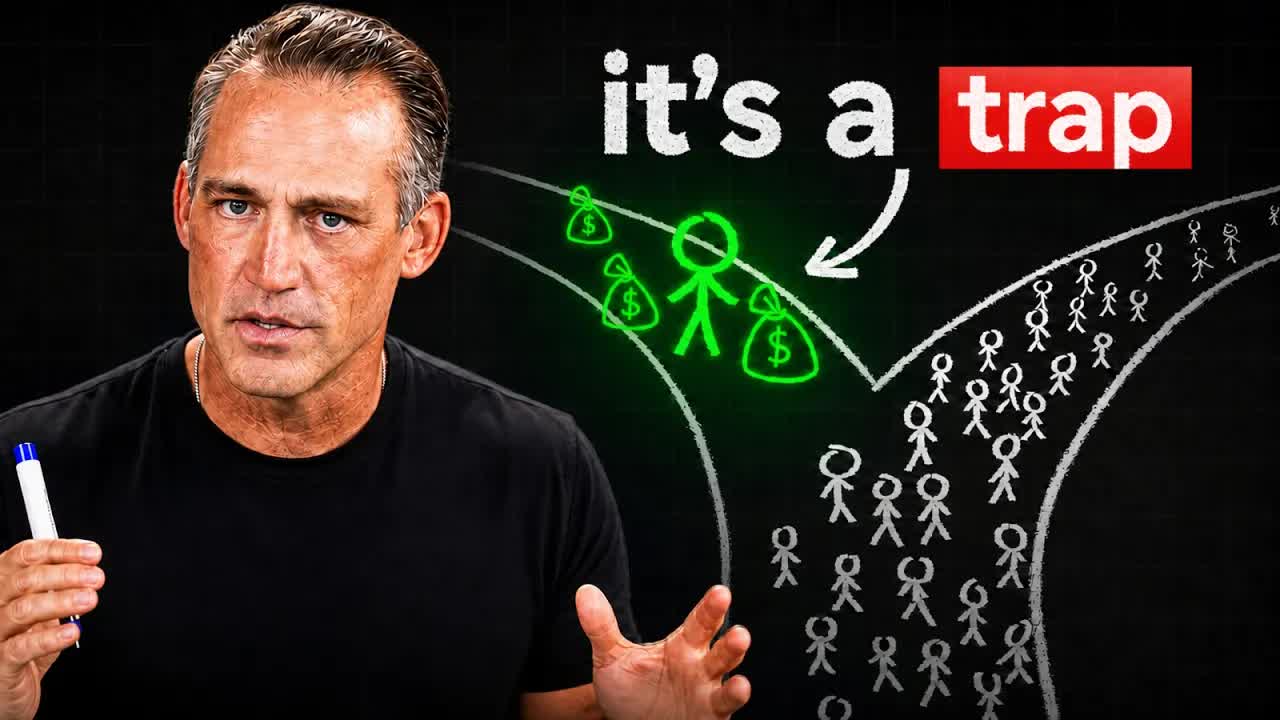
The title makes a promise that sounds like clickbait but delivers a genuine mechanism: borrowing against compounding assets instead of liquidating them, a practice 50% of Fortune 500 CEOs use to access billions without a single taxable sale. The host opens by disqualifying the usual wealth explanations — no secret asset, no hedge fund, no offshore account — before landing on the one unsexy move that separates the top 2%.
Where the time goes.

01 · Hook + promise
Identity challenge opens the video. The one unsexy move teased without being named yet.

02 · Compounding 101
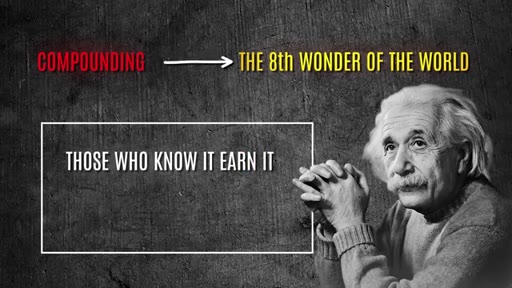
Einstein's 8th wonder. Linear vs. exponential thinking. Human brain defaults to linear.

03 · Rule of 72
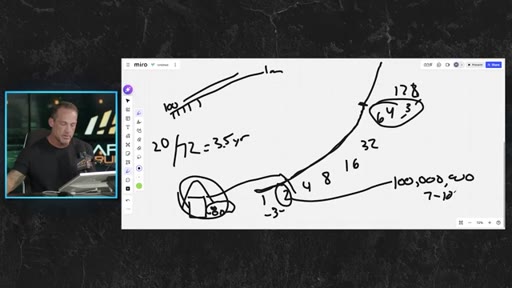
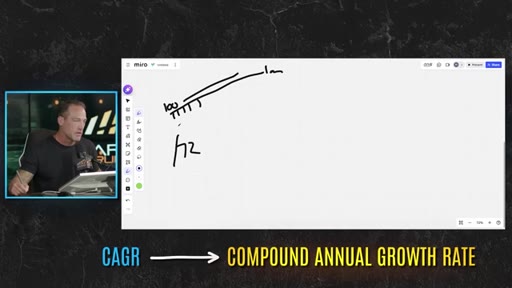
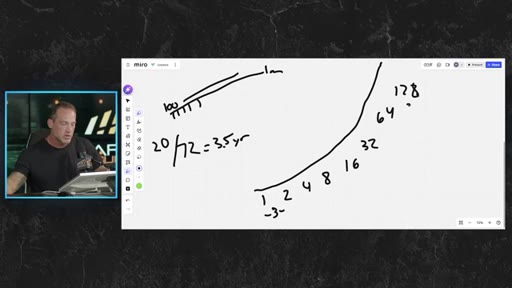
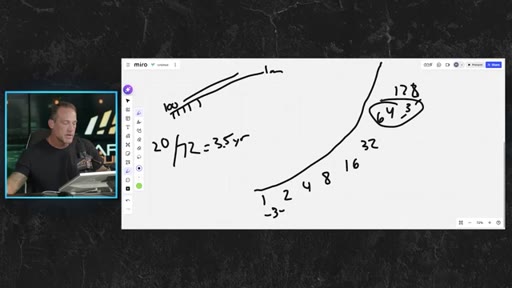
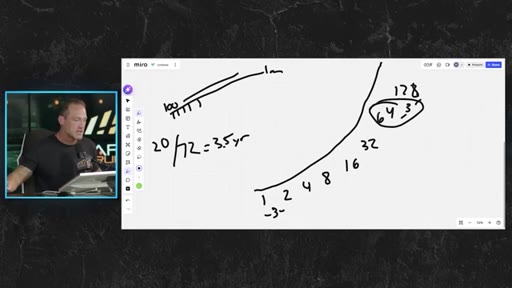
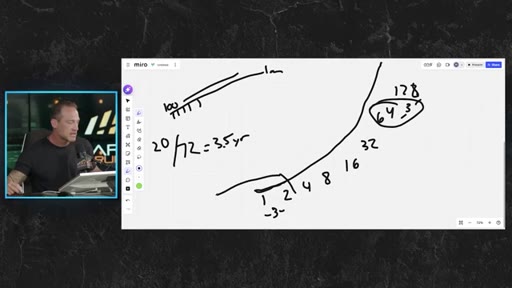
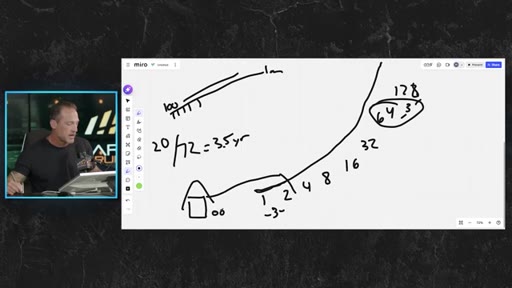
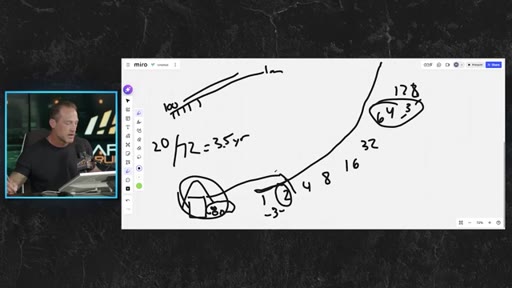
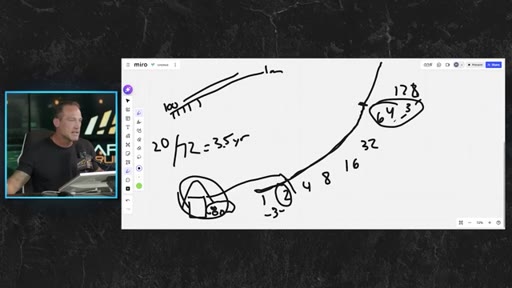
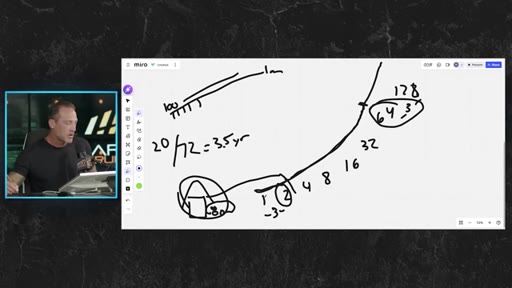
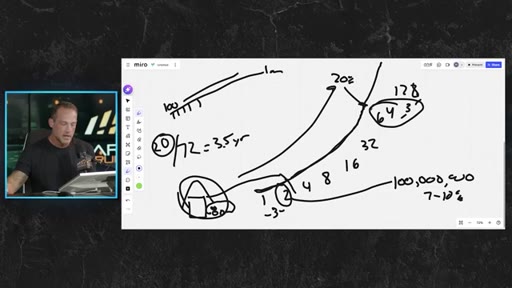
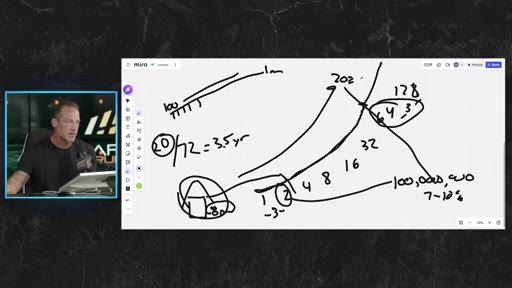
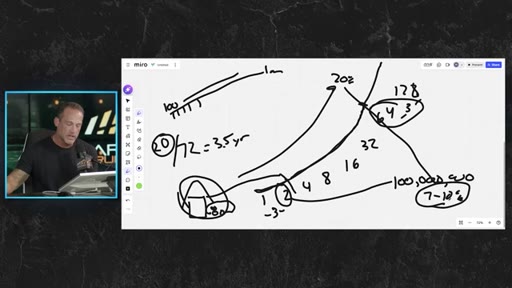
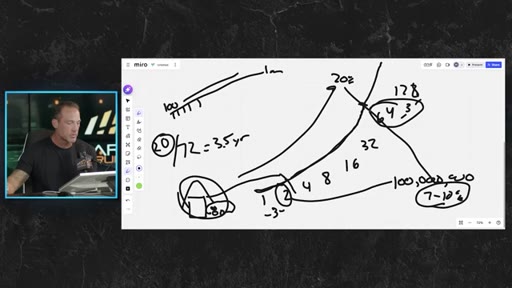
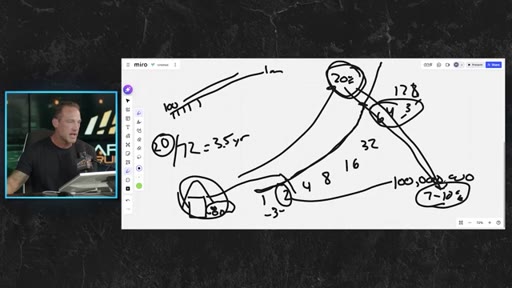
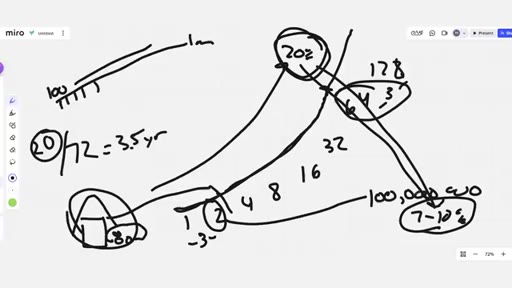
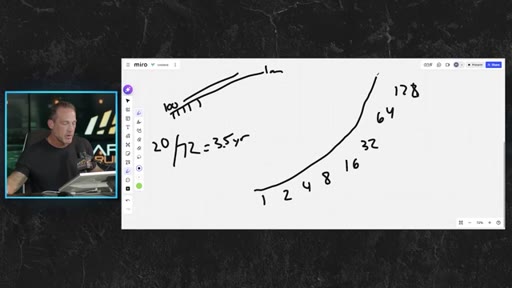
20% CAGR / 72 = 3.5 year doubling. $1M grows to $128M in roughly 21 years. Miro whiteboard illustration.
04 · The cost of selling
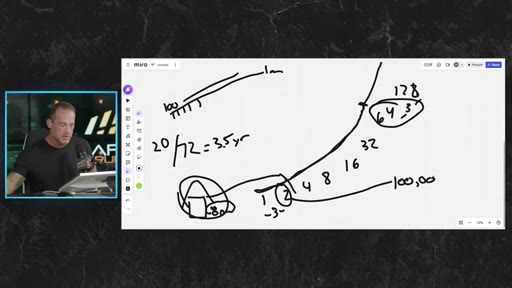
Selling at the first doubling ($2M) forfeits $64M in compounding. Emotional argument for never selling.
05 · The borrow move
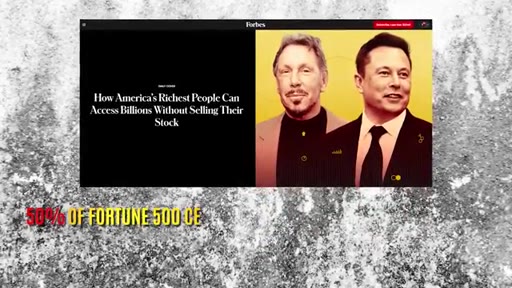
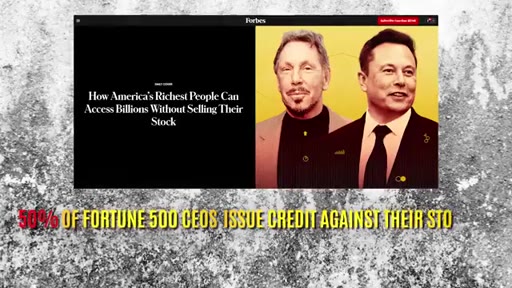
Take a loan at 7-10% against an asset earning 20% CAGR. Forbes article: richest people access billions without selling. 50% of Fortune 500 CEOs use this.
06 · Tax + renting the liquidity
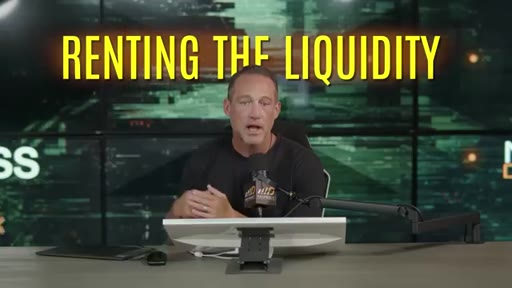
Selling = taxable event. Debt = no tax. Elon Musk/SpaceX example. Renting the liquidity as the core concept.

07 · Risk warning + CTA
Treasury doctrine, LTV ratios, liquidity buffers. Surfing analogy. Warren Buffett Rule #1. CTA to a longer webinar.
Visual structure at a glance.

Named ideas worth stealing.
Rule of 72
- Take your annual growth rate
- Divide 72 by that rate
- Result equals years to double your money
Quick mental model for estimating compounding velocity. At 20% CAGR: 72/20 = 3.6 years per doubling.
Borrow Against, Never Sell
Access liquidity by issuing credit against a compounding asset at a rate below its growth rate. Preserves the compounding curve and avoids taxable events.
Treasury Doctrine
A personal policy defining LTV ratios, liquidity floors, risk leverage policies, and paydown criteria — the prerequisite for executing the borrow strategy safely.
Lines you could clip.
"They never spend their assets ever. They issue credit against their assets."
"In only three years, I made $64,000,000. That's what the law of compounding does."
"I call it renting the liquidity. I can rent the liquidity against the asset without giving the asset up."
"The wealthy never think about how much money they can make on a winning investment. They always think about how much they could lose."
"Rule number one: don't lose money. Rule number two: don't forget rule number one."
Things they pointed at.
How they asked for the click.
"If you wanna learn the entire system or how you can apply this system to yourself, then you might wanna go watch this video that I have right here."
Low-pressure internal link. No product pitch, no subscription ask. Points to a longer masterclass-style video.
Word for word.
The real cost of selling is what you forfeit, not what you get.
Every sale of a compounding asset breaks the exponential curve permanently — borrowing against that asset instead preserves the growth and avoids the tax hit simultaneously.
- Compound growth is not linear: a 20% annual return adds 20% to an ever-growing base, which means selling at any point forfeits all future doublings, not just the current gain.
- The Rule of 72 gives you a quick read on compounding velocity: divide 72 by your annual growth rate to find years to double — at 20%, that is 3.6 years per doubling.
- Selling a compounding asset to fund spending forfeits not just the principal you withdraw but the $64M that would have existed from a single $1M position a decade later.
- Debt is not a taxable event; a sale is — borrowing at 7-10% against an asset growing at 20% gives you cash, no tax bill, and a positive net spread.
- Fifty percent of Fortune 500 CEOs borrow against their stock rather than sell it — this is not a hedge fund tactic reserved for billionaires, it is standard practice among anyone with a sufficiently sized asset base.
- The strategy only works safely with a defined risk framework: know your LTV limits, maintain liquidity buffers, and have a written policy for what triggers paydown before you borrow a dollar.
- The wealthy focus on loss prevention before gain maximization — Buffett's Rule #1 is not a passive principle, it is an active structural choice to hedge every position before sizing for upside.