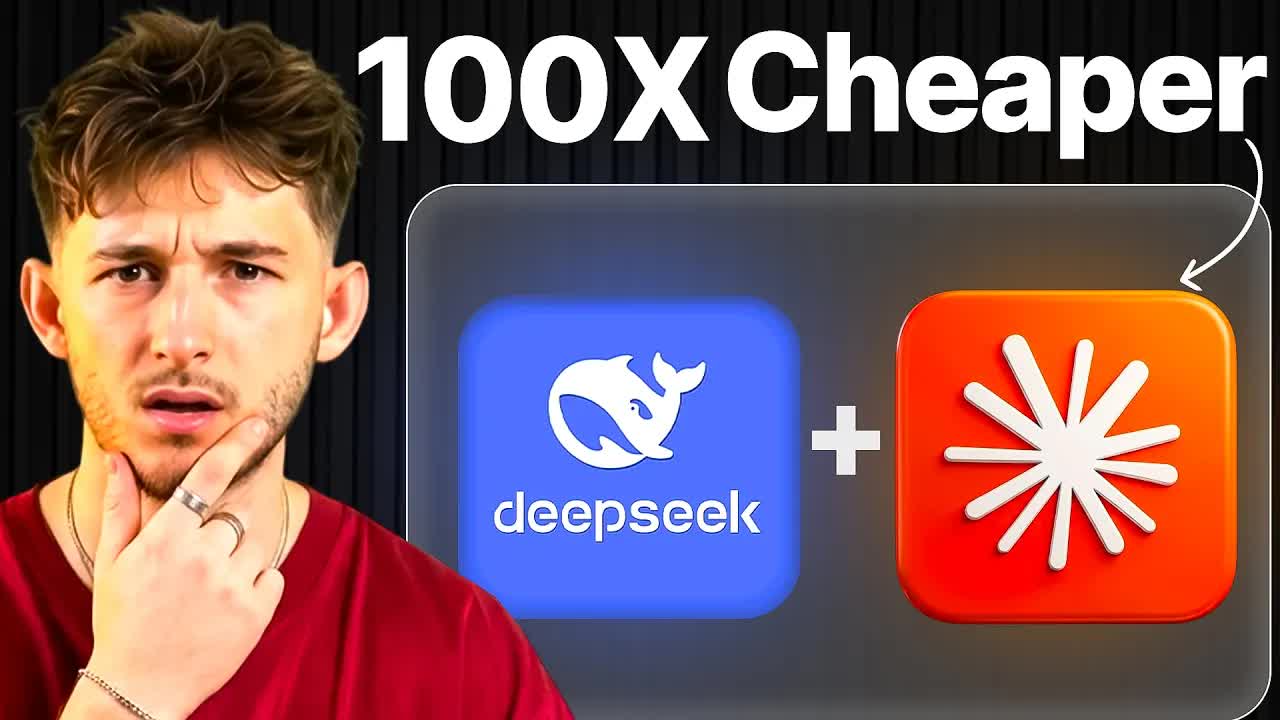
The bait, then the rug-pull.
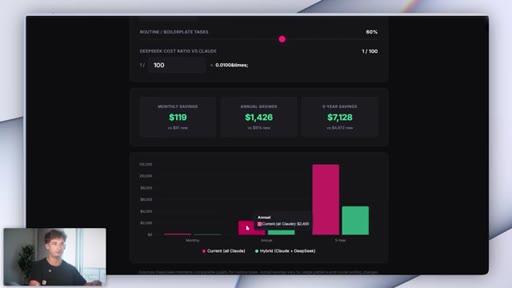
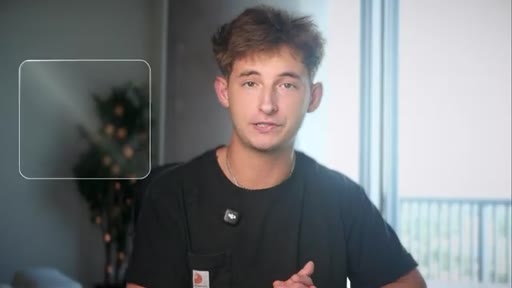
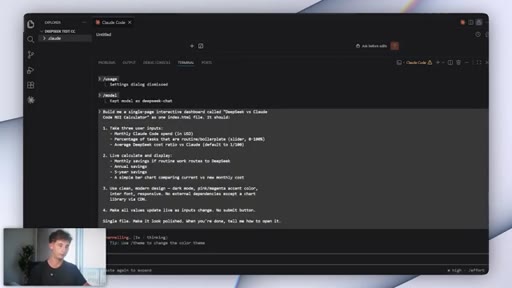
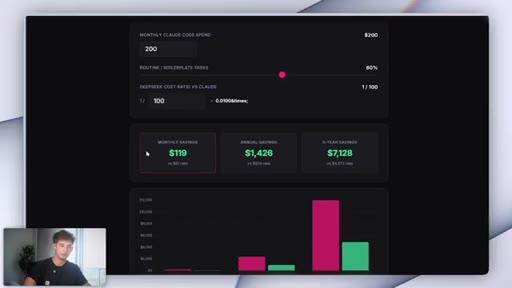
The claim lands before the intro music fades: run Claude Code a hundred times cheaper, with a two-line swap and a five-minute setup. Nick Puru then immediately cuts to a polished multi-input dashboard he just built for two cents — the kind of output you'd expect from Opus — and the cost case is made before he even explains how.
What the video promised.
stated at 00:28 "In the next ten minutes I'm gonna be showing you the one prompt that does the entire install, the workflow that cut my Claude bill in half, and most importantly, the specific kind of work where this whole setup actually does fall apart — because nobody's being honest about that." delivered at 12:35
Where the time goes.

01 · Cold open — claim and proof
Dashboard demo result shown first. Cost: 2 cents. Same quality as Opus output. Promise of honest limitations built into the setup.
02 · Is it allowed?
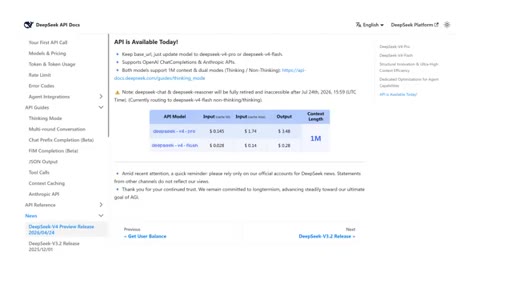
DeepSeek officially documented the integration. Not a hack. They published the endpoint and instructions themselves.

03 · Why the swap works now
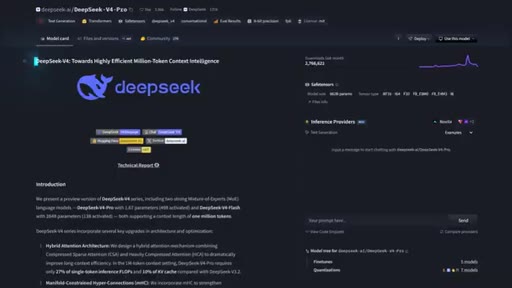
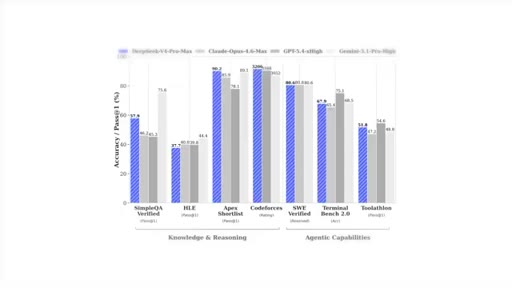
DeepSeek v4 dropped in April with MIT license. SWE-bench verified score in the 80% range — same neighborhood as Sonnet 4.6 and Opus 4.7. Open weights, self-hostable.
04 · Pricing breakdown
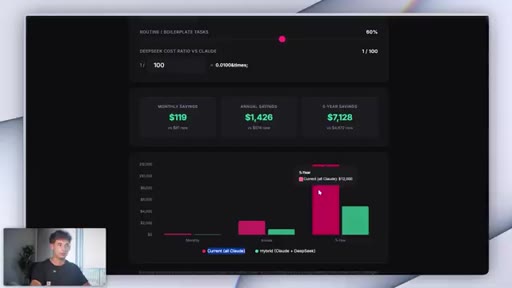
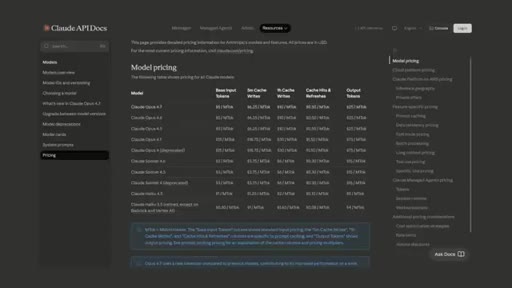
Opus 4.7: $5/$25 per M tokens. DeepSeek v4 Flash: 14c/28c per M tokens. Gap shows up fast on real workloads.
05 · Sponsor — Snapdragon
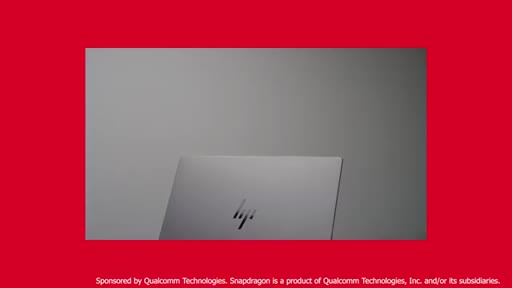
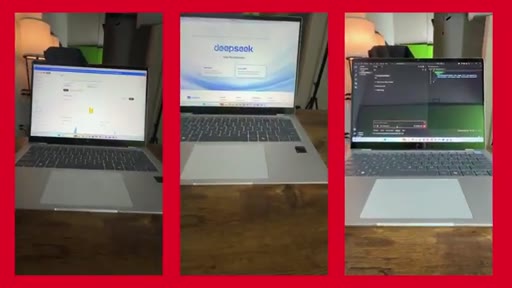
HP Omnibook X powered by Snapdragon Elite. All-day battery on heavy AI workloads, fans never spin up.
06 · Setup walkthrough
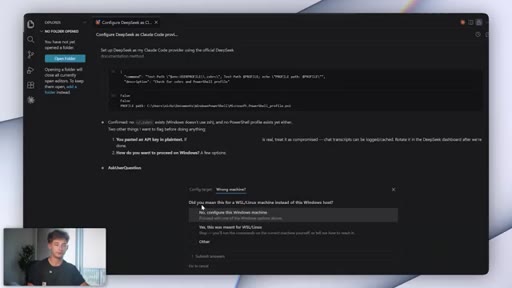
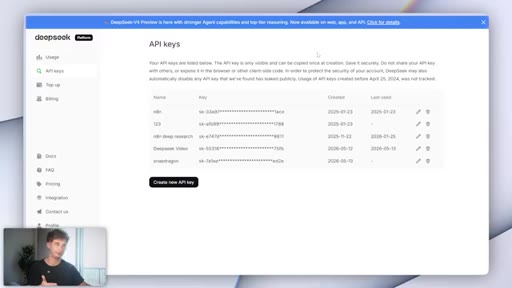
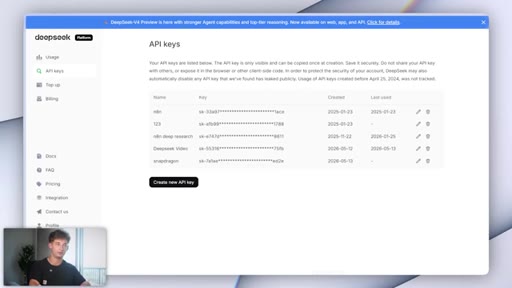
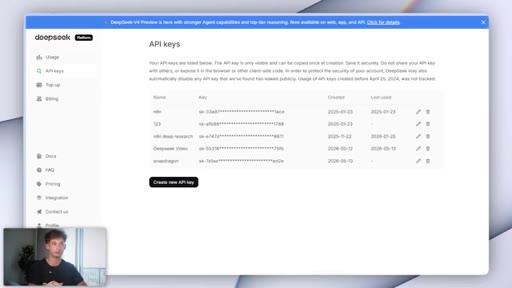
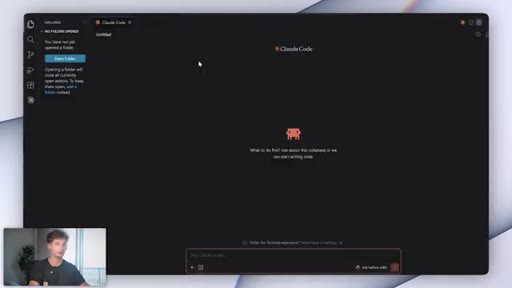
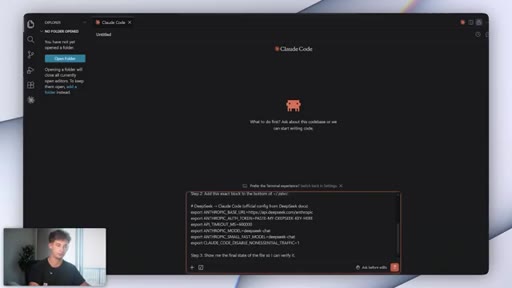
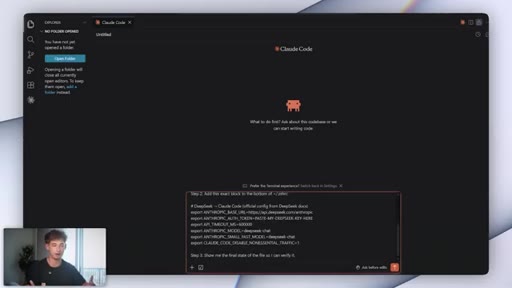
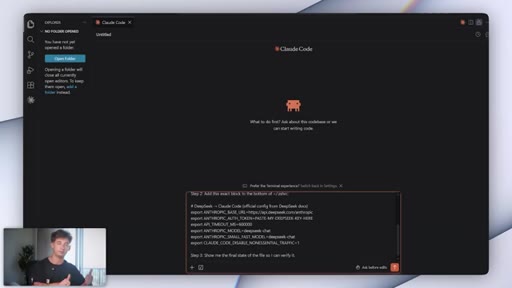
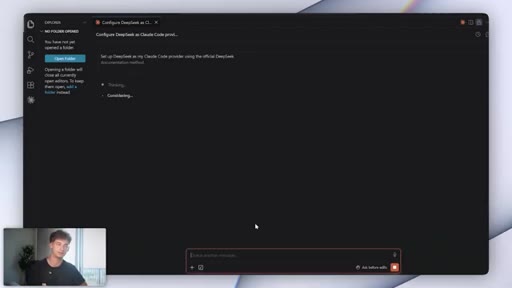
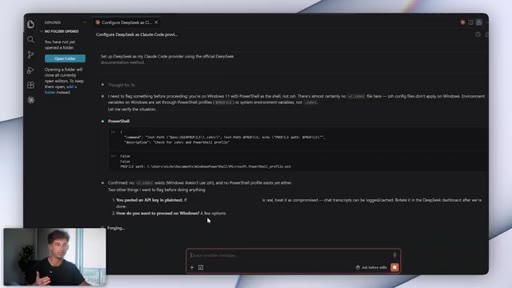
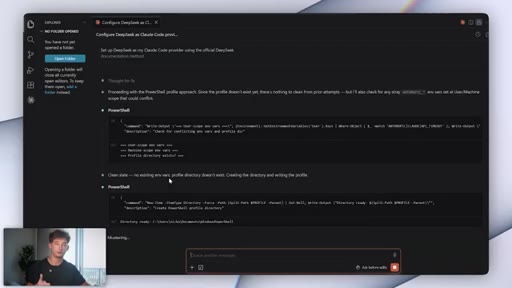
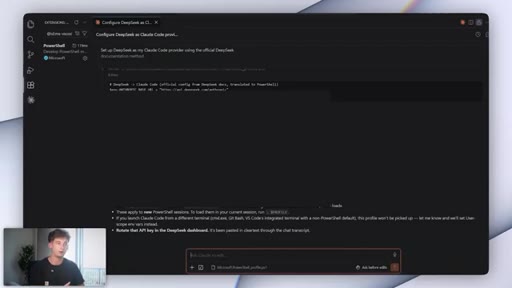
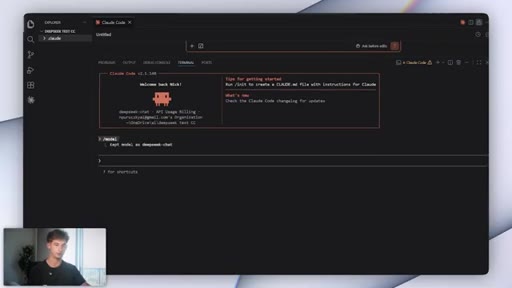
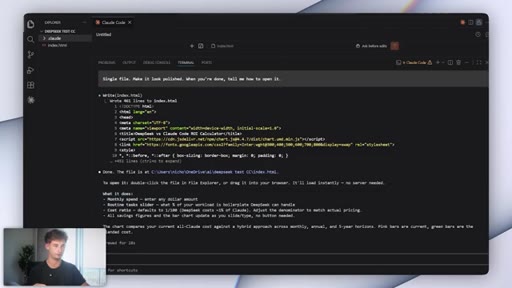
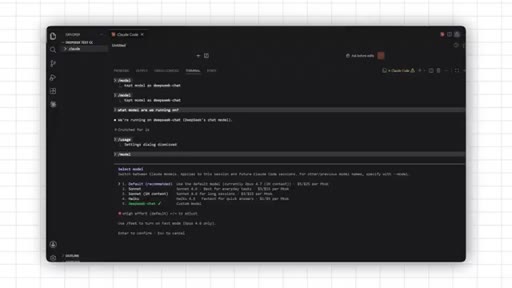
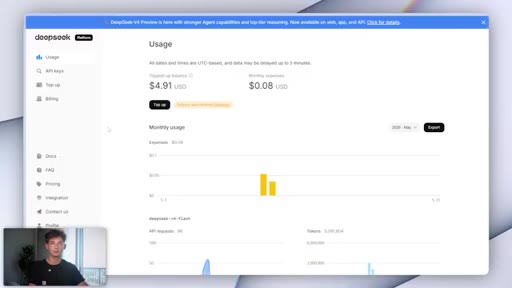
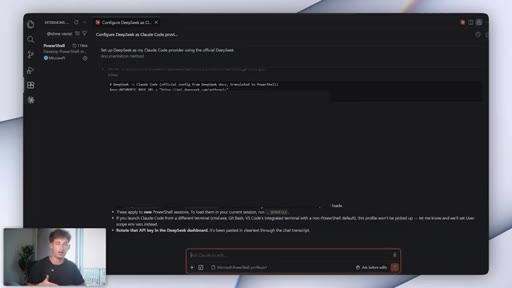
Navigate to deepseek.com, create API key, paste one prompt into Claude Code: set up DeepSeek as Claude Code provider using official DeepSeek docs method. Claude Code handles the PowerShell profile config automatically.
07 · Verify and fresh shell
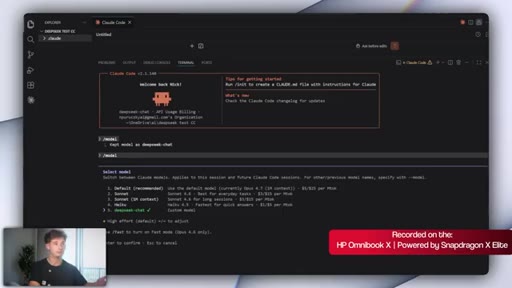
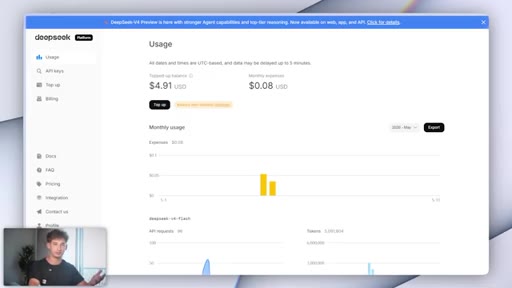
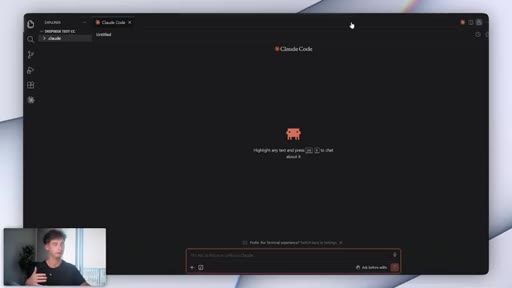
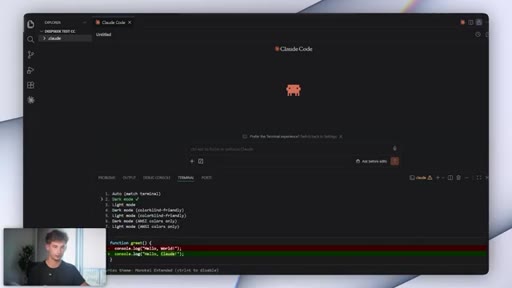
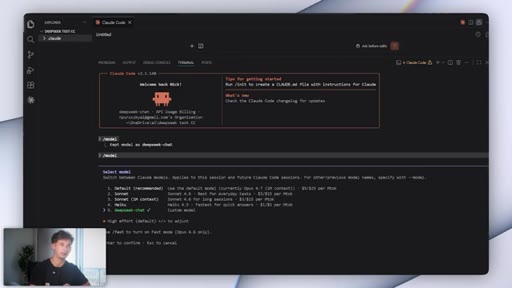
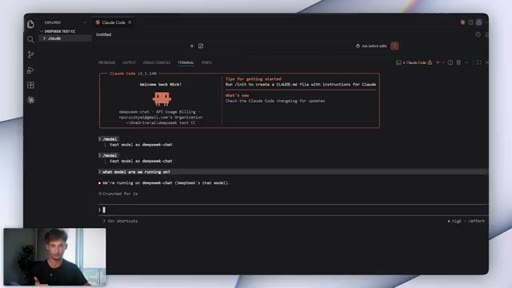
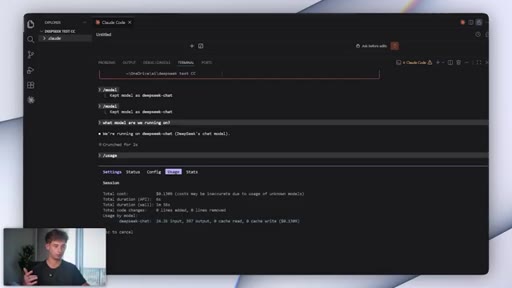
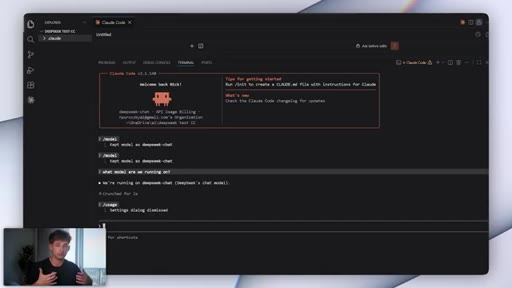
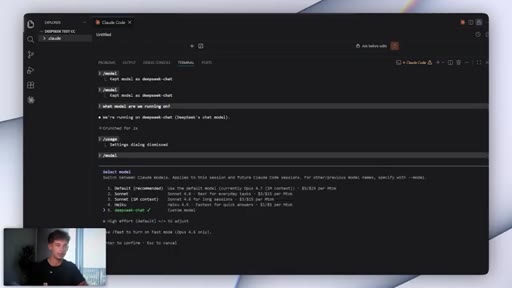
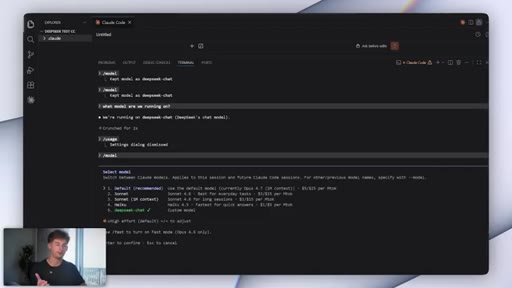
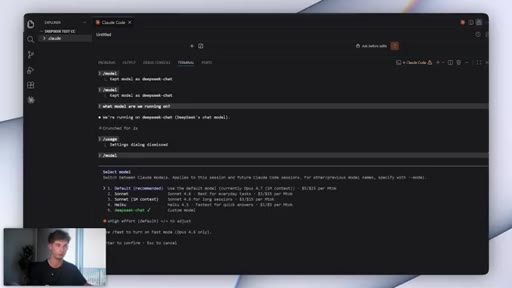
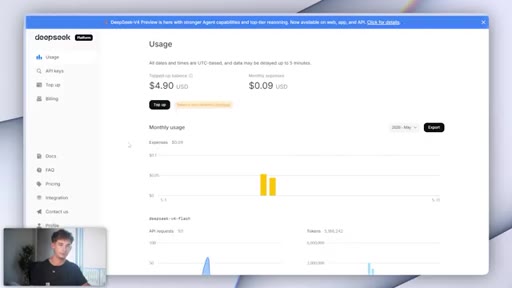
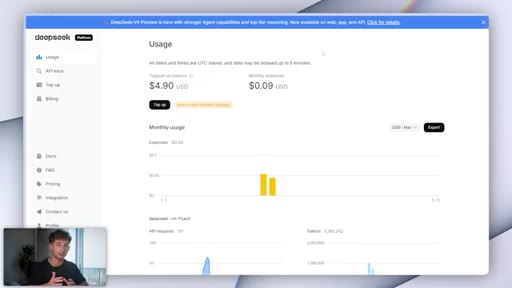
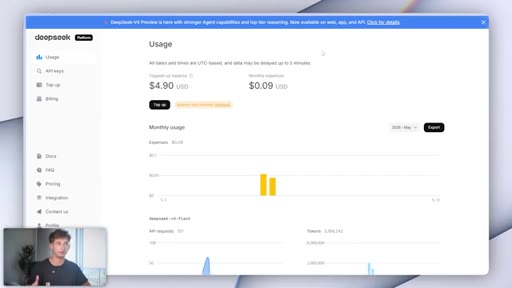
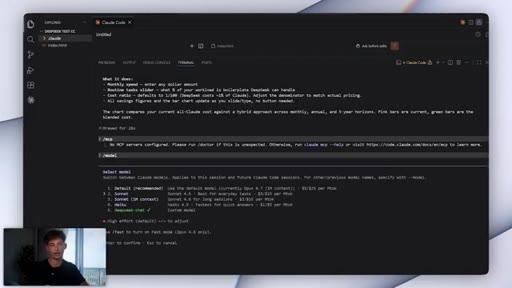
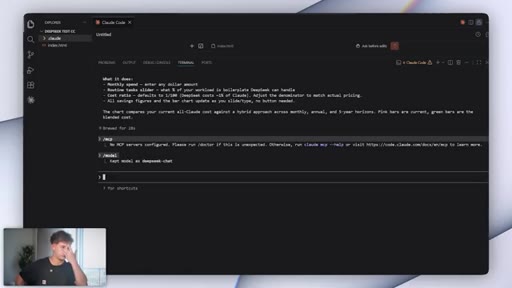
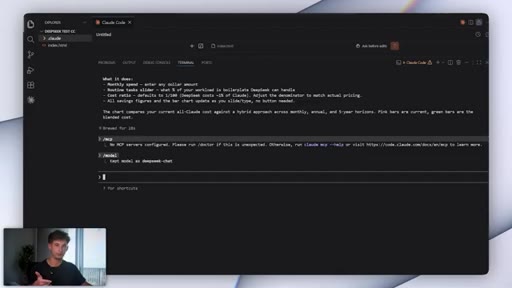
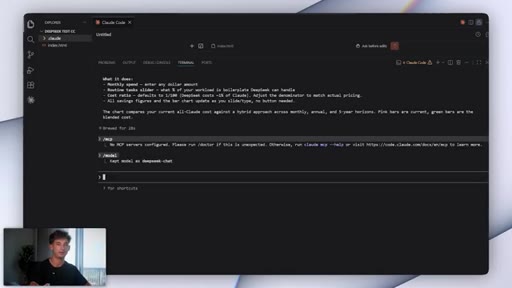
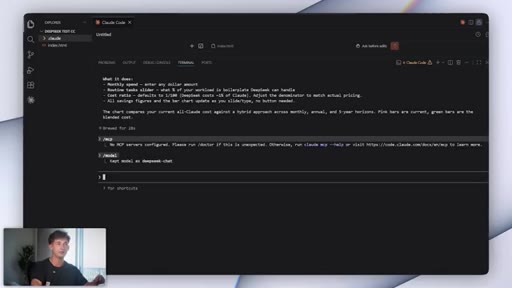
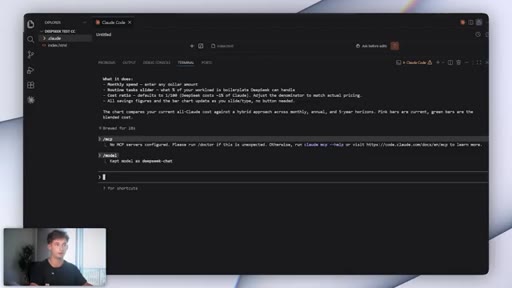
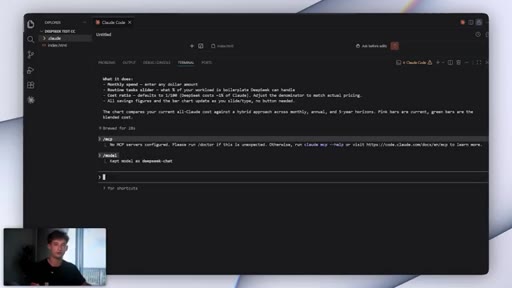
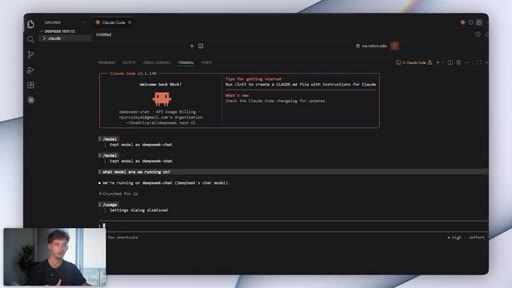
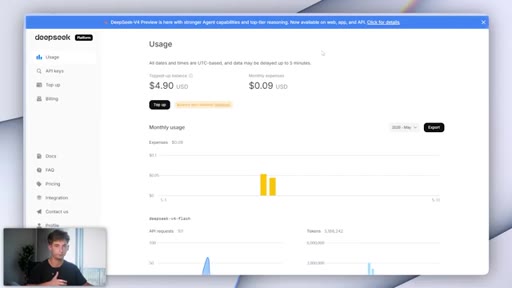
Close terminal, open fresh project folder. Run Claude, type /model — DeepSeek chat already selected by default. /usage shows 13 cents total spend so far.
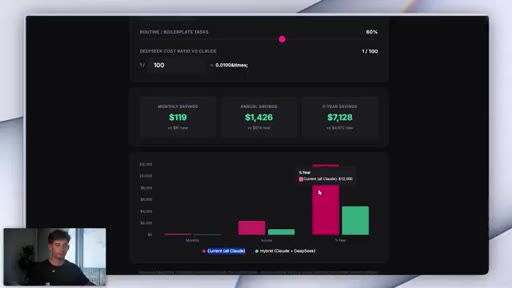
08 · Live demo — ROI calculator
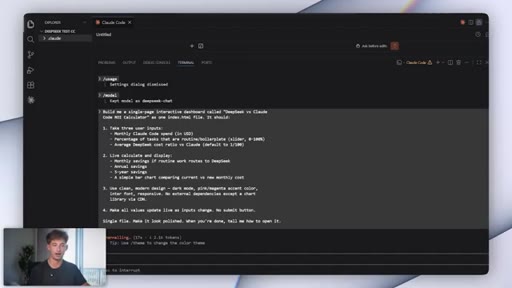
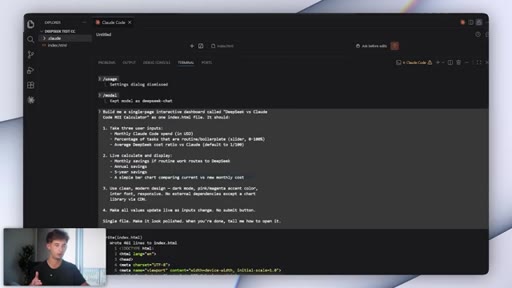
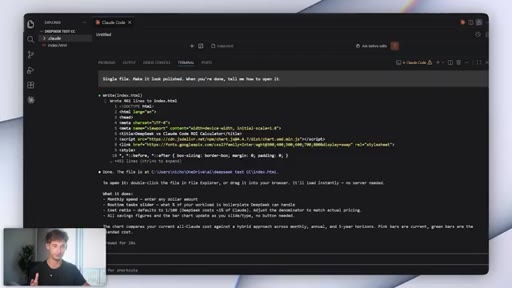
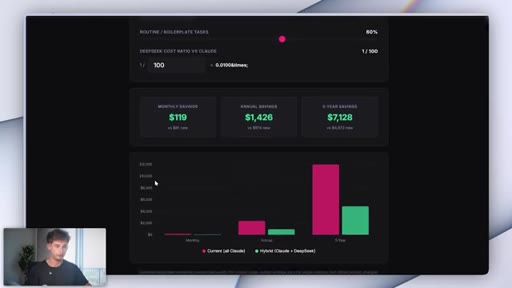
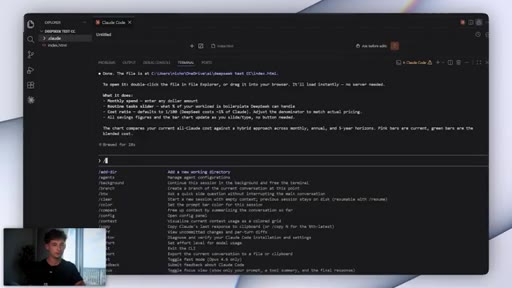
One prompt: build a DeepSeek vs Claude Code ROI calculator as a single HTML file with three inputs, live calculations, and a bar chart. Output in 28 seconds. Total cost: 1 cent.
09 · Sponsor — Snapdragon chip story
7 hours into workday, 10 terminals open, multiple Claude Code sessions, video rendering — no fan spin-up. Dedicated AI engine in silicon keeps CPU free.
10 · Limitations — the honest breakdown
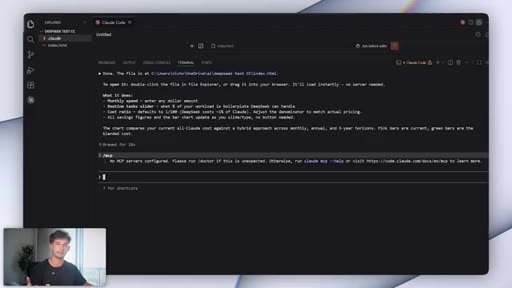
4 failure modes: (1) MCP servers silently dropped, (2) vision not supported, (3) prompt caching edge case flips savings, (4) multi-file debugging needs 2-3 re-prompts vs Sonnet one-shot.

11 · Hybrid workflow and CTA
Default to DeepSeek for everyday work. Hit /model for Opus/Sonnet on MCP, vision, or deep debugging. $200/month pilot becomes $20/month.
Visual structure at a glance.
Named ideas worth stealing.
DeepSeek as Claude Code default — hybrid model picker
- Default: DeepSeek chat for routine work
- Flip via /model to Opus for: MCP tasks, vision, multi-file debugging
- Never switch entirely
Set DeepSeek as your global Claude Code default. Use /model to jump to Opus or Sonnet only when the task hits one of the four failure modes. Jump back after.
Four DeepSeek Failure Modes
- MCP servers (silently ignored)
- Vision / image processing (not supported)
- Prompt caching (Anthropic discount can exceed DeepSeek savings on agent loops)
- Multi-file debugging across large repos (needs re-prompts)
Specific conditions where routing through DeepSeek costs more or breaks functionality vs staying on Anthropic.
Lines you could clip.
"I ran this for about 2 cents. Is this the price for a stick of gum."
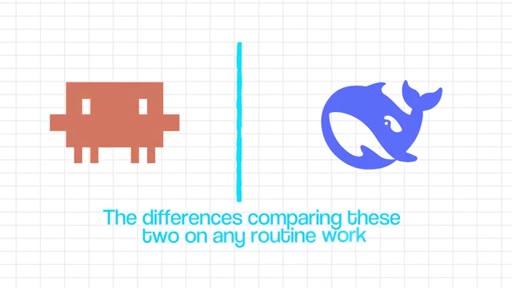
"The difference on any routine work, it's imperceptible — but the bill, however, is not."
"If you take one thing away from this video, do not switch entirely."
"The whole thing that was just too expensive to leave running around the clock just got cheap enough to actually leave running around the clock — and that's the real shift."
How they spent the runtime.
- 02:56 – 03:27 · Snapdragon / HP Omnibook X
- 11:17 – 12:35 · Snapdragon / HP Omnibook X
Things they pointed at.
How they asked for the click.
"Check out our free School community and our weekly AI newsletter. If you're a business owner looking to implement AI in 2026, book a call with our team."
Tacked on post-conclusion with three separate asks — community, newsletter, consultation call. Feels rushed after a strong payoff line.
Word for word.
Steal the hybrid model-picker workflow.
Default Claude Code to DeepSeek for everything. Flip to Opus only when you hit one of four specific walls.
- Sign up at deepseek.com, load $5, grab an API key.
- Paste one prompt into Claude Code: 'set up DeepSeek as my Claude Code provider using the official DeepSeek docs method' — it configures itself.
- Open a fresh terminal and verify via /model that DeepSeek chat is now the default.
- Learn the four flip-to-Opus triggers: MCP integrations, vision/screenshot tasks, large-repo multi-file debugging, and any agent loop where Anthropic caching math flips.
- Track spend with /usage — most operators report staying under $20/month for workloads that previously hit $200.
- Never pitch this to your audience as a total switch. The hybrid framing is what makes it credible and safe.
What this means if you use Claude Code.
You don't have to choose between cheap and capable — you just have to know which tasks need which model.
- For most day-to-day coding (boilerplate, refactors, new features in existing files), DeepSeek v4 performs at Sonnet level for about 1% of the cost.
- The setup takes five minutes and Claude Code installs it for you.
- Keep Opus or Sonnet one /model command away for the four failure cases: MCP tools, screenshot-based debugging, massive codebase diffs, and heavy agent loops.
- Check your /usage panel weekly — the cost difference becomes visible almost immediately on real workloads.