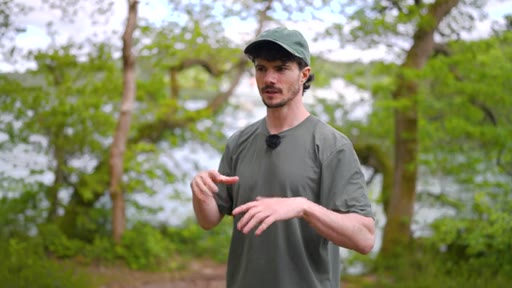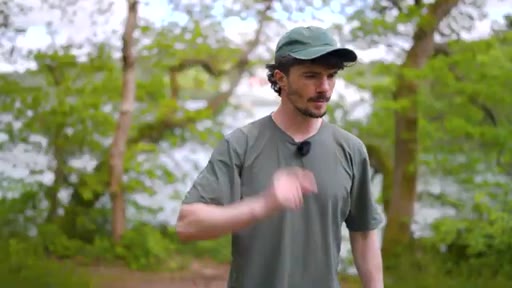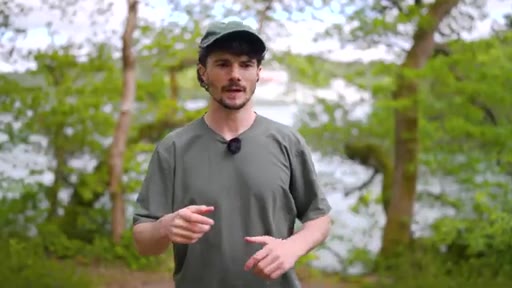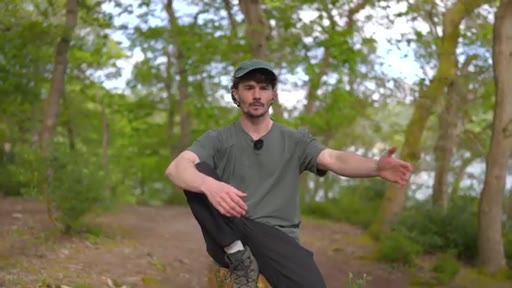
AlexanderTheCreate · Youtube · 11:36

give me 11 minutes, I'll change the way you speak on YouTube

Five counter-intuitive techniques — from Freddie Mercury to Portuguese Bossa Nova — that turn stiff coaches into engaging YouTube speakers.

Posted
May 21st 2026
2 days ago
Duration
11:36
Format
Tutorial
educational
Channel
AL
AlexanderTheCreate
§ 01 · The Hook

The bait, then the rug-pull.

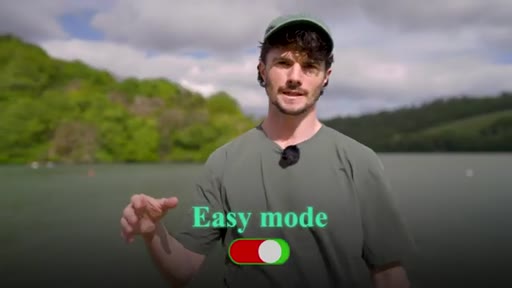
There's a toggle switch on screen at the very first frame — 'Easy mode,' it reads, flipping green. Alexander's opening line lands before you've even settled in: 'There's a way of speaking that puts YouTube on easy mode.' Eleven minutes later, if you've been paying attention, you have five frameworks borrowed from Freddie Mercury, film directors, and a Barcelona Bossa Nova gig that no one in your niche is talking about.

§ · Stated Promise

What the video promised.

stated at 00:00 "give me 11 minutes, I'll change the way you speak on YouTube" delivered at 10:09
§ · Chapters

Where the time goes.

00:00 – 00:22

01 · Promise + problem framing

Hard mode vs easy mode setup. Most coaches obsess over strategy and scripting but neglect how they actually speak on camera.
00:22 – 02:38

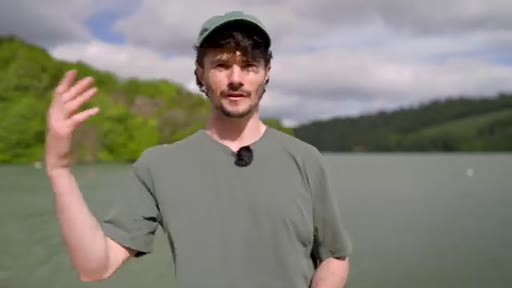
02 · Technique 1: Claim the Frame

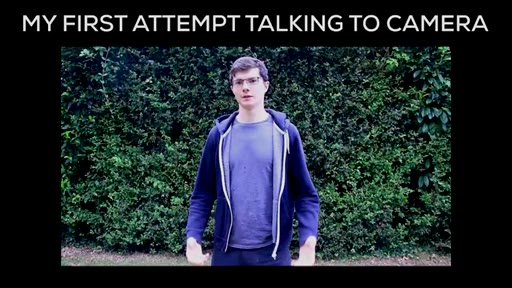
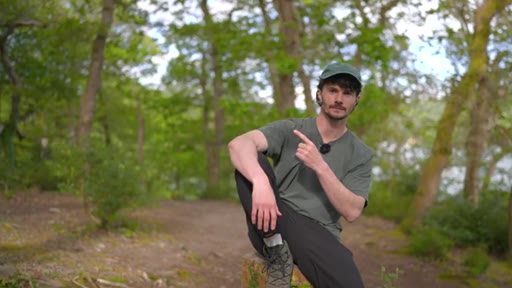
Walk your physical space before recording to give your body permission to take up the frame. Freddie Mercury analogy + personal flashback of early stiff camera work.
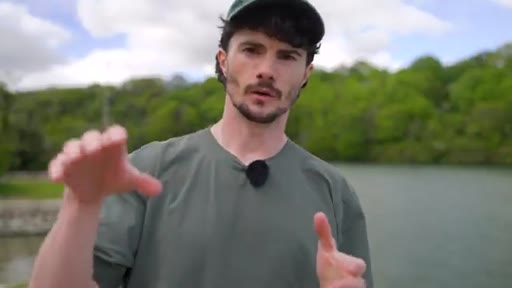
02:38 – 04:37

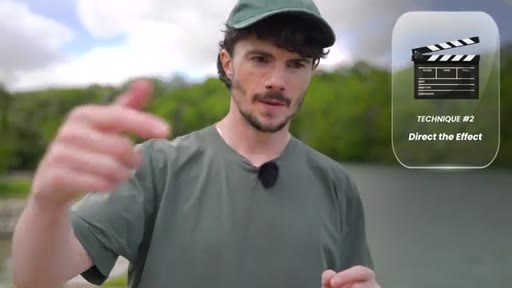
03 · Technique 2: Direct the Effect

Approach your video like a film director — know what your viewer should feel at every moment. Playing offense vs defense.
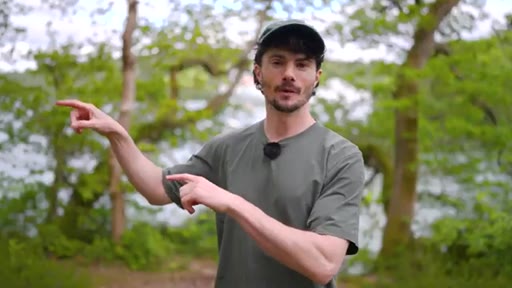
04:37 – 06:46

04 · Technique 3: Jitters Reinterpret

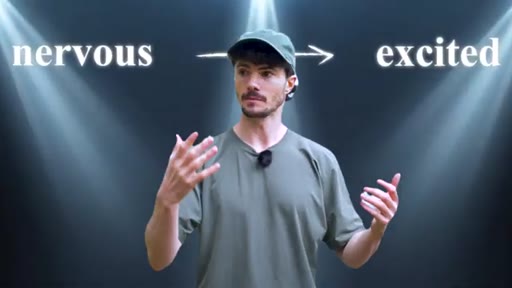
Nervousness and excitement are the same physiological response. Reinterpreting the feeling turns a performance liability into a performance asset.
06:46 – 10:09

05 · Technique 4: Hard Mode First

Do something harder than filming before you film — talk to strangers outside, or record yourself obnoxiously loudly for 2 minutes first. Borrowed from a Barcelona Bossa Nova gig performed in Portuguese.
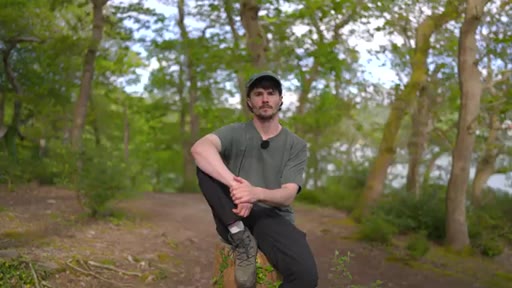
10:09 – 11:29

06 · Technique 5: Easy Is Earned

Meta-principle: the effort you put into your speaking craft now is the shortcut you're looking for. Client proof: 20 days to 20 minutes per video.
11:29 – 11:36

07 · CTA + humorous sign-off

Double CTA: free Pull Paint Point GPT + $20k/month coaching roadmap. Closes with a deadpan 'Why are you still here?'

§ · Storyboard

Visual structure at a glance.

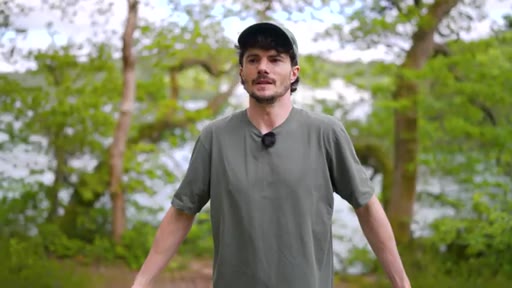
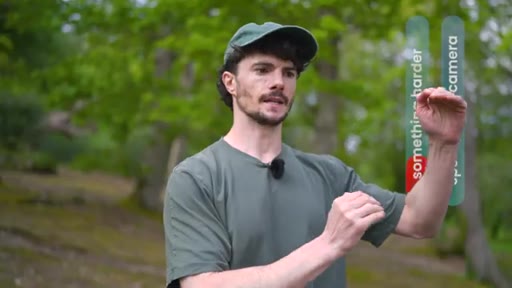
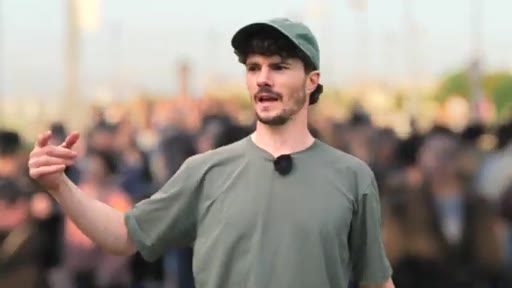
easy mode toggle open
first attempt flashback
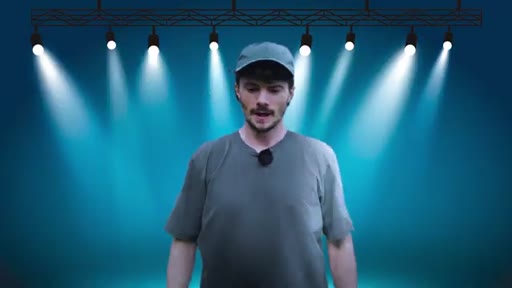
Freddie Mercury Live Aid
direct the effect
nervous to excited graphic
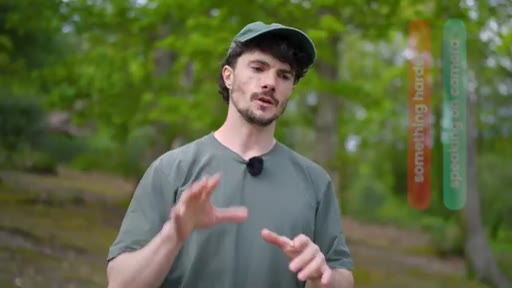
hard mode first
easy is earned
§ · Frameworks

Named ideas worth stealing.

00:22 concept

Claim the Frame

Before recording, physically walk your space and mentally say 'this is my space.' Borrowed from a public speaker's pre-stage ritual; extended via the Freddie Mercury Live Aid example.

Steal for Any video about showing up confidently — applies to podcasting, sales calls, live streams
02:38 concept

Direct the Effect

Creator as film director: you should know what emotion the viewer is experiencing at every moment. Not hoping it lands — intentionally engineering the feeling.

Steal for Video scripting framework; useful for coaching video outlines
04:37 concept

Jitters Reinterpret

Nervousness = excitement physiologically. Reframing the label transforms the sensation from blocker to fuel.

Steal for Reel hook, creator mindset content, public speaking workshops
06:46 concept

Hard Mode First

Warm up with something harder than your actual task. For video: talk to strangers outside, or record yourself obnoxiously loudly for 2 minutes first.

Steal for Workflow hack content — immediately actionable, counter-intuitive, storytellable
10:09 concept

Easy Is Earned

Efficiency requires upfront investment. The 'effortless' creator you're comparing yourself to put in the deliberate practice earlier.

Steal for Framing for any skill-building offer; closer for a coaching pitch
§ · Quotables

Lines you could clip.

00:00
"There's a way of speaking that puts YouTube on easy mode."
tight 7-word value prop, no setup needed → TikTok hook
05:43
"Nervousness is the same physiological response as excitement in the body."
counter-intuitive reframe, self-contained, backed by on-screen text → IG reel cold open
10:09
"Easy is earned. The laziest, most efficient people often work the hardest."
paradox structure, punchy delivery, universal applicability → newsletter pull-quote
10:46
"He went from literally twenty days to twenty to thirty minutes."
concrete social proof, massive before/after, no setup needed → TikTok hook
§ · Pacing

How they spent the runtime.

Hook length22s
Info densitymedium
Filler8%
§ · Resources Mentioned

Things they pointed at.

§ · CTA Breakdown

How they asked for the click.

04:36 product
"That tool alone can help you make videos that bring in views and bring in clients, but don't worry, it's totally on me."

Two-stage: mid-video free GPT (self-aware, brief, self-deprecating) + end-video paid coaching roadmap + deadpan humorous sign-off tag. Clean separation of free/paid.

§ 04 · The Script

Word for word.

HOOK opening / re-engagementCTA the pitch metaphor analogy
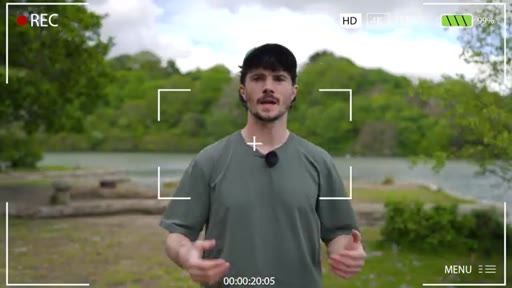
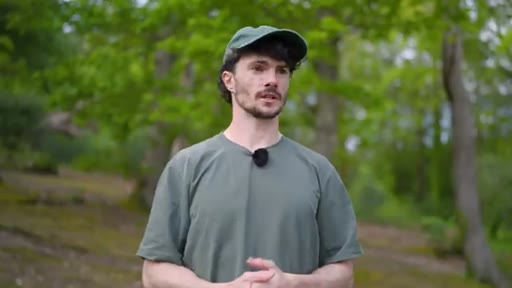
00:00HOOKThere's a way of speaking that puts YouTube on easy mode because it hooks viewers in as soon as they click, and it keeps them watching until the end. But what sucks is that most coaches and entrepreneurs are still playing YouTube on hard mode because they're just obsessively focusing on strategy and scripting. But when it comes to actually how they speak on camera, they're kinda boring, kinda vanilla.
00:17HOOKAnd if you're not engaging on camera, no one's gonna watch. So I wanna help you out. I've already helped out thousands of coaches and got them from awkward and shy to, wait, who's that guy?
00:26Or girl. And I used to suck at speaking on camera as well until I learned these five techniques, which I'm about to show you in today's video. Technique number one is called claim the frame, and this is the difference between feeling stifled,
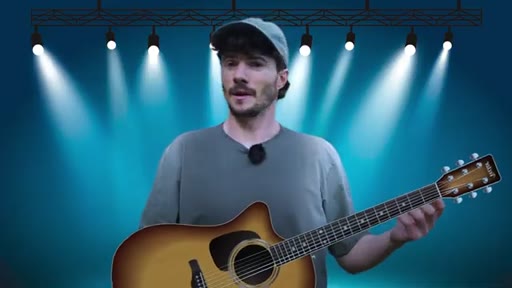
00:37not really yourself and quite stiff on camera like a deer in the headlights versus being totally relaxed, charismatic, and totally yourself, totally authentic. Alongside being a speaking YouTube business coach, I'm also a musician.
00:49And I've been on stage a fair few times in my life. What used to happen when I went on stage, even if it was a big stage, lots of space, is that I would stay rooted in one spot. Have the microphone here, have my guitar.
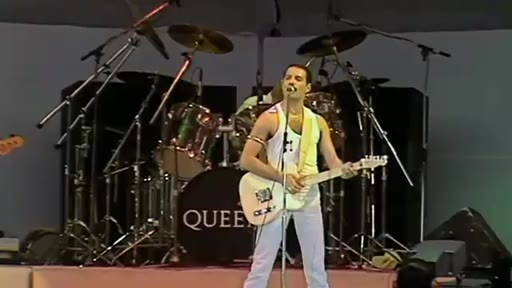
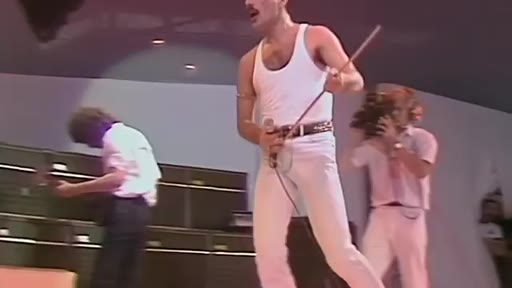
01:00I feel pretty stiff, stifled like a deer in the headlights, and it would affect my voice. I wouldn't sing as well, and I would be not very interesting to watch on stage. But I remember when I was a kid seeing a recording of nineteen eighty five Live Aid where Freddie Mercury was completely rocking the stage.
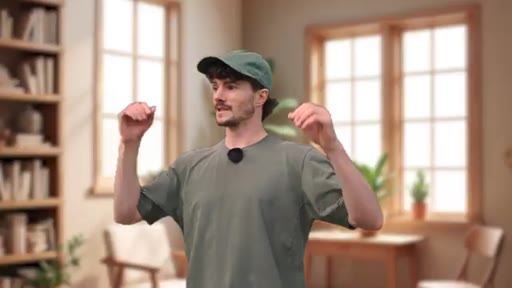
01:16Huge stage, 70,000 people watching, and Freddie Mercury was prancing about the entire stage. He probably did about 10 k in a twenty five minute performance.
01:25So how does this relate to talking on camera? Well, years ago, I heard this advice from a public speaker that before they went on stage, they would purposefully walk around the entire stage as if they were sort of marking their territory.
01:37Right? Like not in that way where they might wee on the stage. I mean, literally just walking around.
01:41And whilst they did this physically, they were also mentally saying to themselves, this is my space. And as soon as I connected this to being on camera, something clicked.
01:49So here's the shift. You are in a frame right now. So just flip your camera screen around next time you're recording.
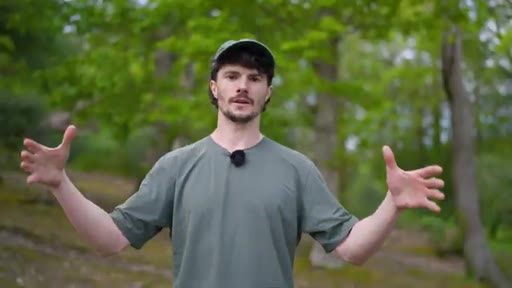
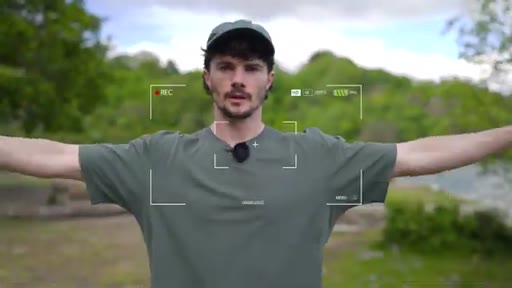
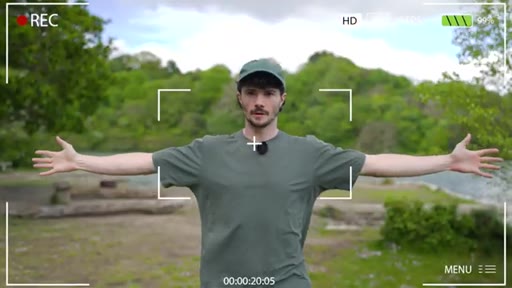
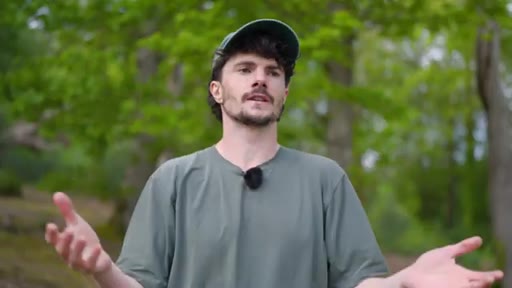
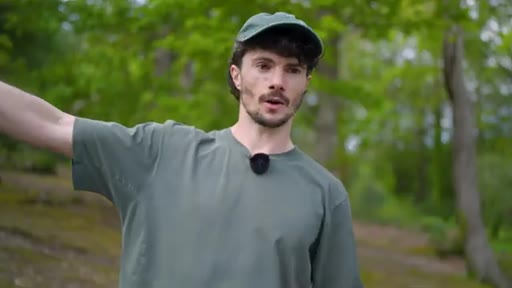
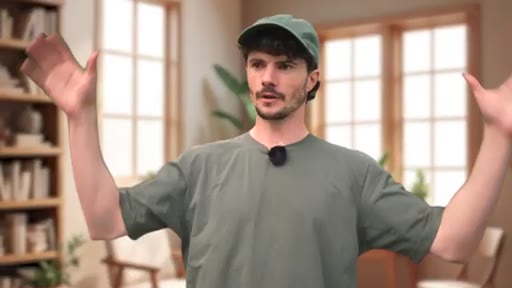
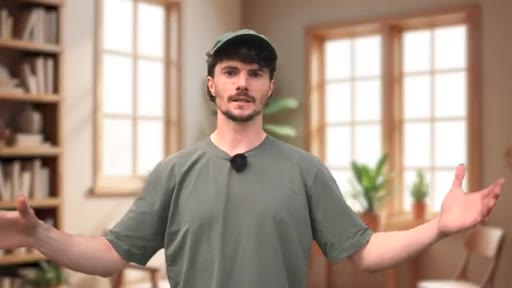
01:55You're in a frame. You can literally put your arms out and be like cool. This is my frame.
01:59Can I take up my frame? Can I move around in three d space? Now, I'm not saying you should necessarily do this whilst you're recording although it can be a good idea.
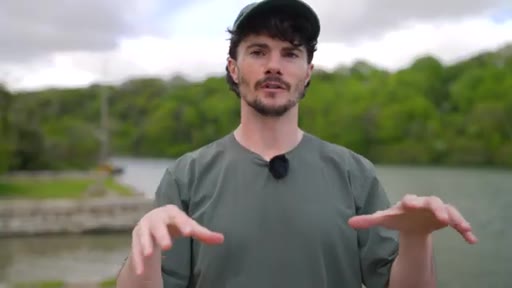
02:07What I'm saying is before you're recording, just take a minute to be in the room, in the physical space where you are right now or in my case, the river dock thing. Now, might feel a bit silly doing this, but what this is gonna do is give you and your body permission
02:20to really be here and to take up space. And even though you might stand still, you're probably way more likely to put your arms out in slightly more charismatic gestures. Your body's gonna be more relaxed.
02:29It's gonna make your voice more resonant, and it's gonna make you way more engaging to listen to. Technique number two is a feeling that you give your audience as soon as they watch, and it's also what keeps them to the end. It's called direct the effect,
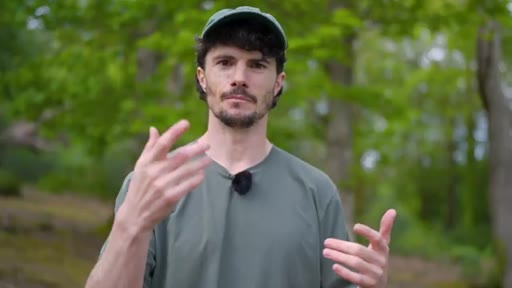
02:41and it's the opposite of what most coaches and entrepreneurs are doing on YouTube. Imagine the great film directors, like just imagine one of the one of your favorite film directors, and imagine how you feel whilst you're watching his or her films.
02:54They are purposefully directing
02:58how you feel as a viewer whilst you're watching the film experience. So likely in the first scene, maybe it's starting nice and happy in there. They want you to feel that.
03:07They want you to feel really comfortable and relating to the characters. And then struggle, conflict, crisis.
03:13Something really bad happens, and it purposefully pulls in your heartstrings. And if you're not feeling in that crisis moment like, oh, god. This is horrible.
03:19I really care about these characters, then the director hasn't done a good job. Right? Then things are getting hopeful, more inspiration, more tense, and you're feeling exactly how the director wants you to feel at any point in his film.
03:30Speaking to camera is the same. It might not be quite as dramatic. Hopefully, in this video, you're not gonna feel a real point of low abyss like crisis.
03:38I hope you don't anyway. And instead, you might be having sort of some intellectual stimulation that hopefully I'm controlling through my points.
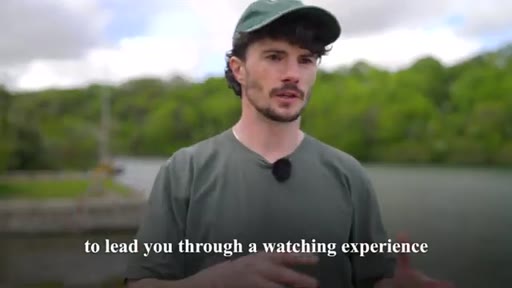
03:45My goal as the creator of this video is to lead you through a watching experience. So you can be intrigued by something, be mystified by something, then and have a payoff where you're like, oh, that's great. I can implement that at home.
03:58And me to have the feeling of that whilst I'm speaking makes me a way better speaker. On the opposite side, if you don't feel like you're in control of the viewer experience and instead you're you're on the back foot. Right?
04:11You're sort of playing defense. You are sort of saying stuff hoping that it lands. You're not really sure what the viewer is thinking or feeling.
04:18You're not being a good film director. So you have to direct the effect of your words on your audience. And if you're having that in the plan of your video, when you are speaking, it's gonna make you
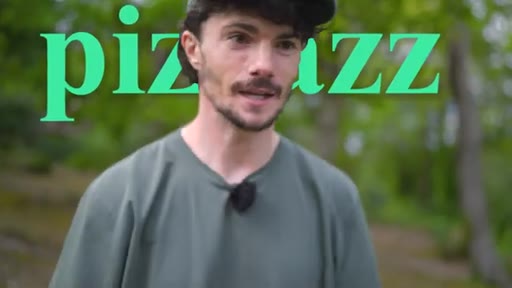
04:28CTA10 times more confident. You're gonna have this sort of this sort of pizzazz, this sort of pizzazz.
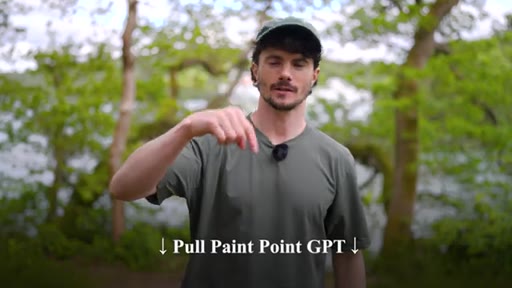
04:36CTAI should stop talking now. And on that point, by the way, if you want help on planning out amazing points in your videos that hook your viewers, then I have a custom GPT called pool paint point, and it's gonna help you plan out those points. Even if you just dump a voice note into your phone, it will turn it into something awesome.
04:50That tool alone can help you make videos that bring in views and bring in clients, but don't worry, it's totally on me. Technique number three is called jitters introduce. And as soon as I realized this, it changed everything for me.
05:00I actually learned this again in the context of being a musician. So what would happen a week before a gig is that I would start feeling nervous and then try and block the feeling of nervousness.
05:10Because I knew if I was on stage and everyone could tell I was nervous, they would then feel a bit nervous that I was gonna mess up, which would make me feel more nervous and the whole thing would just be a disaster. It's happened to me before. And so I would think, damn it.
05:22I feel nervous. I need to not feel nervous. I'm gonna do loads of breath work, get the nerves out of my body, then I'd be on stage.
05:27And if I felt nervous, I'd thinking everyone can tell, I need to stop feeling nervous. And it just made me a way worse performer. Instead, I can't remember who I heard this from, which is really annoying, but it is what it is.
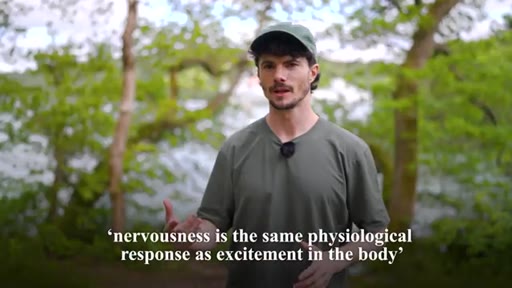
05:38Somebody once told me that nervousness is the same physiological response
05:44as excitement in the body. And therefore, if you feel nervousness, tingling, butterflies, that sort of slightly uncomfortable feeling,
05:52if you reinterpret that as I'm just really excited to do this thing in a few days and I can't wait to do it, Then that same thing is the very thing that makes you a good performer. And I've noticed that when I'm on stage and I feel nervous, but I reinterpret it as excitement, it makes me play
06:11better. It makes me more engaged. I feel like this positive adrenaline is running through my body that makes me want to play better, makes me wanna sing better, makes me wanna connect with the audience more, and it turns me into a better performer.
06:22It's exactly the same thing going on in my body that would make me a worse performer that makes me a better performer just because of a mental reinterpretation. On camera, this feeling of slight nervousness can be really paralyzing.
06:33And by seeing it as excitement, you're just gonna have that sparkle in your eye, that extra bit of energy that's gonna make you speak way better and be more engaging. Alright. This next technique is called hard mode first and it is such a life hack that gives you so much more pizzazz
06:46when you are speaking on camera. And you might be thinking, Thomas, you're being silly mate saying pizzazz, but pizzazz
06:52is the exact thing you need to hook your audience in in the first few seconds of your video. You need that pizzazz. So I'm gonna teach you how to get it.
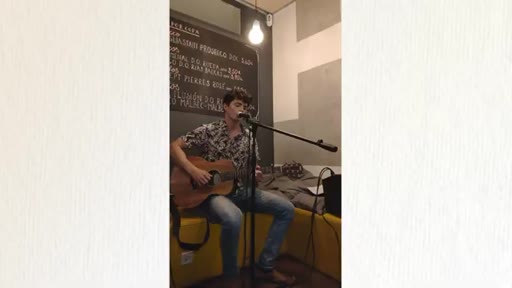
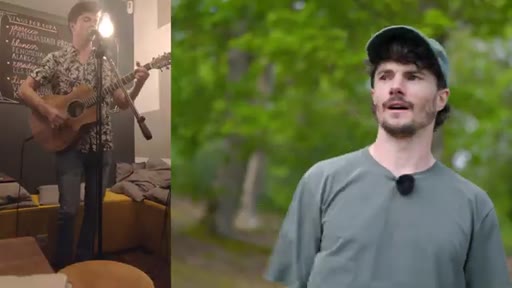
06:59I once had a gig back in the day in Barcelona, Spain where I was living at the time. And I was pretty nervous for this gig. Was in a friend's cafe.
07:05And I knew a bunch of my friends would be there which kinda made it even harder, like more nervous than if it was just strangers for some reason. And I'd be learning this kind of special song. I was into Bossa Nova at the time.
07:14It's just like Brazilian music and it's all in Portuguese. And I learned this song in Portuguese.
07:19I don't speak Portuguese. Speak Spanish, I don't speak Portuguese. And so learning this song was like really hard, but I was just addicted to it.
07:25I I just for some reason, really wanted to learn it. And I just learned this song in Portuguese. I was like, oh my god.
07:30I speak Portuguese now apparently. But I'd never sung before in another language. So it was this real like mind bending thing that I was like, obviously, I'm not actually gonna perform that in front of these people.
07:39But then I thought, what if I perform that song first, got the hardest one out the way, then the rest of the songs that are just in English would feel so much easier. Right? That's exactly what happened.
07:55played that song first, sang it in Portuguese, and thought that was cool. I did that. And then the next few songs, I was like, oh, even though I thought these songs were harder before, they're actually easy now because they're all in English.
08:07This is great. I'm I can now just relax into my regular set. For a lot of people, speaking on camera is this hard thing.
08:13It's like the hardest thing they do in a day. It's like speaking on camera, making content. You have to sort of amp yourself up for it.
08:17Right? What if before you spoke on camera, you specifically did something harder than speaking on camera first so that speaking on camera was relatively easy for you? Meaning, you have that little bit of extra mojo or manner in your videos.
08:32Now, made a video about this recently where I talked about I would film a main video first like this one, and then after this when I go back in my car to go home, I film another video because I'm riding on the high of already having done a harder video before that one. So what do you do before the first video then if there's nothing before that one?
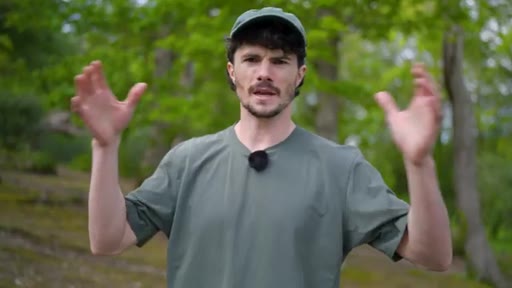
08:48Well, what you can do is if you're outside, if there's people around you which they're often are in my videos, go and talk to the people. I find that like harder than speaking just like saying hi to random people.
08:57But I just be like, hey, how's it going? Like, what are you what are you up to here? Another person, hey, I like your jacket.
09:03Nice dog. Yeah. Cool.
09:06What are what are you talking about, mate? I've talked to talked to a few people. And then because the people around me and I've already talked to them, I've already sort of got a bit of socializing
09:13in my bloodstream. I'm like, oh, speaking to camera is relatively easy. I already did that hard thing.
09:18If you are in your room, we can give you another hack here. Let's say you're in your room, so there's no one to talk to. What could you do that's harder than speaking on camera?
09:26Speaking to camera really obnoxiously loudly whilst you're recording. Like press record and break the ice. They do this in theater and drama groups the whole time on purpose.
09:35They make everyone do these all the weird uncomfortable awkward exercises where you're making weird animal noises and stuff because you've done that for the first ten minutes. The rest of the drama class feels super fun because you're already so loosened up. You've got rid of those social inhibitions.
09:47So you could start recording, say your script obnoxiously, ridiculously loudly for a while and just really talk as loud as you can.
09:55Just make sure that any of your neighbors or family can hear you. Do that for a good couple of minutes. And then after that, you're gonna be like, well, actually speaking just in my regular voice is super comfortable now, and I think I've got a bit of extra pizzazz.
10:09HOOKPoint number five underpins all of the other points. And without this point, not much of it is gonna work. And that is that easy is earned.
10:17HOOKThe laziest, most efficient people often work the hardest
10:23HOOKbecause they know that by working hard, it's gonna give them less work in the future or it's gonna make their life easier eventually. And so if you want to get to the point where you can have fun making YouTube videos, where you can talk off the cuff, where you can engage viewers as soon as they click on your video and keep them watching till the end without having to put in days and days and days of scripting and planning,
10:46HOOKthen you need to earn that. And what that looks like is working specifically on your speaking. And that's what I'm here to help you do is get you a better speaker so YouTube can be on easy mode and it can become effortless.
10:58And this is possible. One of my clients recently told me that he went from taking literally twenty days. This is his own words.
11:04CTATwenty days planning a video to being able to plan and film a video in around twenty to thirty minutes. So if you're grinding on the YouTube treadmill right now, working on your speaking might be your ticket to the good life. Again, that custom GPT is in the description that's gonna help you plan out awesome videos so you can start speaking off the cuff.
11:21CTAAnd if you're a coach watching this right now and you wanna get to 20 k a month in new clients through YouTube, I have the step by step roadmap for you. It's in this video next.
11:33CTAWhy are you still here? Why don't you just go and watch that video?
— full transcript
§ 05 · For Joe

Five performer hacks dressed as YouTube advice.

Creator playbook

Every technique here is borrowed from a stage, a film set, or a Barcelona cafe gig — and every one of them works on camera.

  • The 'claim the frame' pre-roll walk is immediately stealable — do it before any live stream or video recording.
  • The 'hard mode first' warm-up is a video topic on its own: record yourself absurdly loudly for 2 minutes, then film normally.
  • The nervousness-as-excitement reframe is punchy enough for a standalone 45-second reel with zero setup.
  • His CTA structure (free tool mid-video, paid roadmap at end, humorous tag) is clean and non-pushy — worth copying exactly.
  • The title format 'give me X minutes, I'll change Y' sets a ticking clock without overpromising — strong hook architecture.
§ 05 · For You

What to actually try before your next video.

If you feel stiff on camera

You don't need a new camera, a better script, or a course — you need to do something physically harder than filming before you press record.

  • Walk around your recording space for 60 seconds before you start and say out loud: this is my space.
  • If you're nervous, name it as excitement instead — the physical sensation is identical, the meaning is your choice.
  • Record yourself speaking at full volume, obnoxiously loudly, for 2 minutes before your real take — your actual take will feel effortless by comparison.
  • Before filming outside, go talk to one stranger. Just say hi. Then film.
  • The effortless creators you envy earned it by grinding on their speaking — start treating speaking as a skill you practice, not a talent you either have or don't.
§ 06 · Frame Gallery

Visual moments.