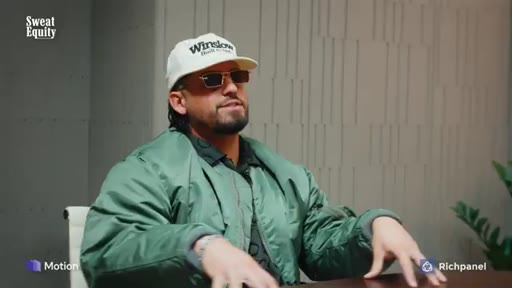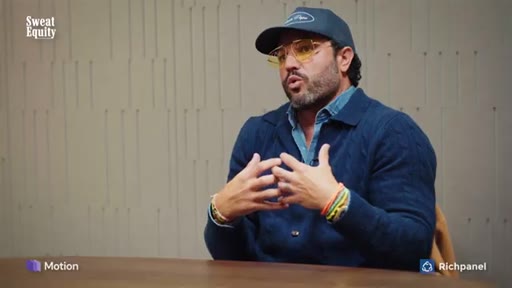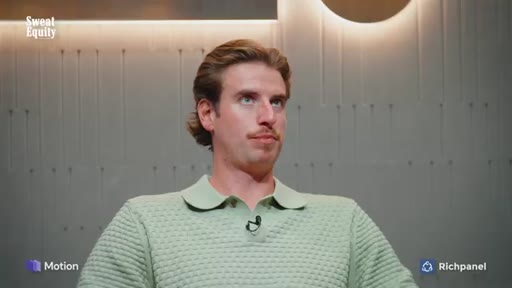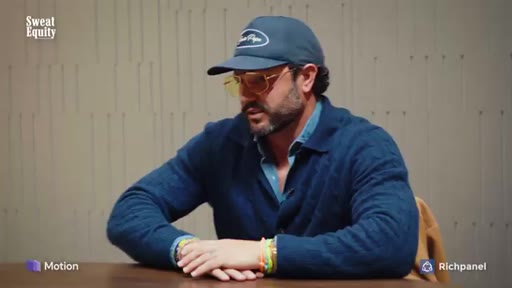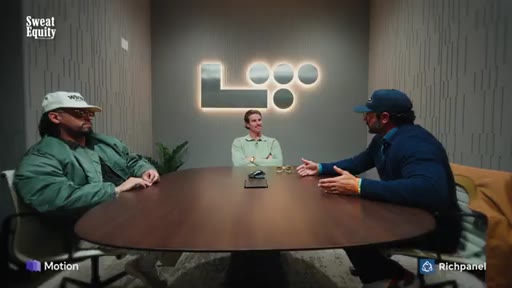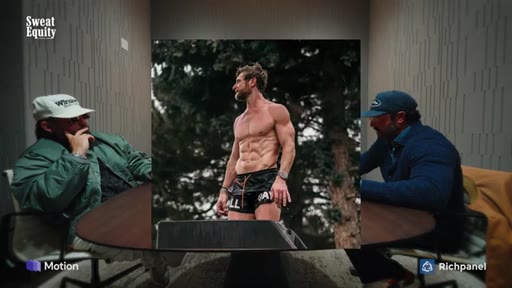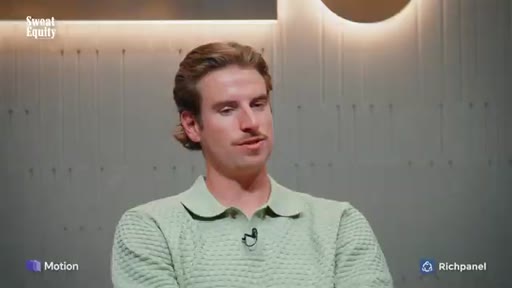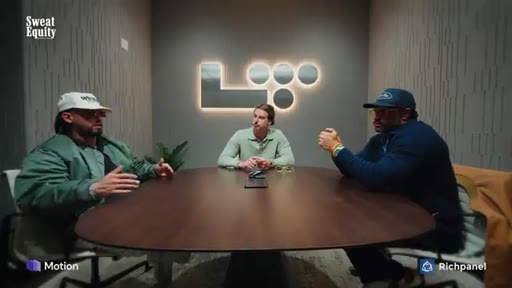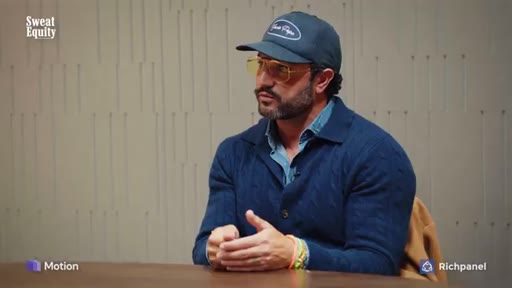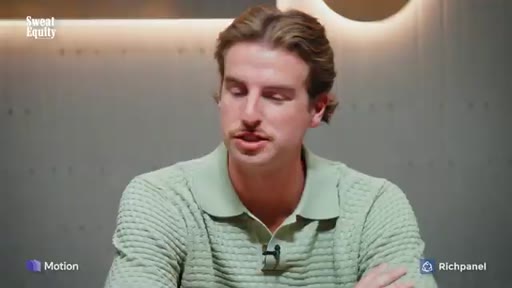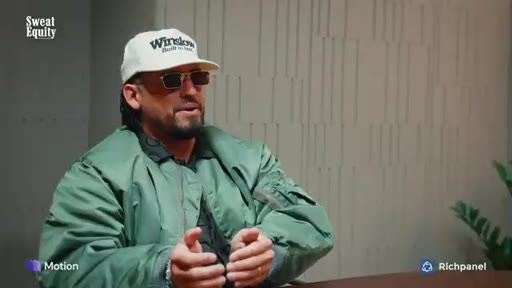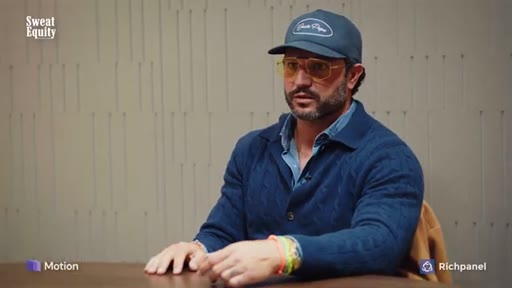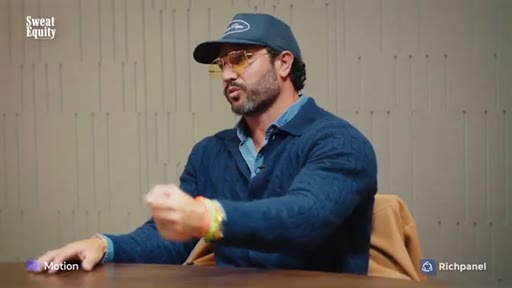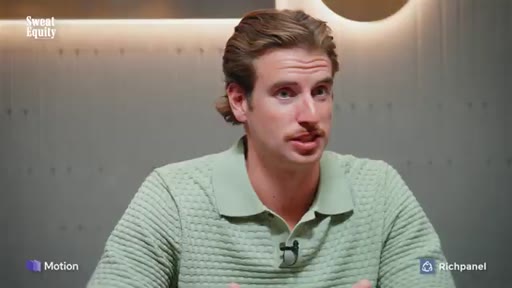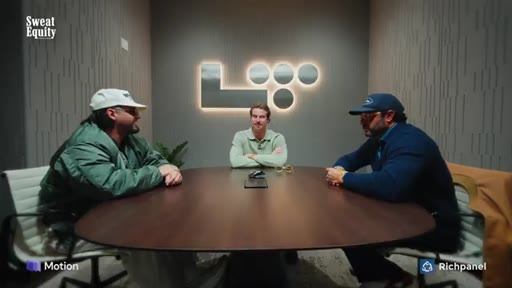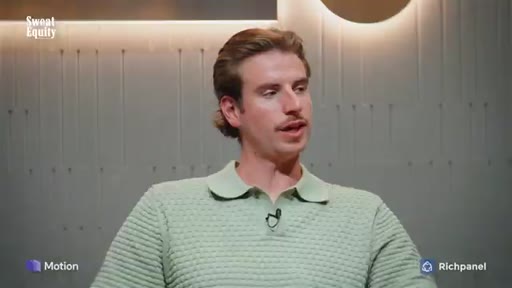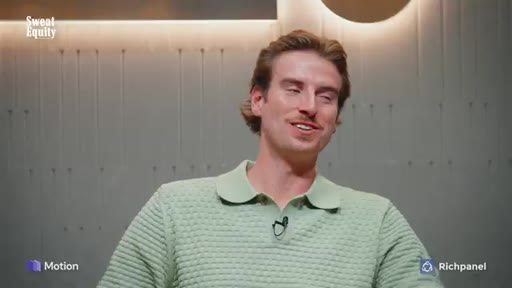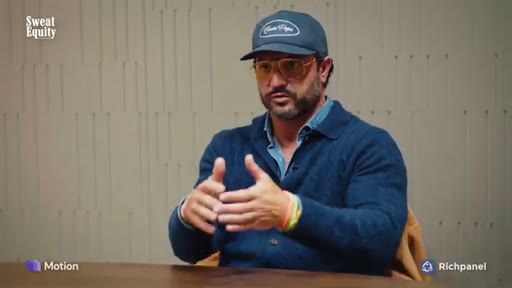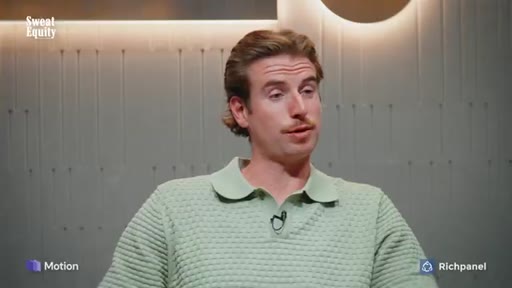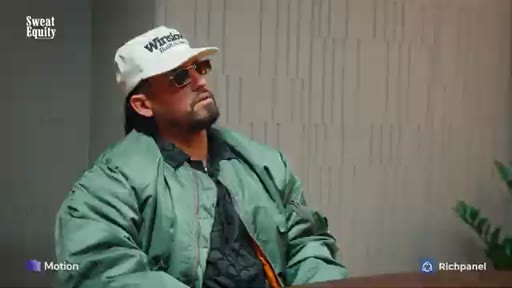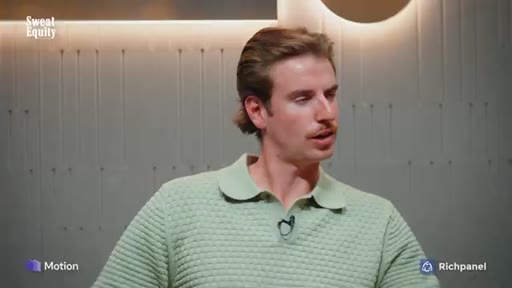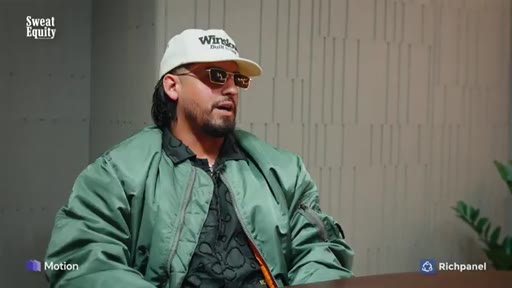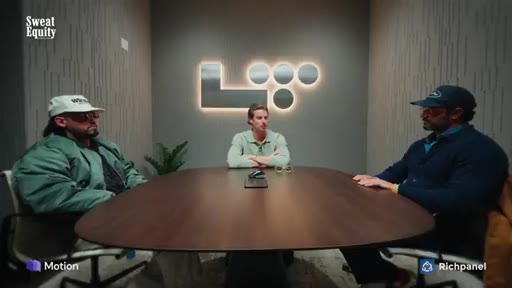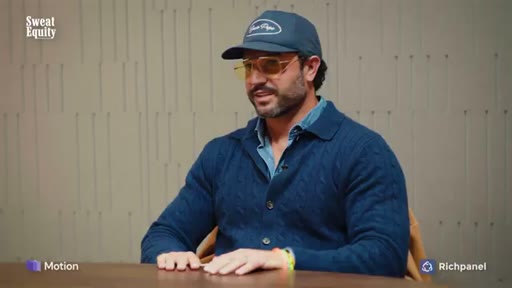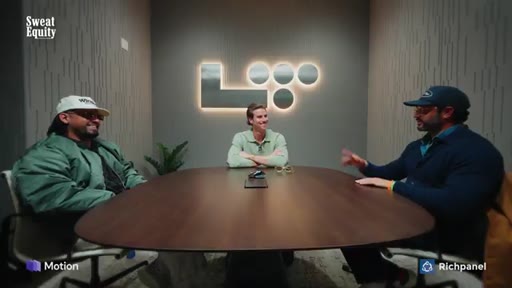
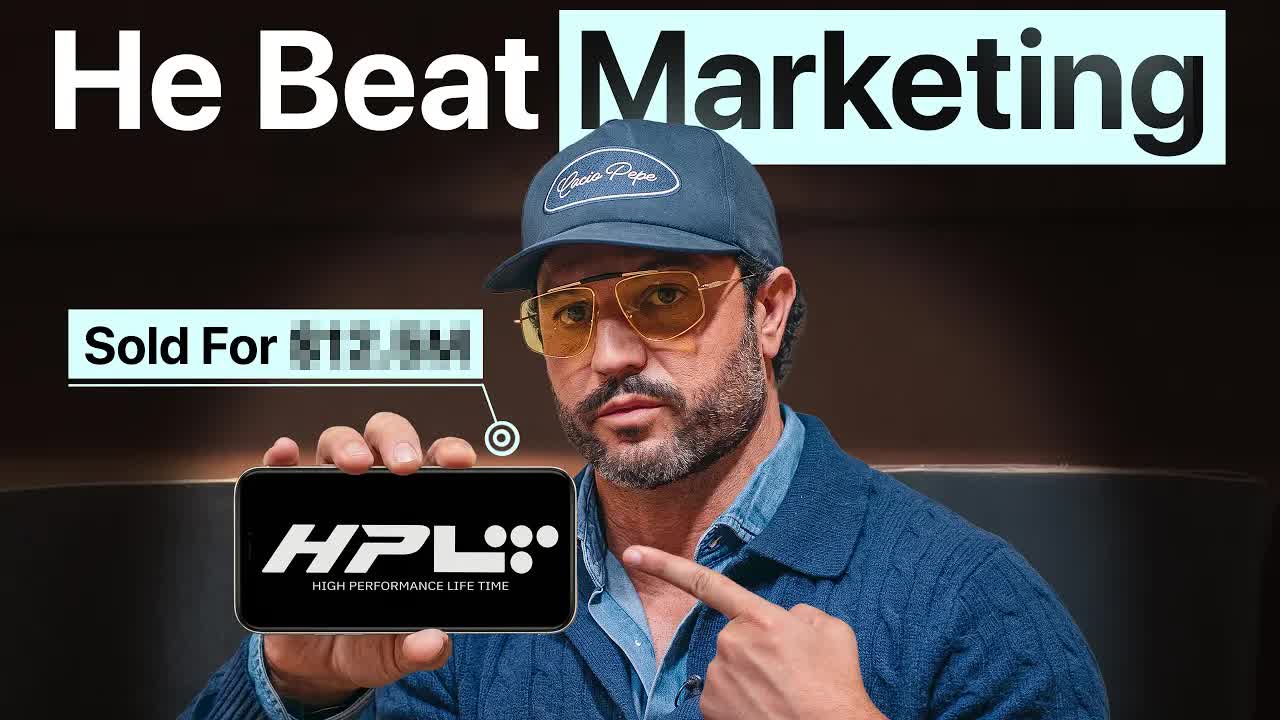
The bait, then the rug-pull.
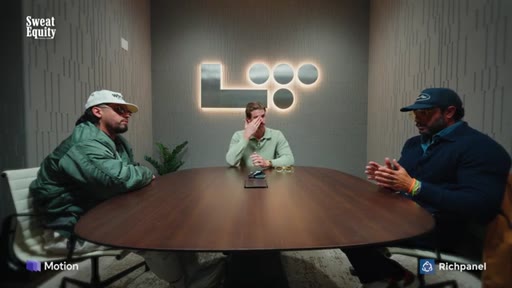
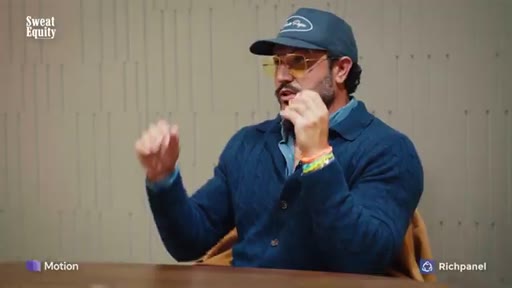
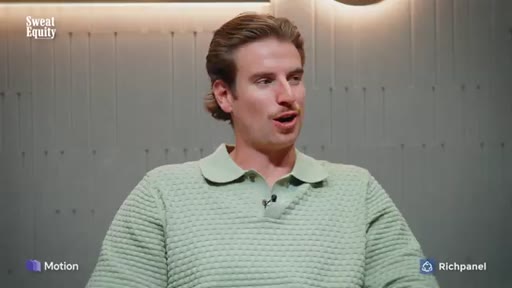
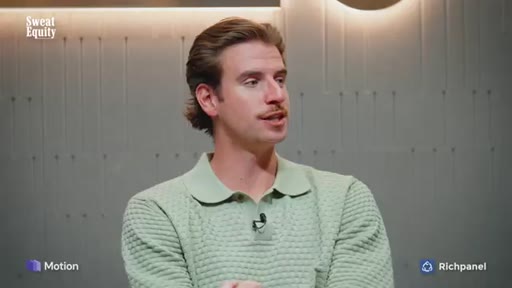
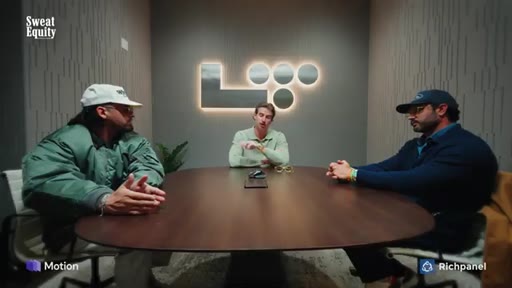
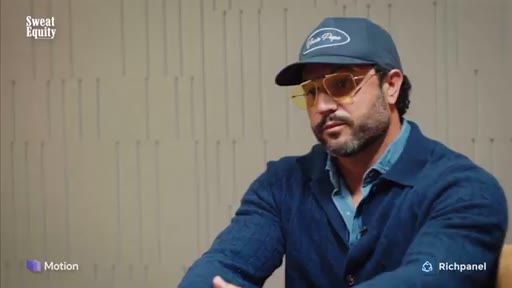
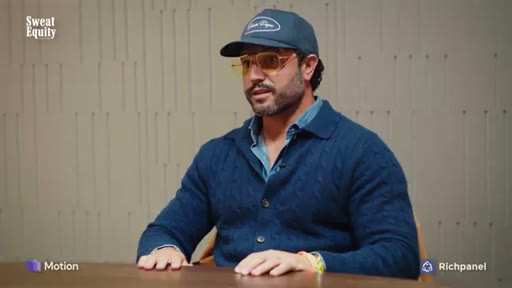
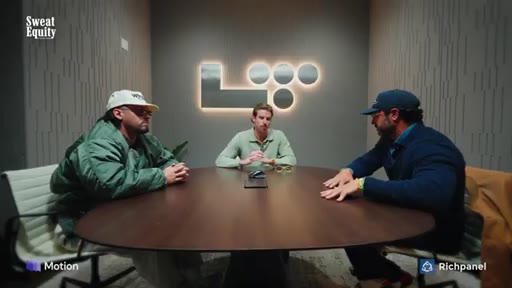
Most brands chase acquirers. Brian Mazza built something a corporate giant could not manufacture — so they had to buy it instead. On the one-year anniversary of selling HPLT to Life Time Fitness, he walks through exactly how that happened, and why the brand was impossible to replicate from the inside.
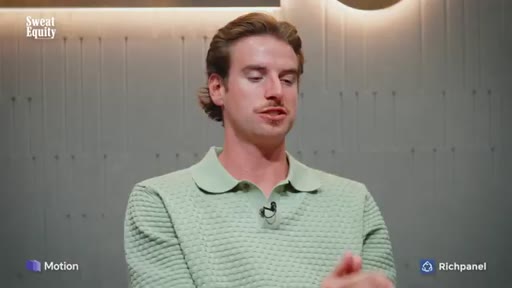
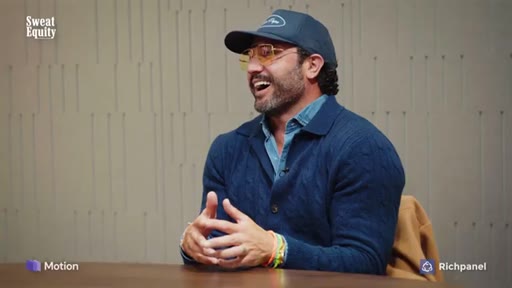
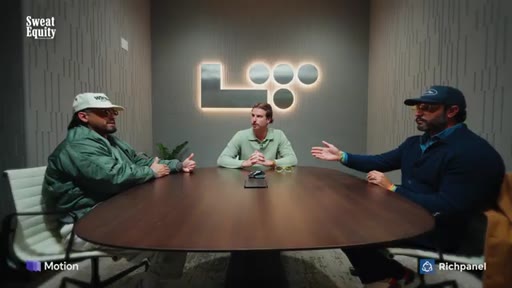
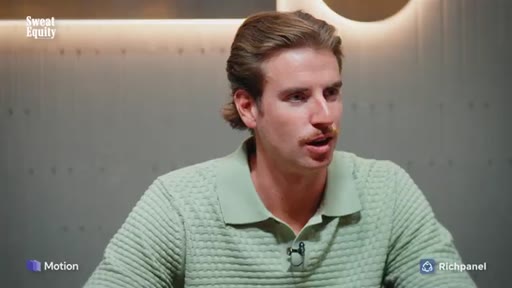
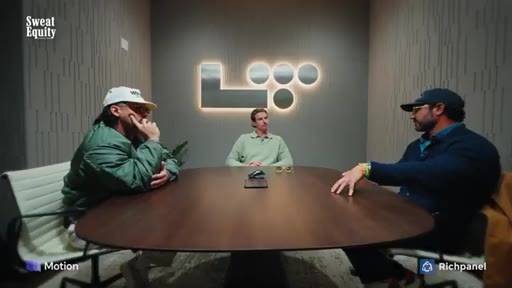
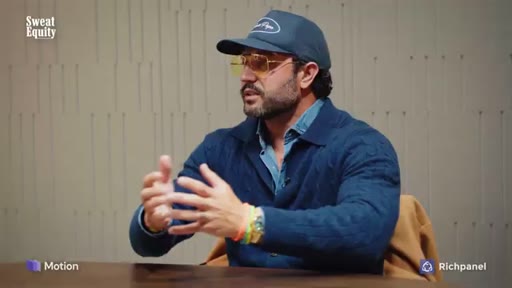
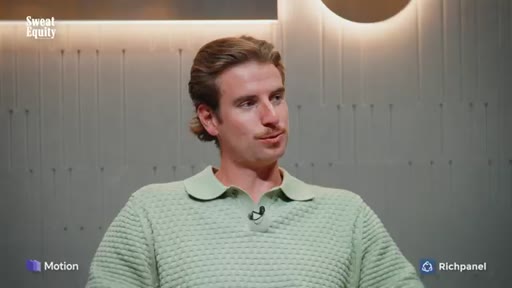
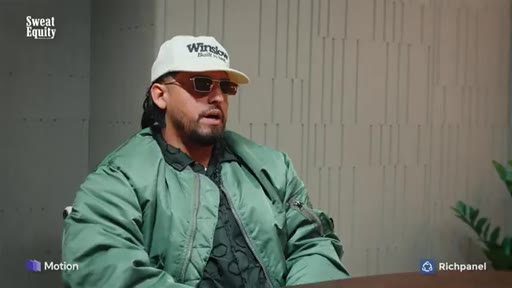
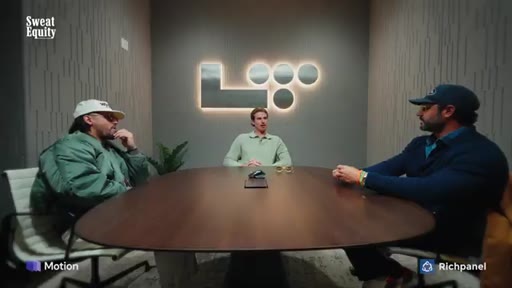
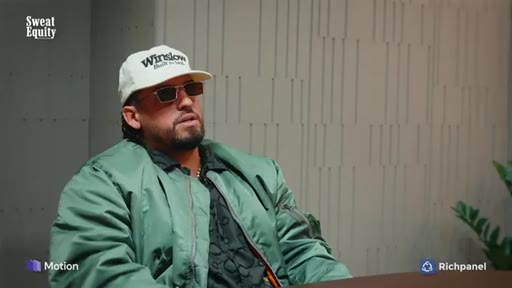
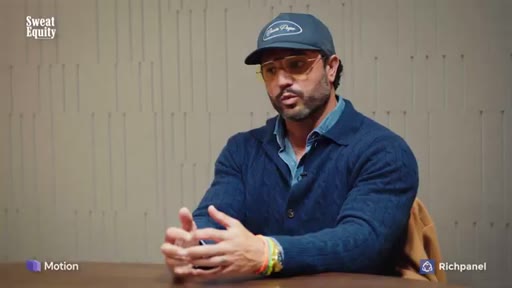
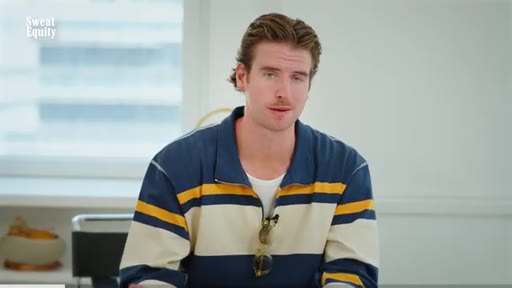
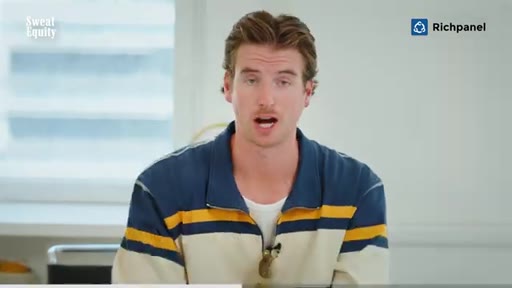
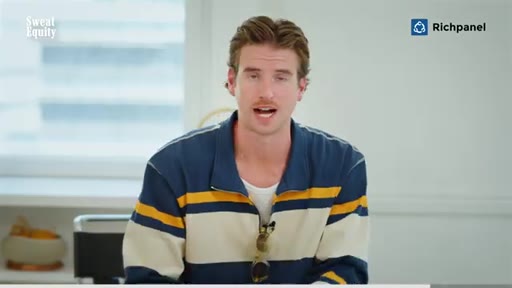
Who's talking.
Where the time goes.
01 · Cold open + intro
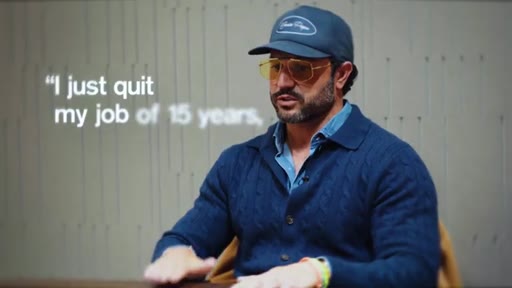
Pull-quote hook before guest intro, promise of what the episode covers.
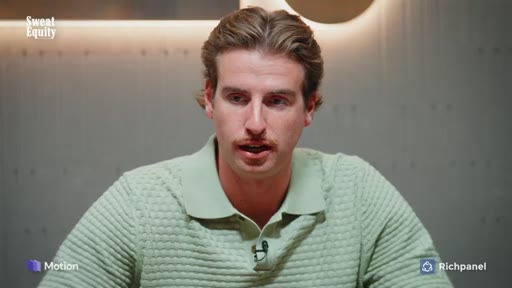
02 · Selling HPLT to Life Time
How a VP attending the 10,000-person summit kicked off a 4-5 month acquisition conversation. The Boca trip that became an interview. The deal close.
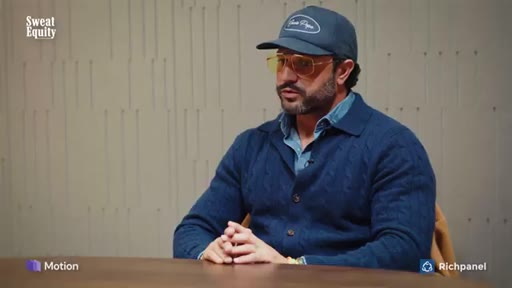
03 · Post-acquisition: scaling with Life Time
What changed (finance, marketing, club access) and what Lifetime is positioned to do in fitness innovation with content and events.
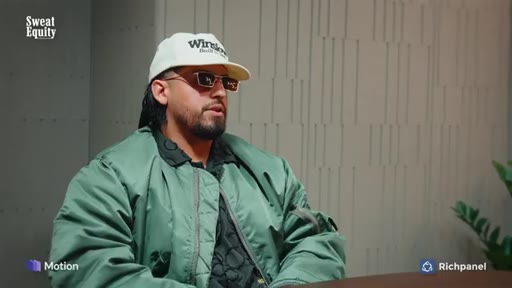
04 · Fitness landscape: CrossFit, Hyrox, the gap
CrossFit declining, Hyrox growing but lacking spectator appeal, the untapped middle ground combining strength-power with endurance.
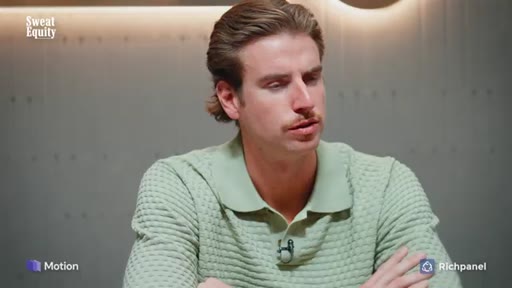
05 · LT Games and making fitness mainstream
What the LT Games do right, the Jordan shoe analogy for how major brands making gear legitimizes a sport, what is needed to get fitness on TV.
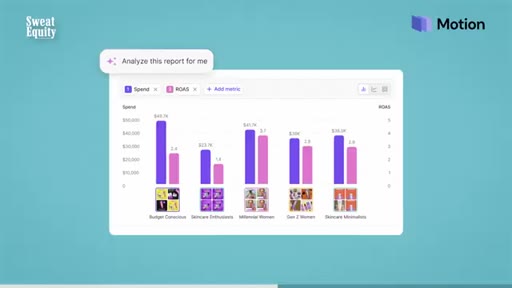
06 · The problem with fitness culture
Extremism as algorithmic demand vs. societal toxicity, performative suffering, sub-3 marathon gate-keeping, being authentic vs. chasing novelty.
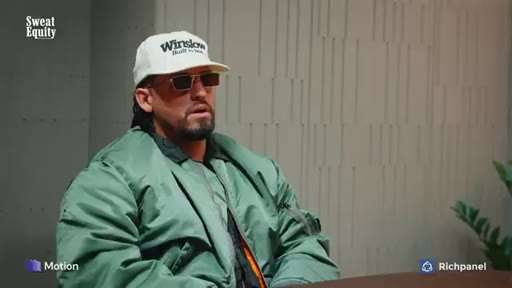
07 · Personal brand origin story
Building from Men's Health covers to Instagram 2012, the Nike Tone House shoot, posting before consensus formed, how brand deals compound.
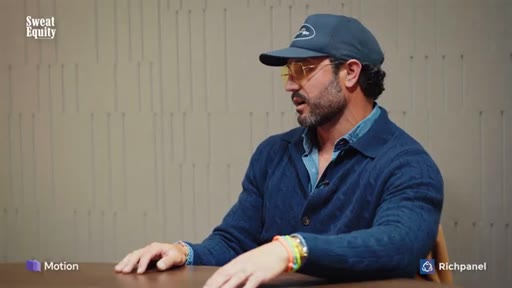
08 · Mazza's advice and the Kane Footwear launch
Confidence despite judgment, faking the deck to get David Goggins, how Kane Footwear launched through HPLT network in 2021.
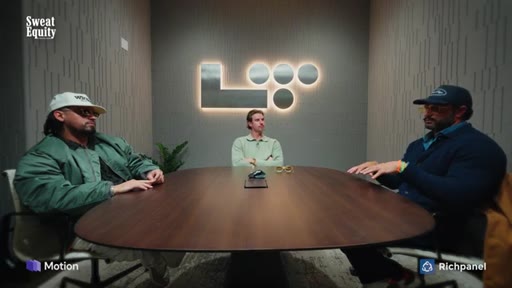
09 · Content effectiveness: 2021 vs. 2026
Whether the brand-seeding playbook still works, why trust in the people behind the brand is the durable variable.
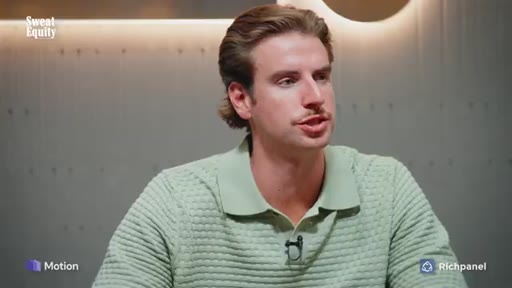
10 · Making experiences memorable
Why the brand cannot be about the founder, how the network becomes the brand, why community loyalty creates a referral engine that barely needs marketing.
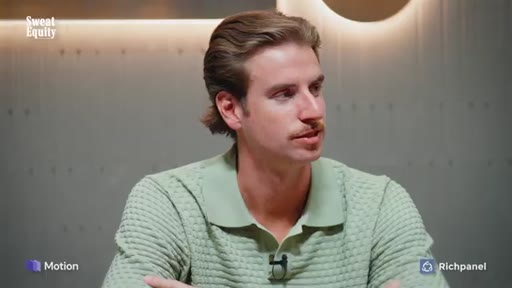
11 · The Navy SEAL activation as opening hook
Why the first experience at a summit is the most important design decision. Cold-water trauma bonding at midnight in Antigua. People leave feeling like superheroes.
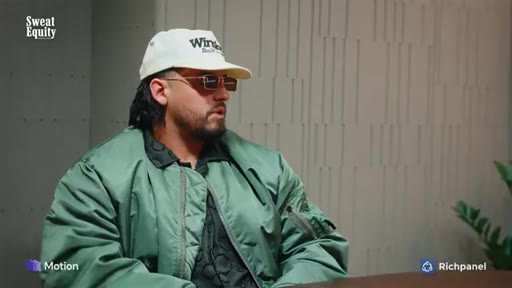
12 · The right environment as leadership
Water bottle analogy — same product, different price, different context. LeBron to Miami, Harry Kane to Bayern Munich. Put people in the right room.
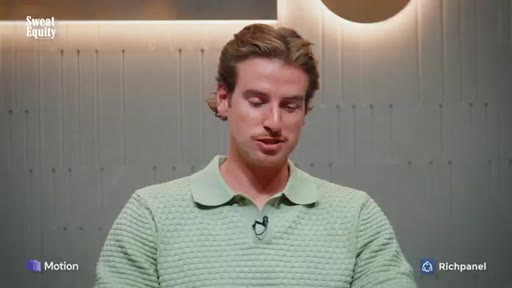
13 · What's next for the hospitality industry
The bar industry crisis: wellness culture, reduced drinking, high rents. Pop-ups, roving experiences, and social-viral food challenges as the prescription.

14 · Members-only clubs and experiential boom
The exclusivity paradox — VIP cards destroy the illusion. High-end members clubs work in wealth-dense cities only.
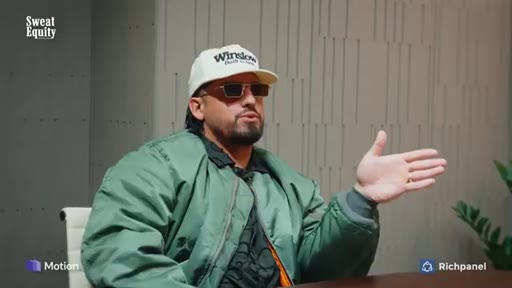
15 · The cheat code: content turnaround
Getting branded content back to attendees within hours of an activation so they post immediately while the emotion is highest.
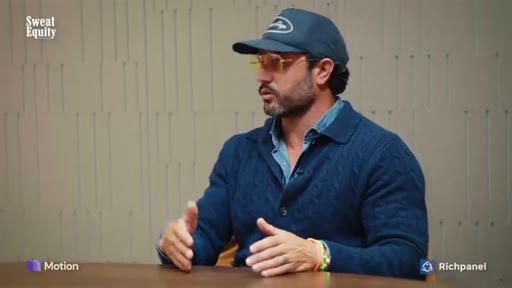
16 · Balancing personal life and business
Starting with the homies, wives joining, women being tougher than men during Navy SEAL activations, growing to co-ed summits.
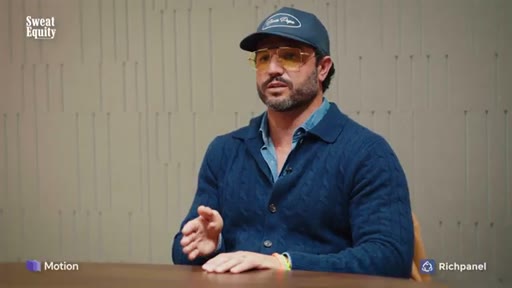
17 · Fatherhood as a performance standard
Sobriety as a parenting decision not a wellness trend, never wanting kids to see him tired, coach hat vs. dad hat, accountability calendars, TST soccer tournament.
Lines you could clip.
"People are going to judge you no matter what, and 99% of the people want you to fail. But I love that shit."
"I never wanted it to be about me when they go to the events. I want the brand and the network to speak for itself."
"A water bottle at CVS is $2. A water bottle at the airport is $7. A water bottle at the Met game is $12. Same water bottle, just different environment."
"I need them to see me intentionally suffering every single day."
"I didn't have a company really. I made it up. I was like, I have a company. I wanna do an event in May."
Things they pointed at.
Word for word.
The room is the product, not the content inside it.
Every lesson in this conversation traces back to one principle: the environment you design determines the person someone becomes inside it — and that applies to events, brands, leadership, and parenting.
- A corporate buyer cannot acquire culture — they can only acquire the person who built it. If your community loyalty is strong enough, acquisition becomes the only option available to them.
- The first experience at any gathering is the most consequential design decision. Shared discomfort between strangers creates trust bonds faster than any icebreaker, speaker, or swag bag.
- Keeping a brand bigger than its founder is not humility — it is survival insurance. Brands whose identity lives in the network rather than one person outlast leadership changes, scandals, and burnout.
- The referral engine fires hardest when someone feels like a superhero. People do not refer friends out of loyalty; they refer because they want credit for the transformation they helped create.
- Turning around polished content within hours of an emotional peak — not days later — is the difference between attendees who post and attendees who mean to post.
- Extreme or novel things generate the foot traffic that sells your core product. The food challenge and the $1,000 gold wings drove traffic to everything else on the menu.
- The same player in the wrong environment stagnates; the same player in the right environment wins championships. This is the water bottle principle applied to talent management.
- Personal brand built before the business brand makes the business brand easier to launch — the compounding only works when neither one consumes the other.
- Demonstrating the standard you expect, not just describing it, is the only leadership philosophy that actually transfers. People copy what they see, not what they are told.
- Sobriety made ten years ago as a quiet personal choice and a wellness-trend identity adopted years later are not the same thing — one comes from conviction, the other from aesthetics.