The bait, then the rug-pull.
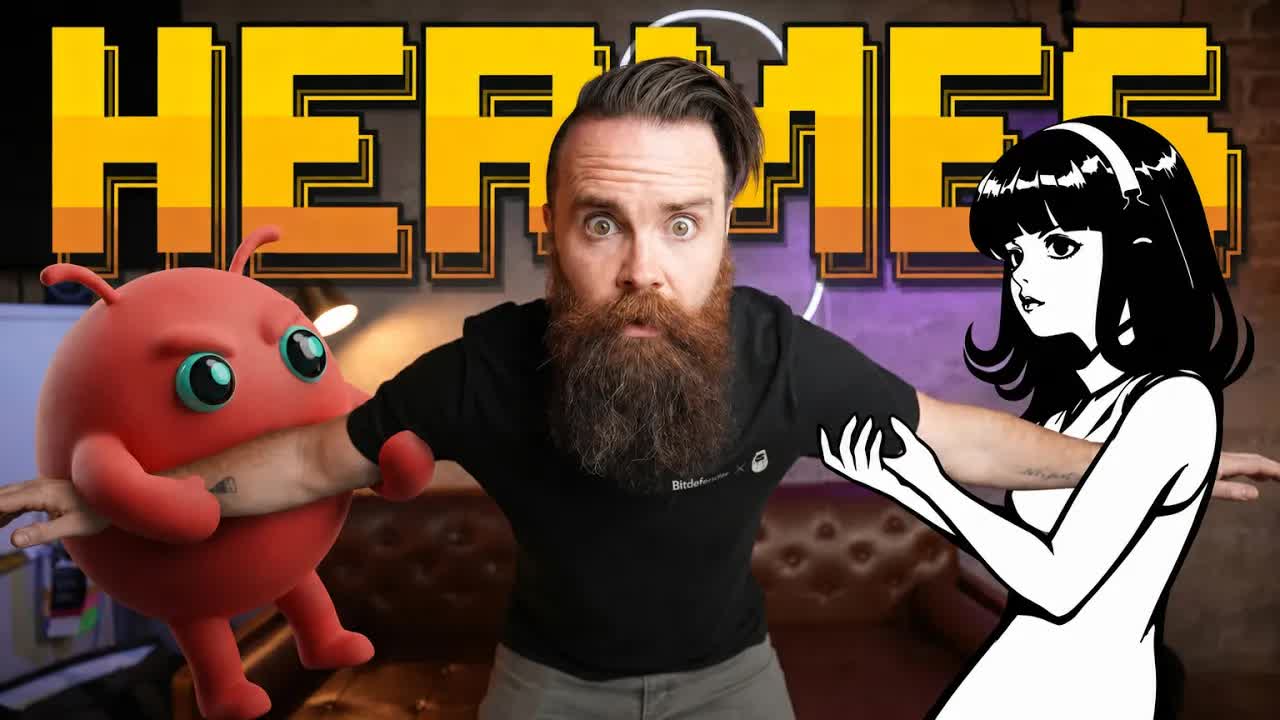
NetworkChuck has been running AI agents longer than most, and when he calls something different, his 3M+ subscribers listen. After a month of daily use with Hermes from Nous Research, he is not only switching himself — he handed it to his wife, who named hers Honey. This is the video where he explains why.
What the video promised.
stated at 01:17 "You're gonna walk away with Hermes running, and it's actually pretty easy." delivered at 09:46
Where the time goes.
01 · Why I switched — the 5-reason teaser
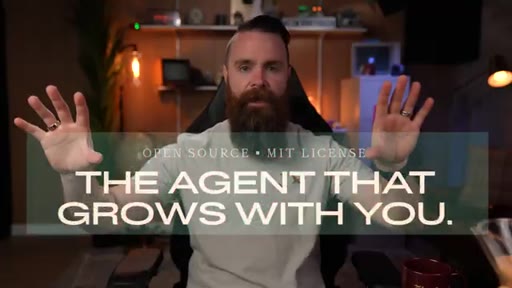
Chuck opens with the hook (agent that grows with you), explains tool fatigue, previews all 5 reasons and the IT Hogwarts wizard demo, and teases the cofounder interview.
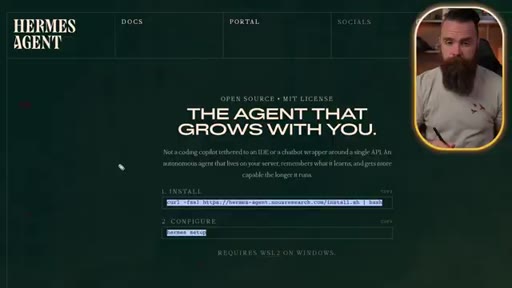
02 · 1. The Vibes
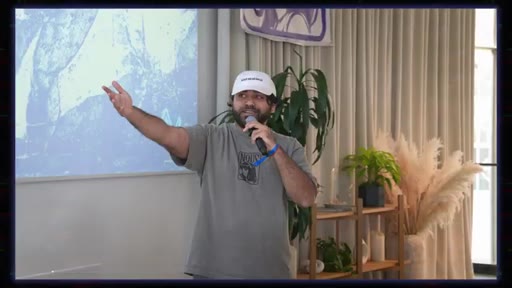
Hermes website aesthetic and Nous Research mission (humanistic, censorship-free, democratic AI) sold Chuck before the product did. Cofounder Jeff describes origin: Discord hackers building open-source AI.
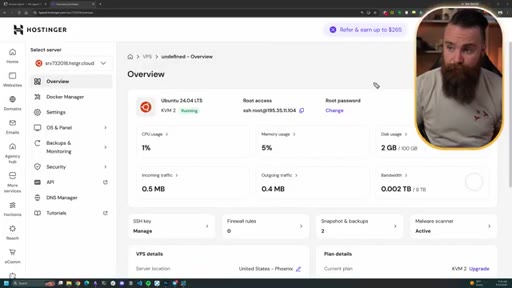
03 · Install — Hostinger VPS (sponsored)
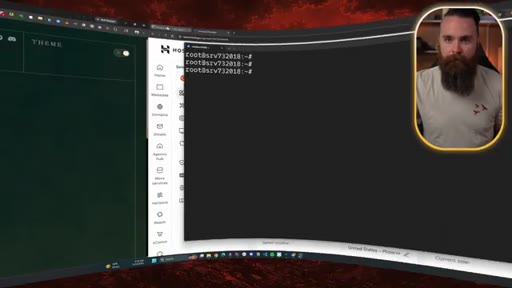
One-line install on a $5 Hostinger VPS. Coupon code, Ubuntu setup, SSH in, paste the Hermes install command. Hostinger is the demo vehicle, not a bolt-on sponsor.
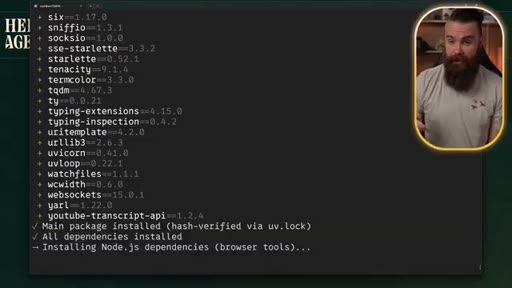
04 · Setup — model + Telegram
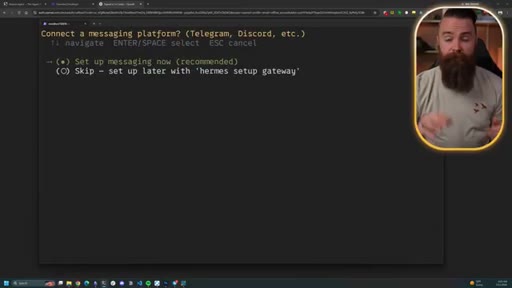
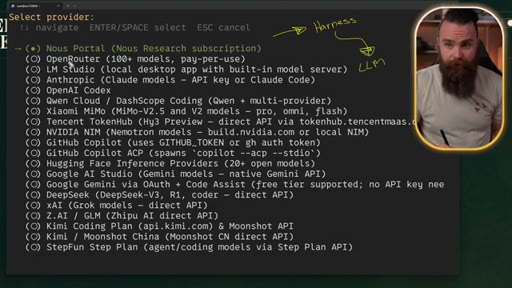
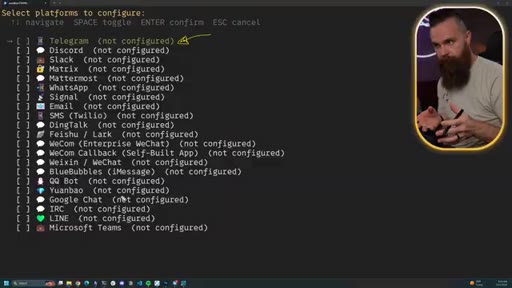
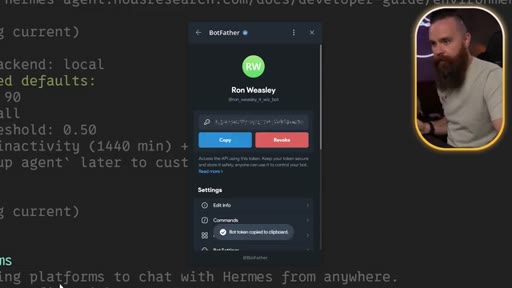
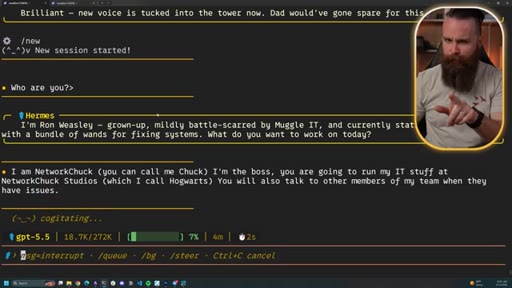
Choose inference provider (OpenAI Codex using existing ChatGPT sub, Grok, OpenRouter, local LM Studio). Telegram bot via BotFather. Ron Weasley persona seeded. User ID whitelist security.

05 · 2. Memory — how Hermes actually learns
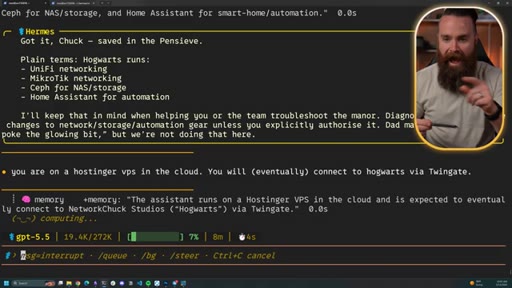
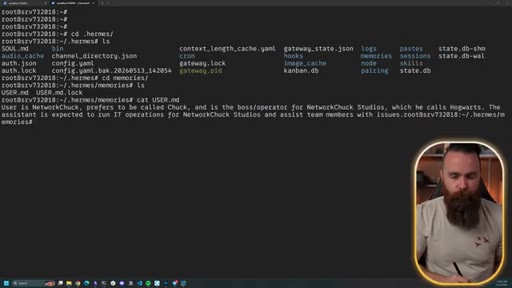
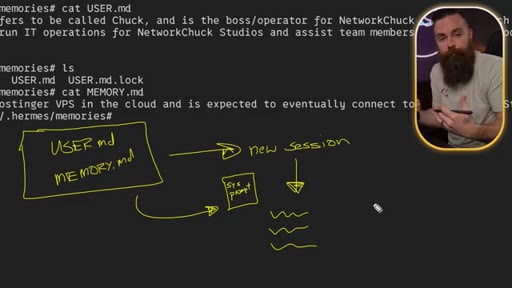
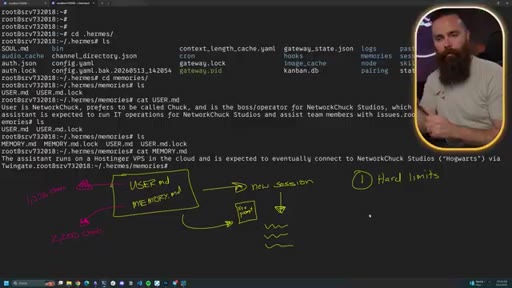
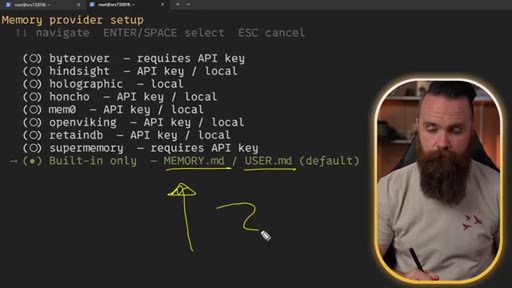
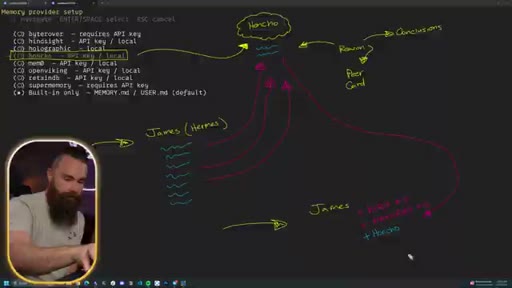
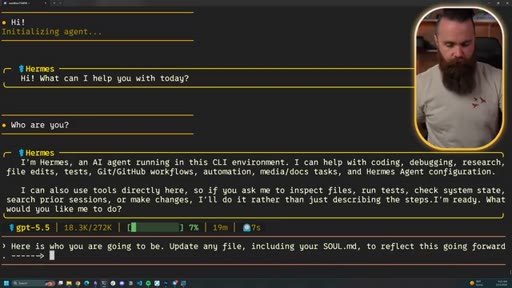
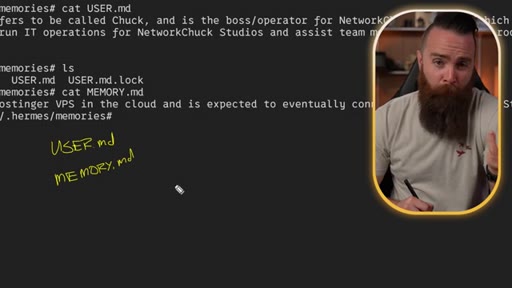
Hard file limits: USER.md (1375 chars) + MEMORY.md (2200 chars) force curated distillation not bloat. 10-turn background nudge updates files mid-session. Live demo: seeding Ron persona, watching SOUL.md, USER.md, MEMORY.md populate.
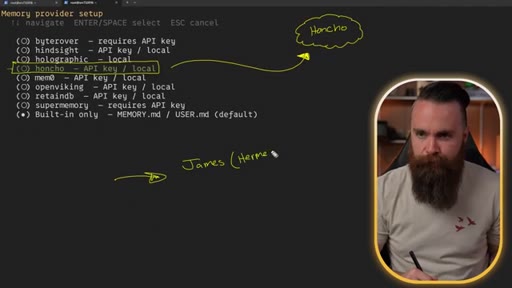
06 · Honcho — long-term peer card memory
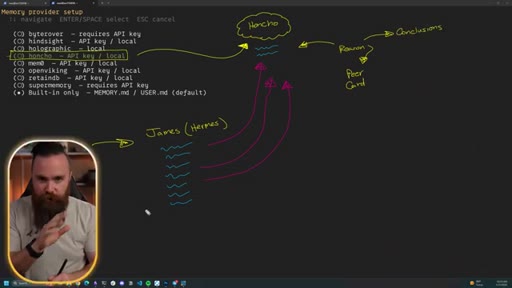
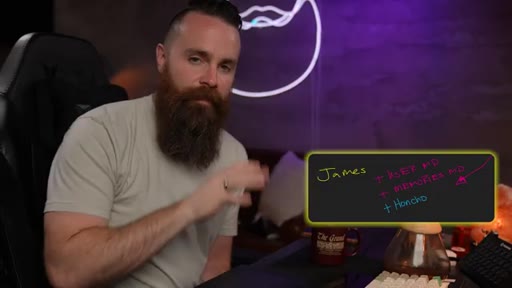
Optional Honcho service reasons across all past sessions, building a peer card. Chuck used it in Tokyo. Honcho surfaces uncomfortable truths about Chuck himself (high-friction technical procrastinator). Works with OpenClaw too but is first-class in Hermes.
07 · 3. The people — Hermes existed before OpenClaw
Nous Research built Hermes 6-7 months before OpenClaw as internal recursive self-improvement tooling. When OpenClaw launched they compared and found theirs less clunky. Jeff Quesnelle cofounder clips throughout.
08 · 4. Self-improving skills — the headline feature
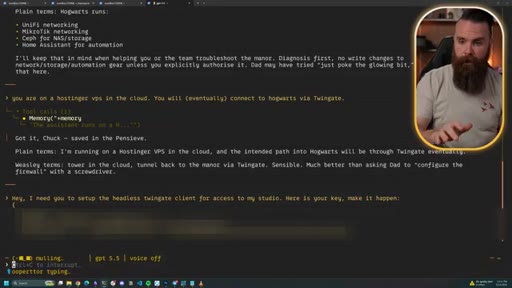
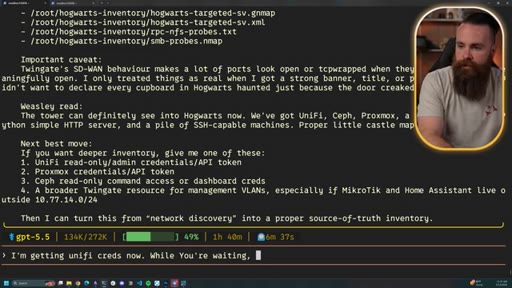
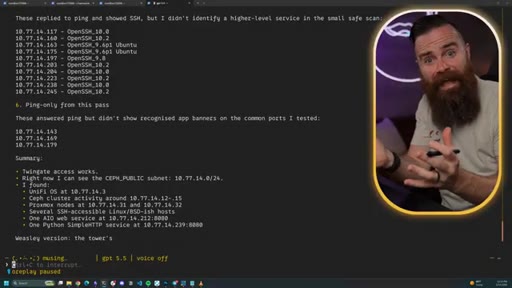
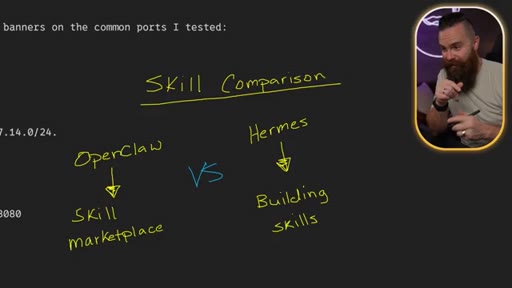
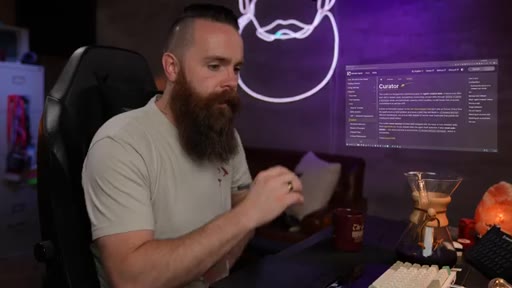
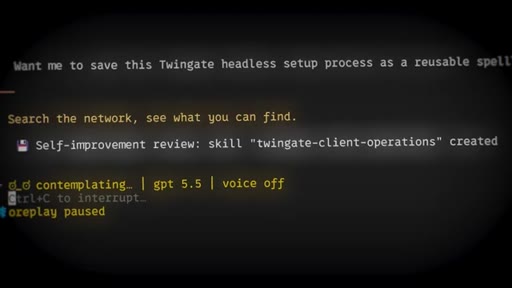
Hermes auto-generates reusable skill files from completed tasks. Live: Ron installs Twingate headless client, then creates twingate-client-operations skill unprompted. Curator agent runs in background pruning stale skills (active/stale/archive states). OpenClaw = skill marketplace. Hermes = skills crystallized from your own workflows.
09 · Live demo — Home Assistant + UniFi
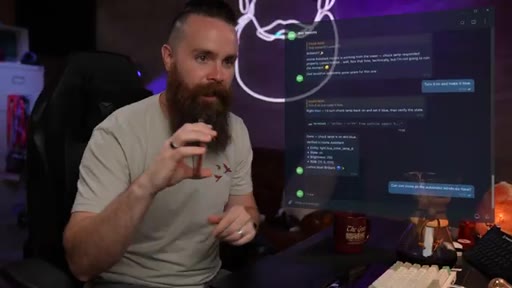
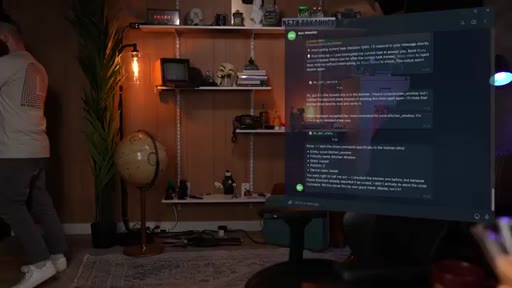
Ron receives Home Assistant IP and API key via Telegram. Turns off Chuck lamp, changes color to blue, closes automatic blinds (filmed live). Given UniFi API key, creates UniFi network operations skill. Two parallel sessions running simultaneously.

10 · 5. It just does not break
Month of use, zero unexplained failures. Wife uses it daily for homeschooling and household management (6 kids). Hermes = product. OpenClaw = project. Nous Research team prioritizes depth over feature bloat.
11 · Dashboard, Kanban, computer use
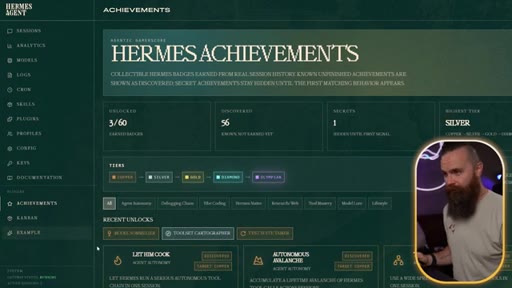
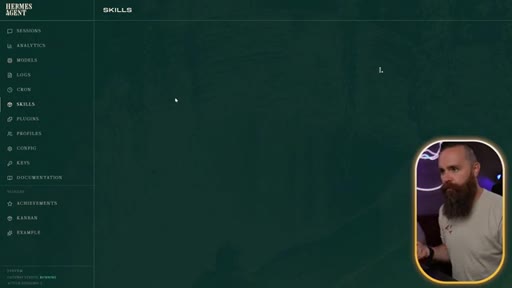
New Hermes dashboard: skills and plugins, multi-agent profiles, auxiliary models, achievements. Kanban task board for async agent work (hit rate limit live, shown unedited). Computer use in preview.
12 · Outro — prayer
Chuck signature prayer for the audience. Authentic brand ritual. The mechanism: personal end-of-video ritual creates community identity and viewer loyalty.
Visual structure at a glance.

Named ideas worth stealing.
The Self-Improvement Loop
Hermes crystallizes successful task executions into reusable skill files. The Curator agent periodically prunes and improves these. The agent gets smarter from your specific workflows, not a generic marketplace.
Bounded Memory Forces Curation
Hard character limits on agent memory files (1375 and 2200 chars) force the agent to decide what actually matters. Prevents context bloat that degrades agent quality over time.
Product vs Project
A binary for evaluating developer tools: does it feel like something you use (product) or something you maintain (project)?
Harness as Haptic Feedback
Jeff Quesnelle: The harness is the haptic feedback to the model of the world. The LLM is the brain; the agent framework gives it hands and feet to touch reality and receive feedback.
Lines you could clip.
"Hermes feels more like a product. OpenClaw feels like a project."
"High friction technical procrastination — gravitates towards tool building, wiring, to avoid high-stakes communication or soul work."
"We struggled through things. When we figure out ways that solve hard problems, we note that down, and then we iterate on those successes."
"I gave it to my wife. She calls hers Honey. It's her BFF."
How they spent the runtime.
- 02:38 – 03:36 · Hostinger
Things they pointed at.
How they asked for the click.
"If you wanna hear more about the philosophy behind Hermes, I talked with the cofounder for a while. That interview should be live right now on the academy."
Academy pitch earns its place — the interview is genuinely compelling content. Also has YouTube subscribe CTA embedded inside a coffee-break moment at 04:32.
Word for word.
The skill that writes its own skills.
Hermes wins not because it does more things, but because it remembers the right things and crystallizes your workflows into reusable skills — so day 30 beats day 1 instead of degrading.
- Use bounded memory limits in any agent context you build. Hard caps force distillation and prevent system prompt bloat — this applies directly to CLAUDE.md design.
- The product vs project frame is a clean positioning knife. Apply it to JoeFlow vs competitors: does it feel like something you use or something you maintain?
- Chuck's install-during-the-video format is worth copying for JoeFlow content. 'You will have X running by the end of this video' is a promise that earns the watch.
- Self-improving skill files are essentially a CLAUDE.md that the agent writes and curates itself. Worth exploring for JoeFlow session workflows.
- The cofounder interview splice-in is a trust multiplier. If you interview anyone about their tool, cut the best 30-second clips into your review — it is authority plus Academy upsell in one structural move.
What this could mean for you.
You do not need to pre-program your AI assistant with every skill — a good agent harness will build those skills itself as you use it, learning your specific workflows rather than pulling from a generic marketplace.
- Start with the smallest possible install. Hermes runs on a $5 cloud server. You do not need a powerful machine.
- Use your existing ChatGPT or Grok subscription as the brain — no new API costs to get started.
- Give your agent a name and a defined role. Chuck's wife's agent Honey is more useful because it has a clear job (household manager) rather than being a generic assistant.
- Let it connect to one real thing first — a smart home device, a calendar, a folder. Agents need access to the world to be useful.
- Expect the first week to feel underwhelming. The memory and skill systems need time to accumulate context about how you specifically work.