The Futur · Youtube · 14:12

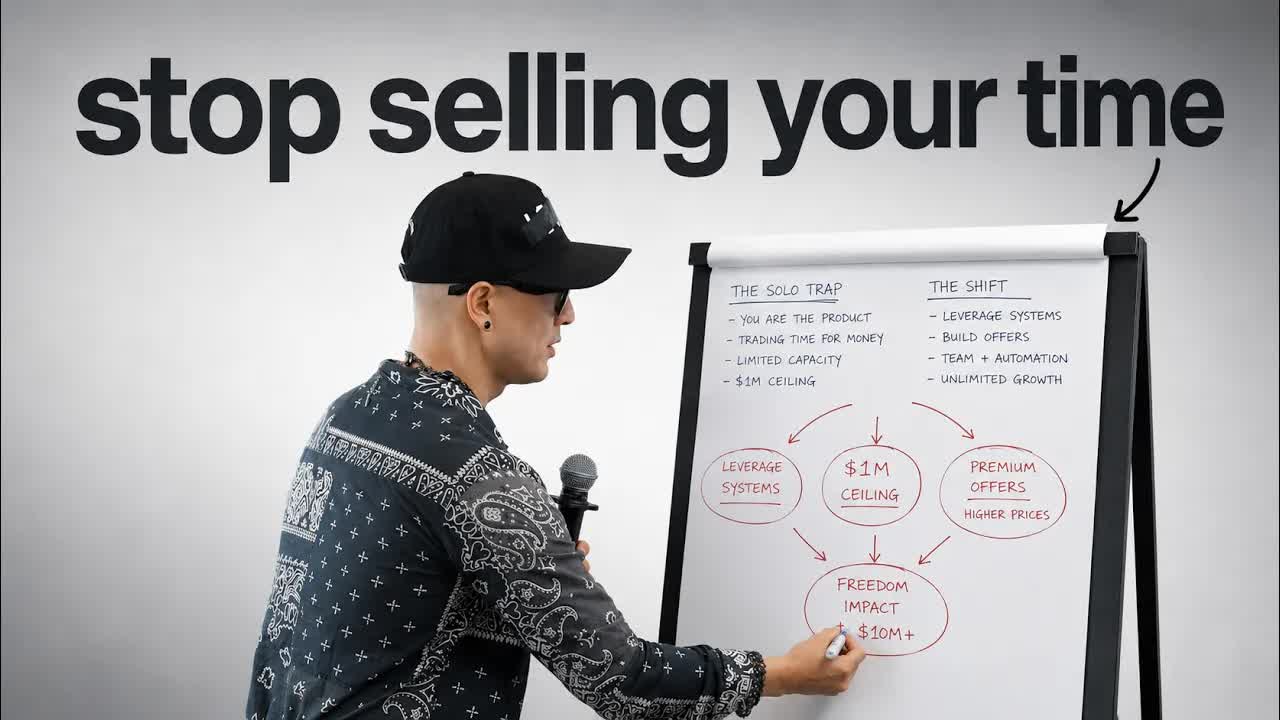
Stop Chasing Small Gigs: Scale to $1M With Only 4 Clients

Chris Do runs live math on a whiteboard and rewrites how solopreneurs think about pricing, referrals, and revenue ceilings.

Posted
May 19th 2026
5 days ago
Duration
14:12
Format
Tutorial
educational
Channel
TF
The Futur
§ 01 · The Hook

The bait, then the rug-pull.

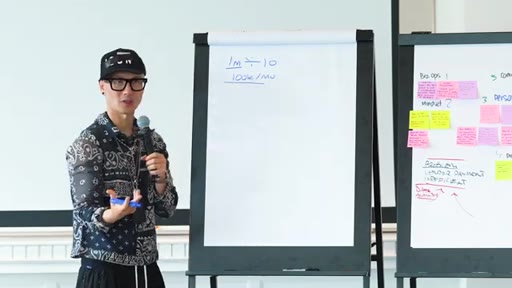
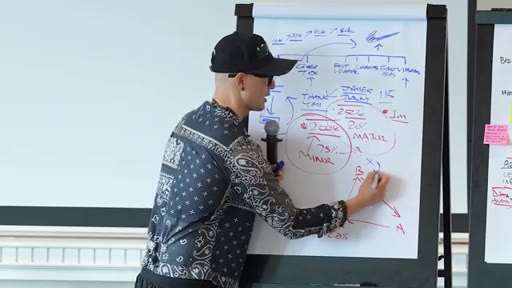
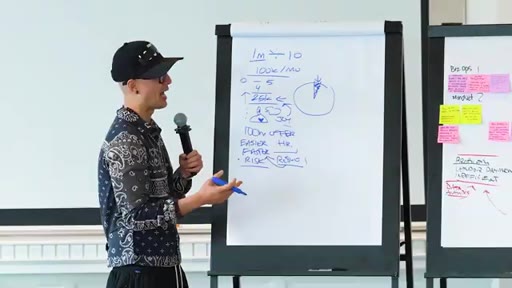
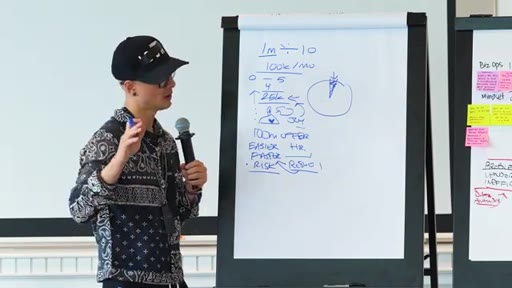
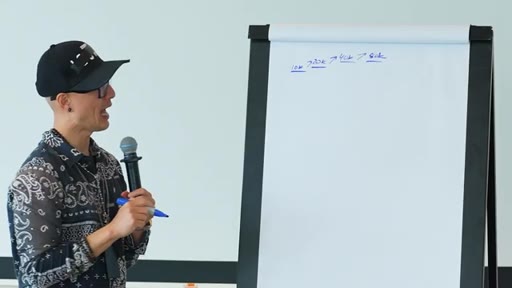
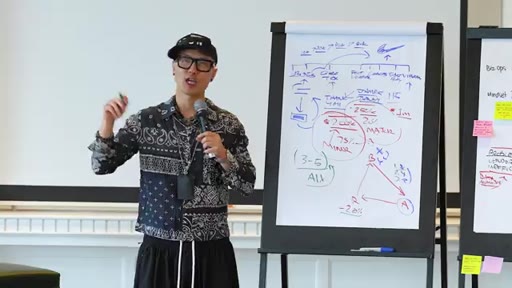
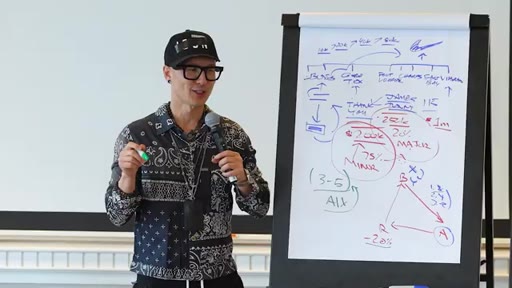
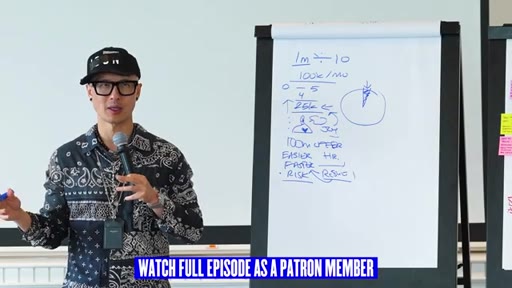
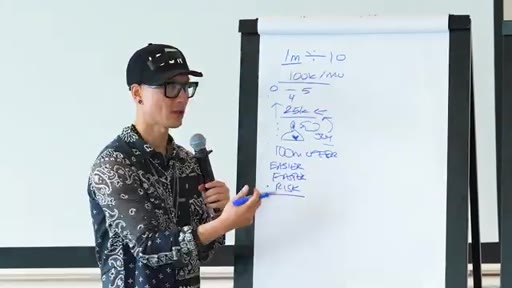
Chris Do walks to a whiteboard and starts with arithmetic. Divide your million-dollar goal by ten, then divide that by the number of clients you can realistically serve in a month. If that number is greater than five, the math is telling you something: your offer price is too low. Everything else in this fourteen minutes follows from that one division problem.

§ · Chapters

Where the time goes.

00:00 – 02:41

01 · The $1M Math

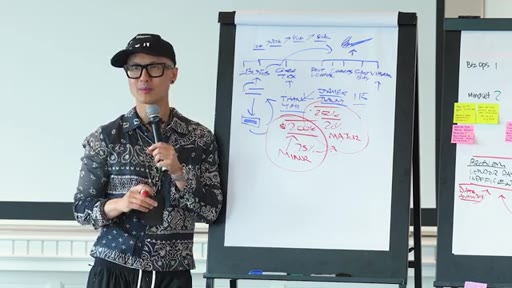
Divide annual goal by 10, then by clients. Four clients equals $25k per engagement. Design offer so perceived value exceeds price. Rules of One: one offer, one profile, one promotion, one channel.
02:41 – 07:13

02 · Trading Up and Referrals

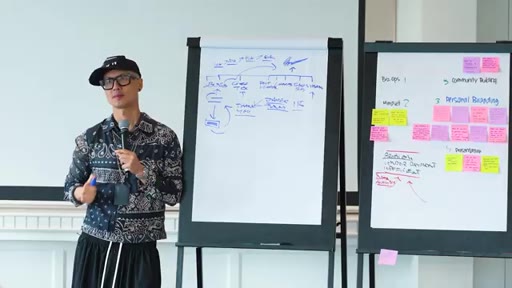
Trade up from $10k to $20k to $40k. Supply-chain hack: cannot reach Nike, work with Vibram. Word-for-word referral script from Phil M Jones: ask at the moment of thank you.
07:13 – 09:47

03 · Breaking the Pricing Ceiling

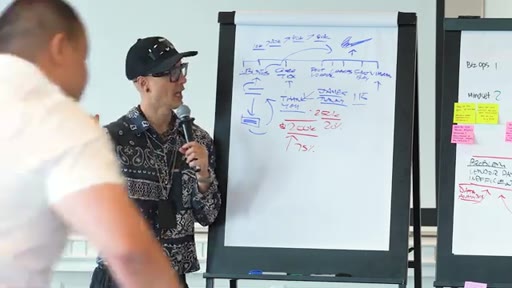
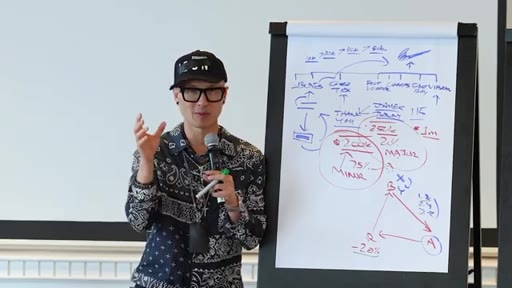
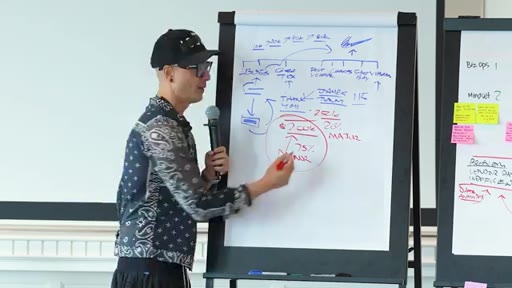
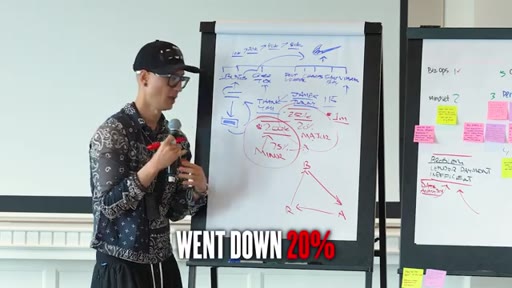
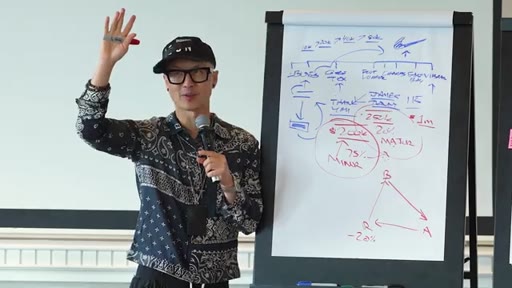
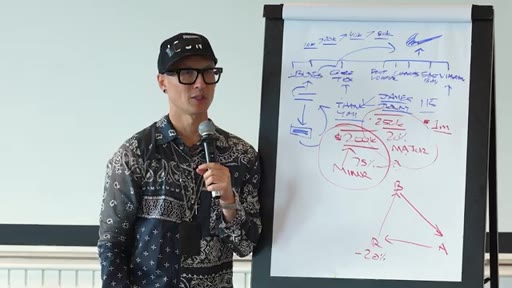
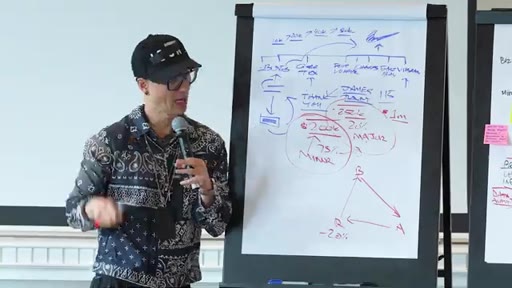
Chris personal story: 75% close at $200k/engagement, dropped to 20% at $250k. Business coach diagnosed minor-league play in a major-league arena. Breakthrough: learning to ask the sales question he was already thinking.

09:47 – 13:49

04 · Self-Doubt and AI Disruption

BAR framework: Belief to Action to Result. Cannot change belief with belief. AI accelerates the 3-5 year disruption cycle. Use AI to pre-disrupt yourself before it disrupts you.

§ · Storyboard

Visual structure at a glance.

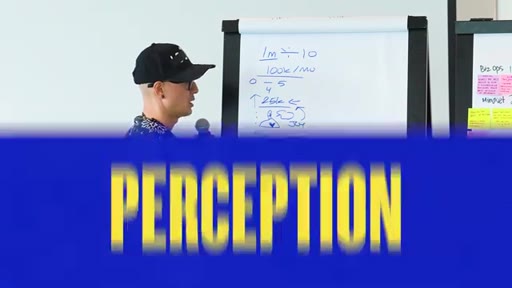
title card hook
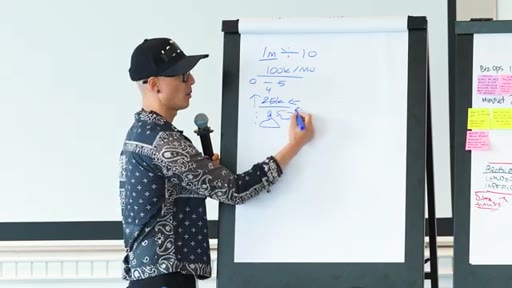
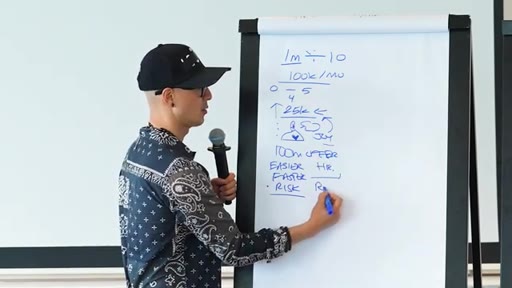
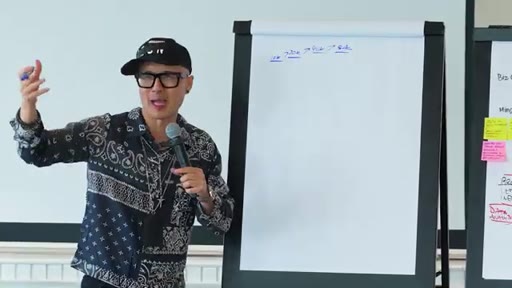
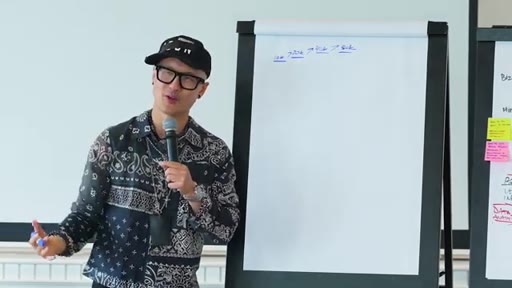
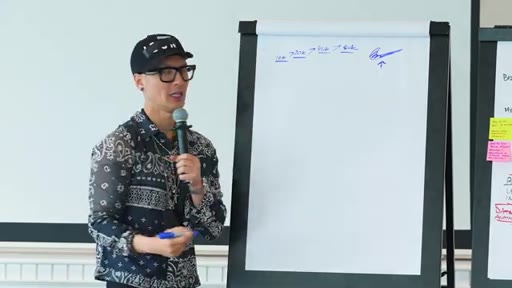
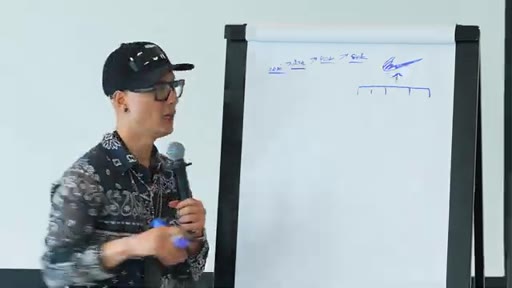
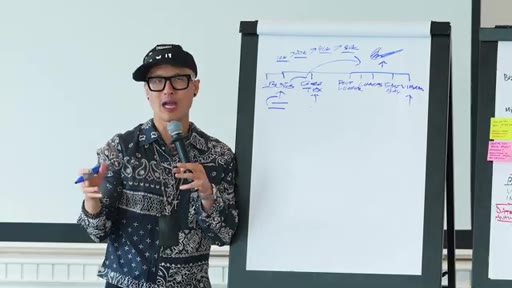
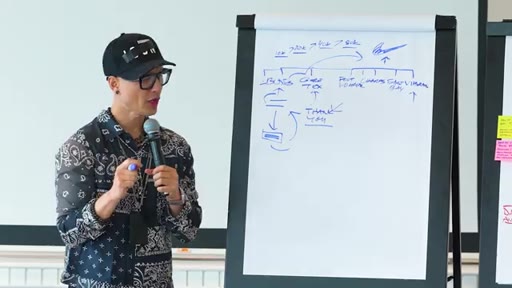
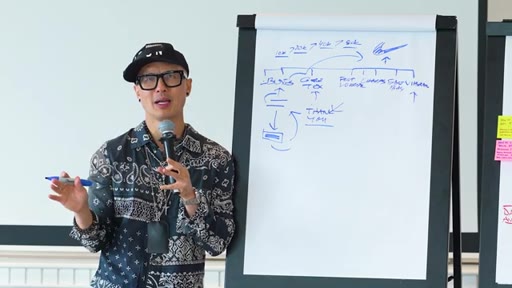
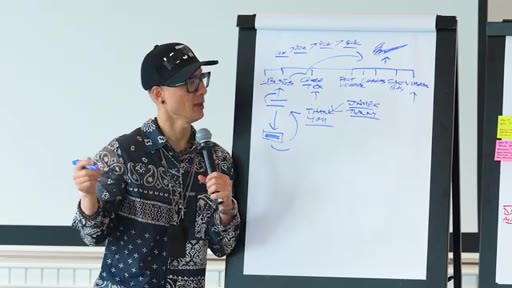
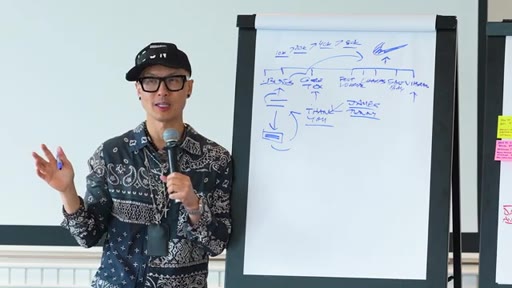
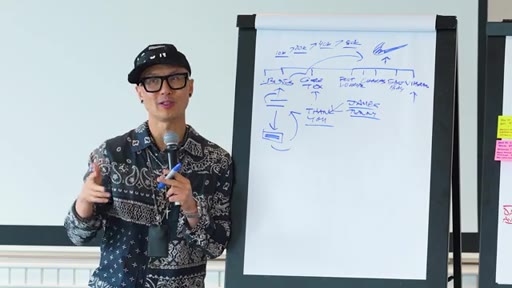
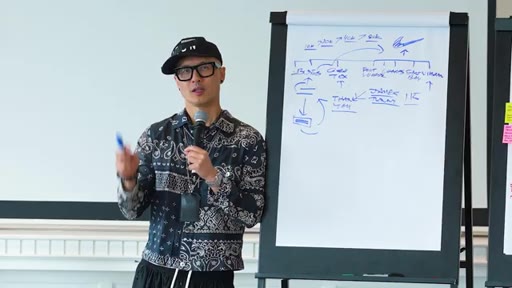
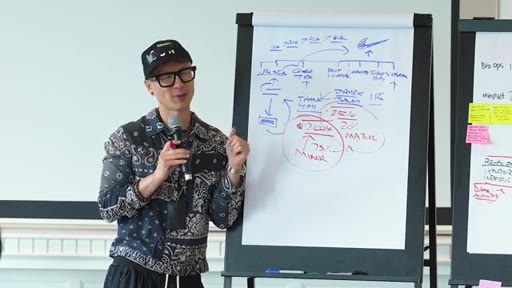
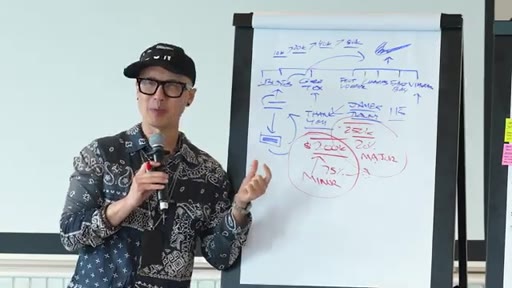
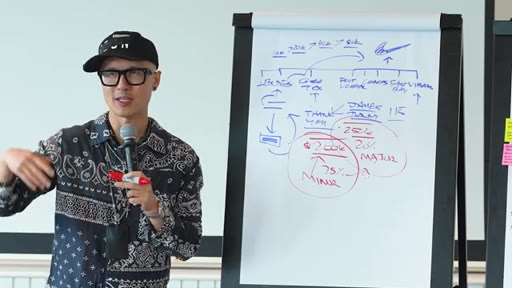
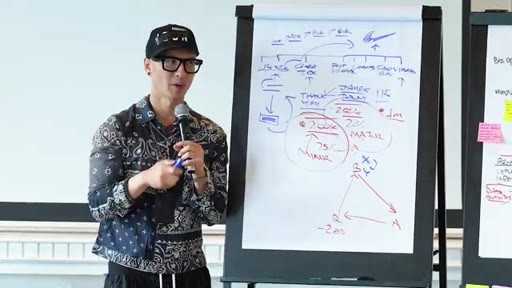
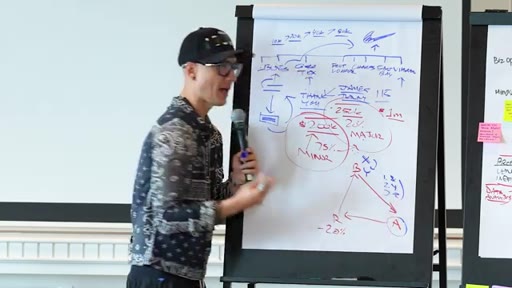
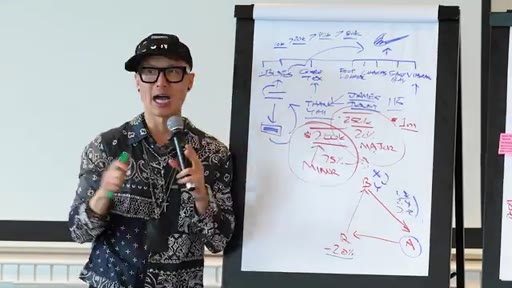
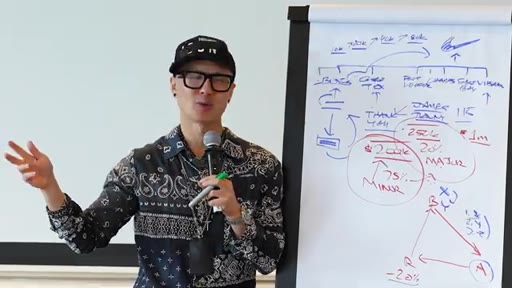
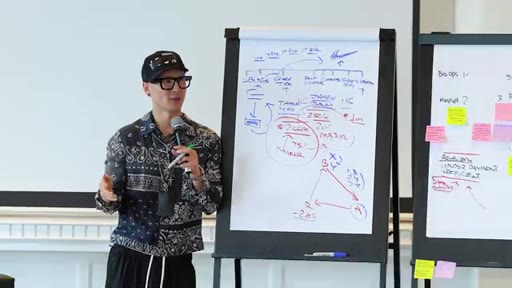
whiteboard math
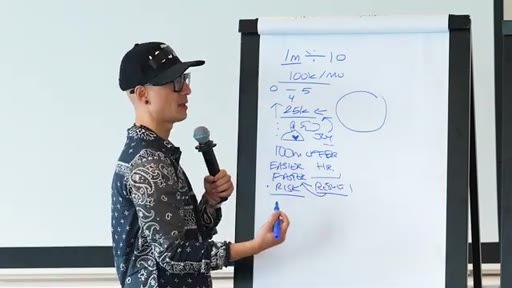
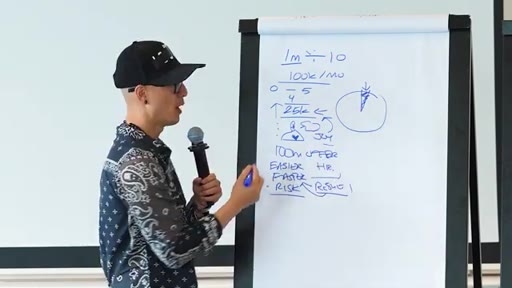
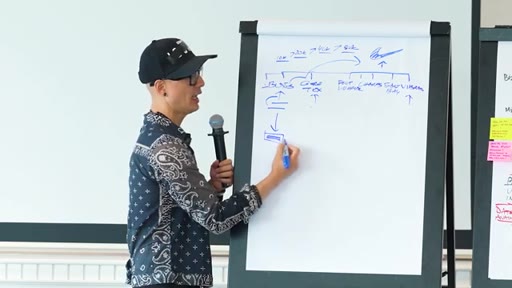
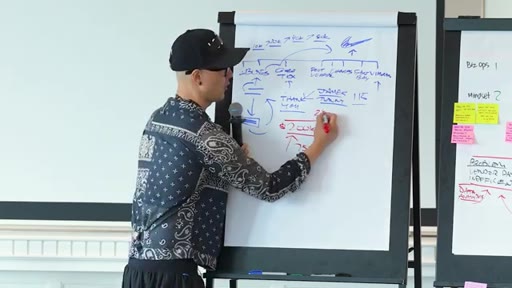
$25k offer diagram
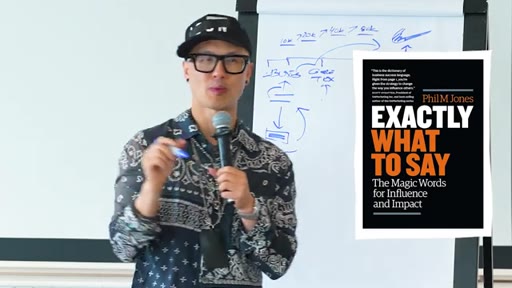
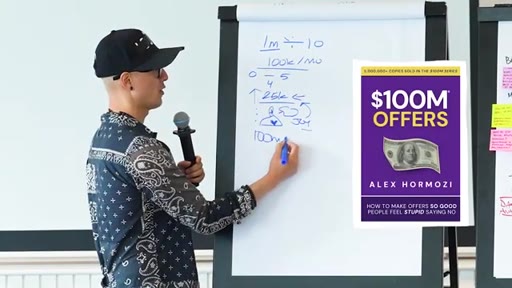
book overlay
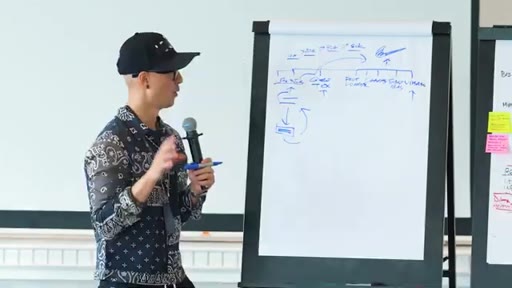
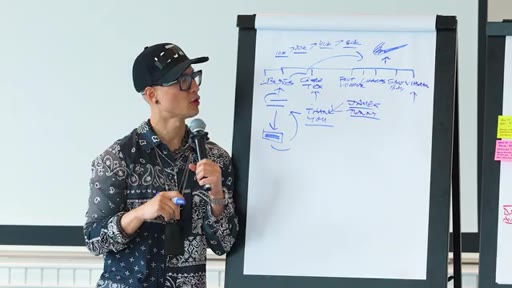
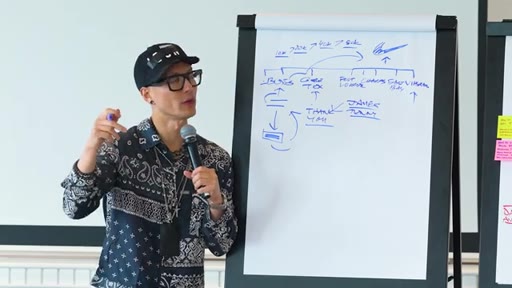
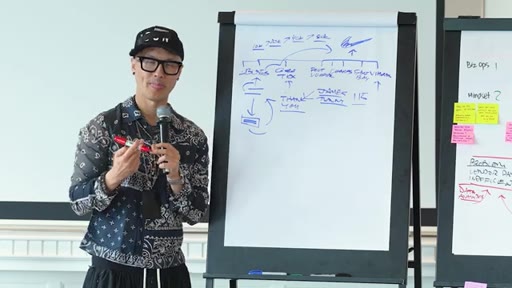
referral flow drawn
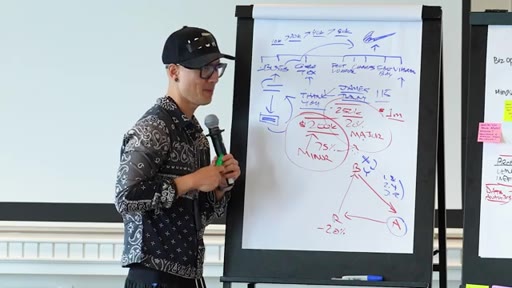
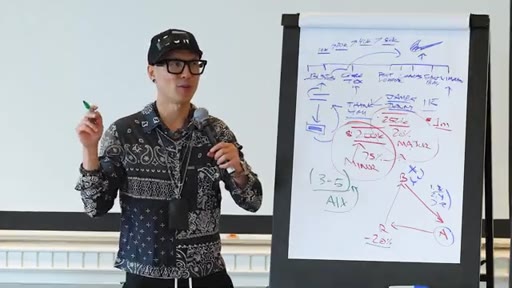
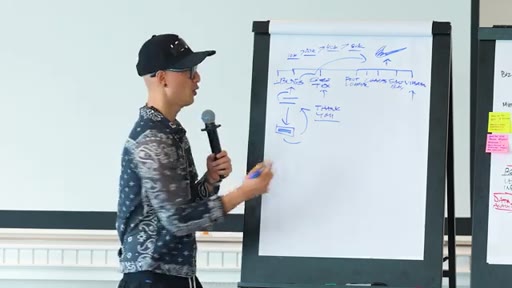
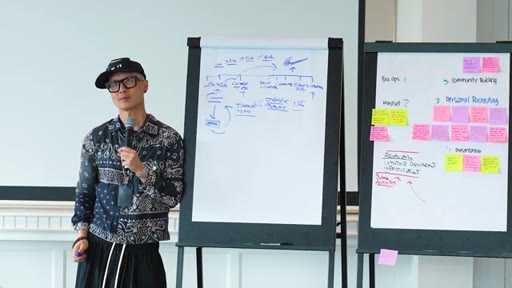
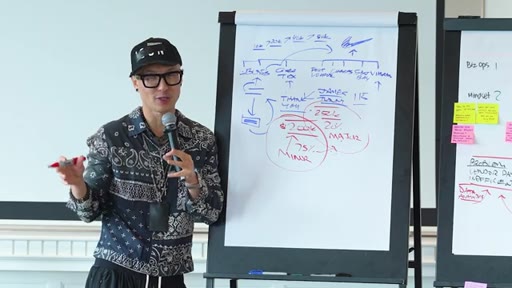
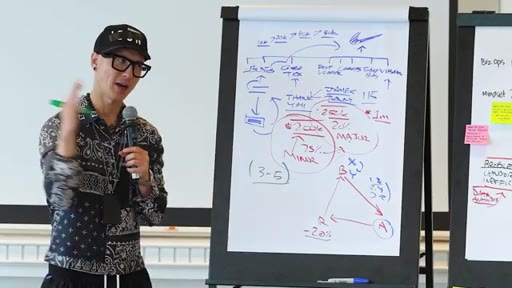
majors/minors diagram
self-doubt question
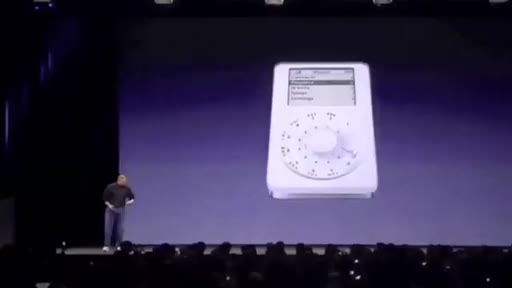
Steve Jobs iPod
subscribe CTA
§ · Frameworks

Named ideas worth stealing.

00:05 model

Divide by 10 / Divide by Clients

  1. Take annual goal
  2. Divide by 10 for monthly target
  3. Divide by number of clients you can serve
  4. If clients over 5, raise your prices

Reverse-engineers ideal deal size from revenue goal. Forces a pricing conversation instead of a volume conversation.

Steal for Any creator or freelancer setting their first high-ticket offer
02:01 list

Rules of One

  1. One offer
  2. One profile
  3. One promotion
  4. One channel

Hyper-focus formula for hitting $1M solo. Eliminate the urge to diversify before mastering one thing.

Steal for Course launch, offer positioning, solo business sprint
03:20 model

Supply Chain Trade-Up

Cannot land the top dog directly? Work with their suppliers and distributors. One step removed from Nike is still the Nike supply chain, and dramatically more accessible.

Steal for Cold outreach strategy for landing dream clients
05:19 model

Phil M Jones Referral Script

  1. Wait for the client to say thank you
  2. Ask immediately: you would not happen to know one or two people who could benefit, would you?
  3. Say: I do not need their info right now
  4. When they say yes: who were you thinking of?
  5. Ask for a soft intro call in advance
  6. Follow up in one week: I am betting you did not have time to call them (removes shame, triggers action)

Ask at the moment of thank you. The guilt-removal follow-up is the actual mechanism that makes it work.

Steal for Any service business trying to grow through referrals without feeling pushy
09:47 acronym

BAR Framework

  1. Belief
  2. Action
  3. Result

Cannot change a belief with a belief. Change the action, get a new result, the belief changes automatically.

Steal for Mindset content, coaching framing, any video about overcoming setbacks
§ · Quotables

Lines you could clip.

00:38
"More than five clients, I think your offer is not high enough."
Punchy, counterintuitive, no setup needed → TikTok hook
02:19
"We have mistakenly thought to ourselves if we are in the service space that we sell time, but what we do is we are really selling the result."
Reframes the entire freelance model in one sentence → IG reel cold open
07:37
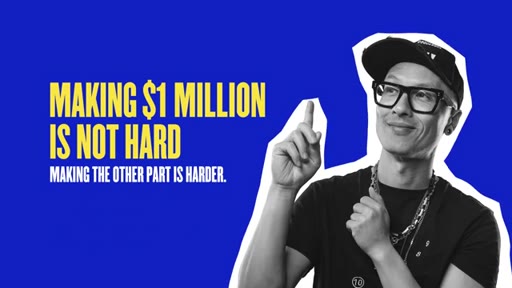
"Making a million dollars is not hard. Making the other part is harder."
Pattern interrupt, flips the expected punchline → TikTok hook
09:04
"You bring in a regional game to fight in a national game."
Sports metaphor that lands without setup → newsletter pull-quote
17:47
"You cannot use a belief to change a belief."
Tight, repeatable, sounds like a law → IG reel cold open
21:49
"If you have not disrupted yourself, you will be disrupted."
Warning shot, quotable without context → TikTok hook
22:21
"Use one robot to fight another."
Six words that close the AI argument cleanly → TikTok hook or standalone short
§ · Pacing

How they spent the runtime.

Hook length5s
Info densityhigh
Filler5%
Sponsor blocks
  • 13:41 – 14:12 · The Futur members library $15/month
§ · Resources Mentioned

Things they pointed at.

§ · CTA Breakdown

How they asked for the click.

13:41 product
"There is so much more inside the members only library. Workshops, whiteboard sessions, extended lessons, stuff we normally charge a lot of money for, you can have access to for $15 a month."

Clean, value-forward, low-pressure. Delivered conversationally at end of last answer. Paired with subscribe card and Exclusive for Members end screen graphic.

§ 04 · The Script

Word for word.

HOOK opening / re-engagementCTA the pitch metaphor analogy
00:00HOOKWhat's the best advice to give a solopreneur building their first million dollars in revenue? Here we go. What we do is we take your annual goal.
00:07We just divide it by 10. Just divide it by 10. Okay?
00:10And that would mean that you need to do a $100,000 a month. Okay? We divide that also by the number of clients you can serve.
00:17The lower, the better. But, also, it means the higher ticket. So if you serve two clients, that means you have to generate business that's, like, $50,000 per engagement,
00:26which for some might be a lot of money. For some, it's not a lot at all. We don't want this to be a 100 because you cannot turn over that many clients in a month.
00:34So the the beautiful number is somewhere between zero and probably five. More than five, I think your offer is not high enough. Yeah?
00:41So we're gonna pick an easy number. We're gonna pick four because that gives me 25 k. Now you have to design an offer where your perceived value is much greater than 25.
00:49So you have to make a list based on a profile. So I do I build an avatar of a certain type of person who has a big, big problem, and they desire a solution where paying $25,000
01:00would give them great joy. It would make them super happy. And so you have to design the offer.
01:05And there's lots of things you can design the offer. I'm gonna tell you to read the book, $100,000,000 offers by Hormozi.
01:10It takes you through the process in painstaking detail, and you can do that. Okay?
01:15One thing I know, which I never thought about before, is how do you make it easier? How do you make it faster? And how do you reduce
01:23perceived risk? And it's perception. And perception is great because you can change perception,
01:29whereas faster is not so, uh, easy to to change that. It's either faster or it's not. K?
01:35We have mistakenly thought to ourselves if we're in the service space that we sell time, but what we do is we're really selling the result. So people want the result faster,
01:45so do anything you can to do it faster. And what I've learned also is if you can take the big result, sometimes which takes a lot of time, especially if it's a $25,000 engagement, figure out what the smallest win is and put that up front so they feel like progress is being made.
01:59That will increase the perception of the result. I would say that for the million dollars, we're gonna have to do the rules of one, like one offer, one profile, one promotion, one channel.
02:08That's what we gotta do. Hyper hyper focus. I don't know if you can do this as a solopreneur, but this is the blueprint.
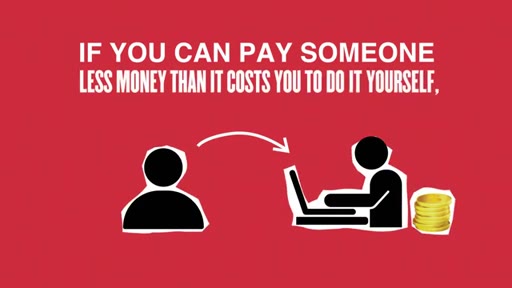
02:14If you do high level coaching, you can do this by as one person, but I would say you're probably doing too much by yourself. My rule of thumb is if you can pay someone less money than it costs you to do it yourself, pay them because what you get is what you value the most, which is your free time. Now what solopreneurs do is they're control freaks,
02:31and sometimes rightfully so. You're always the best at doing something the fastest possible way. So the expression is you can run fast by yourself, but you can run far with people,
02:41and I would rather run far. So delegate as much as you can to someone. The way that you do that is just look at where you spend the most time doing something that someone else can do.
02:50That's your first hire. How did you break through that $1,000,000 revenue to $5,000,000 and above in your production business? Okay, Joshua.
02:56That's a good question. So when you work with a $10,000 client, it makes approaching a $20,000 client a lot easier. And so you just keep trading up.
03:04And you go to 40 k, and you just keep trading up. And I don't know what the limit of on trading up is, but you just keep doing it. You leverage
03:10one project, one relationship for a slightly better one. Now the Alexander the Great, is that the Gordian knot? He just goes straight and just solves the problem chops.
03:19And this is what my friend told me. He says, basically, in every industry, there's the top dog. Work with the top dog.
03:24All the little dogs follow. Right? So on a different talk I give, we wind up working with Coldplay.
03:30At that time, the world's biggest band. Maybe Beyonce and Coldplay, and then, basically, everyone is gonna work with you after that. Right?
03:35If you work with Google, all the tech companies fall in line if you work with Apple. So you can go that route and it's a shortcut, but depending on where you are, that could be impossible. So I have another way of doing this.
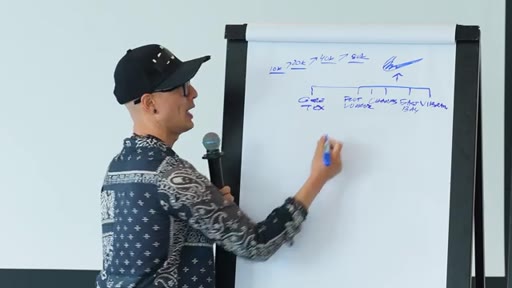
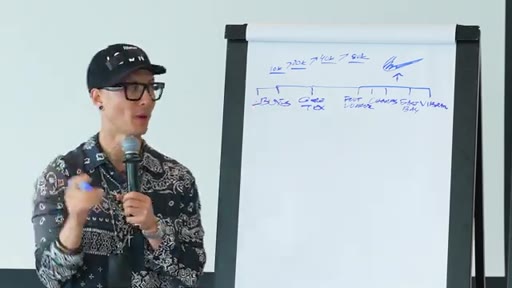
03:46If you wanna work with Nike, you're not gonna get them to say yes. But there are people that Nike work with in their supply chain that might say yes.
03:55So Nike has suppliers and distributors. Right? Everyone needs stuff and someone to sell it for them.
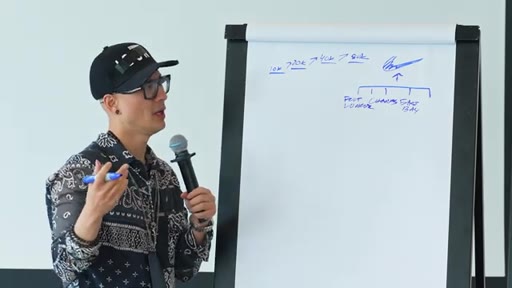
04:00So in America, we have a place like Foot Locker, Champs, Eastbay. Nike also buys things from other companies.
04:07I don't know if they technically do, but other people buy their soles from Vibram.
04:12Vibram is a smaller company. Vibram supplies things. They might make things with Gore Tex waterproofing.
04:19Right? They might get their shoelaces or there might be a smaller company that designs all their boxes or some of their boxes or some of their t shirts. Those companies are way more accessible than Nike is.
04:31Here's the cool part. You work with Vibram. You work with Gore Tex or one of the designers of the agencies.
04:37You are just now a half step away from Nike, and it's much easier for you to get a call with Nike when you're designing things or producing things for some of their suppliers. I think it's an effective strategy. What you're trying to do is you're going for the moonshot, but go to the mountaintop.
04:50Right? And then when you get to the mountaintop, go to Everest. And then there, it's, like, not that far away to get to the moon.
04:55And so you do this trade up idea. Okay? And how you can also do this is you call your existing clients.
05:01Maybe they're down here, and you say, hey. Do you know anyone that works over here?
05:05I'd love to help those people. A lot of competition.
05:08It's pretty cool. K? There's this book written by Phil m Jones.
05:12It's called exactly what to say. It is probably the best version I've ever read about how to ask for a referral. It's genius.
05:20It's right at the end of the book. It goes through lots of philosophies. This book is super easy to read because it's like 48 type.
05:25Very, very easy to read. I would highly encourage you to read it. I'll give you some really short butchered version of it.
05:31Right? When a client says thank you to you, his theory is people only say thank you where they feel a genuine need to express appreciation.
05:41You've done something great, and they wanna balance the scale by saying thank you. When they say thank you, you must ask for the referral right then and there. If you don't, you've missed the opportunity.
05:50So when they're like, Joshua, love what you did or this x y z. You did a great job. Thank you.
05:55Then you say, you wouldn't happen to know one or two people who could benefit from x, what you do, would you? And you say, don't worry.
06:04I don't need their name and information right now. Like, yeah, I might. And then you say, well, when you said yes, who were you thinking about?
06:11Oh, James and Jenny. You're fantastic.
06:14You're like, can I ask you for one more favor? They're like, yes. So that James and Jenny know who I am when I reach out, could you call them in advance
06:23and do a soft introduction for us? Like, of course. Like, would it be alright with you if I follow-up with you, say, in a week to see if he did that?
06:33Yes. Of course. This is the formula.
06:36And then in a week, you reach out and said, oh, Mary, it's me, Joshua. Um, I'm betting that you probably didn't have a chance to speak to James or Jenny. And then they say, you're right.
06:48I'm gonna call them right now. Or they say, nope. I did it.
06:51You're like, fantastic. I'll follow-up with them right now. So the reason why you do that is because people are lying to you, so you already give them a way out.
06:59I bet you're so busy. You didn't have time to call James and Jenny. Like, I haven't.
07:04So you remove the shame and the guilt, but then they they fix that by calling them then and there. So that's in the back of the book.
07:12If you can work with that, you don't need to read the book. I wanna know from your personal experience as well, your tipping point from that, like, 800 k, 900 k, 1,000,000 revenue a year,
07:22and then that year that you broke through, and I hit 2 mil, 3 mil, 4 mil. What was that like? I'm curious.
07:29Okay. You have to keep time in context in here. It's, like, in the nineties.
07:33Right? Late nineties. I think I broke a million dollars in the second year of business.
07:37I didn't even feel like it was hard. That's why I tell everybody in the world, like, making a million dollars is not hard. Making the other part is harder.
07:43And then it got to 2,000,000, and that didn't feel that hard either. So generally speaking, the budgets we were seeing were about $200,000 Getting past $200,000 per engagement was hard.
07:54Okay? So the 200 k, for some reason, I don't know why it just worked out to be 200 k. Later on, I find out we can win these probably 75% of the time.
08:02I know I'm even trying. It's weird. 250 k?
08:05Can't win these. Uh, we dropped down to 20% close rate. And I'm like, what is wrong with me?
08:10I just can't do it now. I have performance anxiety. I don't know.
08:13There's a ceiling. I can't break through. And it's not until I met my business coach, he's like, you know what?
08:18The game that you're playing is the minor leagues. This is the minors. This is the majors, and it's a big step up in professional sports.
08:24You know what I say in the minors and the majors? They're not that good. So this is a feeder network for the very top to go play here.
08:30The reason why he said is because when they get the budget at a certain point, they can pretty much hire anybody in the country. And when they go beyond that, they can hire anybody in the world. And so your competition got from regional to national to international.
08:44And he says, you bring in a regional game to fight in a national game. And we see this in basketball. We see this in football.
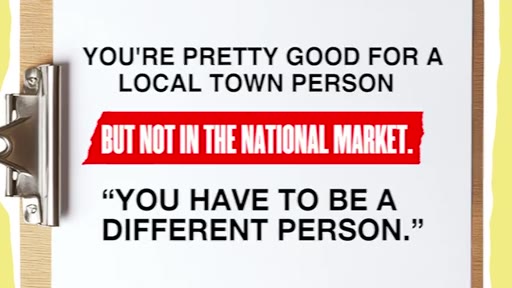
08:49We see it in soccer. You're pretty good for a local town person, but not in the national market. He goes, you have to be a different person.
08:56So the breakthrough for me, believe it or not, was in the design work. I learned how to have a sales conversation. He told me, he gave me permission
09:05to ask the question that I was thinking. Prior to that, I would just never ask. I don't know why, but that was the unlock for me, the thing that we had worked on for the past two days because you appear to be different.
09:16If I gave you a lot of money to solve a problem in video production, you just hire the best You would bring on the right crew. You would not cut any corner.
09:23You'd probably shoot on an Alexa and use the, um, Zeiss lenses and have, like, a script supervisor and do storyboards and all kinds of things you need to do to create the work. So it's not a limitation on your creativity.
09:35It's a limitation on your ability to understand what the clients want, to make them feel seen, heard, and understood. That's your limitation.
09:41HOOKHow do you deal with self doubt, especially after experiencing setbacks? Bar. Belief,
09:47HOOKaction that you take, the result that you get. So when you have a setback, like what?
09:52HOOKMy business doesn't do that well in 2024. So you took a hit in 2024, a decline?
09:58HOOKYeah. I lost. Percentage wise, what did you go down from?
10:0020. 20. So you just went down 20%.
10:03Okay. You think you're probably a lone and a loser. Did anybody have a decline in revenue from 2023 to 2024?
10:11Raise your hand. K. I'll tell you, I lost a million dollars
10:15in revenue. I'm not a loser. I just haven't found a way to fix this yet.
10:19Pretty confident I will. So some part of your life experiences when I have a setback, I'm a loser.
10:26We don't have a culture that's comfortable with failure. Right? So we interpret the failure internally versus, like, there's lots of things that I can't control.
10:35I need to accept that part and work on the things I can control. If you were to guess, do you have an idea as to one or two things that were in your control that you could do differently? Sure.
10:44Work on that. Now I used to try and coach people saying, well, your belief is x,
10:51and I'll use a tool of belief and talk to change x to y. And my friends who are in therapy and coaching, like, you can't use a belief to change a belief. It's very difficult.
11:01If you're afraid of cats, I'm like, don't be afraid of cats. Like, that don't work. But what I can do is ask you to take a different action,
11:07which will get you a different result, which will change your belief. So you know the one or two things that you can try, y, z.
11:15Do impact effort on those things and work on those things. Now if you want to have a greater probability of success, find someone who's done it before and solve that problem.
11:26Pay them whatever they're worth, which is the problem here, to get you out of this, or you can go out at your own. Either is okay. If you have some money, that's where good money is spent.
11:36If you don't have any money, then you have to grind it out on your own. I'm going through that myself. I just got a really disheartening email yesterday from, uh, somebody, uh, who one of my friends, an entrepreneur.
11:45He says, uh, after eleven years in business, we forgot to tell you we're we're this is our last year in business. 2024 for a lot of people, especially in the service space, has been really funky. And I think something that might be driving some of this, I hate to say it because I'm an optimist, AI, the world is changing really fast.
12:00The last time there was a really big paradigm shift, it was called the Internet, and it wiped out a lot of people. Then there's this other paradigm shift,
12:08It's and called something different that most people don't talk about. It's called Apple. Apple put a lot of businesses out of business.
12:14Do you know how many technologies or things they've displaced? Back when I was in LA, I had this thing called the Thomas Guide, spiral bound notebook that was, like, that thick so I can figure out where to go in LA.
12:25As soon as the GPS was integrated into your phone, that business was gone. And you know Garmin, who makes GPSs,
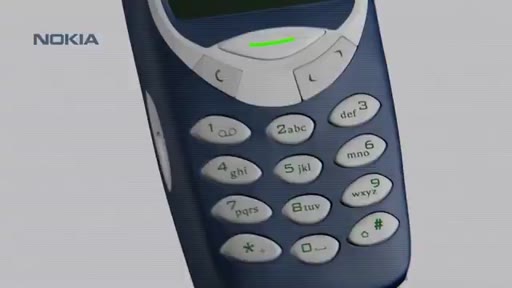
12:31their business suffered too. In Nokia and Motorola Razr, they were all the hottest things. Nokia is barely a footnote today.
12:38Think about how many businesses Apple displays. And you didn't know this, but m v three CDs, uh, LaserJet, all these things were replaced because m v threes got really easy to use on an Apple device. They crushed Creative Labs.
12:50You remember Creative Labs? They made, I think, the first m p three player. I had one of them.
12:54Dead. Every three to five years, your industry is going to be disrupted. So if you haven't disrupted yourself, you will be disrupted.
13:00I say three to five years, but I got caught blindsided because AI is making it faster. I do not know now how long the cycle is. So I would ask each and every one of you who's in business to be actively looking to disrupt yourself.
13:15If you don't do it, the world will. Here's the cool thing. You heard the expression fight fire with fire?
13:20Yeah. It's not always clear to me what that means. What you do is if your business is being displaced by AI, which I guarantee most of you will be, from coding to creativity to writing music, is use AI to fight itself.
13:31Say this is my business. This is what I do. This is what I charge.
13:34CTAThis is who I do it for. This is the impact I hope to create. Disrupt my own business in anticipation of the way AI is gonna disrupt me.
13:41CTAUse one robot to fight another. If you found this content to be valuable, I just wanna let you know, there's so much more inside the members only library. Workshops, whiteboard sessions, extended lessons,
13:52CTAstuff we normally charge a lot of money for, you can have access to for $15 a month. It's all included.
13:58CTAHit the link below. See you on the inside.
— full transcript
§ 05 · For Joe

The math does the persuading for you.

Steal this framework

One division problem reframes every pricing conversation you will ever have with a freelancer or solopreneur.

  • Open with the math: annual goal divided by 10 divided by number of clients equals deal size. Let the number land.
  • If the deal size feels uncomfortable, that is the point — it pushes toward fewer, higher-value clients.
  • Run the Vibram play: your dream client has suppliers. Work with the suppliers first.
  • Use the Phil M Jones referral script word for word — especially the guilt-removal follow-up line.
  • Close any AI disruption content with use one robot to fight another. Six words that end the argument.
  • The whiteboard-accumulation format is worth stealing: every concept gets drawn, so viewers have a visual map by the end.
§ 05 · For You

What you can actually do with this.

For the person who watched this to learn

You might not need more clients — you might just need to charge more for fewer.

  • Write down your annual income goal. Divide by 10. Divide by how many clients you want. If that price feels too high, that is the conversation to have with yourself.
  • The next time a client says thank you, that is your referral window. Use the exact script Chris outlines.
  • If your revenue hit a ceiling, ask whether competition changed around you rather than whether you got worse.
  • When you feel like a failure after a setback, identify one or two things in your control and work those — do not try to think your way out of a confidence problem.
  • If AI is threatening your work, ask AI itself how it would disrupt your business, then build the version that survives that answer.
§ 06 · Frame Gallery

Visual moments.