The Vibe Founder · Youtube · 10:09

This AI Business Model Is Creating Millionaires In 2026

A 10-minute tutorial that walks through four steps for building a solo AI business, then honestly caps the ceiling at $3M, not $10M.

Posted
May 18th 2026
8 days ago
Duration
10:09
Format
Tutorial
educational
Channel
TV
The Vibe Founder
§ 01 · The Hook

The bait, then the rug-pull.

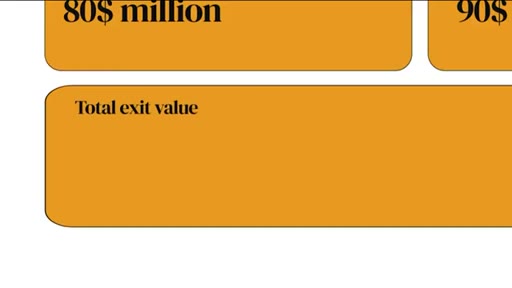
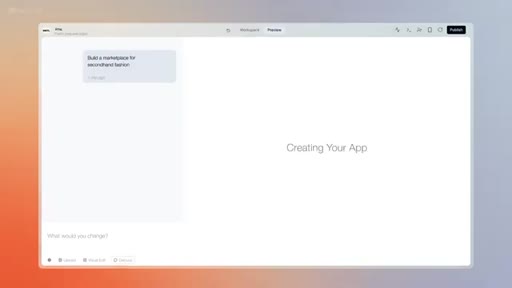
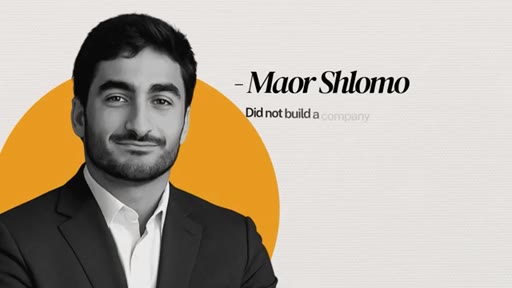
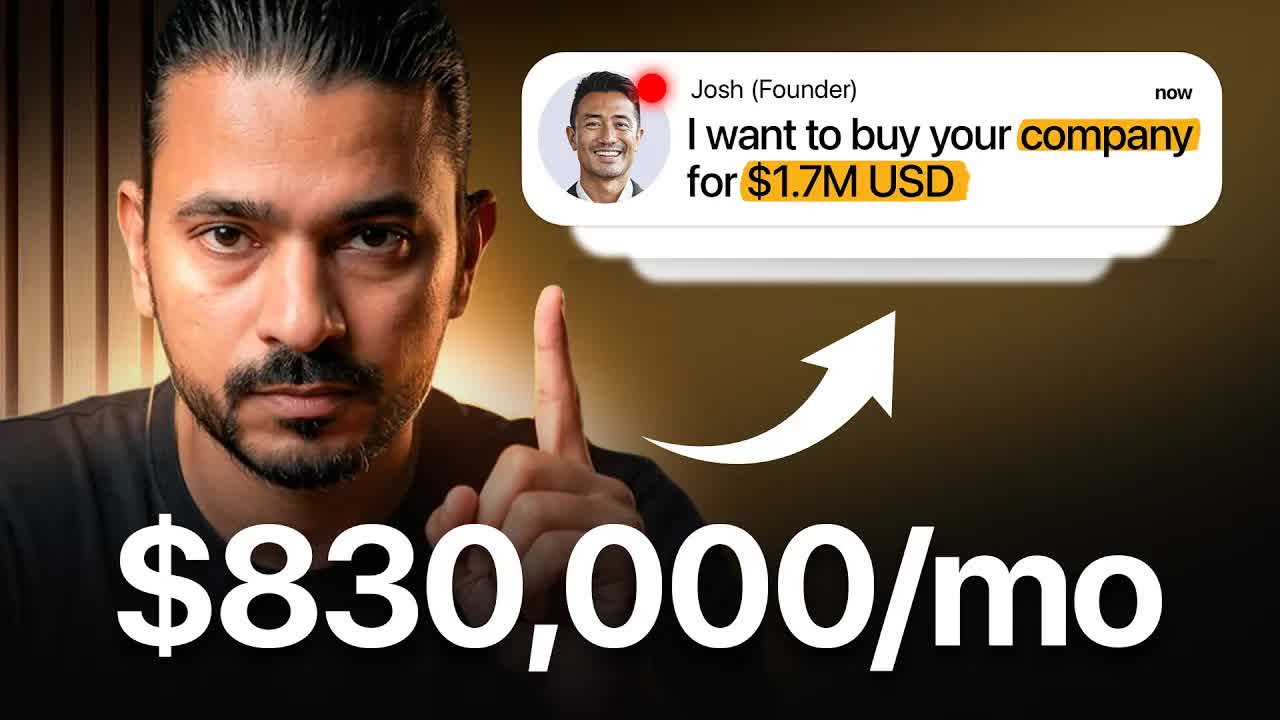
In December 2024, a 31-year-old developer sat down alone and built an AI app builder called Base44. No cofounder, no office, no team Slack. Six months later, Wix acquired it for $80M cash plus $90M in earnout -- $170M total. The host names this, then immediately preempts the dismissal: that is not the exception.

§ · Chapters

Where the time goes.

00:00 – 00:33

01 · The hook: Base44 / Maor Shlomo

31-year-old solo founder builds AI app builder, 300K users in 3 months, $170M exit in 6 months.
00:33 – 01:50

02 · It is not an anomaly

Peter Levels ($3.5M ARR, zero employees), Danny Postma ($3.6M ARR solo from Bali), Mark Liu ($1M across 3 products). Anthropic CEO gives 70-80% odds on a billion-dollar one-person company by end of 2026.

01:50 – 02:58

03 · The AI team-replacement model

Solo AI stack costs $3K-12K/year. AI handles 80-85% of execution; operator handles strategy, distribution, quality control. Operating margins: 60-80% vs 10-20% traditional.
02:58 – 05:20

04 · Step 1 -- Find latent demand

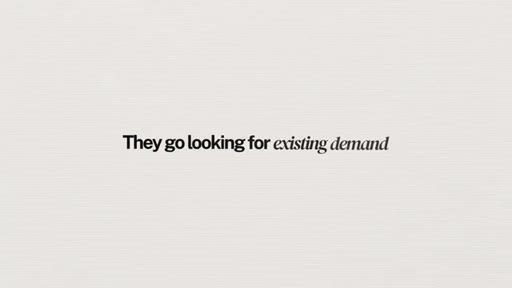
Hunt the repeating complaint across Reddit, Twitter, forums, review sites. 100 people complaining about the same thing = market gap. Marc Andreessen latent demand principle. Facebook Marketplace example.
05:20 – 06:35

05 · Step 2 -- Ship thin and charge fast

First version in a week, not six months. Paying customers give better feedback than free users. Tools: Lovable, Bolt, v0, Replit, Claude Code.
06:35 – 07:55

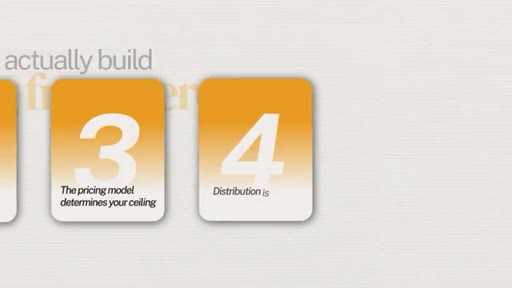
06 · Step 3 -- Price on outcomes

Monthly recurring is the foundation. Pricing logic: charge 30-50% of what the process currently costs. Outcome-based pricing converts better than tool-access pricing.

07:55 – 09:14

07 · Step 4 -- Distribution is the business

Building in public: Levels 600K followers = 3-10x launch advantage. Community seeding: contribute for months before mentioning the product.
09:14 – 10:06

08 · The honest ceiling

Verified solo ceiling is $3-3.6M ARR. $10M literally solo is not realistic -- at that scale you need account management, compliance, infrastructure. Founders who hit $10M bring in 2-5 people.
10:06 – 10:09

09 · Close and CTA

Comments prompt: which industry or problem with domain knowledge you already have? Closes on the first $1M has never been more accessible.

§ · Storyboard

Visual structure at a glance.

open
$170M stat
model intro
step 1
step 2
step 3
distribution
honest ceiling
reframe
CTA
§ · Frameworks

Named ideas worth stealing.

01:50 list

The Solo AI Stack

  1. AI coding tool
  2. Design tool
  3. Automation platform
  4. CRM
  5. Customer support tooling

$200-1,000/month covers the full operational layer. 80-85% of execution handled by AI; operator handles strategy, relationships, distribution.

Steal for positioning any solo or small-team tool stack offer
02:58 concept

Latent Demand Method

Scan Reddit, Twitter, forums for the same complaint repeated by 100+ different people in different threads. That repetition is the product signal. Detective work, not creative work.

Steal for product validation research, content ideation, identifying underserved niches
06:35 model

Outcome-Based Pricing

  1. Charge 30-50% of current process cost
  2. Price on results: leads, tickets, hours, docs
  3. ROI is built into the pitch

Shifts the buyer from whether this tool works to whether they are getting a guaranteed return -- makes the sale easier.

Steal for any B2B AI product that replaces a measurable workflow
§ · Quotables

Lines you could clip.

00:29
"One person. Six months. $170,000,000."
Three fragments, each a complete thought -- rhythmically perfect hook. → TikTok hook
09:34
"The technology was the team."
Six words that compress the entire model. → IG reel cold open
02:58
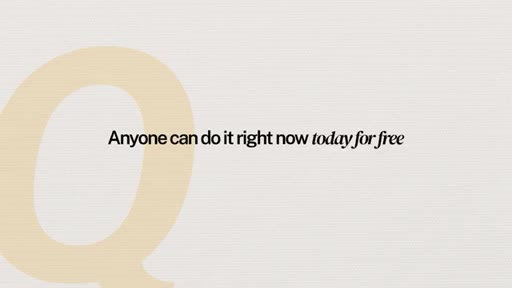
"This is not creative work. It is detective work and anyone can do it right now today for free."
Breaks the ideation-is-hard objection in two sentences. → newsletter pull-quote
08:08
"If someone is selling you a course that says you will do it completely alone, that is the part to be skeptical about."
Earns trust by calling out the category of content the viewer is probably watching. → TikTok hook
§ · Resources Mentioned

Things they pointed at.

§ · CTA Breakdown

How they asked for the click.

09:49 comment
"If you were starting a solo AI business tomorrow, which industry or problem would you go after? Not the one that sounds most interesting. The one where you already have the domain knowledge to know exactly what is broken."

Tight prompt that screens for genuine domain expertise -- filters for high-quality comments and likely drives re-engagement.

§ 04 · The Script

Word for word.

HOOK opening / re-engagementCTA the pitch metaphor analogy
00:00HOOKIn December 2024, a 31 year old developer opened his laptop and started building. No cofounder, no office, no funding, no team Slack channel. Six months later, he sold his company for $80,000,000
00:10HOOKin cash. Marsh Lomo built Base four four, an AI app builder where you type what you want and it builds the full product for you completely alone. By month three, it had 300,000 users.
00:19HOOKBy month six, it had crossed $1,000,000 in annual recurring revenue. Wix acquired it for $80,000,000 with an additional $90,000,000
00:27HOOKin earn out through 2029. One person. Six months, $170,000,000.
00:33HOOKNow here's what most people do when they hear this story. They say, okay. That's the exception.
00:37HOOKThat doesn't happen for normal people. And here's what I wanna say to that. Peter Levels has $3,500,000
00:41HOOKin annual revenue across multiple AI products. Zero employees. No VC.
00:46HOOKMark Liu crossed $1,000,000 in revenue in 2025 across three products. Zero employees. Danny Postma built Headshot Pro to $3,600,000
00:54HOOKin annual recurring revenue. Solo from Bali. None of these are once in a generation anomaly.
00:59HOOKThey're all doing the same thing, using AI as a team replacement. One person with $200 a month in tools doing what previously required 15 people and series a funding. An Anthropic CEO gave it 70 to 80% odds that the world's first billion dollar one person company exists by the end of two thousand and twenty six.
01:13HOOKSo the question I want to answer today is not whether this is possible. The question is how? What is the actual model?
01:17HOOKWhat do you build? How do you find customers? And what are the parts that most content about this topic completely skips over?
01:23HOOKBecause there is a lot of noise around this topic. A lot of courses, a lot of Twitter threads, a lot of hype and almost none of it tells you the honest version of this story. So that is what I'm going to do today.
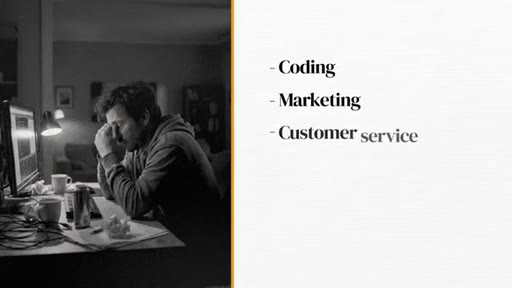
01:32HOOKLet's go. Coding, marketing, customer service, accounting, product design, sales, that person burns out in four months and makes nothing. A lone operator has built a system where AI handles 80 to 85% of execution.
01:41HOOKThe operator handles strategy, customer relationships, distribution, and quality control. That person scales like a software company, not like a freelancer. Every traditional business has two bottlenecks,
01:50the cost of people and the time of people. If you wanna do more, you hire more. If you hire more, your costs go up and your margins come down.
01:56And at some point, you spend more time managing people than building the product. AI has broken this model completely. A complete Solo Founder tool stack in 2026 cost between $3,000 and $12,000 per year.
02:05That is $200 to $1,000 a month. For that money you get an AI coding tool that ships features and hours that used to take a developer two weeks. A design tool that produces professional quality visuals without a designer.
02:16An automation platform that runs your entire operational workflow without a single human touching it. A CRM that qualifies leads, follows up, and manages your pipeline.
02:24And customer support tooling that handles 80% of inbound queries without you. The people who are doing this have operating margins of 60 to 80%. Traditional businesses run at 10 to 20%.
02:34The math is so different that it is not an iteration on the old model. It is a completely different model. Now let me walk you through how you actually build this thing from zero.
02:42Step one, find a problem that already has demand. This is the step that kills most people before they even start. They spend months thinking about what to build.
02:49They brainstorm, they make lists, they talk to friends, and then they build something nobody wants. The founders who win in 2026 do not brainstorm product ideas. They go looking for existing demand and then build the product that demand is already asking for.
03:02The method Peter Levels uses is almost embarrassingly simple. He goes on Reddit, on Twitter, on forums, on review sites and looks for complaints. Specifically, he is looking for the same complaint from many different people in many different threads.
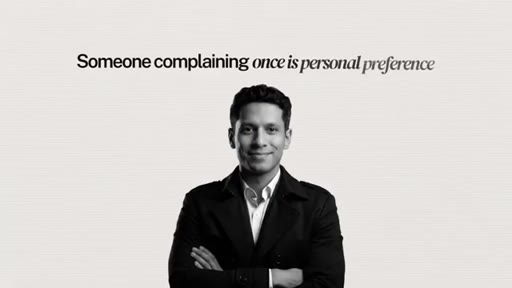
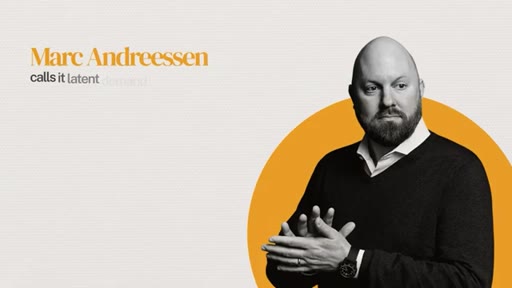
03:14Someone complaining once is personal preference. A 100 people complaining about the same thing in different places is a market gap. Marc Andreessen calls it latent demand.
03:22Demand that already exists but has not yet been addressed by a product. The clearest example of this principle in history. Before Facebook launched marketplace, 40% of all posts inside Facebook groups were people buying and selling things.
03:32The demand was there. The product was not. Someone just had to look at the behavior and build the obvious thing.
03:37Your job is to find the modern equivalent of that, the repeating complaint. The workflow people are currently solving with a spreadsheet and three different tools and a prayer. The question that keeps getting asked in every community forum with no satisfying answer.
03:48This is not creative work. It is detective work and anyone can do it right now today for free. Step two, build the thinnest possible version that someone will pay for.
03:56This is the second place people fail. They spend six months building a product before showing it to a single potential customer. When they finally launch, they discover that what they built is not quite what the market wanted.
04:06Six months gone. The Maher Schlomo model is different. He shipped something rough within weeks and immediately started charging.
04:11The first version of Base four four had limitations and bugs. People paid anyway. And the feedback from paying customers told him exactly what to fix first.
04:17Paying customers give better feedback than free users. A free user who does not like something just stops using it. A paying customer who does not like something sends you an angry email, which is most valuable signal you can receive.
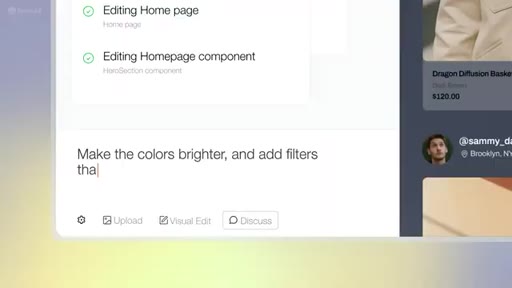
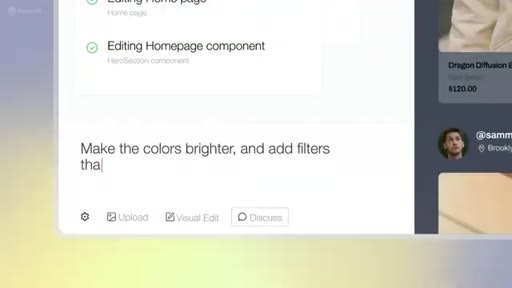
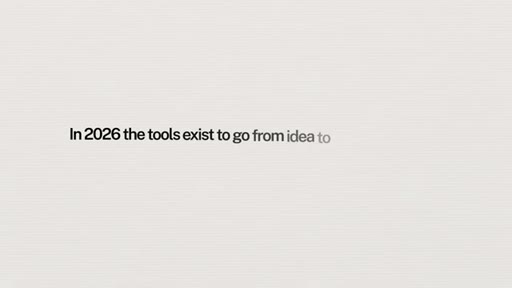
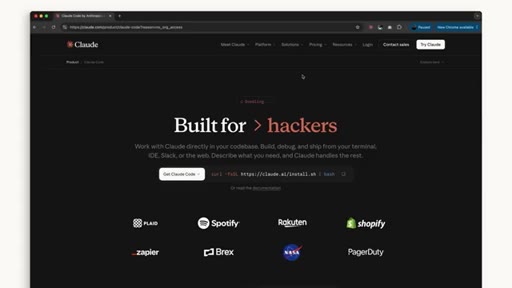
04:27In 2026, the tools exist to go from idea to working product in days without writing a single line of code. Lovable, Bolt, v zero, Replit, and ClaudeCode are all platforms where you describe what you want in plain English and the system builds it. The first version of your product should take a week or less, not six months.
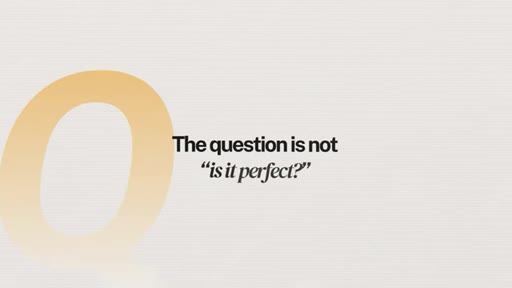
04:42The question is not, is it perfect? The question is, is it good enough that someone will pay to use it? Step three, the pricing model determines your ceiling.
04:49This is the point where most people undercharge and then wonder why their numbers never grow. A SaaS subscription model, meaning a recurring monthly fee, is the foundation of every successful solo AI business. Not one time sales, not hourly billing, monthly recurring revenue because monthly recurring revenue compounds.
05:04Every customer you add stays on your base while you add the next one. The pricing logic used by the most successful solo founders is this. Find out what the thing you are automating or replacing cost the customer right now and charge 30 to 50% of that.
05:14If a company currently spends $5,000 a month on a process that your product automates, charge $1,500 to $2,500 a month.
05:21The customer is saving money. You are capturing part of the value you created. Everyone win.
05:25The specific model that works best for AI native products in 2026 is outcome based pricing. Not you are paying for access to software. You are paying for a result.
05:33You are paying for leads generated, documents processed, support tickets resolved, hours saved. When you price on outcomes, you are not selling a tool. You are selling a guaranteed return on investment, and that is a much easier conversation.
05:43Step four, distribution is the actual business. This is the most important and most underrated point in this entire video. Building the product is the easy part.
05:50In 2026, AI makes it genuinely easy to build good software. The hard part, the part that separates the businesses that scale from the projects that never find customers is distribution. And the most reliable distribution channel for a solo founder is something that takes time but costs nothing.
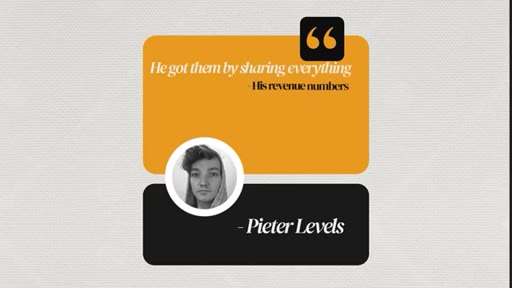
06:04Building in public. Peter Levels has 600,000 followers on Twitter. He got them by sharing everything.
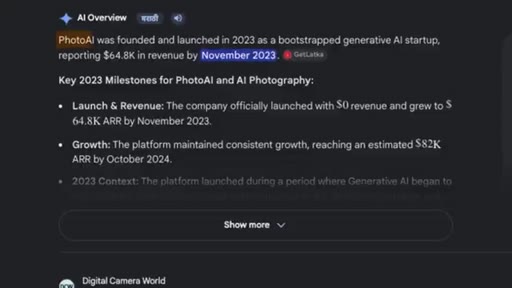
06:08His revenue numbers, his product failures, his thinking process, his code, his mistakes. He did this for ten years and built an audience that meant when he launches a new product, he already has tens of thousands of potential customers ready to try it. When Photo AI launched in 2023,
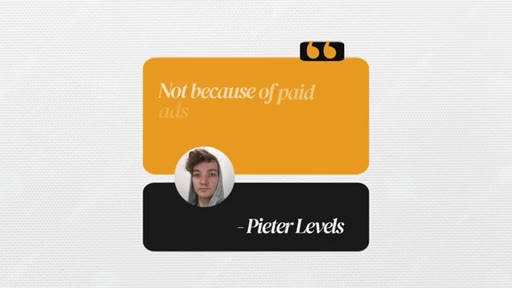
06:21it generated $5,400 in the first week, not because of paid ads. Because Levels had 350,000
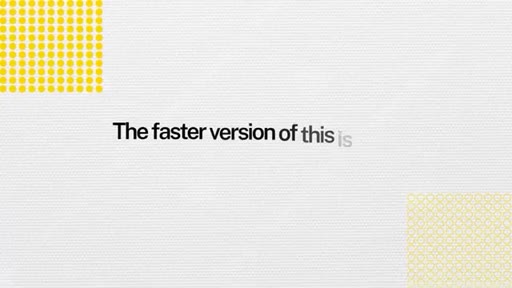
06:27followers who had watched him build things for years and trusted his judgment. That is a three to 10 times advantage over launching with no audience. Now if you do not have ten years and 600,000 followers, the faster version of this is community distribution.
06:38Find the exact online communities where your target customer already lives. Forums, subreddits, slack groups, discord servers, LinkedIn communities. Contribute genuinely to those communities for months before you ever mention your product.
06:49When you eventually share what you built, you are sharing it with people who already know you and trust your perspective. That is free, targeted, high conversion distribution. The solo founders who fail at this stage are the ones who build in silence and then launch to nobody and wonder why nothing happened.
07:00The ones who succeed build an audience before they need it. Before I tell you the most important honest thing about this model that most people skip, let me take a quick break. Mid roll ad break.
07:08Now here is the part of this conversation that most content about the solo AI business gets completely wrong. The title of this video says $10,000,000, and I wanna be completely honest about what getting there actually looks like because here's the verified reality.
07:18The highest documented solo founder revenue is Peter Levels at $3 to $3,500,000 per year.
07:25Danny Postma is at $3,600,000. Mark Liu is at just just over $1,000,000. These are the real verified publicly documented numbers from the people running the most successful solo operations in the world right now.
07:36HOOKGetting from $1 million to $10 million as a literal one person operation is, with very few exceptions, not realistic with today's tools, not because the model breaks down. But because at $10,000,000 in revenue, you have customers who need account management.
07:49HOOKYou have technical complexity that needs infrastructure oversight. You have compliance legal finance requirements. The bottleneck is no longer building the product.
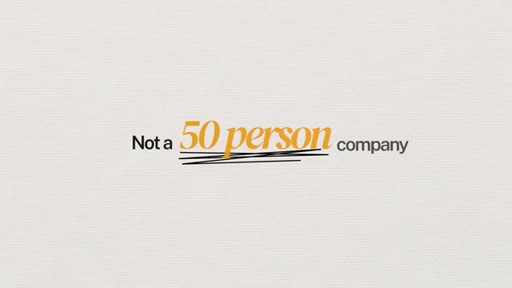
07:55HOOKIt is serving customers at scale. The founders who hit $10,000,000 have almost always brought in two to five people by that point. Not a traditional 50 person company.
08:02Not literally one person either. So what does solo AI business actually mean at $10,000,000? It means one founder with a tiny mostly AI powered team.
08:09Where the founder is still the operator, the decision maker, the product designer, but two people handle customer success. One person handles finance and the rest is AI. The $10 million number is real.
08:18The path to it is real. But if someone is selling you a course that says you will do it completely alone, that is the part to be skeptical about. Here is the better way to frame The solo AI model gets you to $1 to $3 million faster with higher margins and with more independence than any other business model available to a single person in history.
08:33That is a genuinely extraordinary fact. The marginal step from $3 million to $10 million involves a tiny highly leveraged team, not a 50 person company, not venture capital, not a traditional business, but not literally one person all the way to $10,000,000 either. The honest version of the opportunity is still one of the most exciting things happening in business right now.
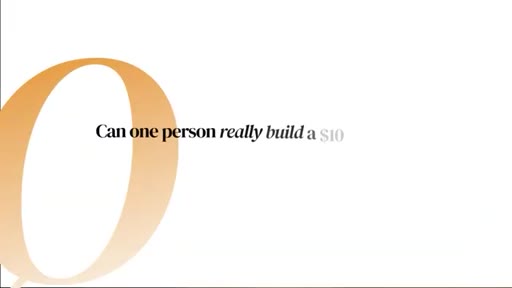
08:48It just requires being clear eyed about where the model's natural ceiling sits and what the next phase of growth actually looks like. So let me close with the actual reframe here because I think most people are asking the wrong question about this topic. The question most people ask is, can one person really build a $10,000,000 business?
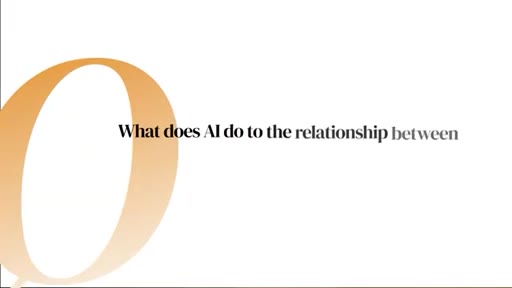
09:02HOOKThe more useful question is, what does AI do to the relationship between leverage and headcount? And the answer to that question is genuinely new in human history. For the first time, the things that used to require people writing code, designing interfaces, handling customer queries, generating marketing content, running operations workflows can now be handled by AI at near zero marginal cost, which means the leverage available to a single person with the right system is orders of magnitude higher than it has ever been.
09:23HOOKMaor Schlomo did not build a company that was worth $80,000,000. Because he is a superhuman developer, he built it because he found a real problem, built a product that solved it well, and scaled that product using AI as his entire operational layer. The technology was the team.
09:37HOOKCTAThat model does not require being Maoj Lomo. It requires finding a real problem, shipping something thin and fast, charging for it, building distribution before you need it, and being honest about the point where one or two humans need to join the system. The first $1,000,000
09:49HOOKCTAhas never been more accessible to a single person, and that regardless of what happens after it is a completely new thing in the world. I wanna ask you one very specific question in the comments. If you were starting a solo AI business tomorrow, which industry or problem would you go after?
10:01HOOKCTANot the one that sounds most interesting. The one where you already have the domain knowledge to know exactly what is broken. Drop it below.
10:06CTAI will see you in the next one. Bye bye.
— full transcript
§ 05 · For Joe

Four steps and one honest ceiling for the solo AI founder

WHAT TO LEARN

The model is real -- but the $10M solo claim is marketing; the verified ceiling is $1-3M, and clearing it requires two to five people, not fifty.

  • Demand hunting beats brainstorming: scanning Reddit and forum threads for the same complaint repeated by 100 different people is more reliable than any ideation session.
  • The latent demand test: if people are already solving a problem with a spreadsheet and three separate tools, there is a buyer waiting for the product that replaces the jury-rig.
  • Ship in a week, charge immediately -- paying customers who complain give better product signal than free users who simply leave without explanation.
  • Outcome-based pricing (30-50% of what the process currently costs the buyer) makes the ROI conversation trivially easy because the math already closes for the customer.
  • Building in public is a distribution asset that compounds over years; the solo founders with the best launch numbers built audiences five to ten years before they needed them.
  • Community seeding -- contributing genuine value to forums and subreddits for months before mentioning a product -- is the faster version of audience-building for founders without a decade of runway.
  • Operating margins of 60-80% versus 10-20% for traditional businesses are the real reason the model matters, not the headline exit numbers.
  • The verified solo ceiling is $1-3M ARR; getting to $10M means one founder plus two to five people -- still a radically smaller team than any traditional equivalent, but not literally one person.
§ 06 · Frame Gallery

Visual moments.