Taylor Haren · Youtube · 17:55

I Fully Automated Cold Email With Claude Code (Complete Breakdown)

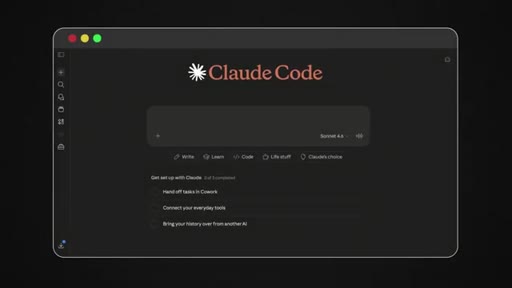
How a cold email agency owner who cannot write a single line of code rebuilt his entire operations stack replacing Zapier, Clay, and a dozen SaaS tools using Claude Code, Codex, and Devin AI.

Posted
May 18th 2026
2 days ago
Duration
17:55
Format
Tutorial
educational
Channel
TH
Taylor Haren
§ 01 · The Hook

The bait, then the rug-pull.

Taylor Haren sends tens of millions of cold emails a month for his clients. Over the last few months he rebuilt every piece of infrastructure running that machine using AI agents he cannot actually read. No Zapier. No Clay. No vendor lock-in. Just custom code running on his own servers, written entirely under his direction by Claude Code, Codex, and Devin AI.

§ · Stated Promise

What the video promised.

stated at 00:42 "I want to start with the most ambitious thing we have built because it is the part that I am most proud of, and it makes everything else in this video possible." delivered at 00:54
§ · Chapters

Where the time goes.

00:00 – 00:54

01 · Scale credibility and anti-clickbait

Opens with 10x output claim, immediately defuses the AI-hype eye-roll. Sets the frame: not robots running the agency, but tools that let a non-coder ship dozens of features a day.

00:54 – 02:44

02 · OutFound IO the data foundation

Introduces his proprietary analytics platform that replaced all sequencers as a permanent record. Every tool plugs into it via MCP, giving Claude Code access to years of campaign data in one plain-English question.

02:44 – 03:23

03 · Pre-onboarding and contract automation

Contract signed triggers a webhook: CRM, Stripe subscription, Linear projects, onboarding docs all automatic. Changing anything means opening a chat and describing the change.
03:23 – 05:05

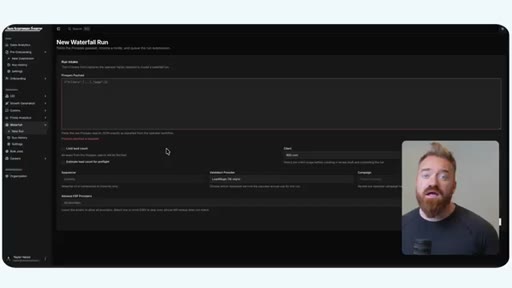
04 · Lead waterfall Clay replacement

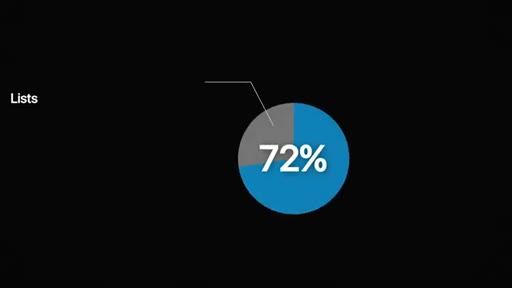
Custom enrichment system checks OutFound database before buying data. 80% of leads already have validated emails. Cost reduction 80%. Speed: 100,000 hits per second.

05:05 – 06:46

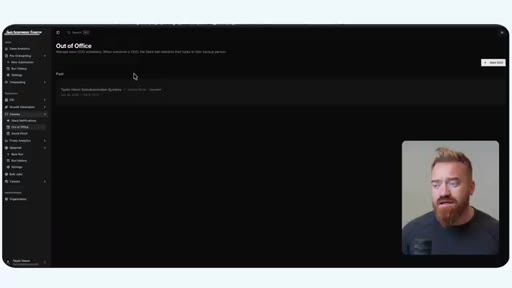
05 · Out-of-office autoresponder and campaign pauser

Slack autoresponder redirects client messages to team and reassigns Linear tasks. Holiday pauser walks every campaign, pauses, logs, auto-resumes. Little stuff you would never think you would want to build.

06:46 – 08:26

06 · Central intelligence brain

Every team account synced to one backend including Google Calendar. All meetings and recordings piped into the same queryable database as CRM and campaign data.
08:26 – 11:24

07 · The 6-phase agentic dev workflow

Phase 1: Plan plus Linear doc. Phase 2: Devin stress-tests with 20 plus sub-agents. Phases 3-4: Implementation via Codex. Phase 5: Review loop with CodeRabbit. Phase 6: Merge and ship. Ships code dozens of times a day.
11:30 – 13:51

08 · Client audit dispute resolution with Claude

Client claimed 5 positive replies. Claude Code pulled Slack and OutFound, found 26 true positives after filtering a bug, then visited all 26 websites and scored each against the ICP. 5-10 minutes. Human equivalent: 2 days.
13:51 – 16:00

09 · The 4-day discovery

Asked Claude Code how fast clients reply to positive leads. Three passes. Answer: 4 days average. This single data point spawned a new $2K per month product: automated instant-reply framework across email, phone, SMS, and DMs.
16:00 – 17:39

10 · Data-backed copywriting skill

Claude Code skill pulls campaign performance from OutFound before writing anything. For Everstage: 708,000 emails, 16 campaigns, 30 plus variants. Pain-point openings drove 100% of booked meetings. AI gets to 90%, humans to 100%.
17:39 – 17:55

11 · CTA book an intro call

Hard CTA to book an intro call with full-screen animated overlay graphic. Second instance of mid-video CTA at 10:52.

§ · Storyboard

Visual structure at a glance.

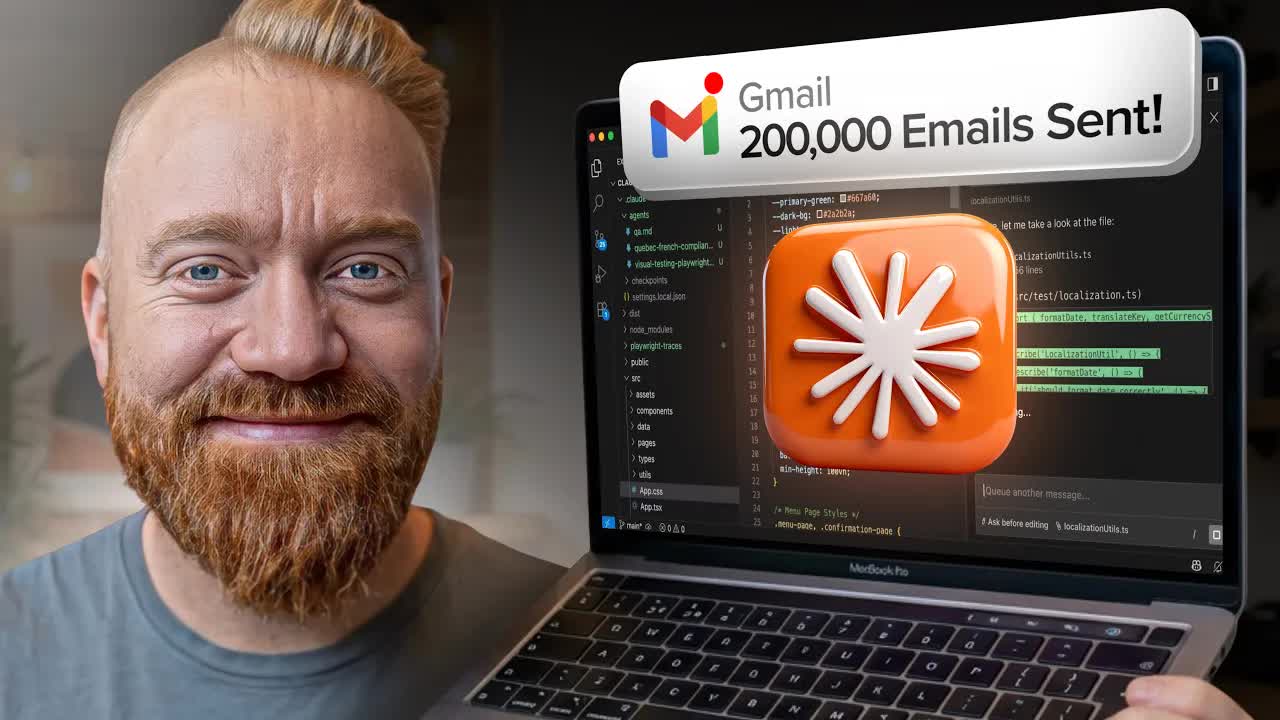
open Gmail compose
host intro credibility claim
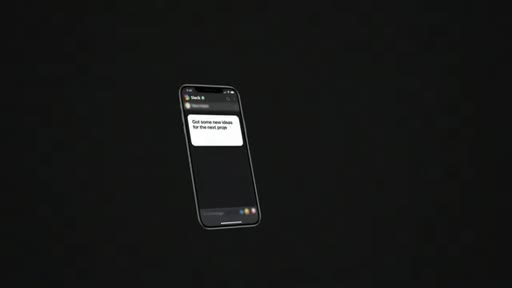
what we have built motion graphic
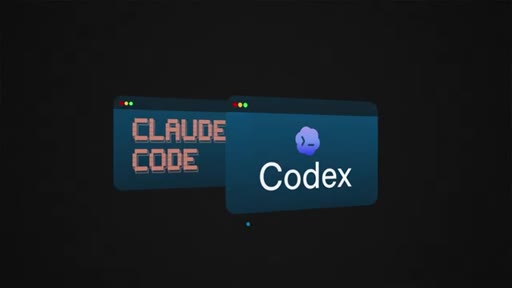
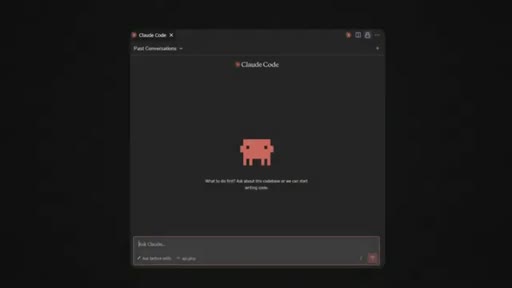
Claude Code plus Codex graphic
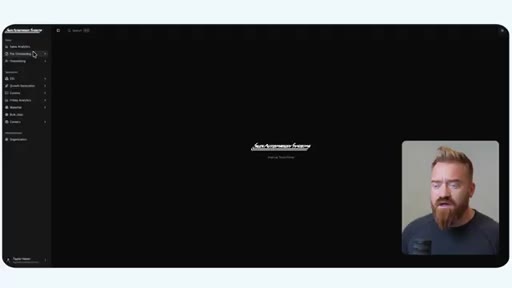
OutFound internal app demo
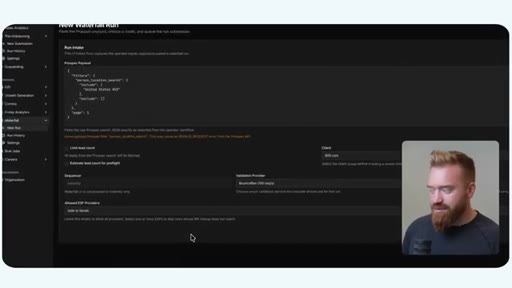
lead waterfall run UI
out-of-office internal tool
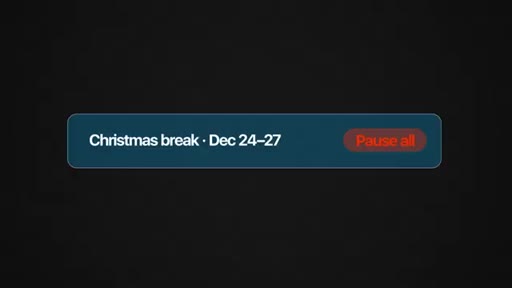
Christmas break pause all UI
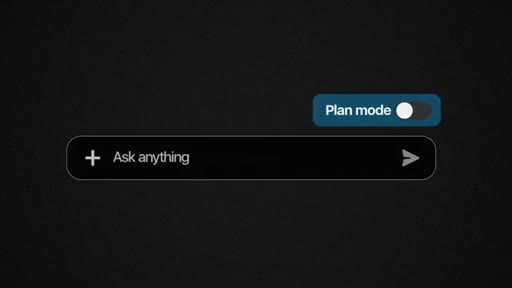
plan mode interface
Linear project lead waterfall rebuild
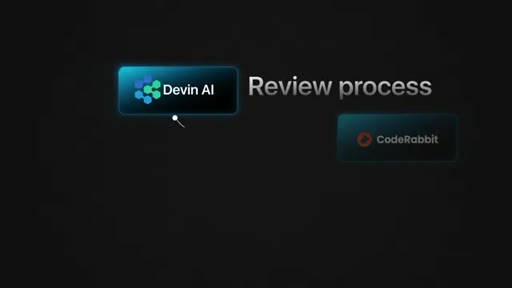
Devin AI review process graphic
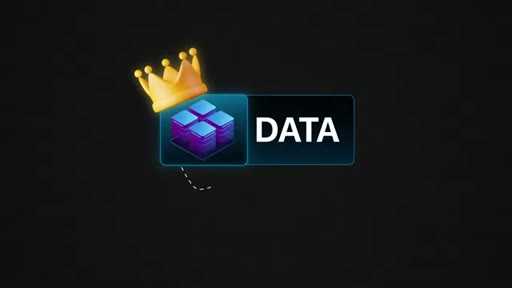
DATA is king graphic
client audit spreadsheet
copywriting section
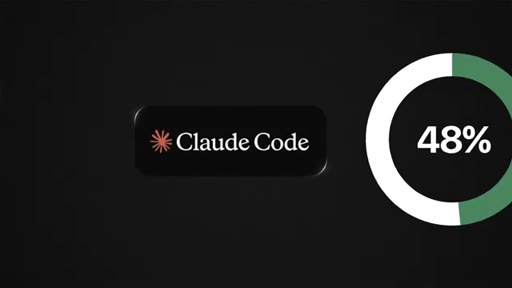
Claude Code 48 percent graphic
CTA overlay book intro call
§ · Frameworks

Named ideas worth stealing.

08:26 model

The 6-Phase Agentic Dev Loop

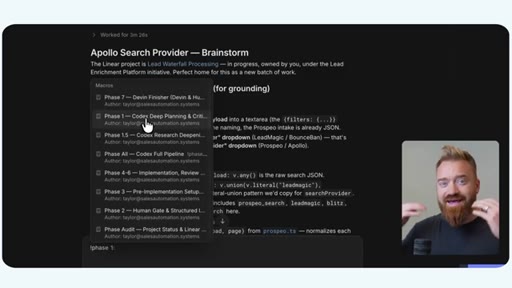
  1. Phase 1: Plan plus Linear doc
  2. Phase 2: Devin stress-test 20 plus sub-agents
  3. Phase 3: Codebase prep
  4. Phase 4: Implementation via Codex
  5. Phase 5: Review loop CodeRabbit
  6. Phase 6: Merge and ship

A structured build pipeline that lets a non-coder ship production code daily by treating AI agents as a full engineering team with defined roles.

Steal for Any tutorial on how to actually use agentic AI to build, not just generate snippets
11:30 model

Data-First AI Audit

  1. Connect Claude Code to your data via MCP
  2. Ask the question in plain English
  3. First pass: measure the right thing
  4. Filter noise: bugs and autoresponders
  5. Cross-reference with external sources
  6. Deliver the output as a spreadsheet

Using Claude Code plus MCP to conduct client audits that would take human analysts days, in minutes.

Steal for Any service business that runs campaigns and needs to prove performance to clients
03:23 concept

The Lead Waterfall Cache Layer

Before buying enrichment data, check if you already own it and it is still valid. A backend database as a cache layer in front of all data provider spend. Cuts data costs 80%.

Steal for Any business buying data at volume from enrichment providers
§ · Quotables

Lines you could clip.

00:56
"Everything is custom code that we own running on our own servers, and the wild part is that I do not even know how to code. I do not know a single line."
Perfect one-liner for the AI-lets-non-coders-build argument. Specific, credible, provocative. → TikTok hook
11:10
"I ship code using this loop dozens of times a day. Even if you put a gun to my head, I would not be able to tell you what a single line of this code actually does."
Visceral. The gun metaphor makes it memorable and shareable. → IG reel cold open
13:51
"When you have the data, your decisions are made for you."
Quotable thesis sentence. Tight enough to put on a slide or post as a standalone tweet. → newsletter pull-quote
15:01
"That one data point is now reshaping our entire business."
The 4-day discovery payoff. Massive story compressed to one sentence. → TikTok hook
§ · Pacing

How they spent the runtime.

Hook length54s
Info densityhigh
Filler5%
§ · Resources Mentioned

Things they pointed at.

00:54productOutFound IO ↗
02:30toolAtio CRM
03:23toolProspio
03:30toolApollo
05:05toolLead Magic
05:10toolWizza
06:46toolLinear ↗
08:26toolDevin AI ↗
08:26toolOpenAI Codex
10:23toolCursor Review
§ · CTA Breakdown

How they asked for the click.

17:34 product
"If you want us to handle your cold email for your business the way that we do it for clients, click the first link in the description to book an intro call."

Double CTA. First mention at 10:52 mid-video, second at close with full-screen animated overlay. Soft sell framing: always gives value before asking.

§ 04 · The Script

Word for word.

HOOK opening / re-engagementCTA the pitch analogy story
00:00HOOKWe're sending tens of millions of cold emails per month across all of our clients. But over the last few months, I've completely rebuilt pretty much every part of our entire company and how we run our business on top of Cloud Code and AgenTic AI. I'm talking copywriting, data analytics, client audits,
00:18HOOKcontent, our entire internal app, everything. And before you roll your eyes, I'm not gonna sit here and pretend that AI is writing all of my content for me or that a robot is running my agency because that's just a bunch of clickbait BS and we all know it now. But what we have built has allowed us to literally 10 XR output, get insanely accurate data, and build stuff that pretty much no one else has today.
00:42HOOKIn this video, I'm gonna show you all of it. I wanna start with the most ambitious thing we've built because it's the part that I'm most proud of, and it makes everything else in this video possible. You see, we've replaced NaN,
00:54Zapier, Clay, and most of the automation stack that every other company in the world runs on.
01:01Everything is custom code that we own running on our own servers, and the wild part is that I don't even know how to code. I don't know a single line. And right now, Cloud Code, Codex,
01:11and a cloud based agent I've really started to vibe with recently called Dev and AI are writing all of it underneath my direction. And quick context on why this was even possible, because it ties into everything else that you are about to see. See, most companies are stuck running inside of Instantly,
01:27SmartLead, or Email Bison as their sequencer. The second you close one of your subscriptions, every single send, reply, and sign up is gone forever.
01:36All of your data is gone forever. A year ago, we started to build our own analytics platform, and it is just now being released to the public, and we're taking applicants.
01:44And eventually, we'll open it up more and more and more, and it's called OutFound IO. It's a permanent record of every campaign we've ever run because we couldn't depend on the sequencers to be able to store that data, and one of the most important things you need to do is configure all of your data and all of your tools in a way to where your AI can interact with those in a very extremely token efficient way.
02:07Everything I'm about to show you plugs right into Outfound through something called an MCP, and all that means is that Clog code can interact with it, and it'll have access to years of campaign data across every client sitting just one question away. With that, we have our main internal tool that I'm about to show you in a second, but you have to understand that underneath it, OutFound is very critical for it to be able to work.
02:31So let's show you right now. So first, we have a pre onboarding workflow. It's something that my salespeople can use immediately where they can enter in some information about the client.
02:39It integrates with our CRM, Atio, and they can immediately, within seconds of leaving a call, have everything fully typed up, ready to go, onboarding docs, links, all of that kind of stuff. And so immediately after that pre onboarding workflow, there's an automation that when the second a contract is signed, it hits a webhook, adds the client to our CRM, creates their Stripe subscription, sets up projects inside of linear, which is our task manager, generates their onboarding documents, queues the account for manual review, the whole night.
03:04It is such a cool thing, and if I ever need to change anything, I literally just open up a new chat with my AI that fully understands all this, go, hey. I wanted to do this instead of that, and then it writes new code. We ship it, and then the whole thing just changes, and it it just compounds on what exactly we need for our business.
03:20Once again, it costs basically nothing. Next, we have a lead water faller. It's completely replaced clay for us and all of our enrichments,
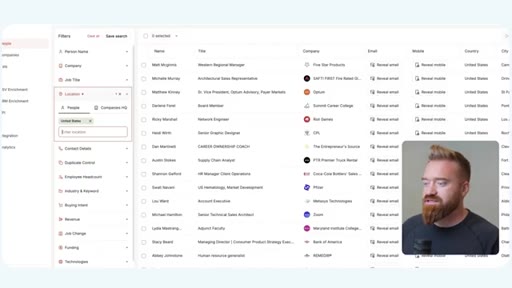
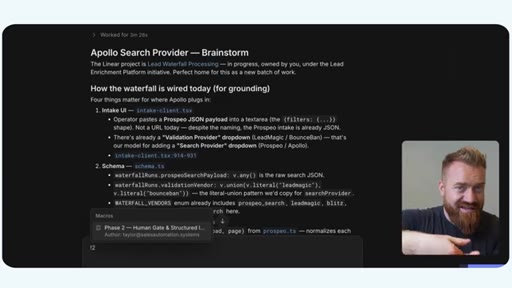
03:28and it's really dope because, know, it has a search thing. We right now, it's built for Prospio. I'm literally in the process right now of making it also work for Apollo so that way we could just choose which provider we wanna search from.
03:39But Prospio is kinda cool as well because, like, they even have this thing. You can come in, you can, you know, fully make a search, and then you come over here, hit search API, and they literally just give you a payload. So I can literally just take that, paste it into there and then this whole thing will work off of that.
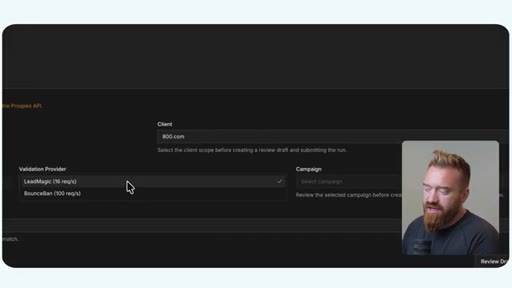
03:51I can select which client we want it to go to, which campaigns we want it to load into. I can choose which validation providers I wanna have inside of it. It's it's really really dope.
04:00I can even do stuff where I can map if I want, uh, what we call safe descends. Those are really, uh, healthy things to go to. We can do that.
04:06Oh, I'd have to select a couple other things, but there's another option I could toggle here to make it so that I can actually route different types of leads to different types of campaigns. It's really cool, and we can just change it whenever we want. If I wanna add in Apollo, I'm I can just do that.
04:18I just talked to CluedCode and it's able to do that for me. And it figures it all out. Once again, I have no idea how to code anything.
04:23But the really cool thing about this is that it's very dependent on Outfound. We also have a lead waterfall that has completely replaced Clay for us, which is pretty huge because, you know, if we were to sign up today for clay and do 17,000,000 enrichments per week, which is what we used to do on clay, my bill would literally be like $217
04:40per week. It's it's completely nuts. And, you know, they grandfathered me in still, so I still have my old pricing, but it's still like, like, new people don't get that.
04:46So that's just kinda odd, you know? But we were able to build our own internal system, and it's really cool because one of the big things that it does is it I mean, it has decreased my spend on data about 80% over the last few months. And really how it works is that one component, just one feature of OutFound IO is that it has a back end database.
05:03And so at the beginning of our waterfall, we do a search via, like, Prospio or Apollo or Blitz API or whatever, we're gonna have this list of people who now we need to get their emails, and we check our database first and we go, hey. Did I already buy this person's email?
05:15Yes or no? Yes, I did. Great.
05:17Has it been validated within the last thirty days? Yes. Awesome.
05:20Now I don't need to spend money on finding that lead, and that's about 80% of our list we're able to find within our own database, and that thing fires stupid fast. We're able to hit it at about a 100,000 times per second. It's really really dope.
05:30And then if we don't have the email, it just goes through the normal waterfall. We'll check Lead Magic, we'll check Wizza, we'll check Prospio, Blitz. There's, you know, every data provider imaginable.
05:38Cloud Code has orchestrated all of it and it just works The next thing I was able to build, which I love this because I took my first vacation probably in a while back in January, and I just built an out of office Slack autoresponder. So I can come into here, create an out of office message, and what it does is whenever a client asks me in any chat, they'll go, hey, Taylor's on vacation actually.
05:56It'll reassign the task in linear to James or whoever I choose. Um, so here I chose James, and it'll, uh, reassign the task to James and then allow me to take my time off without being pinged in Slack. I also made something that makes it so I can just pause campaigns.
06:09So I can go, cool. Christmas vacation is coming up. We're not gonna do campaigns for three days.
06:12It literally goes through every single client, finds every campaign, pauses it, logs which one are paused, and then automatically resumes the campaigns after the holiday break. Just like little stuff like that, little things that you never would think you would wanna build. It's not worth it for your developers to pay for, but we can just build it ourselves.
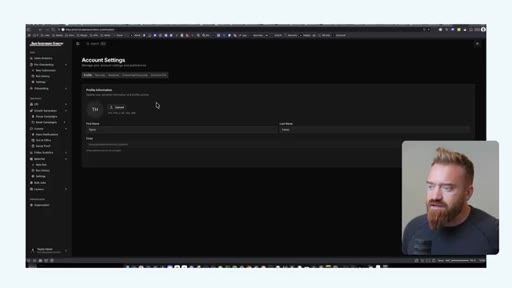
06:26It's great. And then the next thing that I'm working on is like a very, like, central intelligence brain for everything that we're doing. And so my team can come into here, into our settings, and we can connect every single one of our accounts.
06:36And so this actually synchronizes with Google Calendar. All of my meetings get streamed into our central back end database, which is also synced with our CRM and Atio, every meeting I have, every single recording, all of that.
06:47That's And just a quick overview of, like, some of the stuff that we've been able to build. Now let me give you some frameworks on, like, how to actually think about this. Like, those are just some examples of it built, but, like, here's actually my workflow for all of these things.
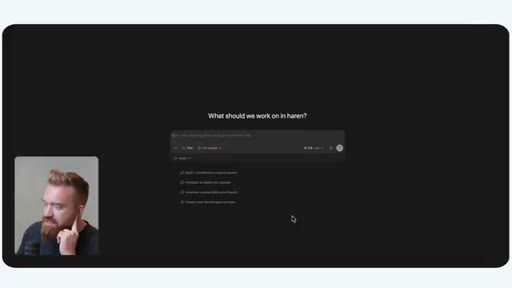
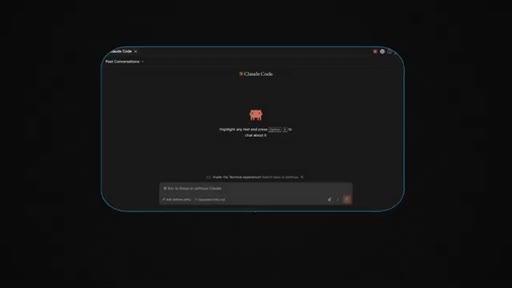
06:57Phase one is where you just have plan mode. Right? So it's really simple.
07:01You can come in to either Claude Code or Codex and turn on plan mode. And what's really good in here is you wanna like really really plan as much as you can. You wanna talk to it like, hey, we're just brainstorming right now.
07:10I want you to criticize this. It's really important that you do that. There's a ton of stuff that goes on in this planning phase, and I spend most of my time doing really good detailed plan.
07:18The thing that's really been leveling up everything that I'm doing though is you're constantly gonna be fighting against context windows when it comes to these things. So for example, the AI only has so much brain or like storage, and as you get to that, it's gonna do this thing called compaction where it goes, okay, like, what's most important for me to remember?
07:33It remembers it and then so it frees up a bunch of space, but it loses data in there. Something that I've been doing recently is I will make a plan and I'll and I will say, hey, let's document this inside of linear. A plug in or whatever.
07:43If you just ask it like, hey, how do I install the linear m c p so you can use linear? I'll walk you through how to do that. It's this stuff is really really straightforward because anything you don't know, you can just ask it and then now you'll know.
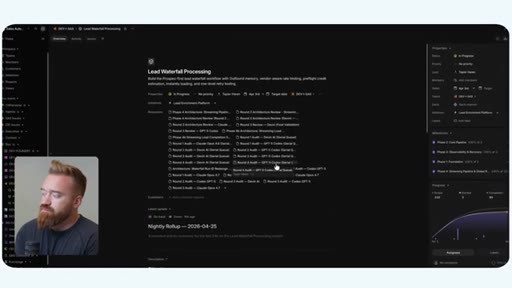
07:52In linear, here's an example of the lead waterfaller. I completely rebuilt it from scratch just about three weeks ago I started on it. You can see when the project started and this whole project has basically been like, okay, cool.
08:02Exactly do we want to build? How do we want to reconfigure everything? Here's the exact thing.
08:06It sets up milestones, and what's really nice about this is now I have a system of record for everything that we're doing, and so any agent that's working on this project can go here, understand everything that has been planned, why everything that's been done, and it can pull in the context whenever it needs to, and it's made it so that my plans are just way better.
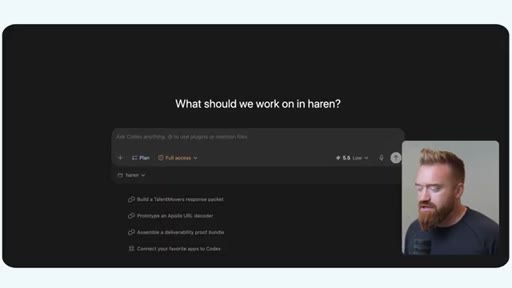
08:22So that's kind of phase one is where you want to really, like, plan everything out. So you have Codex, you have Claude, and the newest tool that I've been really using and really vibing with is Devin here, devin.ai.
08:33And basically, it really seems to understand code bases a lot lot better. It's more expensive, significantly more expensive. You can have a codec sub, $200 a month.
08:41I have never gotten close to my usage. Same thing with Claude code, $200 a month, never gotten close. My bill with Devin right now this month so far is like 7 or $8 or something like that.
08:49So it is significantly more expensive, but it's completely worth it to me. It's a lot better at actually orchestrating this code and things like that. So I split my plans up into what I call phases.
08:58Right? So in Devin, you hit an exclamation point and they have these things called playbooks. Right?
09:02So we can say here, phase one is a deeper session. What it does is it spins up about 20 plus sub agents and it stress tests everything in that project. And so usually, I'll start in codex like like I mentioned earlier.
09:14I'll go into a plan. I'll do some stuff there. I'll say, hey, save it in linear.
09:17And then usually, I'll bring Devin in, I'll be like, hey, let's do a phase one audit and really tear this thing down and really make it make sense. The phase two is something that I use where the agent now goes, cool. Here's all the criticisms that we did on the plan.
09:29Here's what the thinking is right now. Here's anything that needs a human review before we go to do the plan. Phase three is just a quick thing where it prepares the code base and it, like, creates a branch and it's able to just go.
09:40Phase four is where we really start actually implementing everything. And so phase four is really cool because I built two things. Right?
09:46One is I have a mode where it will actually log into Codex for me. It'll like spool up a sub Codex thing, and it will actually manage a sub agent doing Codex, and it's using my Codex sub. So it's kind of a way that I can like keep my Devon bill as low as I can.
09:59The other thing that I'm able to do is it just gives me a prompt to just run codecs on my own. And this agent works and once again is able to build everything completely from scratchers, which is really dope. And then it also in the same command does phases five and six.
10:12Phase five is basically where Devin, it'll like write the code or Codex will write the code and it'll be like, alright, this thing's good. And then it goes into a review process where it like loops, it uses things like Devin, CodeRabbit, cursor review to actually critique all the code and go, cool.
10:27CTAIs there anything that was missed here? And are there any conflicts? Is this gonna cause any errors if we like merge this code into GitHub?
10:33CTAAnd it's really dope because once again, I do not know how to code. I literally show up here. I have one agent that's really smart, build everything, and then I have a bunch of other agents review everything, and then they automatically loop until the code is perfect, and I go awesome.
10:45CTAAnd then phase six, we merge the code in, and then it works and it ships. I ship code using this loop dozens of times a day. Even though even if you put a gun to my head, I would not be able to tell you what a single line of this code, like, actually does if I looked at it.
10:57CTAAnd this whole process has done so much for us. It's super fun, and it just it makes us a weird bottleneck. If it instantly rate limit goes down, then our automations would break.
11:05CTAIf a Zapier integration goes down, then our onboarding would stop. And we just don't have those ceilings anymore. The second a client drops a new idea in Slack, I can at Devin, I can at Codex, I can at Claude, and I can ship it on the very same day.
11:18CTAAnd real quick, if you at any point in this video want us to set up a cold email machine that leverage all of these types of systems I'm showing you in this video, click the first link in the description to book an intro call with us. Let's continue. The next thing I wanna talk about is once the internal app and OutFound are in place, the next thing that changed was how we handle even just like one off client problems or whatever because data truly is king.
11:40When you have the data, your decisions are made for you. And the best way to show you what I mean is to walk you through a real situation we had just last month with a client. Right?
11:48A client messaged us upset saying they'd only get in like five positive replies the entire time we've been working together, and we were super confused. Right? We knew that number was like way off.
11:56But without pulling every thread by hand, we just couldn't prove it. And so instead of assigning this to someone on the team, and it would take them two days, I just opened up Claude Code and walked through everything in a matter of minutes. And here's what those minutes look like.
12:09You see, I had Claude Code pull every single reply from the client's positive reply channel using the Slack MCP. I had to cross reference it with OutFound to be sure we didn't miss anything. Right?
12:18Like, let's double check ourselves. Did we totally fuck up? Like, what's going on?
12:21And the data showed 46 positive replies, not five. But But I didn't trust that number yet either.
12:26We there was a bug in outbound where all of a sudden auto responders were flagging positives for things like out of offices. And so I was like, okay. So we gotta parse through this data a little bit.
12:35So I had Claude code then read every single one of those positive replies and classify whether it was actually a positive or not. And so the true count came down to 26, which is still way more than five. And then we went even further than any human audit would have been able to go.
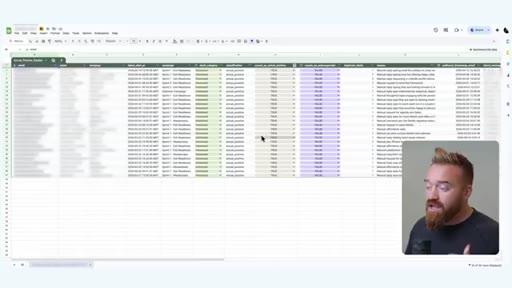
12:49I asked Claude Code to pull up the ideal customer profile from the client when they gave it to us, our onboarding form, and then Claude visited every single website, all 26 leads, and checked if each lead actually fit into the client's target market. And then it handed me back this spreadsheet here, and it had every reply and then every positive reply on here.
13:08It had, is this person a fit for the ideal customer profile and a confidence score because some of the websites didn't even load, for example, and notes on anything that it didn't even fit. I was able to shoot this over to the client and be like, hey, man. Is is something going on?
13:19Did we miss something? Like, this is a very, very different picture, and this is above expectations that we set when we started working together.
13:26Right? And the important part here is that this would have taken someone on my team, like, two full days of manual work. I would have had to question if it was even accurate, and I did it in literally, like, five, ten minutes, and the output was more thorough than what a human would have ever given me.
13:40And so that client on it was just a one off problem, but the bigger use cases come up every day where we're just answering questions no one else even is asking. You see, I can sit down with Claude code and have a real conversation with years of campaign data across every client we've ever worked with.
13:55You don't have to set up, like, a BI tool or know how to use SQL queries or even hire a data analyst. For this workflow, you can literally just use Claude code with an Outfound MCP, and it does great. The most recent example that just totally blew my mind was figuring out how fast our clients actually reply to our positive leads.
14:10So our biggest problem right now with churn is the number one reason clients will churn is we will get them a ton of positive replies, and they're like, we didn't convert any of it to paying customers. And I'll be like, dude, Joe, you got like 300 positives in like three months. How the hell is that possible?
14:21It's just like, well, we didn't call the leads, we didn't do whatever. So was like, okay. I wonder what that data point actually is so I could see how serious and, like, how spread out on our clients it was because I I thought it was a very big issue.
14:29I was like, okay. How long does it take our clients to actually reply to a lead when they get a positive reply? And nobody tracks that number.
14:34You can't pull that number from any of your sequencers. They don't track that. That's not a data point in the UI.
14:38Open up Cloud Code, connect it to the outbound MCP, and started asking the question. It definitely took a little bit of work. Like, the first pass, it measured the wrong thing.
14:46The second pass, it got closer. And then on the third pass, it filtered out automated reply, so I was only looking at actual manual human follow ups from our clients. And what we ended up finding out is that on average, our clients are taking four days four days
15:01reply to a lead who said yes, and that one data point is now reshaping our entire business. Because now we know clients are leaving these hot leads just sitting there for four days. Now we're building an open claw like auto reply framework for all of our clients to reply to leads within one minute, and it'll also multichannel.
15:17It'll phone call to leads. It'll send a text message to the leads, and it'll also trigger, like, outbound DMs to the leads. And so version one right now that we're and it's in beta with all our current clients right now is that it positively replies every single client within one minute of that.
15:31Version two is we're gonna layer on the phone calls and the text messages, and then version three is gonna do all four of those channels for the next seven days until they convert into a success event. And because we already know the exact delay from the data, we know we can offer it for like a two k add on to all of our clients, and they will get way better results for themselves.
15:51And that entire product idea came from my own Cloud Code conversation with our own data that you can't get literally anywhere else. Alright. So the last use case we'll cover is copywriting.
16:01You see, I built a cold email copy skill for clog code, codex, whatever you use, that pulls actual performance data from OutFound without writing a single word. So instead of guessing which angle to test, it looks at what's actually booking meetings for that client and writes a full campaign around that. A great example of this is one of our clients, Everstage.
16:20You see, ran this skill for them. It analyzed over 708,000 emails across 16 different campaigns,
16:2630 plus variants, and it found that pain point openings were responsible for 100% of all of their booked meetings. Then after we did that, I had to write up five variants of email number ones and then three follow-up emails using the exact same frameworks that it learned from there.
16:41It got it to, like, 90% of the way there. I'm still not at the point where it's like, cool. I just copy and paste copy that's output from from any AI.
16:47It gives it to us, and then we review it from human. We take it from 90% to 100%. But what's great is when I have a data backed first draft that already reflects what's actually worked, Cloud Code gets me 90% of the way there in just two minutes.
16:59And then also, we're working on a system that'll automatically do that on a two hour cadence and automatically dispatch new campaigns and new copy for clients in real time and I just can't wait to be able to roll that out. And so that's a quick update on everything we're doing with all these tools. Hopefully, it spurs your creativity or serves you well.
17:17CTAI try to just talk about this stuff in a, you know, honest and transparent way. Here's what's working for us, and so hopefully hopefully it works for you. Now if you want us to handle your cold email for your business the way that we do it for clients like r b two b, Fixer AI, and Directive Consulting, leveraging all these crazy systems that I showed you, then click the first link in the description to book an intro call.
17:36CTAJust last year, we generated over $10,000,000 in trackable revenue for our clients from our cold email campaigns, and we're planning to get a lot higher number this year. And so click the first link below, book your call.
17:47CTAAnd if you wanna see exactly how we built a cold email machine that sent 8,800,000 emails per month for Fixer AI, then watch this next video.
— full transcript
§ 05 · For Joe

Build the data layer first. Then ask it anything.

Own-your-stack playbook

The moment you own your data and expose it via MCP, Claude Code becomes a business intelligence analyst, a product manager, and a QA engineer you can talk to in plain English.

  • Pick the one data source your business runs on and build or migrate it to something you own.
  • Expose it via MCP. This is the unlock. Claude Code can now query years of history without SQL or a BI tool.
  • Your first three questions will reveal products. His 4-day reply delay became a $2K per month add-on in one conversation.
  • The 6-phase agentic loop (Plan + Stress-test + Implement + Review + Merge) is a template you can run today with Claude Code + Codex + Devin.
  • Lead with scale, show the tools, then give the framework. Credibility before the tour, not after.
  • Record the equivalent video for MCN: I rebuilt my entire creator platform on Claude Code, same structure, your own stack.
§ 05 · For You

What this means if you run any kind of service business.

The non-coder edge

The barrier to owning custom software just dropped to zero. If you can describe what you want in plain English, you can build it.

  • You do not need to know how to code. Taylor is sending tens of millions of emails a month and cannot read a single line of the code that runs it.
  • Start with the data you already have. Your CRM, your email history, your transaction logs are already worth querying if you connect an AI to them.
  • Every SaaS subscription you are paying for is a ceiling. Zapier limits your automations. Clay charges per enrichment. Custom code on your own server has no ceiling.
  • The cheapest way to test if AI can replace a tool: describe the job to Claude Code in one paragraph and see what it builds in an hour.
§ 06 · Frame Gallery

Visual moments.