Daniel Priestley · Youtube · 15:51

Why You Must Master Hiring in the Age of AI

Daniel Priestley's complete playbook for building a small AI-enabled team — four roles, one weekly rhythm, and a hiring system that flies in the face of job boards.

Posted
May 18th 2026
today
Duration
15:51
Format
Tutorial
educational
Channel
DP
Daniel Priestley
§ 01 · The Hook

The bait, then the rug-pull.

Every founder knows the feeling: you are the salesperson, the delivery person, the person filling in tax forms at midnight. Daniel Priestley opens not with credentials but with that pain and then offers a structural escape via four roles that, in the age of AI, can do what used to take twenty people.

§ · Stated Promise

What the video promised.

stated at 00:10 "This video is gonna cover the exact advice that you need to build a small and mighty team. I'm gonna cover the roles. I'm gonna cover what you should be doing week to week. I'm gonna cover what you should be measuring." delivered at 15:00
§ · Chapters

Where the time goes.

00:00 – 00:27

01 · The solo-operator problem

Opens with the pain of doing everything yourself before promising the 4-role solution.
00:28 – 02:08

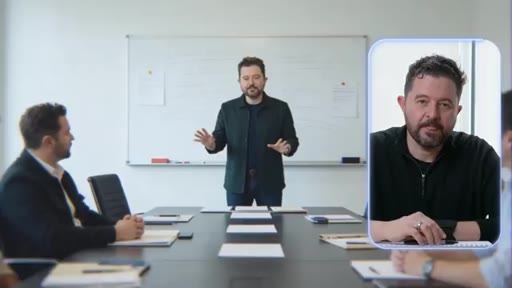
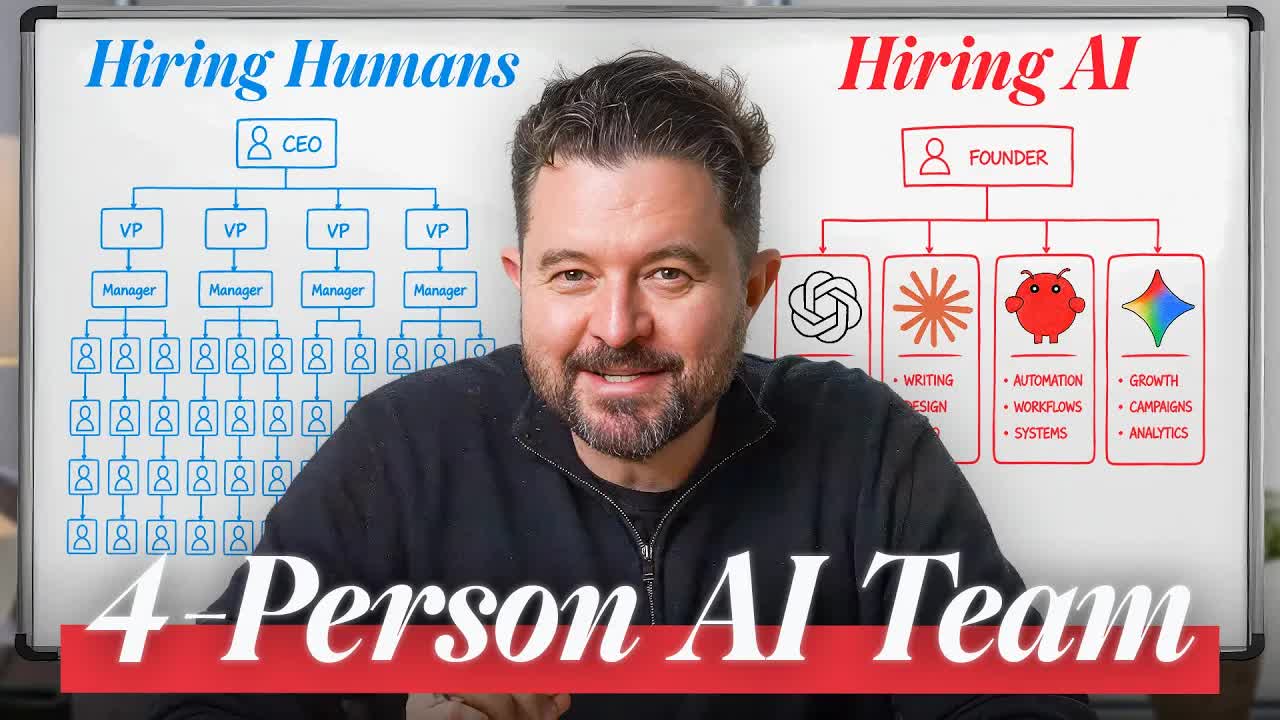
02 · The Four Roles Overview

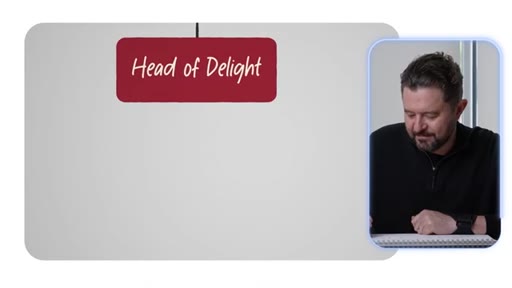
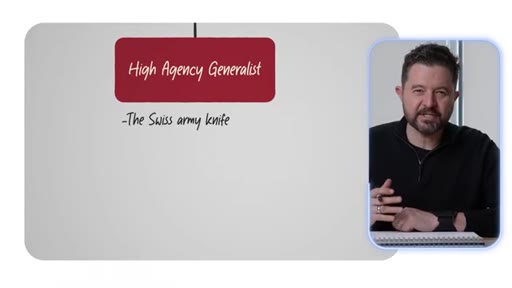
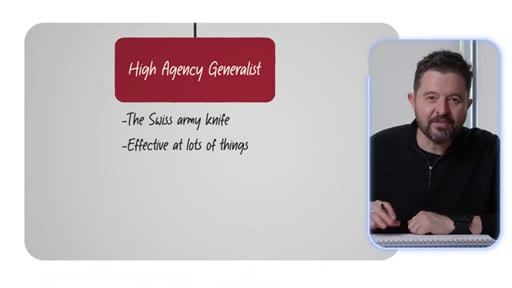
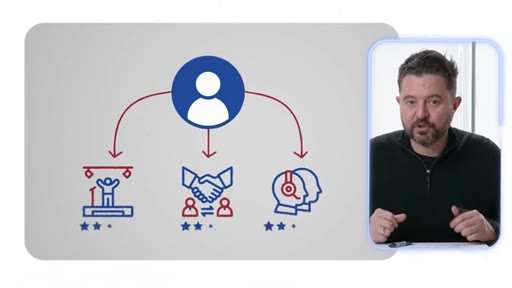
Introduces all four roles via animated org chart: Key Person of Influence, Head of Growth, Head of Delight, High Agency Generalist.

02:09 – 04:24

03 · Role 1: Key Person of Influence

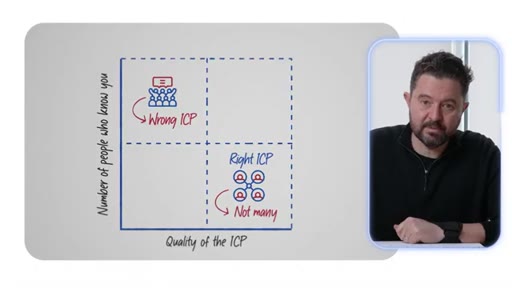
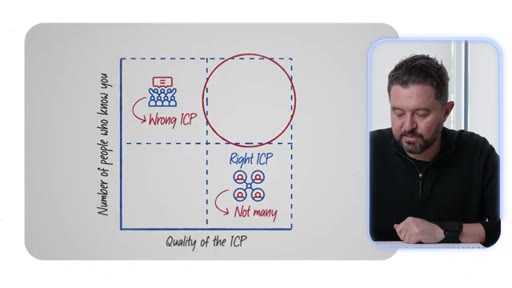
Deep-dive into the KPI role. Metric = high-quality attention from ICP. 2x2 matrix of followers vs ICP quality. Threshold: under 5,000 trusted followers = below the line.
04:25 – 06:07

04 · Role 2: Head of Growth + LAPS

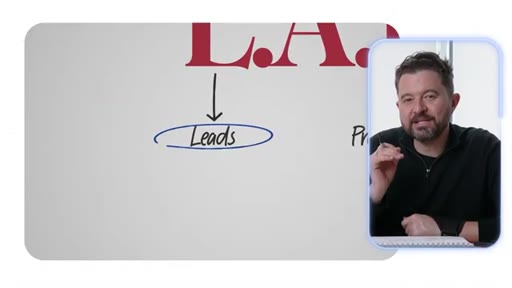
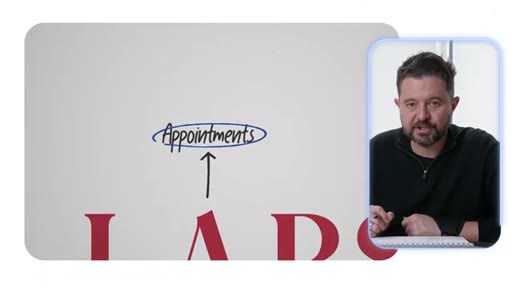
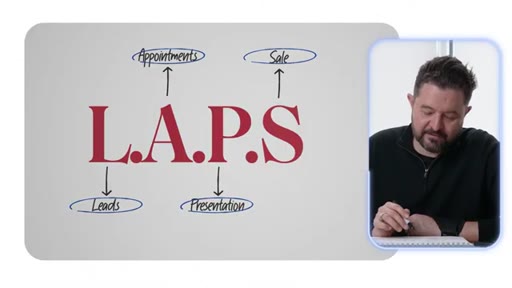
Head of Growth converts KPI attention into LAPS: Leads, Appointments, Presentations, Sales. Uses AI for landing pages, campaigns, ads, outreach.

06:08 – 08:07

05 · Roles 3 and 4: Head of Delight + High Agency Generalist

Head of Delight = product + CSM hybrid, measured by NPS. High Agency Generalist = James Bond, 7 out of 10 at everything, thrives in startups.
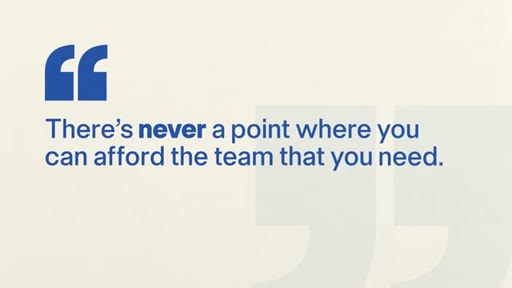
08:08 – 09:15

06 · Recruiting before you can afford it

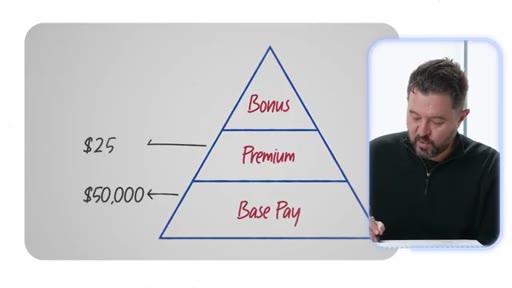
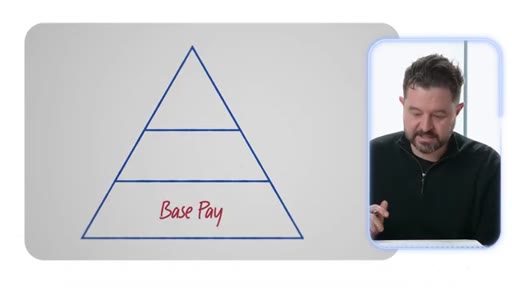
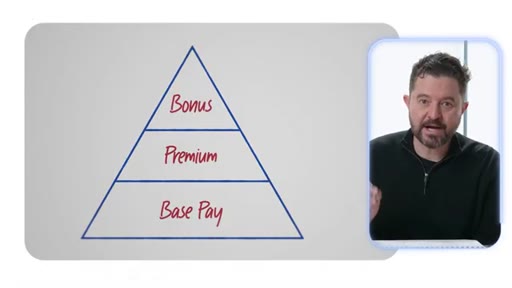
The counterintuitive hiring truth. Three-tier pay: Base + Premium + Bonus. Example: $50K + $25K + $20K = $95K.
09:16 – 10:56

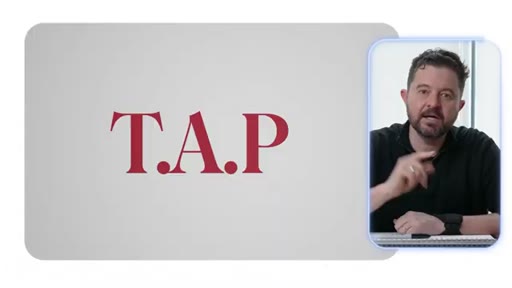
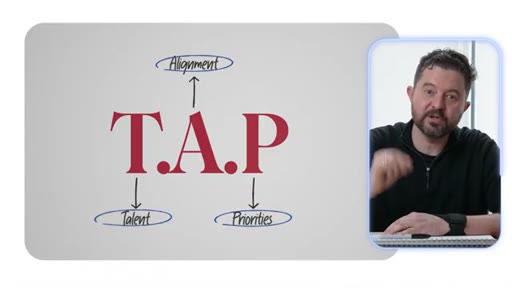
07 · Monday TAP Meeting

Weekly rhythm: Talent, Alignment, Priorities. In person at breakfast or Zoom. Running WhatsApp thread all week.
10:57 – 11:58

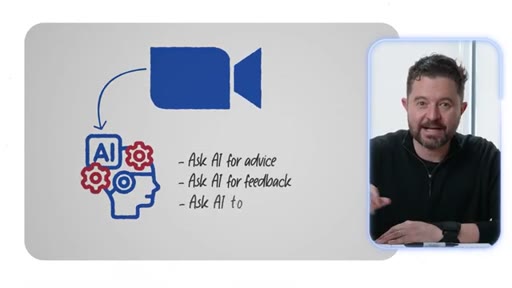
08 · Friday Debrief + AI as coach

Tick off Monday commitments in front of peers. Every meeting transcribed by AI; ask AI to act as business coach.
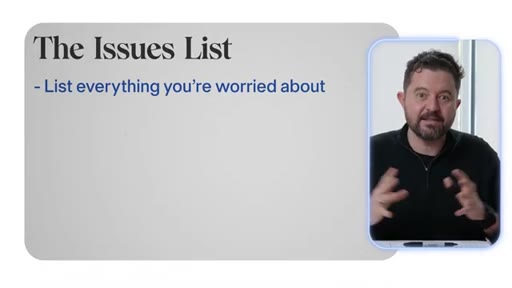
11:59 – 13:21

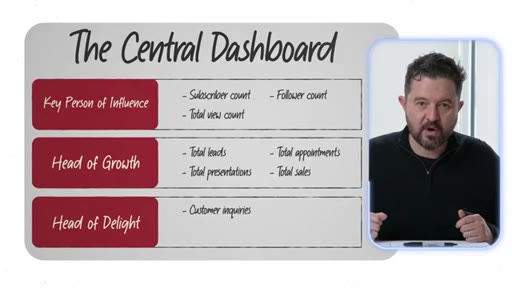
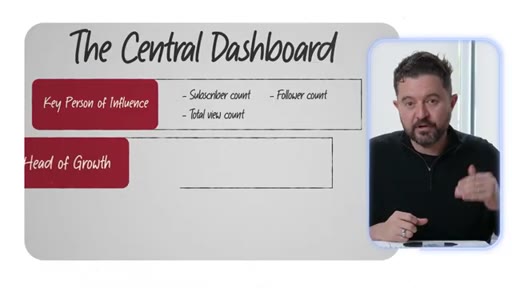
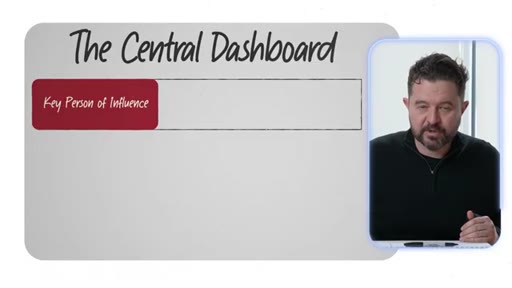
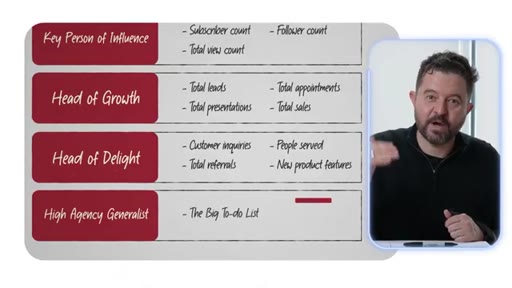
09 · Central Dashboard + Issues List

One dashboard covering all four roles with specific metrics per role. Shared Issues List for team concerns.

13:22 – 14:33

10 · The 5 Ps + Scaling the Team

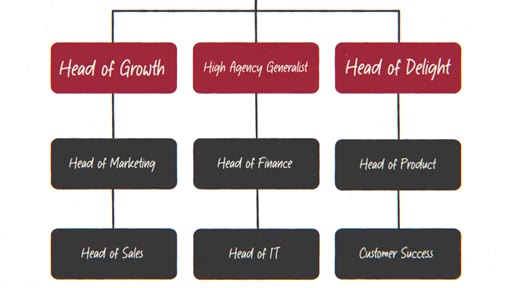
KPI founder focuses only on 5 Ps: Pitching, Publishing, Product, Profile, Partnerships. Full org chart for scaling beyond the four-role core.
14:34 – 15:51

11 · The Landing Page Hiring Method + ScoreApp

Build a landing page with vision/mission/values + 40-question ScoreApp assessment. Filters for role fit, startup attitude, and skills before any interview.

§ · Storyboard

Visual structure at a glance.

open solo operator pain
roles org chart intro
role 1 KPI deep dive
KPI matrix diagram
LAPS dashboard
recruit before you can afford it
pay pyramid base premium bonus
TAP framework
AI as business coach
central dashboard full view
team expansion org chart
practical hiring checklist
ScoreApp CTA
outro and subscribe
§ · Frameworks

Named ideas worth stealing.

00:28 list

The Four Roles of an AI-Enabled Team

  1. Key Person of Influence
  2. Head of Growth
  3. Head of Delight
  4. High Agency Generalist

The four-role minimum viable team structure for a post-AI startup. Each role has one primary metric.

Steal for MCN+ positioning - frame Joe as the KPI and MCN+ as the system that fills the other three roles for creators
04:55 acronym

LAPS Dashboard

  1. Leads
  2. Appointments
  3. Presentations
  4. Sales

The Head of Growth weekly scorecard. Four sequential conversion stages that convert KPI attention into revenue.

Steal for Any sales page, agency pitch, or creator monetization funnel
03:20 model

KPI Matrix

2x2 grid: quantity of trusted followers (y) x quality of ICP (x). Target quadrant = many trusted followers who are all ideal buyers. Threshold: 5,000.

Steal for Audience audit framework for any creator or consultant
09:41 acronym

TAP

  1. Talent
  2. Alignment
  3. Priorities

The Monday meeting framework. Right people (Talent), knowing the goals (Alignment), knowing the steps (Priorities).

Steal for Team meeting agenda for any weekly sync
08:19 model

Base + Premium + Bonus Pay Structure

  1. Base (existence)
  2. Premium (development)
  3. Bonus (quarterly project bounty)

Three-tier compensation pyramid that aligns incentives and lets founders recruit before they can technically afford the hire.

Steal for JoeFlow contractor or MCN+ team compensation structure
12:17 list

The 5 Ps Founder Focus

  1. Pitching
  2. Publishing
  3. Product development
  4. Profile raising
  5. Partnerships

The only five things a Key Person of Influence needs to focus on once the team is in place.

Steal for Joe's weekly priority filter
13:21 concept

Landing Page Hiring Method

Replace job boards with a public landing page showing vision/mission/values + a 40-question ScoreApp assessment. Filters applicants before any human time is spent.

Steal for MCN+ member qualification intake
§ · Quotables

Lines you could clip.

08:08
"There is never a point where you can afford the team that you need. You have to recruit the team that you can't afford."
Counterintuitive truth - standalone clip with no setup needed → TikTok hook
04:04
"Attention is the new oil in the economy. It's the rare thing. It's the difficult thing. It's the hard problem that every business has to solve."
Punchy 2-sentence frame - zero setup needed → IG reel cold open
15:13
"You're not looking for perfection. You're looking for the best people you have the ability to bring on to your team."
Permission-giving punchline → Newsletter pull-quote
06:55
"Even though they're a seven out of ten at everything, because they're not a ten out of ten at anything, they often find themselves stuck within larger companies - and this is where they're gonna thrive."
Reframes the undervalued generalist → TikTok hook
§ · Pacing

How they spent the runtime.

Hook length27s
Info densityhigh
Filler5%
Sponsor blocks
  • 04:19 – 04:44 · KPI Workshop (self-promo)
  • 15:02 – 15:40 · ScoreApp Academy (self-promo, co-founder)
§ · Resources Mentioned

Things they pointed at.

§ · CTA Breakdown

How they asked for the click.

15:02 product
"To set up one of these hiring assessments, use scoreapp.com, which I'm a cofounder of."

Two-stage CTA: self-promo KPI workshop at 4:20, then ScoreApp Academy at the close. Both integrated naturally into content flow.

§ 04 · The Script

Word for word.

HOOK opening / re-engagementCTA the pitch metaphor analogy
00:00HOOKThe opposite of having a team is everything's on your shoulders. You are the salesperson. You are the delivery person.
00:05HOOKYou are the person who's trying to get attention. You're the person who's filling in forms before the tax office. Now this video is gonna cover the exact advice that you need to build a small and mighty team.
00:15HOOKI'm gonna cover the roles. I'm gonna cover what you should be doing week to week. I'm gonna cover what you should be measuring.
00:20HOOKAnd then most importantly, I'm gonna cover what you should be developing. So let's get into how to build an AI enabled entrepreneurial team. So these are the four roles that I think are the most important if you wanna have a super successful business in a post AI revolution.
00:35The first role, of course, is the key person of influence. The key person of influence is gonna be about visibility and attention and setting the direction and creating a signal in the marketplace. This is the person who's gonna be the face of the business.
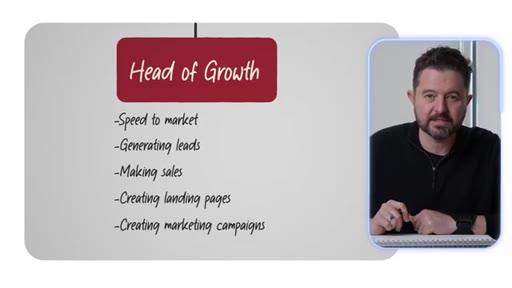
00:48It's probably you as the founder, and this is the person who gets a lot of cut through in a noisy marketplace. The second role is called head of growth. Head of growth is the person who does speed to market.
00:59They're generating leads. They're making sales. They're creating landing pages.
01:03They're creating marketing campaigns. They're optimizing some ads. They're creating some content marketing machines, and all of that is resulting in new clients every single week.
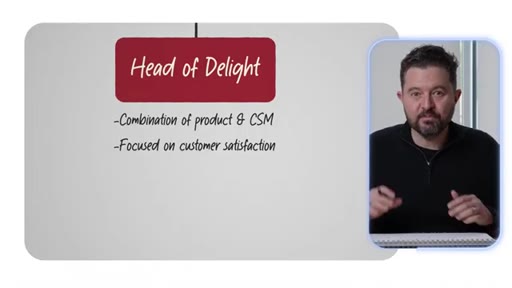
01:12The next role is what I call head of delight. Head of delight is a combination of the product and the customer success role.
01:20This is the person who is really focused on making sure every customer gets what they were promised and then some. So this is a person who can build products. They can handle inquiries that customers might have.
01:31This person is generating happy customers. And the fourth role is what I call the high agency generalist. This is the Swiss army knife.
01:39This person can do 25 different things. If they need to be a salesperson, they can do a pretty good job of it. If they need to do a customer success call, they can do that too.
01:47If they need to string together a little automation, they can do that. They're good with AI. They're good with media.
01:53They're good with technology. They're good at organizing the finances. They're good at filling in forms.
01:58Whatever needs to happen, the high agency generalist can absolutely get it done. Okay. So let's deep dive into each of these four roles.
02:05It's so important that everybody knows what is their role and what is it that they own. The first role is the key person of influence, and your number one metric is attention from the right ICP. The right ideal customer persona needs to be paying attention to this business.
02:19Now here's the thing. Attention is the new oil in the economy. It's the rare thing.
02:23It's the difficult thing. It's the hard problem that every business has to solve, and tension is what the key person of influence is gonna do. So this key person of influence is gonna be on podcasts.
02:33They're gonna have a YouTube channel. They're gonna write a book. They're gonna speak on stages.
02:37They're gonna refine their message. They're gonna hone in on the ideal customer persona and figure out how to get their attention. So here's how you measure it.
02:44I want you to think about this matrix for the key person of influence. On one axis, we have the number of people
02:52who know who you are. They know you. They like you and trust you.
02:55And on the other axis, we have the quality of the ICP. So up here, we have lots of people who know you, but they're the wrong ICP.
03:04So you might think of this as an influencer. You might think of this as someone who's trying to be famous. They're appealing to an audience who doesn't actually have any money.
03:13They don't actually care. They're not decision makers. No one there is gonna be buying anything.
03:17And down here, we've got the right ICP, but not many of them. So we might call this the consultant. In many cases, most key people of influence start out in this box.
03:28They start out that they are very good at being trusted by the ideal customer persona, but just there's not enough of them. So where we have to be is in this top box over here, the key person of influence box, where we have lots of people who know who you are.
03:41They like you and they trust you. And all of those people or as many as possible are the ideal customer persona. These are people who are decision makers.
03:49They've got budget. They wanna spend money. They wanna get things done that you can offer.
03:53Right? So the key person of influence has a audience of people who are the right ideal customer persona. All of this we can think of as being measured by high quality attention.
04:03Now to be brutally honest, if you've got less than 5,000 people who know you, like you, trust you, they understand your value proposition, you are below this line. Unfortunately, many of you watching will be in this box here.
04:14CTAYou don't have a big audience, and the audience that you do have don't have a lot of money to spend. We're gonna have to get you a bigger audience of the right people in order for you to be a key person of influence in your industry. Now, if you recognize the power of being a key person of influence and you wanna double down on this strategy, we run a workshop that talks about how to become a key person of influence, and it talks about specifically
04:35CTAthe job description of a key person of influence. I run that workshop regularly. There'll be a link below that allows you to book in for that workshop, and I'd love to see you there live.
04:44Now let's get on to role number two. Role number two is the head of growth. So head of growth is gonna turn all of this high quality attention into what we call LAPS.
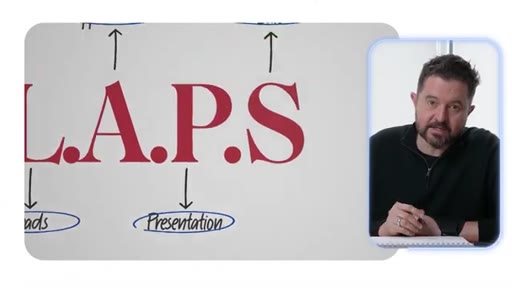
04:53LAPs stands for leads, appointments, presentations,
04:58and sales. So a lead is what happens when we identify someone we should be talking to or someone fills in a form. In some way, they've signaled that they're interested in what it is that you offer.
05:09An appointment is where they block out time to spend time with your business learning about your value proposition. Presentation is where you present your value and people gain clarity about what your value proposition can offer them, what problem you can solve, right, what it is that your product will do for them.
05:25And a sale is where you handle any objections and you actually organize the payment plan or the pricing structure that works for the client and they sign up. So what we like to do with businesses is create a lapsed dashboard where the head of growth is driving more leads, more appointments, more presentations, and more sales,
05:42which is helped by the key person of influence who is creating lots of high quality attention that drives that whole process there. Now the head of growth is someone who can use AI to create landing pages. They can create marketing campaigns.
05:54They can get their hands dirty with social media to engineer some of that attention to click on a few links. They may even be able to run ad campaigns, and they may be able to reach out and get salespeople or use sales technology in order to get conversions.
06:08So the head of delight is gonna be focused on a metric called the net promoter score, or you could call it the overall experience score.
06:16This person here is gonna build a product or service that people wanna recommend to others or that people say is an amazing experience. If you're running an agency model, this person is looking after the client so that they are so thrilled that they would come back again or that they would recommend you to somebody else.
06:31If you're running a technology business, this person is building that piece of technology in a way that the person would recommend it to others or would rate it at least an eight, nine, or 10 out of 10 for a positive experience. All that really matters is the person in this role completely owns the idea that they're building a product that delights people.
06:48The fourth role, the high agency generalist. Think of this person as like James Bond within the company. They can do absolutely
06:55anything. You could throw them on a stage. They could give a talk.
06:59You could throw them in a sales meeting. They could do a sale. You could throw them in front of a customer who's complaining, and they could turn it around.
07:06Now they may not be able to do those things perfectly. They're not a specialist. Right?
07:10They're not a specialist in marketing. They're not a specialist in sales. They're not a specialist in building a product, but they're good enough to do a pretty reasonable job at all of these different things.
07:20This person is actually gonna be coordinating the software that runs your finances. They'll be keeping a dashboard for how the business is performing. They'll be setting things up.
07:28They'll be packing things down. They'll be making whatever needs to happen happen. You've met people like this.
07:33You've met people who you can throw into any scenario, and they can come out on top. There are seven out of 10 at everything, and that's the kind of high agency generalist that we're looking for in this team.
07:44Now these people often end up as general managers. They often end up as executive assistants. And in many cases, these are people who are often devalued
07:53in all sorts of bigger organizations. Even though they're a seven out of 10 at everything, because they're not a 10 out of 10 at anything, they often find themselves stuck within larger companies, and this is where they're gonna thrive. Okay.
08:05HOOKSo I'm about to say something that will challenge you. There is never a point where you can afford the team that you need. You have to recruit the team that you can't afford and then work together as a team in order to build in that affordability.
08:16HOOKThat's one of the hardest things to do as an entrepreneur. You've gotta recruit people before you can afford them. Here's how I think about paying these people.
08:24For me personally, every role has three levels of pay. There's the base,
08:31which is how much we pay people for just existing within the business. There's the premium, which is where they develop through the role because they've got new skills, they've got new outcomes, they're achieving at a higher and higher level.
08:43And then there's bonuses, which is within a ninety day period, they were able to tick off a very difficult project and get it done. And as a result, they achieved a bounty.
08:52Imagine that the role is $50,000 to exist, a premium of $25,000
08:59because the business is performing, and bonuses of $20,000, $5,000
09:06per quarter because they're chipping away and hitting outcomes. And all up, they're earning $95,000, and it's made up of base, premium, and bonuses.
09:16Now once you've got your team together, there's a few things that I want you to do. Number one, and it's a nonnegotiable, is a Monday morning meeting.
09:23Every single Monday, you get the team together, either in person around a breakfast table having omelettes together, or if you absolutely have to, on a Zoom call where everyone's Zooming in live for the Monday morning meeting. In the Monday morning meeting, I want you to have in the back of your mind TAP, t a p, talent alignment priorities.
09:42Talent means that you've got the right people in the roles, you've got the best people you can possibly get. Alignment is that all of your team understand what they need to achieve in the next week, and priorities is that they've figured out exactly the things that they should be doing this week in order to achieve those goals.
09:57If you have the right people, talent, aligned to the right goals, feeling motivated towards those goals, they understand exactly what you're trying to achieve,
10:07and priorities, they know the steps to take in order to get there, you are going to tap into your potential. Throughout the week, I want you to be constantly talking on a communications channel. If you're not in the same room for the whole time, you're constantly in a WhatsApp group together.
10:21You're sharing every little update. Here's what I'm working on. Here's what I've just done.
10:25Here's what I've gotten done. And then on Friday afternoon, you do the Friday afternoon debrief. This is where you talk about the three to six big things that you got done.
10:33On the Monday morning meeting, you identified the three to six things that were the most important things. On the Friday afternoon, you tick them all off in front of your peers. Now this is the time for brutal honesty.
10:43If you got nothing done, you need to tell people you got nothing done. A startup team needs to be brutally honest with each other. It's not about egos.
10:50It's about results. And if the results aren't there, we need to adapt and change strategy as quick as possible. I want every meeting to be transcribed by AI, and I want you to be asking AI for advice and for feedback.
11:02I want you to ask AI to pretend to be your business coach based on what you heard in the meeting. What should we be doing differently? I also want you to have one central dashboard.
11:11That dashboard is gonna have all of the key metrics on the dashboard. So here's a few of the key metrics. You're gonna have your subscriber count and your follow account and your view count for the key person of influence.
11:22How much attention and how many of those people are ideal customer personas? For the head of growth, you're gonna have the lapsed dashboard. How many leads?
11:30How many appointments? How many presentations? How many sales?
11:32What was working? What's not working? For the head of delight, you're gonna have the net promoter score or the experience score.
11:38You're gonna say how many customer success inquiries did we look after? How many people did we serve? How many referrals came in last week?
11:44What product features are we adding? Right? So that's all on the dashboard.
11:48And for the high agency generalist, we're gonna have the big to do list, and we're gonna be having red, amber, and green to do lists. These are the most important things, the mid important things, and the really important things. As a team, we'll also have what we call the issues list.
12:02This is all of the things that are on our awareness. These are the things that we're worried about, and we're gonna be surfacing our awareness, and we're gonna be ticking them off as a team. Here's the cool thing.
12:12When you hire the right three people, the head of growth, the head of delight, and the high agency generalist, all you have to do as the key person of influence is the five p's, pitching, publishing, product development, raising profile and getting attention, and doing joint ventures and partnerships with other key people of influence, and that's all you have to do.
12:29You just focus on that and everything takes care of itself. Now, of course, you can expand the team. You can have a head of marketing and a head of sales.
12:36You can have a head of product and a customer success person. You can have head of finance. You can have head of IT.
12:42You can expand the team as you need to, but it all starts with these four roles that are gonna get the business off the ground. I've talked about just bringing people onto a team and giving them a go, but here's the dark side. If someone's not performing, you need to switch them out as well.
12:56The best way to do this is set expectations from the beginning. Let people know that they've got two months or three months to perform, but because you're a startup, if the performance isn't there, it's gonna be that we're gonna part ways in a really positive way for the good of the business. So long as people know that's the deal from the start, they're normally happy to give it a go.
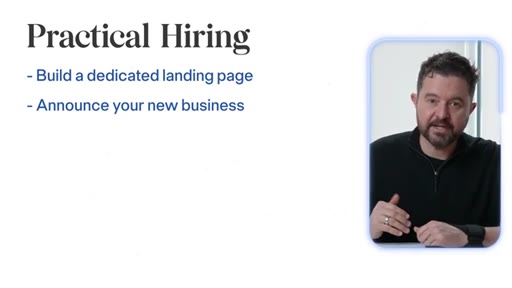
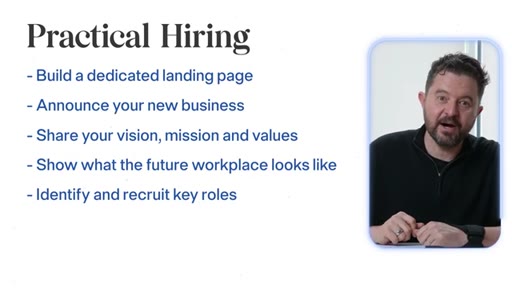
13:14Now I wanna give you a practical way that you are gonna hire people onto your team, and it flies in the face of how most people recruit. Now here's what I want you to do. Build a landing page that tells people what this business is gonna be about.
13:26I want you to tell people that you're launching a new startup and that you're hiring some key roles. Now on that landing page, you're gonna have the vision, the mission, the values. You're gonna have some images that show people what it's gonna be like.
13:37You're gonna paint a picture as to what kind of business you're gonna build, and you're gonna tell people the key roles that I'm looking to hire are people in growth, in product, or delight, and a high agency generalist, or you might call them a general manager or a COO, or you might call them an executive assistant.
13:53You give them roles that they can understand. You put those descriptions on that landing page. You then ask people to click the link, answer 40 questions that will tell you whether they've got the skills and attitudes that are right for the role.
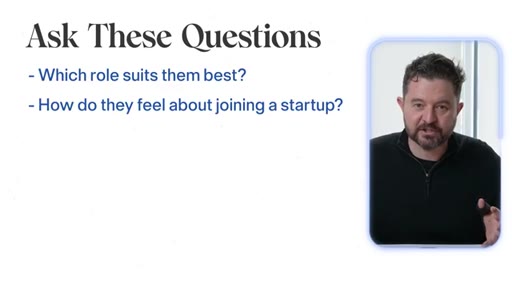
14:05So here's the questions you're gonna ask people. The first question is, which role do you think you're most suited for? And you're gonna give them the options.
14:11Then you're gonna ask them a whole bunch of questions about their attitudes to being part of a fast growth startup that doesn't have a lot of structural direction. Then you're gonna ask a series of questions about skills that they have. Have they ever set up a YouTube channel?
14:24Have they ever done sales calls? Have they ever organized finance and spreadsheets and budgeting? Right?
14:29Ask them about the skills that they bring to the table. Ask them on a scale of one to 10. Are you a specialist or a generalist?
14:36And when they've answered those questions, you're gonna have a pretty damn good idea as to whether they're gonna fit with the role. Now remember, you're not looking for perfection. You're looking for the best people you have the ability to bring onto your team.
14:47CTANow me personally, because of my brand and my profile and my experience, I can bring some pretty good people onto my team today, but I didn't start that way. I started out with anyone who had a heartbeat and a pulse. Now to set up one of these hiring assessments, use scoreapp.com,
15:02CTAwhich I'm a cofounder of, and we actually have ScoreApp Academy where we will teach you how to set it up. And we won't just teach you how to use ScoreApp to hire some people. We'll teach you how to launch a waiting list.
15:12CTAWe'll teach you how to launch an online lead generation campaign. All of it is templated. It's way easier than you think.
15:18CTASo join ScoreApp Academy, and you'll be able to see exactly how we use ScoreApp to solve many problems that a startup needs to solve. Okay.
15:26CTAIf you found this video useful, I would love for you to check out the sales master class. I have done a back to back end to end analysis of how to do great sales. This is what you wanna be watching with your head of growth.
15:38CTAWe're gonna cover laps. We're gonna cover the sales strategy. We're gonna cover conversions.
15:42CTASo I want you to jump into that sales master class next. You can find the link below. I hope you've enjoyed this video.
15:47CTAGive this channel a like and a subscribe, and I look forward to seeing you soon.
— full transcript
§ 05 · For Joe

Steal the 4-role system.

KPI playbook

The four-role framework (KPI + Growth + Delight + Generalist) is the cleanest team architecture for a creator or indie founder and maps directly onto MCN+ positioning.

  • Position yourself as the KPI role - attention, message, visibility. Delegate everything else.
  • Run LAPS as your growth scorecard every Monday: Leads, Appointments, Presentations, Sales. If you cannot see all four numbers you do not have a growth function.
  • Audit your own audience against the KPI matrix: 5,000+ trusted followers who are your ideal buyer is the only metric that matters until you hit it.
  • Replace job board hiring with a landing page plus ScoreApp-style 40-question assessment - filters qualification before any human time is spent.
  • Steal the Base + Premium + Bonus pay pyramid for any contractor or team member.
  • Run TAP every Monday (Talent, Alignment, Priorities) and a Friday debrief against those exact commitments. Brutal honesty, no ego.
§ 05 · For You

If you want to stop doing everything yourself.

For the solo operator

You'll never be able to afford the team you need - so stop waiting until you can.

  • Pick your one role: KPI (the face), Growth (the builder), Delight (the deliverer), or Generalist (the fixer). You can only truly own one.
  • Before hiring anyone, build the landing page that describes your vision and the roles you need - it filters better than any interview.
  • Run a Monday meeting with TAP every week, even if it is just you and one other person.
  • If your audience is under 5,000 trusted followers, audience building is your only job until you cross that threshold.
  • Ask AI to review your meeting transcript and act as your business coach - costs nothing and catches what you miss in the moment.
§ 06 · Frame Gallery

Visual moments.