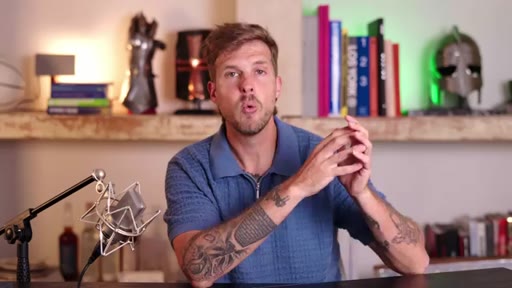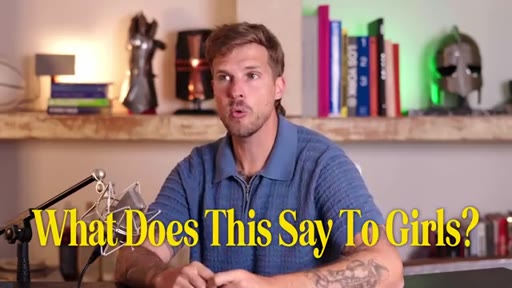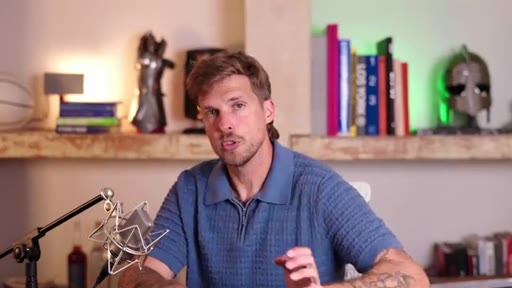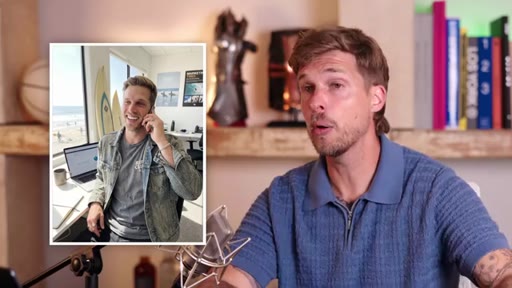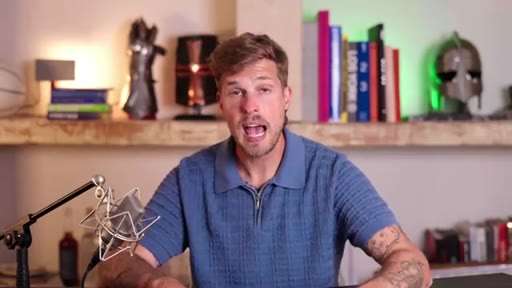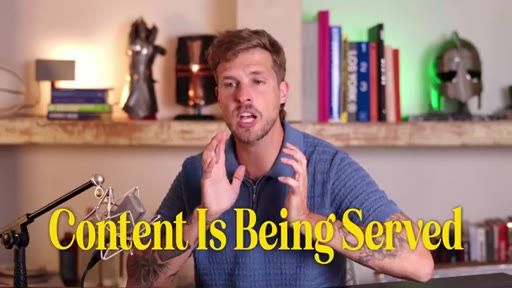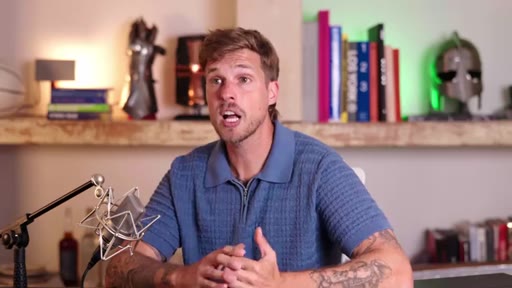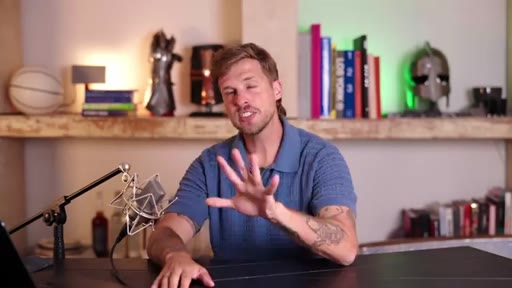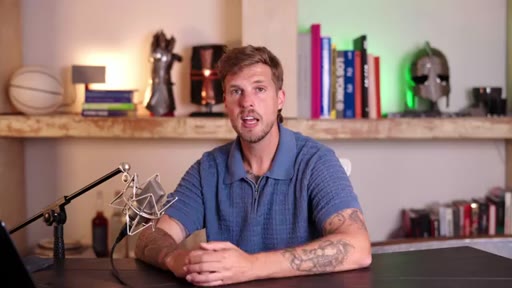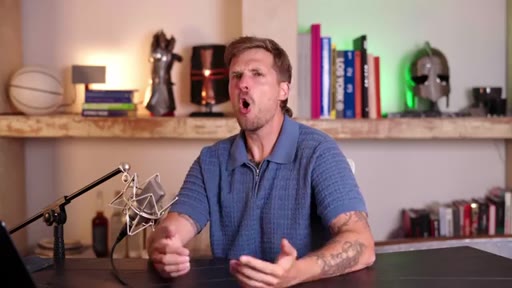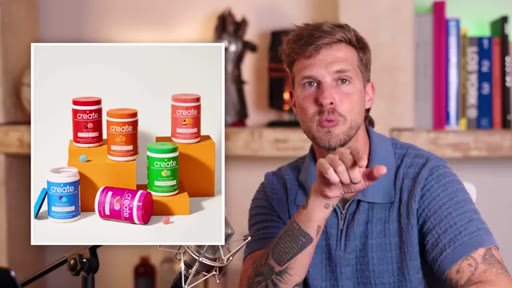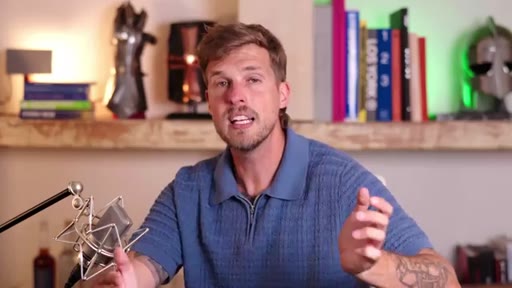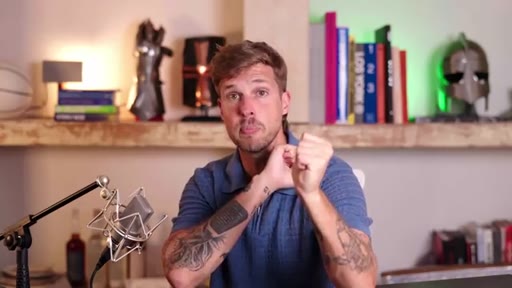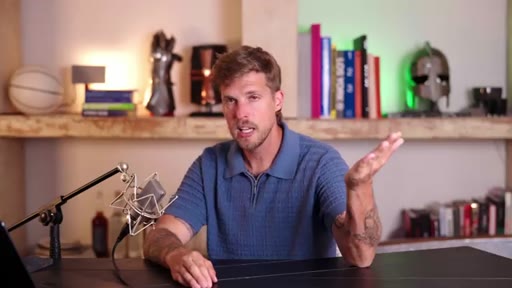

The bait, then the rug-pull.
Oren opens with a blunt thesis most marketers notice but rarely say aloud: your male and female customers are scrolling entirely different internets. What follows is 24 minutes of practitioner-grade observation — from paid scroll-watching sessions to live ad account tests — reverse-engineering the two algorithm engines that now define how people feel about themselves, and what they buy to feel better.
What the video promised.
stated at 01:08 "I'm gonna give an intro and we're gonna talk through the phases of marketing... Then I'm gonna talk about developing a bank of cultural insights... And then I'm gonna break down what I know about the women's algorithm and the men's algorithms... Now I'm gonna end with some core thoughts about why we buy things in the modern era." delivered at 22:43
Where the time goes.
01 · The four eras of marketing
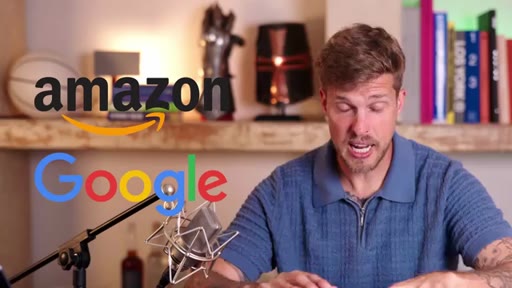
Monoculture (sex-sells, Abercrombie) to search commoditization (Amazon/Google) to TikTok algorithm era (Lululemon, ON) to hyper-tailored demographic targeting now.
02 · HubSpot AEO (sponsor)
60% of searches end without a click. AEO = showing up when AI gets asked for brand recommendations. Demo using the host's own shoe bag product.

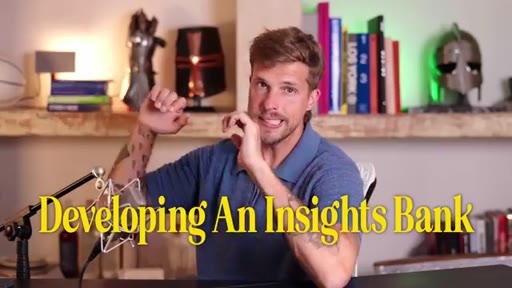
03 · How to build a cultural insights bank
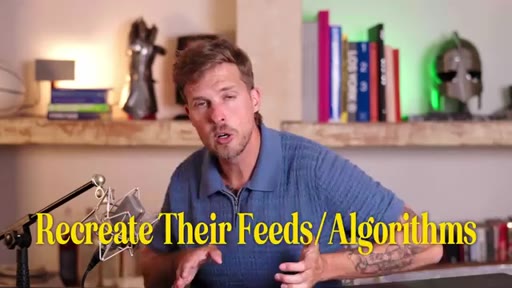
Burner accounts, feed recreation, paying customers to watch them scroll. Thesis-defend-test loop. Cut 30 internal video database.
04 · The women's algorithm
The feel-seen engine. Trad-to-woke + sweet-to-scandalous four-square. Separate literary/quirky sub-algo. Problem-solution marketing prints money here.

05 · The men's algorithm — the quantified man
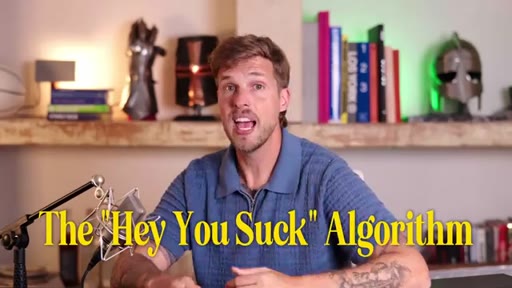
Daily rejection from dating apps + wealth-flexing peers = hey-you-suck engine. Men get sold supplements, courses, AI tools as gap-fillers. Purchases shift from impressing women to impressing other men.
06 · The convergence problem
Both algos push same-gender echo chambers. No monoculture bridges them. The more online you are, the worse it gets.
07 · Three reasons we buy
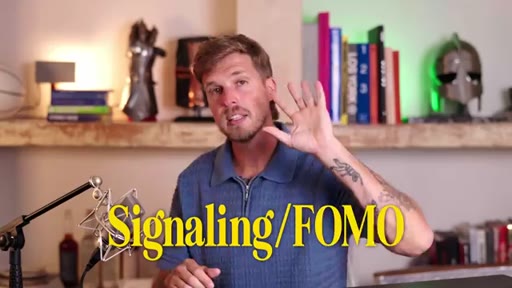
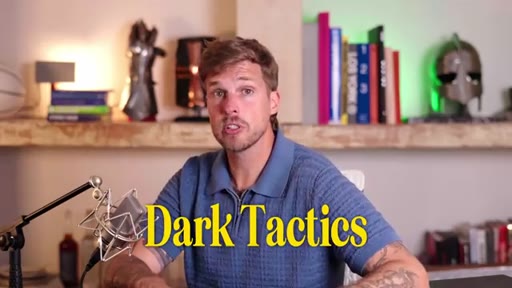
1. Loneliness — buying tribal membership. 2. Signaling/FOMO — dark tactics. 3. Problem solving — the healthy one.

08 · Outro and what's next
Tease of follow-up creator economy video. CTA to community call and newsletter.
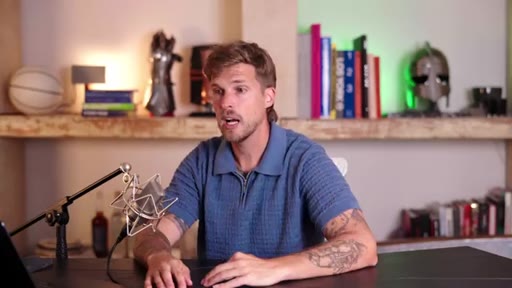
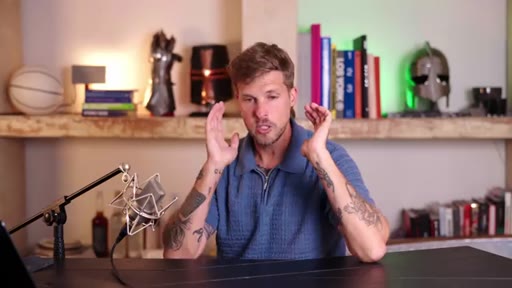
Visual structure at a glance.
Named ideas worth stealing.
The Four Eras of Marketing
- Monoculture / emotion-based (sex sells)
- Search-based revolution (Amazon/Google)
- TikTok / big algorithm era
- Hyper-tailored algorithm era
Historical arc showing how targeting went from broadcast monoculture to algorithmic micro-segmentation.
The Women's Algorithm Four-Square
- Trad/conservative
- Woke/progressive
- Sweet/innocent
- Scandalous
Content leanings the women's algo pushes — brands find their quadrant and commiserate + solve.
The Quantified Man
Men's algorithms quantify their deficits daily (dating rejection, wealth gap, body comparison), priming them for aspirational purchases sold as gap-fillers.
Three Reasons We Buy
- Loneliness (buying tribal membership)
- Signaling / FOMO (dark tactics)
- Problem solving (genuine value prop)
Covers ~90% of consumer purchases. Loneliness and signaling are exploitation drivers; problem-solving is the healthiest and most defensible.
Content TAM Multiplication
To hit total available content audience: each gender + race = one creator representing that segment, then multiply by content styles.
Lines you could clip.
"Your male and your female customers live on almost completely different Internets, in particular on social media."
"That algorithm versus the kind of more commiserate you feel seen algorithm over here is, hey, you suck algorithm right there."
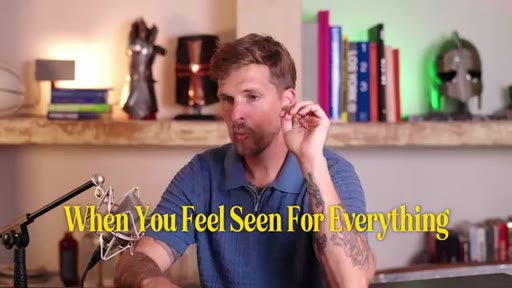
"When you feel seen for everything, you get justification for everything."
"There is no monoculture to connect these."
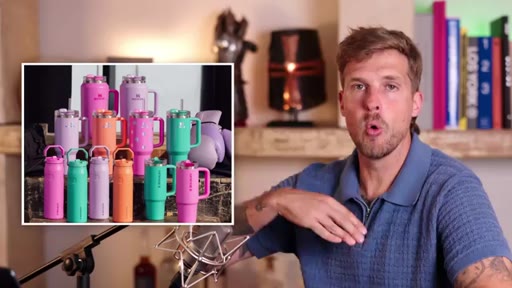
"Lonely men buy sneakers, lonely women buy water bottles."
How they spent the runtime.
- 06:35 – 10:22 · HubSpot AEO
Things they pointed at.
How they asked for the click.
"One of my next videos is gonna be the A to Z of the creator economy, creator marketing, how creators make money."
Soft tease + community call link. Newsletter mention at description level. No hard subscribe push.
Word for word.
Steal the insight methodology.
The single biggest edge in content or brand marketing is actually recreating your target customer's algorithm — not guessing at it.
- Create burner accounts and follow the exact accounts your target customer follows — simulate their feed, not yours.
- Use the quantified man frame for any male-targeted product: name the daily deficit first, then position the offer as the bridge.
- Use the feel-seen frame for female-targeted offers: commiserate with the specific problem before you pitch.
- Audit every offer against the three-driver test: loneliness, signaling/FOMO, or problem-solving. FOMO works short-term but erodes trust.
- The lonely-men-buy-sneakers aphorism is a ready-made short-form hook — adapt it to any category where status/tribe purchases happen.
- Content TAM logic: to reach a broad audience, you need faces that match each demographic slice, then multiply by format variety.
Your feed is not neutral.
The algorithm serving you content was built to keep you buying, not to make you feel good — knowing the mechanism is the first step to using it instead of being used by it.
- Ask yourself which of three reasons drives your last five purchases: loneliness, FOMO/signaling, or an actual problem solved.
- The hey-you-suck algorithm is a real, designed pattern — if your feed makes you feel perpetually behind, that is not a true reflection of where you stand.
- The feel-seen effect cuts both ways: validation of a worldview is not the same as the worldview being correct.
- Buying your way into a tribe is not inherently bad — if the tribe is real and the purchase genuinely opens a social door, that is a legitimate return on investment.
- The most expensive purchases are often the ones solving no real problem — overpriced luggage, trading courses, AI automation bundles that never get used.