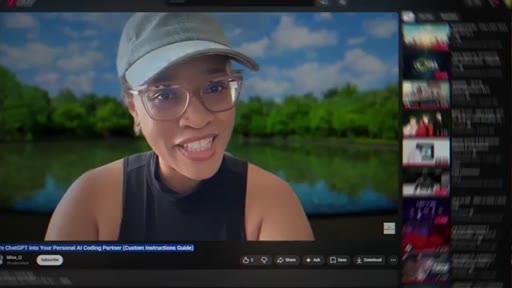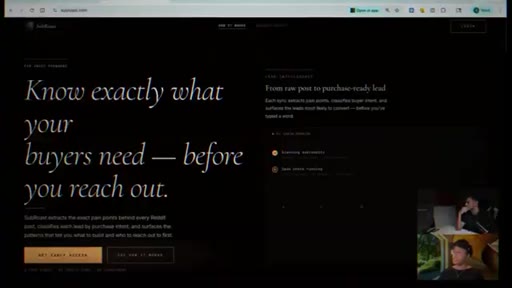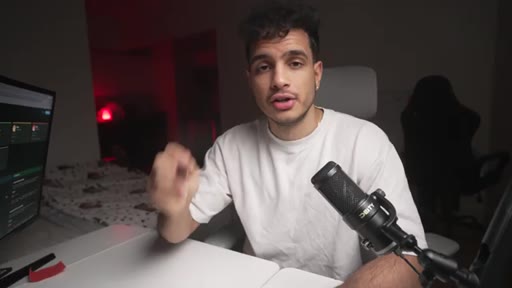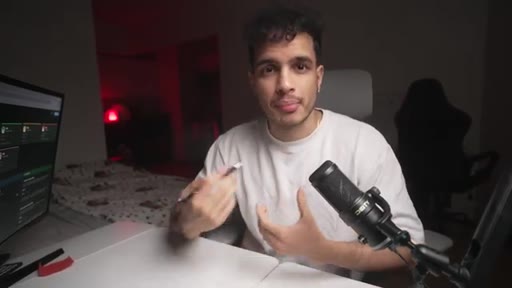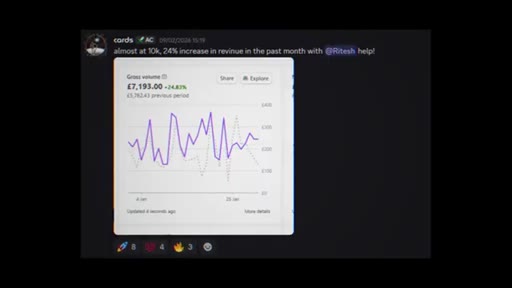

The bait, then the rug-pull.
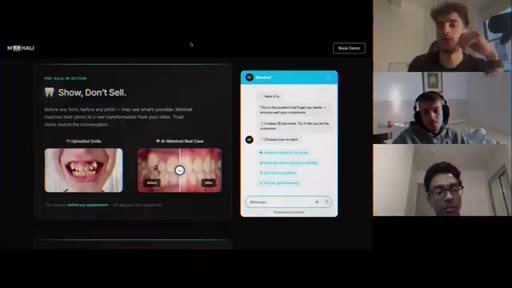
The host opens with a blunt accusation: your lack of a client is not a skills problem. Then he immediately backs it with four proof stories to establish credibility before introducing the framework.
Where the time goes.
01 · Hook + Social Proof
Opens with four client success stories to establish credibility before any framework is introduced.
02 · Old Way vs. New Way
Contrasts the watch-tutorials-post-on-X loop with the two-system approach: validated offer plus personal brand.

03 · 1/7 Close the Capability Gap
Identity shift: technical skill is table stakes. Builders who wait for clients to find their skills stay stuck.

04 · 2/7 Find the Sticky Pain
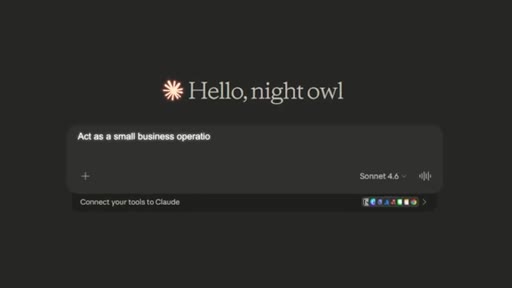
Prompt Claude to list 20 operational pains local businesses pay people $30k+ per year to handle, then call five to validate.

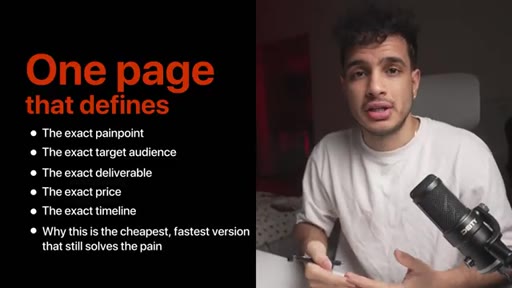
05 · 3/7 Write the MVO
One-pager defining pain point, audience, deliverable, price, and timeline, written before any code is touched.
06 · 4/7 Build a Personal Brand
Post 3-5 times per week on one or two platforms to become the visible expert for a specific ICP in a specific niche.
07 · 5/7 Build a Lead-Magnet Demo
Build a free working version of the offer in a weekend, pin it to every profile, and let inbound replace cold outreach.
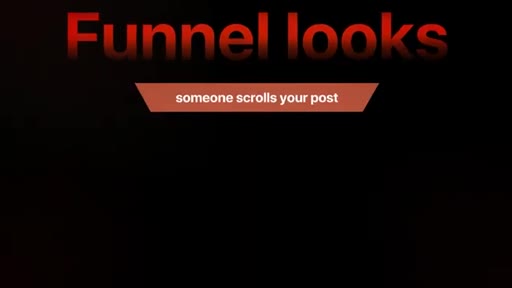
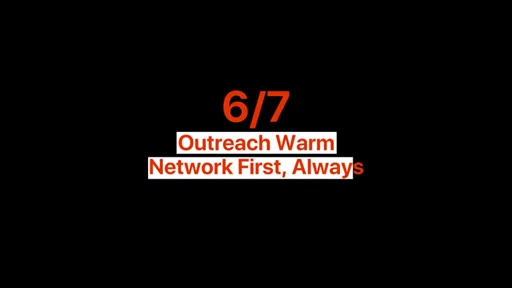
08 · 6/7 Outreach Warm Network First
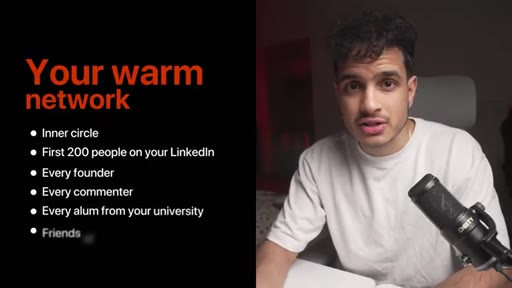
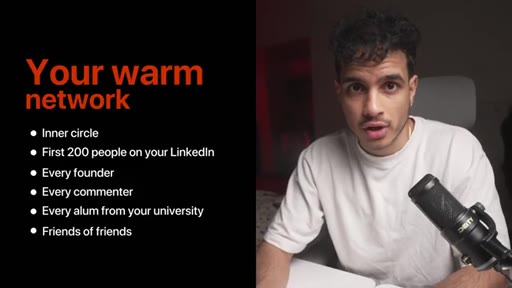
First 200 LinkedIn connections, local businesses, friends, family. People who already know you convert without requiring a big brand.
09 · 7/7 Discovery Call Close Deliver
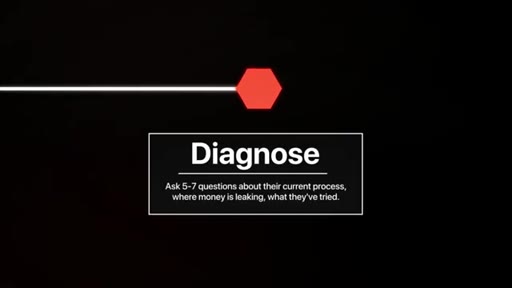
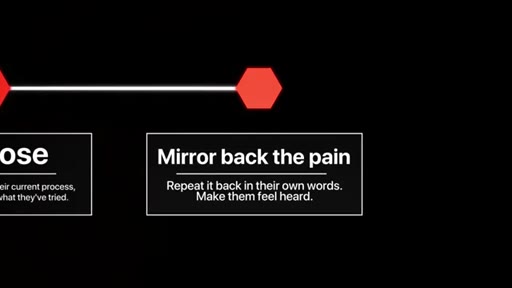
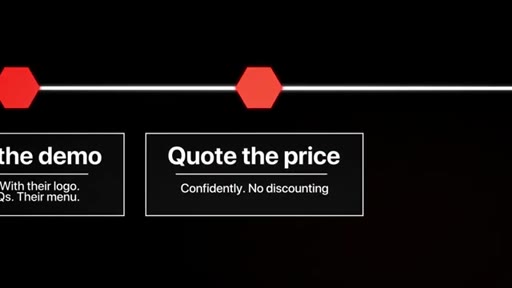
Diagnose with 5-7 questions, mirror pain in their words, show custom demo, quote price post-call, deliver in 3-7 days.
Visual structure at a glance.
Named ideas worth stealing.
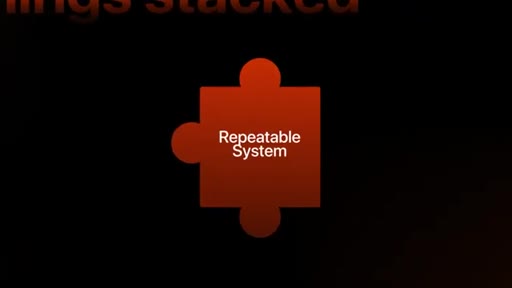
Two Systems Stacked
A repeatable offer-validation system stacked with a personal brand that generates inbound, described as the unlock that separates builders who get clients from those who stay stuck.
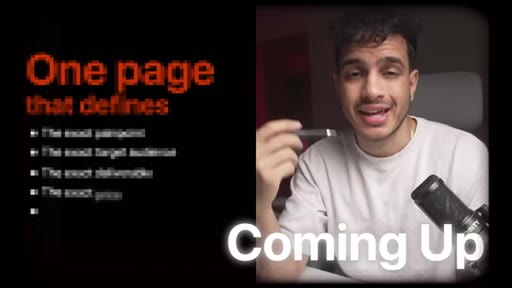
MVO (Minimum Viable Offer)
- Exact pain point
- Exact target audience
- Exact deliverable
- Exact price
- Exact timeline
A one-page sellability test written before any code is built.
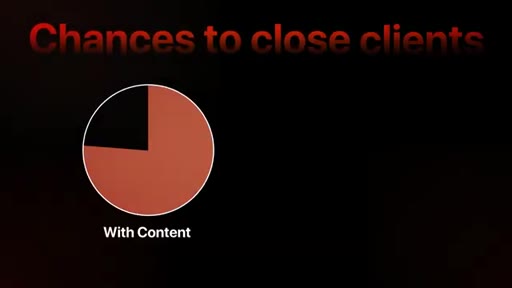
70/20/10 Close Split
- Brand closes 70%
- Demo closes 20%
- Discovery call closes 10%
A mental model for how much selling happens before a call versus on it.
Lines you could clip.
"Until you accept that being good at building is a cost of entry, not the differentiator, you'll stay stuck."
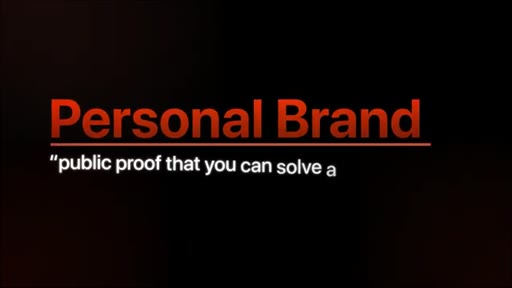
"A personal brand is public proof that you can solve a specific pain point for a specific ICP."
"Your brand has already done 70% of the selling. Your demo is another 20%. So you really only need to clutch up on the last 10% of the call."
Things they pointed at.
How they asked for the click.
"click the first link in the description below"
Hard sell to 1-on-1 coaching program (AgentRise) at the very end with no soft bridge, abrupt after a strong educational sequence
Word for word.
Skills without a commercial layer do not pay.
The bottleneck for most AI builders is not technical ability but the absence of a validated offer, a visible niche presence, and a structured path from stranger to paying client.
- Technical skill in any AI tool is now a commodity. The clients and the premium fees go to the person who is visible and specific about who they help and what pain they solve.
- Write the offer on one page before writing a single line of code. If you cannot describe the pain, the audience, the deliverable, the price, and the timeline on a single sheet, you are not ready to build.
- Sticky pains are operational costs businesses have already accepted paying humans to handle. Those are safer bets than invented problems because the budget already exists.
- A public proof record, even just a few posts per week showing real work in a real niche, compresses the trust timeline for every future prospect who encounters it.
- Your warm network, the first 200 people who already know you, converts at a far higher rate than cold strangers because they do not need trust built from scratch.
- A free working demo solves the biggest objection before it is ever raised. Prospects who interact with a working product are partially sold before they speak to you.
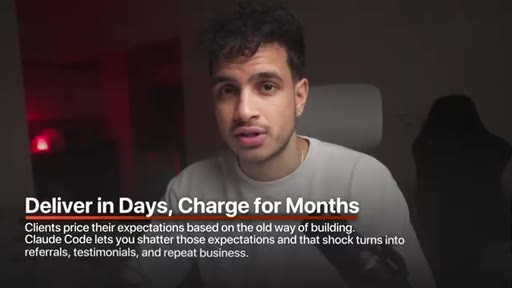
- Delivering in days what clients expect to take months is itself a referral engine. The surprise is what creates the testimonial, not the outcome alone.