Kolo Kino · Youtube · 23:12

Why THE DARK KNIGHT Is Still Unmatched

A 23-minute video essay on how Christopher Nolan used a Batman sequel to make the crime epic he actually wanted to fund.

Posted
May 15th 2026
10 days ago
Duration
23:12
Format
Essay
educational
Channel
KK
Kolo Kino
§ 01 · The Hook

The bait, then the rug-pull.

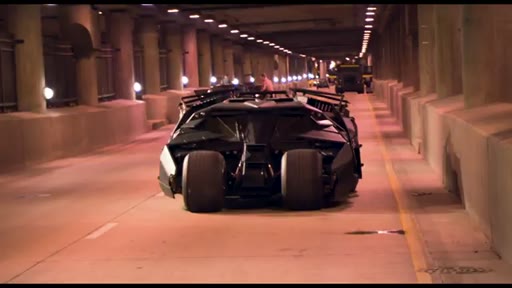
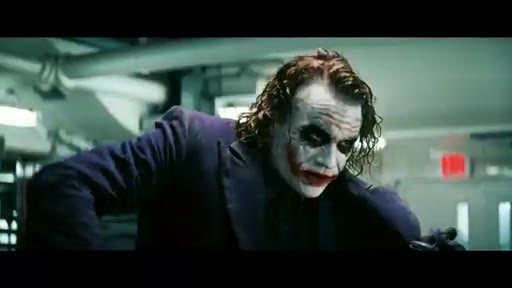
The truck flipping on LaSalle Street is not a superhero stunt. It is a crime-film stunt. That distinction is the essay's entire argument — and Kolo Kino makes it land in the first five seconds.

§ · Chapters

Where the time goes.

00:00 – 00:52

01 · Intro

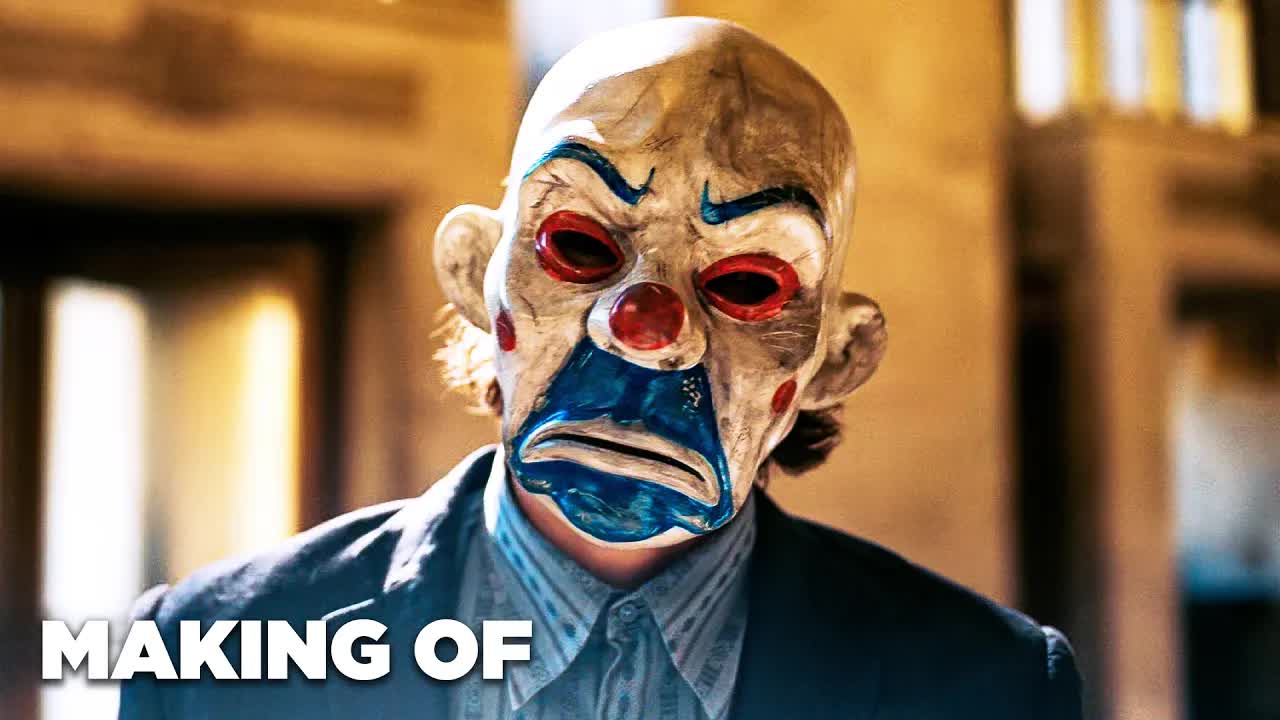
Opens on the truck flip practical effect and poses the core question: what kind of film was Nolan actually attempting to make?
00:52 – 04:17

02 · Using Batman to Make Heat

Nolan explicitly wanted a city crime story in the key of Michael Mann's Heat. Batman Begins was an origin myth; The Dark Knight was a deliberate genre pivot. The IP gave him the budget he needed for something he couldn't fund any other way.
04:17 – 08:07

03 · Casting Heath Ledger

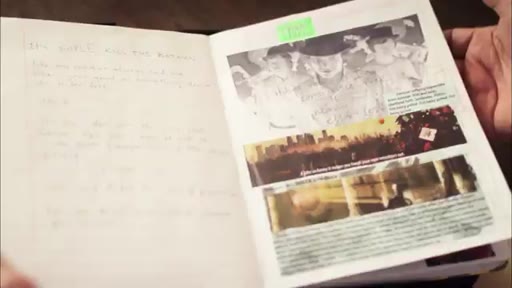
Nolan chose Ledger three years before production after watching Brokeback Mountain. The internet backlash was immediate and sustained. Ledger spent six weeks in isolation developing the character's walk, voice, makeup application, and a private notebook of Joker thoughts.
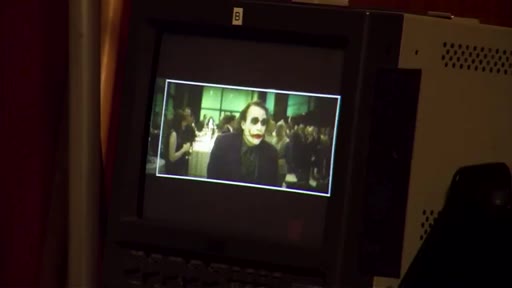
08:07 – 11:19

04 · The Joker on Set

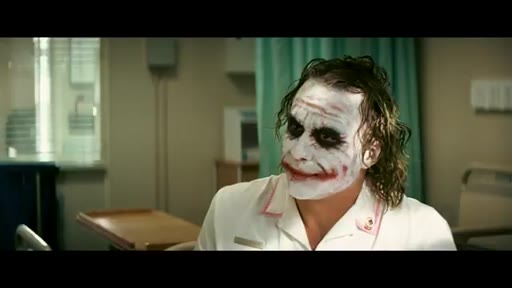
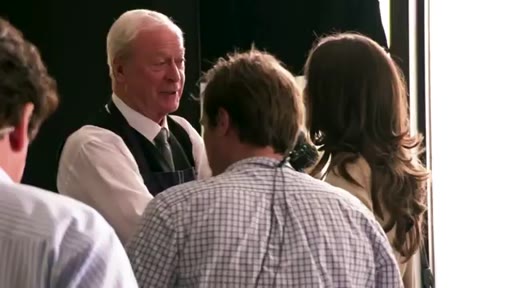
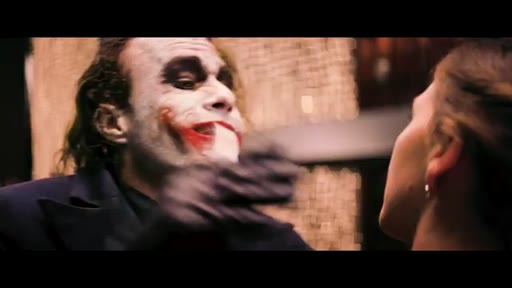
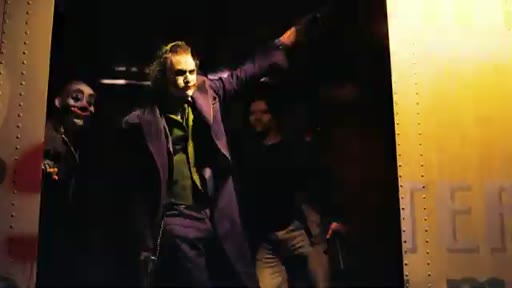
Accounts from Bale, Eckhart, and Caine describe a set genuinely unsettled by Ledger's presence. The hospital scene with Bale emerged through an organic physical process. Caine forgot his lines when Ledger stepped out of the elevator.
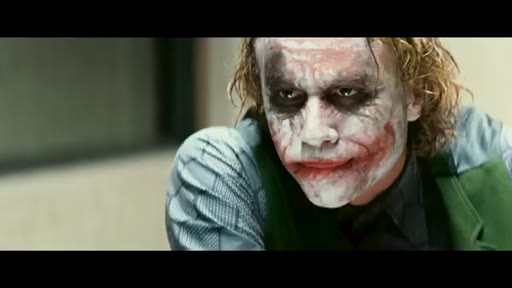
11:19 – 14:44

05 · Harvey Dent and the Boats

Harvey Dent is the structural counterweight — the ethical experiment of whether a good man can be broken. The boats sequence scales the same question to a collective: will ordinary people choose self-preservation over principle when the cost is someone else's life?
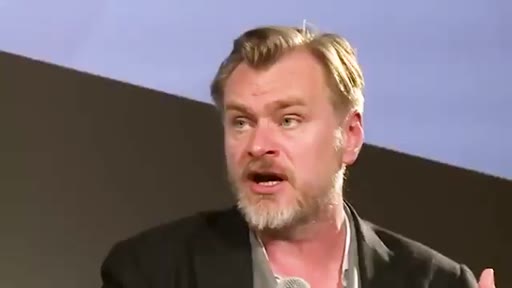
14:44 – 17:25

06 · IMAX and the Truck Flip

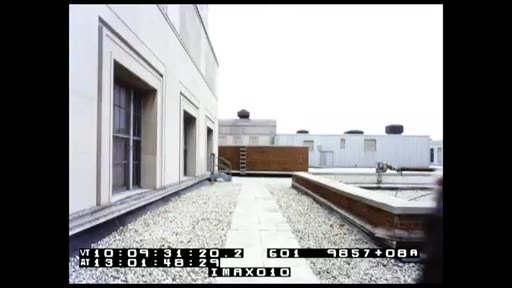
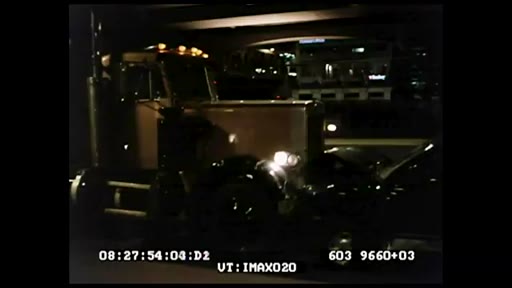
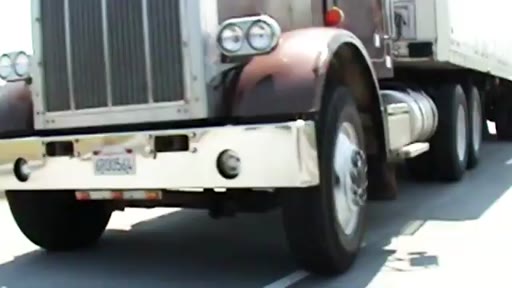
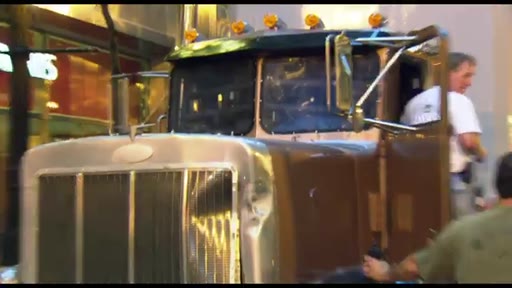
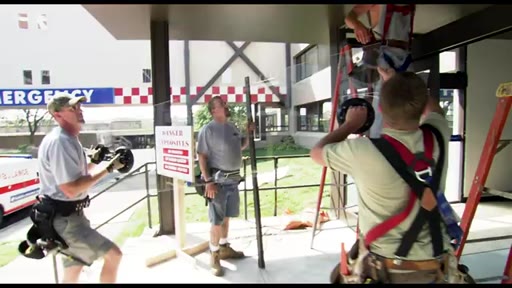
Nolan was the first director to use IMAX cameras in a Hollywood film. Only four MSM cameras existed; one was destroyed during production. The truck flip on LaSalle Street was entirely practical — the only CGI element was removing the pneumatic ram.
17:25 – 19:12

07 · The Hospital Walk

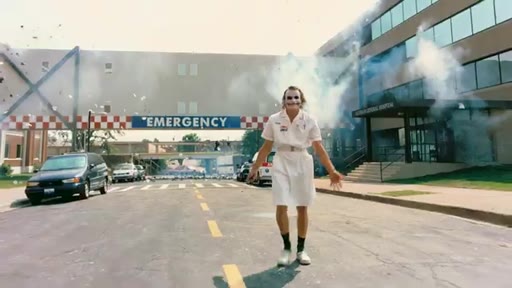
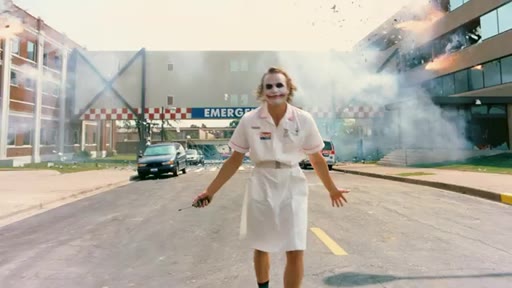
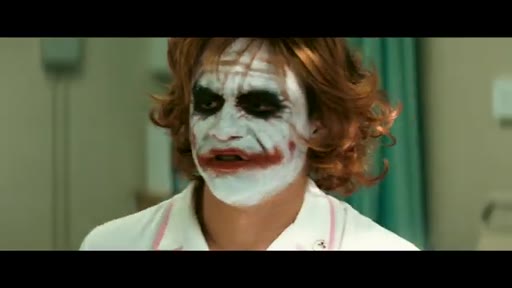
Explicitly debunks the improvisation myth: the walk was scripted, rehearsed 12 times, and filmed in one take by necessity. Nolan purchased a real Chicago building and demolished it on camera. Ledger never looked back at the collapsing structure.
19:12 – 23:12

08 · Score, Death and Premiere

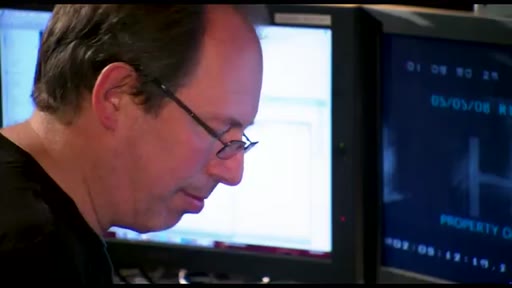
Zimmer spent nine months constructing the Joker theme from two clashing notes — designed to be uncomfortable without being explicable. Heath Ledger died January 2008 from an accidental medication overdose. The premiere crowd's grief merged with the grief inside the film.

§ · Storyboard

Visual structure at a glance.

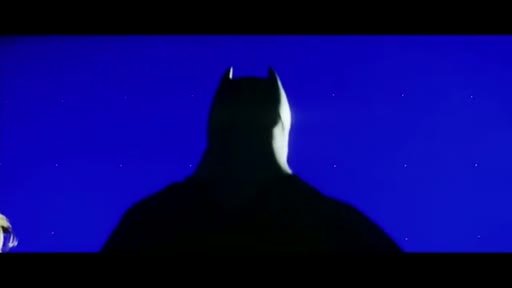
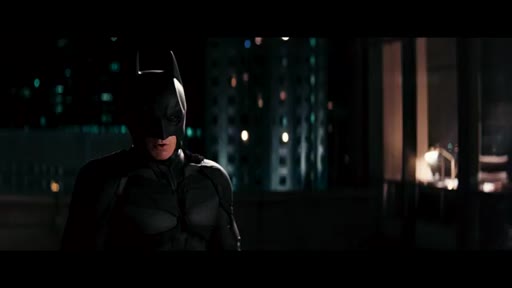
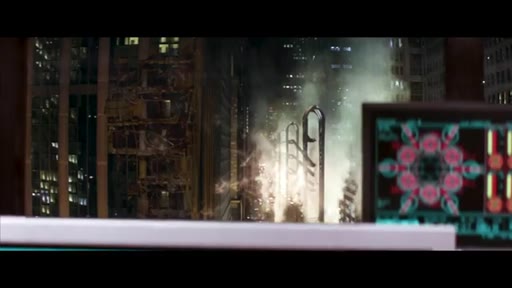
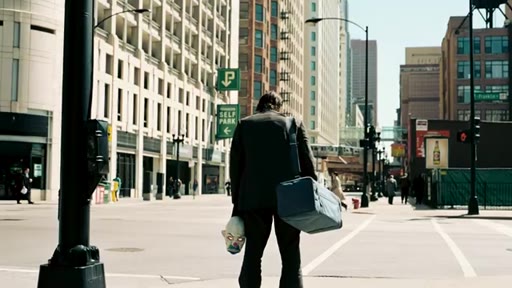
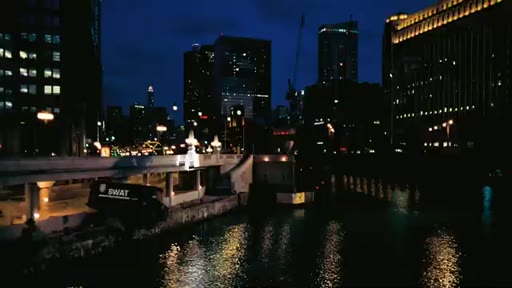
open — truck flip
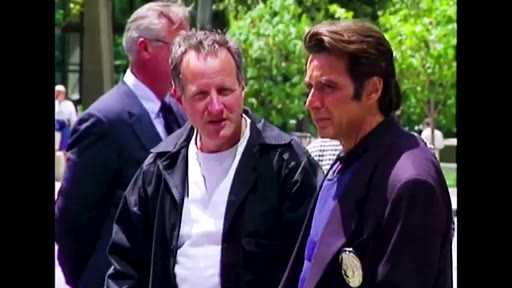
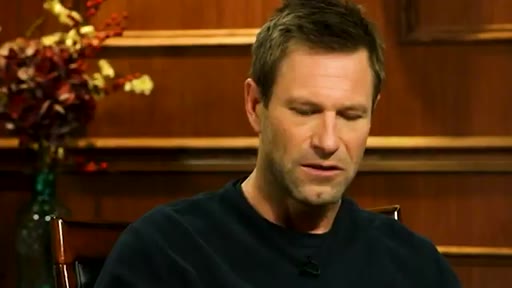
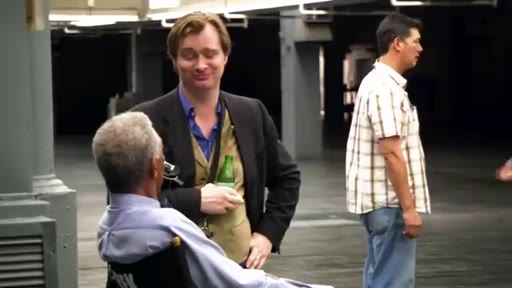
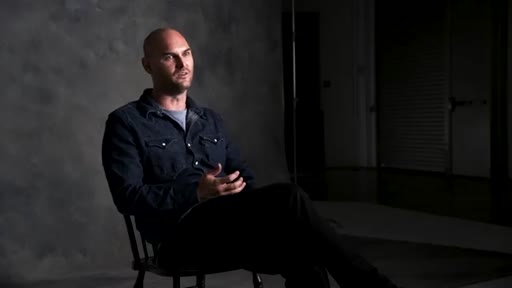
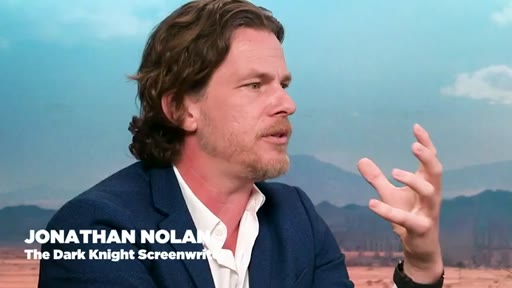
Jonathan Nolan interview
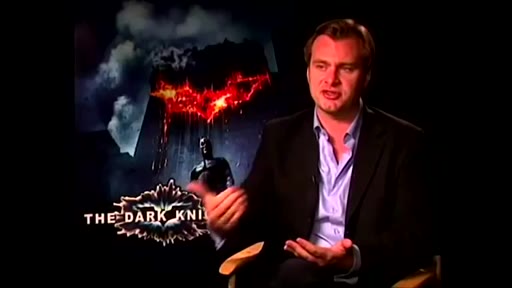
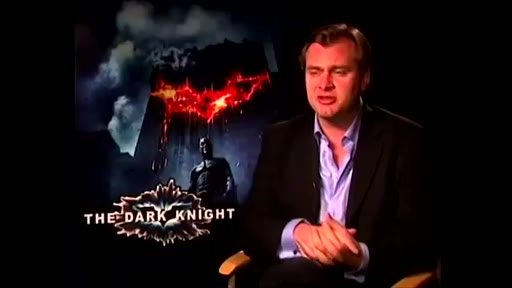
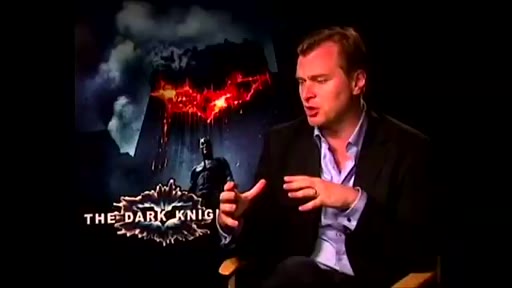
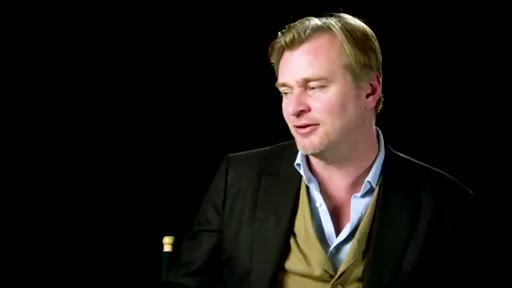
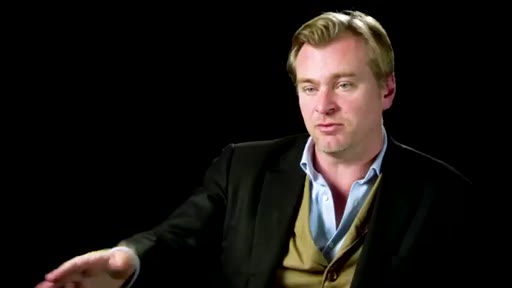
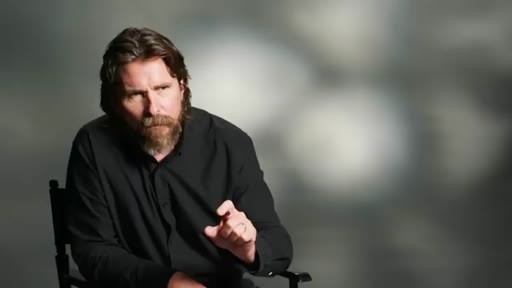
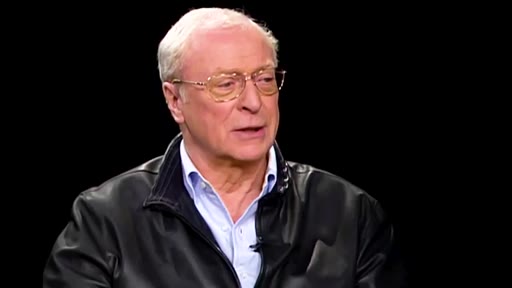
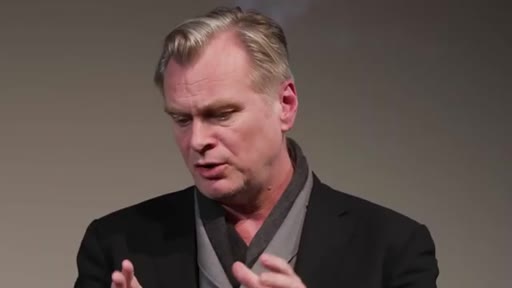
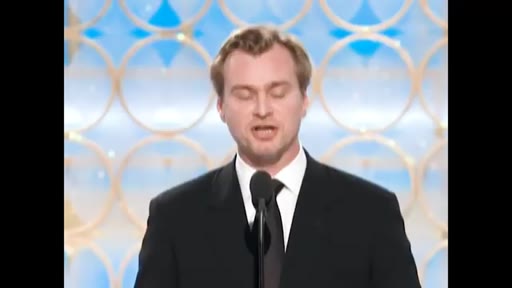
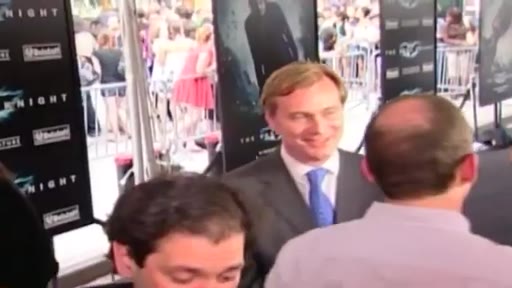
Christopher Nolan press interview
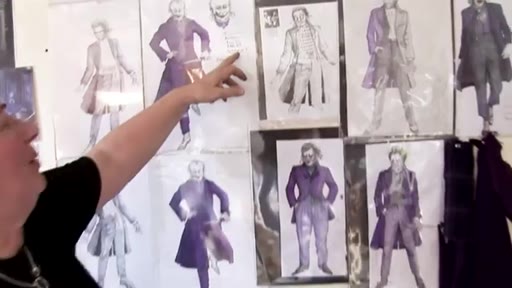
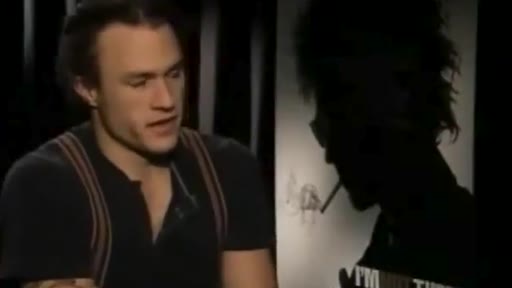
Ledger's Joker notebook
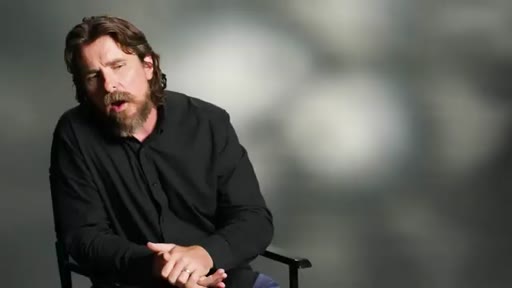
Christian Bale interview
Nolan on Harvey Dent
IMAX camera on set
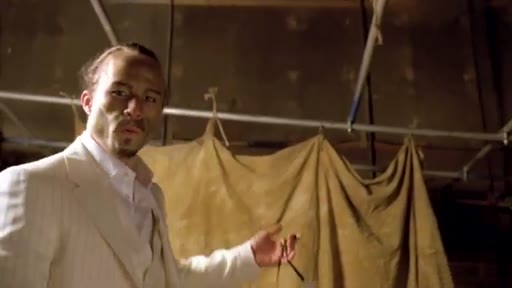
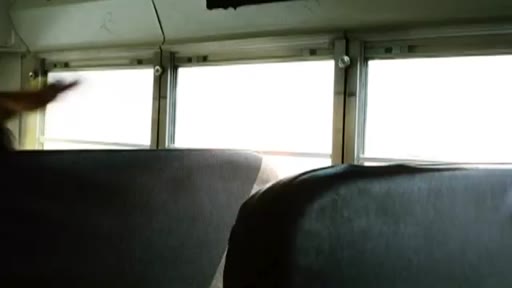
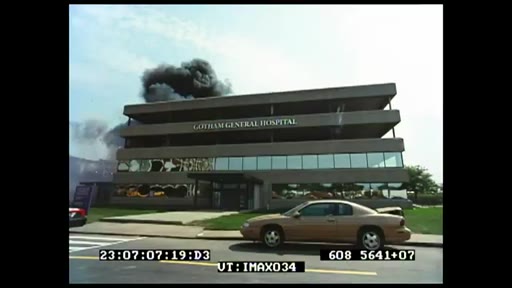
Hospital walk — Joker in nurse outfit
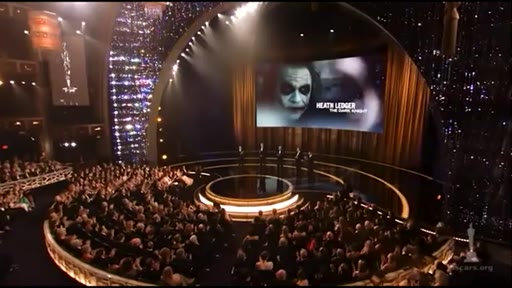
Heath Ledger Oscar ceremony
§ · Frameworks

Named ideas worth stealing.

00:52 concept

IP as Funding Vehicle

Use an existing IP to secure funding for a more ambitious project that wouldn't get greenlit on its own merits.

Steal for any creator packaging unconventional content inside a familiar format
11:19 model

The Philosophical Experiment as Plot Engine

Build a character (Harvey Dent) or a set piece (the boats) whose sole narrative purpose is to run a real-world ethical thought experiment at human scale.

Steal for anyone building content or campaigns around a central question rather than a central protagonist
§ · Quotables

Lines you could clip.

02:05
"He wanted to make a film he couldn't get funded any other way, and he was about to use Batman to pay for it."
single sentence that reframes the entire franchise → TikTok hook
17:01
"There were only four of these cameras in the world. Now there are three."
delivers a big fact with a punchline cadence → IG reel cold open
15:10
"Harvey Dent is the experiment. The film puts him in there to ask a single question — can a good man be broken?"
cleanest statement of the film's thesis → newsletter pull-quote
§ · Pacing

How they spent the runtime.

Hook length52s
Info densityhigh
Filler4%
§ · Resources Mentioned

Things they pointed at.

02:42productHeat (1995)
04:37productBrokeback Mountain
07:35productA Clockwork Orange
§ · CTA Breakdown

How they asked for the click.

23:12 next-video
"Links to Tarantino, Cameron, and Scorsese essays in description. Channel membership pitch also in description."

Soft — mentioned in description only, not verbally addressed.

§ 04 · The Script

Word for word.

HOOK opening / re-engagementCTA the pitch metaphor
00:01HOOKThis doesn't feel like a stunt designed for a superhero movie.
00:07HOOKSo what the heck kind of film was Christopher Nolan attempting to make here? Chris very early on said, you know, I I think I wanna make it feel bigger and actually be bigger. But not just make it bigger and grander for the sake of making it bigger and grander.
00:21HOOKIt had to come out of the story. It's about giving the world of the films and the characters as much weight and validity as they would if your source material were not a comic book. If we wanna call it
00:33HOOKthe superhero genre, you could say that had never been done in that genre film. I'm going out there and I'm saying, I've got a version of this that's gonna be different.
00:43HOOKI've got a version of this that that is worthwhile.
00:50HOOKIn the summer of two thousand eight, Warner Brothers thought they were releasing a Batman sequel. They put their trust in a director who had already executed a top notch summer blockbuster.
01:02HOOKWhat we did in Batman Begins is we made the best film possible in the way that we thought best and we trusted that the fans would feel the sincerity of the intention there to make a great film. And they were banking on more of the same.
01:15HOOKA bigger villain, a bigger budget, some new toys for the merchandise team. Arknight has a new secret weapon that chokes on you, Joker. The stealth launch Batmobile.
01:25HOOKVirtually, they wanted Spider Man three without the dance, and they were right to expect that. Because to a certain extent, the Batman begins, you feel like you got away with it.
01:33HOOKYou feel like you you did manage to please people, so why mess with that? Batman Begins is seminal and epic. It's a damn good movie.
01:41HOOKBut I know the truth. It's a superbly constructed origin story about a billionaire learning karate from a ninja in the Himalayas. Are you ready to begin?
01:50HOOKIt's an adventure film. It's him traveling around the world and finding himself and trying to figure out how does he respond to this this terrible thing that's happened to him.
01:57HOOKBatman Begins is very much a hero's journey. It's it's an origin story. It's an origin myth.
02:01HOOKAnd so it has a sense of romanticism or theatricality that embraces that story model. Your theatrics made an impression.
02:08HOOKChristopher Nolan didn't wanna make another really good Batman movie. He didn't wanna make a great Batman movie either. Oh, we wouldn't wanna make things too easy now, would we?
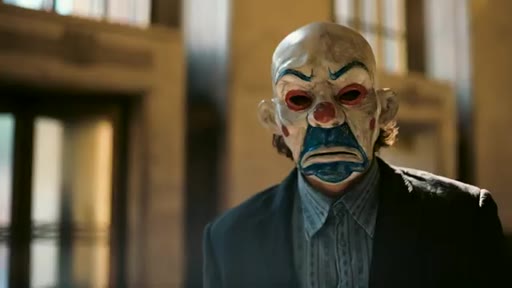
02:16He wanted to make a film he couldn't get funded any other way, and he was about to use Batman to pay for it. I don't understand. Think about it.
02:25Bank heist, chaotic loud action sequences, and city streets.
02:29With The Dark Knight, in order to change the scale of the film, we went to a city story. We went to a crime epic. You already saw this movie.
02:38If you don't remember, watch Heat again for the one hundredth time tonight. Well, I am over fucking well.
02:44You won't just William Fickner playing the identical character he plays in The Dark Knight. I'm gonna kill these sons of bitches. You don't have any idea who you steal it from?
02:52You'll see how much Nolan derived from heat. It's stylish without being self conscious. It's it's sort of effortlessly,
03:00timelessly beautiful. The film was a new American masterpiece. Now it's just an American masterpiece.
03:05And quite an incredible piece of work that I've drawn inspiration from. With David Simon, this this ability to
03:11every beat feels plausible and real, keenly observed and naturalistic. But by the end, you you've seen a Greek opera.
03:18There's been this invisible movement into something more operatic, more tragic. And so that feeling of, could we take the feeling of heat?
03:26Could you bring that feeling into the Batman universe? Could you tell a story in that key? Here's the thing.
03:31In 1995, Michael Mann pulled off the ultimate crime drama and he himself was unable to replicate it for the rest of his career. But Chris Nolan found a way to pull it off and it started with the main characters.
03:44The relationship between De Niro and Pacino is the most sophisticated element in heat. Two obsessed men on opposite sides of the law pushing each other to do the best work of their lives. But frankly, when you attempt to come up with the antithesis of a billionaire who dresses as a giant flying rodent, you have to come up with someone a lot stranger.
04:03That's an interesting point. So now everyone in Hollywood wants to be the next Nicholson. Robin Williams is interested, Paul Bettany,
04:12Adrian Brody, Steve Carell, every a lister in town wants to put that clown makeup on.
04:18But Nolan again turned to Heath, Heath Ledger. I thought my jokes were bad. He'd actually decided three years earlier, He saw Brokeback Mountain, watched Heath Ledger disappear into a role,
04:30and walked out with his mindset on who his Joker was. When you look at that performance, yes, it doesn't relate to the Joker at all, but it's incredibly apparent how talented that guy is. And you look at that actor and say, I know that actor can do anything.
04:41We spoke very early on before the script was even in place. And we were on the same page in terms of who the Joker would be in this world. It it was one of those moments where I was asked
04:52if I would be interested in playing the Joker, and I I I knew five seconds later exactly how to play it. So when he sits there and tells me, I can do the Joker, I can make this my own, I can create this iconic presence, you trust that.
05:05You you jump on it. The Joker, the character of the Joker was just too good to turn down. I you know, if Tim Burton was doing
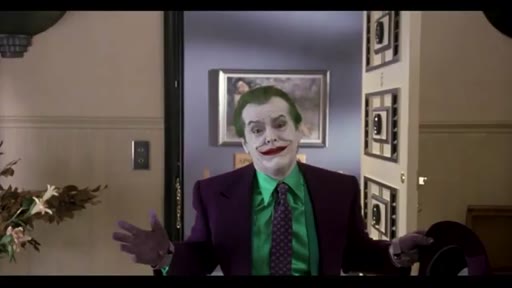
05:13The Dark Knight and asked me to play the Joker, I wouldn't have taken it because to to try and even touch what Jack Nicholson did in Tim Burton's world would be a crime. And so
05:25when Chris came to me and I and I knew how Chris was, you know, he'd already set up the world for me. I'd seen how what world it was that I would be playing in. So I knew it was open for a fresh interpretation and I instantly kind of had something up my sleeve, which happened to be exactly what Chris was kind of looking for.
05:42He later called it the easiest decision of his directing career. The comic book purist at the time, however, called it the dumbest one. It's not that simple.
05:50With a joker, it never is. When the casting was announced, the Internet did what the Internet does. Petitions, meltdowns.
05:58The pretty boy from a romance playing the most famous villain in comics was, according to roughly the entire fan base, an obviously catastrophic choice. So we, you know, went through the process of deal making and announcing and everything.
06:11I think the whole whole world turned around and said, what are you doing? You know, Heath Ledger, Joker.
06:17It didn't make any sense to people at all. While the forms were filled up with anger and slurs, Heath was getting the work.
06:23We didn't wanna have that moment on Heath where we just sort of, you know, made him dress up as the Joker and suddenly he's the Joker. So he developed the look of the character with Lydia Hemminger costume designer with John Caglione who did the makeup myself over a long period of time.
06:37I locked myself away for six weeks in a room, and I kinda came up with this creep. Walk around like a a madman in finding posture, finding stance. Finding his voice is very important because when you find the voice, you find the the breath within the voice.
06:50He kept a diary of the character, a notebook of Joker thoughts and Joker drawings that nobody else was ever meant to see. That was typical of Pete on any movie. He would
07:01certainly immerse himself in the upcoming character. One thing Heath wanted to do was to apply makeup himself as an actor. He'd say, okay.
07:08This character would put his own makeup on, you know, in in real life. And so what would that look like if he just got the makeup? The thing that stuck from that is he always had makeup on his fingers and under his fingernails and everything else he would have from from putting it on just with his hands.
07:21He drew on Alex from A Clockwork Orange and on Johnny Rotten, the lead singer of the Sex Pistols. But now we're like we're facing a cheapskate comedy interrogation
07:32act, and it just ain't on, pal. It's a joke. It's a fuss.
07:36Why don't you give me a call when you wanna start taking things a little more seriously? We looked at paintings by Francis Bacon for visual reference.
07:45We looked at all kinds of things, talked about all kinds of different philosophical ideas behind the Joker and anarchy and chaos and what he would represent. We saw absolutely eye to eye on
07:55the bigger picture idea of who this guy was gonna be. You know, I just do things.
08:02It was really amazing experience to to be a part of, to see him developing something in that way. And then he showed up on set and the people who were there and in this business for decades realized very quickly that something rather unusual was happening. And as we shot with Heath, you could see everybody on the floor just fascinated by him.
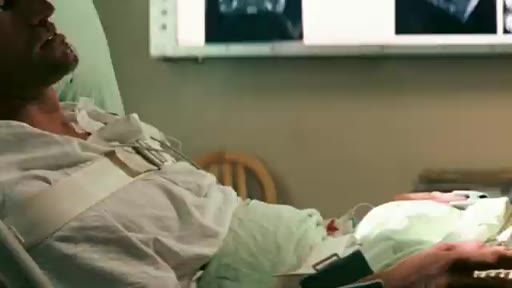
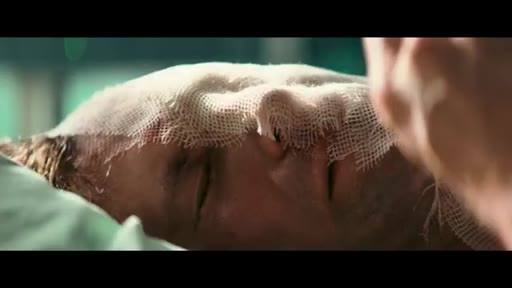
08:22I mean, it was just such a sort of interesting creation. Our scene together in the hospital that which is really my only scene with him and I thought, well, I don't really have any lines. What am I gonna do?
08:32So I've got in the bed and they were lighting and Chris was walking around and doing things. And then Heath came around and would walk around me like this.
08:41And I would watch him and I would watch him. Didn't say anything for maybe an hour. And then we watch him and then he'd start saying his lines.
08:47And then all a sudden my hand would go up like this and he cap caught my hand. So we just went through this organic process of developing this scene. And then it was a long day and we walked out to our back to our trailers and Heath was here and I was walking and he puts his hand on my shoulder and he goes, that's what acting's all about.
09:04And I was watching it going, yeah, this is absolutely Are we in trouble here? Of when Chris and I first sat down,
09:12we said, you know, the problem with Batman is is that the villains are always more interesting. Batman, actually, he's very close to being a villain himself. So let's never let him become dull by comparison.
09:21And, unfortunately, I was sitting there going, I'm feeling a little bit dull by comparison because Heath is just like killing this. I just did what I do best. Michael Caine was supposed to greet a wave of guests at an elevator.
09:34When the elevator opened and Heath Ledger walked out as the Joker, Caine forgot his lines. The most experienced actor on the set, frozen on his marks because the man in the clown makeup was truly unsettling. We are
09:47tonight's entertainment. He cuts through the the movie like the shark in jaws or something like that. Before they started rolling, Kane had been the one telling Nolan to pick a different villain.
09:57After that take, he told Nolan they were about to give the world a new movie icon. Me? Even the lip licking wasn't in the script.
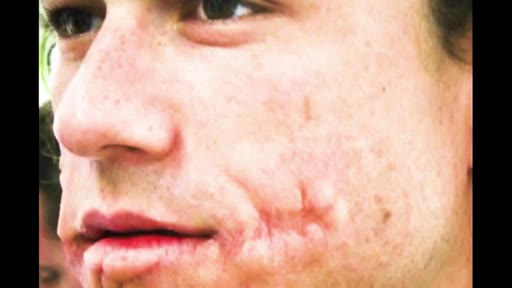
10:07The silicone scars kept threatening to peel off in Nahis mouth, so he turned a makeup problem into a tick. The script gave him two scenes where the Joker tells someone how he got those gruesome scars.
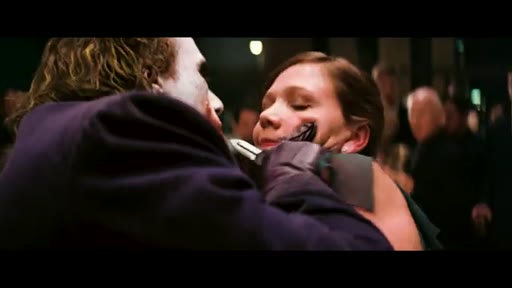
10:18The character mocking the audience for wanting an explanation. Well, you look nervous. Is it the scars?
10:25You wanna know how I got these scars? So I had a wife. She looked beautiful
10:30like you. My father was
10:34a drinker. Who tells me I ought to smile more? Comes at me with the knife.
10:38Why so serious? I just wanted her to know that I don't care about the scars. She sticks the blade in my mouth.
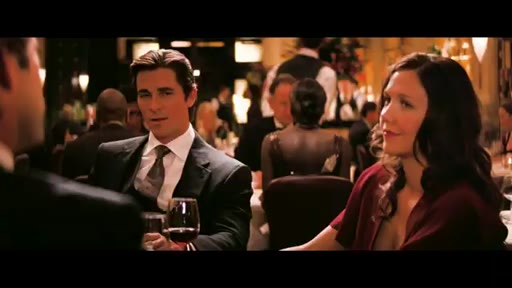
10:46Now I'm always smiling. Speaking of which, you know how I got these scars? And when Bale and Ledger faced off with each other on screen, the moment happened that Nolan had been chasing since he watched heat.
10:57The billionaire vigilante and the agent of pure chaos. Both equally committed, both utterly beyond reason.
11:04You will complete me. Pacino and De Niro in a coffee shop, Vale and Ledger in an interrogation room, like two faces of the same coin,
11:14which is convenient because the actual hero of the dark knight is the man who carries one. It's a bad joke. Enter Aaron Eckhart.
11:23Aaron Eckhart is someone I wanted to work with for a long time. I talked to him about Memento and how it worked out but I'd always sort kept my eye on him. He seemed so ideal to embody the the idea of Harvey Dent, the sort of heroic side, but with this edge, with this degree of darkness in there that's that's sort of below the surface.
11:40He's got a lot of intensity to his performances, and that's what you're looking for with Harvey Dent. You're looking for somebody who can be like this kind of this almost Robert Redford kind of, you know, all American heroic presence, but that you feel this little bit of something just under the surface there. That was the role description
11:55because in the script, Harvey Dent is the white knight of Gotham. And then, hold on a second.
12:02This is wrong. I've been talking about the Dark Knight like it's just Heat or the Batman costume on, but Heat doesn't have a Harvey Dent. Don't waste my motherfucking time.
12:12And this is where Christopher Nolan stops being a guy who ripped off a movie and starts being, well, Christopher Nolan. Okay. Because he built his own story on top of all of it.
12:23Harvey Dent is the experiment. The film puts him in there to ask a single question, can a good man be broken? It allows you, affords you the opportunity to explore things you're interested in or afraid of, uh, neurosis you have, worries you have about the way the world is.
12:38It allows you to explore them in a very sort of exaggerated manner, in a way that you can really tap into the the collective fears that we have as a society. And particularly in the case of Batman, you have the opportunity
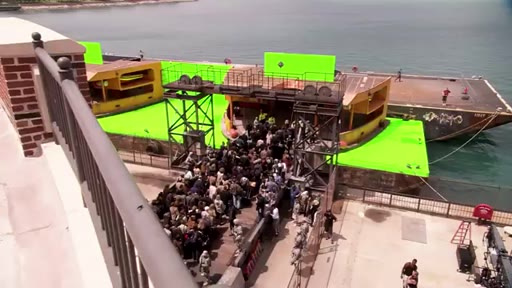
12:52through his environment, through Gotham, to really offer a very dark reflection of the society we live in. There's a sequence near the end of the film where the Joker has rigged two ferries to explode.
13:03One full of civilians, one full of prisoners. Each boat holds the detonator to the other one.
13:09At midnight, I blow you all up. If, however, one of you presses the button, I'll let that boat live. So who's it gonna be?
13:18Dent is the individual version of the experiment. The boats are the collective version. They're both asking the same thing.
13:25So we try to just write a great story first and foremost, but we also try to be open to what are we really worried about? How does the world feel to us? What would you what would you be most concerned about?
13:36Anarchy. The attempt was always to just be honest about presenting
13:42the things we were affected by, things we were worried about, afraid of. I mean, certainly, I look back at Batman Begins, there's a heavy emphasis on on terrorism, on the sort of post nine eleven world, but we it wasn't something we were consciously putting into the film. We were just trying to be sincere and truthful about what moved us at the time.
13:59Certainly, the Joker for me and and The Dark Knight is all about a fear of anarchy, you know, fear of the rules breaking down and and what that would do to society. Halfway through the movie, Bruce Wayne has built a mass surveillance system that taps every cell phone in Gotham. He uses it to find the Joker.
14:15Beautiful. Beautiful. Unethical.
14:19The film was made in 2007 before Snowden, before the Patriot Act became public conversation,
14:25before mass surveillance was something a Hollywood movie was expected to engage with. Somehow Nolan predicted it all. They've crossed the line.
14:37Now Nolan had a script asking real questions of its audience. To make them land, he had to shoot the city as if it actually existed. Nolan made one decision before he made any other.
14:48He shot the Dark Knight on IMAX. You know, I went down to IMAX and I spoke to them about using their cameras, and they'd never been used on a on a Hollywood film before. And what we decided to do was consider certain sections of the film.
15:01The cameras are very loud, you don't really wanna do dialogue scenes that way. So we laid out which of the action set pieces we would shoot with the IMAX camera, starting with the opening of the film where we introduced the Joker.
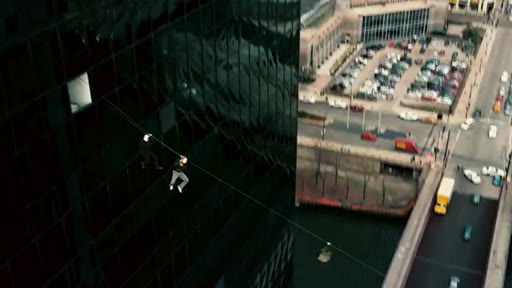
15:12We really wanted to maximize the use of the IMAX frame, and so this rig where the Joker's men are sliding down the cable from rooftop to rooftop was something I really wanted to get a very dramatic, vertiginous view just to really use the IMAX format for what it's best at, which is really giving the a lurch, is that look down, an incredible drop.
15:31Bob Goligo, Steadicam operator, tried flying the lightest IMAX camera, the MSM camera, and found that he could actually use it very effectively, use it very much as he would a 35 mil camera. It was a five day sequence.
15:43Think sometime after about the second day of using the Steadicam intensively, the arm actually sheared off. It broke off the vest and dropped the camera. It's not uncommon during shooting of this kind of action to damage a camera.
15:56We did destroy one MSM. The problem with working the IMAX format is there were only four of these cameras in the world. Now there are three.
16:03And that that was a little a little depressing for us all because we we grew to quite like these cameras. It makes me learn from my mistakes. We ought to be pretty knowledgeable by now then.
16:12By the time the chase sequence happens, the city is the character. I've always preferred real locations to to sets. There's a feeling of reality.
16:20There's a feeling of being somewhere that that matters. You know, I avail myself of all the latest digital effects technology, absolutely, but we try and always achieve what we can in camera
16:30and and have as good a time as possible.
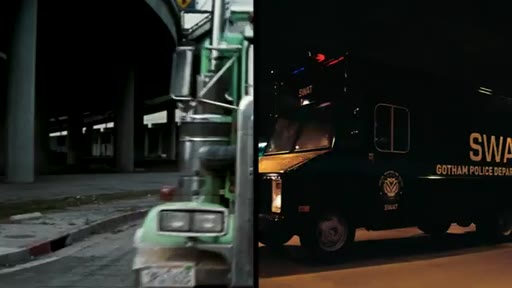
16:35Nolan shut down sections of LaSalle Street and Lower Wacker Drive and ran a real semi truck through them. The truck flip, the one that opens this video, has a practical effect.
16:47In pre production, Chris Nolan kept challenging everybody to come up with ideas of how we could beef up these action sequences. And this idea came up to flip this 18 wheeler over without use of CGI.
16:59And it was alright flipping it over in a great big wide open space where it couldn't hit anything. But the road Chris chose to do it was right in the middle of the banking district. They had a big chunk of TNT inside there to to blow that air ram to.
17:13The only visual effect involved in that scene was to remove the ram that they had built inside the truck that actually, uh, catapulted it.
17:27And then the hospital. Heath Ledger walks out of Gotham General in his nurse outfit. The story online has been that the pause was a real malfunction
17:36and Ledger improvised through it. It wasn't. The pause was scripted,
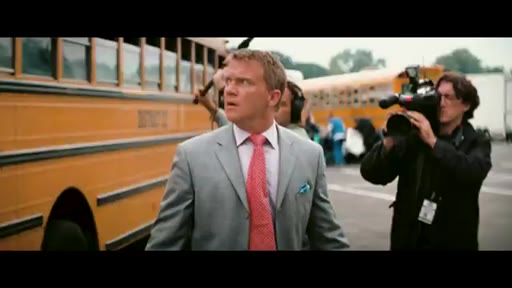
17:40which somehow makes the moment even more impressive. They were able to come up with a a scenario in which Heath could actually be walking out of the building. If we put in a little beat where the first set of explosions stops as if something's gone wrong, and the Joker just takes a second to look around, surprise, like the audience is surprised, Then the major demolition comes in, and he jumps straight into the school bus.
18:01In that way, was able to come up with a practical scenario in which we could actually take a principal actor, walk him out of a building that's about to to be destroyed, and literally drop the building to the ground. We rehearsed it, I think, about 12 times. I videotaped the rehearsal, looked at it from all the different camera angles.
18:17And Heath was such a perfectionist and managed to be so precise in what he was doing, which was essential because this was obviously a a one take thing. And the angle I knew that despite, you know, all the other cameras we set, we really needed that close shot on him walking out to work perfectly. He did it very, very precisely.
18:35I don't know how he resisted looking back. I think he wound up with bits of cork in his hair at the end of it, so close he was to everything that was going off. But he never looked back.
18:42He never betrayed any sense of worrying about what was behind him.
18:48The hospital itself was a real building Nolan purchased in Chicago and demolished it on camera. Not through miniature work, not through computer graphics, but to to really destroy a building. We just left the thing alone and allowed it to be this combination of real demolition
19:03HOOKwith wonderful dressing of special effects explosions.
19:12HOOKWell, I'm sold. After six months of shooting, the movie spent another six months in the editing room.
19:18HOOKWhen cutting it, Nolan avoided most of his typical moves. No flashbacks, no time jumps.
19:24HOOKHe showed the audience what was happening in the moment. Hans Zimmer spent nine months on the Joker's theme. He would talk to me about the nature of the sounds he was playing with.
19:33HOOKThis this idea of sort of razor blades on strings, this idea of tension and and the idea of the punk influence that I think he could absorb and and the feel of the character, getting the feel of that into the music without it ever becoming too punk, too rock and roll, too different from from the rest of the music. I didn't want to write a summer blockbuster happy indulgence score.
19:55HOOKI wanted something that was truly provocative and and people could truly hate. And the great thing about working with Chris is when I go, maybe I'm going a little too far off the deep end, it'll push me a little further.
20:06All it takes is a little mushy. What if I can define a character in one note?
20:13Actually, it's two notes that clash beautifully with each other. Make it really like a taut string that that gets tighter and tighter but never breaks.
20:21Until the result was something that wasn't quite music. A sound that made the audience uncomfortable without being able to say why. Why so serious?
20:41Heath Ledger's fans and family members around the world are in a state of shock. The 28 year old Oscar nominee was found dead in the New York City apartment he rented on Tuesday. Unexpected death of Heath Ledger eclipsed every conversation about the film.
20:55His death has been picked over and almost everyone has gotten it wrong. Heath was not method acting. He wasn't suffering from depression on set.
21:03His colleagues remember him in a wonderful mood, telling jokes between takes. I I I tell you, I guessed the Joker, although the Joker was actually that was the most fun I've ever had, probably ever will have playing a character.
21:16It was and I'm not sure whether he was he was hard stamina wise
21:23because it was just high levels of energy were needed, required every day. But it was incredibly enjoyable. He was so confident and he was so proud of that role.
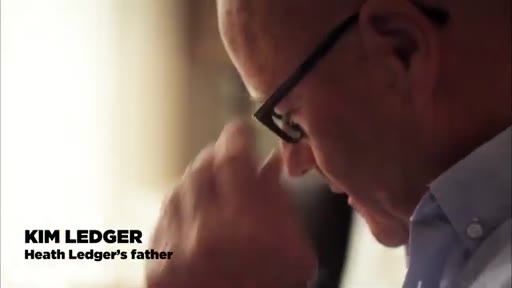
21:35He was really excited for that film to come out. His parents confirm it. His sister addressing the rumors directly insists that despite his history with drugs, the overdose on sleeping pills was an accident.
21:47He had genuine persistent insomnia and he took the wrong combination of medications to deal with it. There was no curse.
21:54There was no role that consumed him. There was a great actor who died too young. Let's just remember what he left us.
22:01For any of us lucky enough to work with him, I think for any of of us lucky enough to enjoy his performances, he will be eternally missed, but he will never be forgotten.
22:12The movie was dedicated to two people, Heath and Conway Wycliffe, a stuntman killed while rehearsing one of the chase sequences.
22:22It opened on 07/18/2008, six months after Heath's death. The cultural moment was unique.
22:29The grief in the room was real and it overlapped with the grief inside the film, And the two of them produced a kind of theatrical experience that doesn't happen often and can't be planned for.
22:41It just happens once. In six days, the dark knight had outgrossed Batman Begins. By the end of its run, it had made more than a billion dollars worldwide.
22:51It was nominated for eight Oscars. Heath won posthumously for best supporting actor. Though in any honest reckoning of the film,
22:59he was the lead. Tonight, we are choosing to celebrate and be happy for what he has achieved.
— full transcript
§ 05 · For Joe

How constraint and conviction produce unrepeatable work.

WHAT TO LEARN

The film's staying power comes not from scale but from a filmmaker who used every studio constraint — IP, budget, format — as raw material for something more precise.

  • Working inside a genre's conventions doesn't mean serving them — Nolan used the Batman framework to fund a film whose actual concerns were crime, chaos, and surveillance.
  • Casting choices that look wrong on paper often signal that the director is thinking about the role differently than the audience is, which is usually the more interesting version.
  • Preparation and improvisation are not opposites: Ledger's performance appears spontaneous precisely because it was built with enough structural precision to handle a one-take demolition sequence.
  • Practical production choices — shooting on location, using real physics, destroying real buildings — create a kind of audience belief that CGI cannot replicate, because the risk was genuine.
  • A film can embed a contemporary political argument without announcing it, and the argument lands harder for the restraint.
  • The mythology around a performance often obscures the actual craft — what Ledger did was deliberate, technical, and joyful by his own account, not destructive.
§ 06 · Frame Gallery

Visual moments.