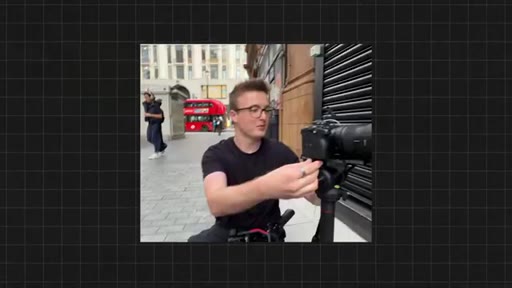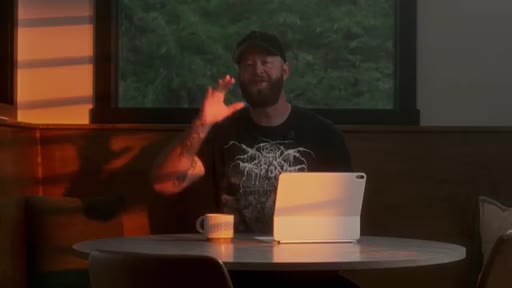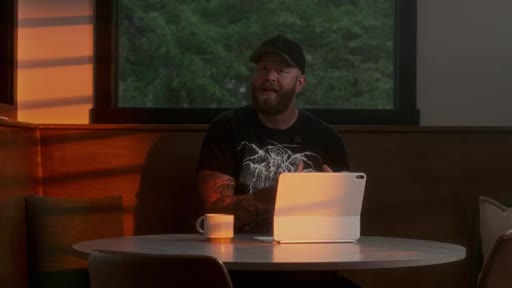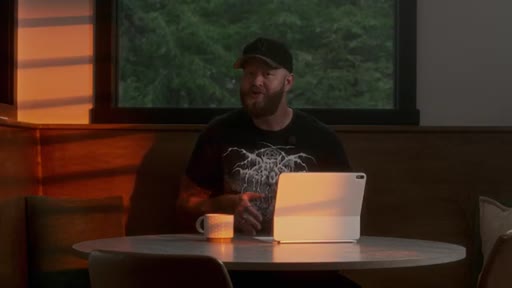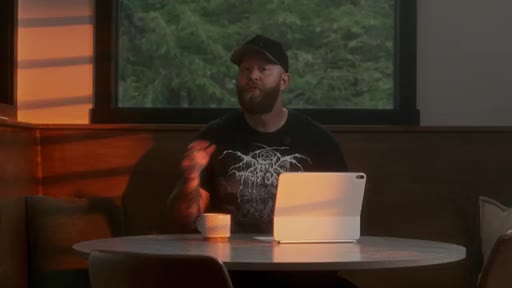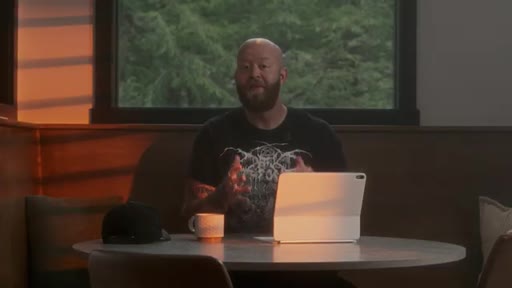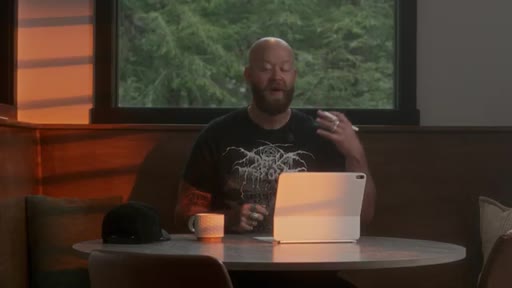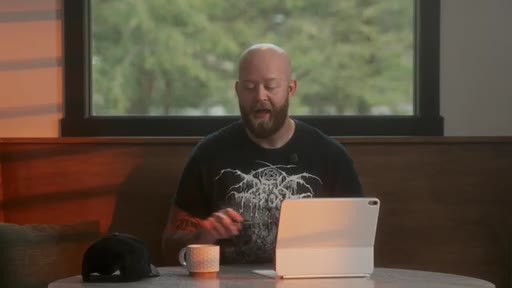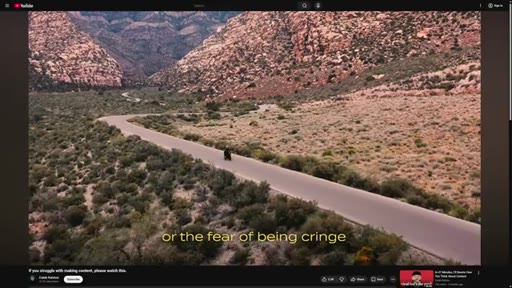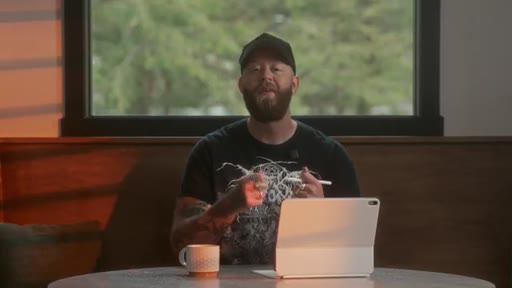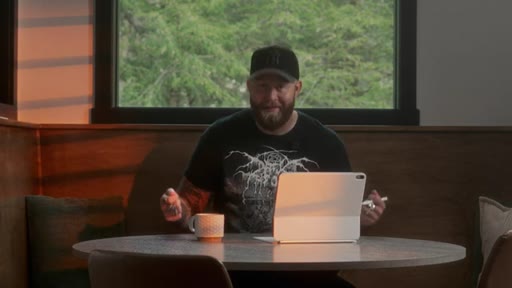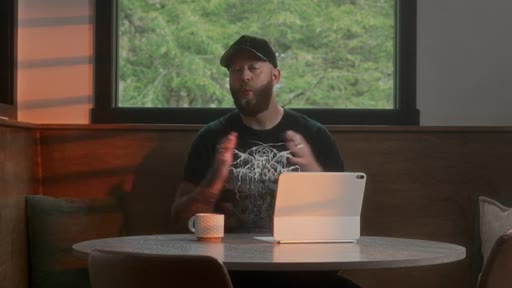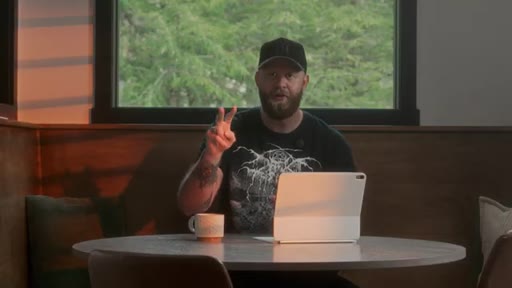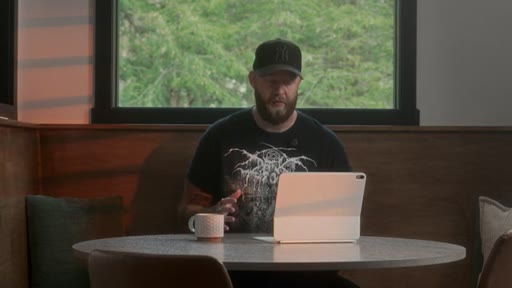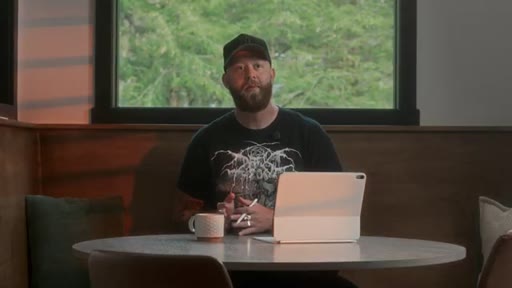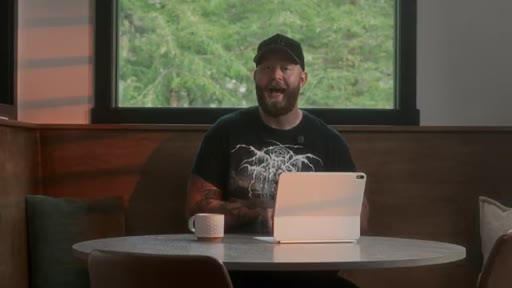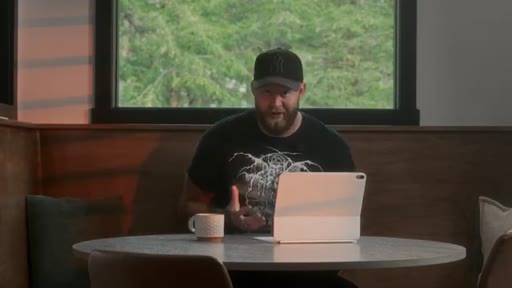
The bait, then the rug-pull.
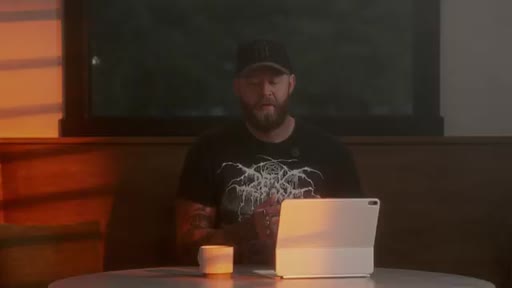
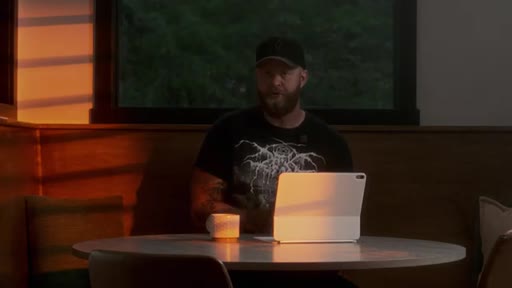
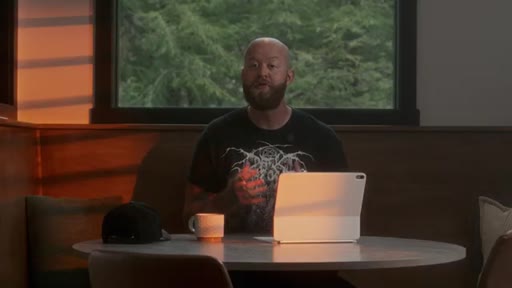
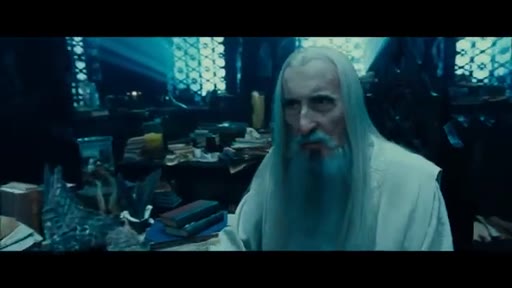
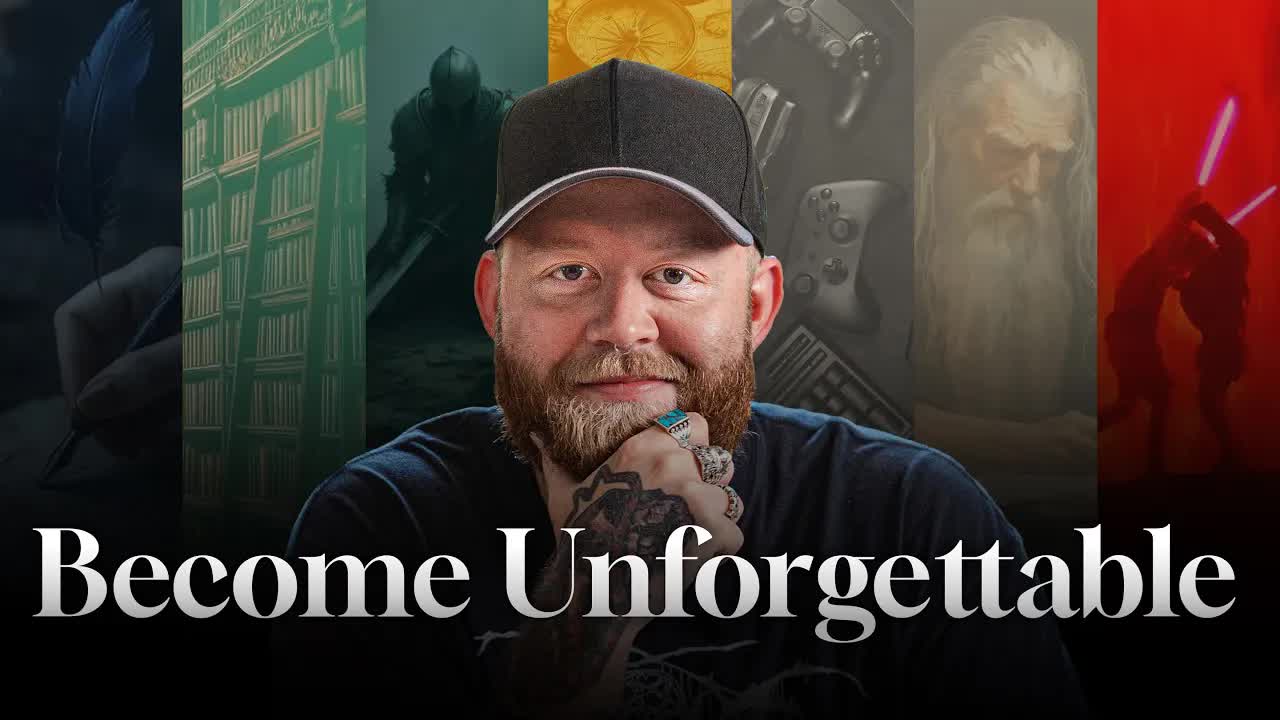
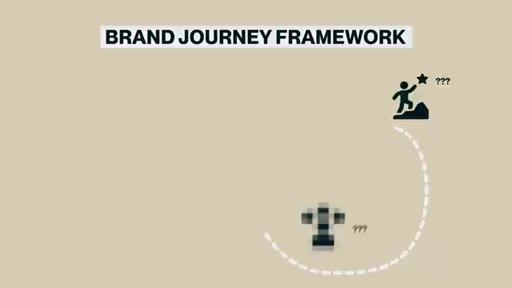
Caleb Ralston opens on a bet: that the creators you cannot stop watching are doing something closer to Tolkien than to any content calendar. In the first sixteen seconds he names the gap, then spends the next half hour filling it with seven elements that turn an audience into citizens of a world.
What the video promised.
stated at 00:20 "I wanna walk you through these seven elements that I have for you to build a world that your audience never wants to leave." delivered at 29:35
Where the time goes.
01 · Cold open: worldbuilding in fiction
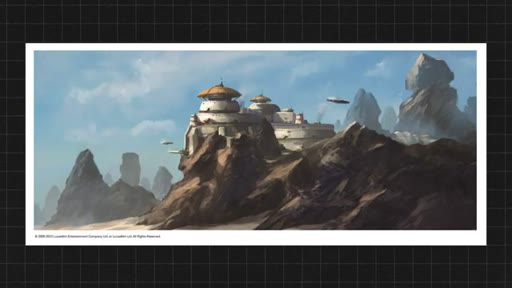
Pattern interrupt applying LOTR, Star Wars, Dune, and Marvel franchise logic to personal brand building. Audiences do not just consume content, they live in worlds someone built.
02 · Why worldbuilding matters for personal brands
Most strategists sprint to content strategy without the foundational world-construction work. Expertise earns trust, but far more is needed for long-term loyalty.
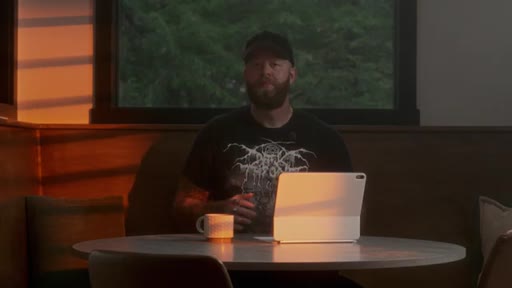
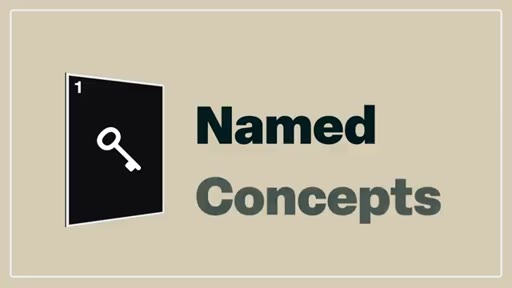
03 · Element 1: Name Your Concepts
Take what you already teach and give it a name. Goal: pass the three Rs (remember, repeat, reference). Named frameworks spread on their own; unnamed ones die with the conversation.
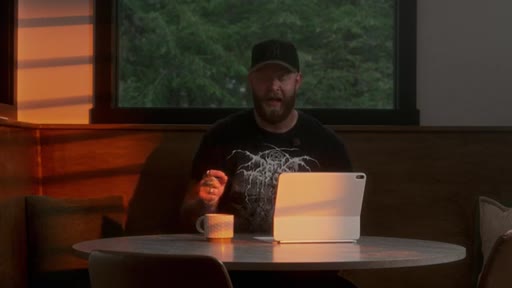
04 · Element 2: Redefine Terms
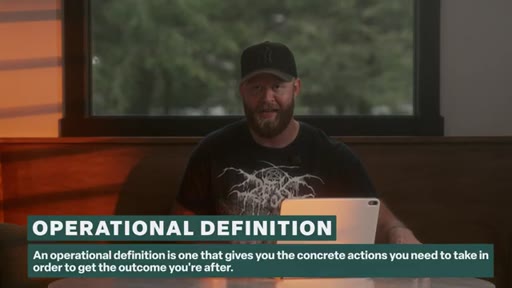
Every niche has vague widely-used terms no one truly understands. Redefine them operationally, giving the audience the actions needed to get the outcome. Example: branding as the intentional pairing of relevant things done consistently.
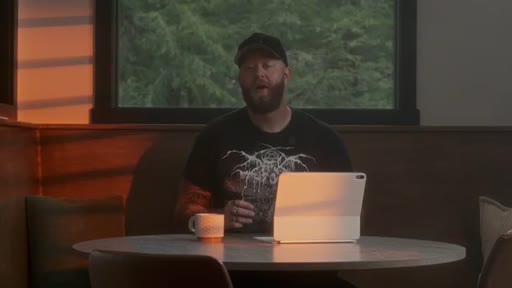
05 · Element 3: Share Your Weaknesses
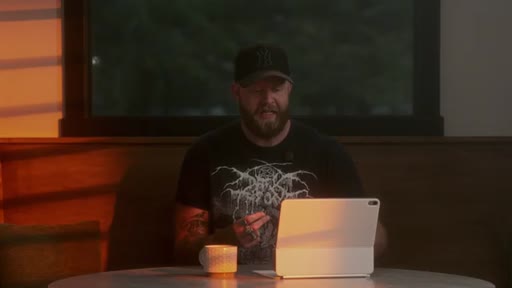
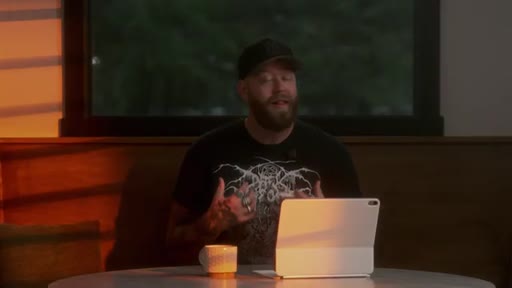
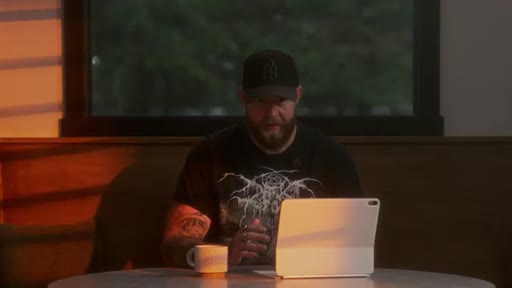
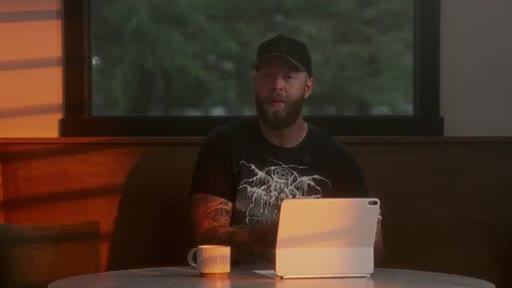
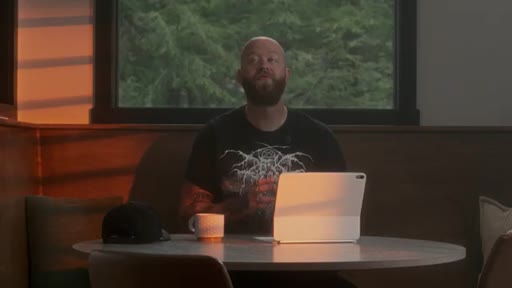
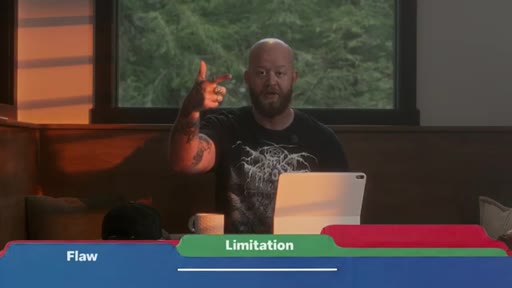
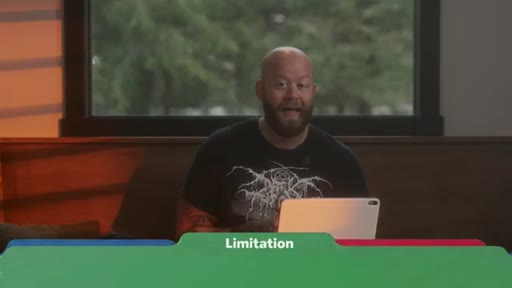
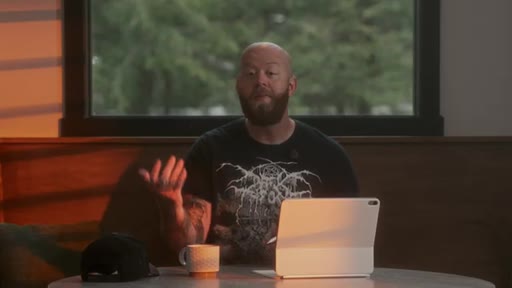
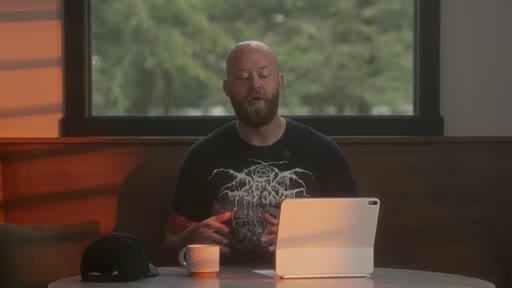
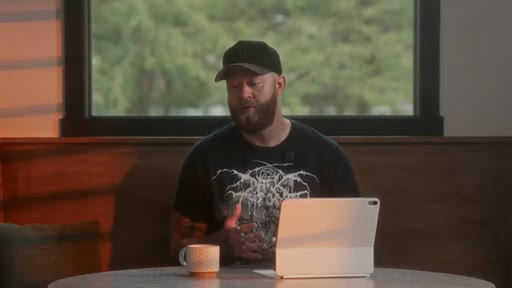
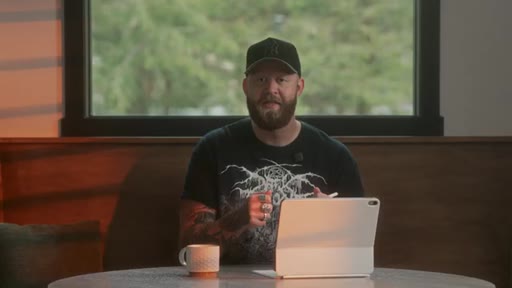
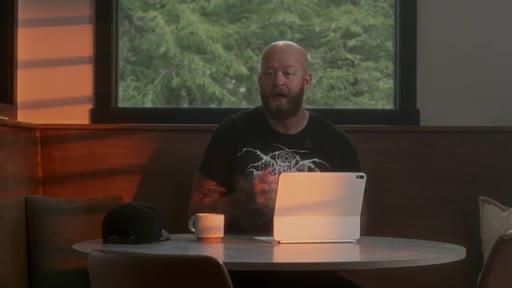
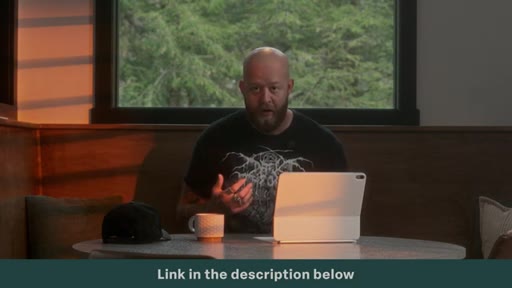
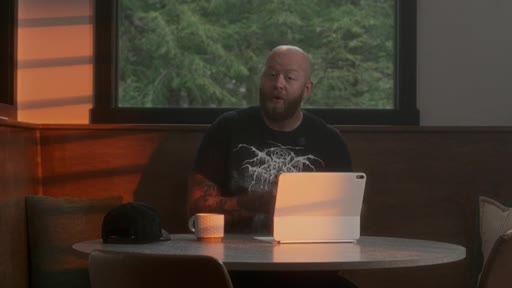
Three types: flaw (can change), limitation (cannot change, can adapt), cost (what choices sacrifice). He removes his hat live on camera as a meta-demonstration of camera anxiety. Real vulnerability builds deeper trust than a perfect personal brand.
06 · Element 4: Characters and Settings
Recurring cast members and named locations give a world dimension. Gary Vee Daily Vee as case study. Audiences attach to side characters as in The Office. Be intentional about who and where you feature.
07 · Element 5: Interest Stacking
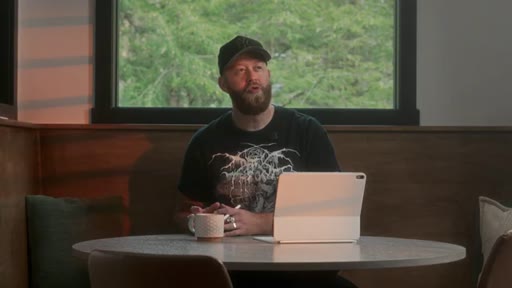
Shared interests move people closer on the relationship sphere. Caleb stacks Harleys, hardcore shows, the Seahawks Super Bowl, and trash TV. Each stack is another at-bat for the audience to connect beyond expertise.
08 · Element 6: Lore and Legends
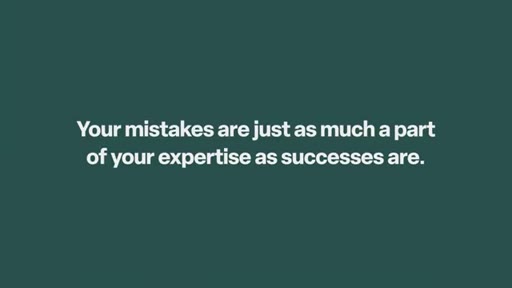
Success and failure stories paired with the lesson. Failure stories do double duty: teach the lesson and demonstrate experience depth. Mistakes are as much expertise as wins. This is the Credibility Bank in practice.
09 · Element 7: Common Enemy
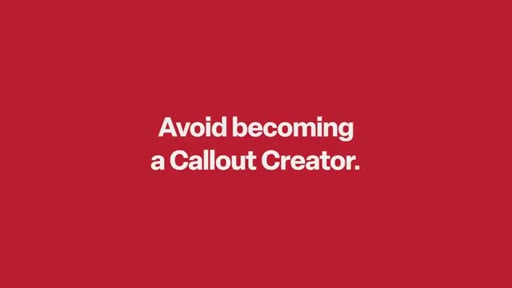
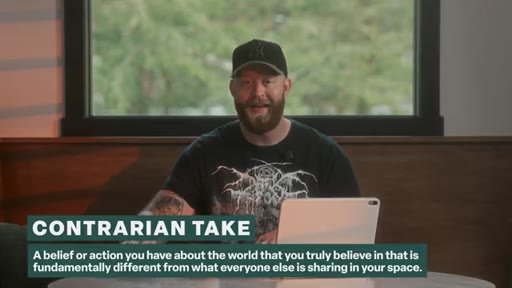
Contrarian take reframed as the thing standing between your audience and their desired outcome. Avoid calling out specific people or companies (the call-out creator trap). A belief is yours alone; a common enemy is a movement your audience participates in together.
Visual structure at a glance.

Named ideas worth stealing.
The 7 Elements of Worldbuilding
- Name Your Concepts
- Redefine Terms
- Share Your Weaknesses
- Characters and Settings
- Interest Stacking
- Lore and Legends
- Common Enemy
Seven elements borrowed from fiction worldbuilding and translated to personal brand strategy. Together they move audiences from casual viewers to citizens of a world.
The Three Rs
- Remember
- Repeat
- Reference
A named concept only has value if it passes this test. Audiences must be able to remember, repeat, and reference it in their own content.
Operational Definition
A definition is useful only if it tells you the concrete actions needed to get the outcome you want. Operational redefinitions create a lens tied back to your brand.
Credibility Bank
A repository of personal success and failure stories each paired with a lesson. Used to demonstrate expertise and build trust over time.
Contrarian Take vs Common Enemy
A contrarian take is a personal belief. A common enemy is that belief reframed as the obstacle between your audience and their desired outcome. The enemy turns the belief into a participatory movement.
Interest Stacking
Deliberately sharing personal interests, hobbies, and values beyond your expertise to multiply connection points. Each shared interest moves someone closer on the relationship sphere.
Lines you could clip.
"When you do this well, your audience is not just consuming your content. They start thinking in your frameworks."
"It takes far more than just expertise to create long term brand loyalty."
"Vulnerability that is real, not contrived. Not when you fake cry on camera. Real vulnerability. That creates deeper trust and loyalty than any sort of perfect personal brand ever will."
"Your learnings and your expertise does not just come from wins. It comes from failures, scars, and the mistakes you had along the way."
"It can take something that starts as just a belief and actually turn it into a movement."
How they spent the runtime.
- 09:22 – 10:00 · Self Worldbuilding Workshop
- 20:35 – 20:58 · Self Worldbuilding Workshop
Things they pointed at.
How they asked for the click.
"Click here to watch my unfiltered advice on your personal brand."
Clean end-card CTA. Two self-plugs for the paid Worldbuilding Workshop inserted at element 1 and element 4 transitions.
Word for word.
Build a world, not a channel.
Expertise gets you in the door. These seven elements are what make people never want to leave.
- Audit every framework you teach and give it a name. The 6 Dollar Stack and LFB Line pass. Own your stack is a belief not yet a named concept. Find the actionable framework inside it.
- Pick one vague term your audience hears constantly and write the operational definition. Self-hosting, ownership, independence. The definition that gives them the concrete action to take.
- Name your common enemy more precisely. Subscription SaaS debt or the 300 dollar per month stack tax is more actionable than renting. Audiences rally around a thing they pay, not an abstract idea.
- Introduce one recurring character in your content. Navy background, a collaborator, a recurring prop. Something that shows up across videos so regular viewers feel like insiders.
- Stack one non-creator interest per month. Direct response origins, Queensbury roots, sobriety story. Every stack is another at-bat for someone to feel closer to you beyond the tech content.
- Build your credibility bank explicitly. The CartFreak one-click upsell origin is lore. The failed product launches are legends. Mine them. These stories make expertise tangible.
Why you stay loyal to some creators and ghost others.
It is not because they are the smartest. It is because they built a world you actually want to live in.
- If a creator ideas show up in how you think or talk day-to-day, they named something you did not have words for. That is not an accident.
- The creators who share their failures and insecurities are building the kind of trust that takes years to fake and seconds to lose.
- When you find yourself caring about a creator camera operator or their city or their hobby, that is the world working. You are a citizen now, not a viewer.
- If you share any random interest with a creator beyond their main topic, that extra overlap is why you feel like they get you specifically.
- The creator you follow who is against something is giving you a common enemy. That is what makes a following feel like a community.