The bait, then the rug-pull.
Higgsfield dropped their Supercomputer on launch day and Jay E from RoboNuggets was recording within hours. What he found is a genuinely interesting creative harness that wraps frontier models in Higgsfield's own image-and-video-generation skills, with a live demo that goes from impressive (batch product ads from a single URL) to buggy (Kling 3.0 silently failing) to conceptually ahead-of-its-time (a full UGC pipeline that almost works).
What the video promised.
stated at 00:06 "In this video, I'll show you exactly what Higgs Field supercomputer is, how to use it, and whether it's worth bringing into your stack." delivered at 13:15
Where the time goes.
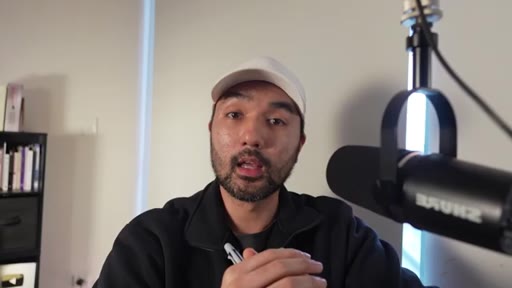
01 · Cold Open / Promise
Talking-head intro. States the product, promises what the video will cover.
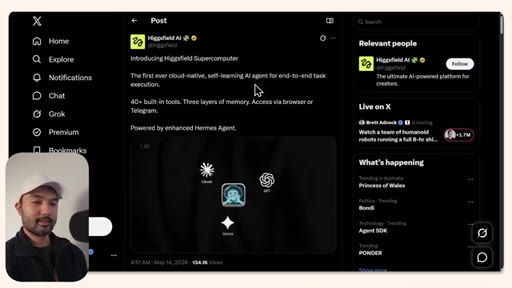
02 · What Is Supercomputer?
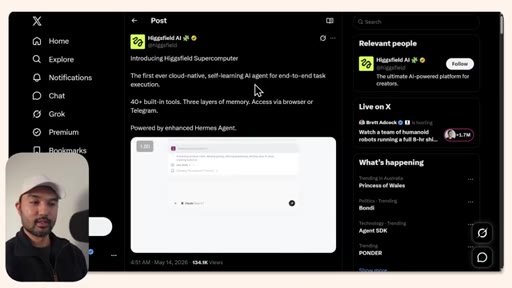
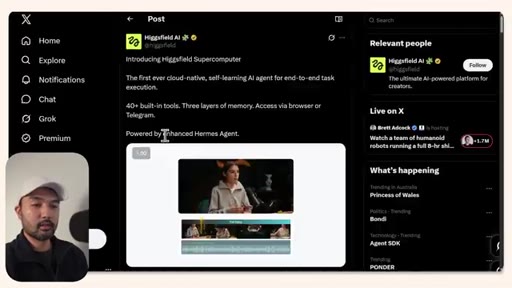
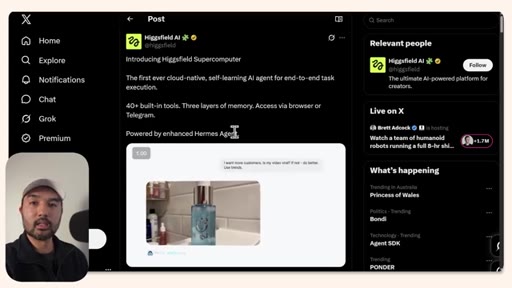
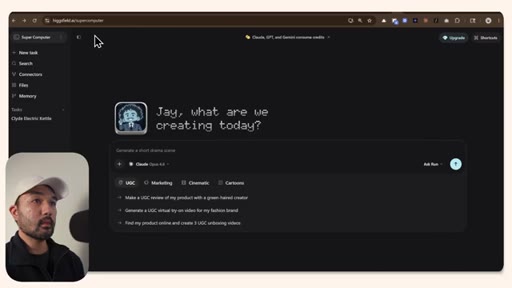
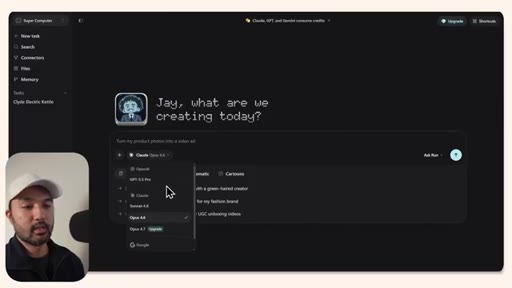
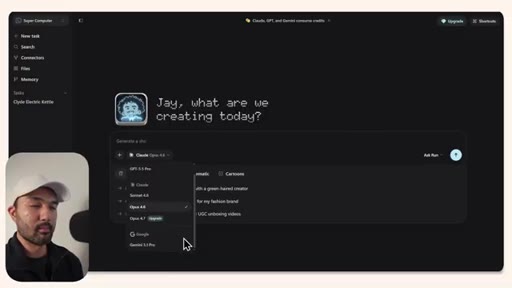
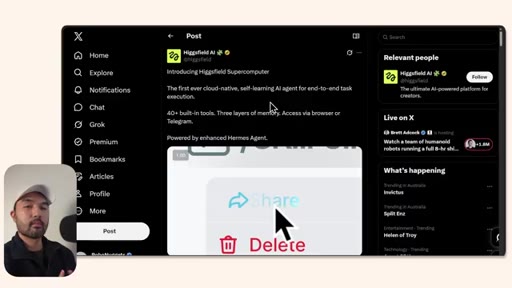
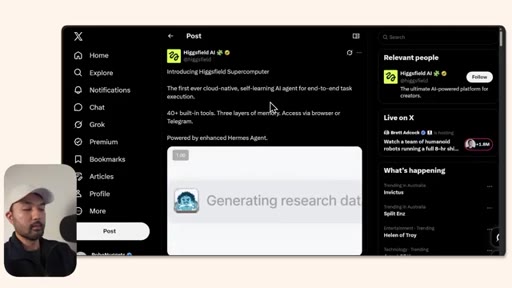
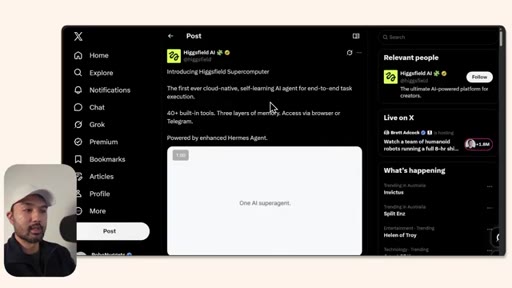
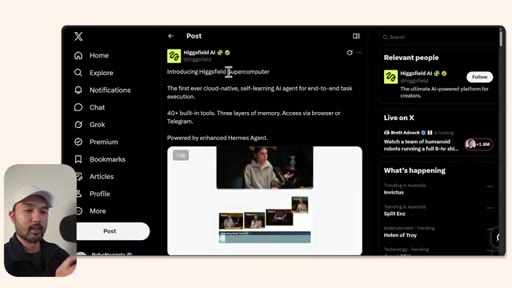
Walks through the X announcement post. Built on Hermes agent scaffold. Shows model picker: GPT-4.5, Sonnet, Opus 4.6, Gemini 3.1 Pro.
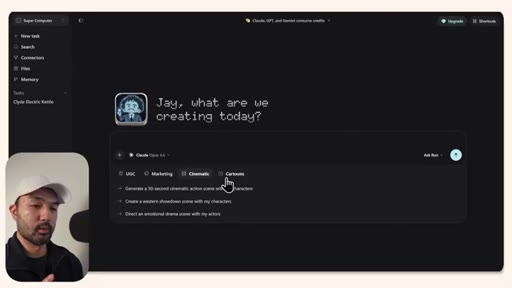
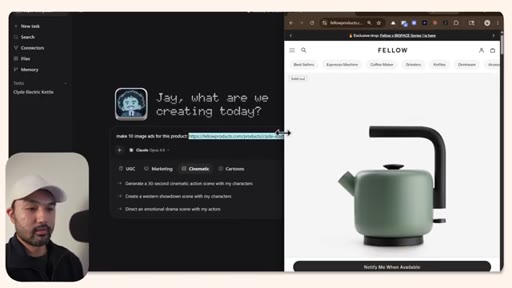
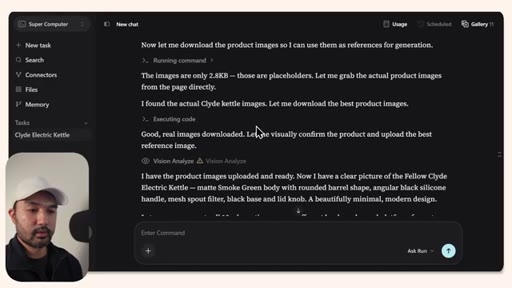
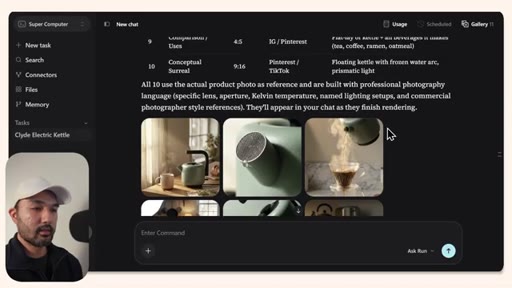
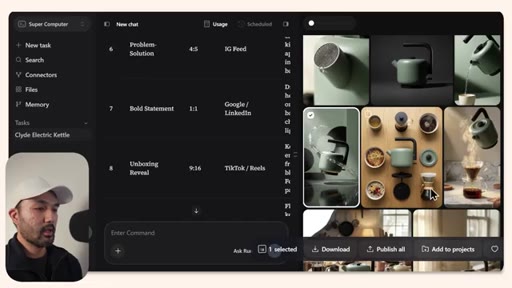
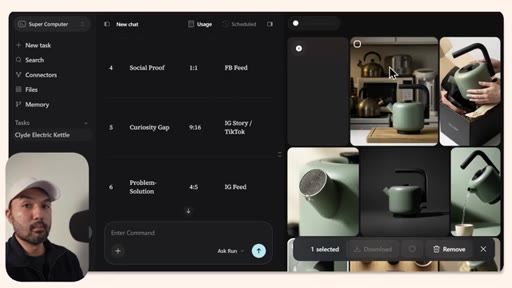
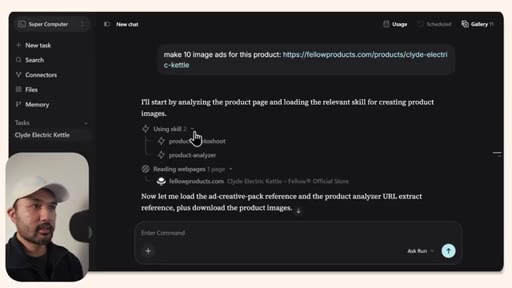
03 · Demo 1: Batch Product Image Ads
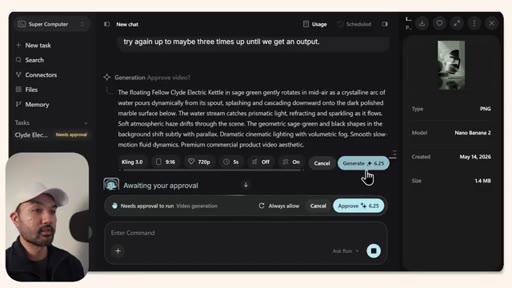
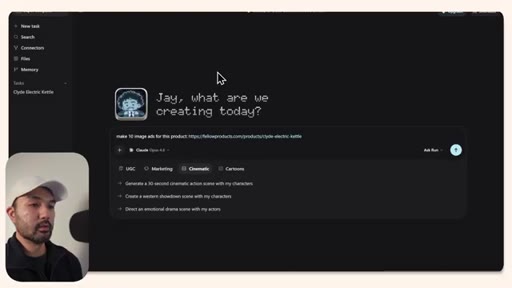
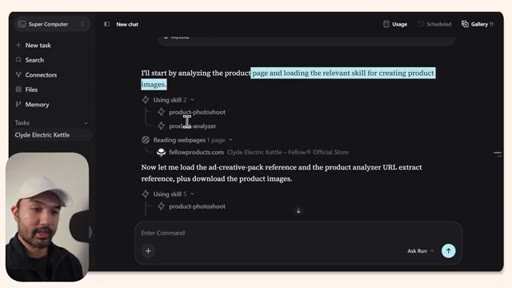
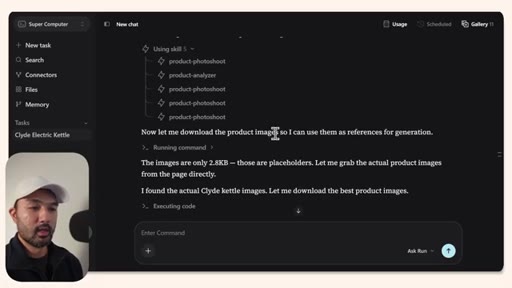
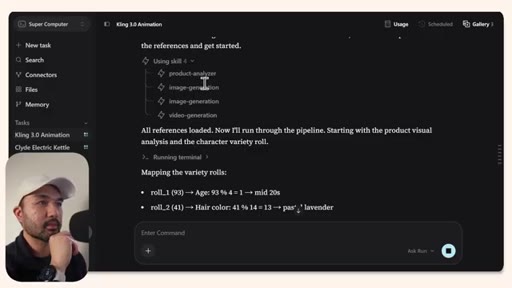
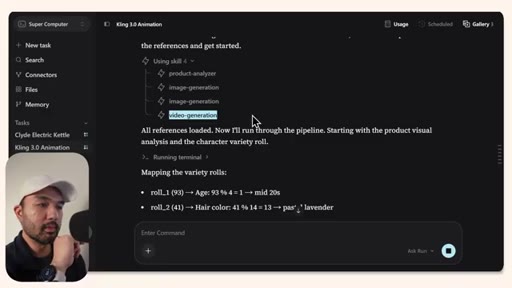
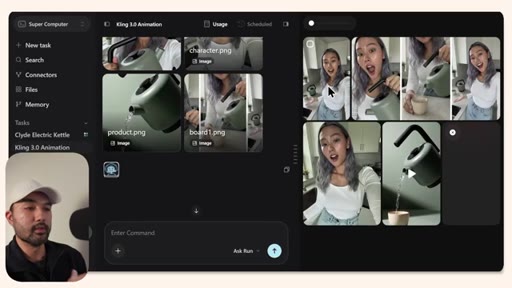
Single command plus a kettle URL. Agent auto-loads internal skills, generates 10 ads across aspect ratios. Jay calls results impressively good for one-shot.
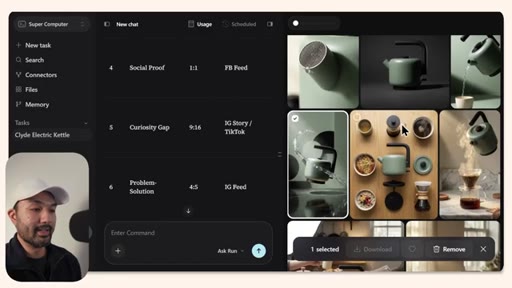
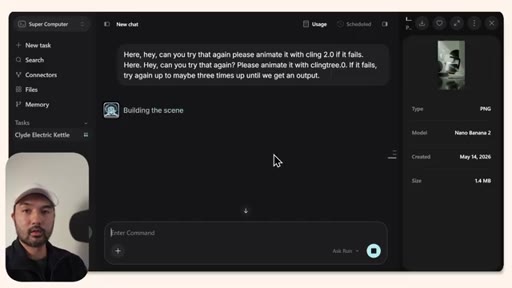
04 · Demo 2: Video Animation — Kling Fails, CDance Wins
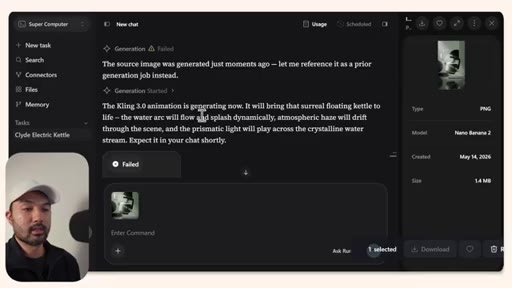
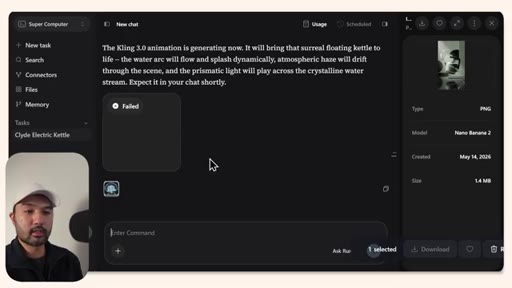
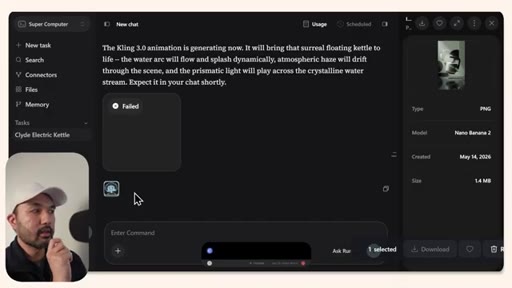
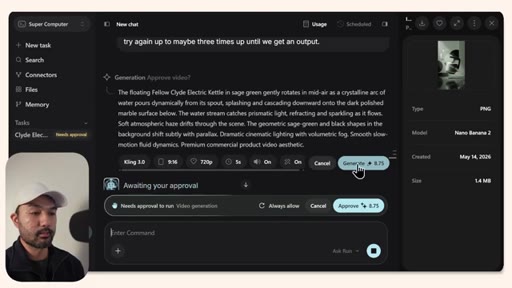
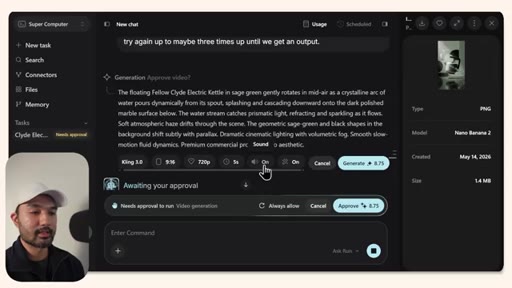
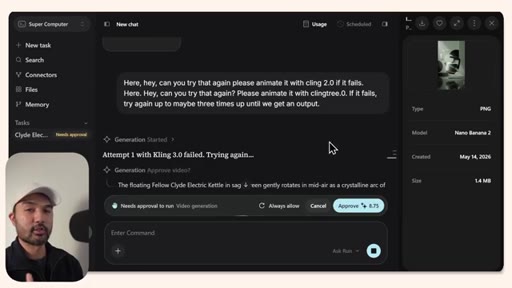
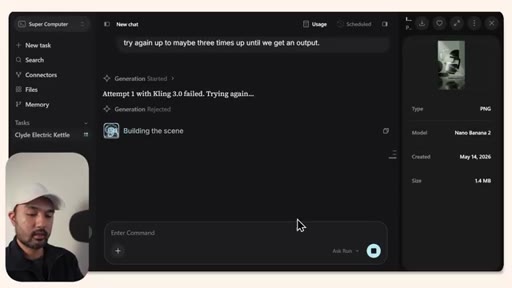
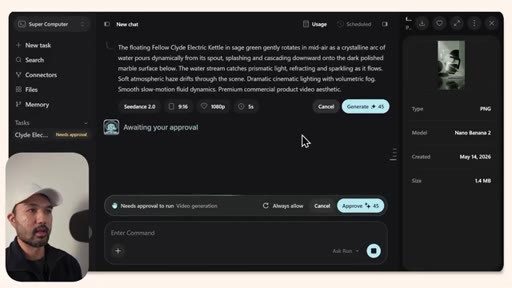
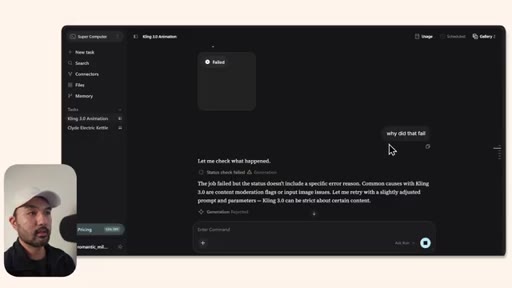
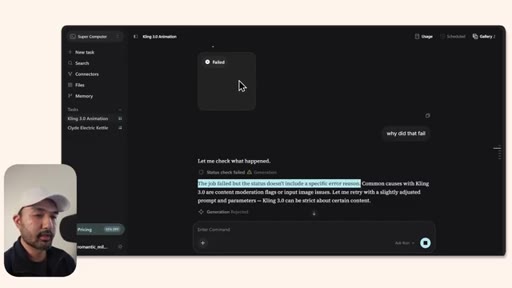
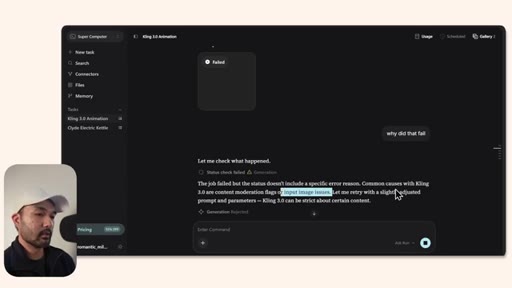
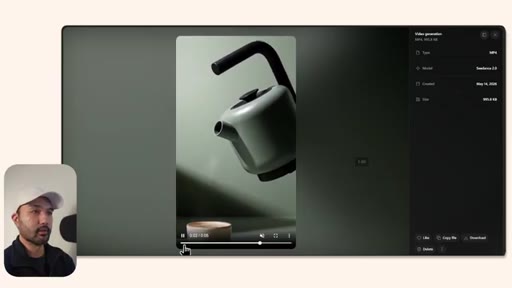
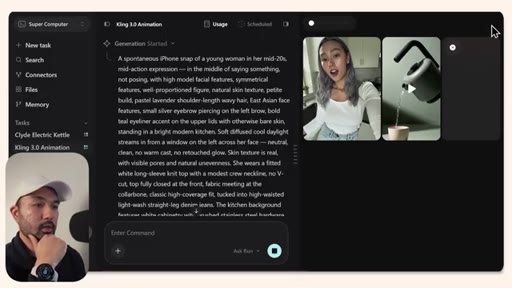
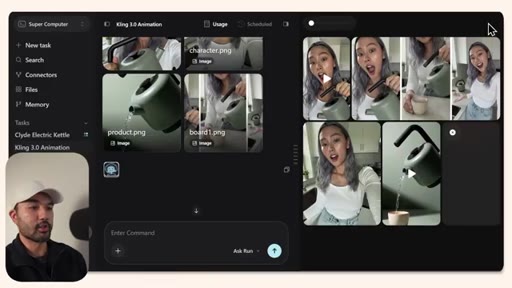
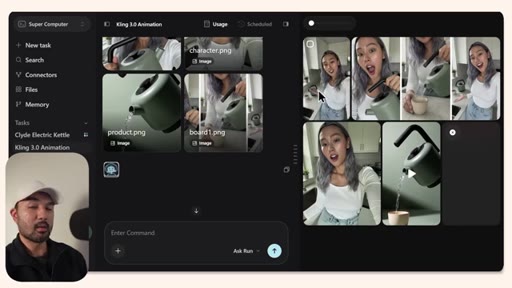
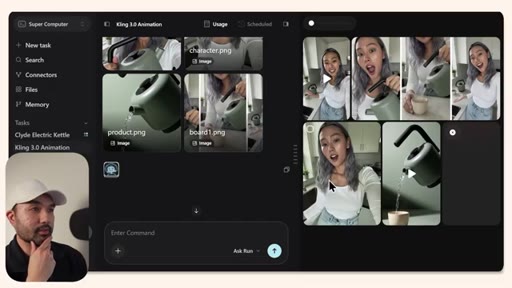
Asks for Kling 3.0 animation. Kling fails silently — Jay flags UX gap: no error detail surfaced. Retries with CDance 2.0, succeeds. Credit-approval checkpoint highlighted as a product win.
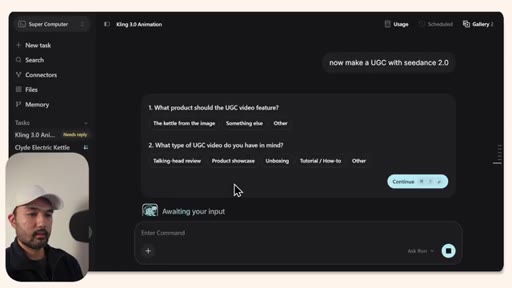
05 · Demo 3: Full UGC Workflow
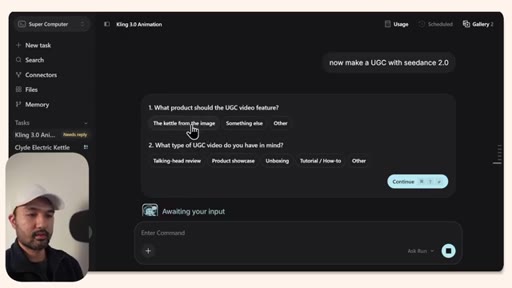
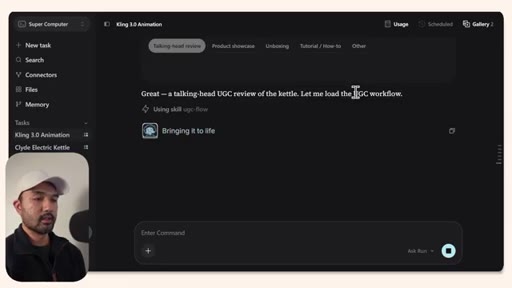
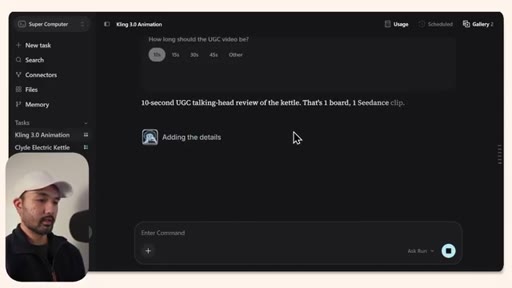
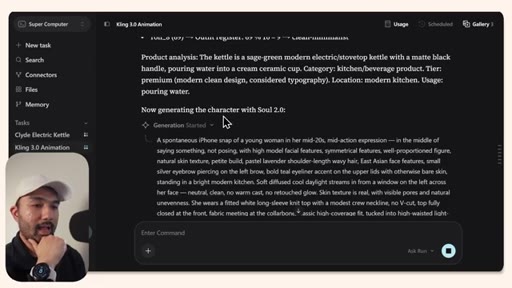
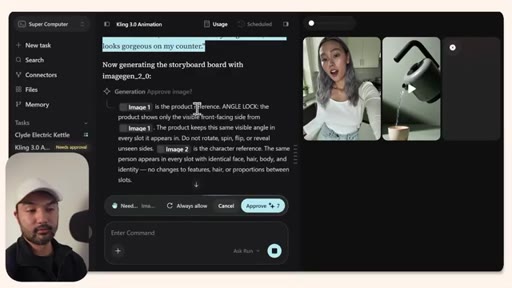
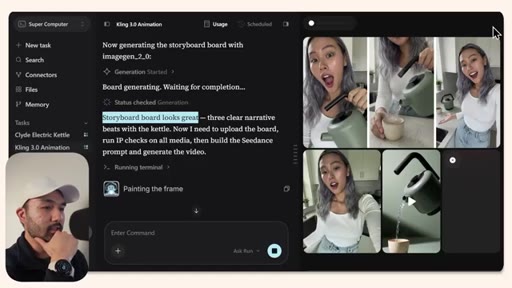
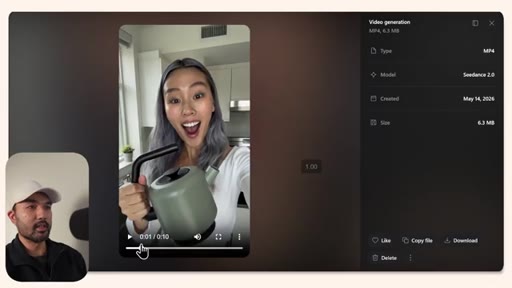
10-second UGC talking-head review. Agent asks clarifying questions one-by-one. Generates character via Soul 0, writes script, generates storyboard, animates with CDance. Final video has obvious AI artifacts.
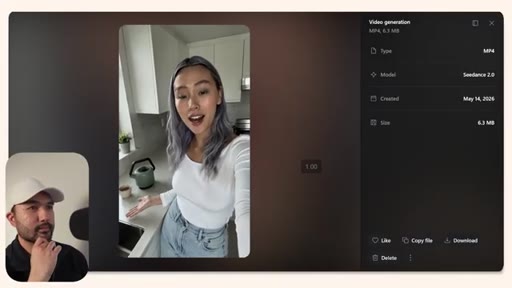
06 · Critique of UGC Output
Breaks down specific AI tells — kettle duplicating, closed handle, scream at start. Frames the fix: lock each step iteratively before burning generation credits.
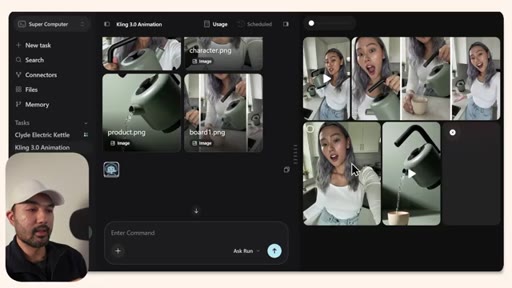
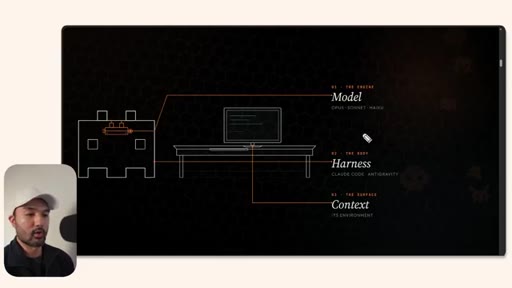
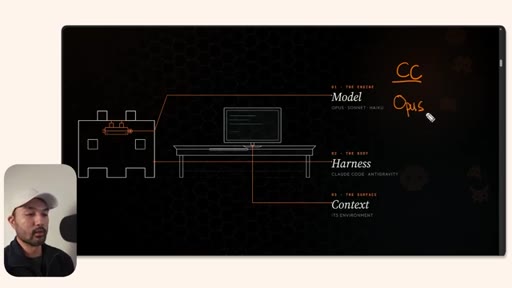
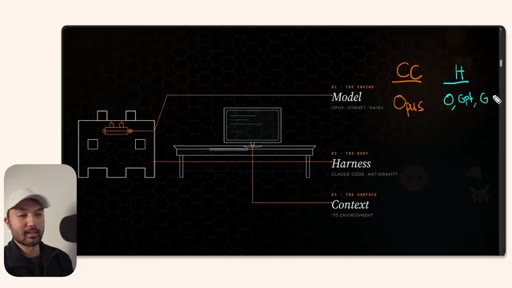
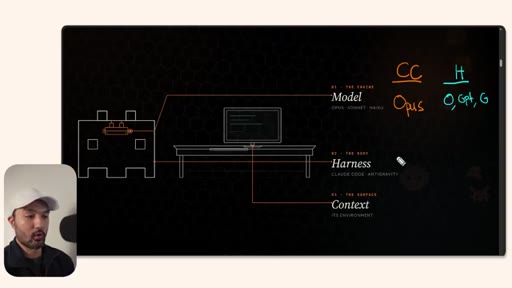
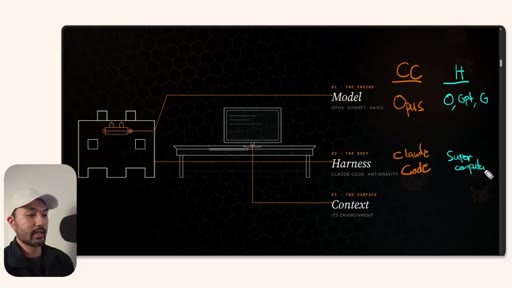
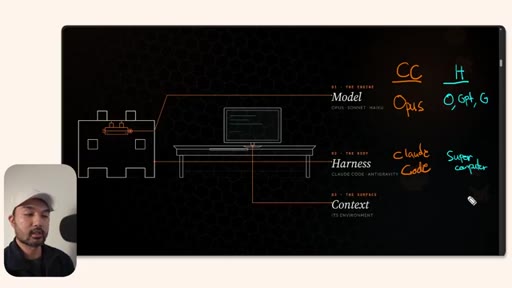
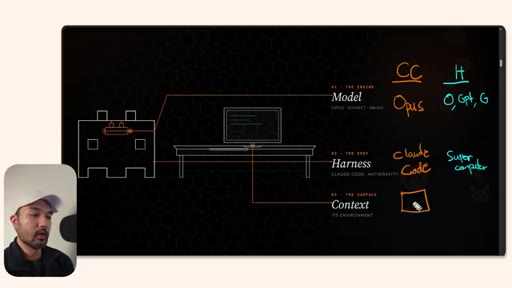
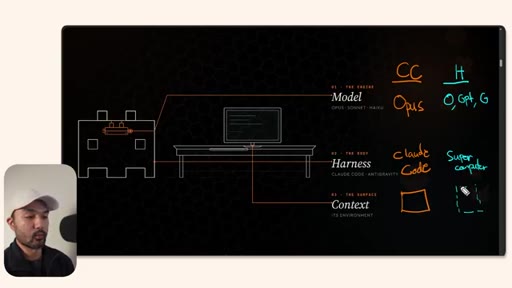
07 · Framework: Model / Harness / Context
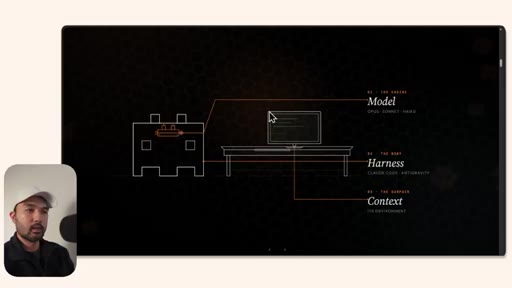
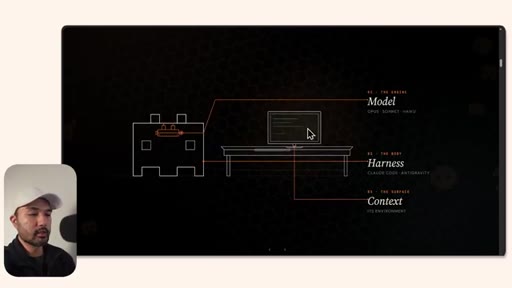
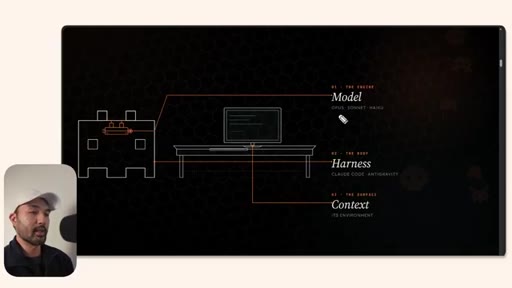
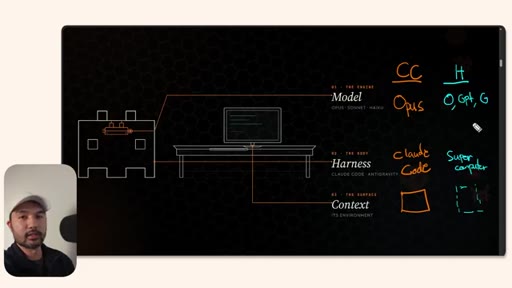
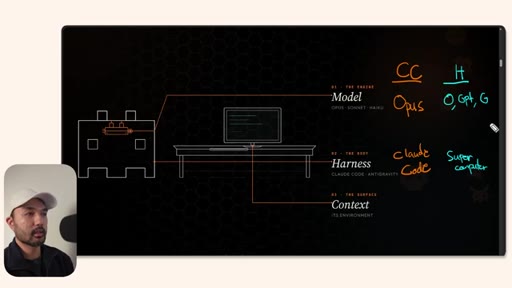
Custom dark-mode diagram. Model = engine. Harness = system-prompt wrapper. Context = environment. Maps Higgsfield Supercomputer against Claude Code using this frame.
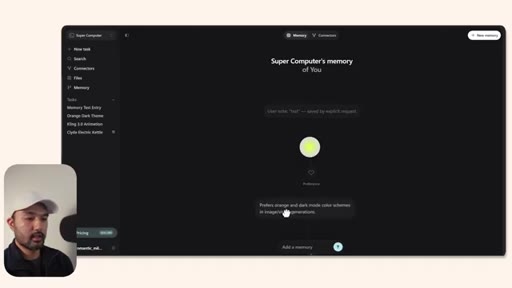
08 · Connectors + Memory
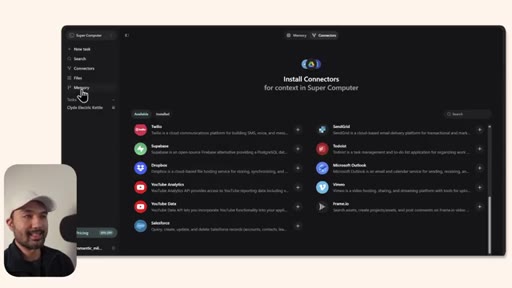
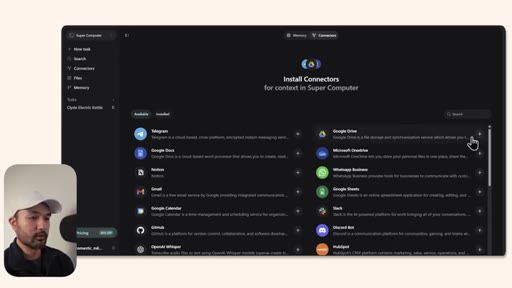
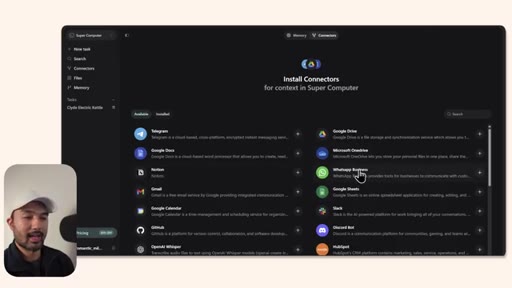
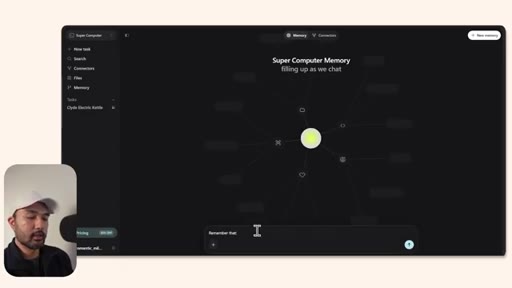
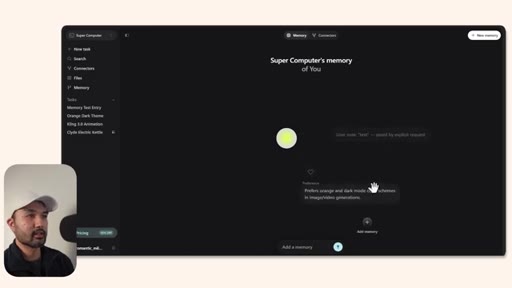
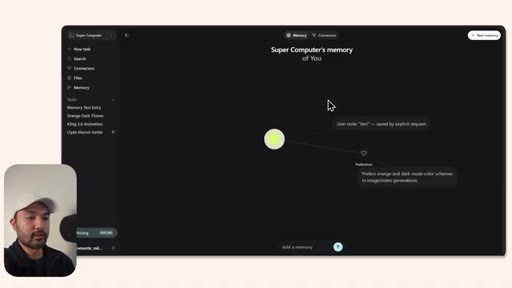
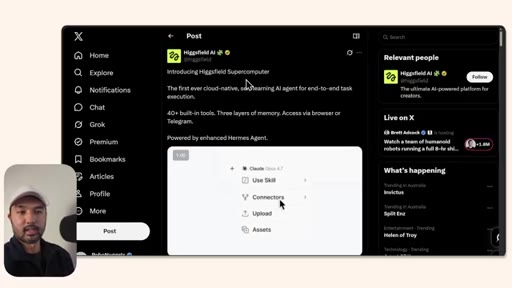
Shows Connectors panel (Google Drive, Telegram, more). Tests Memory panel — no delete button exists yet. Flags both as needed fixes.
09 · Verdict + CTA
If subscribed to Higgsfield: try it. If pay-as-you-go: stay put for now. Optimistic about the direction long-term.
Visual structure at a glance.
Named ideas worth stealing.
The 3 Parts of an AI Agent
- Model (the engine — Opus/GPT/Gemini)
- Harness (the system-prompt wrapper — Claude Code vs Supercomputer)
- Context (the environment — files/folders vs Connectors/Memory)
A portable mental model for understanding any agentic platform. Jay maps Higgsfield Supercomputer against Claude Code using this frame.
Lines you could clip.
"For some reason, their own product doesn't have an idea of why this particular generation failed."
"AI agents are essentially just three parts: the model, the harness, and the context."
"It seems like Higgsfield's vision is to be the Claude Code — or the more approachable version of an agentic harness like Claude Code — that is suited for creatives."
How they spent the runtime.
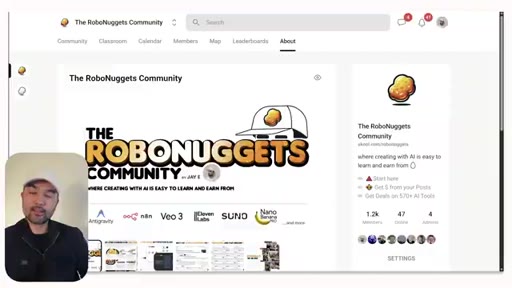
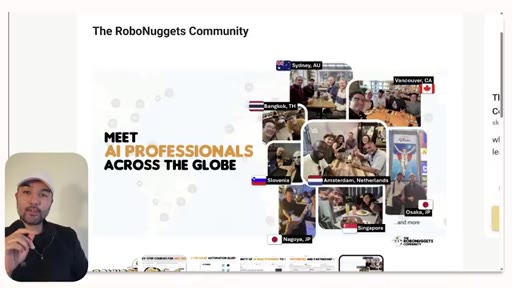
- 03:55 – 05:10 · RoboNuggets Community (self-promo mid-roll)
Things they pointed at.
How they asked for the click.
"If you're interested in going from just using AI to getting paid for it, then check out the Robo Nuggets community down in the description."
Mid-roll self-promo at ~4min, about 75 seconds. Natural break between demo 1 and demo 2. Mentions founders landing clients, live sessions, templates. Feels earned rather than forced.
Word for word.
Steal the Model / Harness / Context frame.
Any AI agent — including yours — can be explained in three words: model, harness, context. Use this frame and your audience understands the product before you open the browser.
- Lead your next AI tool review with the framework, then show where the product sits in it — mental model is set before the demo starts.
- The credit-approval checkpoint (model / resolution / duration / cost shown before firing) converts anxiety into trust. Worth replicating in any tool that charges per generation.
- Let failures stay in your live demos — Jay's Kling 3.0 failure sequence is the most watchable part of the video. Honest demos outperform polished ones for technically curious audiences.
- Use 'make 10 image ads from a product URL' as your benchmark prompt for testing any new creative AI tool — makes your reviews comparable across products.
- The honest-skeptic hook framing ('once they iron out a few bugs') sets up 15 minutes of earned credibility — opens with a claim, closes with a nuanced verdict. Try this structure on your next tool review.
What this means if you make content or run ads.
You can now drop a product URL into an AI agent and get 10 ad image variations in minutes — the human skill is knowing which ones to use, not making them.
- Batch AI tools work best when you give them a specific product URL, not a vague description — the more context it can scrape, the less you have to specify.
- AI video animation is still unreliable for brand-sensitive content — use it for concepts and storyboards, not final deliverables, until model quality catches up.
- Look for tools that show you the cost before they charge it — it's the single biggest UX difference between tools that feel safe and tools that feel risky.
- If you're already paying for Higgsfield, try Supercomputer free from the same credit pool. If not subscribed, cheaper pay-as-you-go options exist for now.