Brad | AI & Automation · Youtube · 07:27

Build an Execution Layer for Your Company Brain (Step by Step)

A 7-minute tutorial that names the missing half of the second-brain stack — the execution layer — and hands you a free GitHub template to build it.

Posted
May 14th 2026
4 days ago
Duration
07:27
Format
Tutorial
educational
Channel
B|
Brad | AI & Automation
§ 01 · The Hook

The bait, then the rug-pull.

Brad opens by naming the exact gap most AI-forward builders hit: a second brain full of context is not the same as a business that ships work. The promise is tight — two layers, you've only built one, here's the other — and he backs it with a working demo before the minute mark.

§ · Stated Promise

What the video promised.

stated at 00:32 "I wanna show you what that looks like, how to build one without locking yourself into Claude or OpenAI forever, and how to share it across your team so every new hire and every agent works at your level on day one." delivered at 07:00
§ · Chapters

Where the time goes.

00:00 – 00:51

01 · The Missing Layer

Cold open: two-layer model introduced (context + execution). Hook: 'Building a second brain isn't enough.' Sets up the whole video premise.

00:51 – 01:21

02 · Inside My Company Brain

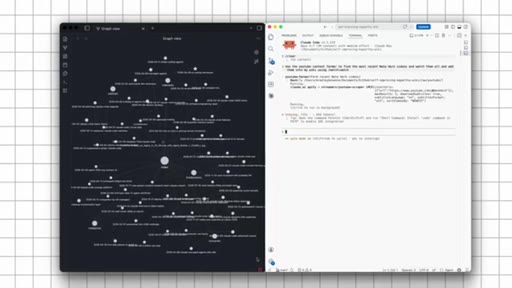
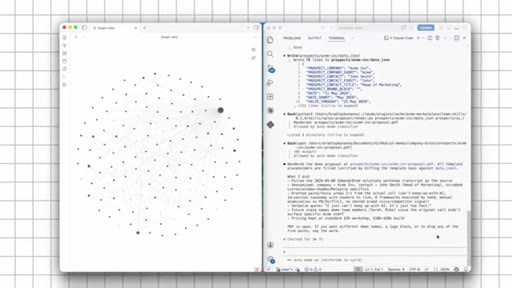
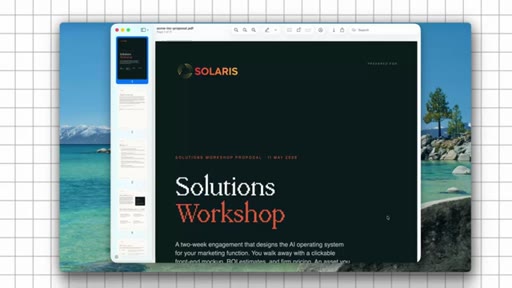
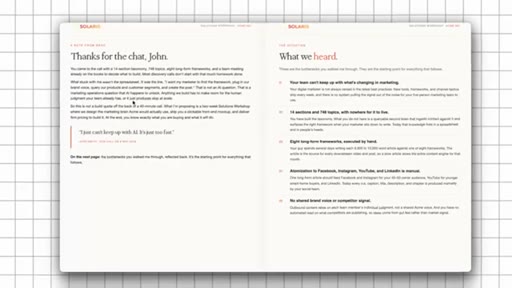
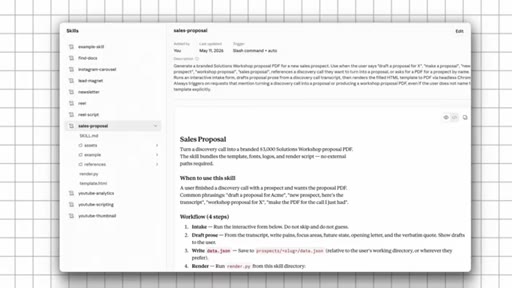
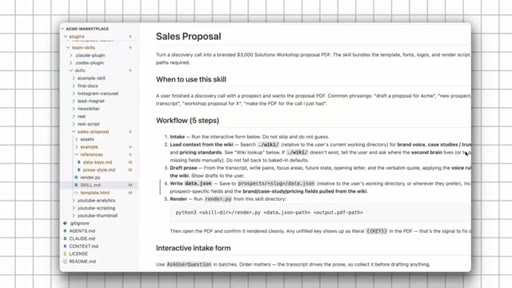
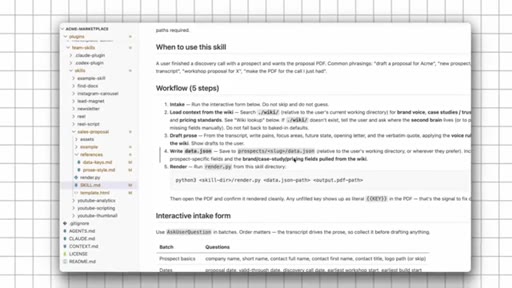
Obsidian demo. Shows /generate-proposal skill pulling live call transcript + pricing playbook. Brain holds context; skill ships the work.

01:21 – 01:42

03 · Why Local Skills Break for Teams

The drift problem — Slack, Drive, org skills all fail when team is split across Claude Code and Codex. Every copy diverges.
01:42 – 02:35

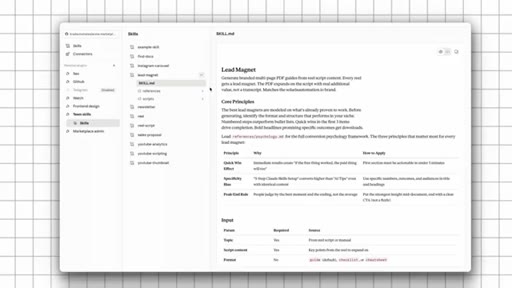
04 · The Private Team Marketplace

One install command, auto-sync, tool-agnostic. 'Five person team shipping like a 50 person team.' Execution + context = leverage.
02:35 – 02:48

05 · Two More Problems It Fixes

Teaser: baseline quality problem and documentation adoption. Resolved later in the PR-back loop section.

02:48 – 03:39

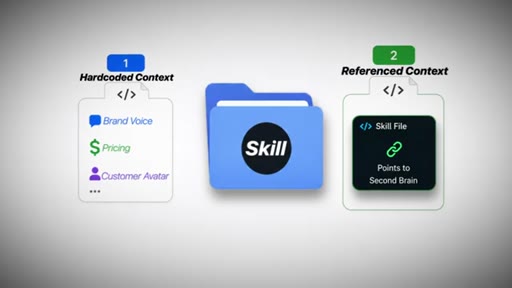
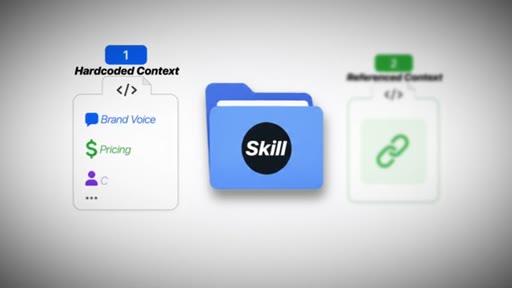
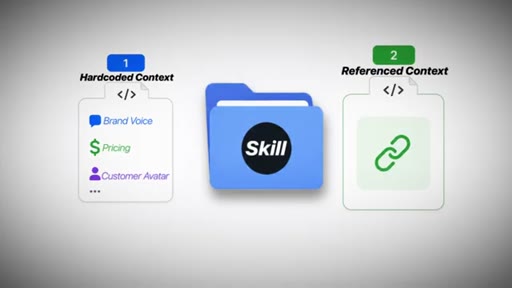
06 · Hard-Code vs. Reference Context

Core pattern: hard-coding context in skills = fragile. Referencing from the brain = single source of truth. Every skill that points at a live file gets the update automatically.

03:39 – 04:01

07 · Why Skills Decay on One Machine

You build a skill, get busy, file goes stale. Personal productivity up, team output flat. Team marketplace fixes the decay loop.
04:01 – 04:25

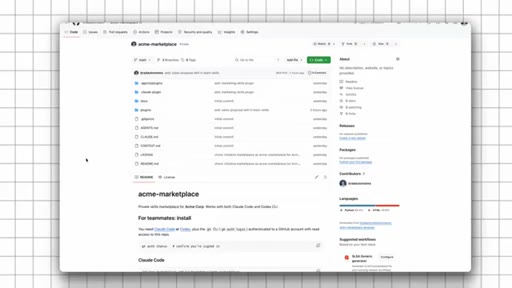
08 · Why It Works Across Every AI Tool

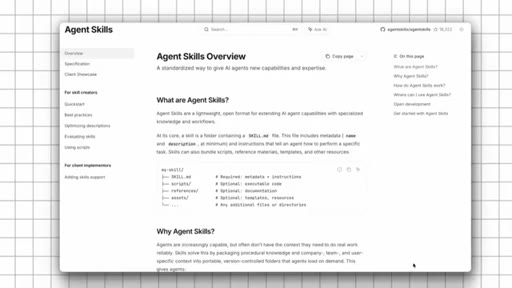
Just a private GitHub repo. Agent skills are an open standard — Claude Code, Codex, and whatever ships next all read the same .md format natively.
04:25 – 05:13

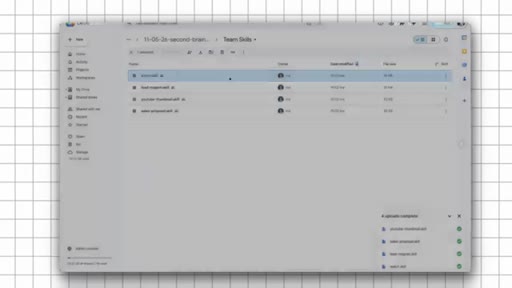
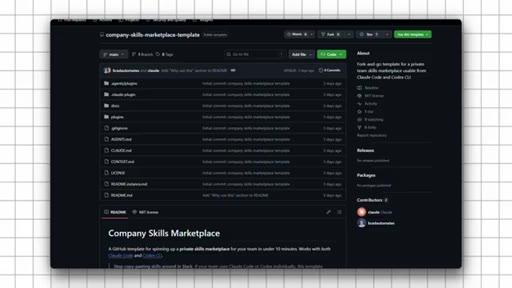
09 · Set Up the Free Template

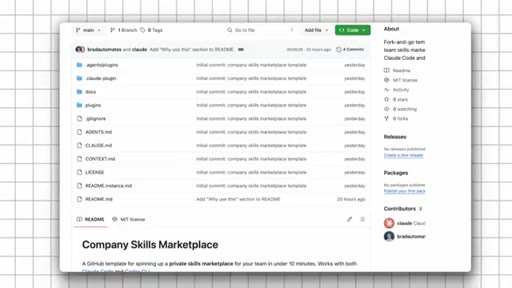
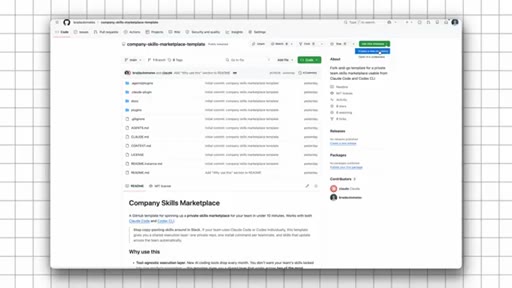
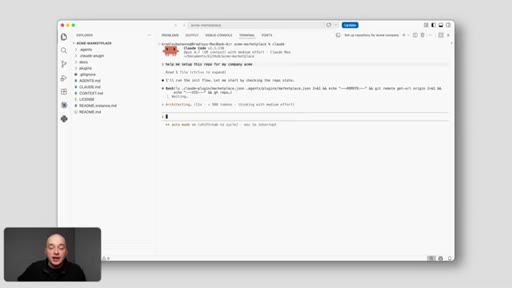
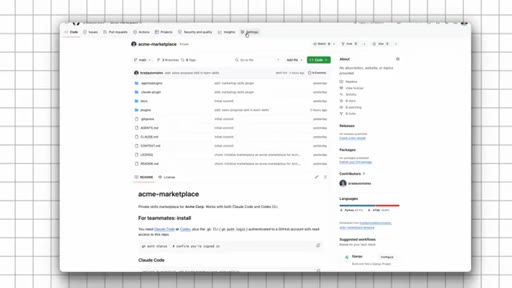
Use template on GitHub, set private, name it, clone locally, ask Claude to read README and run setup, push to GitHub, copy install commands.
05:13 – 05:45

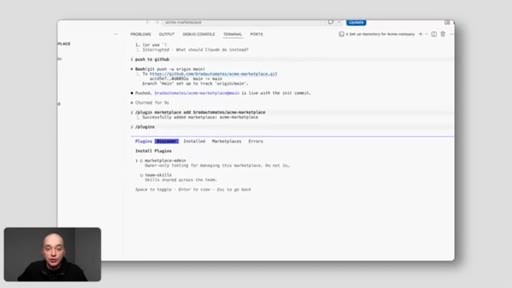
10 · Browsing and Installing Plugins

/plugins, marketplaces, Acme is there. Install team skills + marketplace admin. Fresh Claude session.
05:45 – 06:19

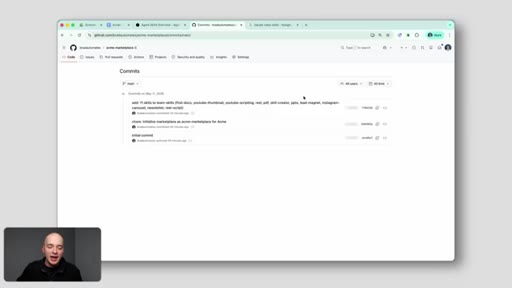
11 · Pushing Your Own Skills In

Marketplace manager skill copies skills from anywhere on machine. Point and say 'add this.' Plugin version bumped automatically.

06:19 – 06:42

12 · Scaling to Sub-Plugins

Sales, ops, CS plugins in the same marketplace but separate. Teammates install only what's relevant. Scales as the org grows.

06:42 – 07:03

13 · The PR-Back Loop

Correction in the field, push to marketplace, baked in for everyone next run. New hire runs on every lesson ever taught. Quality lottery gone.

07:03 – 07:27

14 · CTA + Watch Next

Watch Next card for the brain-build video. Free template and skills marketplace waitlist in description.

§ · Storyboard

Visual structure at a glance.

hook
obsidian demo
hardcode vs reference
github template setup
pr-back loop payoff
watch next
§ · Frameworks

Named ideas worth stealing.

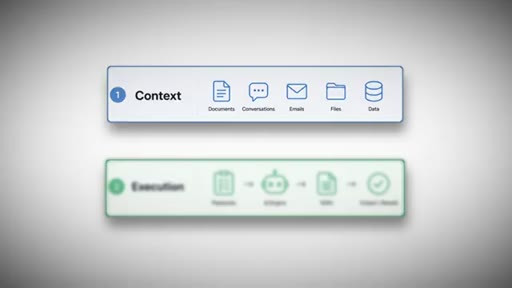
00:12 model

The Two-Layer Brain

  1. Context Layer (Obsidian docs, transcripts, emails)
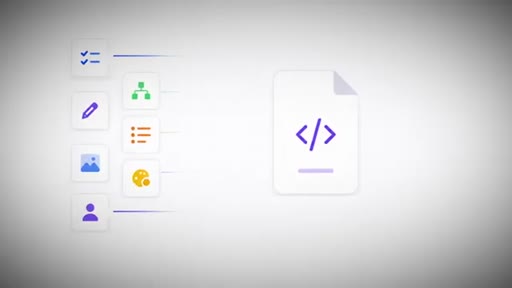
  2. Execution Layer (skills/.md files that run playbooks and return finished work)

A second brain needs two layers to actually run a business. Most people only build the context layer.

Steal for MCN+ positioning, any pitch about AI workflow automation
02:48 concept

Hard-Code vs. Reference Context

  1. Option 1: Hard-code context (brand voice, pricing) into each skill — fragile, drifts
  2. Option 2: Reference context from the brain — single source of truth, auto-updates

Referencing beats hard-coding. One update propagates everywhere. Hard-coding compounds as skill count grows.

Steal for JoeFlow template system design, MCN+ skill/template architecture
03:39 concept

The Decay Loop and the Fix

  1. Local skills decay: built, used, gets busy, goes stale
  2. Team marketplace breaks the loop: used, correction found, pushed, baked in for everyone

Team skills are self-sharpening because they are the thing actually doing the work, so every run is a chance to improve them.

Steal for Content about building team systems or SOPs that actually get used
04:01 concept

Tool-Agnostic Marketplace

  1. Private GitHub repo = the marketplace
  2. Agent skills (.md format) are an open standard
  3. Claude Code, Codex, future tools all read the same files natively
  4. You own the layer; the tools are replaceable

Building on the open agent skills standard means your IP is portable and not locked to any one AI vendor.

Steal for Own your stack content, MCN+ positioning against AI SaaS vendors
§ · Quotables

Lines you could clip.

00:00
"Building a second brain for your business isn't enough."
Pattern interrupt on a popular concept — lands in 8 words → TikTok hook
01:52
"That's how a five person team starts shipping like a 50 person team."
Concrete leverage claim with no setup needed → IG reel cold open
04:07
"You own the layer, which means the tools you run it in are replaceable."
Ownership framing, strong anti-SaaS resonance, standalone → newsletter pull-quote
06:55
"Every new hire inherits every lesson learned. Every agent runs at the same level as your best operator."
Payoff line with parallel structure, no context needed → LinkedIn post
§ · Pacing

How they spent the runtime.

Hook length51s
Info densityhigh
Filler5%
§ · Resources Mentioned

Things they pointed at.

§ · CTA Breakdown

How they asked for the click.

07:03 next-video
"If you don't have the brain side built out yet, that should be your next watch."

Clean soft CTA — links to complementary video (the context layer build), plus template link and waitlist in description. No hard sell.

§ 04 · The Script

Word for word.

HOOK opening / re-engagementCTA the pitch metaphor analogy
00:00HOOKBuilding a second brain for your business isn't enough. And it's not because they don't work, they do. But it's because you're missing the layer that turns your company context into action.
00:08HOOKA second brain that actually runs your business has two layers, and most people are only talking about one. That's the context layer. Hundreds, sometimes thousands of interconnected docs holding every piece of your context across your business.
00:20HOOKBut pointing Claude at that context layer doesn't solve for actually doing the work. For that, you need the second part, and that's the execution layer. The execution layer takes that context, runs your playbooks and SOPs over the top, and returns your finished work, and almost nobody is talking about it.
00:36HOOKIn this video, I wanna show you what that looks like, how to build one without locking yourself into Claude or OpenAI forever, and how to share it across your team so every new hire and every agent works at your level on day one. And the best part is I'm giving this away for free as a template so you can set it up yourself.
00:52I'm inside of my company brain in Obsidian, and here, every single meeting transcript, Slack thread, and email lands as a markdown file automatically. In fact, there's so much context in here that with the right execution layer, I can start to automate real work, like generating proposals from sales calls.
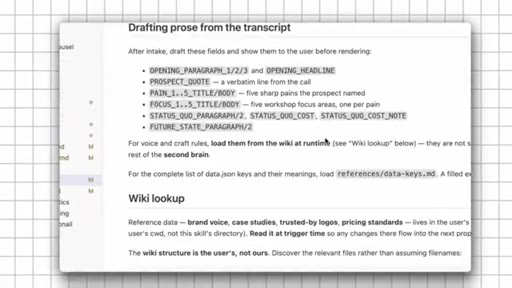
01:06So I built a skill exactly for that. It's called slash generate proposal, and it pulls the prospect's call transcript, our pricing playbook, and past proposals to tailor a document straight from the live data. That brain holds the context, but the skill is what ships the work.
01:20And that works great for me, but the second I need anyone else on my team to run it, things start to fall apart. I have some options. I could Slack the folder around, drop it into drive, and if we're on a clawed team plan, I could publish it as an org skill.
01:32But the thing is half of my team live in codecs on OpenAI, so that's out of the question as well. And the second one of them updates their copy, everyone starts to drift. So you can see it just doesn't really scale.
01:42Instead, I have a private team skills marketplace. It's one install command and every skill I've ever built shows up on their machine. Any update from me or anyone else pushes to the whole team automatically,
01:53and it works across whatever AI tool they're using, which, by the way, is the part that most people are getting wrong because every week, there's a new AI tool. Today, Claude Code is out in front. Next week, it might be Codex.
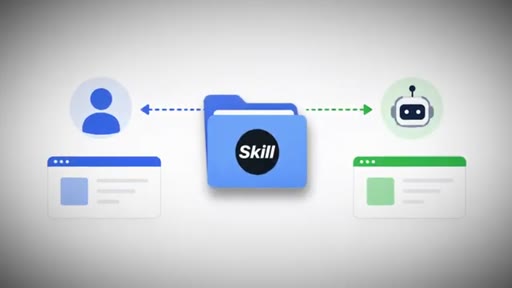
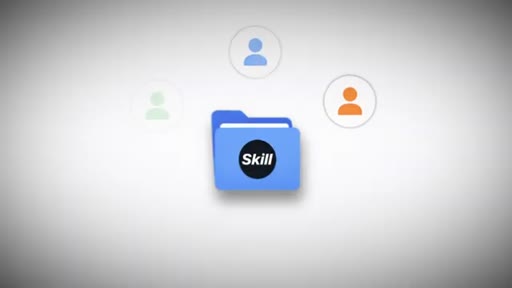
02:05And in a few years' time, who knows? The way I've built this, the marketplace doesn't care which one your team is on, and I'll show you why in a second. A skill is how you encode your standards, your processes, and your taste into one portable file that anyone can run.
02:18And it doesn't matter whether that's an agent or a person. You can drop them into a shared marketplace and the same skill that made you faster now makes the whole team faster. That's how a five person team starts shipping like a 50 person team.
02:30It's because the leverage is in the context layer and the execution layer working together, not in the additional headcount. An execution layer also fixes two other things you're probably struggling with, your team's baseline quality and whether your documentation actually gets used.
02:44I'll come back to both in a second. But first, I wanna show you the piece that marketplace into your brain because skip this and you've really just built yourself a fancier version of copy and paste.
02:54Inside every skill, you get two ways to handle context. Option one is that you hard code the context in. You can copy your brand voice, your pricing, or your customer avatar data straight into the skill file or create a references folder.
03:05Option two is that you reference it from somewhere else. The skill points to your brain and pulls the live version when it runs. Hard coding is fine when it's just you using the skill, but it ends up being a bit of a trap as time goes on.
03:16Because the moment some of the context changes, you've now gotta go find every skill that copied it and rewrite each one. It's a pain. Referencing is better because it makes the context layer the single source of truth for that type of information.
03:28A file gets updated, and every skill that points at it gets the new version automatically. So you don't have to worry about stout context in your execution lab. This is the move that turns your skills into living business methodology.
03:39The brain evolves, and every skill evolves with it. One update to the brain, and that information is leveraged everywhere. Most people's skills are stuck on one machine.
03:48You build them, and they make you faster. But every teammate ends up rebuilding the same skill from scratch on their laptop. And personal productivity goes up, but team output stays about the same.
03:57Your team marketplace fixes that. Now I said earlier that this marketplace doesn't care which AI tool your team is on, and here's why. The whole thing is just a private GitHub repo.
04:06There's nothing else to it. And the reason that it works is that agent skills are an open standard. Claude code reads them natively.
04:13Codex reads them natively, and whatever ships next week will read them natively too because the format is the format. You own the layer, which means the tools you run it in are replaceable. I built a free GitHub template for it.
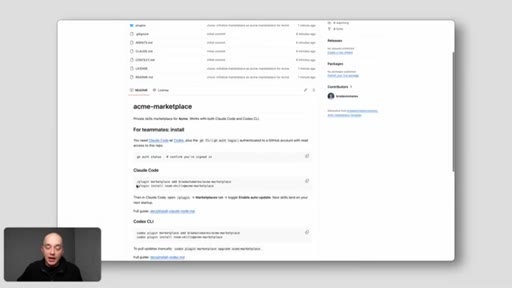
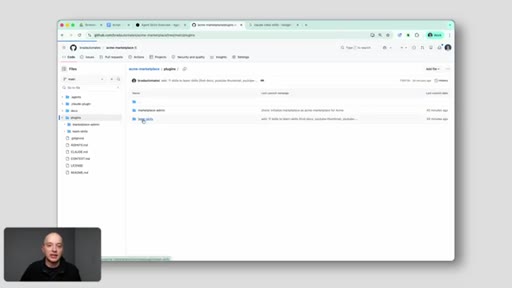
04:25The link is in the description below. You click use this template, set it to private, name it after your company, and there's two plugins that ship inside. One holds your team skills, and one is the admin plugin that handles the setup, importing skills, and publishing.
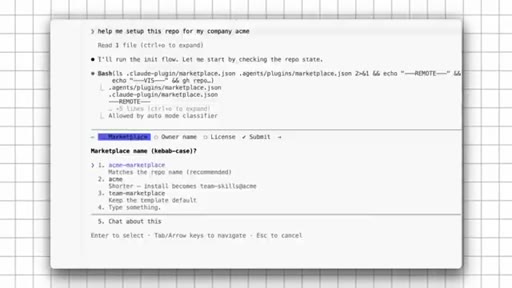
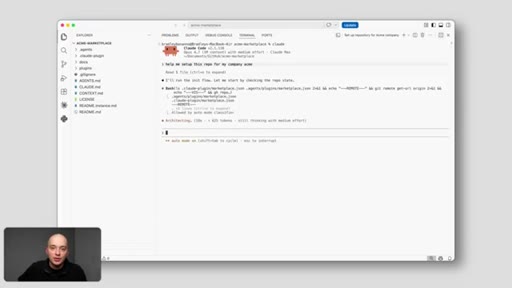
04:38Then clone the repo locally. The easiest way to do this is just to ask to do it for you. But once it is cloned, open the folder in Claude code, either in your IDE or the desktop app, and ask Claude to read the read me and run the setup.
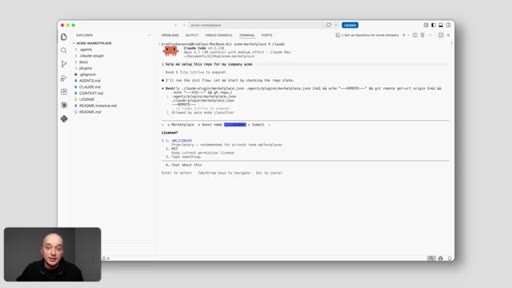
04:49It'll scan all the files and walk you through it. The important thing here is your license because my template is MIT license, meaning you can use it for free in your business. But for your own skills, you wanna stay unlicensed.
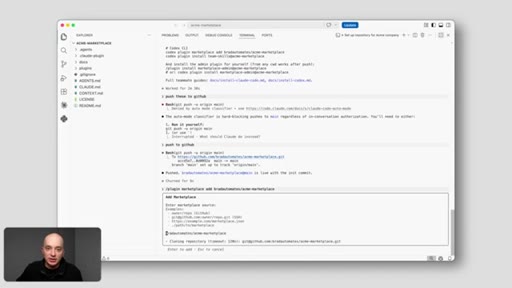
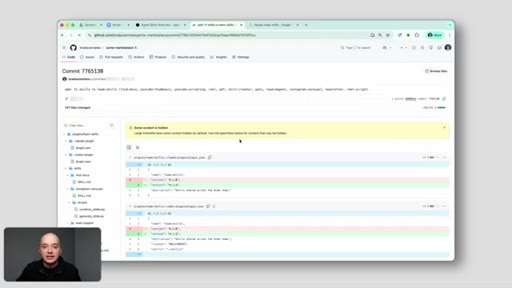
05:00When Claude's done, ask it to push the changes up to GitHub. That'll update the read me again with the new install commands you need for Claude code and codex. Now you can just copy them in and the marketplace is installed.
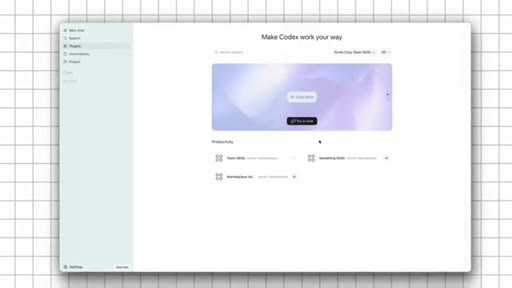
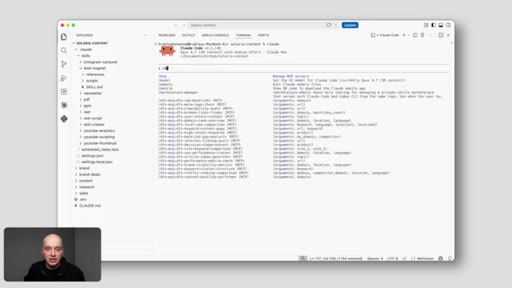
05:10Now if I run slash plugins and head to marketplaces, Acme is there. I can browse plugins and you'll see the two ship five default, team skills and marketplace admin.
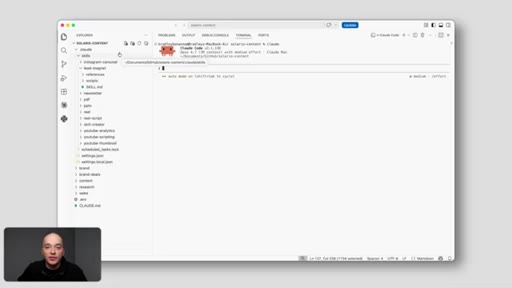
05:18You wanna install both and then start fresh Claude session so the new skills load in. Now I need to push some of my skills into team skills. So I've opened my main Claude repo where I keep the ones that I use daily, Instagram carousel, lead magnet, YouTube scripting, and thumbnails.
05:31I wanna ship these to the rest of my team, so I use the marketplace manager skill to add them into the marketplace. And the nice thing is you can add a skill from anywhere on your machine. Just point at it and say, add this to the team marketplace.
05:43It copies it in and bumps the plug in version. And when team skills starts feeling a bit too broad, you can scaffold this further. A sales skill plugin, an ops one, a customer success plugin, all in the same marketplace but separate plugins.
05:55That way teammates only install what's relevant to their role. The marketplace scales the same way your org does. Your local skills will decay.
06:02You build one, you get busy, and the file goes stale. And that's the end of it really. Team skills are different though, and here's why.
06:08Say your marketing lead notices an issue and corrects their version of the skill. That correction goes back into the skill dot m d, and they can push that to the marketplace. Next time anyone on the team runs that skill, the correction is baked in.
06:20You can even have permissions set up in GitHub, which allow you to control who can and cannot update those skills. That one move sorts out both of the problems I mentioned earlier. The skill doesn't rot because it's the thing actually doing the work, and every run is a chance to sharpen it.
06:35And the quality lottery is gone too because the new hire who just joined yesterday is now running on the back of every lesson your team has ever taught it. One floor going up every week. Multiply that across six skills, then 60, then across departments,
06:49and the marketplace becomes the operating system of the business. Every new hire inherits every lesson learned. Every agent runs at the same level as your best operator.
06:58CTAThe brain holds the context, and the marketplace runs the work. Both keep getting smarter over time. If you don't have the brain side built out yet, that should be your next watch.
07:07CTAI walk through exactly how I run mine, including how Claude watches every piece of content I touch and feeds it straight in. If you wanna build the marketplace, the template is free and at the link in the description below. And if you want a stream of vetted production ready skills, you can drop straight into that marketplace.
07:22CTAThat's what I'm building next. The skills marketplace waitlist is in the description below.
— full transcript
§ 05 · For Joe

Steal the execution layer frame.

Builder playbook

The gap isn't missing context — it's missing the layer that turns context into shipped work.

  • Frame every AI workflow tutorial around the two-layer model: context + execution. It names the gap people feel but can't articulate.
  • Build skills that reference live context from the brain, not hard-code it — one brain update propagates everywhere.
  • The GitHub-as-marketplace idea is free, self-hosted, and tool-agnostic. This is the MCN+ pitch for team AI workflows in a box.
  • The PR-back loop is the most under-explained idea in the video — every correction a team makes improves the skill for everyone. Mine it for a Killing Excuses or LFB episode.
  • 'The quality lottery is gone' and 'the new hire inherits every lesson learned' are steal-worthy hook angles worth building content around.
§ 05 · For You

What this means if you use AI tools at work.

If you're trying to get your team on the same page with AI

The problem isn't that AI tools don't work — it's that everyone on your team is running a slightly different version of the playbook.

  • If you have one AI workflow that works great for you, the next step is turning it into a shared file your teammates can install in one command.
  • Don't paste your brand voice or pricing into every AI prompt — put it in one shared file and point every prompt at it. Change it once, update everywhere.
  • A private GitHub repo is free, takes five minutes to set up, and doesn't care whether your team uses Claude Code, Codex, or something that doesn't exist yet.
  • Every time someone on your team improves a workflow, have them push the fix back to the shared repo. One correction becomes a permanent upgrade for everyone.
§ 06 · Frame Gallery

Visual moments.