The bait, then the rug-pull.
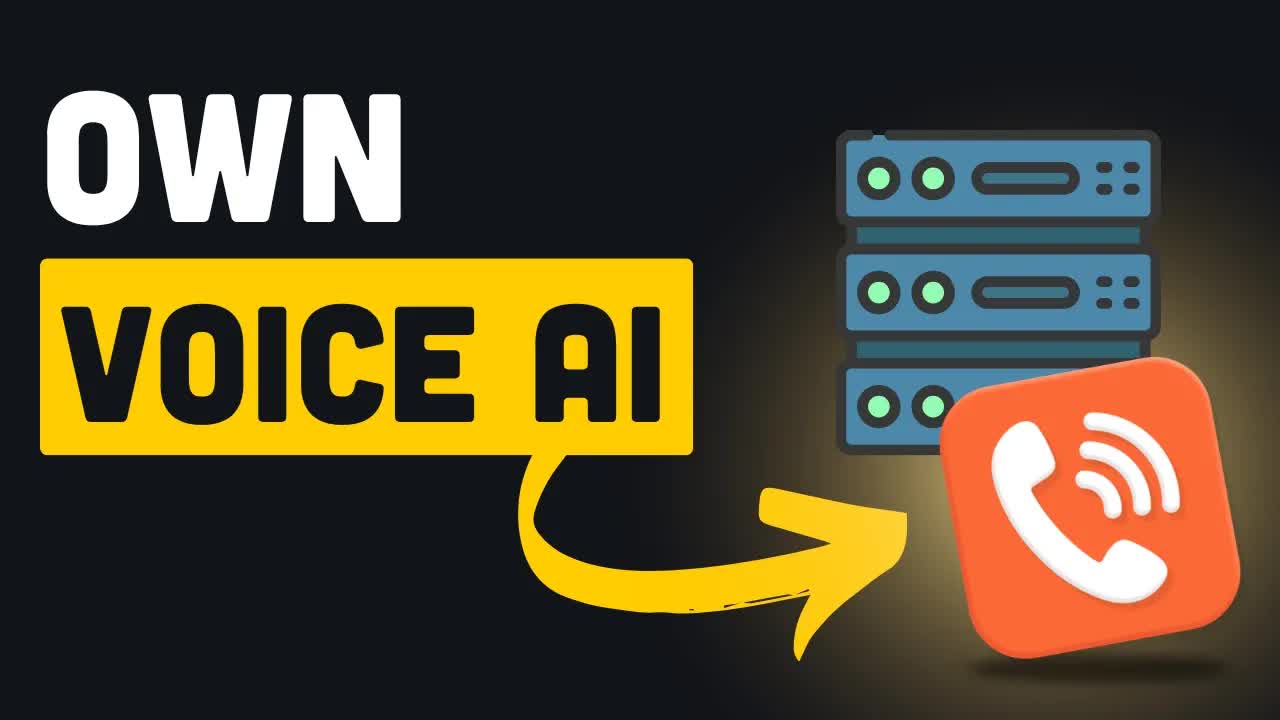
You shipped a voice AI agent. It worked. Then the bill arrived — LLM, STT, TTS, telephony, platform fee — stacked four layers deep. That is the problem Dograh is trying to solve, and Better Stack walks through the entire platform in under seven minutes: from Docker spin-up to live test call to a landscape comparison that names every major competitor by name.
What the video promised.
stated at 00:18 "Today I will show you Dobre and an open source VAPI alternative you can self host, inspect, and control." delivered at 01:29
Where the time goes.

01 · Stop Renting Your Voice AI Stack
Hook: stacked fees and no ownership. Sets up the core developer pain before the product is named.

02 · Why AI Phone Agents Get Expensive Fast
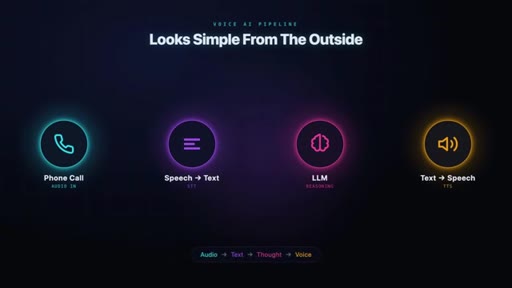
Animated pipeline diagram (phone call to STT to LLM to TTS). Looks simple from the outside — reality is messier.

03 · Voice AI Is Not Just ChatGPT With a Phone Number
Real calls: interruptions, silences, topic pivots, weird questions. When it breaks, the bot gave a bad answer is not enough.
04 · Dograh Demo: Build a Voice AI Agent Locally
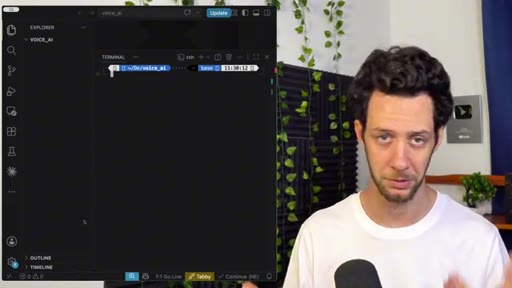
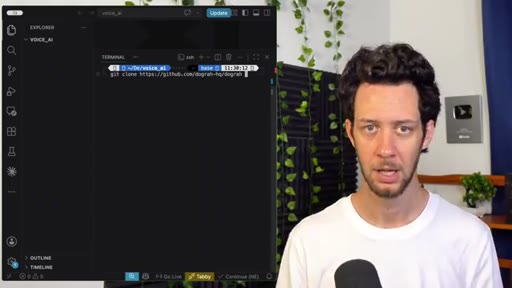
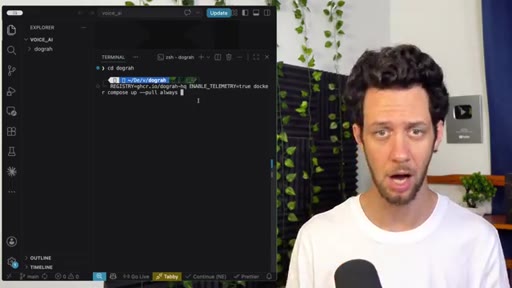
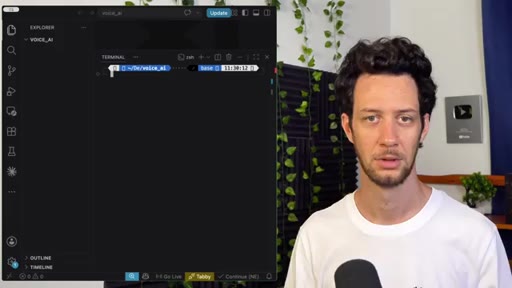
Clone GitHub then cd then docker compose up. Docker-first as a developer credibility signal.
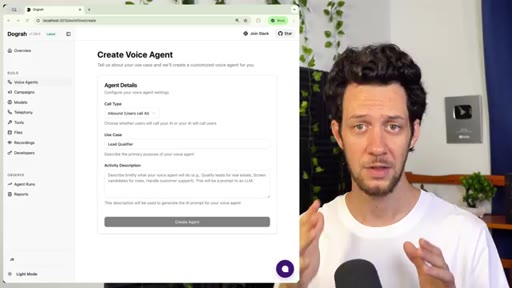
05 · Creating a Lead Qualification AI Phone Agent
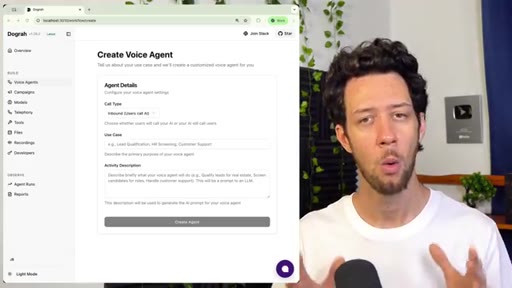
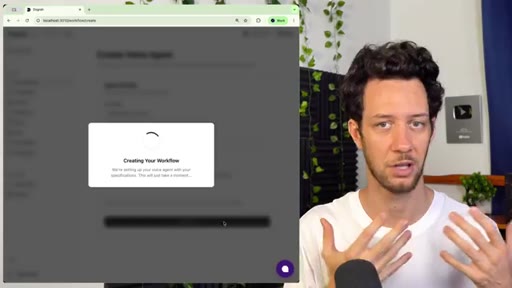
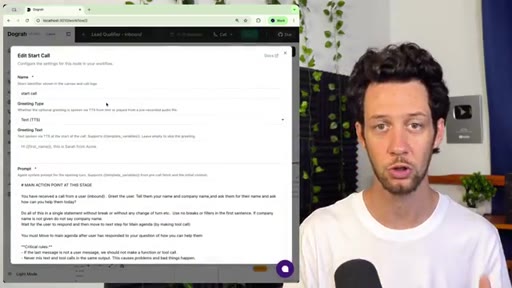
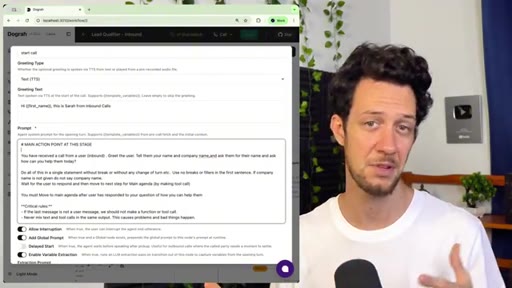
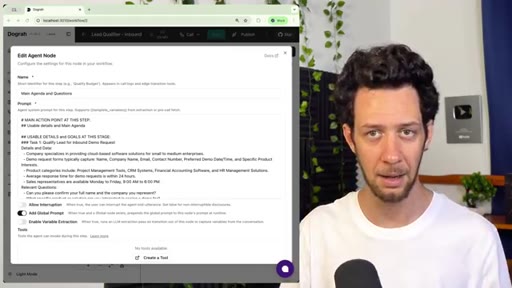
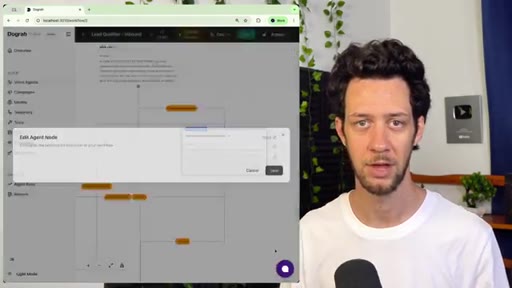
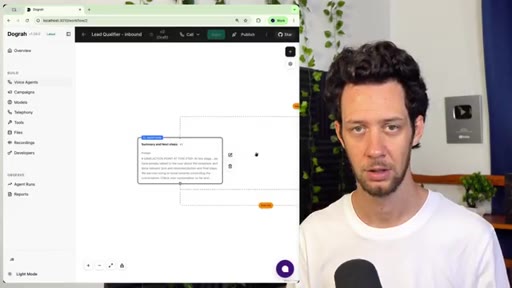
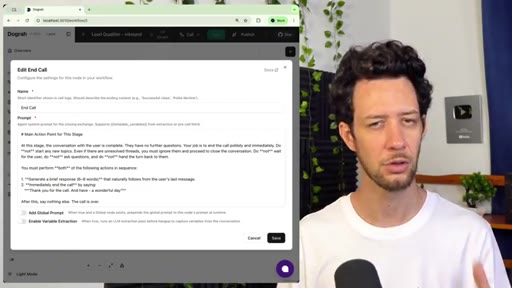
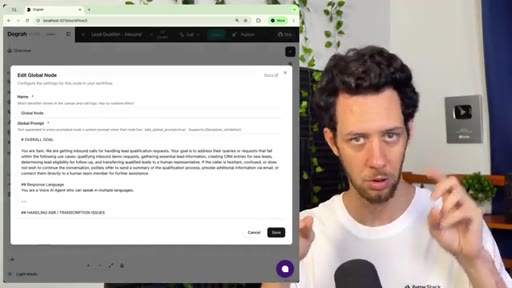
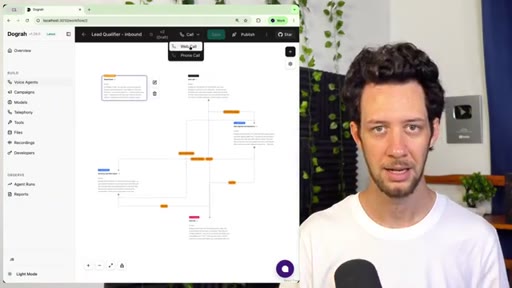
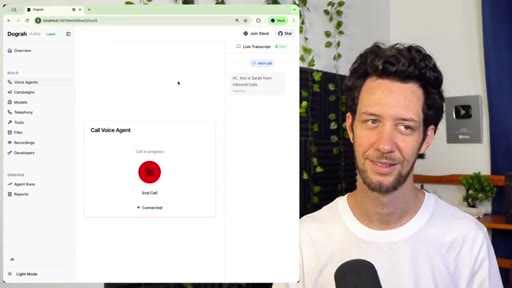
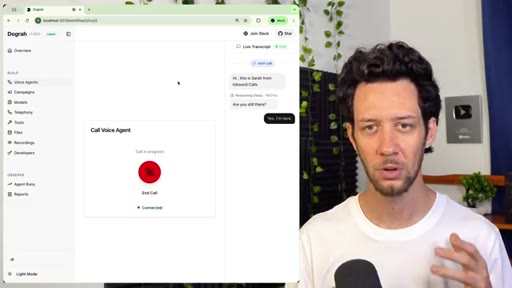
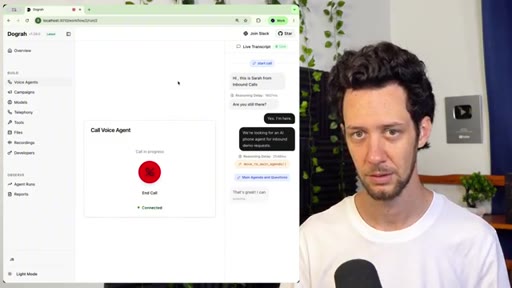
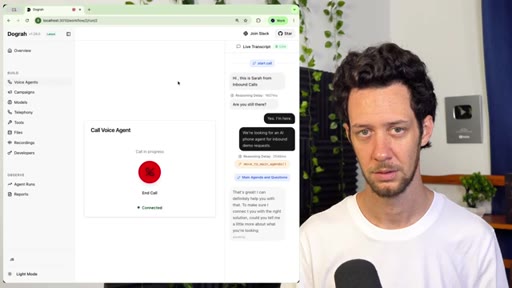
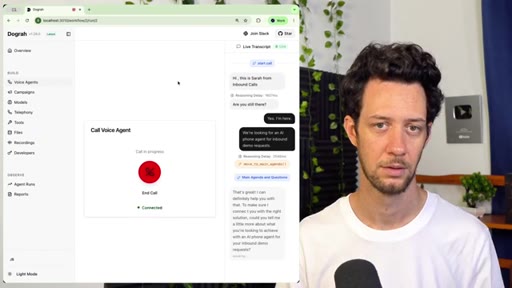
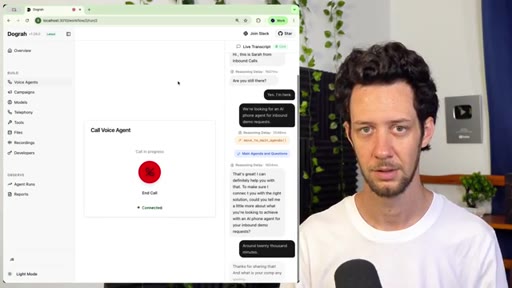
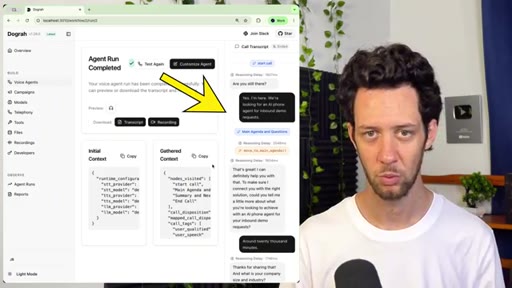
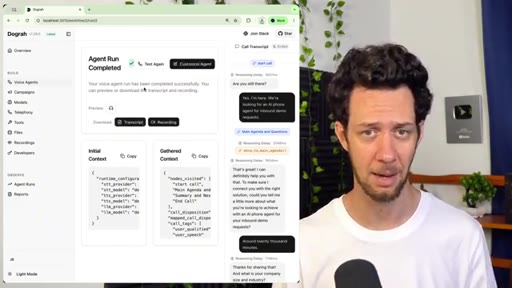
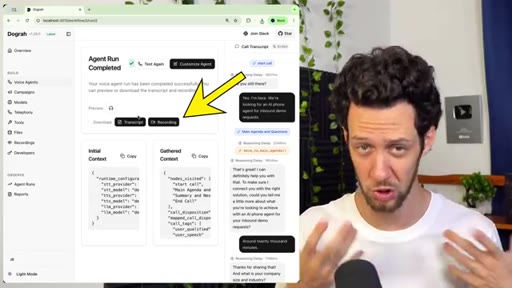
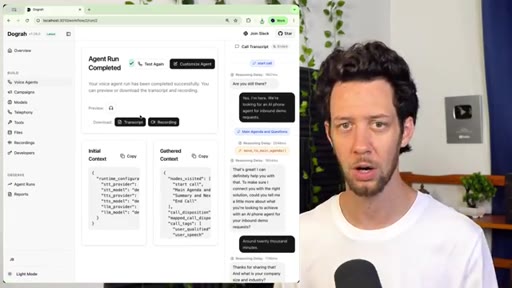
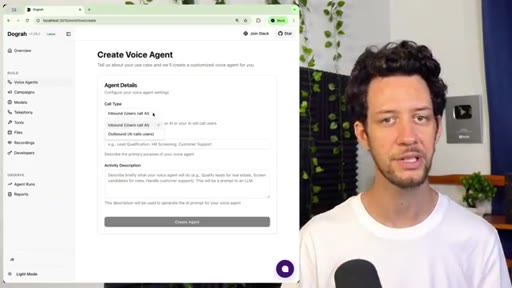
Visual workflow builder: prompt node, qualification step, API tool call, branch, transfer. Live test call with AI agent Sarah. Post-call observability: transcript, trace, tool call log, recording.

06 · What Is Dograh?
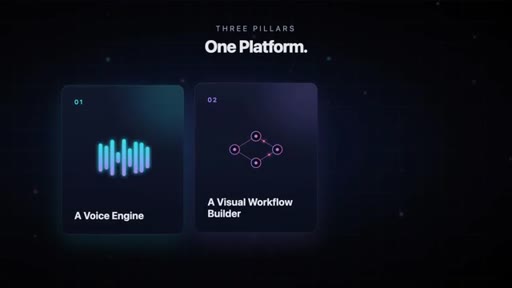
Three things: Voice Engine plus Visual Workflow Builder plus Platform Layer (testing, tracing, recordings, analytics).
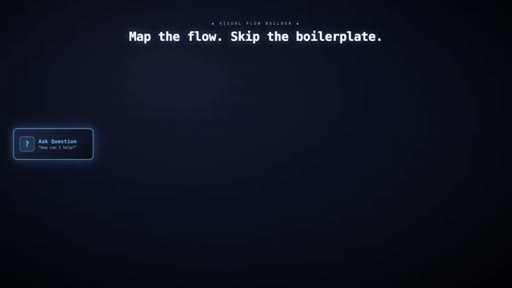
07 · Voice AI Agent Workflow
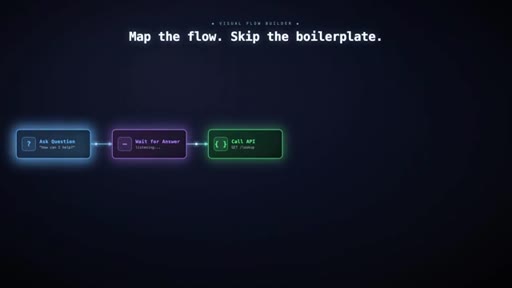
Animated: Map the flow. Skip the boilerplate. BYOP — bring your own LLM and TTS providers.

08 · Testing, Tracing, Recordings, Analytics
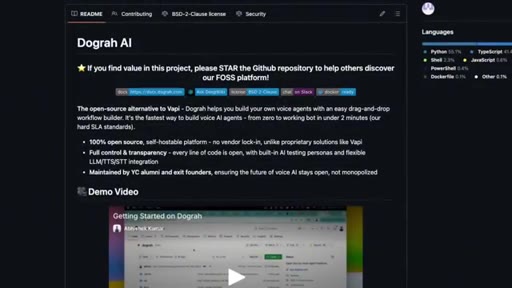
Open source means inspect, change, self-host. Low GitHub stars signals an early-stage find.

09 · VAPI, Bland, Retell: Fast but Less Control
Hosted platforms move fast but pricing, limits, and deployment options are out of your hands.
10 · Pipecat and Vocode: Flexible but More Glue
Raw frameworks give control but require building everything — no UI, no workflow editor.

11 · Where Dograh Fits for Devs
Write code where code matters, use the builder where your flow matters. Subscribe CTA.
Visual structure at a glance.

Named ideas worth stealing.
The Three-Tier Voice AI Landscape
- Hosted platforms (VAPI, Bland, Retell) — fast, locked in
- Raw frameworks (Pipecat, Vocode, LiveKit) — flexible, high glue
- Open-source platforms (Dograh) — builder UX plus self-hosting plus observability
A positioning triangle for any developer tool category: speed vs. control vs. ownership.
The Three Things Product Explanation
- Voice Engine
- Visual Workflow Builder
- Platform Layer
Dograh reduces to three named components, each solving a distinct layer of the problem.
Lines you could clip.
"That's not even the worst part. The worst part, you still don't really even own the system."
"A voice agent is not just ChatGPT with a phone number, it is a live system with a bunch of moving parts."
"The value is not no code. The value is not wasting code trying to tie everything together."
"Write code where code matters, use the builder where your flow matters, inspect the runtime when things break, and swap providers when costs change."
How they spent the runtime.
Things they pointed at.
How they asked for the click.
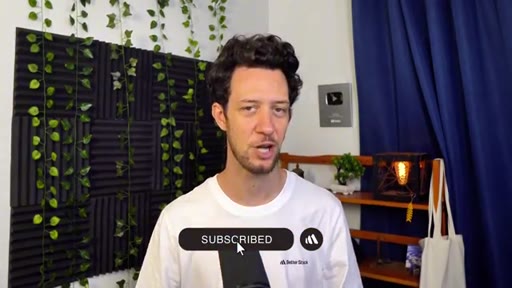
"If you enjoy coding tools like this, be sure to subscribe to the BetterStack channel. We will see you in another video."
Clean verbal close with on-screen SUBSCRIBED animation. Mid-roll subscribe ask also appears at ~1:26. No product upsell or link CTA in closing.
Word for word.
Steal the format.
Pain hook then problem depth then live demo with observability layer then landscape positioning — this is a repeatable formula for any dev tool reveal.
- Open with the financial or control pain, not the product name — let the problem breathe for 20+ seconds before the solution appears.
- Show Docker first if your audience is developers — it is a credibility signal, not a friction warning.
- The demo must include failure-state tooling (trace, logs, recording) — showing only the happy path reads as marketing, not engineering.
- Use a named three-tier landscape comparison to position against both over-controlled and under-controlled alternatives.
- The title formula Developers Finally Got [category] [tool name] signals arrival and relief — test it for JoeFlow or any tool reveal.
- Subscribe mid-roll at ~1:26 (after pain is established, before demo) is well-timed — viewers are engaged but not yet at peak value delivery.
What this means if you are building with voice AI.
If you are paying platform fees on VAPI or Bland and feeling locked in, Dograh is worth an afternoon evaluation — it is open source, self-hostable, and spins up with one Docker command.
- Try the Docker demo locally before committing — it takes minutes and costs nothing.
- Dograh is early-stage (low GitHub stars at recording) — treat it as a beta bet, not a production default.
- Bring your own LLM and TTS providers to avoid double-stacking fees.
- Use the workflow builder for call flow logic and drop to code only for custom integrations.
- The observability layer (trace, recording, tool call log) is what separates a real voice AI platform from a chatbot with a phone number.