The bait, then the rug-pull.
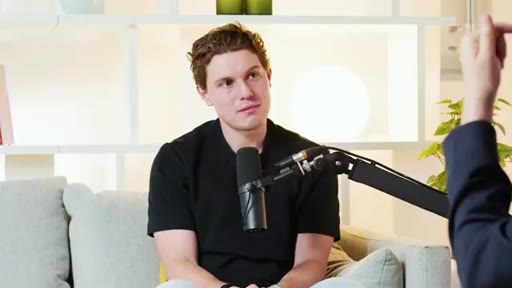
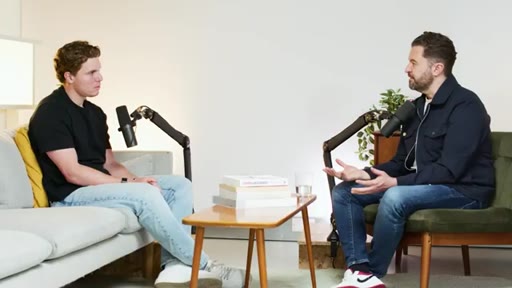
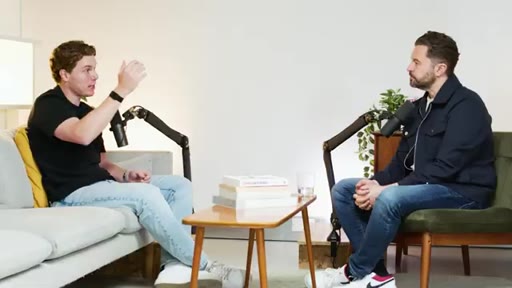
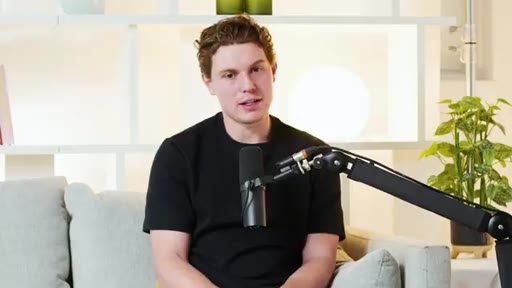
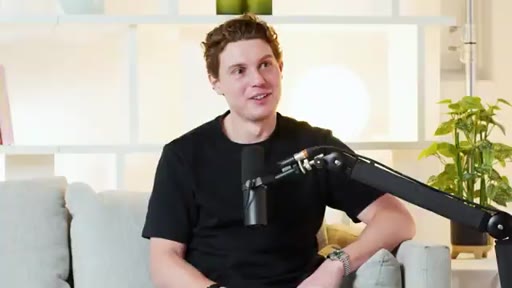
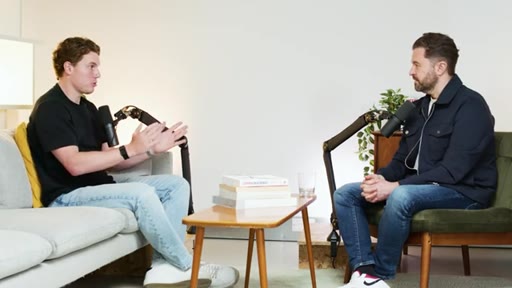
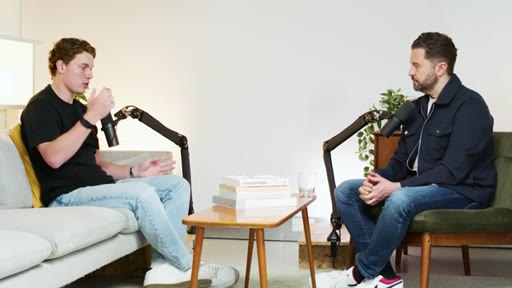
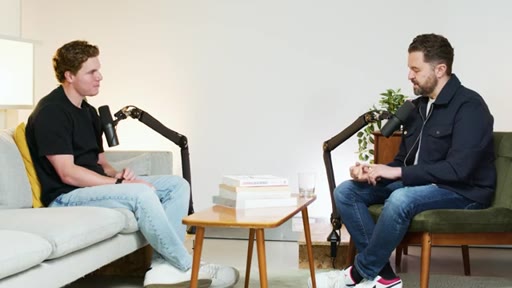
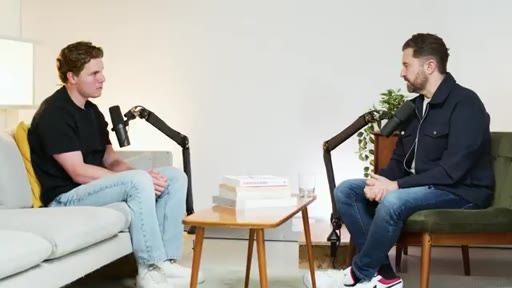
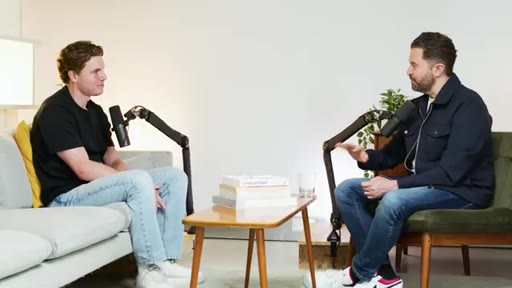
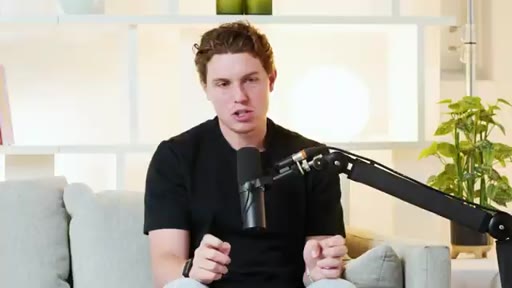
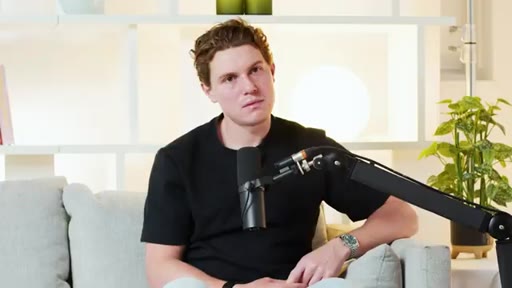
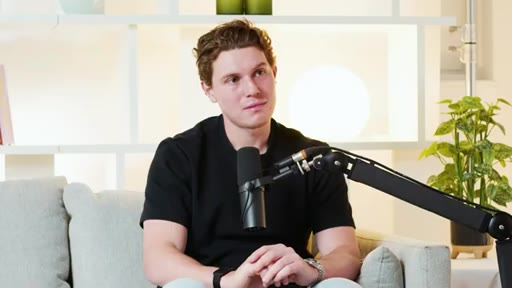
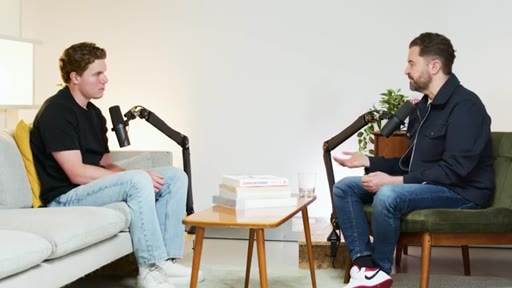
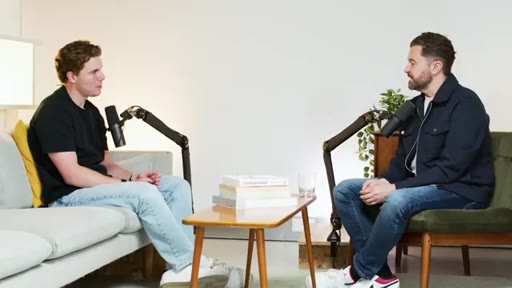
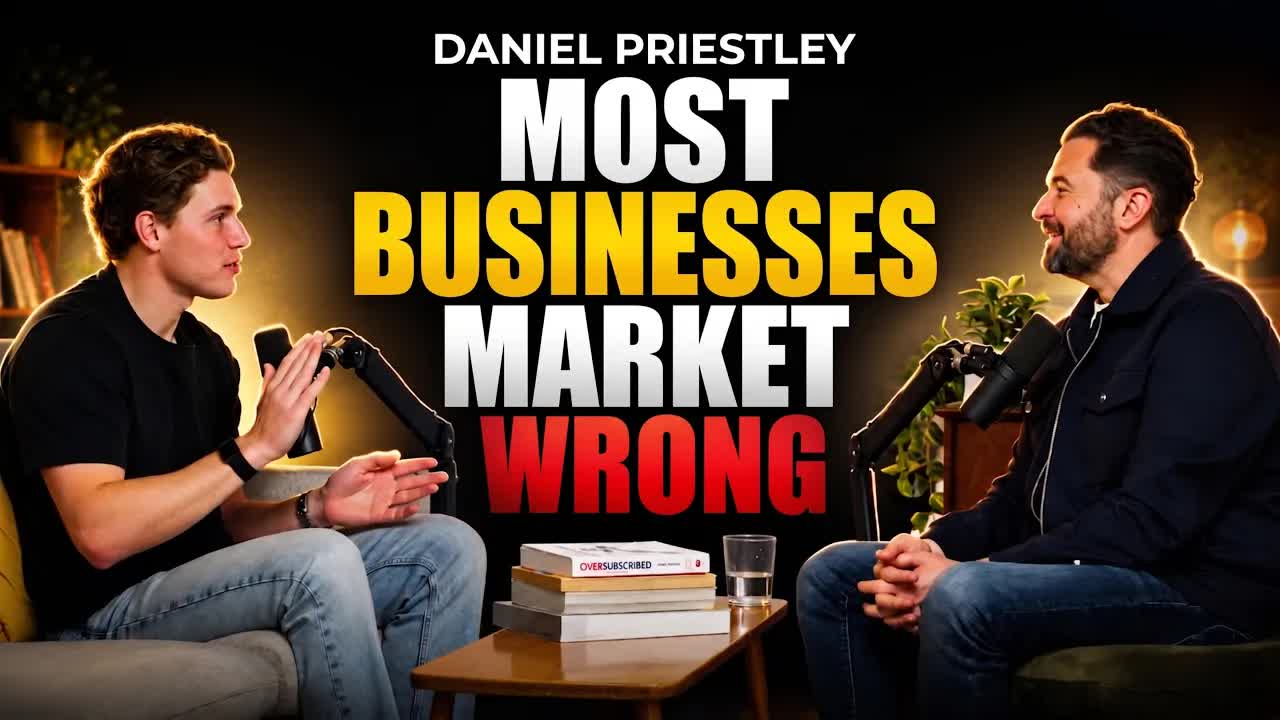
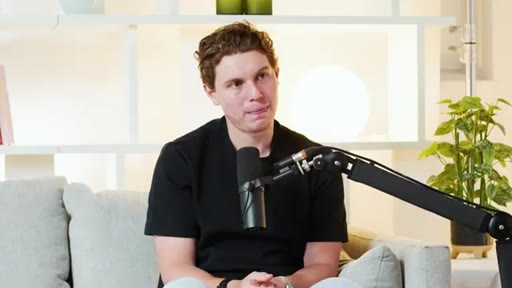
Daniel Priestley built ScoreApp before AI made it easy -- paying $8,000 to $15,000 per hand-crafted assessment, doing one-hour boardroom sessions for clients spending $29 a month. That unscalable grind is the origin story of a platform now used by 10,000 paying customers. In this conversation with Mitchell Ali, Priestley lays out the 2026 blueprint: how AI compresses the hard part of marketing into minutes, why the first twelve months of any new platform is a gold rush window, and the exact question that surfaces whales in every sales funnel.
Who's talking.
Where the time goes.
01 · Origin Story -- ScoreApp and the Unscalable Problem
Priestley explains how he paid $8-15K for hand-built assessments, did 1-hour boardroom sessions for $29/month clients, and built ScoreApp to make that work repeatable. Now: 10K paying customers, 150K free accounts.

02 · Pricing -- Gold, Silver, Bronze and Adaptive Pricing
One price point caps your revenue. The move after $1M run rate: add a tier 5x more expensive before you know what you will deliver. Scorecard data reveals budget so you can price adaptively before pitching.

03 · Eureka Moments -- When Product-Market Fit Clicks
First PMF signal: a customer self-set-up without speaking to anyone. Then 24 free signups in one day. Now: 10 signups per hour on normal flow.
04 · Waitlists and Micro-Commitment Psychology
Waitlists work because people want what they cannot have and like micro-commitments. Priestley launched a new business with 5,500 waitlist signups, capped intake at 1,000.
05 · Traffic -- Social Algorithms and Algorithmic Media
Posting every day is the cheapest distribution channel in history. Priestley compares it to paying $8,000 for a newspaper ad that ran once. YouTube AdSense pays him 3-4K/month just to post videos.

06 · Scorecard Design -- Radical Empathy and the 15-Question Architecture
The biggest mistake: designing from the solution side. Radical empathy = meet customers at their current pain. The 15-question structure: 10 best-practice + 5 psychographic. Q15 surfaces budgets unprompted.

07 · LAPS Framework -- The Correct Sales Sequence
Lead -> Appointment -> Presentation -> Sale. The error is lead-to-sale. Average lead-to-sale: 4-5 months. High-ticket clients buy faster because price is subjective.

08 · 11-7-4 Framework -- The Nurture Math
11 touchpoints to be noticed. 2-7 hours of content to build trust. 4 ways for a lead to signal interest. All three must be in place before optimizing anything else.
09 · AI Ads, the Future, and Conjuring Cool Stuff
AI ads will follow the Google and Facebook pattern: cheap in the first 12 months before corporates show up. Priestley closes with a humanistic take on AI -- more intelligence, more access.
Lines you could clip.
"AI is the fast food of marketing. It is fast, but if you want something extraordinary, you need to put your own personality into it."
"People notice you for the first time properly when they see you for the eleventh time."
"For the first twelve months of any new innovation, small businesses can rush in nice and cheap -- then the big companies come in and bid the prices up."
"When you get the money, you will figure out what to supply them."
"Is there anything else you want me to know?"
Things they pointed at.
Word for word.
The 2026 blueprint is already working.
Priestley has a proven, repeatable playbook -- scorecard funnel, bronze/gold/silver pricing, 11-7-4 nurture math -- and AI just made every step ten times faster to execute.
- Build a scorecard that meets your prospect at their pain, not your solution. Problem-aware, not solution-aware.
- Add a tier 5x your current top price before you know what it includes. The right clients will tell you what to build.
- Use the 15th question -- 'Is there anything else you want me to know?' -- in every intake form, quiz, and scorecard.
- Map your 11-7-4: are you hitting 11 touchpoints? Do you have 2-7 hours of available content? Are there 4 ways for leads to signal interest?
- AI ads will follow the Google/Facebook pattern -- first 12 months are cheap. Get ready now, move in Month 1.
- Stop skipping to lead-to-sale. The sequence is Lead -> Appointment -> Presentation -> Sale. Each stage has one job.
What this means if you are trying to grow anything.
The mechanics Priestley describes work for any business, any offer, any audience -- and they are simpler than you think.
- People will not buy from you until they have seen you roughly 11 times. Post consistently -- the algorithm does the distribution work for free.
- Before you pitch anything, run a short quiz or scorecard that diagnoses the other person's problem. Let them tell you what they need.
- Waitlists are not just for tech products -- any offer becomes more desirable when it has limited availability and a small commitment to access.
- When following up with a warm lead, open with their highest and lowest score, not a sales pitch. Curiosity opens more doors than pressure.
- Price is subjective. A $200K car is cheap to someone who just sold a company for $12M. Price your work for the right person, not the average person.